
Reviewed · SOWETO & TOWNSHIP TOURS
Johannesburg & Soweto (Half-day Tour)
Soweto gives this tour its emotional weight. In five hours, you follow the story of South Africa’s struggle from Freedom Square to Regina Mundi Church and the Hector Peterson Museum, then continue through Johannesburg’s changing streets. Guides such as Emmanuel bring personal feeling to the history and can answer questions in English, Zulu, Sesotho, or Xhosa.
I like the tour’s private format, hotel pickup, and focus on places that shaped modern South Africa. I also like the chance to ask for a local food recommendation along the way. The main caution is time: this is a driving tour with short stops, so you may see Soweto more through the vehicle window than on foot.
Key Points
- Freedom Square: See where the Freedom Charter was adopted in 1955.
- Regina Mundi Church: Visit a major place of refuge and political discussion during the struggle.
- Hector Peterson Museum: Learn how the 1976 student protests changed South African politics.
- Vilakazi Street: See the street associated with Nelson Mandela and Desmond Tutu.
- Private five-hour outing: Hotel pickup and drop-off make this easy to fit into a Johannesburg stay.
- Plan for lunch: Food and drinks cost extra, and the tour takes place rain or shine.
Following Johannesburg’s Story from Soweto to the City Center
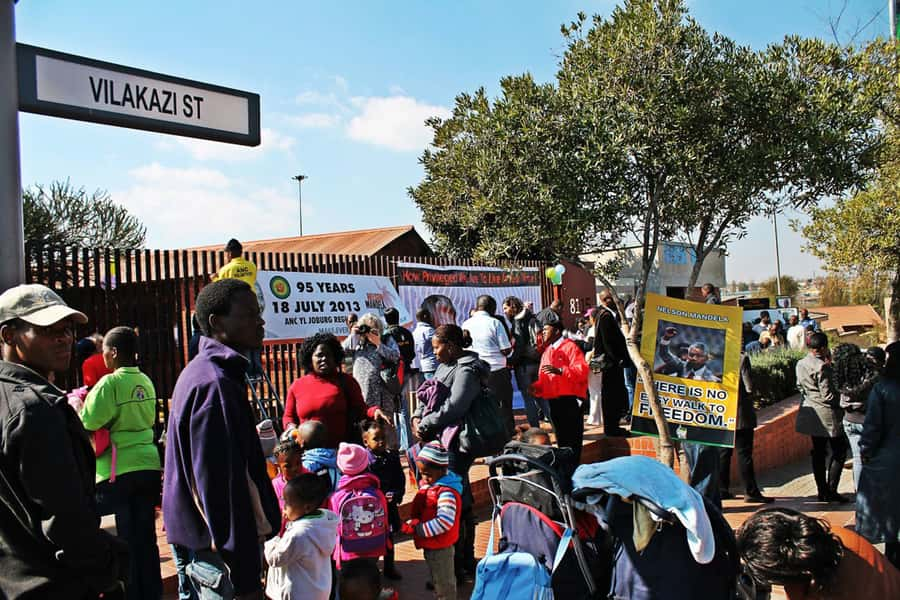
Johannesburg is called the City of Gold, but this tour is less about gold mines and more about the people and events that shaped the city. You start in the south, in Soweto, then travel toward downtown Johannesburg while your guide explains the places along the route.
That order matters. Soweto is not treated as a quick photo stop tacked onto a city tour. It forms the main historical thread, with each visit adding another chapter: political ideas at Freedom Square, community resistance at Regina Mundi Church, student protest at the Hector Peterson Museum, and the public memory tied to Vilakazi Street.
You have five hours, so expect a compact introduction rather than a full day spent walking through neighborhoods. The route covers a lot of ground. That is useful if you want a first look at both Soweto and Johannesburg, but it also means the experience can feel more like sightseeing by car than a slow neighborhood visit.
More Township Tours in Johannesburg
- Johannesburg: Hop-On Hop-Off Bus with Optional Soweto Tour
★ 4.6 · 985 reviews - Soweto /Johannesburg and Apartheid Museum Guided Full Day Tour
★ 5.0 · 932 reviews - Johannesburg Hop-On Hop-Off City Tour with Soweto Option
★ 4.5 · 768 reviews
Freedom Square and the Ideas Behind the Freedom Charter

One of the first major stops is Freedom Square, where the Freedom Charter was adopted in 1955. The charter became a central statement of the struggle against apartheid and offered a vision for a democratic South Africa.
The value of this stop is not simply seeing an open public space. Your guide can connect the location to the political hopes that gathered there. This gives you a better starting point for the rest of the tour, since the later stops are easier to understand once you know what the movement was asking for.
I would pay close attention here and ask questions. The tour gives you a chance to learn about the origins of the South African struggle, and a private guide can adjust the explanation to your interests. If you want dates, names, and political context, say so. If you prefer a simpler overview, your guide can keep the story moving.
Because the tour is private, you are not locked into a fixed group conversation. That is a practical advantage at a site where the meaning can be easy to miss if you only stop for a photograph.
Regina Mundi Church, the People’s Parliament
Regina Mundi Church is also known as the People’s Parliament. During the struggle, it became an important place for meetings, discussion, and refuge. The church helps show how resistance was not limited to formal political buildings. Religious spaces could also become places where communities gathered and spoke openly.
This stop adds a human scale to the political history. Freedom Square introduces the charter and its ideals. Regina Mundi helps you consider how ordinary people organized, met, and found support under difficult conditions.
You should expect the guide to explain the church’s role rather than simply usher you in and out. The supplied tour information does not promise a long guided interior visit, so keep your expectations measured. The stop is included as part of the historical route, but the amount of time spent there can depend on the day’s schedule.
I like the balance here. The tour does not present Soweto only as a place of protest. It also points to the institutions and communities that helped people endure and organize.
Hector Peterson Museum and the 1976 Student Protests
The Hector Peterson Museum focuses on the 1976 student protests, one of the most important turning points in South Africa’s political story. The protests changed the face of national politics and brought international attention to the system students were resisting.
This is likely the most emotionally direct part of the tour. The museum gives the events a clear focus, helping you understand how youth action could have such a wide effect. If your guide explains the events well, you should leave with a stronger sense of how education, language, authority, and political control came together in that moment.
The museum also breaks up the driving. Earlier stops are mainly about places and ideas. Here, you get a dedicated museum visit tied to a specific event. The tour information indicates that ticket-line skipping is included, which can help keep a five-hour schedule on track.
Still, do not expect hours inside the museum. The overall outing has several stops and a city drive to complete. If you are especially interested in the 1976 protests, you may want to ask your guide for extra context while you are there.
Other township visits from Johannesburg:
- Half-Day Tour of Soweto Tour
★ 4.5 · 712 reviews - Soweto: Walking Tour with a Local Guide and Lunch
★ 4.9 · 648 reviews - Jo’berg in 1 Day: Soweto, Apartheid Museum & City Tour
★ 4.8 · 524 reviews - Johannesburg: Full-Day Tour with Soweto and Apartheid Museum
★ 4.8 · 478 reviews
Vilakazi Street and Two Nobel Peace Laureates
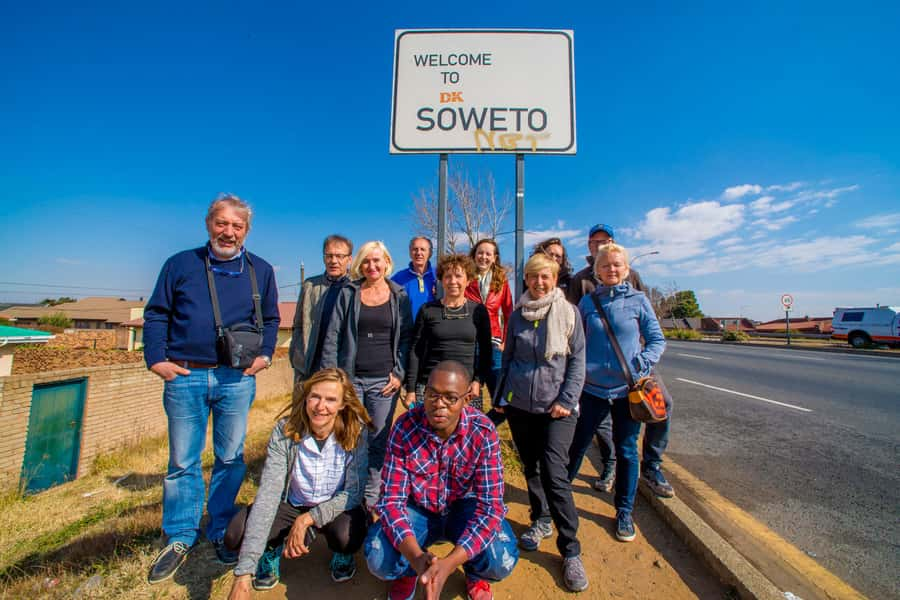
The tour continues to Vilakazi Street, where you see the homes associated with Nelson Mandela and Desmond Tutu. Having two Nobel Peace Laureates connected with the same street gives this stop unusual symbolic weight.
You are not simply looking at famous addresses. The street links two different public figures to the wider story of South Africa’s transition. Mandela is central to the country’s political history, while Desmond Tutu is closely associated with moral leadership and the struggle for justice. Seeing both homes on the same street gives your guide a natural way to discuss the people behind the national story.
The wording of the experience promises sightseeing at the houses, not a full interior tour. Plan on viewing the locations and hearing their significance rather than spending a long time inside private residences.
Vilakazi Street is also where the tour’s cultural side comes forward. You can ask your guide for a local cuisine recommendation and stop to get something to eat if the schedule allows. Food is not included, so bring money for lunch or a snack. This is one of the easiest ways to add a personal touch to a tightly planned half-day outing.
What the Johannesburg Driving Portion Adds
After the Soweto stops, the route continues toward downtown Johannesburg. This gives you a sense of how the southern townships and the central city fit into the same urban story.
The city portion is primarily sightseeing from the vehicle, according to the available details. You may get views of major points of interest and hear how Johannesburg has changed over time, but the tour is not presented as a long walking tour of downtown.
That distinction matters. One strong account of the experience describes learning how Johannesburg had changed and getting a useful glimpse of both the city and Soweto. Another account found the outing interesting but felt that most of the time was spent in the car, with only small stops and visits.
I would book this with the right goal: use it to get your bearings and understand the city’s history, not to inspect every district on foot. The driving lets you cover more ground than a walking tour, but you give up time for close neighborhood exploration.
Emmanuel and the Role of the Guide
The guide can make or break a history tour. Emmanuel received especially warm praise for his passion and for speaking from personal experience about South Africa’s past. Another booking also identified Emmanuel as attentive and good at showing lesser-known parts of Johannesburg and Soweto.
That does not guarantee that every departure will feature Emmanuel, but his name is useful to know if you are assigned to him. A strong guide matters here because several stops require explanation. A church, square, museum, or house can mean little without the political and personal story tied to it.
The tour offers live guiding in English, Zulu, Sesotho, and Xhosa. That range is helpful for a private group with different language needs. You can also use the private setting to ask direct questions, request more historical detail, or ask for a food recommendation.
Communication before pickup needs care. One person had to wait an hour because the guide was not easily reachable and did not arrive promptly. That is a serious problem on a five-hour tour. Wait in your hotel lobby 15 minutes before the scheduled pickup, and make sure your phone and booking contact details are available.
Is $112 a Fair Price for Five Hours?
At $112 per person, this tour is priced as a private, guide-led city and township outing rather than a basic shared transfer. Hotel pickup and drop-off add convenience, and the private format gives you more room to ask questions than a large group tour.
The value is strongest if you want several major sites covered in one morning or afternoon. You avoid arranging separate transport between Soweto, the museum, Vilakazi Street, and central Johannesburg. You also gain a guide who can connect the stops into one historical story.
The value is weaker if you want a slow, highly detailed exploration of Soweto. One account found that most of the experience took place in the car and expected a more thorough visit. That criticism is fair given the number of stops packed into five hours.
Food and drinks are not included, so add that cost to your plan. The tour can suggest where to eat, but you pay separately. Since the outing takes place rain or shine, a weather check and sensible clothing are worthwhile.
Who Will Get the Most from This Tour?
I would recommend this experience to you if you have limited time in Johannesburg and want a clear introduction to the city’s political history. It suits first-time visitors who want to see Soweto, visit the major struggle sites, and avoid figuring out transport on their own.
It also works well for private groups with mixed interests. One person can ask about politics, another about local life, and another about food or the changing city. The guide can shape the conversation more easily than on a large scheduled bus tour.
Families and older visitors may appreciate the hotel pickup, vehicle-based route, and wheelchair accessibility. You should still confirm the practical details of each stop if someone in your group has specific mobility needs, since the experience information confirms accessibility for the tour but does not describe every surface or museum entrance.
I would hesitate if your main goal is extended walking through Soweto or long, unhurried museum visits. The route is broad, and the schedule is short. You will see important places, but you may not spend much time wandering between them.
Booking, Timing, and Practical Details
The experience lasts five hours and operates with a private group. Pickup is included from your hotel, and you should wait in the lobby 15 minutes before the scheduled time. The available start times depend on date and availability.
You can cancel up to 24 hours ahead for a full refund, and the reserve-now, pay-later option keeps payment flexible. Those terms are useful if your Johannesburg plans may shift.
The tour runs in rain or shine. Bring a light layer or rain protection if the forecast looks uncertain, and remember that some of the best stops involve getting out of the vehicle. Alcohol and drugs are not allowed.
The overall rating is 4.1 from 14 ratings, which fits the mixed picture. The history, private guiding, and Emmanuel’s approach receive strong approval, while pickup communication and the amount of time spent in the car are the main concerns.
Should You Book the Johannesburg and Soweto Tour?
Book it if you want a time-efficient historical introduction with hotel pickup, a private guide, and the freedom to ask questions. The route covers the places most closely tied to the struggle, and Emmanuel appears to bring unusual personal feeling to the story when he is your guide.
Skip it if you want a full walking experience in Soweto or several hours inside museums. You may find the sightseeing too vehicle-based. Before booking, decide what matters most: covering many important sites in five hours, or spending longer at fewer places.
For a first look at Johannesburg and Soweto, the tour offers a useful framework. Just plan for a moving overview, not an exhaustive visit, and keep lunch money ready.
FAQ
How long does the Johannesburg and Soweto tour last?
The tour lasts five hours.
What is the tour price?
The listed price is $112 per person.
Is hotel pickup included?
Yes. Hotel pickup and drop-off are included. You should wait in your hotel lobby 15 minutes before the scheduled pickup time.
Is this a private tour?
Yes. The experience is offered for a private group.
Which places in Soweto does the tour visit?
The route includes Chris Hani Baragwanath Hospital, Freedom Square, Regina Mundi Church, Hector Peterson Museum, and Vilakazi Street, where the homes of Nelson Mandela and Desmond Tutu are located.
What will I learn at Freedom Square?
You will learn about the Freedom Charter, which was adopted there in 1955.
What does the Hector Peterson Museum cover?
The museum covers the 1976 student protests and their effect on South African politics.
Is food included?
No. Food and drinks are not included. You can ask the guide for a local cuisine recommendation and stop to buy food.
Which languages are available?
Live guiding is available in English, Zulu, Sesotho, and Xhosa.
Can I cancel for a refund?
Yes. You can cancel up to 24 hours in advance for a full refund.
Just added in Johannesburg
- Soweto Tuk-Tuk Food & Beer Tour★ 5.0 · 9 reviews
- Soweto: Sip & Paint Walking Tour & Take Home a Canvas★ 4.8 · 7 reviews
- Soweto Tour; Mandela House; Vilakazi Street; Market Culture★ 5.0 · 6 reviews
- Soweto & Johannesburg and Apartheid Museum★ 4.7 · 41 reviews
- Soweto Township Tour★ 4.4 · 4 reviews
- Private Soweto,Mandela House,Apartheid Museum,Constitution★ 4.6 · 15 reviews
- Soweto Food & Beer Bike Tour★ 4.9 · 40 reviews
- Soweto and apartheid museum tour(Half-day)★ 5.0 · 4 reviews
Soweto & Township Tours, compared.

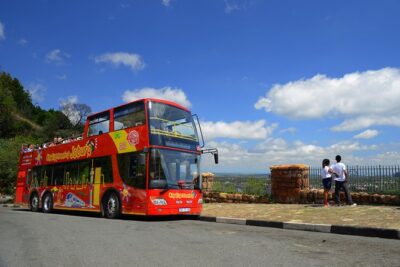
Johannesburg Hop-On Hop-Off City Tour with Soweto Option
Read our review →


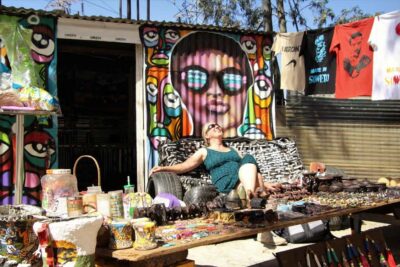
Jo’berg in 1 Day: Soweto, Apartheid Museum & City Tour
Read our review →
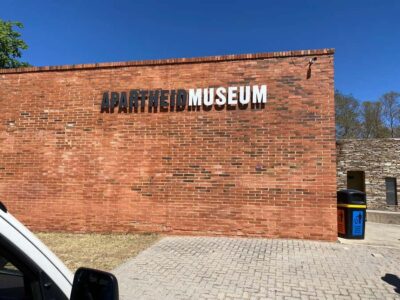
Full-Day Tour with Soweto and Apartheid Museum
Read our review →Browse the lists this tour appears in