Reviewed · APARTHEID & MANDELA HISTORY TOURS
Soweto and apartheid museum tour(Half-day)
Soweto is not simply a suburb to drive through. It is South Africa’s largest Black urban complex, shaped by forced removals, protest, music, family life, and the long fight against apartheid. This half-day tour connects that living community with the Apartheid Museum and Mandela House, giving you both the broad national story and a more personal look at the struggle.
I like the practical setup: pickup and drop-off are available in Johannesburg, Sandton, and Kempton Park, and an air-conditioned vehicle and bottled water are included. I also like the guide-led approach. Guide KJ has been praised for creating room for serious discussion, not just reciting dates. The main drawback is time. Five hours gives you a strong introduction, but not an unhurried look at every part of Soweto.
Key points at a glance
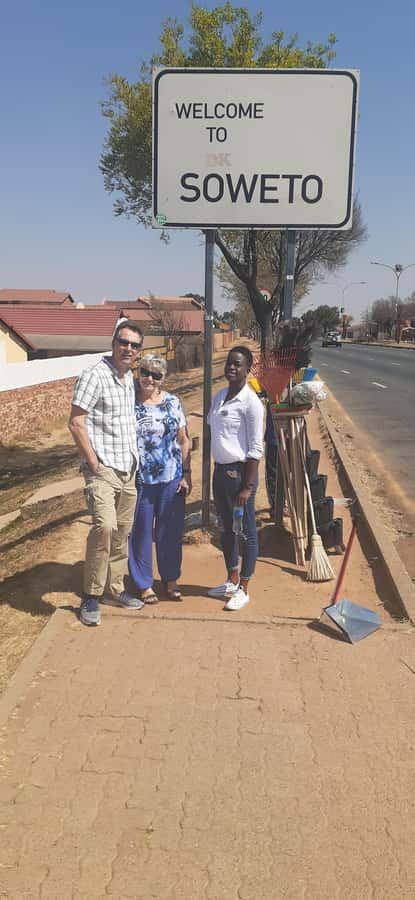
- Soweto and the Apartheid Museum in one morning or afternoon: You get both the township setting and the museum’s wider account of apartheid and liberation.
- Mandela House is included: The stop adds a direct personal connection to Nelson Mandela’s life and the anti-apartheid struggle.
- Pickup covers three Gauteng areas: Choose from Johannesburg, Sandton, or Kempton Park for both pickup and drop-off.
- English-speaking registered guides: The guides are presented as qualified and registered with the relevant tourism authority.
- A serious subject handled through conversation: Guide KJ has been noted for thoughtful explanations and long-form discussion when the group allows.
- Clear value for a half-day: At $102 per person, transport, entry to the Apartheid Museum, Mandela House, bottled water, and guiding are bundled together.
Why Soweto belongs on your Johannesburg plans
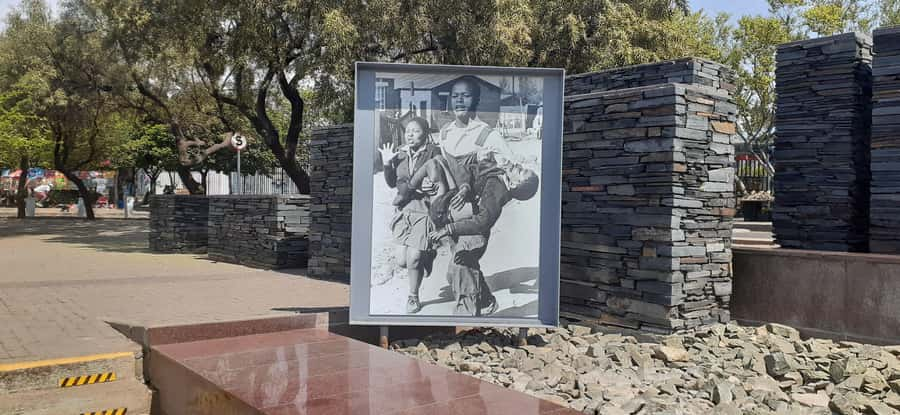
Soweto sits next to Johannesburg, but its story cannot be reduced to a nearby district. It was formed during the apartheid era, especially from the 1930s onward, when the government forced Black residents out of areas reserved for white communities. Families were moved into a township with limited services, cramped housing, and poor access to education and health care.
That policy shaped daily life, but it did not erase community or resistance. Soweto became a major center of opposition to apartheid, most famously during the 1976 student uprising. Young people protested the forced use of Afrikaans in Black schools. The uprising became a major turning point in the international and domestic fight against apartheid.
I value a tour here because it gives those events a physical setting. The story is not only a sequence of laws and political names. It is tied to streets, homes, schools, families, and the continuing life of a large urban community.
Today, Soweto is diverse and active, with local businesses, cultural activity, and a strong sense of resilience. That does not mean every problem has disappeared. A good visit should hold both facts together: Soweto is a place shaped by hardship, and it is also a living community that cannot be treated like an open-air museum.
More Apartheid History Tours in Johannesburg
- Soweto /Johannesburg and Apartheid Museum Guided Full Day Tour
★ 5.0 · 932 reviews - Jo’berg in 1 Day: Soweto, Apartheid Museum & City Tour
★ 4.8 · 524 reviews - Johannesburg: Full-Day Tour with Soweto and Apartheid Museum
★ 4.8 · 478 reviews
Starting from Johannesburg, Sandton, or Kempton Park
The tour offers three pickup areas: Johannesburg, Sandton, and Kempton Park. The same three areas are available for drop-off, which makes the arrangement useful if you are staying in one of the main Gauteng bases.
The five-hour length matters here. You are not signing up for a quick photo stop before returning to your hotel. The time includes transport, a guided museum visit, sightseeing, and a visit to Mandela House. I would keep the rest of your day fairly open, since the exact starting time depends on availability.
Transport is provided in an air-conditioned vehicle. In Gauteng’s warm weather, that is more than a small comfort, especially when moving between a museum and township sights. Bottled water is also included.
The tour is wheelchair accessible, which is useful information to confirm before booking if you have specific mobility needs. The guide language is English. Lunch, soft drinks, and alcoholic drinks are not included, so plan your food and drink budget separately.
The Apartheid Museum puts the national story first
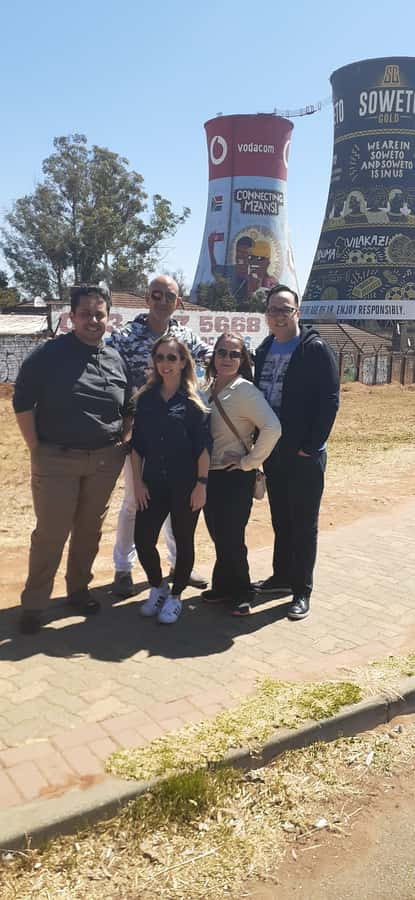
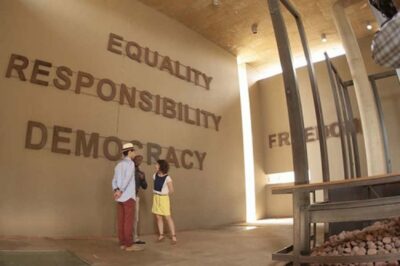
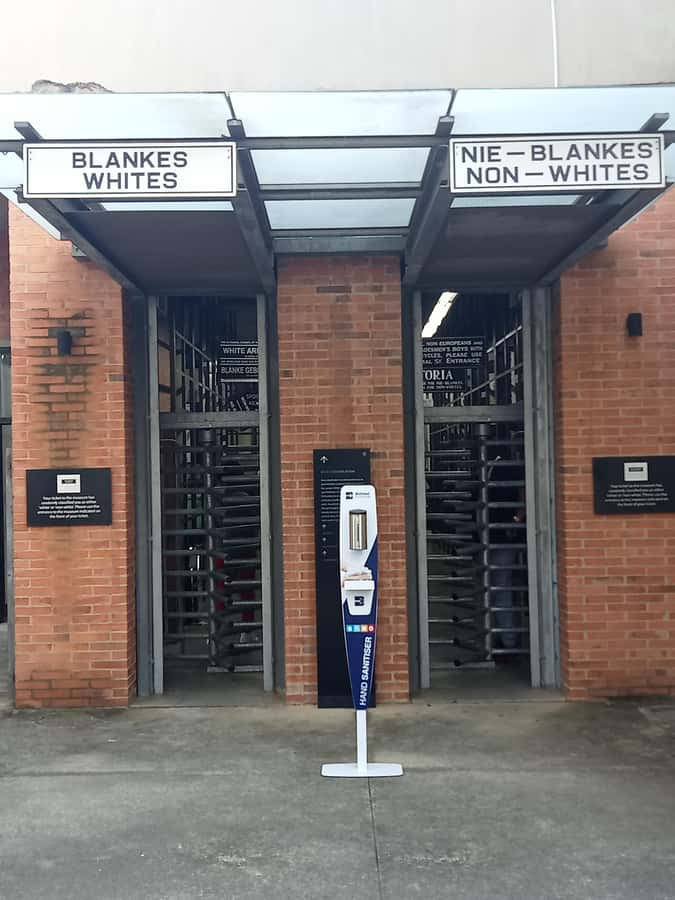
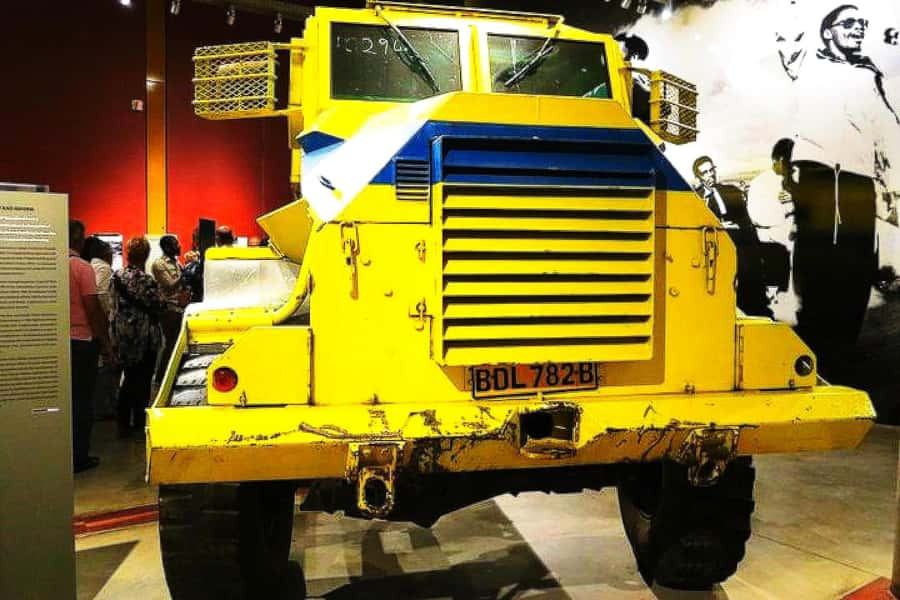
The Apartheid Museum is the tour’s main historical anchor. Its purpose is to explain how apartheid was built, enforced, and challenged, rather than presenting the subject as a few isolated events.
You can expect a guided museum visit with explanations that connect the material to South Africa’s broader liberation struggle. This is especially helpful if you know the names but not the sequence: segregation, forced relocation, education protests, resistance, and the long route toward democracy.
The museum gives you a national frame before or alongside your time in Soweto. That pairing is important. Soweto shows where people lived and organized, while the museum helps explain the laws and political system that shaped that life.
Allow yourself mental space for this stop. The subject is painful, and the museum’s material is not light sightseeing. You may find the visit more useful if you focus on asking questions and following the guide’s explanation instead of trying to take in every detail at once.
A five-hour tour cannot give you unlimited museum time. If museums are your main interest, you may wish you had longer to read every display. If your aim is to understand the basic structure of apartheid and then see Soweto, the guided format offers a sensible balance.
Mandela House brings the story down to one home
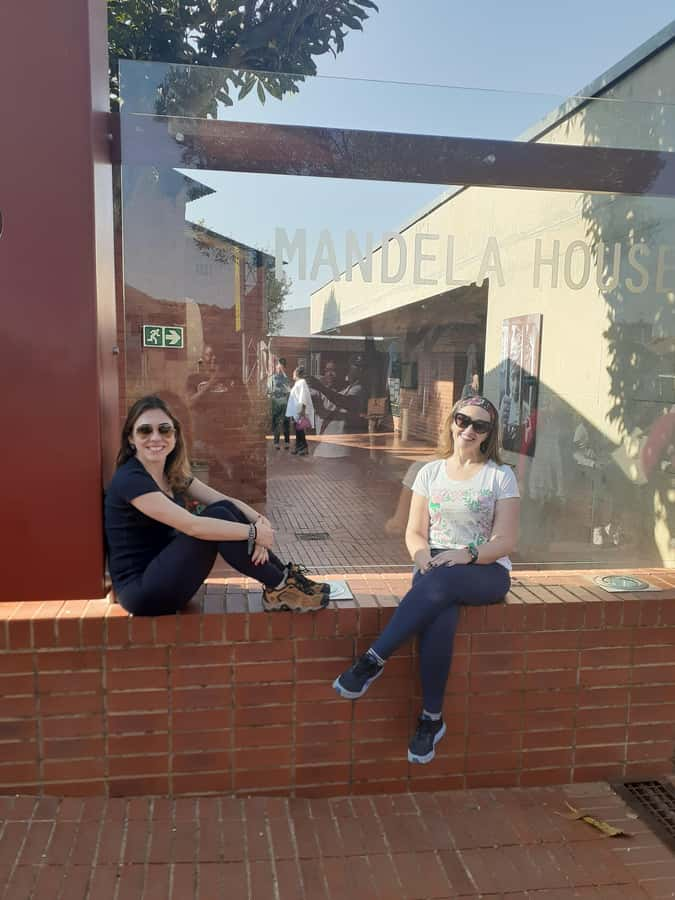
Mandela House is included in the tour, giving you a more personal counterpoint to the museum. Instead of looking only at government policy and major events, you connect the liberation story with Nelson Mandela’s home and family life.
That shift in scale is useful. Political history can become abstract when it is presented only through dates and institutions. A house gives you a more direct way to think about the people who lived through the period and the personal costs of resistance.
The visit also fits naturally with Soweto’s role in the liberation struggle. Mandela is one of the most recognizable figures connected with South Africa’s transition, but the broader story belongs to many people, including students, families, community organizers, and activists. I would treat Mandela House as one important part of the story, not the whole story.
The available information does not specify how long you spend inside the house or the exact order of the stops. Your guide will shape the timing according to the day’s schedule. If you want a long museum reading session and a slow house visit, this five-hour format may feel tight.
More Township Tours in Johannesburg
- Johannesburg: Hop-On Hop-Off Bus with Optional Soweto Tour
★ 4.6 · 985 reviews - Johannesburg Hop-On Hop-Off City Tour with Soweto Option
★ 4.5 · 768 reviews - Half-Day Tour of Soweto Tour
★ 4.5 · 712 reviews - Soweto: Walking Tour with a Local Guide and Lunch
★ 4.9 · 648 reviews
A guide can change the tone of a difficult subject
The strongest part of this experience is likely to be the human explanation around the sites. The guides are described as friendly, punctual, qualified, and registered with the relevant tourism authority. Those details matter when the subject is politically charged and emotionally heavy.
Guide KJ has been singled out for offering extensive explanations and allowing a visitor to have a serious, personal discussion. That tells you something useful about the style you may encounter: the tour can be more than a fixed speech, especially when the group is small enough for questions.
The guide’s job is not to make apartheid comfortable. It is to give you enough context to understand why Soweto became a center of protest and why the 1976 uprising remains so important. I would ask questions when you need a point clarified, especially about the relationship between the museum’s national story and the local story in Soweto.
The available feedback is very positive, with a perfect rating from four verified bookings. The praise centers on the guides’ professionalism, explanations, and ability to make the subject meaningful. That is encouraging, though four reviews are still a small sample. I would see the rating as a good sign, not a guarantee that every departure will feel identical.
What the five-hour schedule means for you
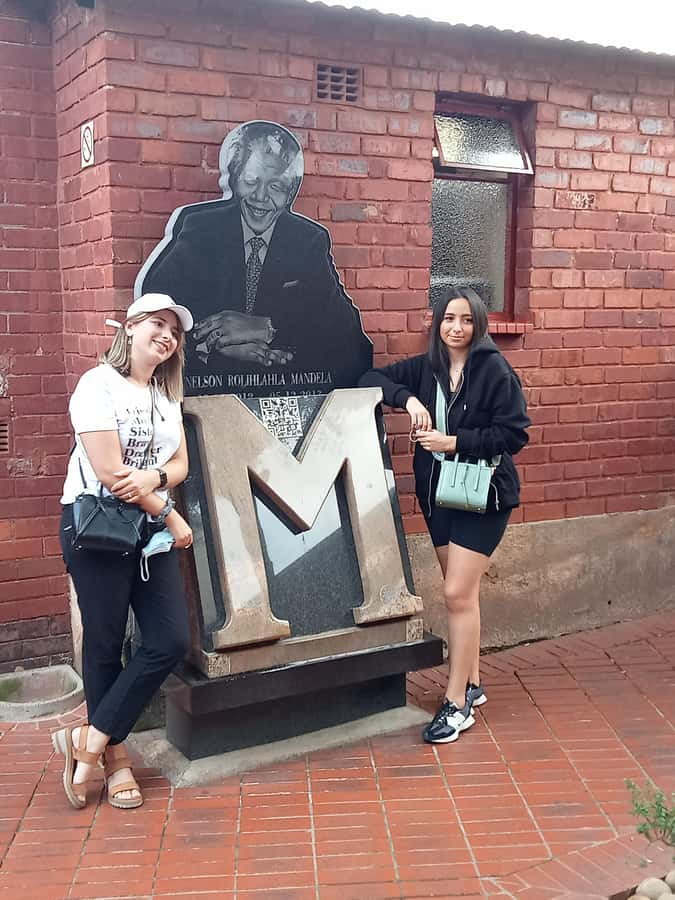
This is a focused half-day experience. It gives you enough time to visit the main included sites and hear the historical context, but it is not designed as a slow, open-ended exploration of Soweto.
The day is built around:
- Pickup in Johannesburg, Sandton, or Kempton Park
- Transport in an air-conditioned vehicle
- A guided visit to the Apartheid Museum
- Sightseeing in Soweto
- A visit to Mandela House
- Drop-off in Johannesburg, Sandton, or Kempton Park
The exact order is not specified, so I would not plan around a particular first stop. Starting times vary, and availability needs to be checked before booking.
I like this format for a first visit to Gauteng. You cover the essential historical ground without having to arrange several separate tickets, transfers, and explanations. I would choose a longer or more specialized tour only if you already know the subject well or want extended time in the township.
Is $102 per person fair value?
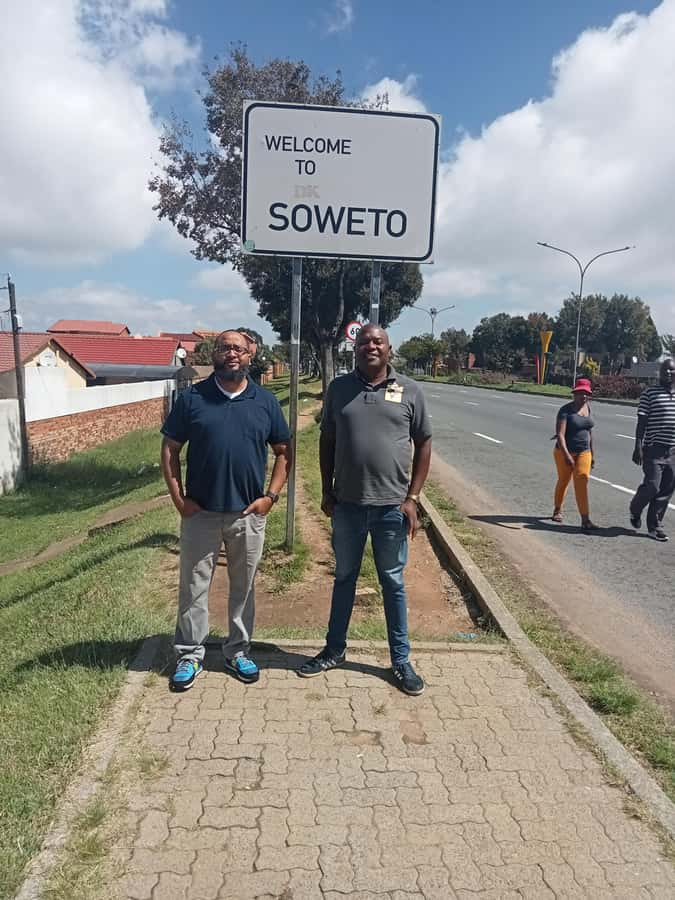
At $102 per person, this is not the cheapest way to see Soweto. The value comes from what is bundled into the price: pickup and drop-off, an air-conditioned vehicle, a qualified English-speaking guide, entry to the Apartheid Museum, Mandela House, and bottled water.
If you arranged transport and admissions separately, you would also have to manage the route and find your own historical context. For many visitors, the guide is the key part of the price. A museum ticket can show you information, but a good guide can connect the museum to Soweto and answer questions in real time.
The price is easier to justify if you are based in Sandton, Johannesburg, or Kempton Park and want a straightforward half-day plan. It is less attractive if you already have transport, plan to visit only one site, or prefer to spend a full day at the museum.
Lunch and other drinks are extra. That is a small but important budget note. The tour includes bottled water, but not food, soft drinks, or alcohol.
The reserve-now-and-pay-later option can help if your Gauteng plans are still changing. You can also cancel up to 24 hours before departure for a full refund, according to the stated policy. Check the available start time and cancellation terms when you book.
Who will get the most from this tour?
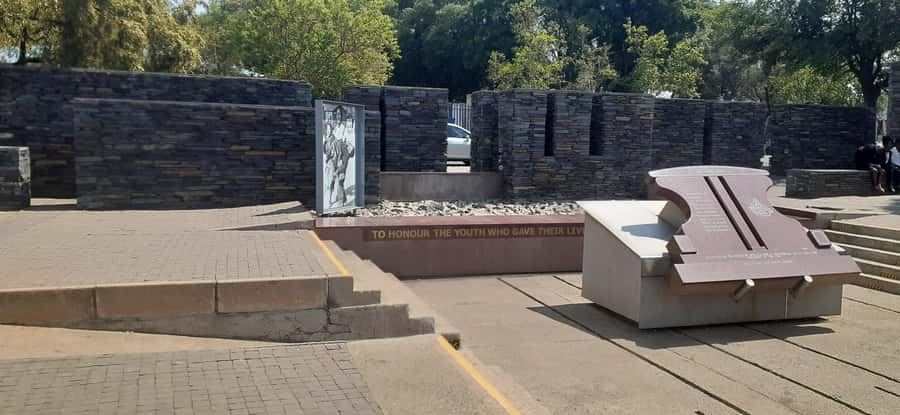
I would recommend this tour to a first-time visitor who wants a clear introduction to apartheid and Soweto without arranging transport independently. It suits anyone who values explanation, especially if you want to ask questions rather than simply look at buildings.
It is also a good match for visitors with limited time in Gauteng. The combination of Soweto, the Apartheid Museum, and Mandela House covers several major themes in one five-hour outing.
Families and older visitors may appreciate the air-conditioned vehicle, pickup service, and wheelchair accessibility. The topic is serious, so younger children may need help processing what they see and hear. The available information does not state a minimum age or provide a child-specific format, so ask before booking if that matters to your group.
I would be more cautious if you want a food-focused township experience, nightlife, or a long, informal walk through local neighborhoods. Those features are not included in the description. This is primarily a history and culture tour, with transport and guided interpretation doing much of the work.
Small details that help you prepare
Wear comfortable clothing and shoes, since the experience includes sightseeing and walking at the museum. The tour is wheelchair accessible, but it is still sensible to state your access needs when booking so the operator can confirm the day’s arrangements.
Keep questions ready. Ask about the 1976 student uprising, the forced relocation of Black residents, and how Soweto changed after apartheid. A thoughtful guide can help connect the museum displays with the places you see outside.
Do not expect lunch to appear during the tour. Bring enough money for food and additional drinks, since only bottled water is included.
If the subject is new to you, a little preparation will make the visit easier to follow. You do not need a long reading list. Knowing that Soweto was created through apartheid-era segregation, and that the 1976 student protests became a major moment in the liberation struggle, gives you a useful starting point.
Should you book the Soweto and Apartheid Museum tour?
Book it if you want a well-organized, half-day introduction to Soweto and apartheid, with transport handled and a guide available to explain the difficult parts. The combination of the Apartheid Museum and Mandela House gives you both national context and a personal connection to the struggle.
The tour is strongest for first-time visitors, history-minded travelers, and anyone staying in Johannesburg, Sandton, or Kempton Park. Its main limit is the five-hour schedule. You will gain a meaningful overview, but you will not have unlimited time for every exhibit, neighborhood, or conversation.
At $102, I see fair value in the included admissions, transport, and guide. If KJ or another guide brings the same thoughtful approach described by previous visitors, the conversation may be the part you remember longest. Book it when you want understanding and structure. Skip it only if you already have transport and a full independent plan for the museum and Soweto.
FAQ
How long is the Soweto and Apartheid Museum tour?
The tour lasts five hours.
Where can I be picked up?
Pickup is available in Johannesburg, Sandton, and Kempton Park.
Where can I be dropped off?
Drop-off is available in Johannesburg, Sandton, and Kempton Park.
Is the Apartheid Museum included?
Yes. Admission to the Apartheid Museum is included, along with a guided visit.
Is Mandela House included?
Yes. The tour includes a visit to Mandela House Museum.
What language is the tour conducted in?
The live tour guide speaks English, and English is the listed tour language.
Is transportation included?
Yes. Pickup and drop-off are included, with transport provided in an air-conditioned vehicle.
Is lunch included?
No. Lunch, soft drinks, and alcoholic beverages are not included. Bottled water is provided.
Can I cancel the booking?
Yes. You can cancel up to 24 hours in advance for a full refund.
Is the tour wheelchair accessible?
Yes. The activity is listed as wheelchair accessible.
More museums and galleries in Johannesburg
- Full-Day Soweto, Apartheid Museum and Lunch Tour
★ 5.0 · 410 reviews - Half Guided Day Tour of Soweto And Apartheid Museum
★ 5.0 · 356 reviews - Ultimate Johannesburg Soweto Experience with Apartheid Museum
★ 5.0 · 313 reviews - Soweto: Hop-On Hop-Off Bus, City Tour and Apartheid Museum
★ 4.5 · 250 reviews
Just added in Johannesburg
- Soweto Tuk-Tuk Food & Beer Tour★ 5.0 · 9 reviews
- Soweto: Sip & Paint Walking Tour & Take Home a Canvas★ 4.8 · 7 reviews
- Soweto Tour; Mandela House; Vilakazi Street; Market Culture★ 5.0 · 6 reviews
- Soweto & Johannesburg and Apartheid Museum★ 4.7 · 41 reviews
- Soweto Township Tour★ 4.4 · 4 reviews
- Private Soweto,Mandela House,Apartheid Museum,Constitution★ 4.6 · 15 reviews
- Soweto Food & Beer Bike Tour★ 4.9 · 40 reviews
- Soweto: Hector Pieterson Memorial, to Orlando Towers Tour★ 4.0 · 31 reviews
Apartheid & Mandela History Tours, compared.
Jo’berg in 1 Day: Soweto, Apartheid Museum & City Tour
Read our review →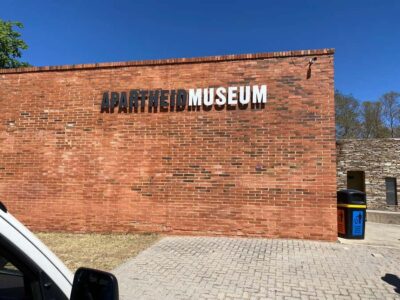
Full-Day Tour with Soweto and Apartheid Museum
Read our review →
Half Guided Day Tour of Soweto And Apartheid Museum
Read our review →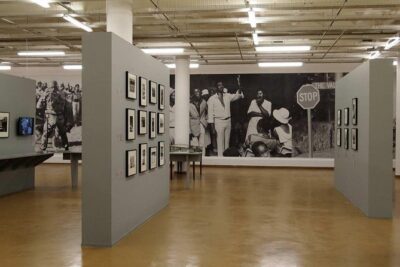
Ultimate Johannesburg Soweto Experience with Apartheid Museum
Read our review →
Hop-On Hop-Off Bus, City Tour and Apartheid Museum
Read our review →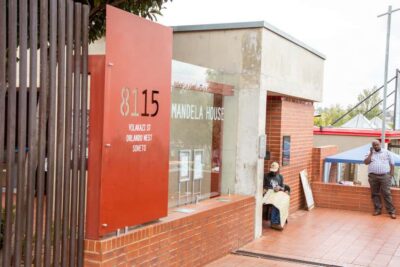
Johannesburg and Soweto Apartheid Full Day Tour w/Lunch
Read our review →