Reviewed · APARTHEID & MANDELA HISTORY TOURS
Soweto /Johannesburg and Apartheid Museum Guided Full Day Tour
Johannesburg makes sense when you see its landmarks together. This full-day tour connects the city center, Soweto, Constitution Hill, and the Apartheid Museum, then adds personal places tied to Nelson Mandela and the 1976 student uprising. The history is serious and sometimes confronting, but the route gives you a clear way into it.
I like the small maximum of 15 people and the hotel pickup in an air-conditioned minivan. I also like the way the day links Gandhi Square, Vilakazi Street, Mandela House, and the FNB Stadium instead of treating Johannesburg and Soweto as separate worlds. Guides such as Nathi, Bobo, and Matti have been singled out for thoughtful explanations and personal attention.
The main catch is the schedule. The Apartheid Museum is closed on Mondays and Tuesdays, so booking on either day can mean a substitute stop rather than the museum you expected. Lunch and drinks also cost extra, and the day covers a lot of ground.
Key points at a glance
- See Johannesburg and Soweto in one day: The route covers the central business district, Gandhi Square, Soweto, Constitution Hill, and major football and freedom landmarks.
- Prepare for difficult history: Hector Pieterson Museum, Constitution Hill, and the Apartheid Museum deal directly with apartheid, imprisonment, protest, and state violence.
- Keep the group small: A maximum of 15 people makes it easier to hear the guide and ask questions.
- Follow Mandela’s story: Mandela House on Vilakazi Street gives the day a personal focus beyond political dates and institutions.
- Plan around museum hours: The Apartheid Museum currently opens Wednesday through Sunday, not Monday or Tuesday.
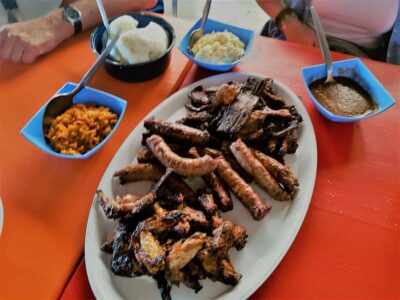
- Budget for lunch: Sakhumzi Restaurant is an optional stop for a South African buffet and Soweto Gold beer, but neither lunch nor drinks are included.
Why this Johannesburg and Soweto route works
Johannesburg can feel scattered if you try to see it without a plan. Important places sit across a wide urban area, and the connections between them are not always obvious on a first visit. This tour solves that problem with hotel pickup, round-trip minivan transport, and a guide who explains what you are seeing as the vehicle moves through the city.
The day begins at 9:30 a.m. and lasts about eight to nine hours. That is a full day, but the route has a clear purpose: first understand Johannesburg as a city, then see the institutions and neighborhoods tied to South Africa’s struggle for democracy.
I would choose this experience early in a Johannesburg stay. It gives you basic orientation, historical context, and practical suggestions for what else to see. It also helps you decide where you want to spend more time later.
More Apartheid History Tours in Johannesburg
- Jo’berg in 1 Day: Soweto, Apartheid Museum & City Tour
★ 4.8 · 524 reviews - Johannesburg: Full-Day Tour with Soweto and Apartheid Museum
★ 4.8 · 478 reviews - Full-Day Soweto, Apartheid Museum and Lunch Tour
★ 5.0 · 410 reviews
Hector Pieterson Museum and the 1976 uprising
The first major stop is the Hector Pieterson Memorial area, with about 30 minutes set aside and admission included. This stop focuses on the Soweto uprising of 1976, when students protested against the use of Afrikaans as a language of instruction and faced violent police resistance.
The museum and memorial are named for Hector Pieterson, a 13-year-old student whose death became one of the defining images of the uprising. The subject is painful, and the material is not light sightseeing. You will see how a school protest became a national and international turning point.
Thirty minutes is enough for an introduction, but it is not a long museum visit. Listen closely to the guide before exploring, because the explanation helps place the displays in the wider story of apartheid education and resistance. I would not rush this stop, even though the schedule is tight.
Johannesburg CBD, Gandhi Square, and the city view
The route then moves through Johannesburg’s central business district, including Gandhi Square. This portion gives you a look at the modern city rather than focusing only on memorials and museums.
Gandhi Square is tied to Mahatma Gandhi’s time in South Africa, adding another thread to the country’s long struggle over rights and citizenship. The tour connects Gandhi’s experience with Mandela’s later political path, a link that can be easy to miss if you visit sites separately.
City sightseeing from the minivan also saves your legs for the museums. You are not simply being driven from one attraction to the next, since the guide explains the streets, buildings, and districts along the way. Still, this is mainly an overview. The itinerary does not promise long walking time in the central business district.
Vilakazi Street and Mandela House

Vilakazi Street is one of the most memorable parts of the day. It is known as the street where two Nobel Peace Prize winners lived, Nelson Mandela and Desmond Tutu. The tour includes a short walking visit of about 15 minutes, followed by a 30-minute visit to Mandela House.
Mandela House gives you a more personal view of the man behind the public image. The focus shifts from national events to the place where Mandela lived, worked, and raised his family during important years of the struggle.
The time here is useful for connecting Mandela’s private life with the political history discussed at the museums. I would keep expectations realistic, though. A 15-minute street walk is a quick look, not a long neighborhood stroll, and the full day leaves little spare time for browsing.
More Township Tours in Johannesburg
- Johannesburg: Hop-On Hop-Off Bus with Optional Soweto Tour
★ 4.6 · 985 reviews - Johannesburg Hop-On Hop-Off City Tour with Soweto Option
★ 4.5 · 768 reviews - Half-Day Tour of Soweto Tour
★ 4.5 · 712 reviews - Soweto: Walking Tour with a Local Guide and Lunch
★ 4.9 · 648 reviews
Orlando Towers and the Soweto skyline

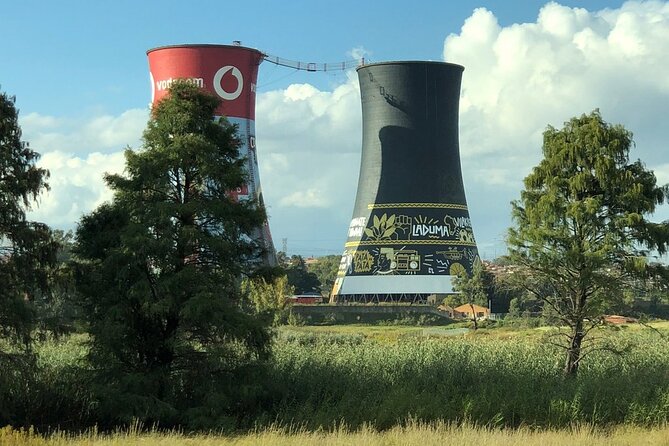
The stop at Orlando Towers lasts about 25 minutes. You can view the towers and Soweto, while bungee jumping is available at an additional cost if you want the thrill.
You do not need to jump to enjoy the stop. For most people, the value is the view and the chance to see one of Soweto’s most recognizable landmarks. The painted towers also add a burst of color and energy after the heavier museum visits.
If you are considering the jump, ask about the extra cost and timing before committing. The activity is not included, and a full-day tour has a fixed schedule. A short photo stop may suit you better if your priority is history.
Constitution Hill, a former prison and court site
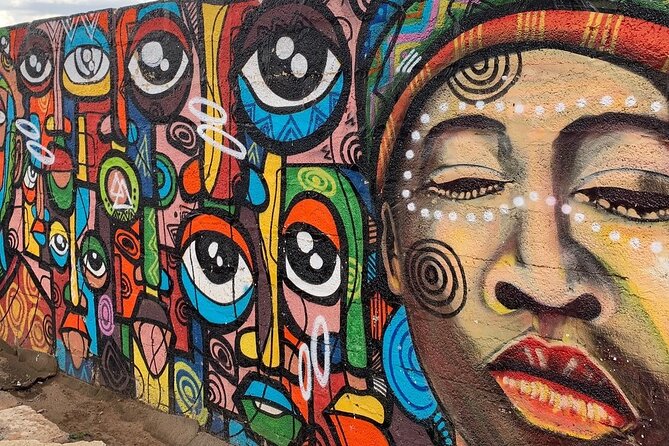
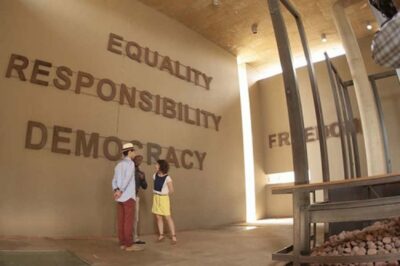
Constitution Hill receives about an hour, with admission included. This is one of the strongest stops on the route because it brings together imprisonment, political resistance, and South Africa’s constitutional future.
The site includes the former prison complex where figures such as Nelson Mandela, Albertina Sisulu, and Winnie Mandela were held. You can learn how the prison system treated political prisoners and how the site later became linked to human rights and constitutional democracy.
I like the contrast here. You are not only looking backward at apartheid. The precinct also points toward the principles South Africa adopted after apartheid, making the visit about the country’s present legal ideals as well as its past.
An hour gives you a solid introduction, though not the time for every detail. The guide’s explanation matters. Nathi, Bobo, and Matti have each been praised for answering questions and giving clear context, and this is the kind of stop where a good guide can make the difference.
Lunch at Sakhumzi Restaurant
Sakhumzi Restaurant is scheduled for about an hour. Lunch is not included, and the restaurant offers a South African buffet with the option to buy Soweto Gold beer.
This is a practical chance to eat without leaving the route. You can try several dishes rather than choosing one unfamiliar plate, and the setting keeps the day connected to Soweto. Alcoholic drinks are available for purchase, but they are not part of the tour price.
I would treat this as a convenient optional meal, not the main reason to book. The food quality may not match every other meal you have in South Africa, so keep your expectations modest. If you want the buffet and a drink, bring extra money. If you prefer to control your budget, lunch is the clearest additional expense in the itinerary.
Two hours at the Apartheid Museum

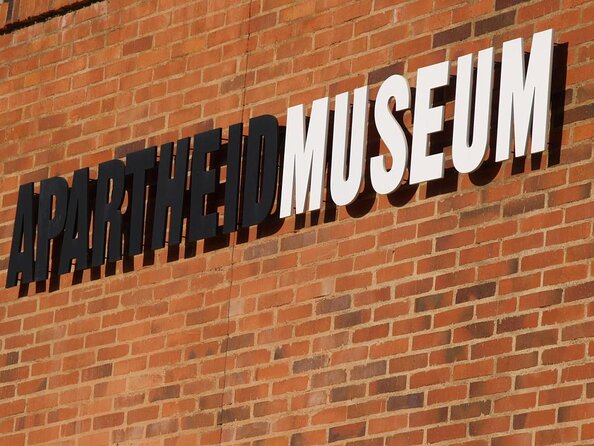
The Apartheid Museum is the tour’s longest stop, with about two hours and admission included. It explains the rise and fall of apartheid through exhibits, photographs, documents, and personal accounts. This is where the separate pieces of the day come together.
Expect difficult material. The museum deals with forced racial separation, state control, protest, imprisonment, and the long campaign to end apartheid. Some displays and images can be upsetting, so give yourself time to process them rather than trying to race through the galleries.
Two hours is a sensible amount of time for a guided day, but the museum can reward a longer visit if you are especially interested in South African history. The tour schedule does not leave much room for an extended stay, so follow the guide’s timing.
Check the opening days before you book. The museum currently opens Wednesday through Sunday and is closed Monday and Tuesday. This is the single most important planning point. If your tour falls on a closure day, an alternative experience may be provided, but you should not assume the Apartheid Museum visit will happen.
FNB Stadium and the final view of Soweto
The final listed stop is FNB Stadium, with about 15 minutes for a look. It is Africa’s largest football stadium and served as the main stadium for the 2010 FIFA World Cup.
This short stop adds a modern sporting landmark to a day otherwise focused on political history and community life. The stadium also helps show how Johannesburg presents itself to the wider world today.
Do not expect a stadium tour or an extended interior visit. This is a brief photo and sightseeing stop, and admission is not listed as included. Its value is mainly in rounding out the city picture.
Guides, group size, and the feel of the day
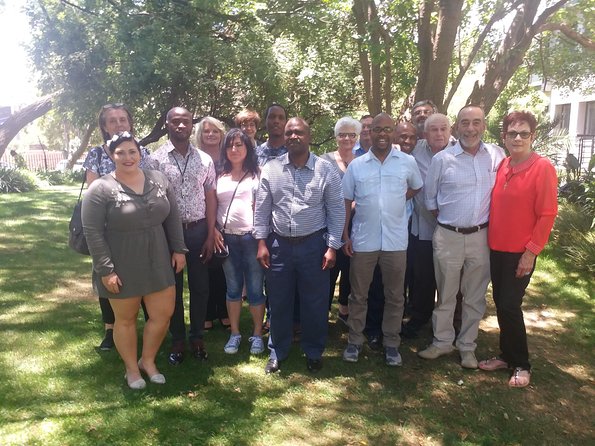
The maximum group size is 15, though the group may be smaller. Some departures have been almost private, with only two people, allowing the guide to adjust the pace and answer more questions.
Guides named in connection with this experience include Nathi, Bobo, and Matti. Their strengths include clear historical explanations, attention to comfort, and a willingness to discuss both Johannesburg and Soweto rather than delivering a string of disconnected facts.
The guide is particularly important at the Hector Pieterson Museum, Constitution Hill, and the Apartheid Museum. These sites contain a great deal of information, and a good explanation helps you see how they fit together. You should also feel free to ask about Gandhi, Mandela, Soweto’s development, and the city’s present-day neighborhoods.
Transport is by air-conditioned minivan, with hotel pickup and drop-off. That matters in Johannesburg because the stops are spread out. You get less walking than on a city walking tour, but more time in the vehicle. For a first look at the city, that is a fair trade.
Is the $103.52 price good value?
At $103.52 per person, the price is reasonable if you want transport, a guide, and several entrance tickets handled in one day. Admission is included for Hector Pieterson Museum, Mandela House, Constitution Hill, and the Apartheid Museum. Hotel pickup and drop-off are also included.
The price does not cover lunch, food, drinks, alcohol, or the optional Orlando Towers bungee jump. You should set aside extra money for the Sakhumzi meal and any drinks. The tour is also less attractive if you plan to spend only a short time in Johannesburg and would rather choose one museum at your own pace.
For a first-time visit, I see the value in the route. You get a city introduction, a substantial history lesson, Soweto landmarks, and a guide who can help you understand what you are seeing. The cost makes more sense when you consider the amount of driving and the included admissions.
Who should book this full-day tour?
I would recommend it to first-time visitors who want a structured introduction to Johannesburg and Soweto. It suits anyone interested in Nelson Mandela, apartheid, South African democracy, urban history, or the 2010 World Cup.
It is also a good fit if you are cautious about navigating a large city on your own and want hotel transport. The small group limit gives you a better chance to ask questions than a large coach tour.
I would hesitate if you dislike full-day schedules, prefer slow museum visits, or want to choose every meal and stop yourself. The history can be emotionally heavy, and the route moves quickly at some points. Book Wednesday through Sunday if the Apartheid Museum is essential, and confirm the museum day before finalizing your plans.
FAQ
How long does the tour last?
The experience lasts approximately eight to nine hours.
What time does the tour start?
The listed start time is 9:30 a.m.
Is hotel pickup included?
Yes. Hotel pickup and drop-off are included, along with transport in an air-conditioned minivan.
How large is the tour group?
The maximum group size is 15 people. A minimum of two adults is required per booking.
Is lunch included?
No. Lunch at Sakhumzi Restaurant is optional and must be paid for separately. Food, drinks, and alcoholic drinks are not included.
Is the Apartheid Museum open every day?
No. The Apartheid Museum currently opens Wednesday through Sunday and is closed Monday and Tuesday.
Is the Orlando Towers bungee jump included?
No. The Orlando Towers stop is included, but the bungee jump costs extra.
Can most people take part in the tour?
Yes. Most people can participate, and the tour is described as casual.
Should you book it?
Book this tour if you want one well-organized day that explains both Johannesburg and Soweto rather than a single isolated attraction. Its strongest points are the small group, hotel transport, included admissions, and the way it connects Mandela House, Constitution Hill, Hector Pieterson Museum, and the Apartheid Museum.
Before paying, check the day of the week. If the tour runs Monday or Tuesday, the museum closure is a serious drawback. If it runs Wednesday through Sunday and you are comfortable with a full, sometimes confronting schedule, this is a solid first introduction to Johannesburg’s past and present.
More museums and galleries in Johannesburg
- Half Guided Day Tour of Soweto And Apartheid Museum
★ 5.0 · 356 reviews - Ultimate Johannesburg Soweto Experience with Apartheid Museum
★ 5.0 · 313 reviews - Soweto: Hop-On Hop-Off Bus, City Tour and Apartheid Museum
★ 4.5 · 250 reviews - Maropeng Cradle of Humankind Museum &Sterkfontein Cave Experience
★ 4.5 · 155 reviews
Just added in Johannesburg
- Soweto Tuk-Tuk Food & Beer Tour★ 5.0 · 9 reviews
- Soweto: Sip & Paint Walking Tour & Take Home a Canvas★ 4.8 · 7 reviews
- Soweto Tour; Mandela House; Vilakazi Street; Market Culture★ 5.0 · 6 reviews
- Soweto & Johannesburg and Apartheid Museum★ 4.7 · 41 reviews
- Soweto Township Tour★ 4.4 · 4 reviews
- Private Soweto,Mandela House,Apartheid Museum,Constitution★ 4.6 · 15 reviews
- Soweto Food & Beer Bike Tour★ 4.9 · 40 reviews
- Soweto and apartheid museum tour(Half-day)★ 5.0 · 4 reviews
Apartheid & Mandela History Tours, compared.
Jo’berg in 1 Day: Soweto, Apartheid Museum & City Tour
Read our review →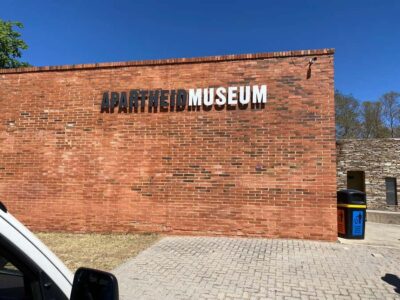
Full-Day Tour with Soweto and Apartheid Museum
Read our review →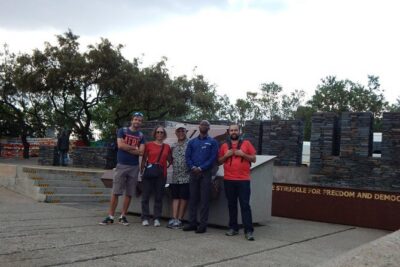
Half Guided Day Tour of Soweto And Apartheid Museum
Read our review →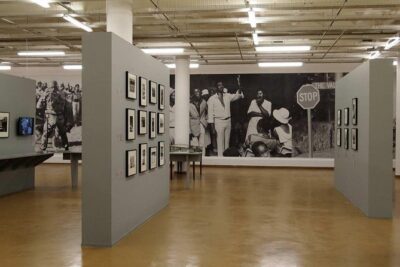
Ultimate Johannesburg Soweto Experience with Apartheid Museum
Read our review →
Hop-On Hop-Off Bus, City Tour and Apartheid Museum
Read our review →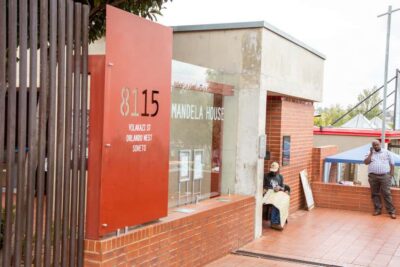
Johannesburg and Soweto Apartheid Full Day Tour w/Lunch
Read our review →