
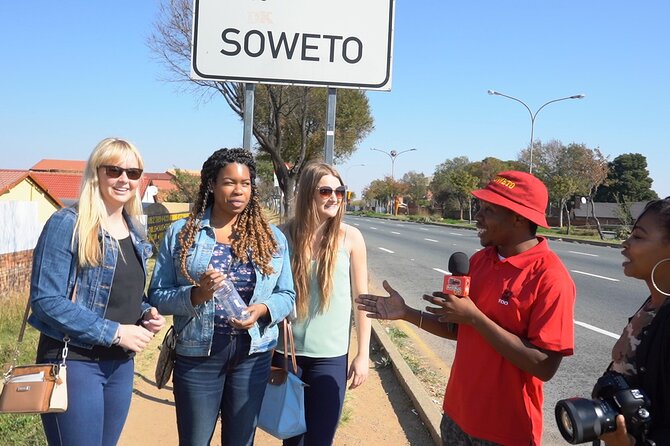
Reviewed · SOWETO & TOWNSHIP TOURS
Soweto Township Tour
Soweto’s story comes alive best on foot, where Hector Pieterson Memorial and Vilakazi Street connect national history with ordinary neighbourhood life. You get more than landmark photos: local stories, community encounters, street art, birdwatching, and a chance to understand why this township matters to South Africa.
I like the private-group format, which gives you room to ask questions and shape the walk around history, art, or daily life. I also like the option of a home-cooked meal, including vegan choices, with part of the fee supporting local families and community work.
The main caution is that the experience can vary with the guide. Shantel received especially warm praise for making the walk thoughtful and engaging, while one guest found a substitute guide poorly prepared. Also check the timing carefully: the advertised duration is 150 minutes, while the detailed route describes a longer 3.5-hour walking programme.
Key points to know before booking

- Start at the Hector Pieterson Memorial: Meet your guide at the memorial entrance, not at your hotel.
- Visit two major Soweto landmarks: The route includes Mandela’s House and Vilakazi Street in Orlando West.
- Private guiding matters: English and Zulu are available, and the small format leaves time for questions.
- Food is optional: A local host family can prepare a meal, but food and drinks are not included unless selected.
- Expect history with everyday life: The walk includes residents, artists, small businesses, street art, birdlife, and community projects.
- Budget for extras: Transport, museum entry, Mandela’s House admission, and personal spending are separate.
Why a walking tour gives you a better feel for Soweto
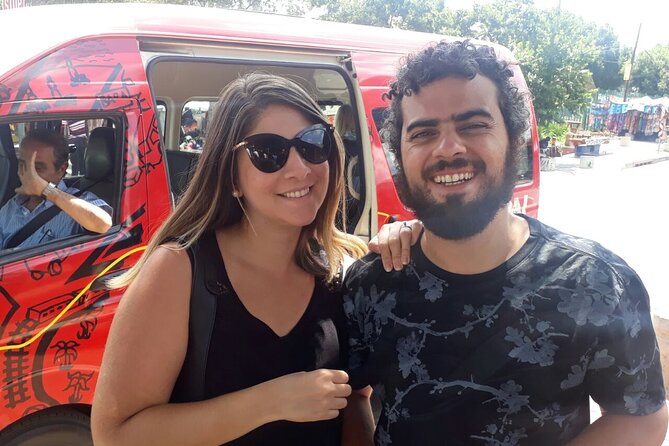
Soweto is not a single attraction. It is a large township with a complicated past and a living present. A guided walk helps you connect the major political stories with the streets, homes, creative spaces, and local businesses around them.
That local connection is the chief reason to choose this experience. Your guide can explain how Soweto fits into South Africa’s freedom journey, then point out details that are easy to miss when you arrive by vehicle, take a quick photo, and leave. You may also speak with residents, artists, or people involved in community projects.
The walk also includes local flora and fauna, with time for birdwatching. That may sound like a small detail beside Soweto’s major historical sites, but it gives the pace some breathing room. You are not being rushed from one political landmark to the next. You can notice how people live in the township today.
This is a private group, so the experience should suit you if you prefer conversation rather than a fixed speech. You can ask about history, music, language, religion, art, community life, or the changes brought by major international events.
More Township Tours in Johannesburg
- Johannesburg: Hop-On Hop-Off Bus with Optional Soweto Tour
★ 4.6 · 985 reviews - Soweto /Johannesburg and Apartheid Museum Guided Full Day Tour
★ 5.0 · 932 reviews - Johannesburg Hop-On Hop-Off City Tour with Soweto Option
★ 4.5 · 768 reviews
Starting at Hector Pieterson Memorial
The meeting point is the entrance door of the Hector Pieterson Memorial. You need to arrange your own transport there, since transfers to and from the starting point are not included.
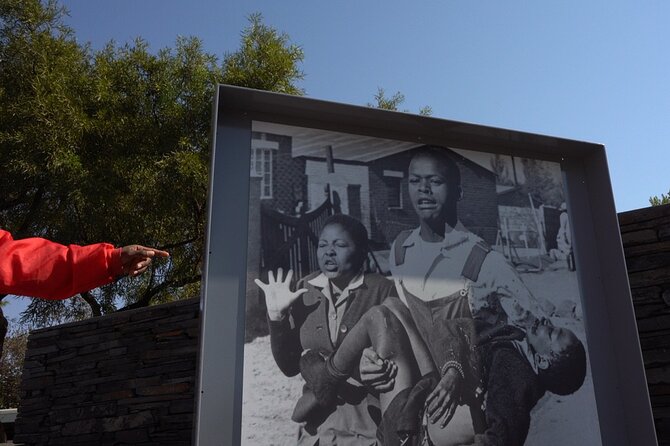
The memorial is the right place to begin because it introduces one of the most important events in modern South African history. Your guide explains the 1976 Youth Uprising, when students protested against the compulsory use of Afrikaans in schools. The death of Hector Pieterson became a powerful symbol of the wider struggle against apartheid.
Expect the guide to provide context rather than simply point out a building. The value comes from hearing how the uprising affected Soweto and how its memory continues to shape South Africa. The subject is serious, and a good guide will give you time to take it in.
You should bring water. The walk takes place outdoors, and weather-appropriate clothing is your responsibility. Rain gear and other protective items are not supplied.
Walking through Soweto with local context
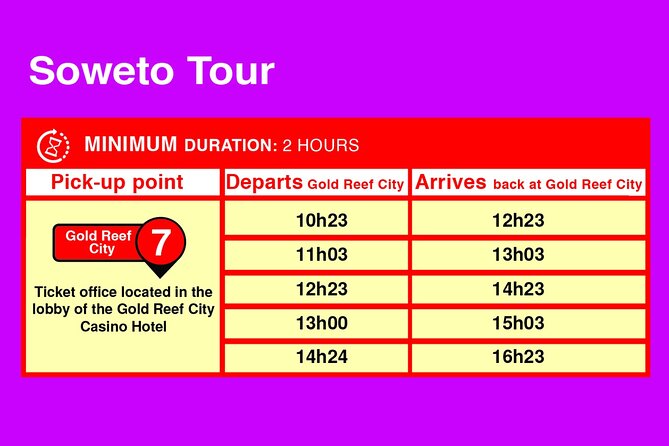
After the memorial, the route continues on foot through Soweto. This is where the experience moves beyond a museum visit. You see neighbourhood life, hear stories tied to the area, and get a sense of the social and economic forces shaping Soweto now.
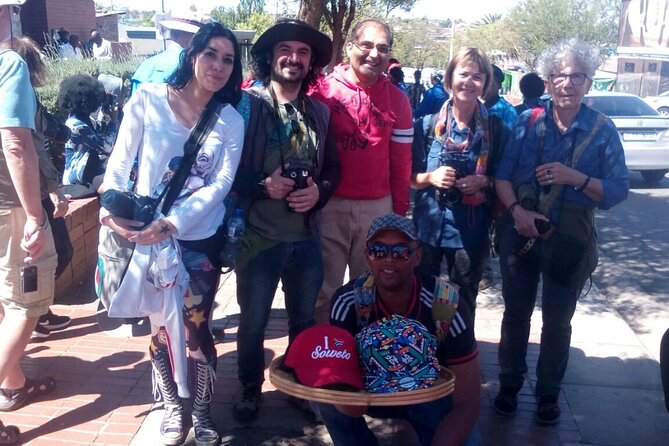
The tour is designed to include community interaction, not just a look at famous addresses. You might meet local residents, artists, or small business owners. The exact encounters can change, but the purpose is consistent: to let you see Soweto as a real community rather than a backdrop for political history.
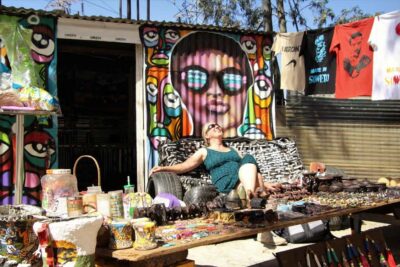
The walking route also includes street art and creative hubs. These details help show how people express local identity in the present. Traditional music, dance, and cuisine may also form part of the cultural experience, depending on the arrangements made for your visit.
The guide’s language skills can make a real difference here. Tours are offered in English or Zulu, and one particularly strong experience involved a guide using several South African languages to communicate with people along the route. That kind of exchange can feel more natural than a guide speaking only to the group.
Keep in mind that this is not presented as a polished sightseeing circuit with every minute fixed. The private format allows flexibility, but it also means the quality depends heavily on your guide’s preparation and local connections.
Mandela’s House and the cost of admission
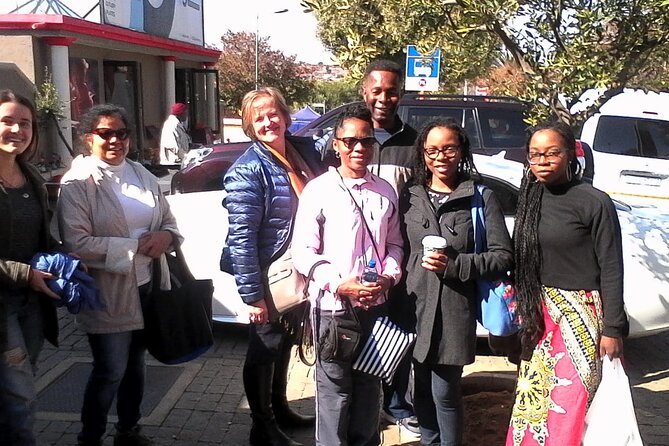
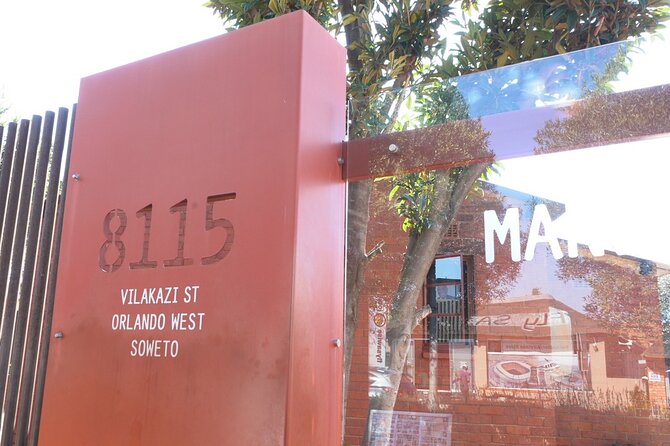
The route includes a guided visit to Mandela’s House. The house is on Vilakazi Street in Orlando West and is closely tied to Nelson Mandela’s life and South Africa’s transition from apartheid.
This stop gives the political story a personal scale. Instead of considering Mandela only as a national figure, you see the place connected with his family life and his years in Soweto. Your guide can help place the house within the wider story of the township.
There is an important cost detail here: entry fees are not included unless clearly stated as part of your selected option. One guest found the admission fee unexpectedly high, so check the exact booking terms before you go. The walking tour price and the museum ticket are separate expenses.
If you are mainly interested in South African political history, this is one of the strongest parts of the route. If you are trying to keep costs low, ask in advance whether the visit includes entry or only an exterior stop and guided explanation.
Other township visits from Johannesburg:
- Half-Day Tour of Soweto Tour
★ 4.5 · 712 reviews - Soweto: Walking Tour with a Local Guide and Lunch
★ 4.9 · 648 reviews - Jo’berg in 1 Day: Soweto, Apartheid Museum & City Tour
★ 4.8 · 524 reviews - Johannesburg: Full-Day Tour with Soweto and Apartheid Museum
★ 4.8 · 478 reviews
Vilakazi Street and Orlando West

Vilakazi Street is one of Soweto’s best-known addresses. It is associated with two Nobel Peace Prize laureates, Nelson Mandela and Desmond Tutu. That unusual distinction gives the street a symbolic weight that goes beyond its restaurants, homes, and shops.
The visit is not only about famous names. It helps you see how global history and local neighbourhood life share the same space. Your guide can explain the importance of the street while you notice the businesses and daily activity around it.
This is also a useful point to ask questions. You may want to know how the area has changed, how tourism affects local businesses, or how residents feel about the attention brought by famous landmarks. The private format gives you more freedom to guide that conversation.
The street can also be a good place to look at local food and creative work. Just remember that souvenirs, meals, and optional activities are personal expenses unless you have chosen the catered meal option.
The optional meal with a local host family
A catered meal is one of the more distinctive additions to this experience. Depending on the option you choose, a local host family prepares food for you, with menus designed to accommodate dietary needs.
One visit included a delicious vegan meal prepared by Barbara. That detail matters if you eat plant-based food or need a menu arranged around other dietary restrictions. You should still confirm your requirements when booking rather than assume every option includes food.
The meal changes the tone of the outing. You are not simply walking through a place and leaving. You have a chance to sit down with local food and connect the cultural story to something practical and familiar: what people cook, share, and eat.
Food and drinks are not included by default. The $43 price is therefore best judged as the cost of a private guided cultural walk, not as an all-inclusive tour. If you add a hosted meal or museum admission, your final cost will be higher.
What the $43 price really covers
At $43 per person, the tour can be good value if you want personal guiding and a direct connection with local history. You are paying for a private group, a local guide, a walk through several important sites, community contact, and the flexibility to focus on your interests.
The price is less attractive if you expect transport, museum tickets, and lunch to be built in. None of those should be assumed. You need to reach the memorial yourself, pay attraction entry fees unless included in your chosen option, and bring money for food or purchases.
The responsible-tourism element also matters. A portion of the fee supports local initiatives, and the programme aims to direct spending toward families, artists, and small businesses. That does not remove the need to ask clear questions about costs, but it gives your spending a wider purpose than a standard sightseeing transfer.
For a private group, the price may make sense when shared among several people. Solo visitors should compare the private rate with other Soweto options, especially if they want only a short landmark visit and do not care about conversation or community contact.
Guides, language, and the importance of preparation
The tour is offered in English or Zulu. A local guide’s personal experience can shape the walk in a useful way, especially when explaining Soweto’s past and speaking with residents.
Shantel was singled out for making the experience enjoyable and inspiring, while also encouraging a stronger interest in Soweto and South Africa. That points to the best version of this tour: a thoughtful guide who responds to questions, explains difficult history clearly, and lets the place speak for itself.
You should also know that guide consistency matters. One guest had Jason as a replacement guide and felt he lacked ideas for the route. That does not mean every departure will have the same problem, but it is a fair reason to contact the operator before booking and ask who is scheduled to lead your walk.
A private group gives you some protection against a poor fit because you can state your interests early. Tell the guide if you want more time for the 1976 uprising, Mandela, art, food, birdwatching, or modern community life. The experience is built to adjust around those interests.
How the tour fits into a Johannesburg visit
Soweto was the host township for Africa’s first World Cup and has also been connected with the G20 Summit. Those events show how the area has become part of Johannesburg’s international identity, but they are not the main reason to book this walk.
The real benefit is seeing how global attention sits alongside local life. You hear about major events, then return to streets where residents, artists, families, and small businesses continue their daily routines. That contrast gives you a more grounded view of Soweto than a short stop at a stadium or a famous house.
The walk also helps correct a common mistake: treating Soweto only as a place of struggle. Its history includes hardship and resistance, but the tour also includes music, food, creativity, birds, family life, and economic activity. You get a fuller picture without pretending the difficult parts are finished.
Who should book this experience
I would recommend this tour to you if you want conversation, local interpretation, and a flexible route. It is especially suitable for visitors interested in South African history, community tourism, political change, food, language, or the relationship between tourism and local development.
Families can also consider it, since children under three go free. The subject matter is serious, so parents should decide how much historical detail suits their children. The private format makes it easier to pause or adjust the focus.
This may not be the right choice if you want a quick, tightly scheduled sightseeing loop with all admission fees and meals included. It is also not ideal if you dislike walking or prefer to remain in a vehicle. The exact timing needs clarification because the activity is advertised as 150 minutes, while the route details refer to 3.5 hours.
The activity has free cancellation up to 24 hours before the start, and you can reserve now and pay later. Those policies are useful if your Johannesburg schedule is still moving, but they do not replace checking the meeting point, final duration, guide, meal option, and entry costs.
Should you book the Soweto Township Tour?
Book it if you want Soweto explained by someone who can connect the Hector Pieterson Memorial, Mandela’s House, Vilakazi Street, and present-day community life. The strongest parts are the private format, the chance to ask real questions, the local food option, and the possibility of meeting residents and artists.
Before paying, confirm three things: the guide’s name, the actual duration, and whether Mandela’s House entry or a meal is included in your chosen option. With those details clear, the $43 starting price can offer a thoughtful and personal introduction to Soweto.
FAQ
Where does the Soweto Township Tour start?
The tour starts at the entrance door of the Hector Pieterson Memorial in Soweto. You must arrange your own transport to the meeting point.
How long does the tour last?
The advertised duration is 150 minutes. The detailed route information also describes a 3.5-hour guided walking programme, so confirm the exact timing when you check availability.
Which languages are available?
The tour is available in English and Zulu.
Is the tour private?
Yes. The activity is offered as a private group tour.
Is food included?
Food and drinks are not included unless you select an option that specifically includes a meal. A local host family can prepare food, with menus that cater to dietary needs.
Is entry to Mandela’s House included?
Entry fees to attractions and museums are not included unless specifically stated. Check your selected option before visiting Mandela’s House.
Can children join the tour?
Yes. Children under three years old can join free of charge.
Just added in Johannesburg
- Soweto Tuk-Tuk Food & Beer Tour★ 5.0 · 9 reviews
- Soweto: Sip & Paint Walking Tour & Take Home a Canvas★ 4.8 · 7 reviews
- Soweto Tour; Mandela House; Vilakazi Street; Market Culture★ 5.0 · 6 reviews
- Soweto & Johannesburg and Apartheid Museum★ 4.7 · 41 reviews
- Private Soweto,Mandela House,Apartheid Museum,Constitution★ 4.6 · 15 reviews
- Soweto Food & Beer Bike Tour★ 4.9 · 40 reviews
- Soweto: Hector Pieterson Memorial, to Orlando Towers Tour★ 4.0 · 31 reviews
- Johannesburg: Soweto History Tour with Hotel Pickup★ 4.8 · 14 reviews
Soweto & Township Tours, compared.

Johannesburg Hop-On Hop-Off City Tour with Soweto Option
Read our review →


Jo’berg in 1 Day: Soweto, Apartheid Museum & City Tour
Read our review →
Full-Day Tour with Soweto and Apartheid Museum
Read our review →Browse the lists this tour appears in