Reviewed · APARTHEID & MANDELA HISTORY TOURS
Private Soweto,Mandela House,Apartheid Museum,Constitution
Johannesburg’s difficult story makes more sense when you see it through both places and personal stories. This six-hour tour links Soweto, Mandela House, the Apartheid Museum and Constitutional Court, with guide Shane adding the perspective of a white South African who grew up during apartheid and later wrote about it in White Boy.
I like the morning visit to Soweto, which is planned to reduce traffic, and I like the unhurried museum time. You can spend two or three hours at the Apartheid Museum rather than being hustled through its powerful exhibits. Pickup, a comfortable car and free Wi-Fi also make a long sightseeing day easier.
The main concern is the private-group promise. One booking reported that another couple was added and that a delay consumed almost two hours of the six-hour schedule. Confirm the group arrangement and pickup details before you set off.
Key points to know before booking
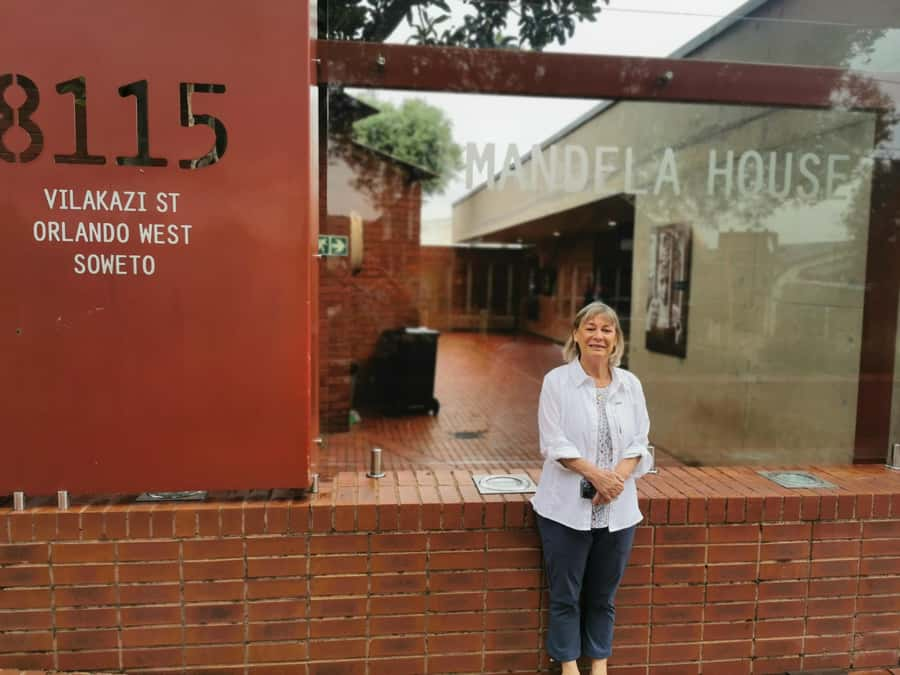
- Mandela House on Vilakazi Street: See Nelson Mandela’s former home, now a museum, and pass Bishop Desmond Tutu’s nearby private residence.
- A serious morning in Soweto: Visit the Hector Pieterson Memorial and take a short drive through the township to see how it has changed.
- Two to three hours at the Apartheid Museum: The schedule gives you enough time to read, think and follow the exhibits at your own pace.
- A guide with a personal connection: Shane is a third-generation South African and the author of White Boy, a biography of growing up white during apartheid.
- Johannesburg’s legal turning point: Visit Constitutional Court and the prison where Mandela and Gandhi spent time.
- Extra sights without extra driving: The route includes a view of the stadium used for the 2010 World Cup final.
Why this Johannesburg tour works as a history day
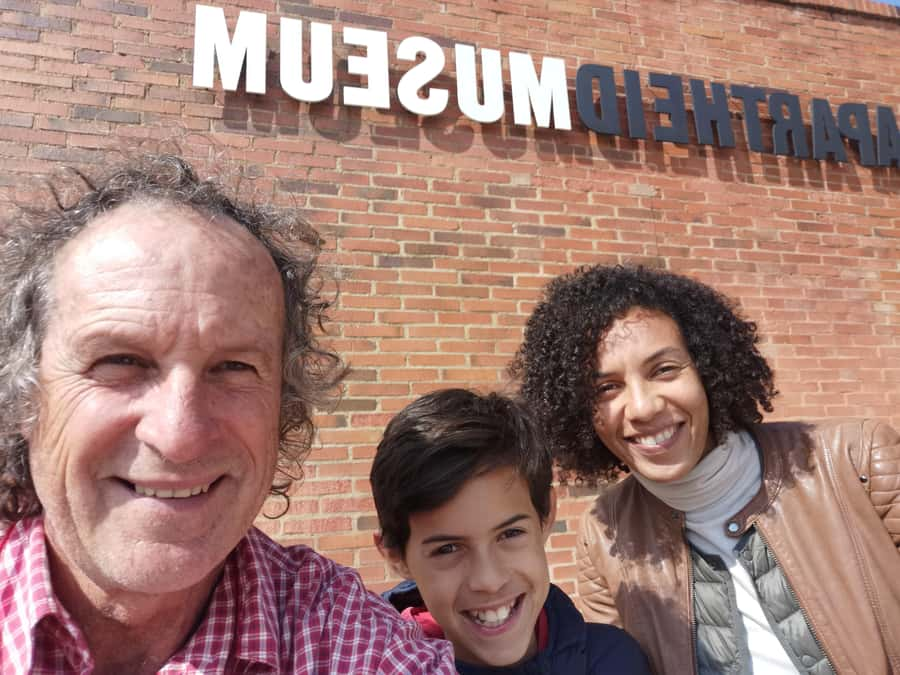
You can see Johannesburg through shopping districts, galleries and high-rise views, but this tour deals with the events that shaped modern South Africa. It moves from Soweto, where resistance became visible in the streets, to a museum that explains apartheid in detail, then to the country’s Constitutional Court and a former prison.
That order matters. You first see the places as real neighborhoods and buildings. Then you have time to process the broader system at the Apartheid Museum. The final stop brings you to the institutions that replaced apartheid’s old legal structure.
This is not a light sightseeing loop. The subject matter includes forced separation, protest, imprisonment and political violence. I would choose it early in a Johannesburg visit because it gives you useful context for almost every later conversation about the city and country.
The tour costs $99 per person before admission fees. For a private six-hour vehicle with pickup, an English-speaking guide, Wi-Fi and several major sights, that can be fair value, particularly if you prefer a guided day to arranging separate rides. The extra museum fees do matter, though: Mandela House is R70, the Apartheid Museum is R150 and the prison is R100.
That adds R320 per person for the listed admissions. Food and drinks are also separate, so allow for those costs when comparing this tour with other Johannesburg options.
More Apartheid History Tours in Johannesburg
- Soweto /Johannesburg and Apartheid Museum Guided Full Day Tour
★ 5.0 · 932 reviews - Jo’berg in 1 Day: Soweto, Apartheid Museum & City Tour
★ 4.8 · 524 reviews - Johannesburg: Full-Day Tour with Soweto and Apartheid Museum
★ 4.8 · 478 reviews
Starting in Soweto before the traffic builds
The first stop is Soweto, about 30 minutes from Johannesburg. Starting here in the morning is a sensible choice because traffic can affect the amount of time you have later, especially at a museum where you need several hours.
Soweto is not treated as a quick photo stop. The route includes Vilakazi Street, the only street associated with two Nobel Peace Prize winners, Nelson Mandela and Bishop Desmond Tutu. Mandela’s former house is now Mandela House, while Tutu’s home remains a private residence. You pass it rather than enter.
The brief drive through Soweto helps you see more than one famous address. You get an impression of the township today and how conditions have changed over time. The tour does not promise a long neighborhood walk, so set your expectations accordingly. This is a guided overview by car, combined with selected historic stops.
For me, the value here is the connection between ordinary streets and national events. Soweto is not just a name in a history book. It is a lived-in part of Johannesburg, and the drive gives the larger story a physical setting.
Mandela House and the story of Vilakazi Street

Mandela House is a modest former home rather than a grand presidential museum. That modest scale is part of its effect. You see the place connected with Mandela’s early political life and later public memory, while a guide at the house provides additional information.
The admission fee is not included, so you pay R70 separately. The tour description allows time for the visit, but the exact amount you spend inside can depend on traffic and the pace of the rest of the group.
Do not expect to enter Bishop Tutu’s house. It is a private residence, and the tour only points it out from the vehicle. That small detail is useful because it prevents a common misunderstanding when planning your day.
If you care about photography, Shane has been praised for taking pictures at stops, which means you do not have to spend the whole visit behind your phone. That is a practical touch, though I would still ask before the tour begins how much time is available for photos at each location.
Hector Pieterson Memorial and the 1976 student protests
The Hector Pieterson Memorial recalls the 1976 student uprising in Soweto. It is one of the most important stops on the route because it connects apartheid policy with the actions of young people who protested against the education system imposed on them.
The memorial is not simply another monument to photograph. It asks you to think about how political pressure reached schools, homes and families. A guide’s explanation is especially useful here because the meaning of the site can be lost if you arrive without context.
The stop also gives the Soweto portion of the tour a clear shape. At Mandela House, you focus on a major political figure. At the memorial, you confront a wider public movement and the risks taken by students.
Plan for a serious atmosphere. You are visiting a place connected with loss and protest, not a cheerful attraction. The benefit of a private or small group setting is that you can ask questions and take a little time to absorb what you have seen.
More Township Tours in Johannesburg
- Johannesburg: Hop-On Hop-Off Bus with Optional Soweto Tour
★ 4.6 · 985 reviews - Johannesburg Hop-On Hop-Off City Tour with Soweto Option
★ 4.5 · 768 reviews - Half-Day Tour of Soweto Tour
★ 4.5 · 712 reviews - Soweto: Walking Tour with a Local Guide and Lunch
★ 4.9 · 648 reviews
The World Cup stadium as a modern counterpoint
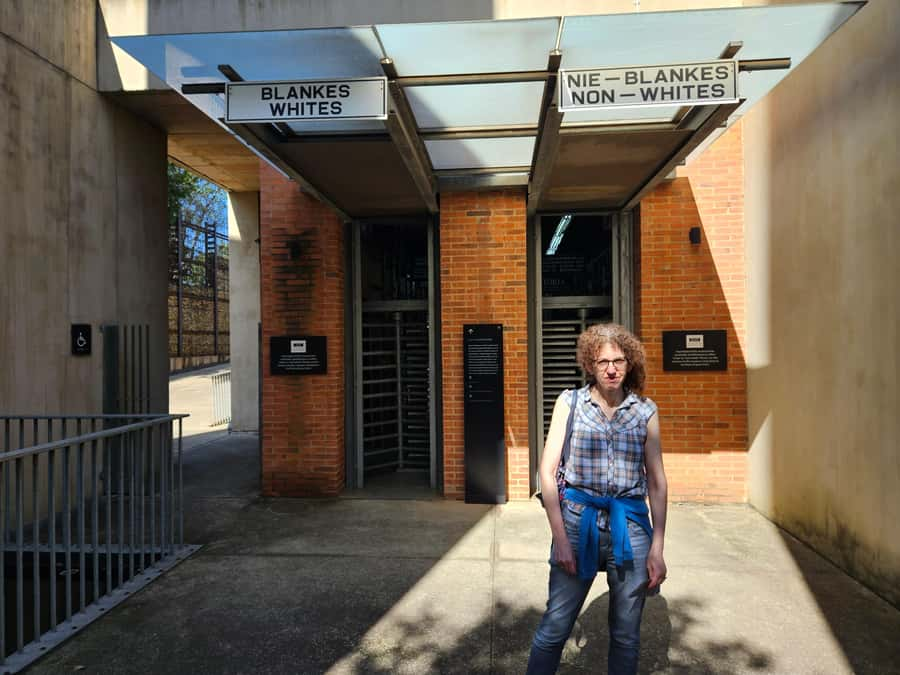
On the way to the Apartheid Museum, the route includes the stadium used for the 2010 World Cup final. It is a short stop or viewing point rather than the central attraction of the day.
The stadium adds a useful contrast. After seeing sites tied to apartheid and protest, you see a venue associated with South Africa presenting itself to the world through sport. If football matters to you, this will be a welcome addition. If it does not, treat it as a brief photo opportunity rather than a reason to book the tour.
The stadium is included in the route, so you do not need to arrange a separate visit. Since the day already contains several substantial stops, do not expect a full stadium tour unless that is specifically confirmed when you book.
The Apartheid Museum needs two or three hours
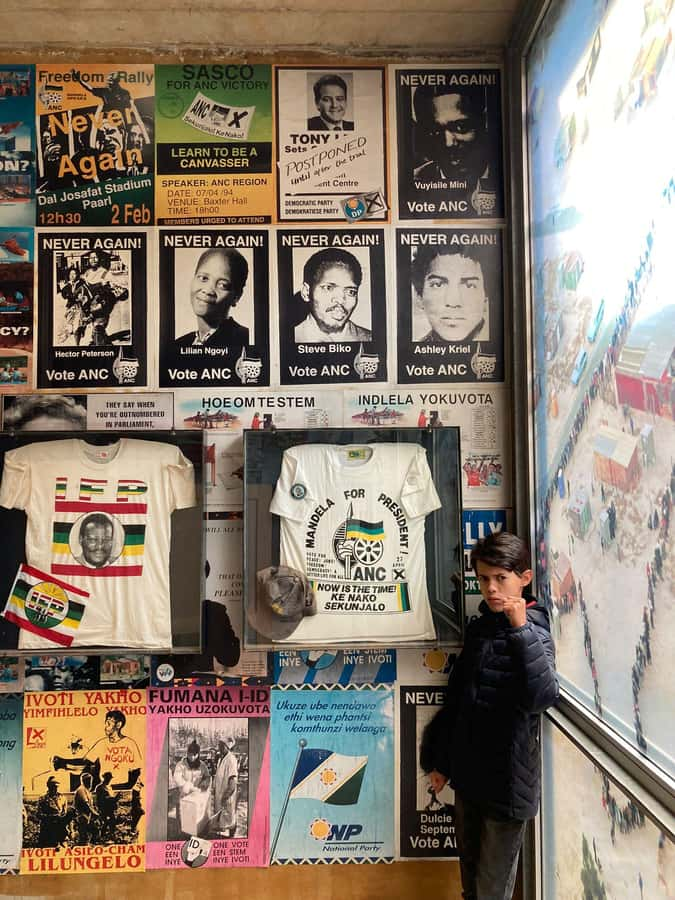
The Apartheid Museum is the largest block of the day, and rightly so. The recommended visit takes two to three hours. That is long enough to read displays, follow the chronology and pause at exhibits that need more thought.
This is where the tour moves from selected sites to a broader explanation of the apartheid system. You will find the museum emotionally demanding, but its value lies in the detail. It helps connect laws, identity classifications, forced separation and resistance with the places you saw earlier in Soweto.
I like that you are not expected to rush through it. Many city tours give a museum an hour and then move on. Here, the schedule recognizes that a serious museum requires time. You can follow the exhibits at your own pace instead of trying to keep up with a guide in every room.
Admission costs R150 and is not included in the tour price. The description says you can skip the ticket line, but you should still budget for the entrance fee. If the museum is your main reason for booking, confirm how much of the six-hour day remains after traffic and the morning stops.
The museum can also be tiring. You have already visited Mandela House and the Hector Pieterson Memorial, and the subject matter is heavy. I would avoid booking another major attraction immediately afterward.
Constitutional Court and the former prison
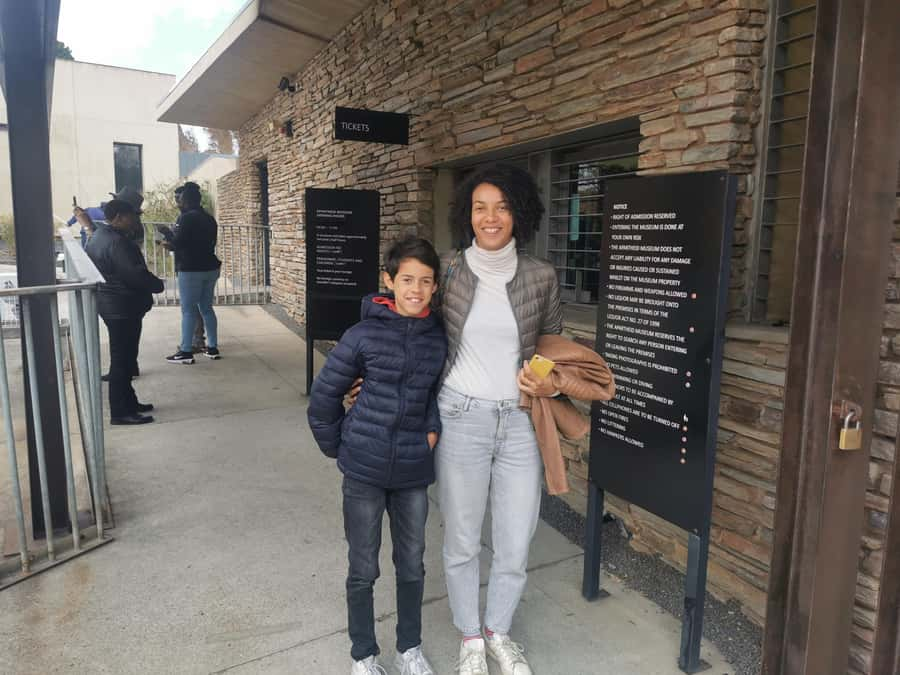
The final main stop is Constitutional Court and the prison where Mandela and Gandhi spent time. This shifts the focus from the old system of control to South Africa’s legal and political transformation.
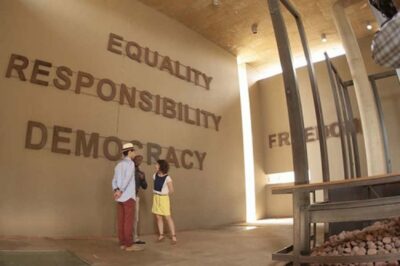
The Constitutional Court is especially important because it represents the country’s post-apartheid constitutional order. It gives the day a forward-looking final chapter rather than ending only with protest and imprisonment.
The prison adds another layer. Seeing a place linked with both Mandela and Gandhi makes the long arc of resistance more concrete. The supplied information does not specify how much time is spent in each part of the complex, so ask your guide about the order and timing on the day.
Admission to the prison is listed at R100 and is not included. The booking information also describes this as a newer Constitutional Court and prison site, so do not assume it is the same as every historic prison tour in Johannesburg.
This last stop works best if you still have energy for questions. Ask Shane how the places you saw fit together, especially if you want to understand the connection between apartheid law, imprisonment and the constitution that followed.
Shane’s personal South African perspective
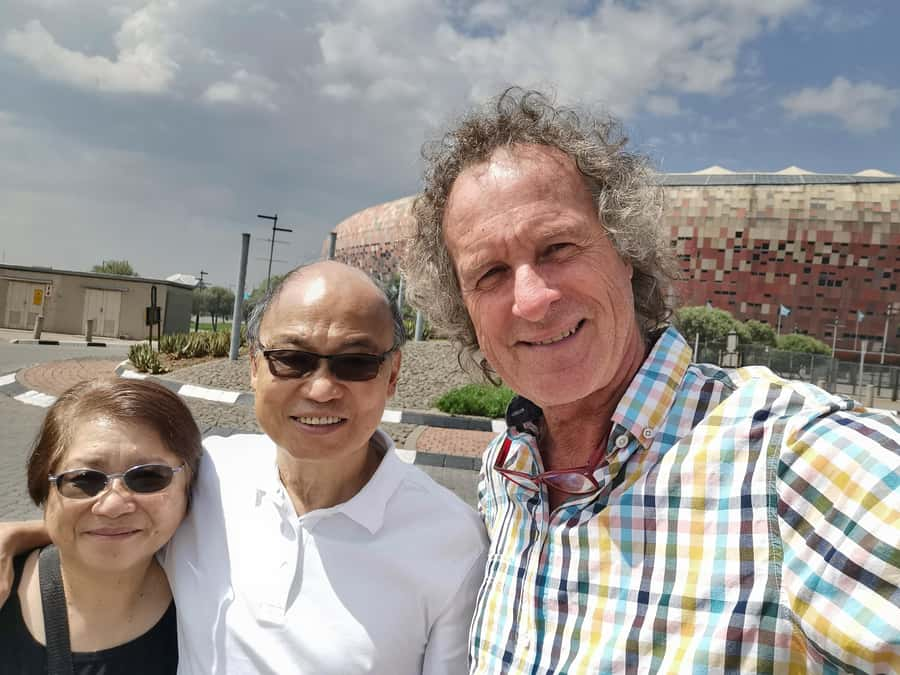
A major feature of this tour is the guide rather than just the vehicle route. Shane is described as a third-generation South African and the author of White Boy, a biography of a white boy growing up during apartheid in a mining village.
That background can add a perspective you will not get from display panels alone. The day covers public history, but personal stories help explain how apartheid affected daily life, identity and opportunity. You can ask questions as you go instead of waiting until the end of a museum visit.
The guide speaks English. Previous bookings describe Shane as friendly, responsible and good at explaining South African history, with punctual pickup and a safe return. One French-speaking booking particularly liked the guide at Mandela House, but the tour itself is listed as English-language, so do not book it expecting a French tour.
The personal approach also means the quality of the day depends heavily on communication. Tell Shane what interests you, such as architecture, political history, Mandela, Gandhi, the student protests or present-day Soweto. That gives the conversation a useful direction.
Transport, timing and the private-group question
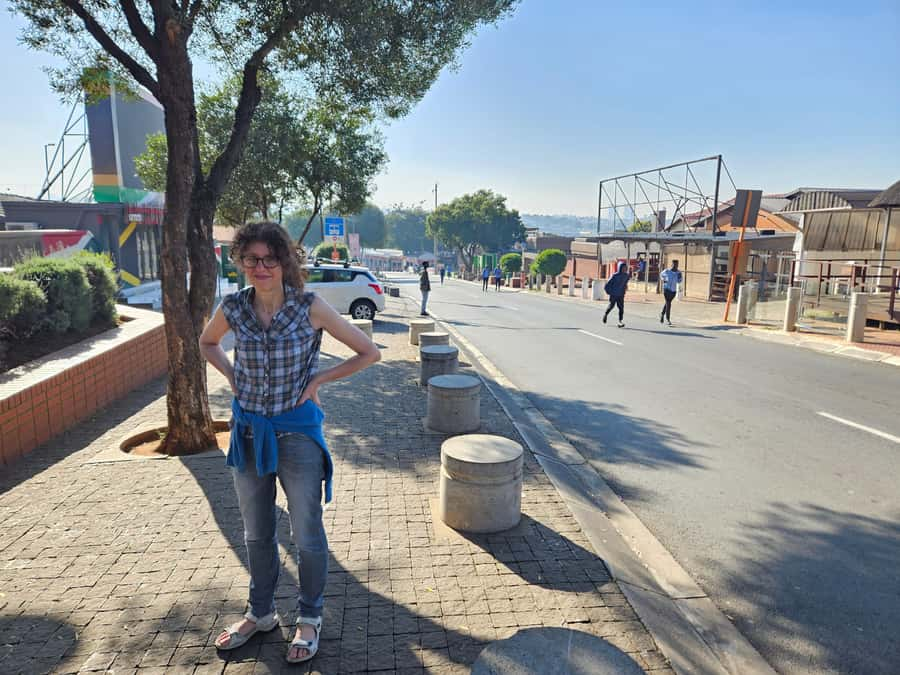
Pickup is included from your location, and the tour uses a comfortable car with free Wi-Fi. Those details matter in Johannesburg, where a six-hour route can involve substantial time on the road. Wi-Fi is handy for checking plans, messaging family or looking up a name that comes up during the tour.
The itinerary is packed but possible if traffic behaves and the schedule stays on track. Soweto comes first, followed by the stadium view, the Apartheid Museum and Constitutional Court with the prison. Food is not included, and the tour description does not specify a meal stop, so bring a plan for eating or ask about the timing.
The biggest practical issue is the use of the word private. One booking reported that another couple joined the tour, causing almost two hours of delay and reducing personal attention. That conflicts with the stated private-group format, so I would confirm in writing that your booking will remain private before paying.
Most of the available feedback is strongly positive, with an overall rating of 4.6 from 15 reviews. Praise centers on punctual pickup, safe driving, clear explanations, full completion of the planned route and help with photos and restaurant suggestions. Those are meaningful strengths for a first visit to Johannesburg.
Still, the negative account is specific enough to take seriously. If you have a flight, timed dinner or another booked activity afterward, leave a wide buffer. A tour that runs six hours on paper may take longer if pickup coordination goes wrong.
Who should book this six-hour tour
I would recommend it to a first-time Johannesburg visitor who wants the major apartheid-related sights in one day without managing several taxis or separate bookings. It also suits you if you prefer conversation and context over simply being dropped at a museum.
History-minded adults and older teenagers are likely to get the most from it. The subject is serious, and the Apartheid Museum alone deserves attention and emotional energy. Families should decide if the memorial and prison content fits their children.
This is also a good choice for anyone who values a local guide with a personal connection to the period. Shane’s background and book give the tour a distinct angle, especially if you want to hear how apartheid shaped white South African life as well as the experiences of those oppressed by the system.
I would look elsewhere if you want a relaxed food-and-scenery day, a long walking tour, or a fully flexible schedule. You may also prefer a different arrangement if you cannot tolerate uncertainty about the private-group promise.
Should you book the Soweto and history tour?
Book it if you want a focused, efficient introduction to Johannesburg’s key political sites and are willing to pay the museum fees on top of the $99 tour price. The strongest reasons are the early Soweto visit, the generous Apartheid Museum time, the included pickup and Shane’s first-person connection to South African history.
Before booking, confirm three things: that the group will be private, how much time is allocated to the Apartheid Museum and prison, and where food fits into the six-hour schedule. If those answers suit your plans, this is a strong choice for seeing the city’s essential history in one day.
FAQ
How long is the tour?
The tour lasts six hours.
What attractions are included in the route?
The route includes Soweto, Mandela House, the Hector Pieterson Memorial, the Apartheid Museum, Constitutional Court and the prison. A stop at the World Cup stadium is also included.
Is hotel or location pickup included?
Yes. Pickup from your location is included, and you should wait at the pickup location.
Is the tour private?
The activity is advertised as a private group tour. One booking reported that another couple was added, so confirm the private arrangement before your visit.
Who is the guide?
The guide is Shane, a third-generation South African and the author of White Boy, a biography about growing up white during the apartheid era.
What language is spoken on the tour?
The live tour guide speaks English.
Are museum tickets included in the $99 price?
No. Mandela House costs R70, the Apartheid Museum costs R150 and the prison costs R100. These admission fees are paid separately.
Are food and drinks included?
No. Food and drinks are not included.
Can I cancel the booking?
You can cancel up to 24 hours in advance for a full refund. The activity also offers reserve now and pay later booking.
More museums and galleries in Johannesburg
- Full-Day Soweto, Apartheid Museum and Lunch Tour
★ 5.0 · 410 reviews - Half Guided Day Tour of Soweto And Apartheid Museum
★ 5.0 · 356 reviews - Ultimate Johannesburg Soweto Experience with Apartheid Museum
★ 5.0 · 313 reviews - Soweto: Hop-On Hop-Off Bus, City Tour and Apartheid Museum
★ 4.5 · 250 reviews
Just added in Johannesburg
- Soweto Tuk-Tuk Food & Beer Tour★ 5.0 · 9 reviews
- Soweto: Sip & Paint Walking Tour & Take Home a Canvas★ 4.8 · 7 reviews
- Soweto Tour; Mandela House; Vilakazi Street; Market Culture★ 5.0 · 6 reviews
- Soweto & Johannesburg and Apartheid Museum★ 4.7 · 41 reviews
- Soweto Township Tour★ 4.4 · 4 reviews
- Soweto Food & Beer Bike Tour★ 4.9 · 40 reviews
- Soweto and apartheid museum tour(Half-day)★ 5.0 · 4 reviews
- Soweto: Hector Pieterson Memorial, to Orlando Towers Tour★ 4.0 · 31 reviews
Apartheid & Mandela History Tours, compared.
Jo’berg in 1 Day: Soweto, Apartheid Museum & City Tour
Read our review →
Full-Day Tour with Soweto and Apartheid Museum
Read our review →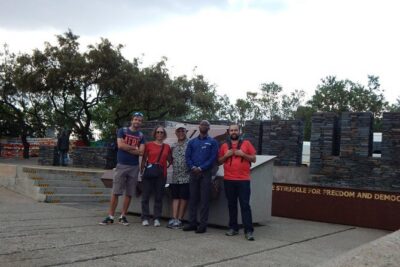
Half Guided Day Tour of Soweto And Apartheid Museum
Read our review →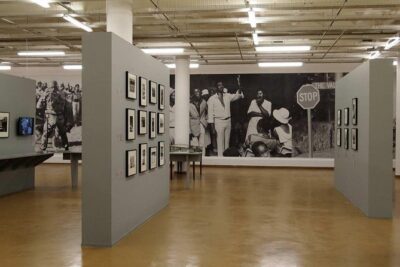
Ultimate Johannesburg Soweto Experience with Apartheid Museum
Read our review →
Hop-On Hop-Off Bus, City Tour and Apartheid Museum
Read our review →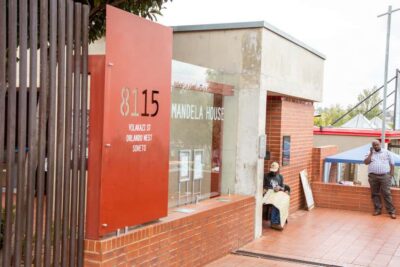
Johannesburg and Soweto Apartheid Full Day Tour w/Lunch
Read our review →