

Reviewed · SOWETO & TOWNSHIP TOURS
Cape Town: Nathi Langa Township Walking Tour
Langa is not a staged attraction. It is a working community, and that is the most important thing to understand before you go. The tour moves through streets, homes, shops, cultural spaces, and neighborhood gathering places with guides such as Nathi and Zuzie, who have strong ties to the area.
I like the personal storytelling and the way the tour connects South Africa’s past to life today. I also like that your money supports a locally run activity, with stops such as Guga S’thebe and its craft projects. The main consideration is that you will see real poverty and difficult living conditions, so this is not a light sightseeing stroll.
Key points to know before you book
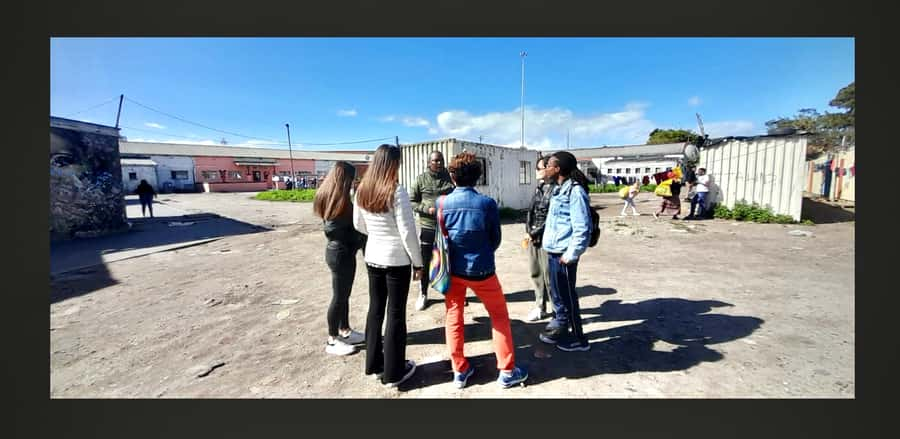
- Local guides with real ties to Langa: Nathi grew up in the area, while Zuzie and other guides live in or have close connections to the township.
- A 150-minute walking route: Expect streets, community spaces, cultural landmarks, shops, and conversations along the way.
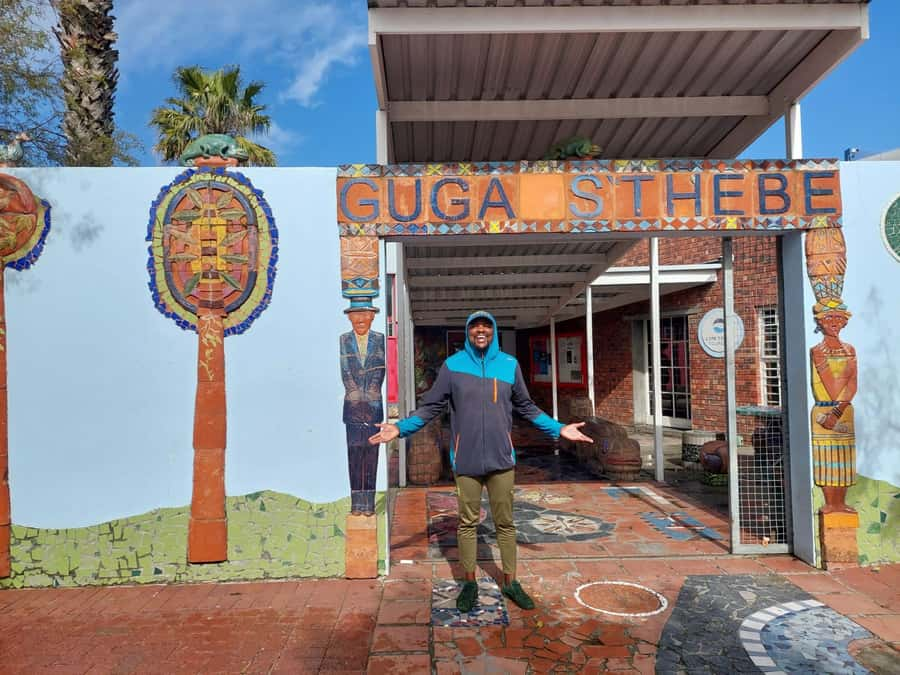
- Guga S’thebe is a major stop: See local art and craft projects, and on some tours take part in a short djembe drumming session.
- A direct look at township life: The tour explains apartheid, housing, work, education, inequality, and present-day community efforts.
- Friendly but respectful contact with residents: Guides introduce you to people they know, helping the visit feel less like a distant observation.
- Easy to arrange: Meet at the main entrance of Guga S’thebe, or ask about pickup from central Cape Town, the V&A Waterfront, and Atlantic seaboard areas.
Why Langa belongs on a Cape Town itinerary

Cape Town can be easy to experience through its scenic highlights: Table Mountain, the Waterfront, beaches, wine estates, and the Cape Peninsula. Those places matter, but they do not explain how the city was shaped by forced removals, segregation, and unequal access to housing and work.
Langa gives you another frame of reference. The tour uses ordinary streets and local stories to explain how townships developed and how the past still affects daily life. You are not simply shown buildings. You are given context for what you see.
That context makes the visit worthwhile. A house, shop, school, salon, or community center means more when you understand the policies and economic pressures behind it. You also see that Langa is not defined only by hardship. It is a place where families, artists, children, shopkeepers, and community workers carry on with ordinary life.
The best approach is to arrive with respect and curiosity. You are walking through people’s homes and neighborhoods, not entering an outdoor museum. Ask before taking photographs, listen carefully, and let your guide decide which encounters are appropriate.
More Township Tours in Cape Town
- Half-Day Tour Through Cape Town’s Townships
★ 4.8 · 979 reviews - Cape Town: Guided Township Tour with Hotel Pickup
★ 4.4 · 536 reviews - Cape Town: Robben Island Ferry Ticket and Townships Tour
★ 4.5 · 400 reviews
Meeting Nathi, Zuzie, and the people who make the tour work
The guide is the heart of this experience. Nathi is repeatedly described as someone who knows people throughout Langa, and that matters as soon as the walk begins. Greetings from residents make the visit feel more natural, while his own connection to the area gives his explanations a personal voice.
Nathi presents the township’s past alongside its current challenges. He explains how colonialism and apartheid shaped South Africa, then links those events to housing, jobs, education, and opportunity today. His humor helps keep the walk relaxed, but the subject matter is not softened.
Zuzie, also referred to by some participants as Zuzi, Xuzie, or Zuzieka, brings a similar local perspective. She has been praised for explaining the area’s history and answering questions in a warm, clear way. If your guide is Zuzie, you may hear more personal detail about growing up and living in Langa.
The exact guide can vary. That is worth keeping in mind if you book because of a specific name. The common strength is local connection, not a fixed script delivered by a guide who lives elsewhere.
In some cases, an assistant or student guide joins the walk. This can be useful for questions and gives young people connected to the area a chance to take part in local tourism work.
Starting at Guga S’thebe Cultural Centre
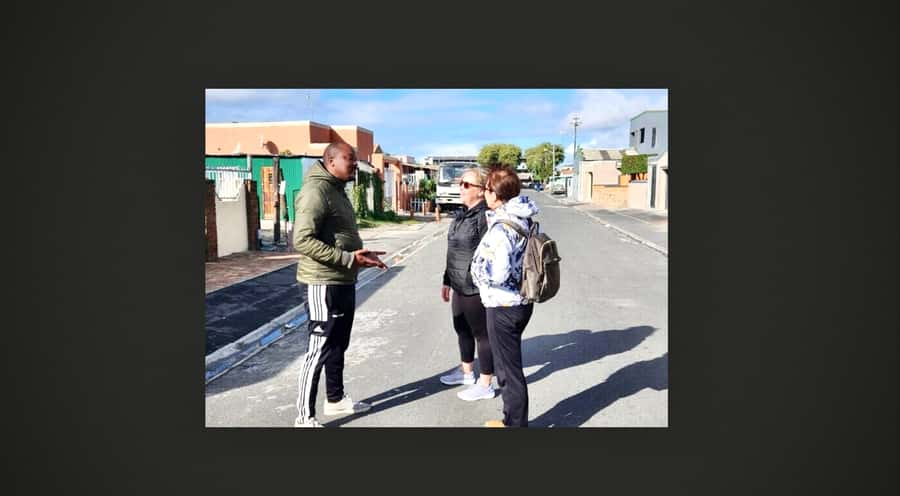
The meeting point is the main entrance of Guga S’thebe at 36 Washington Street in Langa. Arrive 15 minutes before the scheduled start. This center provides a useful introduction because it presents creative work and community projects before you head into the surrounding streets.
Guga S’thebe includes a marketplace where local artists sell handmade items. You may see pottery and other crafts, with purchases offering a direct way to support local makers. There is no need to buy anything, but it is a more meaningful souvenir option than a generic airport item.
The center also highlights skills projects for unemployed people and school leavers. These programs aim to teach practical craft skills that can lead to income or small business opportunities. That detail helps you see tourism as more than a sightseeing transaction. It can support local work when spending is handled respectfully.
Some tours include a brief djembe drumming session. This adds a hands-on moment without turning the whole visit into a performance show. Families may appreciate it, and children have enjoyed the chance to try the drums.
Guga S’thebe is also listed with a separate entrance arrangement, which can make arrival straightforward. The core experience remains the walking tour, so do not expect a long indoor museum visit.
Walking through streets, shops, and everyday life
After the cultural center, the route moves into Langa itself. The pace is generally suited to conversation, with time to stop, ask questions, and look around. You may pass local businesses, neighborhood streets, homes, salons, shops, and public gathering points.
This is where a local guide makes the biggest difference. Without someone who knows the area, it would be difficult to understand what you are seeing or to know how to behave. With Nathi or Zuzie, you can ask about daily routines, local services, housing, and the way the township has changed.
The atmosphere is not uniform. Some parts may feel open and sociable, while other streets bring you face to face with cramped housing or visible economic strain. One particularly striking experience described on the tour is seeing a shipping container converted into a home. Elsewhere, you may see more decorated homes and a section informally known as Langa’s Beverly Hills.
That contrast is important. It shows that a township is not one single type of place. There are differences in income, housing, ambition, and opportunity within the same community. You may also see signs of pride and creativity alongside limited resources.
Interactions with residents are a natural part of the walk, but they should never be treated as entertainment. Children may greet you, and your guide may introduce you to people he or she knows. Some visitors have played football with local children, visited a barber, or stopped at a salon. These moments depend on the day and should not be expected as guaranteed activities.
Food can also enter the experience. The tour description allows for sampling local food from vendors or eateries, and individual outings have included dishes such as chicken feet. Food is not the central promise of the tour, so ask your guide what is available on the day and mention any dietary needs before eating.
Other township visits from Cape Town:
- Cape Town: Langa Township Walking Tour
★ 4.8 · 272 reviews - Cape Town: Half-Day Guided Township Tour
★ 4.6 · 237 reviews - Cape Town Township Private Tour
★ 5.0 · 158 reviews - Cape Town: Authentic 3–4 Hour Cultural Township Experience
★ 4.7 · 151 reviews
The history behind Langa
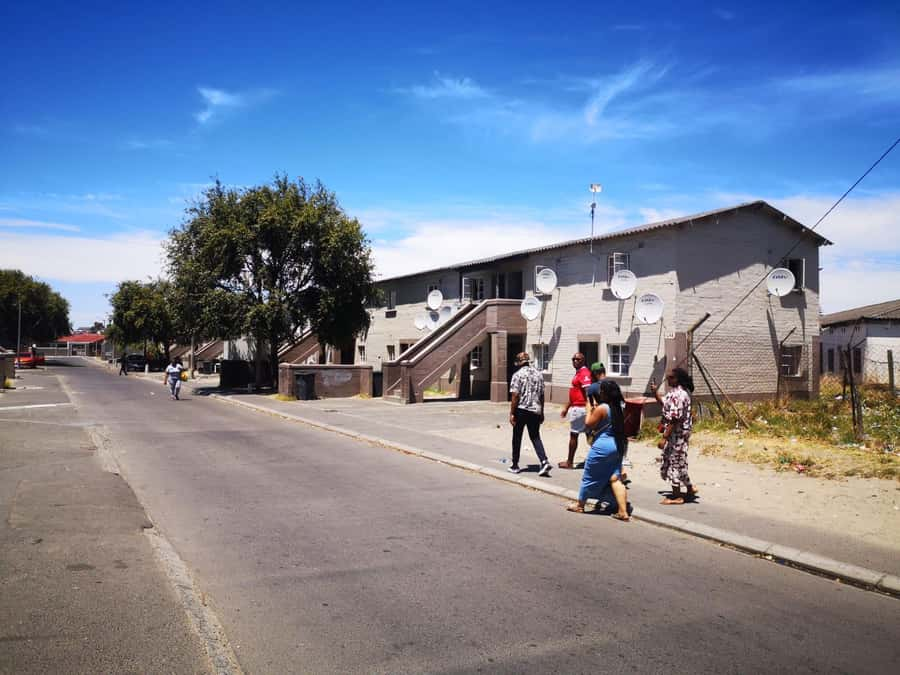
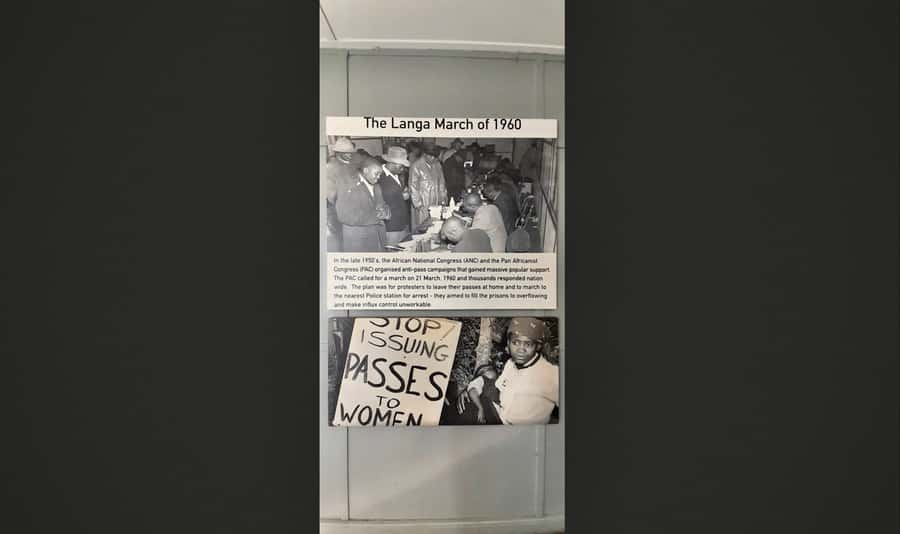
Langa’s story cannot be separated from apartheid. The tour explains how South Africa’s racial policies controlled where people could live, work, and travel. It then brings that history into the present, showing why inequality remains visible in housing and opportunity.
This is one of the strongest reasons to include the tour in a Cape Town visit. A short textbook account of apartheid can feel distant. Hearing the story from someone connected to Langa gives it a human scale.
You will also hear about changes and hopes for the future. The tour does not present the township as frozen in the past. It discusses projects, education, small businesses, creative work, and the need for better social conditions.
The subject can be sobering. You may leave thinking about the sharp difference between Langa and the polished parts of Cape Town. That discomfort is part of the value, but it is also why you should avoid booking this as a casual novelty outing.
The tour works best when you treat it as a conversation about people and systems, not as a search for dramatic photographs. Ask thoughtful questions. Give people privacy. Let the guide explain which areas and encounters are suitable.
Safety, comfort, and respectful behavior

Safety is a common concern for first-time visitors to a township. The guides are well known in Langa, and that local trust helps you move through the community with greater confidence. Many people have felt comfortable throughout the walk, including families with children and solo participants.
Still, a guide is not a guarantee that every situation is risk-free. Follow instructions, stay with the group, and use ordinary city awareness. Keep valuables out of sight and avoid wandering away on your own after the tour.
Your arrival is part of the practical equation. The official meeting point is Guga S’thebe, but pickup may be available from hotels in central Cape Town, the Waterfront, and Atlantic seaboard areas including Camps Bay. Contact the operator for details rather than assuming pickup is included.
Some transport providers may be cautious about entering or stopping in the area. If you use a taxi or ride-hailing service, having clear directions to the cultural center helps. The guide may also assist with your onward journey, but arrange your return plan in advance.
The tour is listed as wheelchair accessible. Because it takes place on township streets and includes walking, ask the operator about the specific route and current conditions if you have mobility concerns.
Is $31 a fair price for 150 minutes?
At $31 per person, this is not the cheapest way to spend two and a half hours in Cape Town. But price alone misses the point. You are paying for a local guide, historical explanation, access to a community you might not otherwise enter, and a tourism experience that can direct money toward local projects and makers.
The value is strongest if you want understanding rather than a checklist of sights. A standard city tour may tell you where Langa is. This one gives you a better sense of how people live there and why the township exists.
The cost also compares well with the time involved. Two and a half hours allows the guide to move beyond a quick photo stop and explain several parts of the community. You have time for Guga S’thebe, walking, questions, and possible local interactions.
Food, crafts, donations, and optional purchases may cost extra. Bring some cash if you would like to buy pottery or support a preschool or community project, but do not feel pressured to spend. The walking tour and guide are included.
The booking terms are flexible. You can reserve now and pay later, and cancellation is free up to 24 hours before the start for a full refund. English and Xhosa are available.
Who will get the most from this walk?

I would recommend the tour to first-time visitors who want to understand Cape Town beyond its postcard attractions. It suits adults, families with older children, solo visitors, and anyone interested in South African history and present-day social issues.
Families should tell the guide the children’s ages. The tour has worked well for children around eight to ten, especially when the visit includes drumming, craft work, football, or friendly local contact. The difficult topics may need a little preparation.
It is also a good choice if you are nervous about visiting a township independently. You do not need to know where to go or how to approach people. The guide handles that social side and gives you a clear explanation of what you are seeing.
I would not choose it if you want a relaxed scenic walk, a polished cultural performance, or a tour focused mainly on food. Parts of the experience can be emotionally demanding, and the conditions you see may be uncomfortable.
Bring comfortable walking shoes, sun protection, water, and a small amount of cash. Dress casually and respectfully. Ask before taking pictures, especially of homes, children, and individuals.
Should you book the Nathi Langa Township Walking Tour?
Book it if you want a more honest understanding of Cape Town and are ready to visit a living community with care. The strongest features are the local guides, the personal links to residents, the explanation of apartheid’s continuing effects, and the stop at Guga S’thebe.
Choose another activity if you prefer polished attractions or feel unwilling to confront poverty and inequality. For everyone else, this 150-minute walk offers a useful balance of history, everyday life, local creativity, and human connection.
I would make it an early Cape Town activity. It can shape how you understand the rest of the city, from the Waterfront’s wealth to the wider questions of housing and opportunity. At $31, it is a solid value for an experience that gives you far more than a quick look from a vehicle.
FAQ
Where does the Langa Township Walking Tour meet?
The tour meets at the main entrance of Guga S’thebe, 36 Washington Street, Langa. You should arrive 15 minutes before the start.
How long does the tour last?
The walking tour lasts 150 minutes, or about two and a half hours.
Is hotel pickup available?
Pickup may be available from hotels in Cape Town city center, the V&A Waterfront, and Atlantic seaboard areas including Camps Bay. Contact the operator for details.
Which languages are offered?
The tour is offered in English and Xhosa.
Who leads the tour?
Guides may include Nathi, Zuzie, or other local guides connected to Langa. Nathi grew up in the community, and Zuzie has also lived in or has close ties to the township.
Is the tour wheelchair accessible?
The activity is listed as wheelchair accessible. Since it includes walking through the township, contact the operator about the route and current conditions if you have specific mobility needs.
Is food included?
The tour may include opportunities to sample food from street vendors or local eateries, but the listed inclusions are the guide and walking tour. Ask what food is available on your date.
Can I cancel the booking?
You can cancel up to 24 hours in advance for a full refund. You can also reserve now and pay later.
More walking tours in Cape Town
- Cape Town: Art, Culture & History Walking Tour
★ 4.9 · 392 reviews - Cape Town: Street Art Walking Tour in Woodstock
★ 4.8 · 293 reviews - Cape Town: Private Walking Tour with a Local
★ 4.6 · 243 reviews - The 10 Tastings of Cape Town With Locals: Private Food Walking Tour
★ 4.5 · 169 reviews
Just added in Cape Town
- Wine Tasting in Cape’s Top Three Winelands Private Tour★ 4.5 · 17 reviews
- Private Tour to Aquila Game Reserve in Cape Town – see the Big5★ 5.0 · 5 reviews
- Private Tour:Cape of Good Hop>Seal island>Chapman’speak &Penguins★ 5.0 · 7 reviews
- Full Day Big 5 Aquila Safari Private Transfers Including Park Fee From Cape Town★ 4.5 · 54 reviews
- Robben Island and Table Mountain Cableway with Bo-Kaap Day Tour★ 5.0 · 8 reviews
- Private Full Day Cape Town City Scenic and Table Mountain Tour.★ 5.0 · 3 reviews
- Private Half DayTour:Cape Winelands, Stellenbosch from Cape Town★ 5.0 · 18 reviews
- Private Tour: Cape Winelands to Stellenbosch & Franschhoek★ 5.0 · 3 reviews
Soweto & Township Tours, compared.

Johannesburg Hop-On Hop-Off City Tour with Soweto Option
Read our review →


Jo’berg in 1 Day: Soweto, Apartheid Museum & City Tour
Read our review →
Full-Day Tour with Soweto and Apartheid Museum
Read our review →
Browse the lists this tour appears in