
Reviewed · APARTHEID & MANDELA HISTORY TOURS
Johannesburg: Mandela Legacy Day Tour
Mandela’s story becomes far more powerful when you see the actual rooms, offices, prison courtyards, and family homes tied to his life. This nine-hour Johannesburg tour moves from the secret work of the anti-apartheid struggle to the public memory preserved at the Apartheid Museum.
I like the range of places covered, especially Mandela House and Chancellor House, which show him as both a family man and a working lawyer. I also like that entry fees, bottled water, transport, and a live English-speaking guide are included. The drawback is the long day, with little free time for food or unplanned stops.
Key points to know before booking
- Six major Mandela sites in one day: The route includes Liliesleaf Farm, the Nelson Mandela Foundation, Constitutional Hill, Chancellor House, Mandela House, and the Apartheid Museum.
- A personal look at Mandela: Mandela House focuses on his family life, while Chancellor House shows his work with Oliver Tambo.
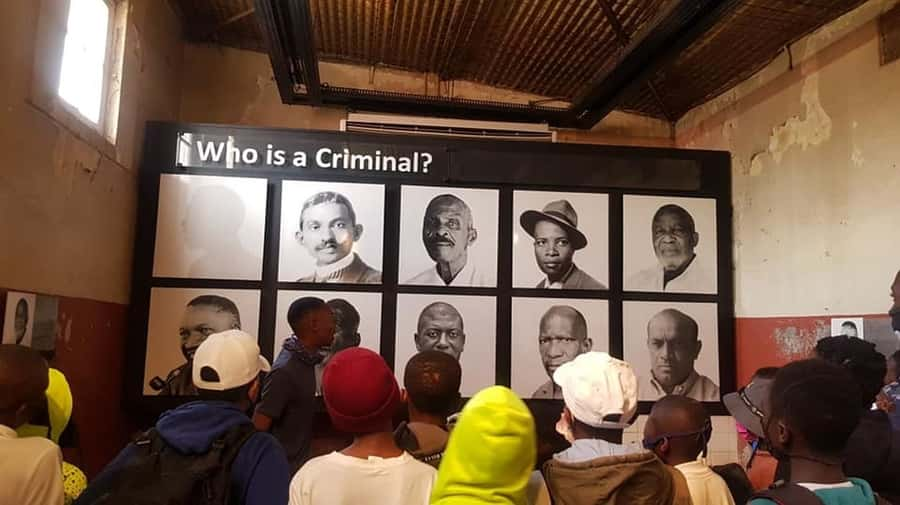
- The prison story is broader than Mandela alone: Constitutional Hill connects Mandela with Winnie Madikizela, Mahatma Gandhi, Joe Slovo, and others held there.
- A guide matters here: Richard and Emmah are named guides associated with Africa Moja Tours, with praise for clear organization, thoughtful historical explanation, and a reassuring presence.
- The price covers the practical basics: At $183 per person, pickup, drop-off, entry fees, bottled water, and guiding are included, but food and drinks are not.
- Plan for a full day on your feet: Wear comfortable shoes and expect a nine-hour outing.
Why this Mandela tour works as a full-day history lesson
This is not a quick photo stop at one famous house. It is a linked journey through the political, legal, family, and prison chapters of Nelson Mandela’s life.
You begin with the underground struggle against apartheid, then follow Mandela’s work as a lawyer and political leader. The day later turns toward the places where he was imprisoned and the home where he lived with his family. It ends at a museum devoted to apartheid itself.
That order gives the day a useful shape. You are not simply collecting landmarks. You are seeing how secret meetings, legal work, imprisonment, family life, and national memory fit together.
The tour is based in Gauteng and lasts about nine hours. Pickup and drop-off are included, which matters in Johannesburg, where the sites are spread across different parts of the city. Your guide drives between stops, so you do not have to piece together a route by taxi or public transport.
The tour is conducted in English, with an English audio guide included. A live guide remains the main feature, since the meaning of many sites depends on context rather than on the building alone.
More Apartheid History Tours in Johannesburg
- Soweto /Johannesburg and Apartheid Museum Guided Full Day Tour
★ 5.0 · 932 reviews - Jo’berg in 1 Day: Soweto, Apartheid Museum & City Tour
★ 4.8 · 524 reviews - Johannesburg: Full-Day Tour with Soweto and Apartheid Museum
★ 4.8 · 478 reviews
Liliesleaf Farm and the secret work behind the struggle
Your first stop is Liliesleaf Farm in northern Johannesburg. The farm served as a safe house for the African National Congress during the 1960s, when political opposition to apartheid was under intense pressure.
This is an important opening because it shows Mandela’s story before the presidency and before the familiar images of reconciliation. The place connects to the covert planning and organizing that helped drive the anti-apartheid movement.
You can expect this stop to focus on the people and political work linked to the farm. The value here is not simply seeing an old property. It is understanding why ordinary-looking places could become important centers of resistance.
I like beginning here because it puts the struggle into practical terms. Mandela’s political work did not happen only in grand public halls. It also depended on private meetings, careful planning, and people taking serious personal risks.
The exact amount of time at each stop is not specified, so you should expect the guide to manage the pace across the whole day. If political history is your main interest, listen closely here and ask questions while the story is fresh.
The Nelson Mandela Foundation and personal objects
The next stop is the Nelson Mandela Foundation, which occupied the last offices Mandela used before his death.
This changes the tone of the day. At Liliesleaf Farm, you are looking at the machinery of resistance. At the foundation, you are closer to the public figure Mandela became and the work that continued after his release and presidency.
Original items connected with Mandela include his briefcase, his Nobel Prize medal, and Xhosa mountain attire. These objects help bring the man down from the level of a symbol. A briefcase suggests daily work and travel. Clothing connects him to identity and culture. The medal points to the international recognition that followed decades of conflict and imprisonment.
You may find this stop especially rewarding if you prefer objects and personal details to broad political displays. It also creates a useful bridge between Mandela’s private life and his public role.
The foundation is not presented as a replacement for the Apartheid Museum. Instead, it adds a more personal layer. The museum explains the system and the period. The foundation gives you a closer look at the man whose name is tied to that history.
Constitutional Hill and the prison experience
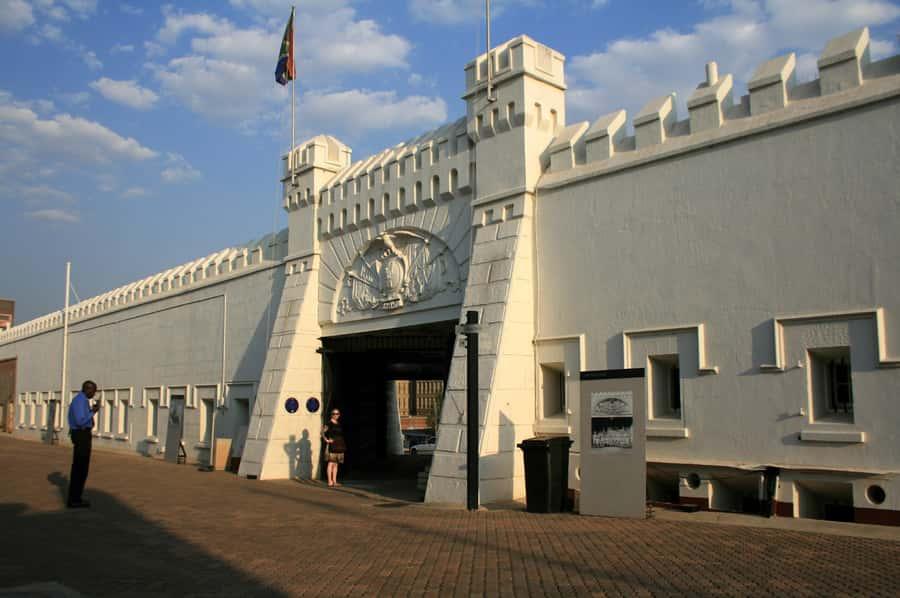
Constitutional Hill is one of the day’s most serious stops. Mandela and many other major figures connected with the struggle were imprisoned here. The list includes Winnie Madikizela, Joe Slovo, and Mahatma Gandhi.
That mixture of names matters. Constitutional Hill is not only a Mandela attraction. It places him within a larger story of political resistance and imprisonment, with people from different backgrounds and periods connected to the site.
Expect the visit to focus on the prison complex and the experience of incarceration. The setting can help you grasp the loss of freedom in a way that a timeline or film cannot. Cells, courtyards, and institutional spaces make the subject physical.
This is also a point where the tour may feel emotionally heavy. You are moving through a place tied to punishment and political repression, not a cheerful sightseeing stop. Give yourself time to listen rather than rushing from one room to the next.
I like that Constitutional Hill follows the Nelson Mandela Foundation. The contrast is sharp. One stop shows Mandela’s later public work and legacy. The other returns you to the price paid by him and others before democracy arrived.
Comfortable shoes matter here, as they do throughout the tour. You will be moving through several sites over a long day, and the schedule is built around visiting rather than sitting for long periods.
Other places that tell the same story:
- Full-Day Soweto, Apartheid Museum and Lunch Tour
★ 5.0 · 410 reviews - Half Guided Day Tour of Soweto And Apartheid Museum
★ 5.0 · 356 reviews - Ultimate Johannesburg Soweto Experience with Apartheid Museum
★ 5.0 · 313 reviews - Soweto: Hop-On Hop-Off Bus, City Tour and Apartheid Museum
★ 4.5 · 250 reviews
Chancellor House and Mandela’s legal career
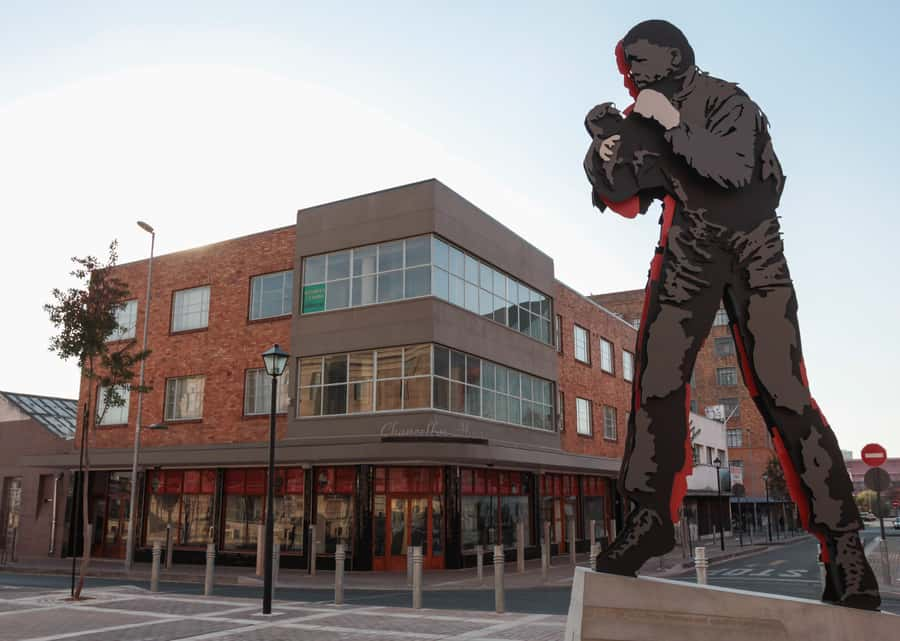
From Constitutional Hill, the route continues to Chancellor House in Johannesburg’s Ferreirasdorp area.
The three-story building was once home to the first black law firm in South Africa established by Nelson Mandela and Oliver Tambo. This stop is valuable because it highlights a part of Mandela’s life that can get lost behind the better-known prison and presidential chapters.
Mandela and Tambo did not begin as museum figures. They worked as lawyers, dealing with real cases and clients under an unjust legal system. Their office shows how legal training became one tool in the wider fight against apartheid.
Chancellor House also gives you a more grounded picture of Mandela’s professional life. He was not only a speechmaker or political leader. He worked with another major figure, Oliver Tambo, in a law practice that served black South Africans.
If you want to understand how Mandela built his public role, this stop deserves attention. Ask your guide to explain how the office fits into the broader struggle. The guide’s explanation can make a modest building feel far more meaningful than its size suggests.
Mandela House and the family man behind the leader
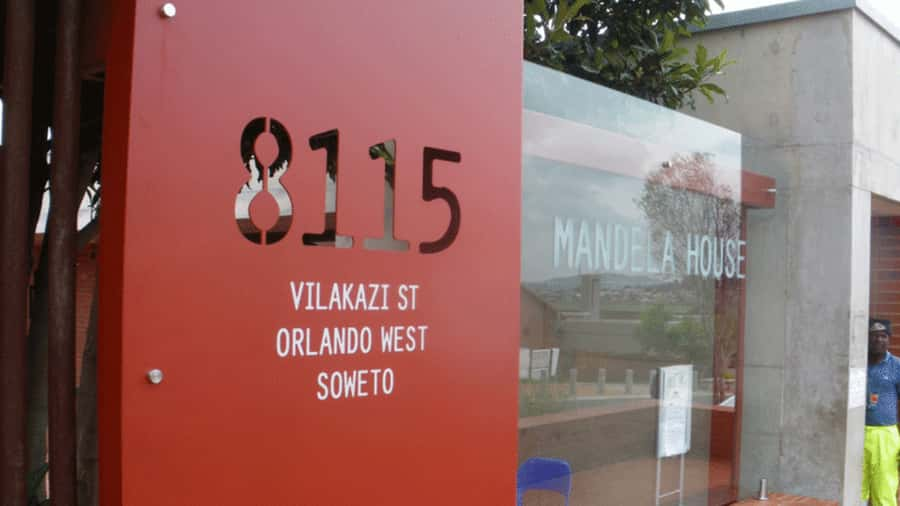
Mandela House is in Soweto, where Mandela lived with his family from 1946 to 1962. The house is also near the Tutu House, the former residence of Archbishop Desmond Tutu.
This is one of the most personal stops on the route. The house shifts attention away from institutions and political offices and toward family life. You see the place where Mandela returned to his family before his long imprisonment.
The home also connects to one of the most important moments in modern South African history. Mandela returned here after his release from prison in 1990.
That return gives the house a special weight. It is not simply an address associated with his early life. It links his family years with the moment he came back to public life after decades behind bars.
I especially like this part of the tour because it keeps Mandela from becoming a distant monument. You get a sense of the domestic setting behind the famous photographs and speeches. The visit can also help explain the personal cost of political commitment, since his public work shaped every part of his family life.
The area’s connection with Desmond Tutu adds another layer. Tutu House is nearby, so your guide can place Mandela’s home within a neighborhood connected to more than one major South African leader.
The supplied route information does not promise time inside Tutu House, so treat it as nearby context rather than a guaranteed interior visit. The confirmed focus is Mandela House.
The Apartheid Museum as the final stop
The tour finishes with the Apartheid Museum, where you explore exhibitions about apartheid and South Africa’s transition through that period.
Ending here makes sense. The earlier stops give you individual places and people. The museum helps place them within the larger system that shaped daily life, politics, law, and resistance.
You should expect the museum to broaden the day beyond Mandela alone. The subject is apartheid, so the displays are likely to include the social and political forces that affected millions of people. This is where the separate pieces from Liliesleaf Farm, Chancellor House, Constitutional Hill, and Mandela House can come together.
The museum is also a useful final stop because you arrive with questions. After seeing where Mandela worked, lived, and was imprisoned, you can better understand the setting around those events.
Do not plan a separate lunch or lengthy break without checking the timing with your guide. Food and drinks are not included, and the tour lasts nine hours. Bottled water is provided, but you should plan for your own meal arrangements.
How the guides shape the day
A tour built around difficult history depends heavily on the person leading it. The guide must keep the facts clear while handling subjects that can be painful and politically complex.
Richard is praised for being well informed, organized, and easy to spend the day with. One especially useful detail is that his approach encouraged reflection, not just the rapid delivery of dates and names. That suits this itinerary, since many of the sites are intended to make you think about justice, imprisonment, and reconciliation.
Emmah is also named as a guide with Africa Moja Tours. Her style is described as personal and very well informed, with visits to important Mandela sites in Johannesburg and Soweto. If either guide is available for your date, you can expect an explanation-led tour rather than a simple transfer between attractions.
A good guide is especially helpful at Constitutional Hill and Chancellor House, where the building alone cannot tell the full story. Ask questions when you want more detail, particularly about the links between Mandela, Tambo, Winnie Madikizela, Gandhi, Joe Slovo, and Tutu.
The English audio guide gives you another way to follow the material, but the live guide is the person who can connect the stops and adjust the explanation to your interests.
Is $183 a fair price for nine hours?
The cost is $183 per person. That is not a low-cost sightseeing day, but the price includes pickup and drop-off, entry fees, bottled water, and a live guide.
The value depends on what you want from the visit. If you only want to see Mandela House, you may find a full-day guided tour excessive. If you want to cover six significant locations without arranging separate transport and admissions, the package makes more sense.
You are paying for access to several sites, the driving time between them, and a guide who can connect the story. Johannesburg’s distances make that practical help important. You also avoid the work of planning an efficient sequence across the city.
Food and drinks are extra, so keep that in your budget. The tour information does not specify a meal stop or group size, so ask about the day’s meal timing and vehicle arrangements before booking if those details matter to you.
The ability to cancel up to 24 hours in advance for a full refund adds useful flexibility. You can also reserve now and pay later, which helps if your South Africa plans are still taking shape.
Who should book this Johannesburg tour?
I would recommend this tour to anyone visiting Johannesburg for the first time who wants a serious introduction to Mandela and apartheid-era South Africa.
It suits you especially well if:
- You want several major sites covered in one day.
- You value historical explanation more than free time.
- You prefer included transport and admission fees.
- You are interested in Mandela as a lawyer, prisoner, family man, and national leader.
- You are comfortable with a full nine-hour schedule.
- You want a guide who can explain difficult history in English.
It may not suit you if you want a slow day with long breaks, independent wandering, or a narrow focus on only Mandela House. Pregnant women are specifically listed as unsuitable for the activity, and comfortable shoes are essential for everyone else.
Should you book the Mandela Legacy Day Tour?
Book it if you want a structured, full-day route through the places that shaped Mandela’s life and South Africa’s path to democracy. The strongest parts are the variety of stops, the personal feel of Mandela House, the legal story at Chancellor House, and the serious context provided by Constitutional Hill and the Apartheid Museum.
The $183 price is easiest to justify when you value convenience and historical guidance. You receive transport, admissions, water, and a full day with an English-speaking guide, but you must provide your own food and accept a fairly fixed schedule.
I would choose this tour for a first visit to Johannesburg, especially if you want to leave with more than photographs. Go prepared to listen, walk, and think. This is a history day with emotional weight, not a light city outing.
FAQ
How long is the Mandela Legacy Day Tour?
The tour lasts nine hours.
What locations does the tour visit?
The route includes Liliesleaf Farm, the Nelson Mandela Foundation, Constitutional Hill, Chancellor House, Mandela House, and the Apartheid Museum.
Is pickup and drop-off included?
Yes. Pickup and drop-off are included in the activity.
Is food included in the price?
No. Food and drinks are not included. Bottled water is provided.
What language is the tour conducted in?
The live tour guide speaks English, and an English audio guide is included.
What is the price per person?
The listed price is $183 per person.
Can I cancel the tour for a refund?
Yes. You can cancel up to 24 hours in advance for a full refund.
Just added in Johannesburg
- Soweto Tuk-Tuk Food & Beer Tour★ 5.0 · 9 reviews
- Soweto Township Tour★ 4.4 · 4 reviews
- Soweto: Sip & Paint Walking Tour & Take Home a Canvas★ 4.8 · 7 reviews
- Soweto Tour; Mandela House; Vilakazi Street; Market Culture★ 5.0 · 6 reviews
- Soweto & Johannesburg and Apartheid Museum★ 4.7 · 41 reviews
- Private Soweto,Mandela House,Apartheid Museum,Constitution★ 4.6 · 15 reviews
- Soweto Food & Beer Bike Tour★ 4.9 · 40 reviews
- Soweto and apartheid museum tour(Half-day)★ 5.0 · 4 reviews
Apartheid & Mandela History Tours, compared.
Jo’berg in 1 Day: Soweto, Apartheid Museum & City Tour
Read our review →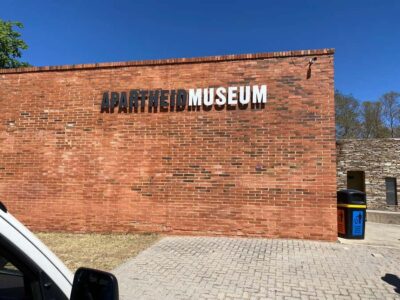
Full-Day Tour with Soweto and Apartheid Museum
Read our review →
Half Guided Day Tour of Soweto And Apartheid Museum
Read our review →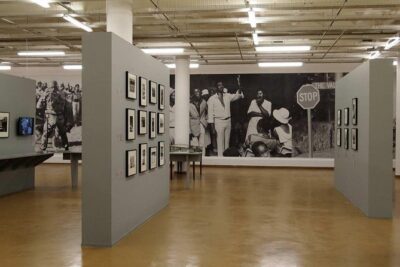
Ultimate Johannesburg Soweto Experience with Apartheid Museum
Read our review →
Hop-On Hop-Off Bus, City Tour and Apartheid Museum
Read our review →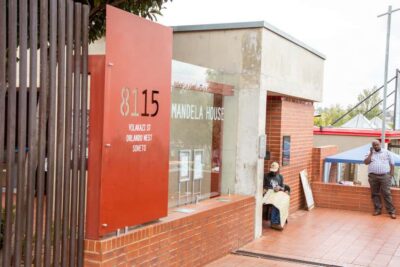
Johannesburg and Soweto Apartheid Full Day Tour w/Lunch
Read our review →
Browse the lists this tour appears in