Reviewed · APARTHEID & MANDELA HISTORY TOURS
Half Day Private Soweto and Apartheid Museum tour
Soweto and the Apartheid Museum tell two parts of the same South African story. In Soweto, you see the communities that helped challenge apartheid. At the museum, you follow the machinery of segregation, its human cost, and its eventual collapse. The combination gives you both the street-level setting and the carefully presented historical record.
I like the private format, since your guide can explain Johannesburg at your pace rather than rushing a large group. I also like the guides’ personal storytelling: Peter, Makhado, Tshedza, and Coster have each been praised for explaining local history, current affairs, and Soweto with warmth and, in Tshedza’s case, a touch of humor. The main caution is the unclear admission policy for the Apartheid Museum and Nelson Mandela House, so ask what is covered before booking.
Key points to know before you go
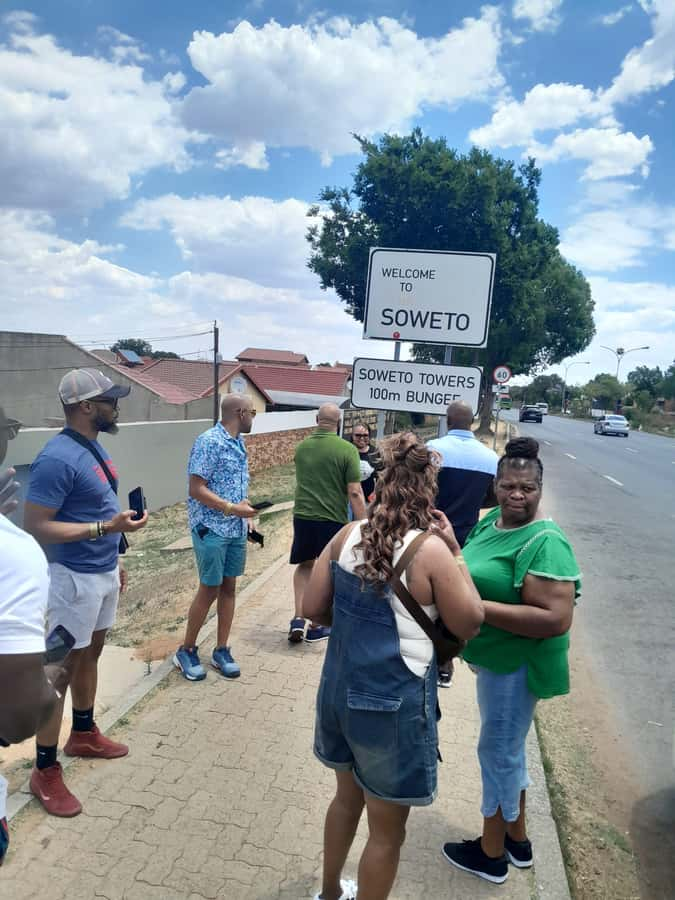
- Soweto gives the history a physical setting: You see the township connected with major resistance to apartheid and learn how its past still shapes Johannesburg.
- The Apartheid Museum supplies the hard evidence: Its displays trace segregation and oppression in a direct, often difficult way.
- Your guide makes a major difference: Recent departures have been led by Peter, Makhado, Tshedza, and Coster, with strong praise for storytelling and local perspective.
- The five-hour schedule is focused: You get a concentrated introduction to Soweto and the museum, not a full-day tour of Gauteng.
- Hotel pickup and private transport simplify the day: An air-conditioned vehicle, bottled water, and drop-off are included.
- Check entrance fees in advance: Admission costs are not clearly set out in the supplied details, and this caused confusion on one departure.
Soweto first, then the Apartheid Museum
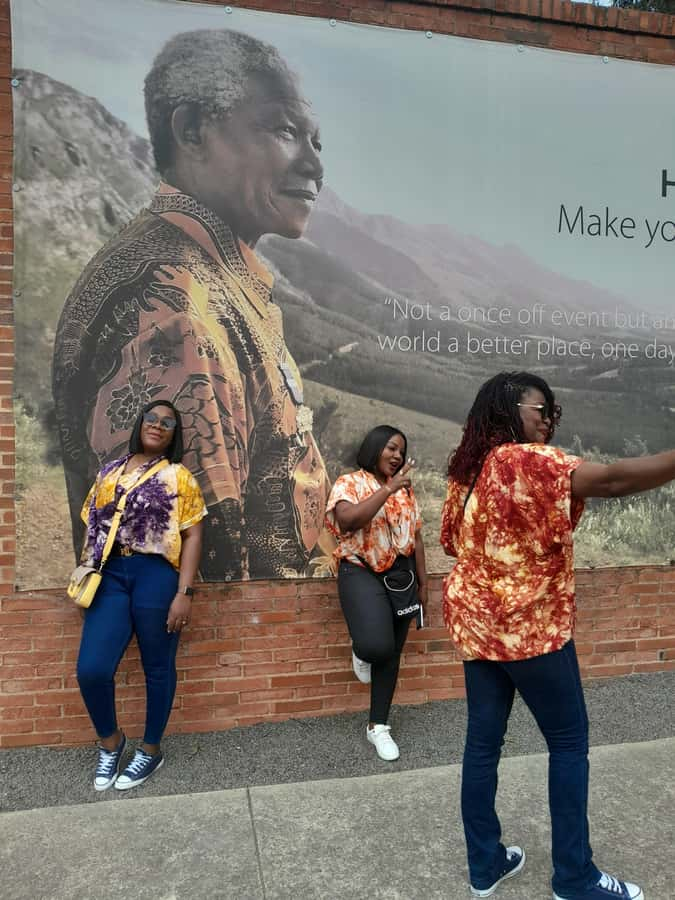
The order makes sense. Start in Soweto, where the history is tied to real streets and communities, then visit the museum to place what you have seen into a wider national story.
Soweto played a major role in the struggle against apartheid. The tour presents it not only as a place marked by injustice, but also as a community of resistance, political courage, and cultural identity. You can expect your guide to point out important sites and explain how local people shaped the fight against racial rule.
This is where a private tour has an advantage. You can ask what a particular area means today, how Johannesburg has changed, or how apartheid affected ordinary families. Guides are not simply driving you past landmarks. The better ones connect the places around you with the political events you will later study inside the museum.
The exact Soweto stops can vary, so do not expect a fixed list of every famous address. The supplied information refers to sites across the township and includes the option of seeing the Nelson Mandela House. If that house matters to you, confirm it directly before the day begins, along with any admission charge.
More Apartheid History Tours in Johannesburg
- Soweto /Johannesburg and Apartheid Museum Guided Full Day Tour
★ 5.0 · 932 reviews - Jo’berg in 1 Day: Soweto, Apartheid Museum & City Tour
★ 4.8 · 524 reviews - Johannesburg: Full-Day Tour with Soweto and Apartheid Museum
★ 4.8 · 478 reviews
Seeing Soweto beyond a quick photo stop
A short township visit can easily become superficial. This tour tries to give you more context by combining sightseeing with conversation and explanation.
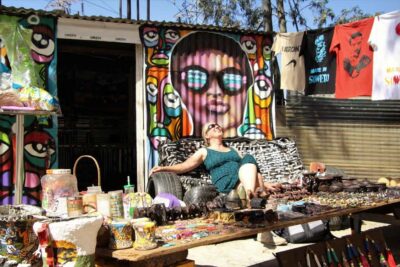
You will learn about Soweto’s cultural heritage and meet local people during the visit. The wording of the tour promises contact with friendly locals and a look at the atmosphere of the communities. That does not mean a staged performance or a formal cultural show is guaranteed. It means the township is presented as a living place rather than only a chapter in a textbook.
I like that distinction. Soweto is not simply a memorial to apartheid. It is also home to families, businesses, and everyday life. A useful guide helps you hold both ideas at once: the township carries painful memories, but it is not defined only by suffering.
The experience may feel emotionally uneven. One moment you are listening to an account of political struggle, and the next you are looking at present-day life. That change is valuable, but it can also leave you wanting more time. With only five hours for both Soweto and the museum, the tour offers an introduction rather than a complete study of the township.
The guides shape the day

The most important variable is likely to be your guide. The company has used several guides, and their styles are not identical.
Peter has been praised for explaining Johannesburg’s history during the drive and for guiding visitors through the Apartheid Museum and Soweto. Makhado has been described as offering a well-informed account of the city and taking people to places they might not otherwise see. Tshedza brings a young South African perspective, with a balance of history, current affairs, and humor. Coster has received praise for storytelling and for showing unusual places.
Those details matter because this tour depends heavily on spoken interpretation. The museum has its own displays, but the guide helps you connect them with the city outside. A good explanation can make the difference between seeing a row of buildings and understanding why that area matters.
You cannot choose a particular guide from the information provided, so treat the names as examples of the team rather than a guarantee. Still, the repeated praise for storytelling is encouraging. If you want a quiet, self-directed outing, this may feel too guided. If you want help making sense of Johannesburg, the personal approach is a strong reason to consider it.
Entering the Apartheid Museum
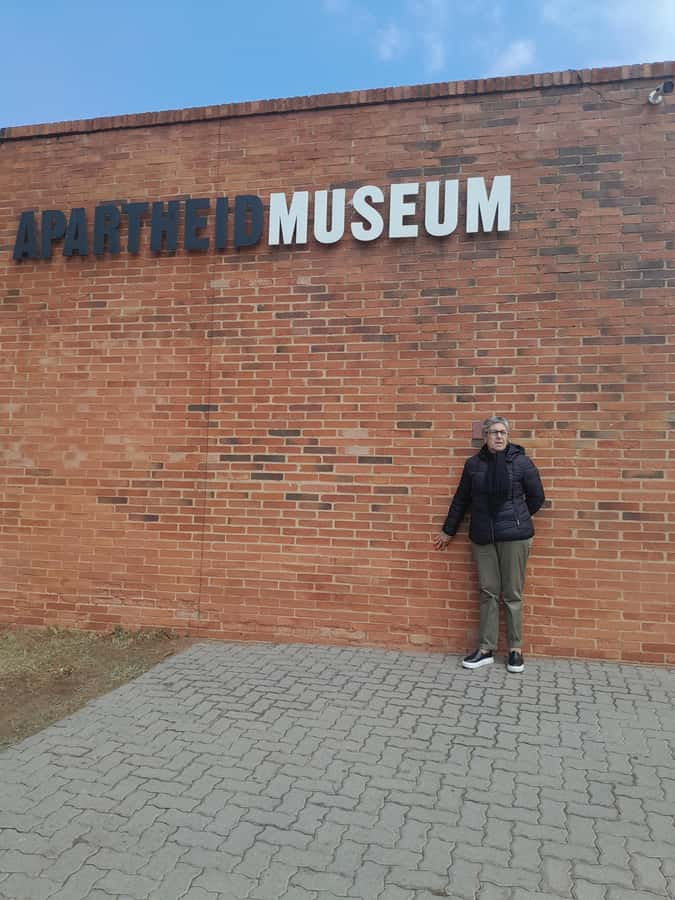
The museum is the most structured part of the day. Its focus is the rise and fall of South Africa’s system of racial segregation and oppression.
Expect serious material. The tour description refers openly to brutality, atrocities, shock, and the need to process what you have seen. This is not a light sightseeing stop that you breeze through before lunch. The subject calls for attention, and the museum may leave you quiet afterward.
That emotional weight is part of the value. Soweto shows where resistance took place and how a community fits into the story. The museum explains the laws, institutions, and practices that made apartheid possible. Together, the two stops help you understand both the personal and political sides of the period.
Your guide leads you through the museum rather than simply dropping you at the entrance. That is useful if you want historical signposts or help understanding the order of events. It also means you should allow yourself time to look, listen, and pause. The five-hour tour has to share time between driving, Soweto, and the museum, so the museum portion may feel concentrated.
Admission is the practical sticking point. The supplied information lists transportation, water, guide service, and hotel pickup, but it does not clearly list museum entry or Nelson Mandela House entry under either included or excluded items. One person arrived expecting those costs to be covered and found the situation unclear. Ask the operator for a precise answer before booking, and budget for possible entrance fees if necessary.
More Township Tours in Johannesburg
- Johannesburg: Hop-On Hop-Off Bus with Optional Soweto Tour
★ 4.6 · 985 reviews - Johannesburg Hop-On Hop-Off City Tour with Soweto Option
★ 4.5 · 768 reviews - Half-Day Tour of Soweto Tour
★ 4.5 · 712 reviews - Soweto: Walking Tour with a Local Guide and Lunch
★ 4.9 · 648 reviews
What the private vehicle adds
Hotel pickup and drop-off are included, along with private transportation in an air-conditioned vehicle. You provide the name of your hotel when booking.
That arrangement is useful in Gauteng, where distances can make a short outing feel complicated. You do not need to arrange separate transport to Soweto or work out how to connect the township with the museum. Bottled water is also included, a small comfort on a five-hour outing.
A private vehicle gives you more control than a large coach. You can ask questions during the drive, and the guide can adjust explanations to your interests. It also keeps the group private, which may suit couples, families, or friends who want to discuss difficult subjects without strangers listening.
The trade-off is price. At $104 per person, this is not the cheapest way to see Soweto. The cost makes more sense if you value hotel pickup, private transportation, a dedicated guide, and the ability to ask questions throughout the day. It is less attractive if you mainly want a ride to the museum and a quick view from a vehicle.
Because the tour lasts five hours, you are paying for a focused half-day rather than a full day of sightseeing. That can be a good fit if you have limited time in Johannesburg or want to leave room for another activity. It may feel expensive if admission fees come on top of the advertised price, so clarify that point first.
A realistic five-hour rhythm
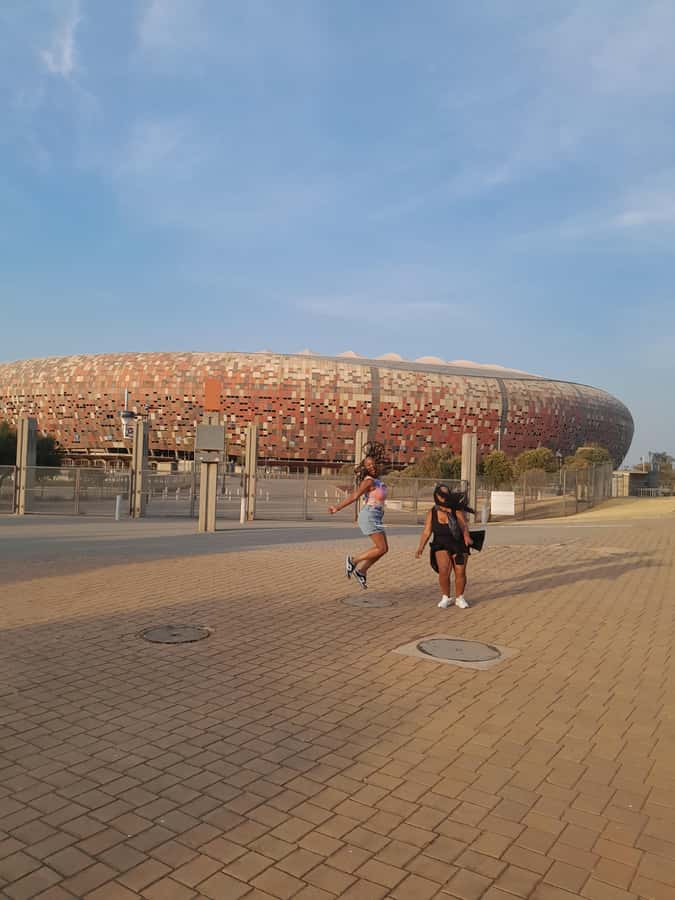
Starting times depend on availability, and hotel pickup begins the outing. The exact route is not provided, but the day is designed around a Soweto visit followed by a guided museum tour.
A likely rhythm is:
- Pickup from your hotel in an air-conditioned vehicle
- Drive toward Soweto with historical explanation from the guide
- Stops in Soweto connected with the township’s past and cultural life
- Time to meet locals and ask questions
- Guided visit to the Apartheid Museum
- Return to your hotel
Do not read that as a guaranteed minute-by-minute schedule. Traffic, pickup arrangements, and the amount of time spent at each site can affect the day. The operator should confirm the starting time and route details.
The schedule suits someone who wants a strong first look at Johannesburg’s modern history. It does not leave much room for an extended meal or unplanned wandering. Lunch is not included, and personal purchases are also your responsibility. If you need a meal during the outing, ask how the timing works before departure.
The emotional side of the visit
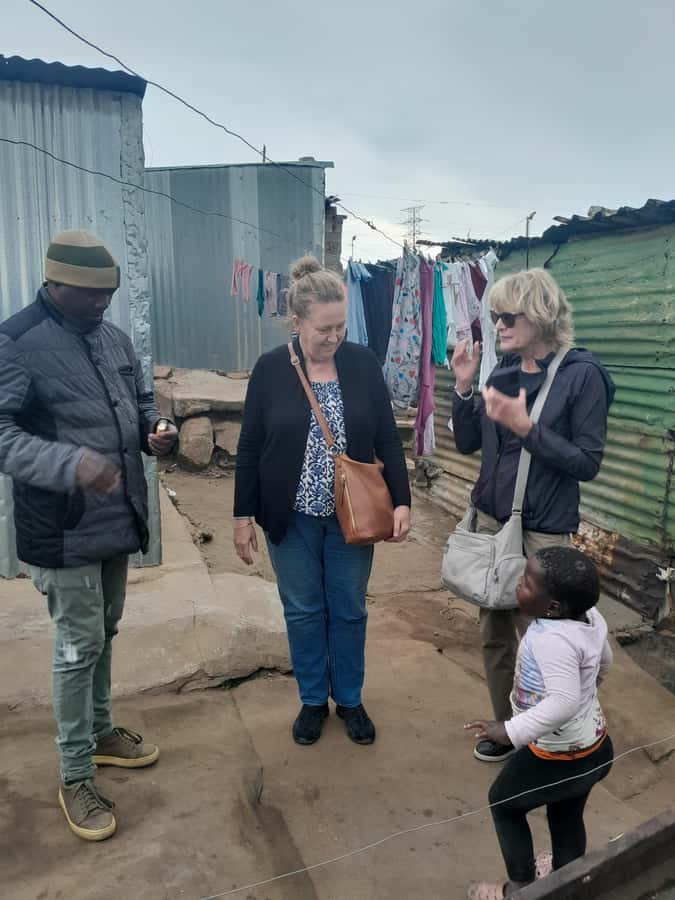
This is a history tour, but it is not emotionally neutral. The museum deals with oppression and violence, while Soweto connects those events with a real community and the people who resisted them.
I appreciate that the tour does not soften the subject. The aim is to understand what happened, not to turn painful history into a cheerful sightseeing product. At the same time, the story is not presented as ending in defeat. Soweto’s role in the struggle and the eventual end of apartheid give the day a clear sense of resistance and change.
You should allow a little mental space after the museum. The tour description itself suggests taking time to think about what you have seen. That advice is practical. If you schedule a rushed activity immediately afterward, you may not have time to absorb the visit.
The guide’s tone matters here. Tshedza’s balance of history, current affairs, and humor suggests that some guides can make difficult material accessible without treating it casually. Your guide may have a different style, but the private format gives you a chance to say if you need more explanation or a quieter pace.
Who will get the most from this tour
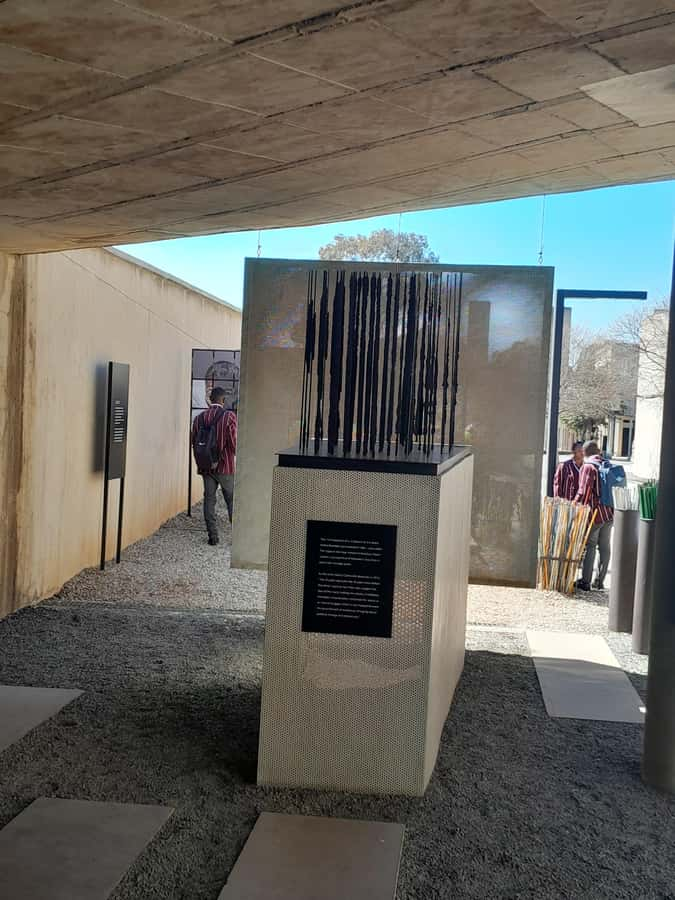
I would recommend this outing to first-time visitors who want a clear introduction to Johannesburg’s apartheid history without arranging several separate excursions. It also suits anyone who prefers to learn through conversation rather than reading museum panels alone.
The private format works well for families, couples, and small groups with different levels of historical interest. A curious teenager, for example, can ask direct questions, while someone with more background can discuss current affairs with the guide.
It is also a good choice if you have only half a day. Five hours is enough to cover the two main parts of the experience without taking over your entire Johannesburg schedule.
You may want another option if you dislike emotionally difficult museums, need a leisurely lunch, or want a long, detailed exploration of Soweto. The tour is focused and serious. It gives you a strong framework, but it cannot cover every part of the township or every chapter of South African history in one morning or afternoon.
Accessibility, flexibility, and cancellation
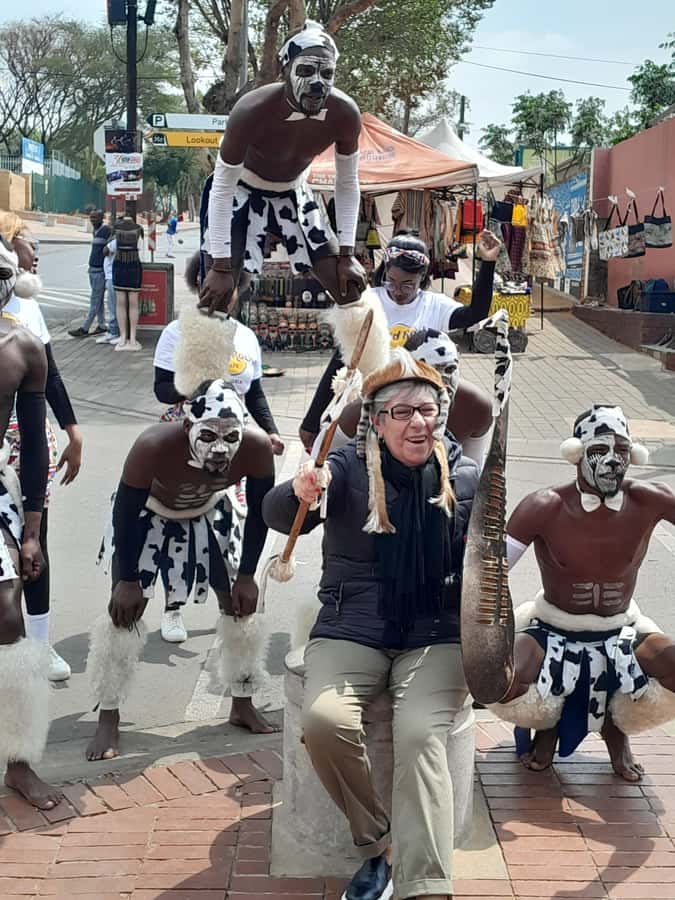
The activity is listed as wheelchair accessible, and transportation is private. If you use a wheelchair or have specific mobility needs, confirm the vehicle and site arrangements directly, since the supplied details do not describe the type of vehicle or access conditions at each stop.
The tour is conducted in English with a live English-speaking guide. Free cancellation is available up to 24 hours before departure, and you can reserve now and pay later. Those terms are helpful if your Johannesburg plans are still changing.
Hotel pickup and drop-off are included, but you must provide your hotel name. Personal purchases and lunch are not included.
Should you book the Soweto and Apartheid Museum tour?
Book it if you want a private, guided introduction to Johannesburg’s apartheid past, especially if you value local storytelling and easy hotel transportation. The strongest part is the pairing of Soweto with the Apartheid Museum. One gives you place and community; the other gives you the wider political record.
Before paying, ask two direct questions: Which Soweto stops are included, and are admission fees for the Apartheid Museum or Nelson Mandela House included? The unclear answer to the second question is the main weakness.
At $104 per person, the tour offers fair value for private transport, a dedicated English-speaking guide, bottled water, and five hours of focused sightseeing. It is worth the price for convenience and personal explanation, but less so if extra entry fees push the total higher than expected. If the operator confirms the costs and route clearly, this is a practical way to approach a difficult but essential part of Johannesburg’s story.
FAQ
How long is the Soweto and Apartheid Museum tour?
The tour lasts five hours, with starting times based on availability.
Is the tour private?
Yes. It is offered for a private group rather than as a shared group outing.
Is hotel pickup and drop-off included?
Yes. Pickup and drop-off at your hotel are included. You need to provide the hotel name when booking.
What language is the tour conducted in?
The live tour guide speaks English, and the listed tour language is English.
Is lunch included?
No. Lunch is not included, and personal purchases are also excluded.
Are entrance fees included?
The supplied details do not clearly confirm whether admission to the Apartheid Museum or Nelson Mandela House is included. Ask the operator before booking so you know the full cost.
More museums and galleries in Johannesburg
- Full-Day Soweto, Apartheid Museum and Lunch Tour
★ 5.0 · 410 reviews - Half Guided Day Tour of Soweto And Apartheid Museum
★ 5.0 · 356 reviews - Ultimate Johannesburg Soweto Experience with Apartheid Museum
★ 5.0 · 313 reviews - Soweto: Hop-On Hop-Off Bus, City Tour and Apartheid Museum
★ 4.5 · 250 reviews
Just added in Johannesburg
- Soweto Tuk-Tuk Food & Beer Tour★ 5.0 · 9 reviews
- Soweto: Sip & Paint Walking Tour & Take Home a Canvas★ 4.8 · 7 reviews
- Soweto Tour; Mandela House; Vilakazi Street; Market Culture★ 5.0 · 6 reviews
- Soweto & Johannesburg and Apartheid Museum★ 4.7 · 41 reviews
- Soweto Township Tour★ 4.4 · 4 reviews
- Soweto Food & Beer Bike Tour★ 4.9 · 40 reviews
- Private Soweto,Mandela House,Apartheid Museum,Constitution★ 4.6 · 15 reviews
- Soweto and apartheid museum tour(Half-day)★ 5.0 · 4 reviews
Apartheid & Mandela History Tours, compared.
Jo’berg in 1 Day: Soweto, Apartheid Museum & City Tour
Read our review →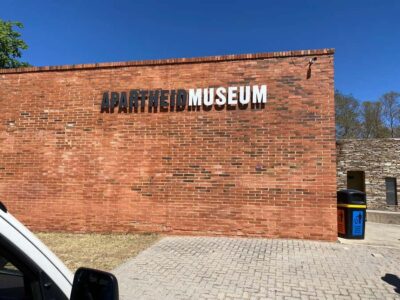
Full-Day Tour with Soweto and Apartheid Museum
Read our review →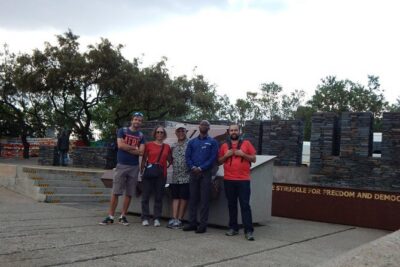
Half Guided Day Tour of Soweto And Apartheid Museum
Read our review →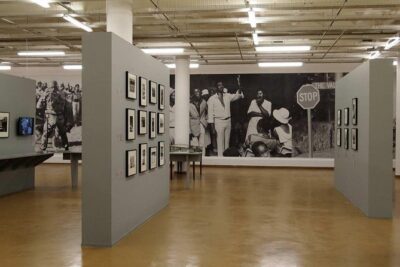
Ultimate Johannesburg Soweto Experience with Apartheid Museum
Read our review →
Hop-On Hop-Off Bus, City Tour and Apartheid Museum
Read our review →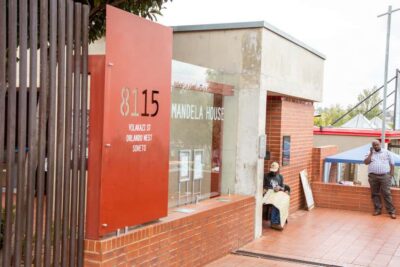
Johannesburg and Soweto Apartheid Full Day Tour w/Lunch
Read our review →