Reviewed · APARTHEID & MANDELA HISTORY TOURS
Apartheid museum and Soweto. 5 hours Private tour.
The most powerful part of this tour is the way it links the Apartheid Museum with Soweto. First, you face the laws and machinery of racial separation. Then you see the streets and places where ordinary people resisted it. The story moves from policy to real lives, which makes the day far more meaningful than a simple city drive.
I like the private format, since you can ask questions and adjust the pace. I also like the local focus: Soweto is presented through its food, people, churches, memorials, and cultural traditions, not only through old political headlines. The main consideration is time. This is advertised as a five-hour tour, while the booking information calls it a one-day activity, so confirm the start time and allow for traffic around Johannesburg.
Key points to know before booking
- The Apartheid Museum sets the historical foundation: Entry is included, with exhibits, films, and detailed material on racial classification and segregation.
- Soweto gives the history a human setting: You visit places tied to the struggle, including the Hector Pieterson Museum and Mandela’s former home.
- Private transport keeps the day flexible: Pickup is available from hotels and addresses in Sandton, Rosebank, Midrand, the airport area, and several other Gauteng locations.
- Guides are a major part of the experience: Pile and Lutendo have both led this tour, with praise for their courtesy, clear explanations, and strong knowledge of South African history.
- Some costs remain outside the price: Food, snacks, the inside of Mandela’s House, and the Orlando Towers are not included.
- Plan for a serious day: Comfortable shoes, a passport or copy, water, and a camera are useful. The museum is closed Mondays and Tuesdays.
Why the Apartheid Museum and Soweto belong together
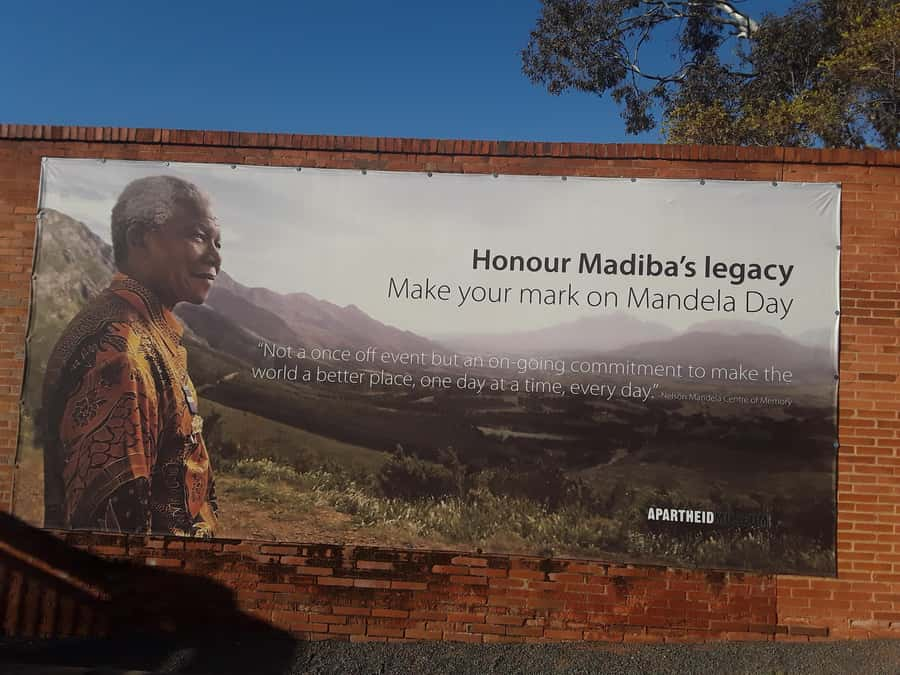
Johannesburg can feel like a city of separate pieces. Its business districts, suburbs, former mining areas, and townships each tell a different story. This tour connects two of the most important pieces in one private outing.
The Apartheid Museum explains how segregation worked. You learn how people were classified by race and how those labels controlled where they could live, work, study, and travel. The material also shows how the system damaged the whole country, not only the people placed at the bottom of it.
Soweto then gives you a physical sense of the places shaped by those policies. It was created as an area for Black residents under segregation, but it also became a center of political action and community life. The result is a tour about oppression, resistance, culture, and change.
You should not expect a light sightseeing trip. The museum uses videos and detailed displays to bring difficult events close to the present. Some parts are upsetting, but that is part of the value. You leave with a clearer understanding of why South Africa’s past still matters.
More Apartheid History Tours in Johannesburg
- Soweto /Johannesburg and Apartheid Museum Guided Full Day Tour
★ 5.0 · 932 reviews - Jo’berg in 1 Day: Soweto, Apartheid Museum & City Tour
★ 4.8 · 524 reviews - Johannesburg: Full-Day Tour with Soweto and Apartheid Museum
★ 4.8 · 478 reviews
Starting from your hotel or address
Pickup is included, and you can choose from a wide set of locations. These include Sandton, Rosebank, Melrose, Midrand, Auckland Park, Bryanston, Fourways, Rivonia, Lanseria, and O.R. Tambo International Airport.
You wait in the hotel lobby or at the agreed address. The guide carries a name tag and tour information, which makes the meeting easier, especially if you are being collected from a busy hotel or airport area.
Private transport matters in Johannesburg. You are not tied to the pace of a large coach group, and you can speak directly with the guide during the drive. Three recent bookings specifically praised the vehicle as comfortable, along with the guides’ polite and helpful manner.
The exact drive time depends on your pickup point and traffic. Johannesburg distances can be deceptive, so do not schedule a tight airport connection after the tour. The experience is described as lasting five hours, but the booking page also uses a one-day duration label. Ask for the confirmed pickup and return times before you finalize other plans.
Entering the Apartheid Museum
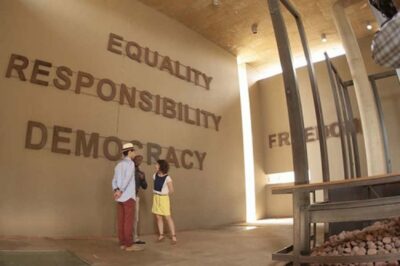
The Apartheid Museum is the intellectual center of the experience. Entry is included, and the tour is designed to give you a detailed look at South Africa’s system of racial separation.
You begin by learning how the population was classified. The categories were not simply words on official forms. They shaped access to housing, jobs, education, movement, and public life. The museum helps you see how a legal system can reach into everyday routines and personal identity.
Video footage adds emotional weight. Rather than reading only dates and political summaries, you see images that bring the period closer. The material can be difficult, so give yourself time to absorb it instead of rushing from display to display.
A guide can help place the exhibits in context, but you should also allow some quiet time inside. The private format is useful here because you can ask about a particular event, policy, or figure without waiting for a whole group to finish.
The museum is closed on Mondays and Tuesdays. That is one of the most important planning details, since a tour built around this stop cannot run normally on those days. Check the available date before making other arrangements.
Mandela’s House and the short photo stop
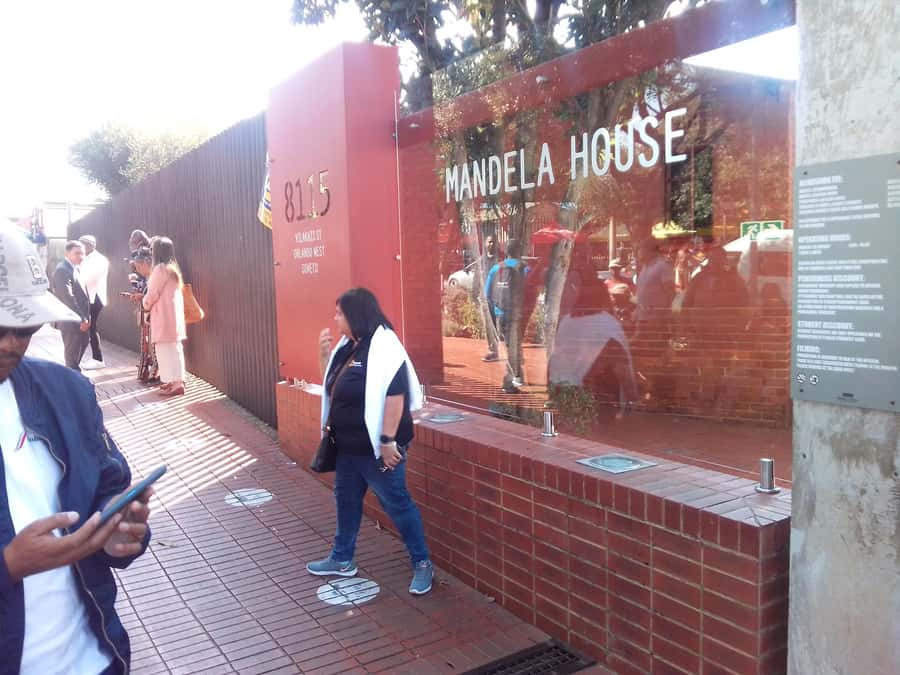
The itinerary includes a 20-minute photo stop at Mandela’s House in Soweto. This gives you a chance to see an important site connected with Nelson Mandela and to place his life within the wider story of the township.
Twenty minutes is enough for a brief look and photographs, but not for a slow museum visit. Entry to the Mandela museum or house is not included. If you want to go inside, you need to pay separately, and the extra visit may affect the timing of the rest of the day.
That limitation is worth knowing. Some people will be satisfied with the exterior and the guide’s explanation, while others will want a longer visit. Ask before pickup if an inside visit can be added to your private schedule.
More Township Tours in Johannesburg
- Johannesburg: Hop-On Hop-Off Bus with Optional Soweto Tour
★ 4.6 · 985 reviews - Johannesburg Hop-On Hop-Off City Tour with Soweto Option
★ 4.5 · 768 reviews - Half-Day Tour of Soweto Tour
★ 4.5 · 712 reviews - Soweto: Walking Tour with a Local Guide and Lunch
★ 4.9 · 648 reviews
Hector Pieterson Museum and the 1976 student uprising
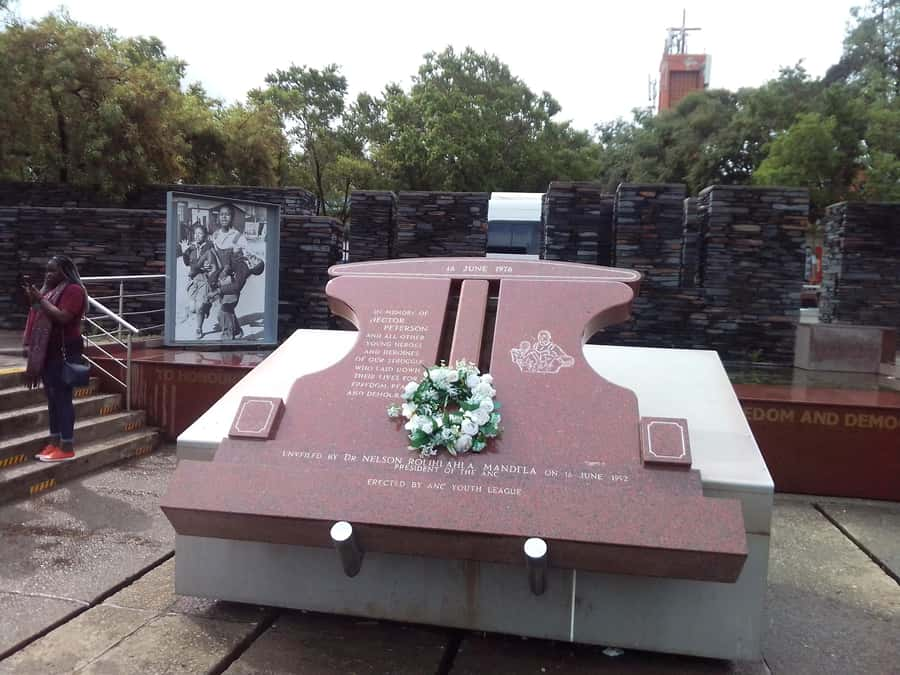
The Hector Pieterson Museum is another included admission. The scheduled sightseeing time is about 30 minutes, so this is a focused stop rather than an extended museum session.
The museum is connected with the 1976 Soweto uprising, when students protested against the use of Afrikaans in education. The name Hector Pieterson is tied to the famous photograph of a young student being carried after he was shot. That image helped show the outside world the force used against protesters.
Even with a short visit, the stop gives you an important link between young people, education, and political resistance. Ask the guide to explain the wider setting, since the museum is easier to understand when you connect the exhibits to the streets and schools of Soweto.
The 30-minute schedule may feel brief for anyone who wants to read every panel. Still, it works as part of a compact private tour, especially when paired with the longer museum visit earlier in the day.
Seeing Soweto beyond its political landmarks
Soweto is not only a collection of memorials. It is a township with different cultural groups from across South Africa, and the tour aims to show several sides of daily life.
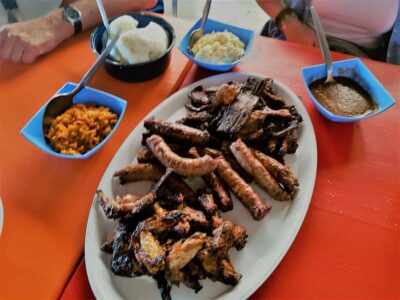
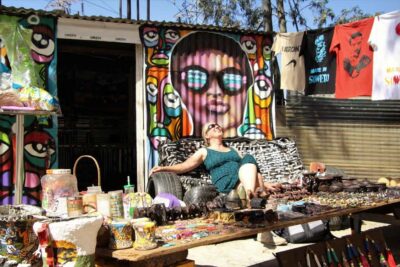
You may learn about local food and drink, see cultural dancers, and hear how the community developed. These elements matter because they prevent Soweto from being presented only as a place of suffering. The township is also home, and home includes family life, faith, work, food, music, and celebration.
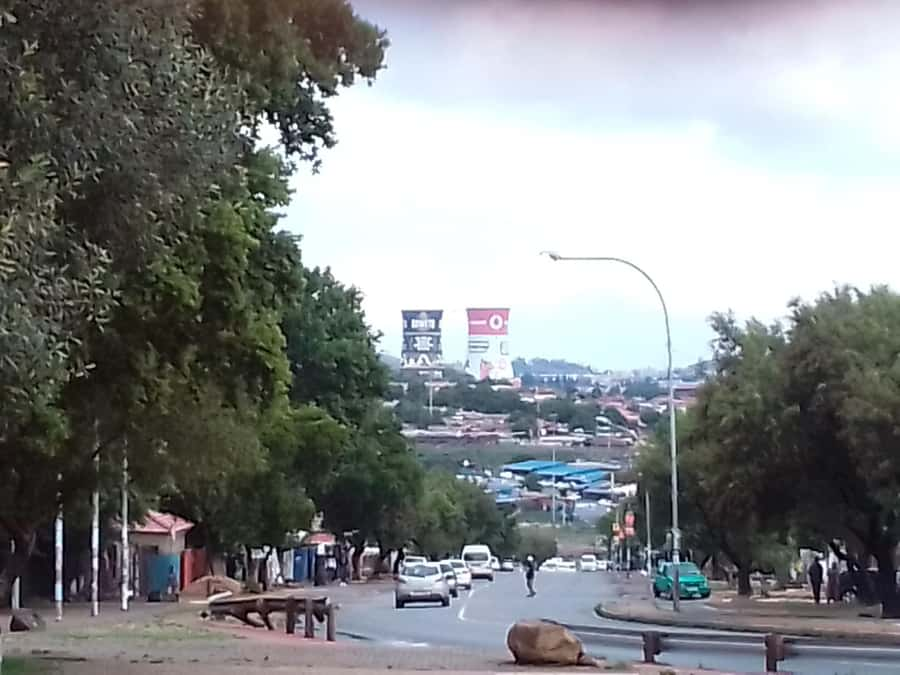
The description highlights Regina Mundi Church, Walter Sisulu Square of Dedication, Bara Hospital, Orlando Towers, and other important places in Soweto. The precise route can vary, especially because this is a private outing and traffic or timing may shape the day.
Not every attraction is included as an admission. The Orlando Towers are specifically excluded, and any food or drink you choose to buy is also extra. If cultural food is a priority, tell the guide early and carry cash as well as a card.
What the private format adds
A private tour is not automatically better for everyone. It usually costs more than joining a large group, but the price here is about $67 per person, which can be a fair deal if you value direct guiding and included transport.
The main benefit is control. You can ask why a particular policy was created, request more explanation at a memorial, or spend less time at a stop that does not interest you. You also avoid a bus full of strangers and can speak openly with the guide about a difficult subject.
The guiding team has included Pile and Lutendo. Pile was praised for exceptional driving and guiding, while Lutendo was singled out for his kind, helpful, courteous manner and strong knowledge of South Africa and the wider region. Those details matter because this experience depends heavily on how clearly the guide explains the past.
The tour is conducted in English. It is also listed as wheelchair accessible, but you should still discuss your exact mobility needs when booking, particularly if you need special vehicle arrangements or more time at stops.
What is included, and what you still pay for
The price includes transport, guiding, Apartheid Museum entry, Hector Pieterson Museum entry, and one bottle of water. That covers the core of the day and removes the need to arrange separate museum tickets.
Food is not included. Neither are snacks, admission to Mandela’s House, or the Orlando Towers. You should bring a credit card and cash so you are ready for optional purchases.
A passport or a copy is recommended, along with personal medication. Comfortable shoes are sensible because the day includes museum visits and sightseeing stops rather than sitting in the vehicle the whole time. You can bring a camera, but follow the guide’s instructions about photography inside specific sites.
Alcoholic drinks are not allowed in the vehicle, and the tour rules also prohibit drugs, explosive substances, and disruptive noise. Those rules are straightforward and help keep the shared vehicle comfortable, even though the group itself is private.
Who will get the most from this tour
I would choose this experience if you have limited time in Gauteng but want more than a surface-level city tour. It works particularly well for first-time visitors who need the basic structure of South African history, as well as for people who want a private guide to answer questions along the way.
It also suits families with older children and adults who prefer a serious cultural outing. The subject matter is not presented as entertainment, so younger children may find the museum material hard to follow or upsetting.
You should be comfortable with a full historical focus. The Apartheid Museum contains painful material, and Soweto’s memorials connect directly to violence, protest, and loss. That does not make the tour unsuitable, but it does make preparation useful.
The activity is not suitable for people over 95 according to the booking information. No other age restriction is given.
Booking tips for a smoother day
Choose a pickup point with a clear lobby or address. If you are staying near the airport, allow plenty of flexibility before a flight because traffic can affect the return.
Book on a day when the Apartheid Museum is open. Mondays and Tuesdays are not suitable for the full advertised experience.
Tell the guide what interests you most. You may care most about Mandela, the student uprising, local food, church history, or the mechanics of apartheid. A private guide can make better use of the time when your priorities are clear.
Carry both cash and a card. Bring a passport or copy, comfortable shoes, a camera, water if you prefer more than one bottle, and any medication you need. Since the itinerary is compact, ask whether you can extend the Mandela’s House stop or add another paid attraction before the day begins.
Should you book the Apartheid Museum and Soweto tour?
Book it if you want a focused, private introduction to Johannesburg’s political history and present-day township culture. The combination of the Apartheid Museum, Mandela’s House photo stop, Hector Pieterson Museum, and Soweto sightseeing gives you a useful progression from national policy to personal experience.
The $67 price is strongest for people who value private transport, included museum entry, and a guide who can explain difficult material in plain English. Pile and Lutendo have both been praised for their driving, courtesy, and command of the subject.
Skip it if you want a relaxed food tour, a long museum day, or a schedule built around many paid attractions. Food, Mandela’s House entry, and Orlando Towers cost extra, and the planned museum visits are fairly short. For most first-time visitors with one day to understand Johannesburg’s past, though, this is a thoughtful and practical choice.
FAQ
How long is the Apartheid Museum and Soweto tour?
The experience is described as a five-hour private tour. The booking information also labels the duration as one day, so confirm the exact starting and ending times before booking.
What language is the tour conducted in?
The tour is conducted in English with a live guide.
Is this a private tour?
Yes. It is arranged for a private group rather than a large shared group.
Is hotel pickup included?
Yes. Pickup is included from a hotel lobby or another agreed address.
Which pickup areas are available?
Pickup areas include Melrose, Lanseria, Midrand, Auckland Park, Rosebank, O.R. Tambo, Bryanston, Fourways, Rivonia, and Sandton.
Is admission to the Apartheid Museum included?
Yes. The Apartheid Museum entry fee is included.
Is admission to the Hector Pieterson Museum included?
Yes. Entry to the Hector Pieterson Museum is included.
Is entry to Mandela’s House included?
No. The itinerary includes a 20-minute photo stop, but entry to the Mandela museum or house is not included.
Are food and snacks included?
No. Food and snacks are not included. Orlando Towers entry is also excluded.
Is the tour wheelchair accessible?
Yes. The activity is listed as wheelchair accessible, though you should share your specific needs when booking.
When is the Apartheid Museum closed?
The Apartheid Museum is closed on Mondays and Tuesdays.
What should I bring?
Bring a passport or accepted copy, comfortable shoes, a camera, a credit card, cash, and personal medication. One bottle of water is provided.
More museums and galleries in Johannesburg
- Full-Day Soweto, Apartheid Museum and Lunch Tour
★ 5.0 · 410 reviews - Half Guided Day Tour of Soweto And Apartheid Museum
★ 5.0 · 356 reviews - Ultimate Johannesburg Soweto Experience with Apartheid Museum
★ 5.0 · 313 reviews - Soweto: Hop-On Hop-Off Bus, City Tour and Apartheid Museum
★ 4.5 · 250 reviews
Just added in Johannesburg
- Soweto Tuk-Tuk Food & Beer Tour★ 5.0 · 9 reviews
- Soweto Township Tour★ 4.4 · 4 reviews
- Soweto: Sip & Paint Walking Tour & Take Home a Canvas★ 4.8 · 7 reviews
- Soweto Tour; Mandela House; Vilakazi Street; Market Culture★ 5.0 · 6 reviews
- Soweto & Johannesburg and Apartheid Museum★ 4.7 · 41 reviews
- Private Soweto,Mandela House,Apartheid Museum,Constitution★ 4.6 · 15 reviews
- Soweto Food & Beer Bike Tour★ 4.9 · 40 reviews
- Soweto and apartheid museum tour(Half-day)★ 5.0 · 4 reviews
Apartheid & Mandela History Tours, compared.
Jo’berg in 1 Day: Soweto, Apartheid Museum & City Tour
Read our review →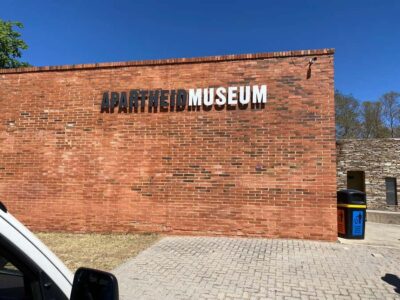
Full-Day Tour with Soweto and Apartheid Museum
Read our review →
Half Guided Day Tour of Soweto And Apartheid Museum
Read our review →
Ultimate Johannesburg Soweto Experience with Apartheid Museum
Read our review →
Hop-On Hop-Off Bus, City Tour and Apartheid Museum
Read our review →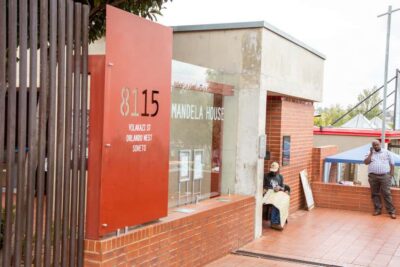
Johannesburg and Soweto Apartheid Full Day Tour w/Lunch
Read our review →