Reviewed · APARTHEID & MANDELA HISTORY TOURS
Jo’berg in 1 Day: Soweto, Apartheid Museum & City Tour
Johannesburg makes the most sense when you see its history and daily life side by side. This eight-hour tour takes you from Soweto’s Vilakazi Street and informal settlements to the Apartheid Museum, Constitution Hill, Gandhi Square, and the city’s major landmarks. It is a lot for one day, but it gives you a clear first picture of Jo’berg.
I like the way the tour combines powerful museums with time on the streets, and I like that pickup, entry fees, transport, and onboard WiFi are included. Guides such as Khutso, Thapelo, Tinyiko, Sello, and Shumba have earned praise for making difficult history understandable. The main drawback is pace: the Apartheid Museum can easily fill four hours, yet this tour allows about two.
Key points at a glance
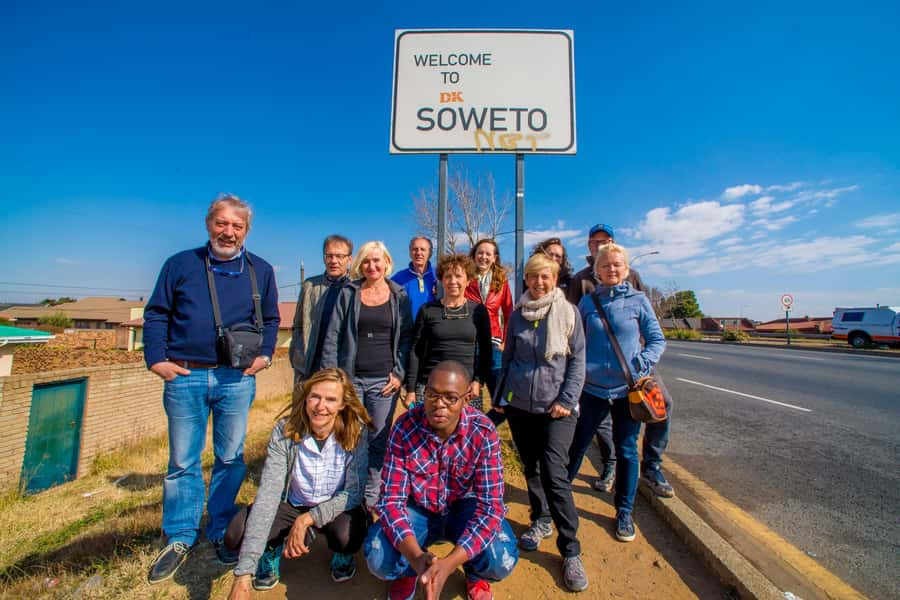
- Soweto beyond the postcard: See Orlando West, Vilakazi Street, Diepkloof, informal housing, Regina Mundi Church, and the Soweto campus area.
- Two major history stops: Visit the Hector Pieterson Museum and Apartheid Museum, with Constitution Hill adding the legal and prison story.
- A practical one-day introduction: Cover Johannesburg’s central sights, Soweto, and three major heritage sites without arranging several separate excursions.
- Guides make the difference: English-speaking guides including Khutso, Thapelo, Tinyiko, Sello, and Shumba are praised for clear explanations, humor, and careful driving.
- Good transport value: Hotel pickup, entrance fees, drop-off, and free uncapped WiFi are included in the $142 price.
- Plan for an emotional day: The museums cover forced separation, protest, imprisonment, and loss. You will learn a great deal, but you will not see every exhibit at length.
Why this tour works for a first day in Johannesburg
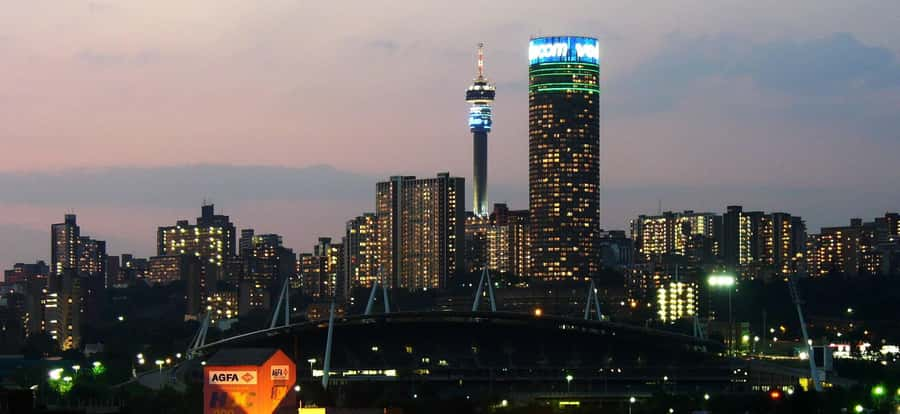
Johannesburg is not a city I would reduce to a few viewpoints and a shopping stop. Its story is tied to mining, segregation, resistance, constitutional change, and the lives of millions of people who built communities around the city.
This tour gives you that bigger picture. You begin in Soweto, where the morning focuses on township life and the events that helped change South Africa. After lunch, you move to the Apartheid Museum, then continue into central Johannesburg for Constitution Hill and several city landmarks.
The order matters. Seeing Soweto before the Apartheid Museum gives the museum’s displays a human setting. You have already passed homes, street vendors, churches, schools, and informal settlements. You can then connect the national story in the museum to places and communities you have seen that same day.
The tour costs $142 per person. That is not the cheapest way to see Johannesburg, but the price includes pickup and return, transport throughout the day, entry fees, a live English-speaking guide, and WiFi. If you tried to arrange all these stops independently, you would need to manage several tickets and transport connections.
The value is strongest if you have only one day in the city, are on a layover, or want a structured introduction before exploring further. It is less suitable if you prefer to spend half a day in one museum or linger at each stop.
More Apartheid History Tours in Johannesburg
- Soweto /Johannesburg and Apartheid Museum Guided Full Day Tour
★ 5.0 · 932 reviews - Johannesburg: Full-Day Tour with Soweto and Apartheid Museum
★ 4.8 · 478 reviews - Full-Day Soweto, Apartheid Museum and Lunch Tour
★ 5.0 · 410 reviews
From the National Football Stadium to Soweto
After pickup from a hotel or residence in O R Tambo, Sandton, Rosebank, Johannesburg Downtown, or Melville, your guide gives a short briefing before heading toward Soweto. The drive takes about 45 minutes, depending on traffic.
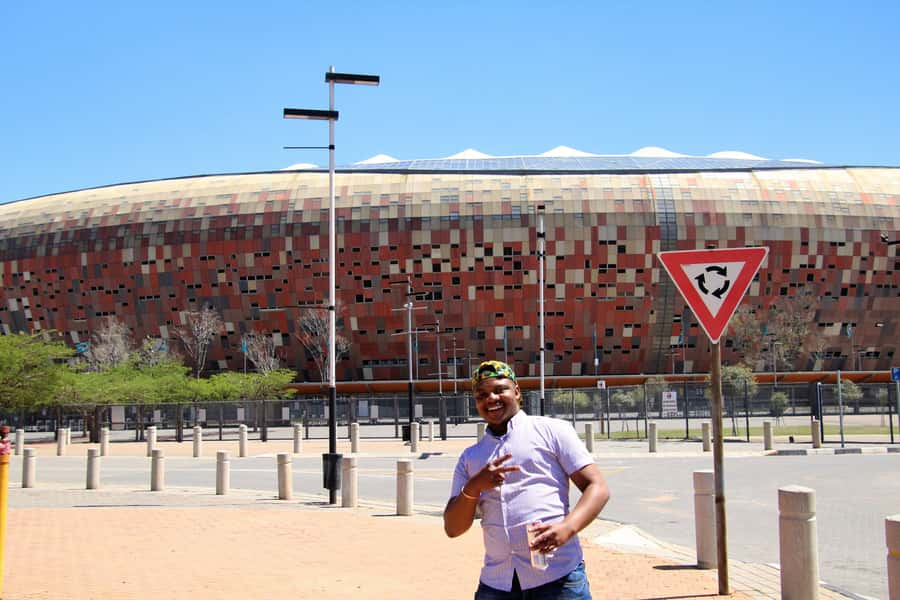
One early landmark is the National Football Stadium, also known as Soccer City, which hosted the opening and closing ceremonies of the 2010 World Cup. The stadium is a useful marker of modern South Africa, and the guide explains its place in Johannesburg’s public life.
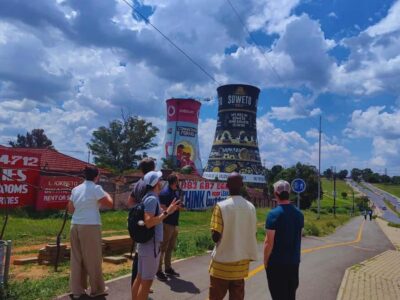
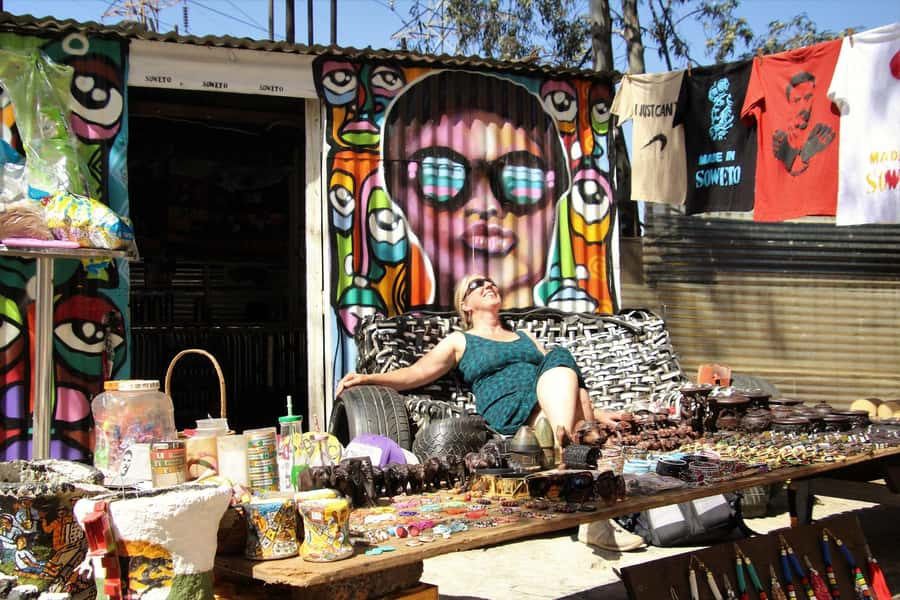
You then enter Diepkloof, where a short walk takes you past vendors selling everyday goods. This is not a polished visitor zone. That is part of its value. You get a look at ordinary commerce and street activity rather than a staged cultural display.
Keep your eyes open during the drive. The tour is designed to show different parts of Soweto, from established neighborhoods to areas with informal housing. You will see contrasts in housing and infrastructure, and your guide can explain how these communities developed.
Orlando West and the story of 16 June 1976
The Orlando West section is one of the day’s most important stops. Here you visit Vilakazi Street, famous for being associated with both Nelson Mandela and Archbishop Desmond Tutu. The former home of Nelson Mandela is visible during the tour, and entry to Mandela House is optional.
Vilakazi Street is also the setting for the Hector Pieterson story. On 16 June 1976, schoolchildren protesting the compulsory use of Afrikaans in education were met with police violence. Hector Pieterson, aged 13, was killed, and the photograph of his body being carried through Soweto became an international symbol of the uprising.
At the Hector Pieterson Museum, you can learn about the uprising and the students who took part. The subject is painful, so give yourself time to read and pause. One practical warning: the museum visit can feel short on a tightly scheduled day. If this is the stop you most want to study, ask your guide early about the available time.
The tour also includes Regina Mundi Church, an important site in the story of resistance. It served as a place where people gathered during apartheid, and the church is part of the wider Soweto story presented during the day.
Mandela House is optional, so check what your group’s schedule allows. If entering the house is a priority, make that clear before the tour begins. The main program passes by the site, but an interior visit may affect the timing of later stops.
Seeing Soweto’s different sides
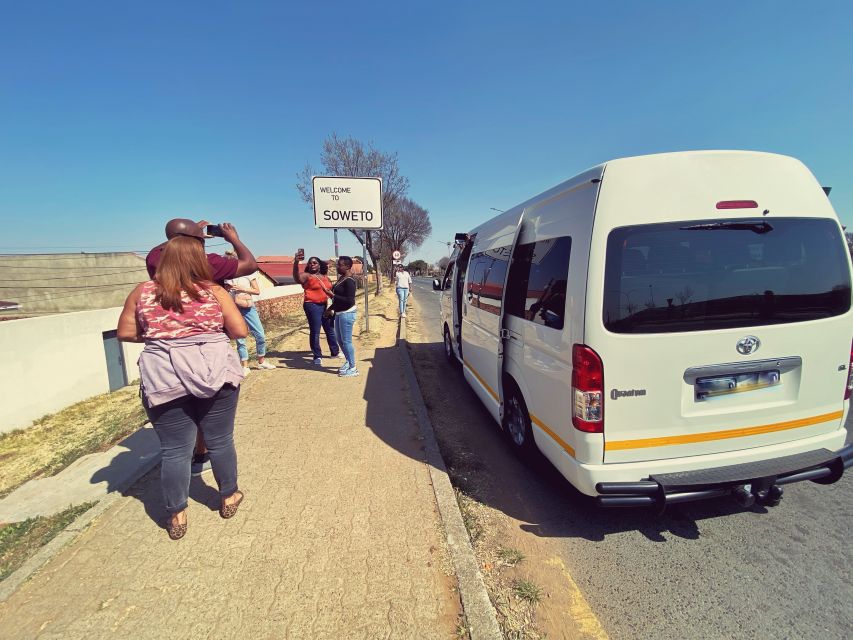
The Soweto portion is more than a drive through famous addresses. You continue through areas described as upper class, middle class, and informal settlement communities. The point is not to label neighborhoods neatly, but to show that Soweto is a large and varied urban area rather than one uniform place.
At one point, you enter an informal settlement and have an opportunity to interact with local residents. Approach this part with respect. You are not visiting a display. You are seeing how people live and listening to explanations about local conditions.
This can be one of the most memorable parts of the day, but it can also raise uncomfortable questions about poverty and tourism. A good guide sets the tone by explaining context and encouraging courtesy. Stay with the group, ask before taking photographs, and treat residents as people rather than scenery.
The route also passes the Soweto campus of the University of Johannesburg and ends the Soweto section near Chris Hani Baragwanath Hospital, described on the tour as the largest hospital in the world. These stops help show the scale of the township and its role in the wider city.
The walking portion is listed as about 30 minutes, with additional sightseeing and driving. Wear comfortable shoes and bring water. Lunch and drinks are not included, so carry something small if you do not want to wait until the planned lunch break.
More Township Tours in Johannesburg
- Johannesburg: Hop-On Hop-Off Bus with Optional Soweto Tour
★ 4.6 · 985 reviews - Johannesburg Hop-On Hop-Off City Tour with Soweto Option
★ 4.5 · 768 reviews - Half-Day Tour of Soweto Tour
★ 4.5 · 712 reviews - Soweto: Walking Tour with a Local Guide and Lunch
★ 4.9 · 648 reviews
Two hours at the Apartheid Museum
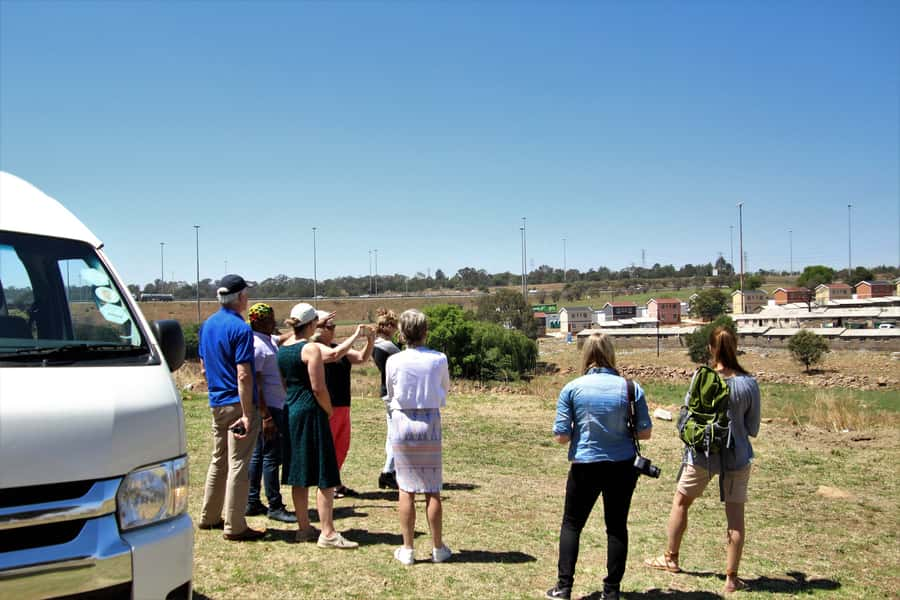
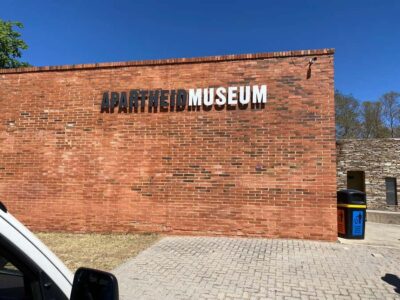
After lunch at your own expense, the group heads to the Apartheid Museum. About two hours are scheduled here, and the entrance fee is included.
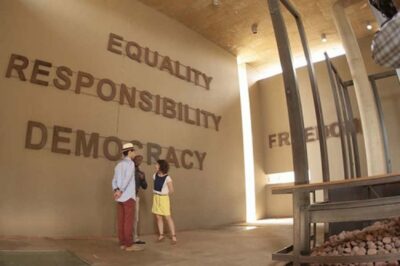
This is the strongest museum stop for a broad account of apartheid, the system of racial separation and control that shaped South Africa for decades. Exhibits cover political rules, forced removals, resistance, state power, and the long struggle that led to democracy.
Your ticket may begin with a randomly assigned racial classification entrance, a feature that immediately shows how apartheid divided people by law. From there, the museum moves through photographs, documents, film, objects, and personal accounts.
The museum is self-guided rather than a full guided tour throughout. Guides often point out key sections before you enter, and this can help you use the limited time well. Ask which galleries should come first, especially if your group has a firm departure time.
Two hours is enough for a strong introduction, not for every display. I would not try to read every label. Focus on the main galleries, listen to the testimony, and leave a little time for the final sections on transition and democracy.
This is a serious stop. The material includes violence, imprisonment, racial classification, family separation, and the loss of life. The value comes from its detail and evidence, but you may find the morning’s Soweto visits make the museum feel even more personal.
Constitution Hill, from prison to courtroom
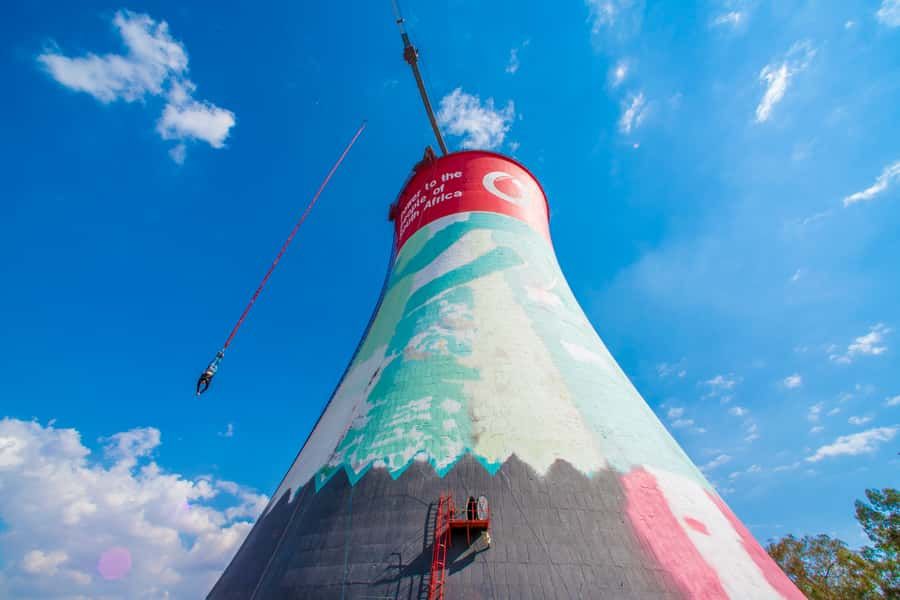
The next major stop is Constitution Hill, where you join a guided tour lasting about one hour. This former prison complex held political activists, ordinary prisoners, and people caught in the legal machinery of apartheid.
Nelson Mandela and Mahatma Gandhi were both held at the site at different times. The prison buildings help explain how detention and punishment worked, while the Constitutional Court represents the country’s later commitment to human rights and democratic law.
When the court is not in session, you may enter the courtroom. The guide connects the buildings to Johannesburg’s legal history and to the principles written into South Africa’s Constitution.
Of the day’s stops, Constitution Hill provides a useful balance to the museums. The Apartheid Museum explains the national system, and Hector Pieterson focuses on the Soweto uprising. Constitution Hill shows what imprisonment and law looked like from inside the city.
The one-hour guided visit is efficient, but it can feel brief. If you are especially interested in political history, ask questions as you go. The guide’s explanations are a major part of what you receive here.
Johannesburg landmarks between the museums
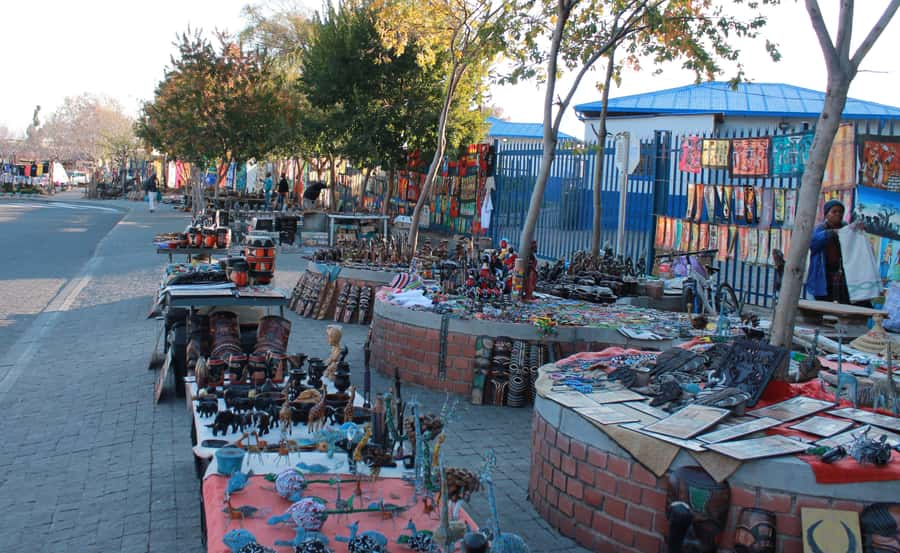
The city sightseeing is partly a driving tour and partly a series of brief views. You see the 269-metre Telkom Tower, a familiar Johannesburg landmark, and pass Nelson Mandela Bridge on the way toward Newtown.
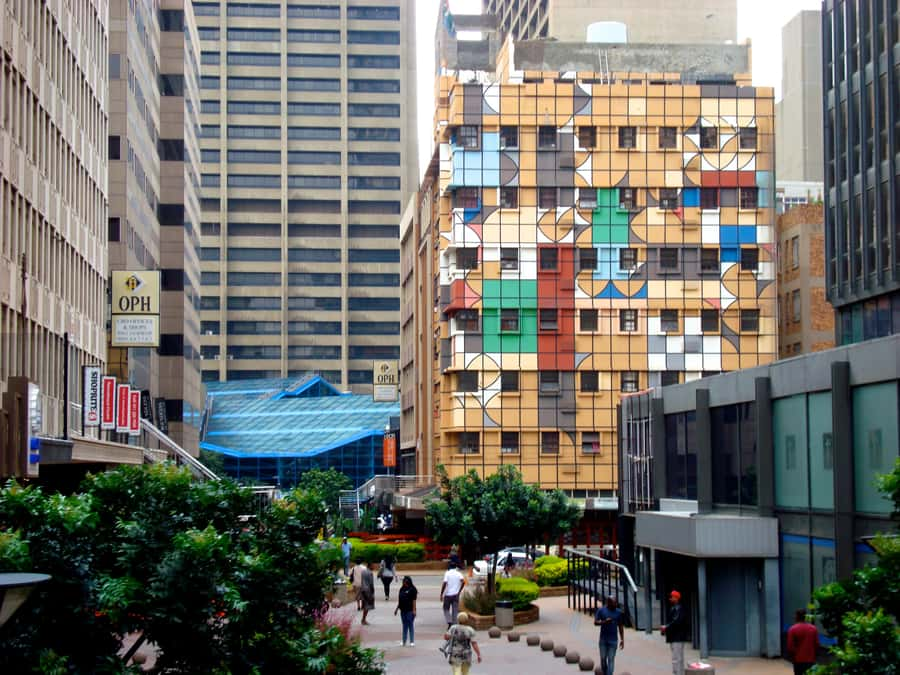
Mary Fitzgerald Square includes the Jazz Walk of Fame, a small but welcome reminder that Johannesburg’s story is not only about political struggle. The route may also include Gandhi Square, depending on the day’s timing and traffic.
These stops are not long museum visits. Think of them as orientation points. You get a sense of the central city, its major roads, its public spaces, and the contrast between modern urban development and the older sites visited earlier.
Traffic can affect the order and length of stops. Guides have been praised for using alternate routes and keeping the day moving, but no eight-hour city tour can control Johannesburg traffic. The schedule includes roughly 30 minutes of final driving before returning to Johannesburg.
Transport, group size, and guide quality
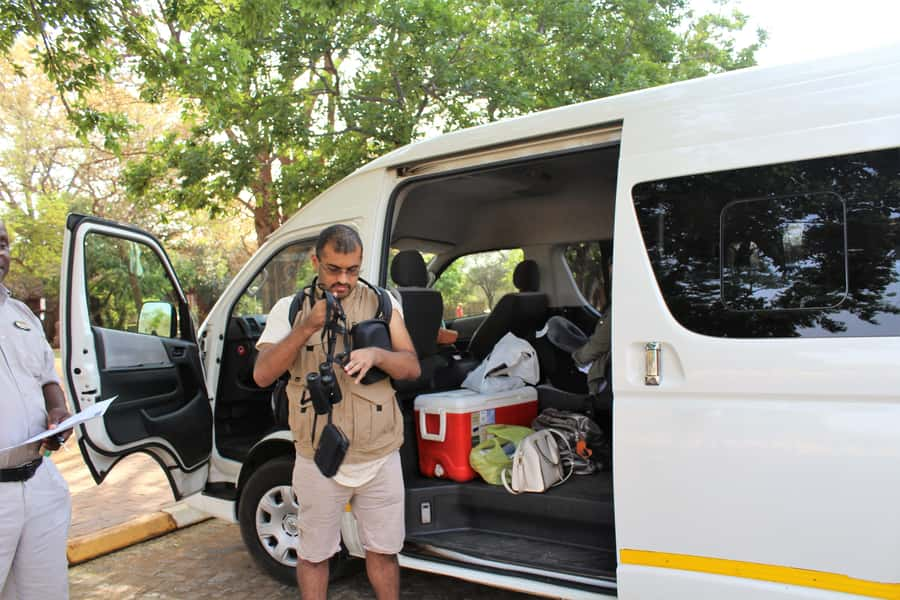
The vehicle is described as clean, comfortable, and spacious, with free uncapped WiFi onboard. That matters on a full-day tour, particularly because you spend time moving between Soweto, the Apartheid Museum, Constitution Hill, and central Johannesburg.
Group size can vary, though one booking described a group of eight. A smaller group gives you more room to ask questions and makes pickup and museum timing easier. Confirm the group arrangement if that is important to you.
The driver is also your guide for much of the day. Names associated with particularly strong departures include Khutso, Thapelo Makhebula, Tinyiko, Sello, Shumba, Clement, Charles, Moses, and Prince. Do not assume you can select a particular guide, but expect the quality of the commentary to shape the experience.
The best guides combine facts with local context, keep an eye on timing, and explain where you are without turning every minute into a lecture. Several guides are also praised for humor, safe driving, and helping solo visitors feel at ease.
What to bring and how to prepare
Wear walking shoes. You have a short walk in Diepkloof and additional walking at Vilakazi Street, the museums, and Constitution Hill.
Bring water, sun protection, and a little cash or a card for lunch and drinks. Those costs are separate from the tour price.
Prepare yourself for difficult material. The day includes the Hector Pieterson uprising, apartheid, imprisonment, and the continuing effects of inequality. The experience is educational, but it is not light sightseeing.
If you are using the tour during a layover, tell the operator about your flight schedule at booking and confirm the return timing. One tour participant was able to return from a Soweto stop for an evening flight, but you should not assume every day will run the same way.
The tour offers free cancellation up to 24 hours before departure and allows you to reserve now and pay later. Pickup is included only in the listed Johannesburg areas, so check your accommodation before booking.
Is the $142 price good value?
I consider the price fair for what is included. You receive transport for eight hours, hotel pickup and drop-off, a live English-speaking guide, entry fees, WiFi, and access to several major sites.
The strongest value comes from the combination. A separate visit to the Apartheid Museum, a township tour, Constitution Hill, and a city sightseeing route would require more planning and transport. The tour also saves you from trying to understand the geography of Johannesburg on your own.
The tradeoff is depth. You are buying breadth, not long museum visits. If the Apartheid Museum is your main reason for coming, book a separate visit with more time. If you want a practical introduction to Johannesburg and South Africa’s modern history in one day, the price makes sense.
An R50 donation from each individual booking goes to the Motsoaledi Day Care Centre for building upgrades and requested supplies. That gives the booking a small local benefit, though it should not replace respectful behavior during the Soweto visit.
Should you book this Johannesburg day tour?
Book it if you have one day in Johannesburg, want to understand the city beyond its central business district, or prefer having transport and context arranged for you. It is especially useful for first-time visitors, solo visitors, and people on a short stopover.
You should also book it if your priority is to connect Soweto with the Apartheid Museum and Constitution Hill. The combination gives you a stronger sense of place than any single attraction.
Skip it if you want four or more hours inside the Apartheid Museum, dislike a full schedule, or prefer to explore at your own pace. Also consider a slower private itinerary if Mandela House, Hector Pieterson Museum, or Constitution Hill deserves your full attention.
For most first visits, I would choose this tour and accept the brisk pace. It shows you the streets, the museums, the prison, and the public landmarks in one carefully packed day. That is a useful way to get your bearings before deciding where to return for a longer visit.
FAQ
How long does the tour last?
The tour lasts eight hours, including pickup, sightseeing, museum visits, transport between stops, and return to Johannesburg.
What is included in the price?
Pickup and drop-off in the listed Johannesburg areas, entrance fees, transport, a live English-speaking guide, and free uncapped WiFi onboard are included.
Is lunch included?
No. Lunch and drinks are not included, so you should budget separately for them.
Which museums and historic sites are visited?
The tour includes the Hector Pieterson Museum, Apartheid Museum, and Constitution Hill. It also includes Soweto sights such as Vilakazi Street and Regina Mundi Church.
Can I visit Mandela House?
The tour passes by Mandela House, and an interior visit is optional. Ask your guide about the available time, since entering may affect the day’s schedule.
Is hotel pickup available?
Pickup is available from hotels in the areas of O R Tambo, Sandton, Rosebank, Johannesburg Downtown, and Melville.
More museums and galleries in Johannesburg
- Half Guided Day Tour of Soweto And Apartheid Museum
★ 5.0 · 356 reviews - Ultimate Johannesburg Soweto Experience with Apartheid Museum
★ 5.0 · 313 reviews - Soweto: Hop-On Hop-Off Bus, City Tour and Apartheid Museum
★ 4.5 · 250 reviews - Maropeng Cradle of Humankind Museum &Sterkfontein Cave Experience
★ 4.5 · 155 reviews
Just added in Johannesburg
- Soweto Tuk-Tuk Food & Beer Tour★ 5.0 · 9 reviews
- Soweto: Sip & Paint Walking Tour & Take Home a Canvas★ 4.8 · 7 reviews
- Soweto Tour; Mandela House; Vilakazi Street; Market Culture★ 5.0 · 6 reviews
- Soweto & Johannesburg and Apartheid Museum★ 4.7 · 41 reviews
- Soweto Township Tour★ 4.4 · 4 reviews
- Private Soweto,Mandela House,Apartheid Museum,Constitution★ 4.6 · 15 reviews
- Soweto Food & Beer Bike Tour★ 4.9 · 40 reviews
- Soweto and apartheid museum tour(Half-day)★ 5.0 · 4 reviews
Apartheid & Mandela History Tours, compared.
Full-Day Tour with Soweto and Apartheid Museum
Read our review →
Half Guided Day Tour of Soweto And Apartheid Museum
Read our review →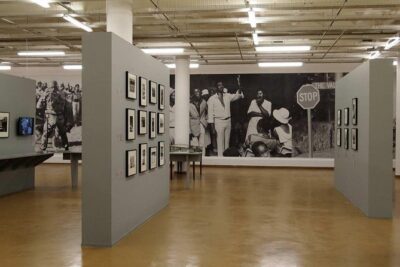
Ultimate Johannesburg Soweto Experience with Apartheid Museum
Read our review →
Hop-On Hop-Off Bus, City Tour and Apartheid Museum
Read our review →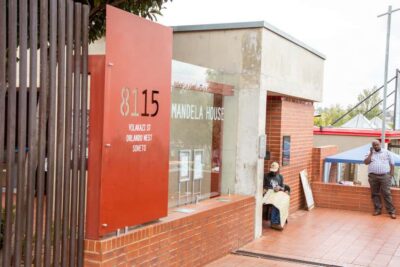
Johannesburg and Soweto Apartheid Full Day Tour w/Lunch
Read our review →