
Reviewed · SOWETO & TOWNSHIP TOURS
Johannesburg: Soweto Tour with Lunch
Soweto is not a museum piece. It is a huge, working part of Johannesburg where grand homes, informal settlements, busy taxi ranks, historic churches, and street stalls sit close together. This tour gives you a useful look at that full picture, not just the famous Mandela address. Hector Pieterson Museum and the 1976 uprising are the emotional center, while the ride through Diepkloof and Orlando West shows how people live today.
I like the way the tour links major history with ordinary places: a market walk, a taxi rank, a church, a university campus, and a local lunch. I also like the donation of R50 from each booking to Motsoaledi Day Care Centre. The main drawback is time. Six hours covers a lot, so stops at Mandela House and Hector Pieterson Museum may feel rushed, especially if you want to read every display.
Key points to know before booking

- A broad view of Soweto: You see wealthy streets, established neighborhoods, and informal settlements in one day.
- The 1976 uprising is treated seriously: Hector Pieterson Museum gives essential context for Soweto’s role in South Africa’s freedom struggle.
- Several guides are praised for their personal style: Lebo, Tshepo, Thomas, and Prince are named by visitors as clear, calm, patient, or authentic.
- Lunch is included: You choose food at a Soweto restaurant, but beverages cost extra.
- The tour covers famous and everyday places: Vilakazi Street, Mandela House, Freedom Square, Regina Mundi Church, Baragwanath Taxi Rank, and local stalls all appear.
- The day supports a local cause: Each individual booking sends an R50 donation to Motsoaledi Day Care Centre.
Why this Soweto tour is worth your time
Soweto means South Western Township, and its story is tied closely to Johannesburg, apartheid, and the long campaign for democracy in South Africa. A visit here can easily become too narrow, focused only on Nelson Mandela. This tour does a better job when it moves between famous names and regular life.
You see the place as a community rather than a collection of memorials. One moment you may be passing a large home or a well-known street. Soon after, you are looking at market stalls, taxi traffic, or an informal settlement. That contrast is important. Soweto contains hardship, middle-class life, business activity, political memory, and pride all at once.
The day begins with pickup at your accommodation in Johannesburg or Pretoria. A short briefing comes before the drive, which gives you a chance to hear the outline of the day and ask basic questions. The tour is conducted in English, with a live guide, and free uncapped WiFi is available onboard.
At $94 per person, the price is reasonable if you want transport, a guide, museum admission, lunch, and a full route around Soweto in one booking. It is less attractive if you plan to spend long periods inside each museum or prefer to explore slowly on your own. The value comes from the range of places covered and the explanation that connects them.
More Township Tours in Johannesburg
- Johannesburg: Hop-On Hop-Off Bus with Optional Soweto Tour
★ 4.6 · 985 reviews - Soweto /Johannesburg and Apartheid Museum Guided Full Day Tour
★ 5.0 · 932 reviews - Johannesburg Hop-On Hop-Off City Tour with Soweto Option
★ 4.5 · 768 reviews
From Soccer City to Soweto
The drive toward Soweto begins with a major modern landmark: the National Football Stadium, also known as Soccer City. It hosted the opening and closing ceremonies of the 2010 World Cup, so it provides a quick reminder that Johannesburg is both a political center and a major sporting city.
This first sight also sets up one of the tour’s useful contrasts. International football brought global attention, money, and celebration to the area. The rest of the day shows the local neighborhoods surrounding that public image.
The drive from Johannesburg takes about 30 minutes before the main Soweto touring begins. Exact traffic conditions can affect the pace, but the route is designed to cover many areas rather than linger at one location.
Diepkloof market stalls and ordinary Soweto life
In Diepkloof, you leave the vehicle for a walk past local vendors. The stalls sell a wide range of everyday goods, and this is one of the better moments to notice how people shop, work, and move through the area.
Do not expect a polished tourist market built for photographs. The interest is in the ordinary setting. You may find the scene noisy, crowded, and informal, with products spread along the roadside. Keep your belongings close, follow your guide’s instructions, and ask before taking close-up photographs of people.
This stop helps prevent the tour from becoming too focused on famous political figures. Soweto is also a place where people run businesses, commute, raise families, and make a living. That everyday view adds balance to the memorial visits later.
Orlando West and the addresses of history
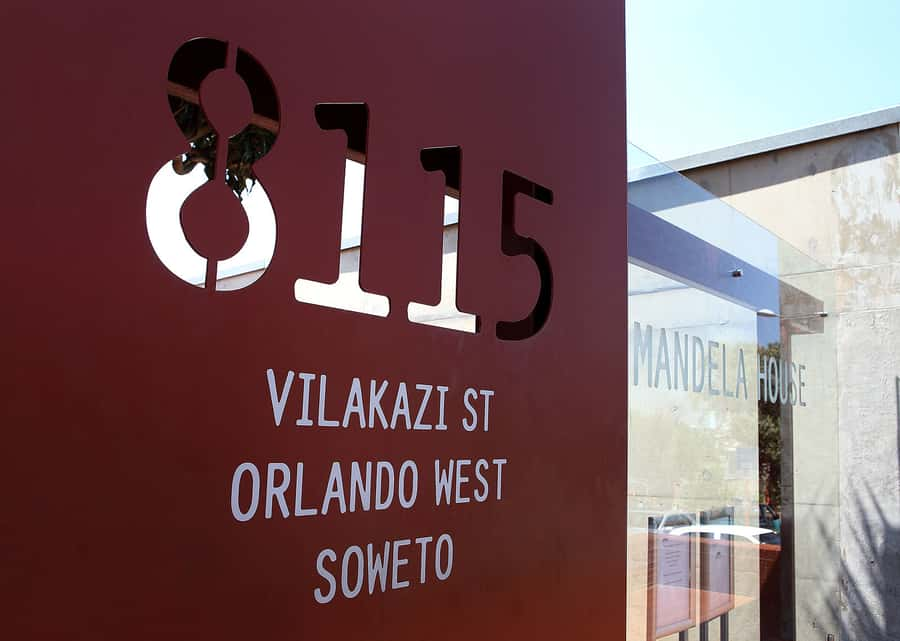
The route continues to Orlando West, one of Soweto’s best-known areas. Here, Vilakazi Street brings together several important names in South African public life.
You pass the former home of Nelson Mandela and the home of Archbishop Emeritus Desmond Tutu. Winnie Madikizela-Mandela’s former home is also part of the sights. This is an unusual concentration of political history on one street, but the neighborhood remains a real residential area rather than a recreated historical zone.
The guide explains the significance of these homes and points out places for photographs. You can expect a busy stop, with time divided between driving, walking, listening, and taking pictures. If you want a long, quiet visit at each address, this schedule may feel quick.
Mandela House is part of the route, but interior museum admission is optional and costs extra, payable on arrival. Check this detail before booking if going inside the house is a main reason for your visit. The exterior stop and street visit are still useful, but they are not the same as a full museum visit.
Other township visits from Johannesburg:
- Half-Day Tour of Soweto Tour
★ 4.5 · 712 reviews - Soweto: Walking Tour with a Local Guide and Lunch
★ 4.9 · 648 reviews - Jo’berg in 1 Day: Soweto, Apartheid Museum & City Tour
★ 4.8 · 524 reviews - Johannesburg: Full-Day Tour with Soweto and Apartheid Museum
★ 4.8 · 478 reviews
Hector Pieterson Museum and June 16, 1976
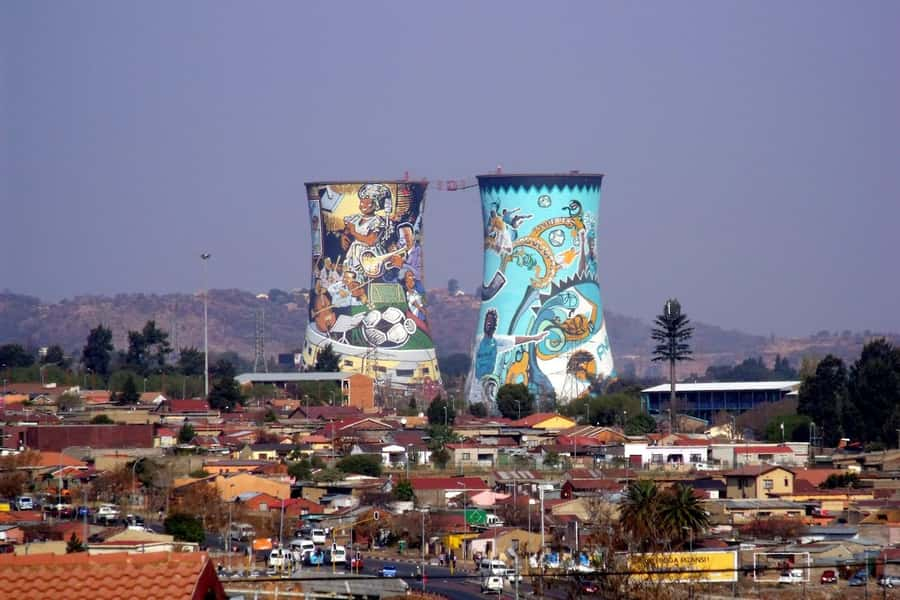
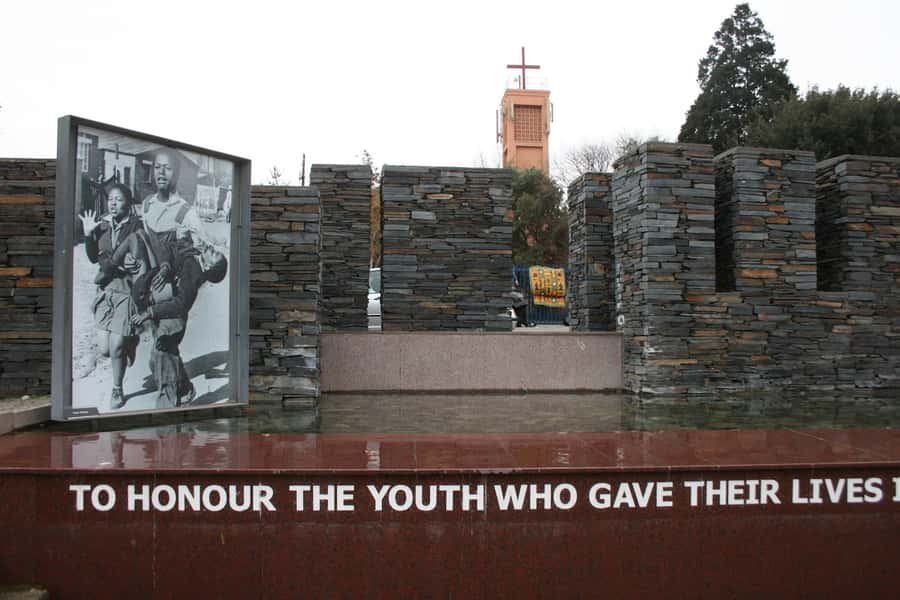
Hector Pieterson Museum is the most important historical stop of the day. Admission is included, and the museum explains the Soweto uprising of June 16, 1976, when school students protested against the forced use of Afrikaans in education.
The death of Hector Pieterson became a symbol of the violence faced by young people during the uprising. The museum presents photographs, written material, and recorded accounts that help explain what happened and why the event mattered far beyond Soweto.
Give this stop your full attention. It is not a light sightseeing visit, and the subject is painful. You will probably want time to read the displays and think about what you are seeing. That is also where the six-hour schedule can feel tight. Some people finish the museum wanting more time than the group timetable allows.
The value of having a guide here is not simply getting dates and names. A good guide can place the uprising within the wider story of apartheid and explain why June 16 remains such an important date in South Africa. Thomas, Tshepo, Lebo, and Prince are among the guides named for clear explanations, patience, humor, or an authentic manner, though the guide assigned to your departure can vary.
Informal settlements and the full picture
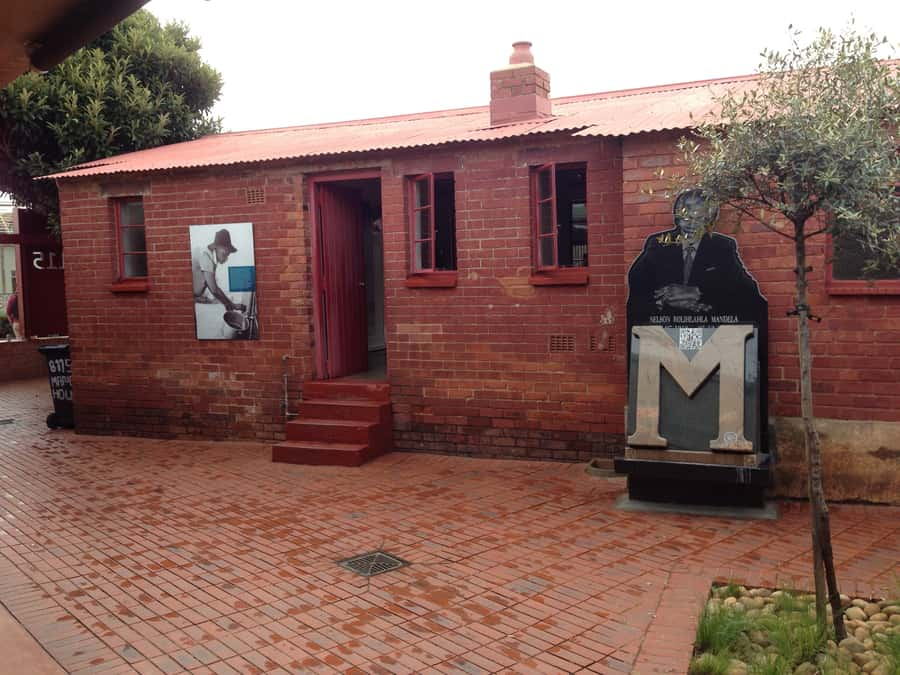
The tour then moves into one of Soweto’s informal settlements, where you have an opportunity to interact with local residents. This part requires respect and common sense. You are entering a living community, not a performance staged for visitors.
Listen more than you speak, ask permission before taking photographs, and avoid treating poverty as scenery. The point is to understand that Soweto includes serious economic hardship, but is not defined by hardship alone.
The route is deliberately broad. You see areas associated with poverty, neighborhoods where middle-class families live, and more affluent homes. That range is one of the strongest reasons to choose this tour over a short drive past the major landmarks.
Some people may find this section uncomfortable, and that is fair. The experience does not soften the inequalities visible in the city. At its best, it gives you a more honest view and allows you to consider how history, housing, income, and politics have shaped the area.
Freedom Square, the Freedom Charter, and Regina Mundi
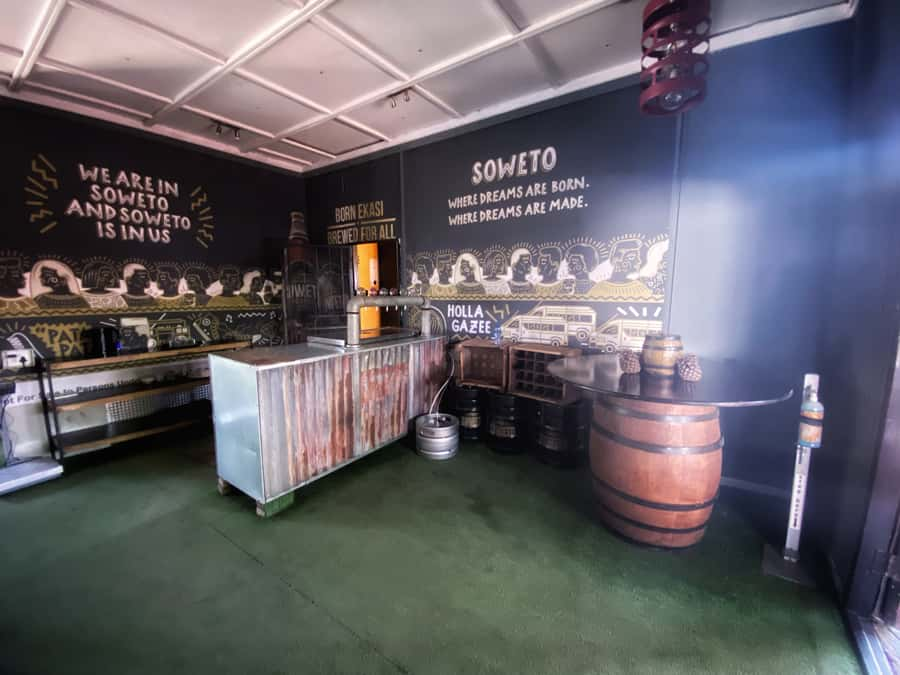
Freedom Square and the Freedom Charter Memorial connect Soweto to the democratic ideals that shaped modern South Africa. The Freedom Charter was adopted at Kliptown in 1955, calling for a nonracial and democratic country.
The memorial is not simply another photo stop. It gives the tour a chance to move from the events of 1976 to the broader political program that influenced the anti-apartheid movement. Your guide can help connect the locations, people, and ideas.
Regina Mundi Church adds another layer. The church is known for its role as a place of refuge and political activity during the apartheid era, and the tour includes a walk through it. Its presence in the itinerary reminds you that religious buildings could serve as meeting places and safe spaces when public political activity was restricted.
These stops are valuable, but the pace remains brisk. You may get a strong introduction rather than a long visit. If you are especially interested in political history, note the places you want to revisit or research later.
Lunch in Soweto
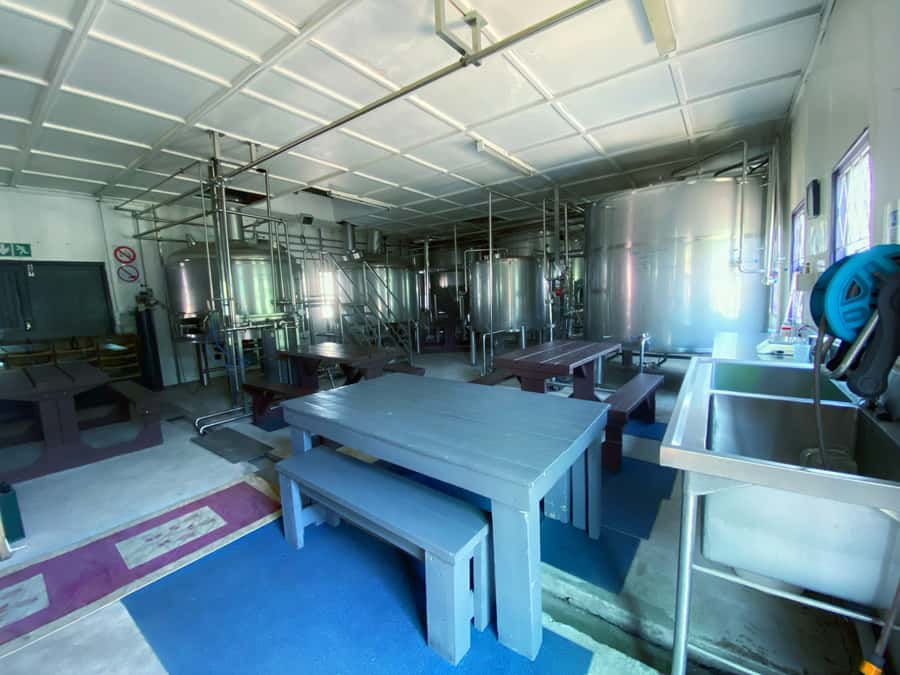
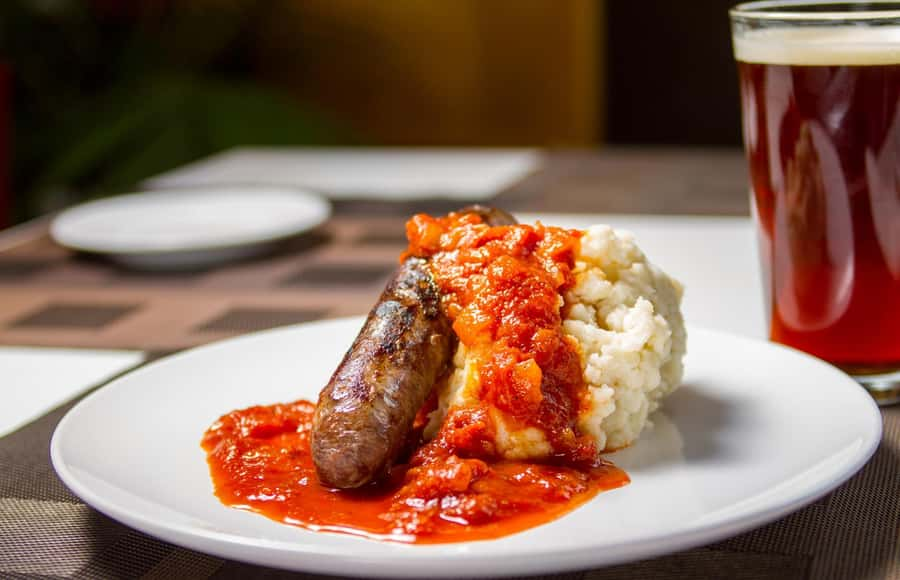
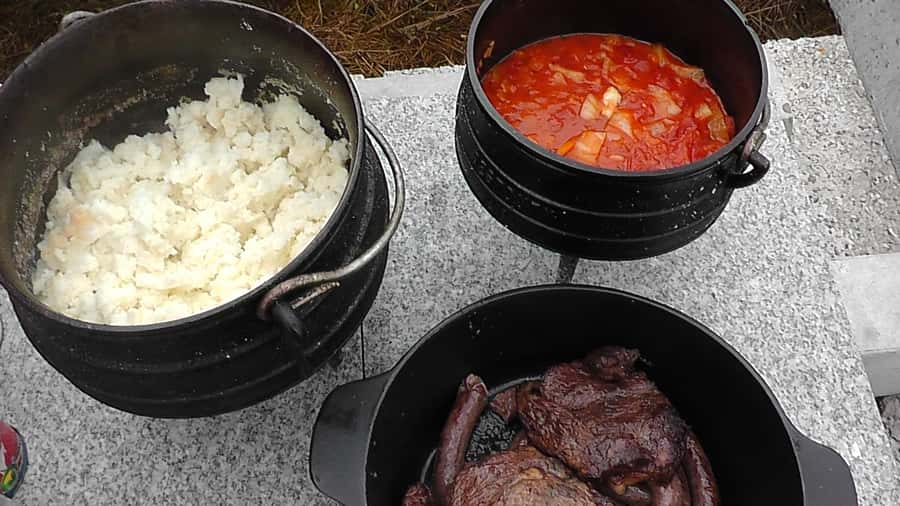
Lunch at a Soweto restaurant is included, with beverages excluded. The meal gives you a proper break after the morning’s walking and museum time, and it is a chance to try local food rather than eating at a generic stop outside the township.
A buffet-style local meal may be available, along with menu choices. The exact selection can vary, so do not book this expecting a specific dish. Bring extra money for drinks and personal purchases.
I see the lunch as part of the tour’s practical value, not just a free extra. It keeps the day moving and lets you eat in the community you are visiting. If you have dietary restrictions, ask about options before the day begins because the supplied details do not list special menus.
Taxi ranks, shopping, and the modern side of Soweto
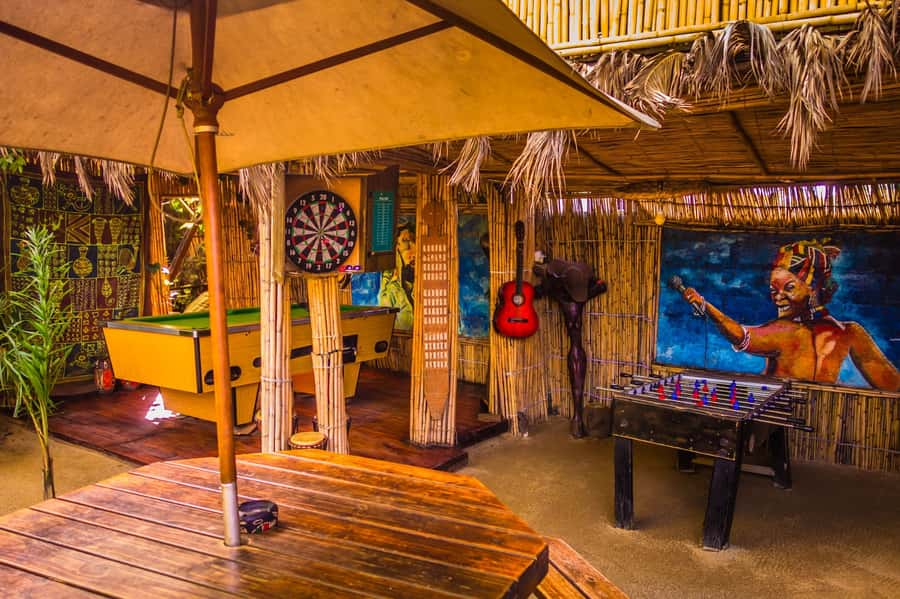
Baragwanath Taxi Rank and Maponya Shopping Mall show a more current side of the area. The taxi rank is a major transport setting, while Maponya represents retail, business, and consumer life.
These places may seem less dramatic than a museum or memorial, but they matter. They show that Soweto is not only a site of struggle remembered through plaques and photographs. It is also a large urban community with shopping, transport networks, schools, work, and daily routines.
The route also passes the Soweto campus of the University of Johannesburg. That adds an educational dimension and helps you see the township as a place where young people study and build their futures.
Chris Hani Baragwanath Hospital and the final drive
The day ends with a view of Chris Hani Baragwanath Academic Hospital, described as the largest hospital in the world. The tour passes by rather than taking you on an interior visit, so think of this as a landmark viewed from the vehicle.
Its scale makes it a fitting final sight after a day spent considering the size and complexity of Soweto. You have seen historic streets, crowded public spaces, homes, churches, schools, and areas with very different levels of wealth. The hospital reinforces how much infrastructure is needed to serve such a large population.
After this stop, you return to Johannesburg. Pretoria pickup is also available, but confirm the exact pickup arrangement when booking since the tour description lists accommodation pickup in either city.
Practical details that affect your day
Plan for six hours, including transport, guided visits, walking, photo stops, lunch, and the return journey. Wear comfortable clothes and shoes, and bring a sun hat, sunscreen, and a jacket. Conditions can change during the day, and you will spend time both inside and outside.
The tour is wheelchair accessible, which is useful information for anyone who needs step-free arrangements. Still, because the day includes walking through market areas, museum spaces, a church, and community streets, discuss your exact needs in advance.
Free cancellation is available up to 24 hours before departure for a full refund. You can also reserve now and pay later, which helps if your Johannesburg schedule is not fixed.
The R50 donation to Motsoaledi Day Care Centre is a worthwhile detail. The money supports building upgrades and items on the center’s wish list. It does not transform the whole visit into a charity project, but it gives your booking a small, direct local benefit.
Who should book this tour?
I would choose this tour if you have one day for Soweto and want a structured introduction with transport and historical context. It suits first-time visitors, solo visitors who want a guide, and anyone who prefers seeing both famous landmarks and regular community spaces.
It is also a good fit if you want to understand the 1976 uprising and the wider struggle against apartheid without arranging several separate visits. The guide’s personal explanations can make a real difference, especially at Hector Pieterson Museum and the informal settlement.
I would hesitate if you dislike group schedules or want to spend hours inside Mandela House. The tour covers many locations, so it favors range over long, quiet visits. It also asks you to engage thoughtfully with poverty and painful history rather than treating Soweto as a simple sightseeing stop.
FAQ
How long does the Soweto tour last?
The tour lasts six hours, including pickup, transport, guided sightseeing, museum visits, lunch, and the return to Johannesburg.
Where can pickup take place?
Pickup is included from your accommodation in Johannesburg or Pretoria.
Is lunch included?
Yes. Lunch at a restaurant in Soweto is included. Beverages are not included, so bring money for drinks.
Is admission to Hector Pieterson Museum included?
Yes. The entry fee to Hector Pieterson Museum is included in the tour price.
Is admission to Mandela House included?
The route includes a visit or viewing of Mandela House, but interior museum admission is optional and costs extra per person, payable on arrival.
What language is the tour conducted in?
The tour is conducted in English with a live guide. It is wheelchair accessible, and free onboard uncapped WiFi is provided.
Should you book it?
Book this Soweto tour if you want a full, guided day that joins history with present-day community life. Hector Pieterson Museum, Vilakazi Street, Freedom Square, local markets, lunch, and the informal settlement give you a much wider view than a quick Mandela photo stop.
The best reason to choose it is its range, plus the chance to learn from guides such as Lebo, Tshepo, Thomas, or Prince, depending on your departure. Just allow for a fast pace, bring sun protection and a jacket, and remember that Mandela House interior admission costs extra. At $94, the package offers solid value for a first visit to Soweto, especially if you want transport and a clear explanation of what you are seeing.
Just added in Johannesburg
- Soweto Tuk-Tuk Food & Beer Tour★ 5.0 · 9 reviews
- Soweto Township Tour★ 4.4 · 4 reviews
- Soweto: Sip & Paint Walking Tour & Take Home a Canvas★ 4.8 · 7 reviews
- Soweto Tour; Mandela House; Vilakazi Street; Market Culture★ 5.0 · 6 reviews
- Soweto & Johannesburg and Apartheid Museum★ 4.7 · 41 reviews
- Private Soweto,Mandela House,Apartheid Museum,Constitution★ 4.6 · 15 reviews
- Soweto Food & Beer Bike Tour★ 4.9 · 40 reviews
- Soweto and apartheid museum tour(Half-day)★ 5.0 · 4 reviews
Soweto & Township Tours, compared.

Johannesburg Hop-On Hop-Off City Tour with Soweto Option
Read our review →


Jo’berg in 1 Day: Soweto, Apartheid Museum & City Tour
Read our review →
Full-Day Tour with Soweto and Apartheid Museum
Read our review →Browse the lists this tour appears in