
Reviewed · SOWETO & TOWNSHIP TOURS
Johannesburg: Soweto Half-Day Tour
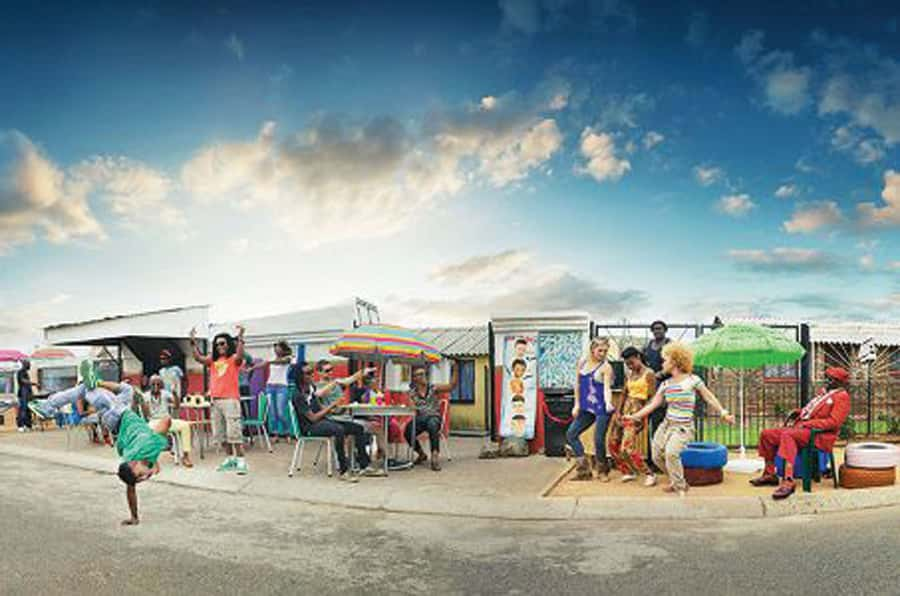
Soweto is not a quick photo stop. It is a living part of Johannesburg, shaped by forced removals, protest, music, family life, and daily work. This tour takes you from Vilakazi Street and Mandela’s former home to the Hector Pieterson Museum and an informal settlement, giving you both famous landmarks and ordinary streets.
I like the strong local focus and the way guides such as Sello, Thapelo, Mark, William, and Patience explain what you are seeing rather than simply pointing at it. I also like that Hector Pieterson Museum entry and Johannesburg hotel pickup are included. The main drawback is time: five hours can feel rushed, especially if you want long museum visits or careful conversation in the township.
Key points
- Vilakazi Street links two Nobel Peace Prize homes: You see the former home of Nelson Mandela and the current home of Archbishop Desmond Tutu.
- The Hector Pieterson Museum gives the tour its emotional weight: Its account of the 1976 Soweto uprising puts the streets into context.
- An informal settlement adds present-day reality: You see how people live now, but the visit requires respect and sensitivity.
- Local guides make the difference: Guides including Sello, Thapelo, Mark, William, and Patience are praised for clear explanations, kindness, and strong local knowledge.
- You cover a lot in five hours: Diepkloof, Orlando West, Vilakazi Street, Regina Mundi Church, Mandela House, the university campus, cooling towers, and Baragwanath Hospital all fit into the route.
- The $74 price is fair for a short introduction: Transport, pickup, museum entry, church entry, and onboard WiFi are included, while Mandela House Museum costs extra.
Why Soweto Works Best With Context
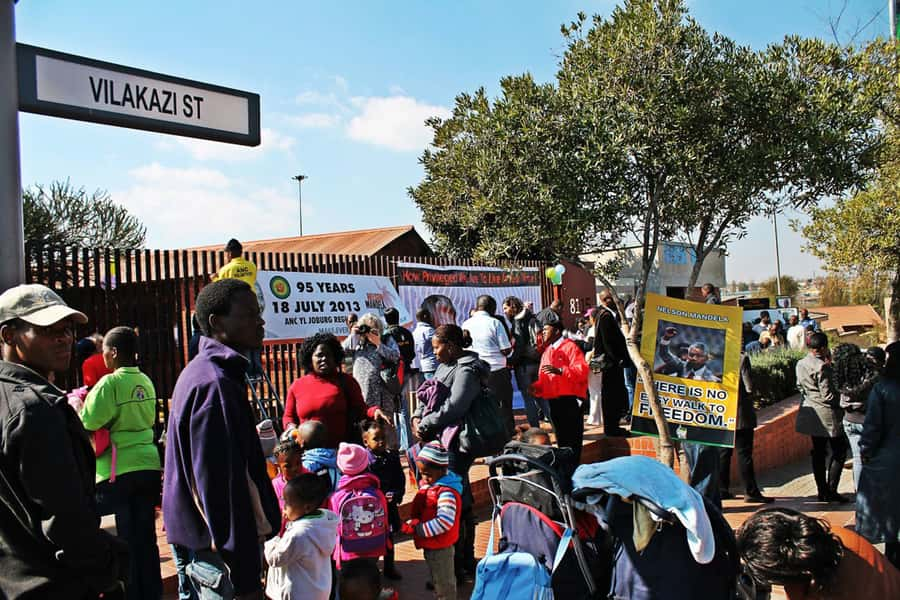
Soweto, short for South Western Township, is often presented as a single sightseeing stop. It is far more varied than that. The area includes established neighborhoods, busy commercial streets, historic churches, memorials, newer development, and informal settlements.
That variety is the main reason to take this tour. You are not only looking at famous names from South Africa’s past. You are also seeing the places where those political struggles took place and the communities that continue to live with their effects.
The tour is especially useful if you have only one day in Johannesburg or want a first look before deciding how much time to spend in Soweto. A guide can explain the difference between a memorial, a family home, a township street, and an informal settlement. Without that background, the drive can become a string of disconnected sights.
The guides are central to the experience. The strongest feedback centers on their patience, humor, clear storytelling, and willingness to answer questions. Sello is praised for his pride in the area and careful manner. Thapelo is described as engaging and considerate. Mark prepares you for the next stop while driving, which helps you understand the museum and memorials when you arrive.
More Township Tours in Johannesburg
- Johannesburg: Hop-On Hop-Off Bus with Optional Soweto Tour
★ 4.6 · 985 reviews - Soweto /Johannesburg and Apartheid Museum Guided Full Day Tour
★ 5.0 · 932 reviews - Johannesburg Hop-On Hop-Off City Tour with Soweto Option
★ 4.5 · 768 reviews
The Johannesburg Pickup and Drive South

Your guide collects you from your Johannesburg hotel or residence, then gives a short briefing before setting off. The vehicle is described as comfortable, and free uncapped WiFi is available onboard, a useful touch during the longer road sections.
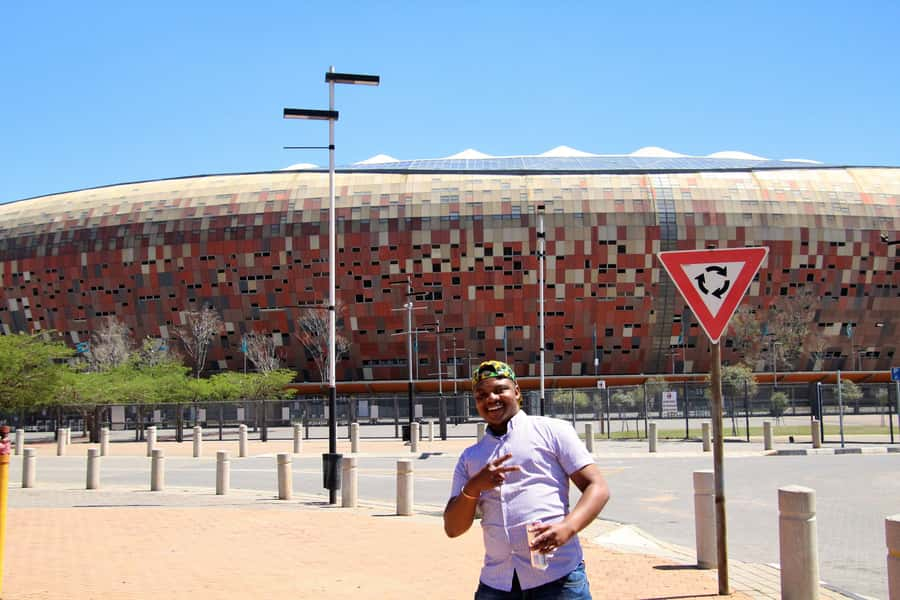
The first major sight is the National Football Stadium, used for the opening and closing ceremonies of the 2010 World Cup. It is a brief visual introduction to Johannesburg’s modern sporting identity rather than a full stadium visit. If you are hoping to tour inside, this experience does not promise that.
The drive takes about 45 minutes each way, depending on traffic. That means roughly an hour and a half of the five-hour experience is spent on the road. The benefit is convenient door-to-door transport. The tradeoff is that the tour cannot give every stop the time it deserves.
Your guide uses the drive to explain what is coming next. That matters here. The township’s political history is not always obvious from the road, so advance explanation makes the later stops more meaningful.
Diepkloof: A Walk Through Everyday Commerce
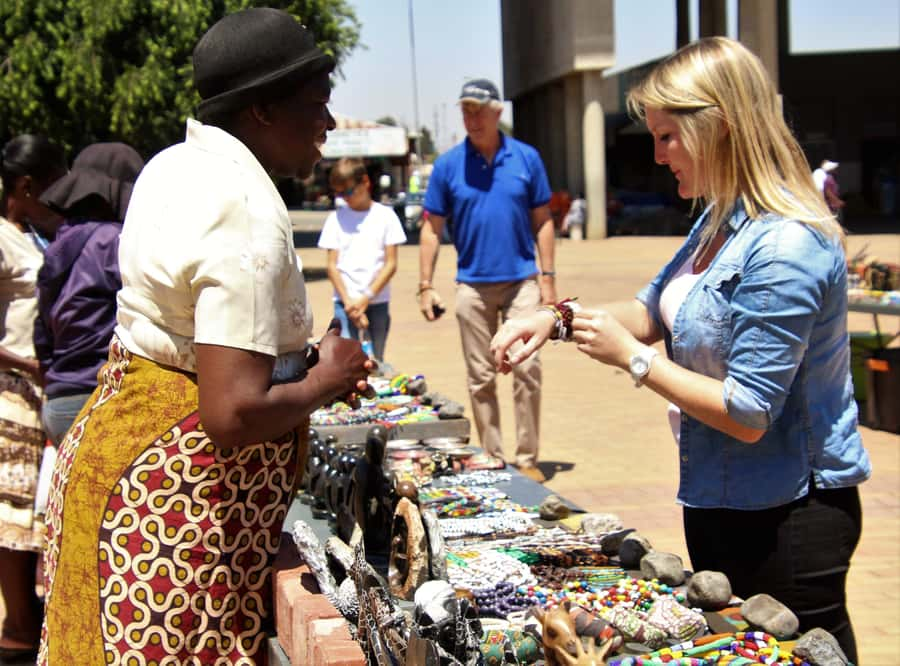
In Diepkloof, you leave the vehicle for a walk of about 30 minutes. Vendors sell a wide range of everyday goods, and this is your first close look at local commerce rather than a formal attraction.
The stop helps break up the driving and gives you a sense of movement and routine. You can watch people shop, walk through the area, and ask questions about the neighborhood. It is a good place to pay attention to the small details, such as the goods being sold and the way public space is used.
Keep your camera away until your guide makes clear that photography is welcome. The tour is about meeting a place with dignity, not collecting images of people without permission. Your guide is the best person to tell you when a photo is appropriate.
Vilakazi Street and the Homes of Mandela and Tutu
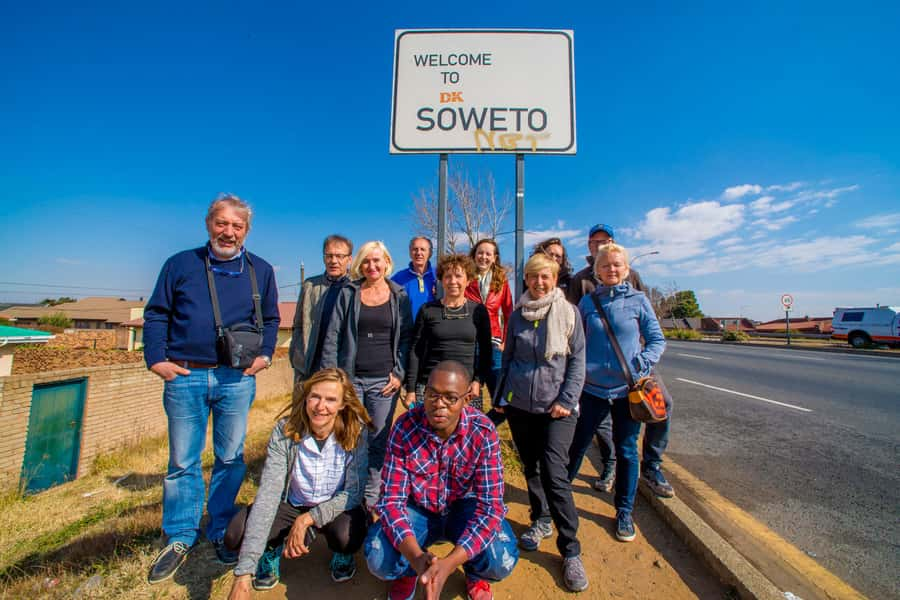
The tour then reaches Orlando West and Vilakazi Street, the most famous address on the route. This street is associated with two Nobel Peace Prize winners: Nelson Mandela, whose former home is now a museum, and Archbishop Emeritus Desmond Tutu, whose current home is also viewed from outside.
The chance to see both homes on one street is unusual. You are looking at ordinary residential buildings that became important because of the people who lived there and the political changes connected with them.
The tour drives past Mandela House and allows time for photographs. Entry into the Nelson Mandela House Museum is not included, so you need to pay separately on arrival if you want to go inside. This is an important distinction when comparing the tour with a longer Soweto visit.
Mandela House can add depth if you want to see rooms and personal objects rather than only the exterior. But adding it to a five-hour route may make the rest of the day feel tighter. If your priority is a broad introduction to Soweto, viewing the house from outside may be enough. If Mandela’s personal story is your main interest, budget extra time and money for the museum.
Vilakazi Street can also be busy with visitors and local activity. Your guide helps separate the famous address from the wider Orlando West community, so you do not reduce the neighborhood to a single political story.
Other township visits from Johannesburg:
- Half-Day Tour of Soweto Tour
★ 4.5 · 712 reviews - Soweto: Walking Tour with a Local Guide and Lunch
★ 4.9 · 648 reviews - Jo’berg in 1 Day: Soweto, Apartheid Museum & City Tour
★ 4.8 · 524 reviews - Johannesburg: Full-Day Tour with Soweto and Apartheid Museum
★ 4.8 · 478 reviews
Hector Pieterson Museum and the Soweto Uprising
The most serious stop is the Hector Pieterson Museum. Entry is included, unlike the Mandela House Museum. The museum focuses on the Soweto uprising of June 16, 1976, when students protested against the compulsory use of Afrikaans in schools.
Hector Pieterson, a young boy, became a symbol of the violence after he was shot during the protest. The famous photograph of his body being carried through the streets helped show the world what was happening in Soweto. The museum explains the event and its role in the wider struggle against apartheid.
Allow yourself emotional space here. This is not a light sightseeing stop, and the material can be difficult. One account of the tour describes the memorial visit as deeply moving, which is a fair warning. The museum is valuable because it connects a specific tragedy to education, youth activism, and the eventual liberation of South Africa.
Guides often prepare you for the museum during the drive. That makes the exhibits easier to follow and prevents the visit from feeling like a sudden, unexplained change in tone. You can ask questions before or after the visit, though the short schedule may limit long discussion.
The museum is one of the strongest reasons to choose this tour over a simple drive around Soweto. It gives you a factual base for understanding the streets, schools, and memorials you see later.
Regina Mundi Church and the Role of Faith
Regina Mundi Church is another included stop. The church played an important role during apartheid and became a place where people could gather, speak, and seek support when political activity was heavily controlled.
The interior visit adds another layer to the tour. Soweto’s story is not only about politicians and protest marches. Churches, schools, families, and local organizations also helped people resist injustice and protect one another.
Your guide’s explanation matters here because the building itself may not tell you why it is important. This is a stop where a short, clear account can do more than a long list of dates. The church entry is included in the price, so there is no extra admission cost at this point.
Visiting an Informal Settlement With Care
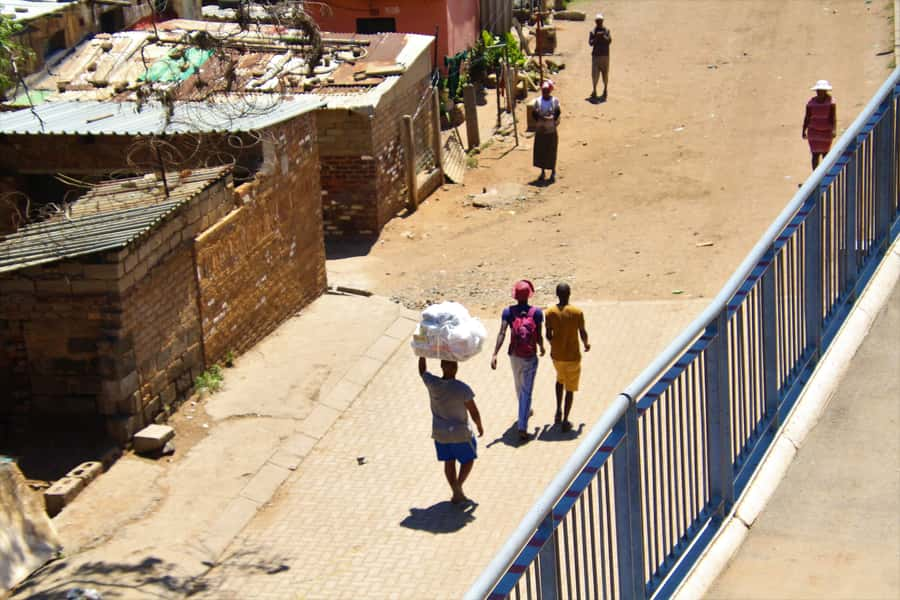
The tour continues into an informal settlement, described in the program as a shanty town. You may have the chance to interact with local residents and see living conditions that are very different from those in Johannesburg’s commercial districts.
This is the most complicated part of the experience. It can help you understand housing inequality and the practical challenges faced by residents. Several people who took similar visits found the local welcome generous and the guide’s explanations useful.
At the same time, you may feel uncomfortable looking at poverty as part of a sightseeing route. That reaction is reasonable. One visitor felt that entering people’s homes crossed a privacy line, while another appreciated the chance to learn how residents live. You should decide in advance what kind of contact feels respectful to you.
Follow your guide’s instructions, ask before taking photographs, and do not treat children or homes as scenery. You may hear suggestions about small donations or purchases, but the activity information does not require cash. If you bring money, use it thoughtfully and do not assume that anyone owes you a performance or a conversation.
Some older advice connected with this type of tour suggests bringing sweets, pencils, or small gifts for children. I would not treat that as a requirement. Ask your guide what is appropriate, and remember that direct, respectful interaction is more important than handing out items.
This stop is not polished, and that is precisely why it can be informative. It also demands more from you than a museum visit. If you want only historic landmarks, you may prefer to skip the informal settlement portion or choose a different activity.
The Cooling Towers, University Campus, and Baragwanath Hospital
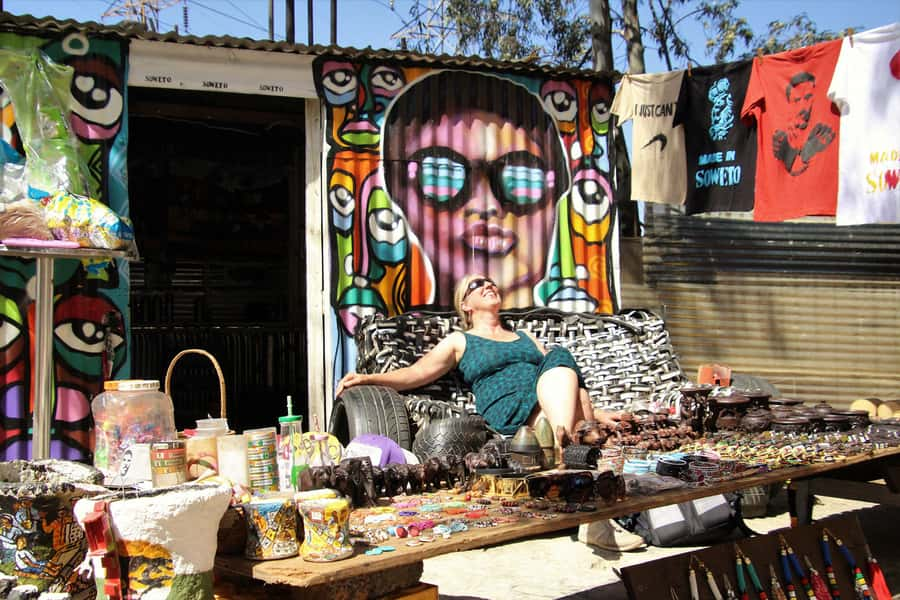
The route continues by vehicle through more of Soweto. You see the famous cooling towers, which have become one of the area’s recognizable visual markers. They offer a strong photo stop, though the schedule may not allow a long break.
You also pass the Soweto Campus of the University of Johannesburg. This connects the township to education and current public life, not only to apartheid-era events. The route then ends its Soweto section with a view of Chris Hani Baragwanath Hospital.
Baragwanath is widely described as the largest hospital in the world. The tour provides a view rather than an interior visit, so treat it as a final landmark and talking point, not as a hospital tour.
The Baragwanath Taxi Rank is also included among the sights along the route. It shows the importance of public transport in a large township where people need to move between homes, work, schools, and the city. These drive-by sights may seem brief, but they help you see Soweto as a functioning urban community rather than a memorial district.
What $74 Buys You
At $74 per person, this is not the cheapest way to see Soweto, but the package offers solid value for a five-hour introduction. You receive Johannesburg pickup, transport in a comfortable vehicle, an English-speaking guide, Hector Pieterson Museum entry, Regina Mundi Church entry, and onboard WiFi.
You also get a route that would be difficult to organize efficiently on your own in half a day. The cost covers the convenience of moving between Diepkloof, Orlando West, Vilakazi Street, the museum, the informal settlement, and the western sights without arranging separate transport.
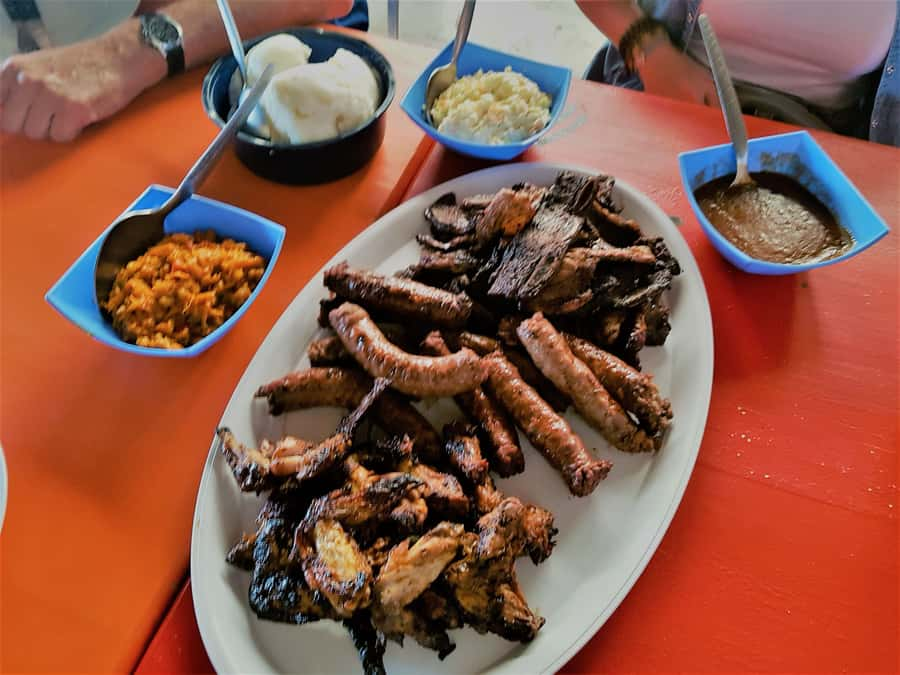
The main extra cost is the Nelson Mandela House Museum. Food, personal purchases, and anything bought during the visit are also outside the price. If you want to keep spending simple, plan for the included stops and decide on Mandela House before you go.
The value depends on your priorities. I think it is good for a first visit, especially if you want history, local context, and a broad route in one morning or afternoon. It is less suitable if you prefer slow photography, long museum visits, or extended conversations in one neighborhood.
Timing, Comfort, and Accessibility
The full activity lasts five hours, including the drives to and from Johannesburg. The walking portion in Diepkloof lasts about 30 minutes, while Vilakazi Street receives about an hour of sightseeing time. Other stops are shorter, so expect a steady pace.
The schedule can be affected by traffic or local events. A four-star account describes disrupted timings, although the guide adjusted the route. Another person felt that an extra hour would have made the day more relaxed. That is useful to keep in mind when planning a flight, museum booking, or other fixed appointment afterward.
Pickup is available from Johannesburg accommodation. The tour is wheelchair accessible, though you should still confirm the exact pickup and vehicle arrangements when booking if you have specific mobility needs.
Cancellation is free up to 24 hours before departure, and you can reserve now and pay later. Starting times vary, so check availability for the date you want.
Who Should Book This Soweto Tour?
I would choose this tour if you want a strong introduction to Soweto without committing a full day. It suits first-time visitors to Johannesburg, people interested in apartheid history, and anyone who wants a local guide to explain the area’s present-day life.
It is also useful for solo visitors. One person who booked alone still received the tour and reported learning a great deal from the guide. The guides are used to answering questions, helping with photographs, and keeping you comfortable as the day moves along.
I would be more cautious if you dislike emotionally difficult museums or feel uneasy about visits to poor communities. The informal settlement can be meaningful, but it is not an attraction in the usual sense. You need to approach it with humility and accept that the experience may challenge your expectations.
Final Verdict: A Worthwhile First Look at Soweto
Book this tour if you want the key Soweto landmarks, a serious account of the 1976 uprising, and a look at present-day township life in one organized half-day. The guides are the biggest strength, and the included museum and church entries make the $74 price reasonable.
Choose a longer or more specialized tour if you want to spend substantial time inside Mandela House, linger in one neighborhood, or explore Soweto at a slower pace. For most visitors with limited time in Johannesburg, this is a useful and thought-provoking introduction, provided you are ready to treat the informal settlement visit as a human encounter rather than a photo opportunity.
FAQ
How long does the Soweto tour last?
The tour lasts five hours, including pickup, transport from Johannesburg, sightseeing, and the return journey.
Where does pickup take place?
Pickup is available from your accommodation in Johannesburg.
Is an English-speaking guide included?
Yes. The tour has a live English-speaking guide, and the activity information lists English as the available language.
Is entry to the Nelson Mandela House Museum included?
No. You can visit it as an optional extra, with admission paid on arrival.
Is the Hector Pieterson Museum included?
Yes. Entry to the Hector Pieterson Museum is included in the tour price.
What other places are included?
The route includes Diepkloof, Vilakazi Street, views of Mandela House, Desmond Tutu’s home, Winnie Mandela’s home, Regina Mundi Church, an informal settlement, the cooling towers, the Soweto Campus of the University of Johannesburg, Baragwanath Taxi Rank, and views of Chris Hani Baragwanath Hospital.
Can I cancel the booking?
Yes. You can cancel up to 24 hours before departure for a full refund. You can also reserve the activity and pay later.
Just added in Johannesburg
- Soweto Tuk-Tuk Food & Beer Tour★ 5.0 · 9 reviews
- Soweto Tour; Mandela House; Vilakazi Street; Market Culture★ 5.0 · 6 reviews
- Soweto & Johannesburg and Apartheid Museum★ 4.7 · 41 reviews
- Soweto Township Tour★ 4.4 · 4 reviews
- Soweto: Sip & Paint Walking Tour & Take Home a Canvas★ 4.8 · 7 reviews
- Private Soweto,Mandela House,Apartheid Museum,Constitution★ 4.6 · 15 reviews
- Soweto Food & Beer Bike Tour★ 4.9 · 40 reviews
- Soweto and apartheid museum tour(Half-day)★ 5.0 · 4 reviews
Soweto & Township Tours, compared.

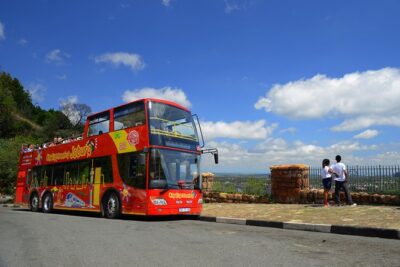
Johannesburg Hop-On Hop-Off City Tour with Soweto Option
Read our review →


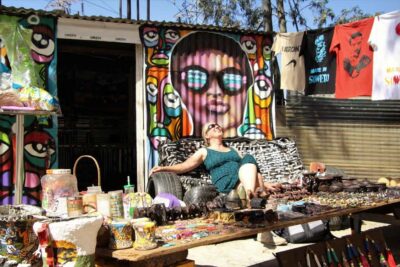
Jo’berg in 1 Day: Soweto, Apartheid Museum & City Tour
Read our review →
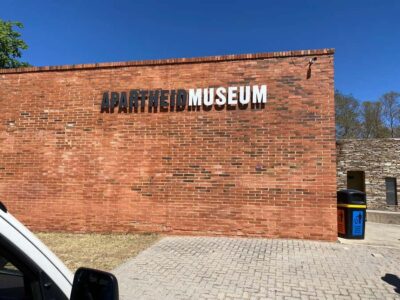
Full-Day Tour with Soweto and Apartheid Museum
Read our review →Browse the lists this tour appears in