

Reviewed · SOUTH AFRICAN FOOD TOURS
Johannesburg: Pan-African Cooking & Dinning Experience
Johannesburg’s Pan-African Cooking and Dining Experience turns a meal into a hands-on cultural exchange. You shop for ingredients, cook in a local home, and sit down with the chef to talk about food, family, nutrition, and African traditions. I like the personal setting and the chance to choose between a vegan organic menu and a meat option. The main caution is that pickup timing and the market portion may vary, so keep your schedule loose.
I also like that the meal reaches beyond one national style. The chef may explain food from across the continent, then focus the cooking on one country with a guest chef or local host. The experience costs about $102 per person, which is fair if you value transport, instruction, drinks, and a full meal, but less compelling if you expect a formal cooking school with measured recipes and advanced spice work.
Key points to know
- Shop before you cook: Begin with a local market or supermarket visit, where the chef introduces ingredients and their place in African food traditions.
- Cook in a real home: The setting is informal and social, with cooking tasks shared among the group.
- Choose your menu: Select a vegan organic option or a meat-based meal when booking.
- Expect a three-course-style gathering: The program includes a starter, main course, and dining time, with some sessions also offering dessert.
- Ask about your host: Chef Tee and Nonhlanhla Noni Godole have both led warmly received sessions.
- Build in extra time: The advertised length is 210 minutes to four hours, and pickup can run late.
A Johannesburg meal that begins at the market
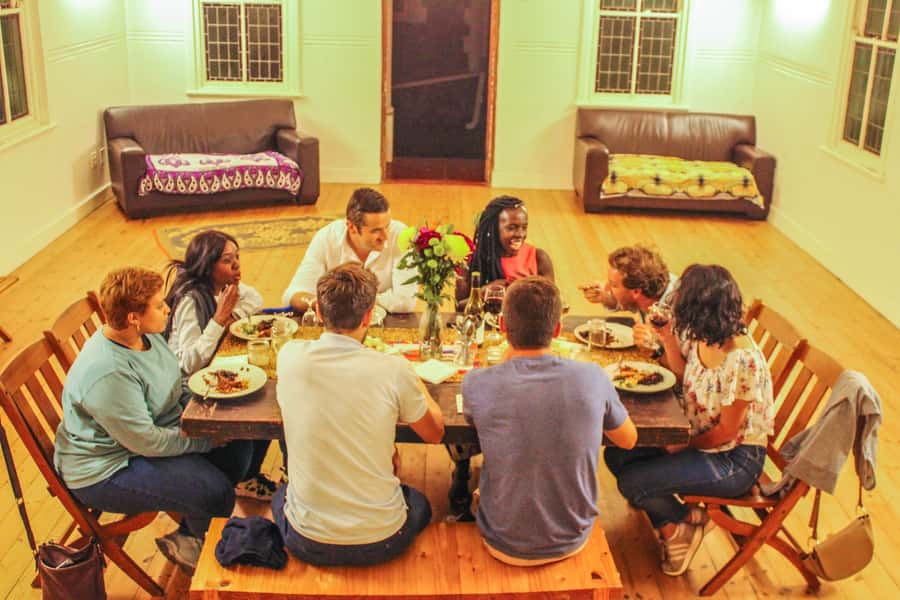
This experience is built around the idea that food tells a story. Rather than arriving at a restaurant and watching someone else cook, you begin by helping gather the raw materials. That small change matters. You see what the chef selects, hear why an ingredient belongs in the dish, and get a better sense of how food fits into daily life.
Pickup is offered in Sandton and within 10 kilometers of the city center. Sandton is included, and both pickup and return transport are part of the price. That is useful in Johannesburg, where arranging transport after an evening meal can add cost and hassle.
The full program lasts about three and a half to four hours, though the schedule can stretch. One important practical point is that pickup has not always run on time. If you book a late afternoon start, avoid putting a show, dinner reservation, or airport transfer immediately afterward. Contact the operator if the vehicle is delayed rather than assuming the original pickup time is firm.
Other eating and drinking in Johannesburg:
- Cape Town: Malay Cooking Class and Lunch in Bo-Kaap
★ 4.8 · 515 reviews - The Cape Town Essentials Food Tour
★ 5.0 · 385 reviews - Full-Day All Inclusive Safari with Traditional Braai Lunch
★ 4.8 · 345 reviews
What the market visit actually adds
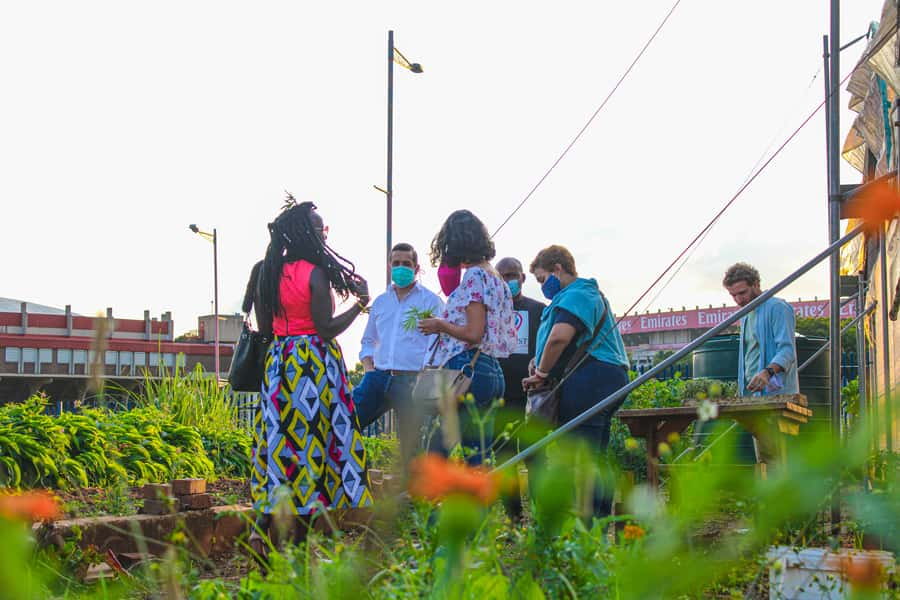
The first stop is either a local open-air market or a supermarket, depending on the day. A chef walks with you and points out produce, spices, and other ingredients that will shape the meal. You also hear about their cultural meaning and links to African cooking.
This is not described as a long market tour, and you should not assume a large food hall or a polished culinary market. One reported outing used a very small market with only a handful of stalls in a dark alley. That sounds far less atmospheric than the phrase local market might suggest. If the market stop is important to you, ask ahead whether the day’s plan is an open-air market or a supermarket.
The supermarket option may sound less romantic, but it can still be useful. It may offer a clearer look at the everyday products people actually buy, rather than a display designed for sightseers. The value of this part depends heavily on the chef’s explanations and the freshness of the shopping plan.
I would treat the market visit as an introduction, not the main event. The cooking and time around the table are likely to be the strongest parts of the evening.
Arriving at a Johannesburg home
After shopping, you go to a local home for the cooking session. You are welcomed with a locally produced bottle of wine to share, or with juice and nonalcoholic drinks. Past sessions have included lemon and papaya-infused water and hibiscus tea with ginger, though you should not expect those exact drinks every time.
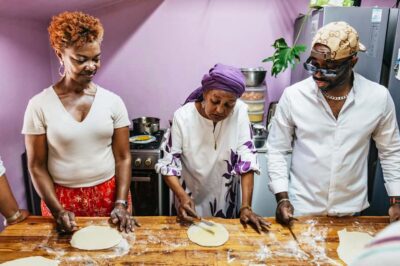
The host gives a short tour, explains house rules, and assigns simple tasks. This is a good fit if you like being part of the action. You may chop, mix, season, prepare vegetables, or help with other steps as the meal comes together. The details depend on the menu and group.
The home setting is both the experience’s greatest strength and its clearest limitation. It can feel warm and personal in a way a commercial kitchen rarely does. You get conversation, family-style hospitality, and a look at how cooking works in an ordinary home environment.
At the same time, this is not necessarily a professional teaching kitchen. Space, equipment, timing, and organization may be informal. If you want exact measurements, printed recipes, and a carefully staged lesson, ask what materials are provided before booking.
Cooking Pan-African dishes with your host
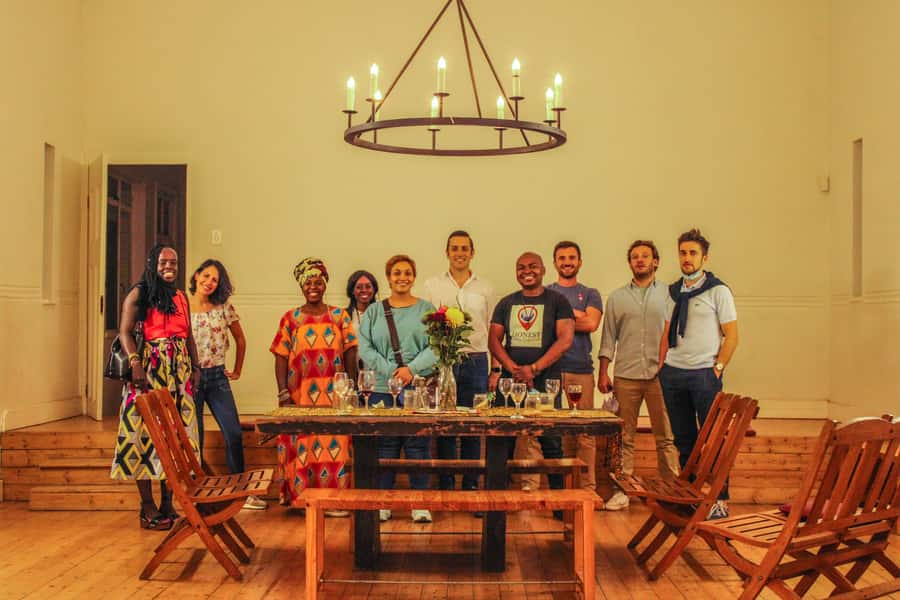
The central cooking session focuses on a starter and main course, with dishes drawn from different parts of Africa. The point is not to present one single national cuisine as African food. Instead, the host may explain how cooking varies by country, region, ingredients, and household tradition.
Some sessions are led as a journey into one country’s cuisine with a guest chef. Others may bring together several styles. That variety is appealing, but it also means the menu may not be fixed in the way it would be at a formal cooking school.
You can choose between a vegan organic option and a meat option. This is one of the most useful details to settle when booking. If you have allergies or strict dietary needs, explain them before the activity begins. The supplied information confirms the two broad menu choices, but it does not promise that every allergy or preference can be handled.
Past meals have included vegetables and meat, dishes cooked in the kitchen, and meat prepared outdoors on a grill. Another session used wood fires, a concrete oven, and a long grill with several pots cooking at once. These details suggest that the cooking method can vary by host and menu, which is part of the home-based character of the activity.
One caution is worth keeping in mind. At least one evening felt less like a spice lesson and more like a relaxed home meal, with store-bought curry powder mixes used in the cooking. If your main goal is to identify and grind individual spices, ask the host to explain the spice blend and cooking method as you go. You may need to be active with your questions.
Other classes where you do the cooking in Johannesburg:
- Authentic African Cuisine Cooking Experience
★ 5.0 · 236 reviews - Cape Town: Cape Malay Cooking Class in Bo-Kaap
★ 4.8 · 120 reviews - Cape Town: Bo-Kapp Walking Tour and Malay Cooking Class
★ 4.7 · 105 reviews - Half-Day Small Group Cooking Experience in Franschhoek
★ 5.0 · 74 reviews
Nutrition, homegrown food, and the stories behind the meal
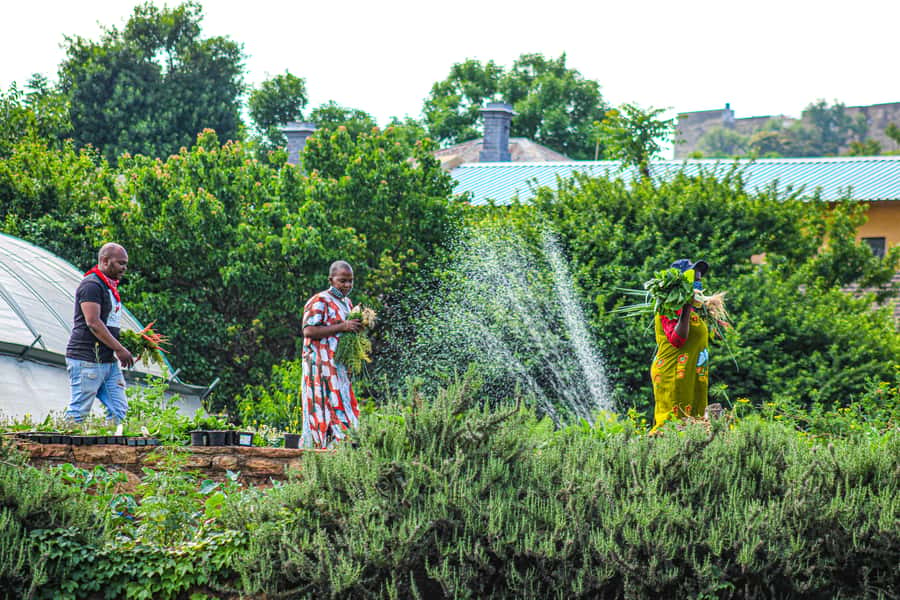
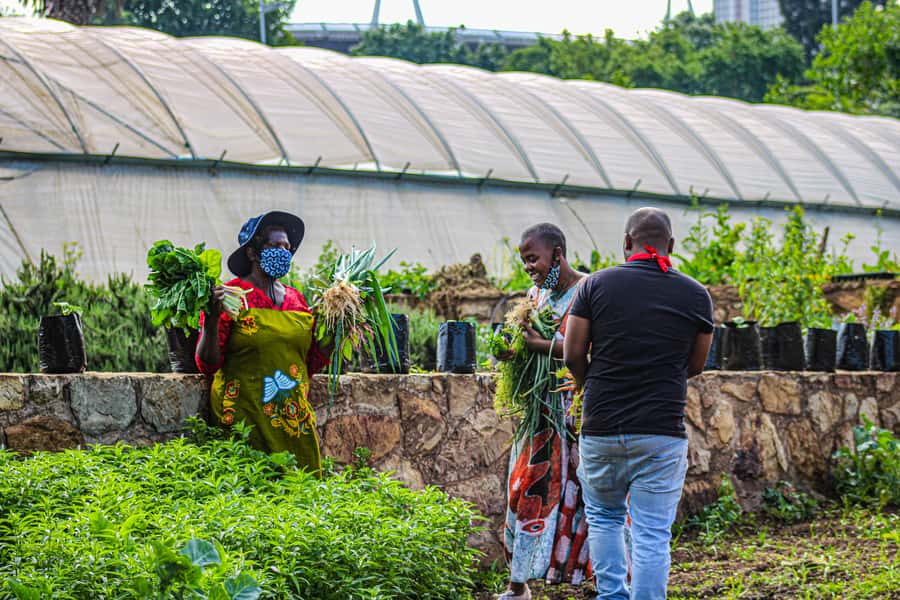
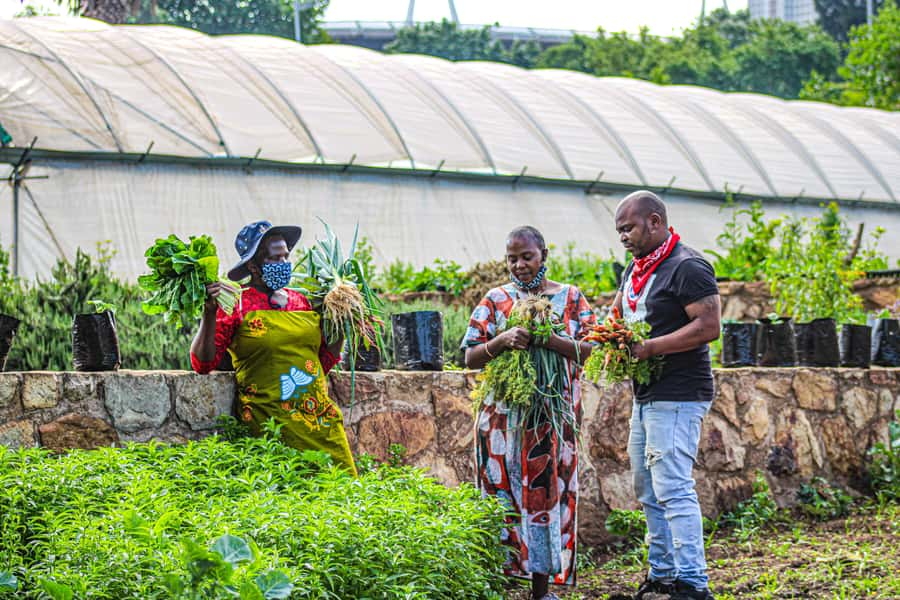
The experience also includes discussion of nutrition, healthy eating, and homegrown food. This gives the meal a wider purpose. You are not only learning how a dish tastes, but also how food choices connect with health, household habits, and local growing.
The storytelling portion comes after the cooking. Everyone sits at the table, shares the meal, and hears about the chef’s personal path and culinary background. You may share your own stories too, but there is no requirement to speak in front of the group.
That relaxed format suits solo visitors particularly well. You have a natural way to meet people without needing to make conversation from scratch. Couples can treat it as an unusual date, while families and small groups get an activity that keeps everyone involved.
The setting also helps explain why some people rate this experience so highly. Strong sessions have included homemade drinks, several cooked dishes, candlelit table conversation, and a feeling of being welcomed into the household. Chef Tee has been praised for making people feel at home and teaching the background of South African food. Nonhlanhla Noni Godole has also been singled out for explaining spices, ingredients, and food history while cooking outdoors over wood fires.
Because the host shapes the evening, the tone may differ from one booking to another. I would ask who is leading the session and what the planned menu will be if those details matter to you.
Eating the meal you helped prepare
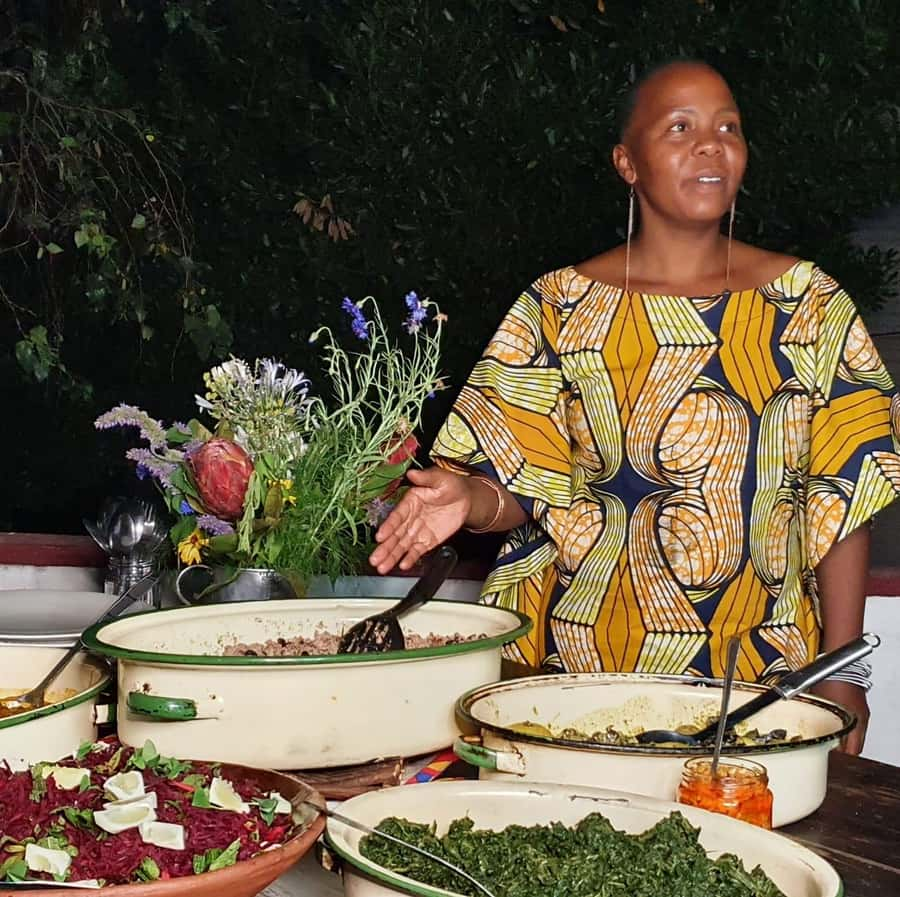
The meal normally includes a starter and main course, with local wine and beer available as part of the dining atmosphere. One shared bottle of wine is included. Extra alcoholic drinks cost more and are not part of the package.
The food is meant to be eaten together, not rushed through as a final course. That is important. The meal is where the market visit, cooking lesson, and personal conversation come together. You get to taste the result and ask about flavors while they are still fresh in your mind.
Some accounts describe especially generous meals, including several meat dishes cooked outdoors and dessert at the end. Those additions may depend on the host and menu, so I would not book expecting a set number of dishes beyond the stated starter and main course.
If you select the vegan option, the same social experience remains available, but the dishes will differ. The organic vegan choice is useful for plant-based eaters who want more than a token side dish. Confirm the exact menu before you arrive if you follow a strict vegan diet.
Is $102 a fair price?
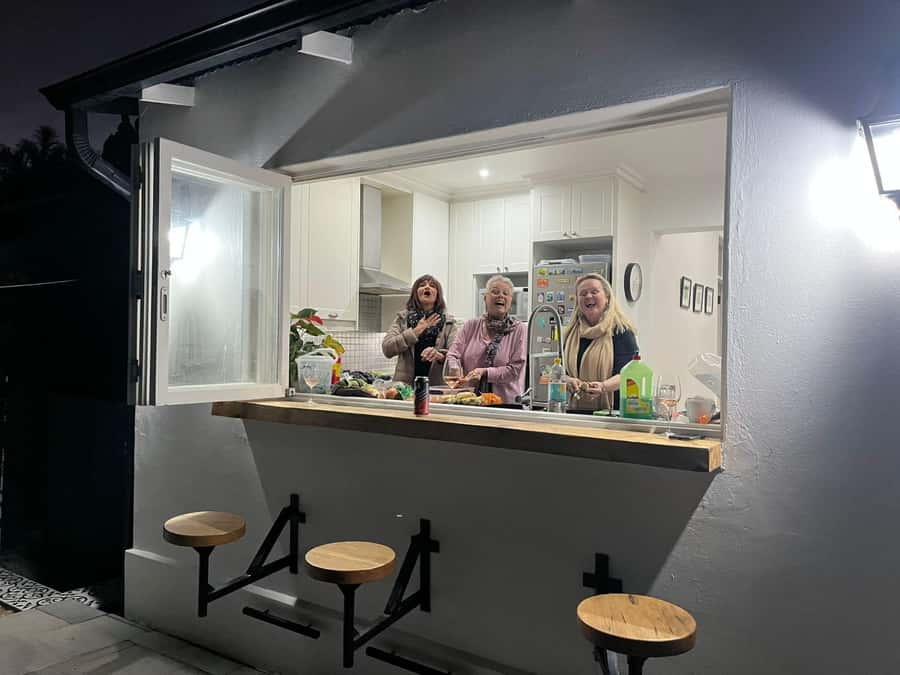
At around $102 per person, this is not a cheap meal. The price includes pickup and return in the covered area, cooking materials, the chef, the dining experience, and a shared welcome bottle of wine. You are paying for an evening rather than just a plate of food.
The value is strongest when you want transport, a small-group setting, ingredient shopping, instruction, and a social meal in one package. It is also useful for a first visit to Johannesburg when you want a structured way to meet local people and learn about food without arranging several separate activities.
The value is weaker if you mainly want a polished cooking course. A late pickup, a very small market stop, or reliance on prepared curry powder can make the price feel high compared with a dedicated culinary school. The experience is best understood as home hospitality with cooking, not as a technical chef-training class.
Small groups are available, and that can improve the experience. Fewer people usually means more chances to handle ingredients and ask questions, though the exact group size is not fixed in the supplied details.
Who will enjoy this most?
I would recommend this for solo visitors, couples, families, and friends who enjoy talking as much as eating. It suits you if you want to learn through participation and do not mind that the evening may be informal.
It is also a good choice if you are curious about African food beyond the restaurant menu. The chef can connect dishes with history, household routines, health, farming, and personal memory. That wider context is the part you will remember after the meal.
I would be more cautious if you need a strict schedule, expect a major market with many vendors, or want detailed instruction on every spice. The experience can be warm and memorable, but it depends on the host’s planning and communication.
The activity is wheelchair accessible, and instruction is available in English and French. Alcohol and drugs are not allowed beyond the included and optional beverage arrangements. Free cancellation is available up to 24 hours before the experience, and you can reserve now and pay later, which helps if your Johannesburg plans are still shifting.
Should you book the Pan-African cooking experience?
Book it if you want a personal evening built around food, conversation, and local hospitality. The strongest version gives you a welcoming host, hands-on cooking, a satisfying meal, and a better understanding of how African cuisines differ from one another.
Before paying, ask three simple questions: Who will host the session, is the market visit an open-air market or supermarket, and what dishes are planned? Also leave a generous time cushion after pickup. With those checks in place, the experience offers something a standard restaurant cannot: you help make the meal, then share it at the same table as the person who taught you.
FAQ
Where does the experience take place?
The activity takes place in Gauteng, with pickup and return available in Sandton and within 10 kilometers of Johannesburg city center. Cooking and dining take place in a local home.
How long does the experience last?
The stated duration is about 210 minutes to four hours. Starting times vary, so you need to check availability when booking.
Is pickup included?
Yes. Pickup and drop-off are included for Sandton and the covered area within 10 kilometers of the city center.
Is a market visit part of the experience?
Yes. The program includes a visit to either a local open-air market or a supermarket, depending on the day.
Can I choose a vegan meal?
Yes. You can choose a vegan organic option or a meat option.
What food will I cook?
You will help prepare Pan-African dishes, including a starter and main course. The exact country, dishes, and cooking methods can vary by host and session.
Are cooking materials included?
Yes. All cooking materials are included.
Is wine included?
A welcome bottle of wine to share is included. Extra alcoholic drinks are not included.
What languages are available?
The instructors can provide the experience in English or French.
Is the activity wheelchair accessible?
Yes, the activity is listed as wheelchair accessible.
Can I cancel for a full refund?
Yes. You can cancel up to 24 hours in advance for a full refund.
Can I reserve now and pay later?
Yes. The activity offers a reserve-now, pay-later option.
Just added in Johannesburg
- Soweto Tuk-Tuk Food & Beer Tour★ 5.0 · 9 reviews
- Soweto: Sip & Paint Walking Tour & Take Home a Canvas★ 4.8 · 7 reviews
- Soweto Tour; Mandela House; Vilakazi Street; Market Culture★ 5.0 · 6 reviews
- Soweto & Johannesburg and Apartheid Museum★ 4.7 · 41 reviews
- Soweto Township Tour★ 4.4 · 4 reviews
- Private Soweto,Mandela House,Apartheid Museum,Constitution★ 4.6 · 15 reviews
- Soweto Food & Beer Bike Tour★ 4.9 · 40 reviews
- Johannesburg: Soweto History Tour with Hotel Pickup★ 4.8 · 14 reviews
South African Food Tours, compared.

Full-Day All Inclusive Safari with Traditional Braai Lunch
Read our review →
Addo Elephant Full Day Safari with a Traditional South African Braai (BBQ) Lunch
Read our review →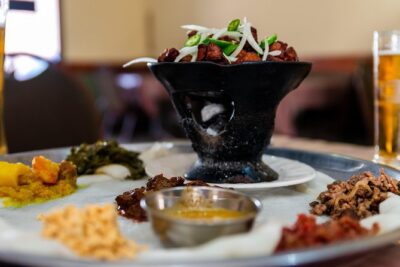
Browse the lists this tour appears in