
Reviewed · SOUTH AFRICAN FOOD TOURS
The Cape Town Essentials Food Tour
Cape Town’s food story is best understood on foot, and this four-hour tour gives you a useful slice of it. You move from the colorful Bo-Kaap to Bree Street, Heritage Square, De Waterkant, and a classic sports bar, eating and drinking as the city changes around you.
I like the small-group format, which makes it easier to ask questions and keep up with the guide. I also like the mix of Cape Malay cooking, South African classics, wine, beer, and local drinks, rather than a tour built around one restaurant. The main thing to consider is that this is a walking and tasting tour, not a giant progressive feast. Some people leave full, but others find the portions moderate enough that breakfast is still a good idea.
Key points
- Bo-Kaap sets the tone: Begin with Cape Malay culture, local food, and stories in one of Cape Town’s most distinctive neighborhoods.
- About 2 kilometers on foot: The route is manageable, but you will be outside for most of the four hours.
- Several food traditions in one outing: Expect South African dishes, Cape Malay flavors, snacks, drinks, coffee, and tea.
- Olivia is a memorable guide: Her warmth, personal stories, and easy conversation have made her a favorite guide on this route.
- The finish is part of the experience: End at an old South African sports bar, except on Mondays, when the tour ends in the city center.
- Plan around dietary needs: Vegetarian and gluten-friendly options are available, but serious allergies cannot be guaranteed fully free of traces.
Why this is a smart first-day tour in Cape Town
This tour works well near the beginning of a Cape Town visit because it helps you understand the central city before you spend time at the major sights. You get your bearings through neighborhoods, restaurants, courtyards, bars, and streets that are easy to miss from a sightseeing bus.
The route is not designed as a formal culinary class. You will not spend hours watching a chef prepare one dish. Instead, you walk between several stops while your guide explains how Cape Town’s food reflects its people, trade routes, communities, and changing city life.
I especially like this approach because food gives the history a practical edge. You are not only hearing about Cape Malay culture in Bo-Kaap. You are tasting food connected with it. You are not only being told that Bree Street is a major restaurant district. You are walking through it and stopping to eat.
The group is kept small, with the tour information describing a maximum of 12 people and the highlights presenting it as no more than 10. Either way, this is a much more personal setup than a large coach outing. The guide can keep the group together, explain dishes at a natural pace, and make room for questions.
Other eating and drinking in Cape Town:
- Cape Town: Malay Cooking Class and Lunch in Bo-Kaap
★ 4.8 · 515 reviews - Cape Town: V&A Waterfront Gin Voyage Cruise
★ 4.6 · 238 reviews - Authentic African Cuisine Cooking Experience
★ 5.0 · 236 reviews
Starting with Cape Malay flavor in Bo-Kaap
The meeting point is Bokaap Deli on Church Street. This puts you directly in Bo-Kaap, rather than making you wait through a long transfer before the food begins.
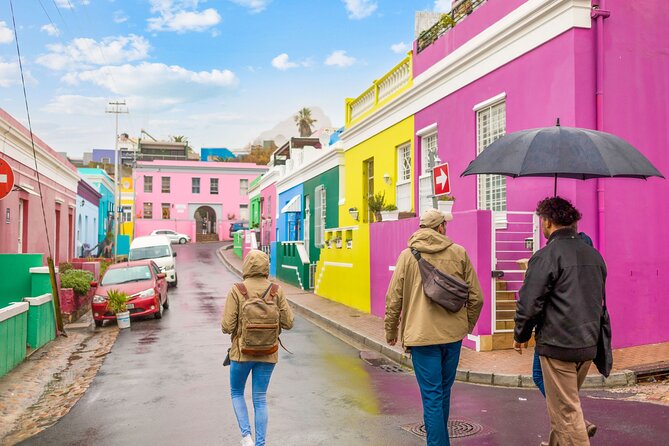
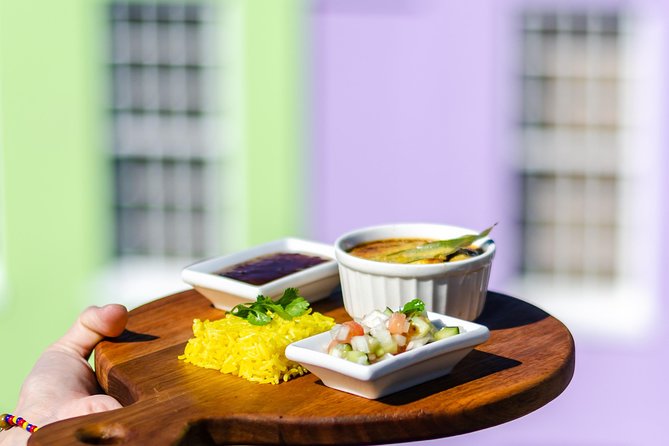
Bo-Kaap is one of Cape Town’s most recognizable areas, with brightly painted homes and a strong Cape Malay identity. The first hour is used to walk, taste, and learn about the neighborhood. That combination matters. The food is not treated as a detached restaurant sample. It is connected to the people and culture of the area.
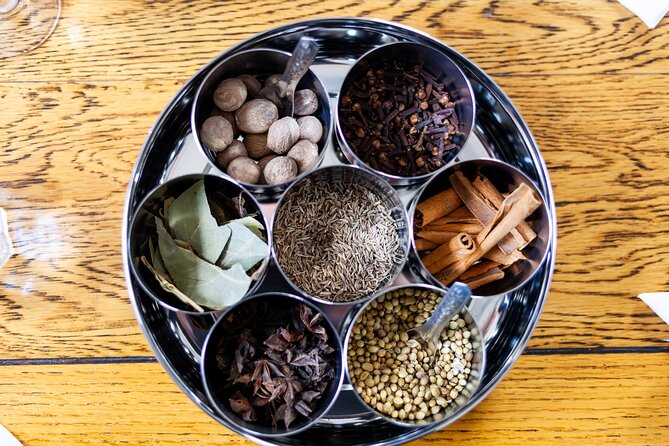
You might stop at a spice shop or a place of local interest along the way. The exact tasting selection can vary, since food is arranged in advance and the tour works with local venues. Still, the focus is clear: you are being introduced to flavors you might not order on your own.
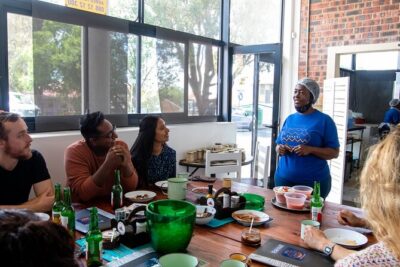
This is also where a good guide makes a big difference. Olivia has been especially praised for keeping the conversation flowing, explaining food in an approachable way, and sharing personal stories without turning the walk into a lecture. Her style suits people who want context but do not want a dry textbook account of Cape Town.
The streets in Bo-Kaap are not a major physical challenge, but you should wear proper walking shoes. Cape Town weather can change quickly, and you may be standing outside while the guide talks, so bring a light layer or rain protection even if the morning looks clear.
Bree Street and Heritage Square: where food takes center stage
From Bo-Kaap, the group heads toward Bree Street in the city center. This area has one of Cape Town’s strongest concentrations of restaurants, bars, and food businesses, so the change in mood is part of the fun.
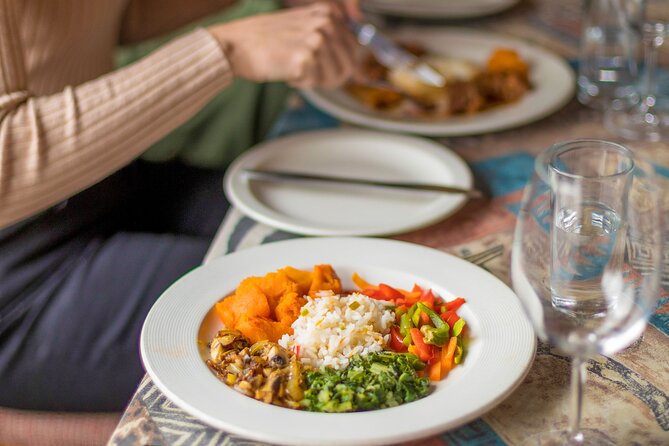
The tour includes time at Heritage Square, a handsome courtyard where you taste South African classics under vines. This is one of the more settled food stops, giving you a chance to sit, eat, and talk rather than simply sample something while standing on a pavement.
South African food can be unfamiliar if this is your first visit. That is a benefit here. You get an introduction to dishes that may not appear on a standard international menu, and the guide provides enough explanation to make the flavors easier to place.
Bobotie has been a favorite for some people on the tour, including those who normally eat little meat and those choosing vegetarian alternatives. You may also encounter dishes from African restaurants and other local specialties. The selection is not presented as a fixed menu in the information provided, so I would avoid booking with one exact dish in mind.
This stop also shows the tour’s balance. Cape Town is not a city with one single food identity. Cape Malay, African, South African, European, and global influences all appear in its restaurants. You will taste some local standards while also seeing how modern Cape Town eats.
De Waterkant adds a more modern side of the city
The route continues into De Waterkant, a polished area near the Cape Quarter Lifestyle Village. Here, the streets are lined with colorful cottages, coffee bars, small shops, galleries, guesthouses, and restaurants from many parts of the world.
This section is less about one historic food tradition and more about how Cape Town’s dining scene has developed. You get a look at a neighborhood that attracts people for its cafés, boutiques, and international choices.
I like the contrast with Bo-Kaap. The first area gives you a strong sense of Cape Malay culture and local identity. De Waterkant shows a more contemporary and outward-looking side of the city. Together, the two neighborhoods help explain why Cape Town’s food scene feels varied without losing its local roots.
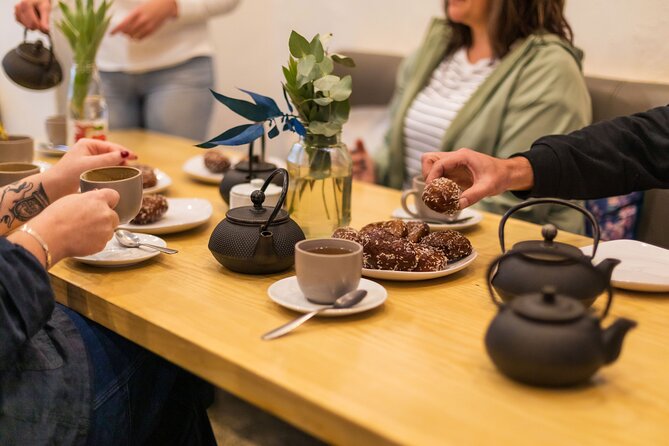
There may be a wine stop here or nearby as part of the tasting sequence. Wine, beer, and nonalcoholic drinks are included, and guests under 18 are offered alternatives. Coffee and tea are also included. One useful point is that the drinks are not merely an optional purchase at the end. They form part of the food-and-culture experience.
Still, drink preferences can be personal. One tasting may appeal to you more than another, particularly if you are not interested in natural wine or alcoholic drinks. The tour does provide alternatives, but a substitute drink will not always recreate the same stop for an adult who wants a particular wine experience.
Same base, a different kind of day out:
- Wine Tour: Paarl, Franschhoek & Stellenbosch incl 3 wineries
★ 5.0 · 3,940 reviews - Cape Town: Hop-On Hop-Off Bus Tour with Optional Cruise
★ 4.8 · 3,929 reviews - Cape Town: Cape of Good Hope & Penguins Day Tour with Pickup
★ 4.7 · 3,362 reviews - Zipline Cape Town – From Foot of Table Mountain Reserve
★ 5.0 · 3,179 reviews
Ending at a South African sports bar
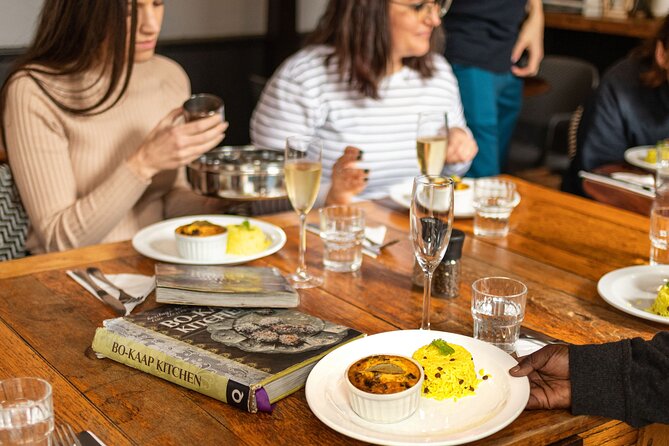
The final hour takes you to one of Cape Town’s older sports bars on the Foreshore. The atmosphere here is different again. Instead of a quiet courtyard or stylish neighborhood café, you finish in a busy local watering hole with a strong display of South African patriotism.
This is a good ending for a tour that wants to show how people actually eat and socialize, not only where visitors take photographs. You eat like a local while taking in the noise and character of a long-established bar.
The atmosphere may suit you if you enjoy casual places with personality. If you prefer a polished restaurant setting for every tasting, this stop could feel rougher around the edges. That is also the point. The tour is trying to show several sides of the city, and a sports bar is part of that picture.
The route does not return to Bo-Kaap. On most days, you finish at the sports bar. On Mondays, the end point is in the city center, a few hundred meters from the usual location. Plan your afternoon around that, especially if you have a timed booking elsewhere or need to collect a car.
How much food do you actually get?
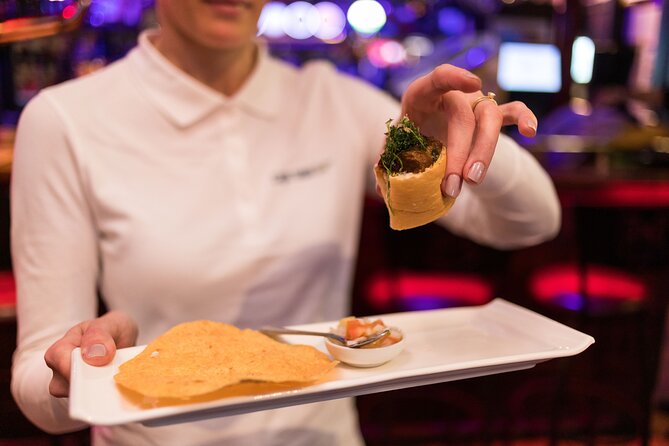
The answer depends on your appetite and the day’s selection. The tour includes food and drink tastings, snacks, alcoholic beverages, and alternatives for people who do not drink alcohol. Some people finish feeling stuffed, while others find the total amount moderate.
I would eat a light breakfast rather than skip food entirely. That gives you enough appetite for the tastings without making you uncomfortable during a two-kilometer walk. You will be eating at several points over four hours, not sitting down to one large meal.
The variety is more important than sheer quantity. You are paying to try different foods and hear the stories behind them, not simply to receive the biggest possible lunch. If your main goal is a huge meal, this may not be the right food tour. If you want a guided introduction to Cape Town’s cooking, the spread makes more sense.
Vegetarian and gluten-friendly diets can be accommodated. The tour can also work around seafood, shellfish, and pork restrictions if you provide the information when booking. Removing meat, carbohydrates, or alcohol can change the experience, though, since these elements are part of the local food focus.
Serious allergies require extra care. The operator cannot promise that every tasting will be completely free from allergens, even when a restriction has been noted. If cross-contact would be dangerous for you, ask specific questions before booking.
Is $113.59 a fair price?

At $113.59 per person, this is not a cheap way to grab lunch. It is a four-hour experience that bundles food, drinks, a local guide, neighborhood walks, and cultural explanation.
The value is strongest if you would otherwise spend money on several separate meals and still want help choosing what to try. You also save the time and guesswork involved in finding suitable local dishes in unfamiliar areas. The guide handles the sequence, the venues, and the background.
The price makes less sense if you only want a quick tasting or if you plan to eat a full restaurant meal immediately afterward. You are also paying for conversation and local interpretation, not only for the ingredients on the plate.
Compared with a large group food outing, the small-group format improves the experience. You can hear the guide more easily and ask about dishes, neighborhoods, and daily life. The exact value depends on how much you enjoy that personal side of travel.
Timing, walking, and practical planning
The tour lasts about four hours and covers roughly 2 kilometers. That is a moderate amount of walking, but the route includes several stops, so it should not feel like a continuous march.
Wear comfortable shoes and dress for changing weather. The tour runs in rain or shine, except when conditions become severe enough for the operator to cancel or change the plan. Cape Town’s weather can turn quickly, so a jacket is sensible even on a pleasant day.
Transportation to and from the experience is not included. You need to reach Bokaap Deli at 114 Church Street, and you need to arrange your own ride from the final stop. Public transportation is nearby, but the operator recommends Uber or hotel-arranged transport, particularly because you do not finish where you started.
Paid street parking is available in Cape Town, but driving is not the simplest choice for a food tour that includes wine and beer. I would use a ride service if that is practical for you.
Children under 15 must be with an adult, and children over age 2 need a regular ticket. Under-18s receive nonalcoholic drinks instead of alcohol. The bar and wine stops may be less engaging for younger children, even though alternatives are provided.
You receive confirmation at booking, and the mobile ticket is convenient for a day of sightseeing. Cancellation is flexible up to 24 hours before the start time, with a full refund. Inside that window, changes and refunds are not accepted. If poor weather or an insufficient number of bookings forces a cancellation, you are offered another date or a full refund.
Who will enjoy this Cape Town food walk?
I would recommend it to first-time visitors who want an introduction to central Cape Town before exploring further. It also suits returning visitors who care more about neighborhoods and food culture than checking off major landmarks.
Couples, solo visitors, and small groups of friends should find the format easy to enjoy. The shared tastings and walking give you natural opportunities to talk with other people, and guides such as Olivia keep the tone relaxed rather than formal.
It is also a good match for people who like trying dishes they would not normally choose. You may leave with new ideas about bobotie, Cape Malay flavors, African cooking, local wine, and South African bar food.
I would think twice if you have severe food allergies, dislike walking, want a fixed menu, or expect one large restaurant meal. Families with very young children should also consider the adult tone of the wine and bar stops.
Should you book the Cape Town Essentials Food Tour?
Book it if you want to understand Cape Town through its neighborhoods and food rather than through landmarks alone. The strongest parts are the Bo-Kaap introduction, the range of tastings, the manageable walking distance, and the personal feel created by a small group and an engaging guide such as Olivia.
Plan on a light breakfast, comfortable shoes, weather protection, and a ride from the end point. Tell the operator about dietary needs in advance, and remember that the tour offers a selection of tastes rather than a guaranteed feast.
For a first day in Cape Town, this is a practical choice. You get a four-hour orientation, several local food experiences, and a clearer sense of where you may want to return for dinner.
FAQ
How long is the Cape Town Essentials Food Tour?
The tour lasts approximately four hours.
How far do you walk?
The tour involves approximately 2 kilometers of walking, with food and drink stops along the way.
Where does the tour start?
It starts at Bokaap Deli, 114 Church Street, Bo-Kaap, Cape Town.
Where does the tour end?
The tour ends at a different location from the starting point, normally at a South African sports bar on the Foreshore. On Mondays, it ends in the city center, a few hundred meters from the usual location.
Are food and drinks included?
Yes. Food tastings, snacks, alcoholic beverages, coffee, and tea are included. Alternative drinks are provided for people who do not consume alcohol.
Can the tour accommodate vegetarians?
Yes. Vegetarian and gluten-friendly diets can be accommodated. The tour can also work around seafood, shellfish, and pork restrictions when you provide those details in advance.
Can the tour guarantee food free from allergens?
No. The operator cannot guarantee that every tasting will be completely free of allergens.
What should I wear?
Wear comfortable clothing and walking shoes. Since much of the tour takes place outdoors and weather can change quickly, bring suitable protection for rain or cooler conditions.
Are children allowed?
Children under 15 must be accompanied by an adult. Children over age 2 require a regular ticket, and guests under 18 receive alternative nonalcoholic drinks.
What happens if I need to cancel?
You can cancel at least 24 hours before the start time for a full refund. Cancellations or changes made within 24 hours are not accepted, except that if the operator cancels because of extreme weather or too few bookings, you are offered another date or a full refund.
More food to try in Cape Town
- Cape Town: Full-Day Winelands Tour with Wine Tastings & Food
★ 4.9 · 1,288 reviews - The 10 Tastings of Cape Town With Locals: Private Food Walking Tour
★ 4.5 · 169 reviews - African Food and Storytelling Tour Cape Town City Centre
★ 5.0 · 61 reviews - Cape Town: Essential Food and Drink Tour
★ 4.9 · 56 reviews
Just added in Cape Town
- Wine Tasting in Cape’s Top Three Winelands Private Tour★ 4.5 · 17 reviews
- Private Tour to Aquila Game Reserve in Cape Town – see the Big5★ 5.0 · 5 reviews
- Private Tour:Cape of Good Hop>Seal island>Chapman’speak &Penguins★ 5.0 · 7 reviews
- Full Day Big 5 Aquila Safari Private Transfers Including Park Fee From Cape Town★ 4.5 · 54 reviews
- Robben Island and Table Mountain Cableway with Bo-Kaap Day Tour★ 5.0 · 8 reviews
- Private Half DayTour:Cape Winelands, Stellenbosch from Cape Town★ 5.0 · 18 reviews
- Private Full Day Cape Town City Scenic and Table Mountain Tour.★ 5.0 · 3 reviews
- Private Tour: Cape Winelands to Stellenbosch & Franschhoek★ 5.0 · 3 reviews
South African Food Tours, compared.

Full-Day All Inclusive Safari with Traditional Braai Lunch
Read our review →
Addo Elephant Full Day Safari with a Traditional South African Braai (BBQ) Lunch
Read our review →
Browse the lists this tour appears in