
Reviewed · BO-KAAP TOURS
Cape Town: Malay Cooking Class and Lunch in Bo-Kaap
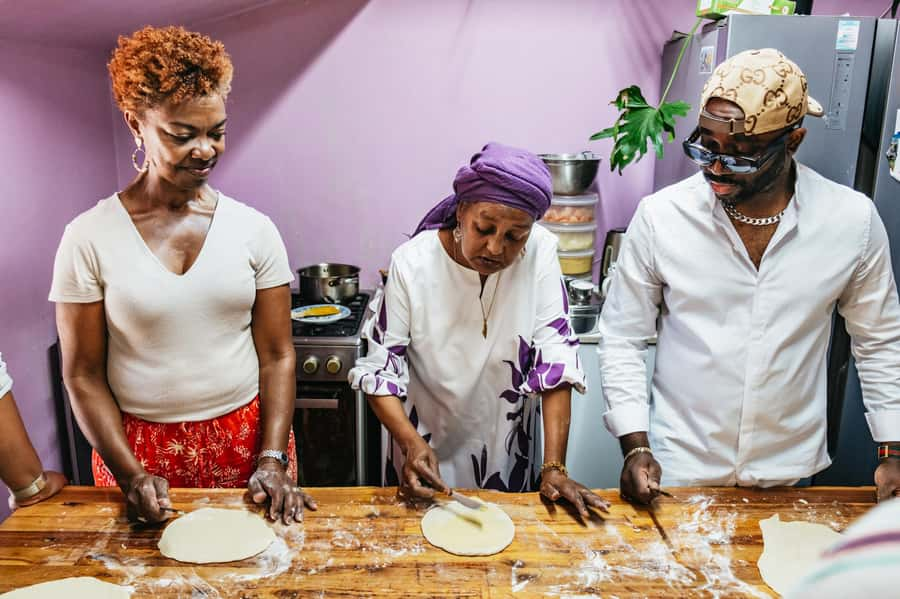
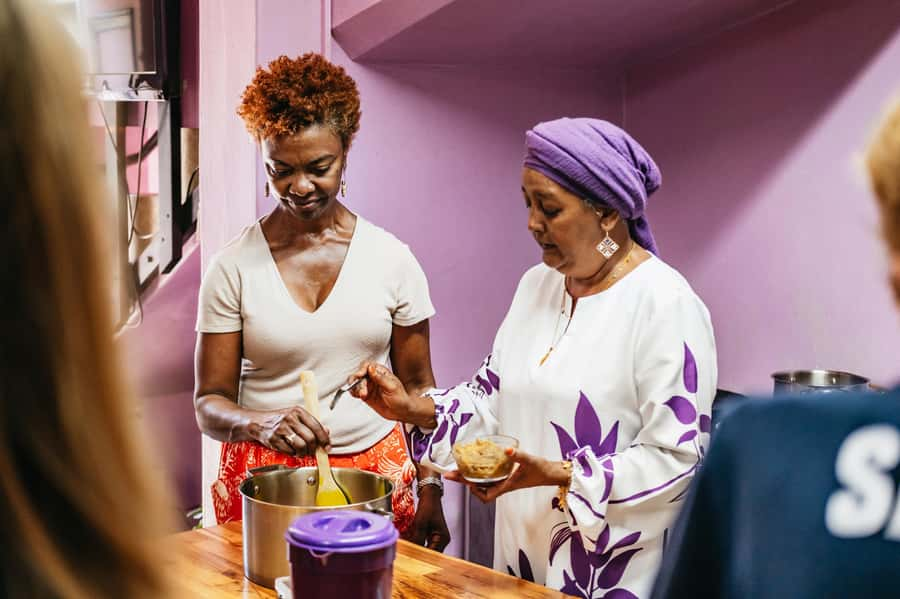
Cape Malay cooking comes alive in a Bo-Kaap home, not behind a restaurant counter. You’ll meet Faldela, learn how spices such as turmeric, fennel, ginger, star anise, and tamarind shape local food, then eat the meal you helped make. I like the home setting and the way cooking opens a door into Cape Town’s Malay heritage. I also like that beginners, solo visitors, and mixed-age groups can join in without cooking pressure.
The main thing to consider is the group size. Most people get involved, but a larger class can mean less hands-on time for each person. Arrive close to the stated start time rather than very early, since one participant had to wait outside before the class began.
Key points to know before you book
- You cook in a local Bo-Kaap home: The setting gives the class a personal feel that a standard food tour cannot match.
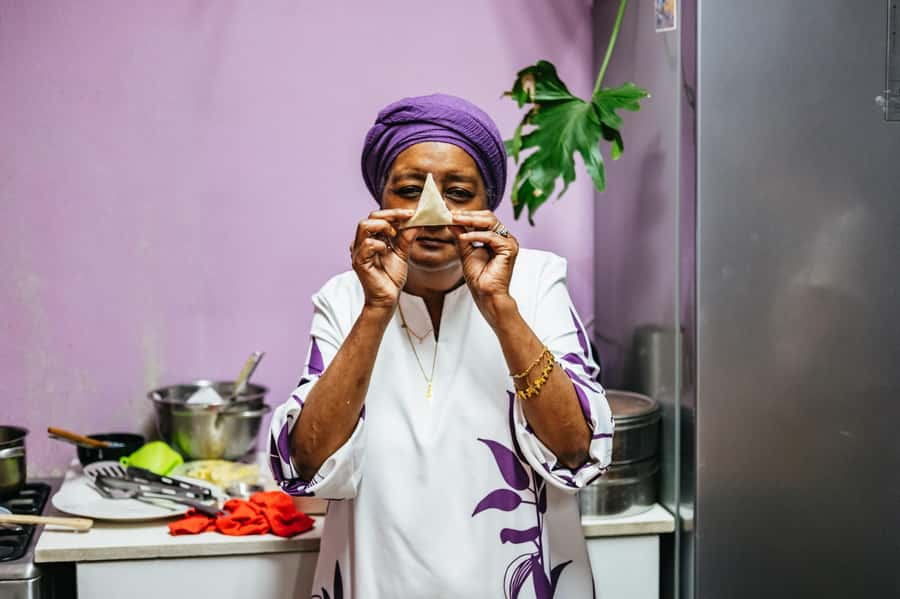
- Faldela is the central guide: Expect a warm, funny teaching style, personal stories, and practical advice about spices and Cape Malay food.
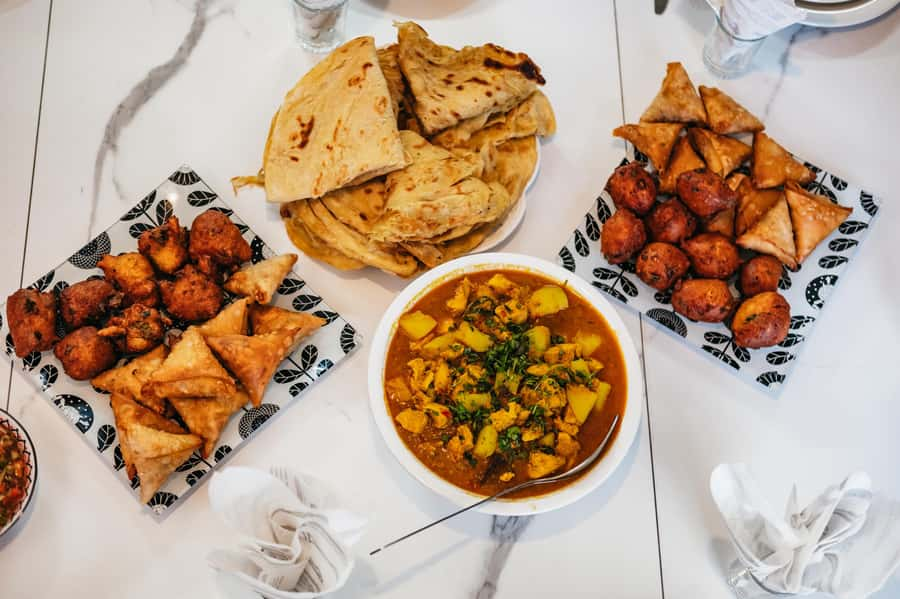
- The meal may include several dishes: Past classes have featured curries, rotis, samosas, salads, juice, desserts, stews, and other sauce-based foods.
- You eat what you prepare: Lunch is part of the experience, with soft drinks included.
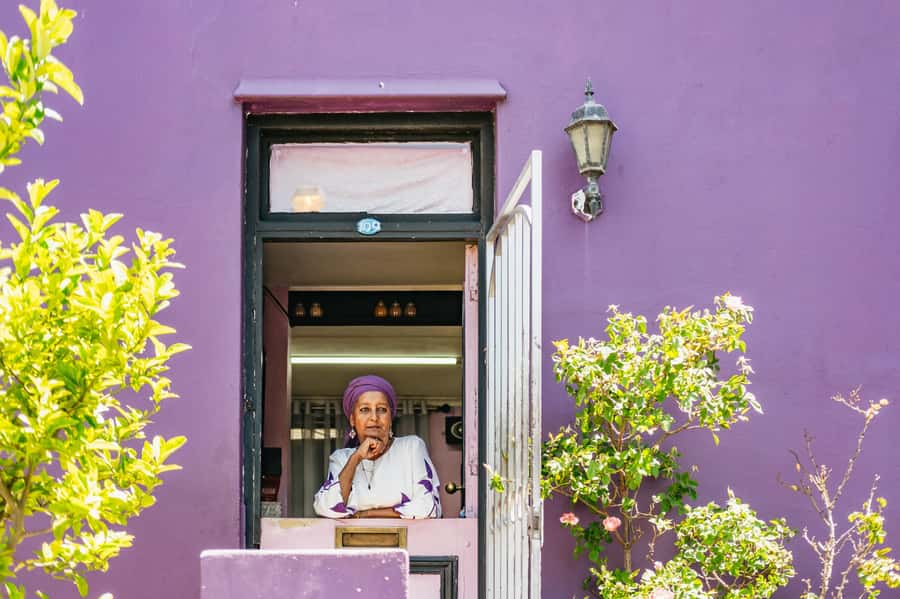
- The colorful neighborhood is part of the appeal: You meet at 109 Wale Street and can see Bo-Kaap’s painted houses on the lower slopes of Signal Hill.
- The value is strong at $49: For 150 minutes, that price covers instruction, ingredients, equipment, lunch, and drinks.
Why this Bo-Kaap cooking class feels different
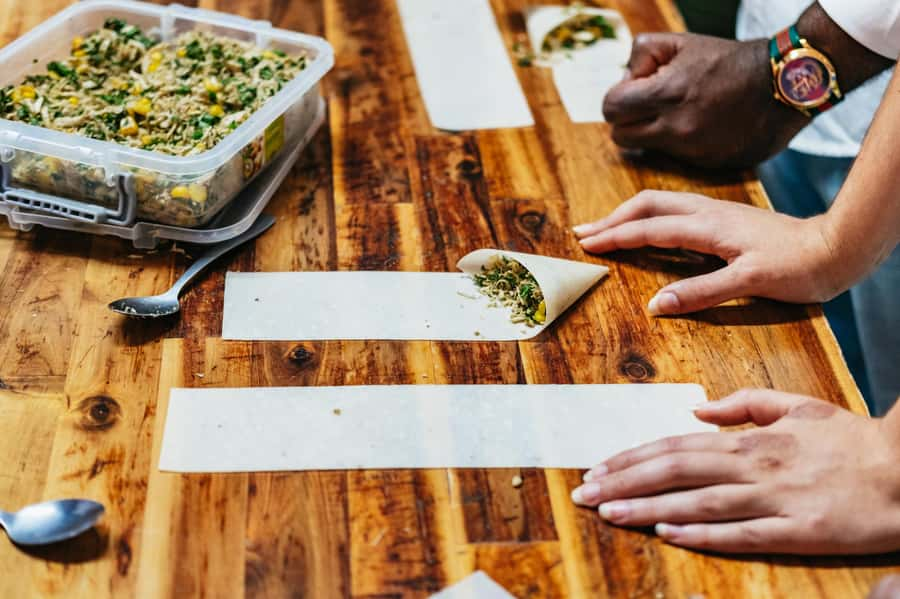
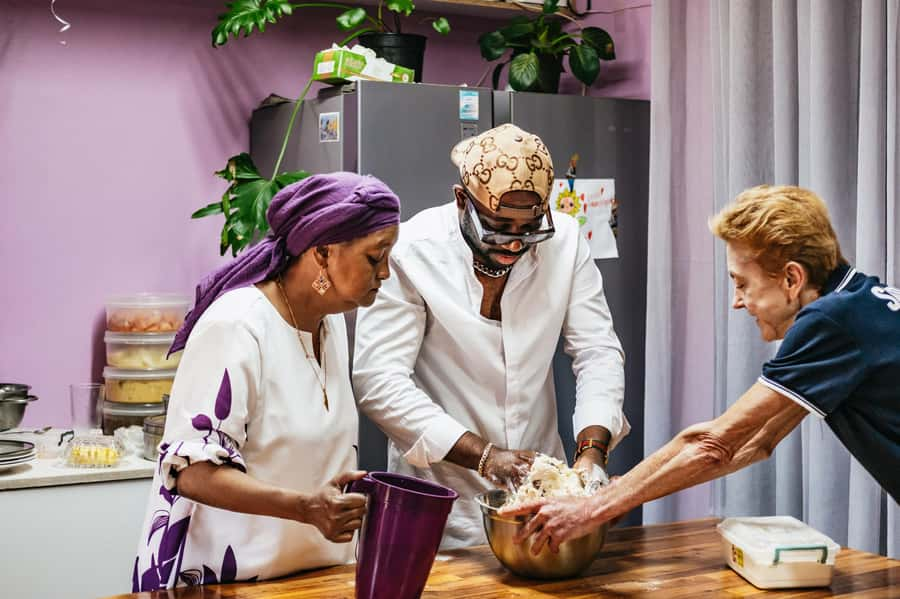
Many Cape Town food activities keep you at a table while someone else does the work. This one puts you in the kitchen. That change matters. You learn why a dish is made a certain way, how spices are combined, and what to look for when you try the recipe again at home.
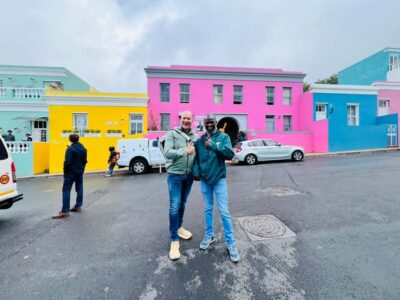
The class takes place in the home of a local chef in Bo-Kaap, a neighborhood famous for its bright pink, orange, blue, and other painted houses. The setting is modest and personal rather than polished for tourism. You are not simply observing a cooking demonstration. You are being welcomed into a domestic space and asked to take part.
Faldela is the guide most closely associated with the class. Her style is relaxed, humorous, and generous. She explains the food while sharing stories about her life, family, community, and heritage. That mix is important. You learn about the meal, but you also get a better sense of the people and traditions behind it.
Cape Malay cuisine developed through the meeting of African traditions with foodways brought by Malaysian and Indonesian people who were transported to the Cape by the Dutch during the 17th and 18th centuries. The food reflects that layered past. It often combines fragrant spices, slow-cooked sauces, meat or vegetables, and breads or side dishes.
Other neighbourhood walks in Cape Town:
- Cape Town Walking Tour: Bo-Kaap & City Highlights
★ 4.8 · 161 reviews - Bo-Kaap: Walk with a local
★ 5.0 · 131 reviews - Cape Town: Cape Malay Cooking Class in Bo-Kaap
★ 4.8 · 120 reviews
Meeting Faldela at 109 Wale Street
The meeting point is 109 Wale Street in Schotsche Kloof, Cape Town. This is in Bo-Kaap, so the neighborhood itself begins the experience before the cooking does.
Give yourself enough time to find the address, but do not arrive excessively early. One person arrived 30 minutes ahead and had to wait outside. That small point is worth taking seriously when you are planning your day. The class starts at a fixed time, and the home is not necessarily a drop-in space before then.
Transportation is not included. You need to make your own way to the meeting point, and the class returns there after the cooking session. If you are arranging several Cape Town activities in one day, allow room for the full 150 minutes plus your travel time.
The activity is offered in English and is wheelchair accessible. Pets, smoking, alcohol, and drugs are not allowed. Alcoholic drinks are not included, but soft drinks are served with lunch.
Bo-Kaap’s painted streets set the scene
Before or around the class, you can take in Bo-Kaap’s colorful houses and steep streets. The neighborhood rises toward Signal Hill, part of the wider Table Mountain setting, and its bright facades make it one of Cape Town’s most recognizable areas.
Do not treat the neighborhood as a quick photo backdrop. The painted houses are attractive, but the real value of the visit comes from connecting them with the community and food traditions you encounter inside the home. The class gives the colors a human context.
You will have the chance to take photographs among the houses. Be respectful of residents and remember that this is a lived-in neighborhood, not an open-air museum. The cooking class works best when you pair the visual appeal of Bo-Kaap with attention to the people who call it home.
What happens during the 150-minute class
The main session lasts two and a half hours. That is enough time to cover the cooking, talk about the ingredients, and sit down for lunch without turning the activity into an all-day commitment.
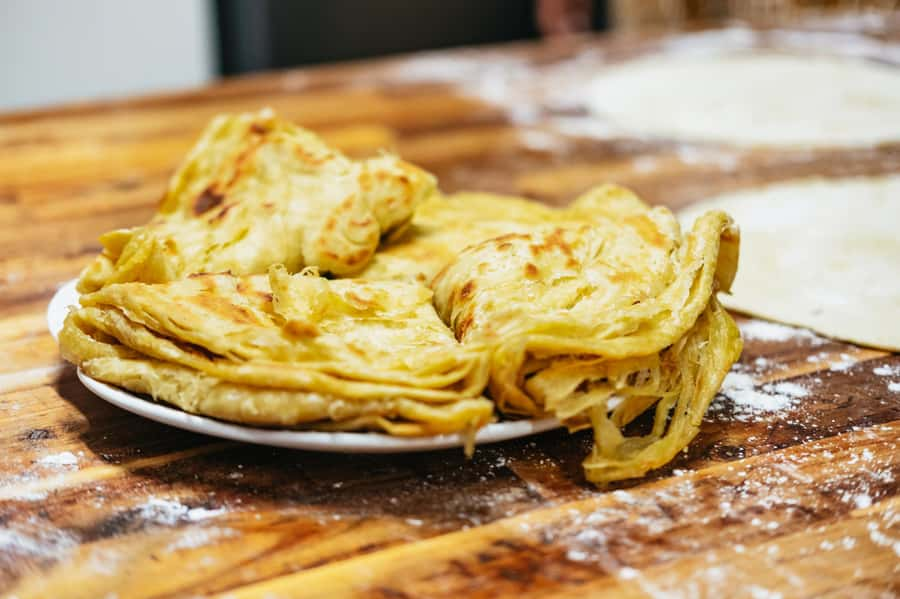
The exact dishes can vary, but the food may include Cape Malay curry, stews, roasts, rotis, samosas, salads, juice, and dessert. Expect food with plenty of sauce and aroma rather than a single plain main course. Turmeric is especially important, giving many dishes their golden color and a warm, earthy smell.
You may work with ginger, fennel, star anise, tamarind, and other spices. Faldela also explains how ingredients are used and, at times, discusses their traditional health or medicinal associations. This gives the lesson more depth than simply following a recipe card.
The class is designed for people without cooking experience. You do not need to know how to fold a samosa, roll a roti, or balance a curry before you arrive. Faldela demonstrates the steps and keeps the mood easygoing.
The amount of individual cooking depends on the group. In a small class, you may get more direct time with each task. In a larger group, you may spend more time watching, stirring, preparing ingredients with others, and taking turns. That is the main tradeoff. A bigger group can create a lively social meal, but it may offer less personal kitchen time.
Other eating and drinking in Cape Town:
- The Cape Town Essentials Food Tour
★ 5.0 · 385 reviews - Cape Town: V&A Waterfront Gin Voyage Cruise
★ 4.6 · 238 reviews - Authentic African Cuisine Cooking Experience
★ 5.0 · 236 reviews - Cape Town: Bo-Kapp Walking Tour and Malay Cooking Class
★ 4.7 · 105 reviews
The spices are the real lesson
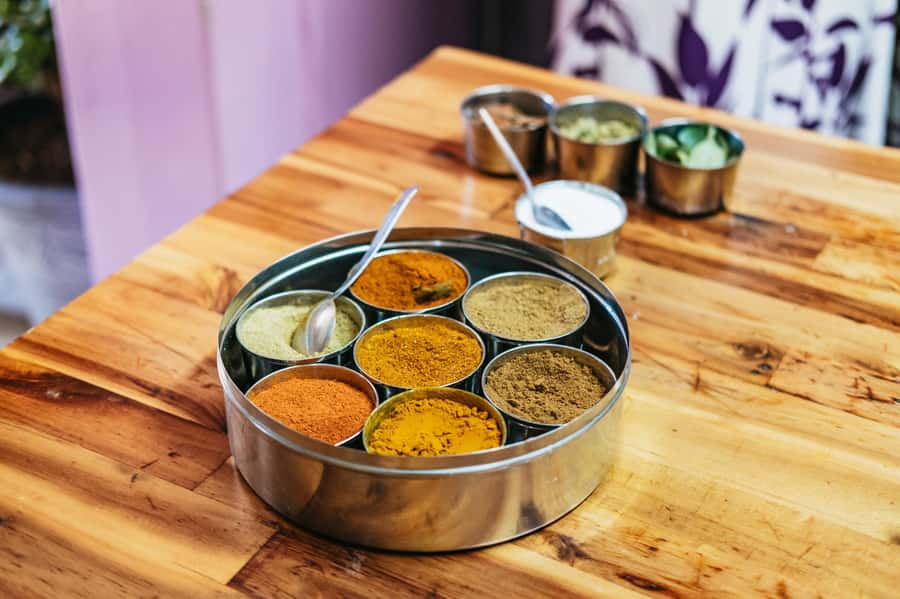
Cape Malay food is not simply about making a dish taste hot. The class helps you see how aroma, sweetness, acidity, and warmth work together.
Turmeric brings color and an earthy note. Ginger adds heat and freshness. Fennel and star anise contribute a sweet, fragrant quality. Tamarind can bring a sour edge that balances heavier sauces. These ingredients are not thrown in at random. Their order, amount, and combination shape the final dish.
I especially like this part of the class for anyone who wants to recreate the food at home. Restaurant meals can be delicious, but they rarely show you how the flavor was built. Here, you learn the logic behind the seasoning, which makes the recipes easier to understand later.
You may also hear about uses for spices beyond the specific dish. That makes the lesson practical. Afterward, you may find yourself looking for ingredients at an Indian or international grocery store rather than settling for a generic curry powder.
Lunch makes the class feel complete
Once the cooking is finished, you sit down to eat what the group has prepared. Lunch is not an add-on or a small tasting. The food is intended to be shared, and the meal gives you time to relax after the work in the kitchen.
Soft drinks are included. Alcohol is not included and is not allowed as part of the activity, so plan on a nonalcoholic meal.
The social side is one of the strongest parts of the experience. You may share the table with people from different countries and age groups, and the cooking gives everyone an easy subject to talk about. Solo visitors can fit in well because the activity naturally creates conversation.
Come hungry. The food can include several components, and the point is to sit down to a proper lunch rather than nibble and leave. Past menus have included curry, breads, samosas, salad, juice, and a sweet finish, though you should not expect every class to serve exactly the same combination.
Recipes and dietary needs
A useful bonus is that recipes may be shared after the class. That turns the afternoon into something you can carry home. If you are serious about cooking the dishes again, pay attention to the methods as well as the ingredient list. A recipe may tell you what to use, but Faldela’s explanations help you understand how the food should look and smell at each stage.
Dietary requirements have been accommodated successfully, but you should provide those details when booking or before the class. The supplied information does not list every dietary option or guarantee a particular menu, so do not assume that every request can be met without advance notice.
If you are cooking with children or with a mixed group, the relaxed teaching style helps. Still, the exact amount of hands-on work may vary with the number of people attending. Anyone looking for a tightly structured private lesson should confirm the group arrangement before booking.
Is $49 a fair price?
At $49 per person, the price is reasonable for a 150-minute experience that includes the chef instructor, ingredients, equipment, lunch, and soft drinks. You are paying for more than food. You are also paying for access to a local home, instruction, neighborhood context, and the chance to take recipes away.
A restaurant meal in Cape Town may cost less or more depending on where you eat, but it will not teach you how the dishes are made. A cooking class with lunch often costs more than a simple meal because the ingredients, preparation, space, and instruction are part of the package.
The value is strongest if you enjoy participation. If you only want to eat Cape Malay food, a restaurant may be a simpler choice. If you want a story, a skill, and a meal in one short activity, this class earns its price.
Free cancellation is available up to 24 hours before the start time, and you can reserve now and pay later. Those options help if your Cape Town schedule is still changing.
Who should book this experience?
I would choose this class for you if you want a personal introduction to Bo-Kaap rather than a quick walk past its colorful houses. It suits first-time visitors who want a cultural activity with food at the center.
It is also a good fit for:
- Solo visitors who enjoy meeting people around a shared meal
- Couples and friends looking for something beyond standard sightseeing
- Beginners who have never taken a cooking class
- Food lovers curious about Cape Malay spices
- Visitors who want recipes they can try at home
- South Africans who want to learn more about a local food tradition
- Families or mixed-age groups who enjoy relaxed activities
It may not suit you if you want a private class, a highly formal culinary course, or guaranteed one-on-one cooking time. The class can include a larger group, and the amount of direct participation may change from one session to another.
Practical advice for a better afternoon
Wear clothes that are comfortable for cooking. The supplied information does not specify a dress code, but a home kitchen is still a working kitchen, so avoid anything you would worry about around sauces and spices.
Plan your route to 109 Wale Street in advance. Transportation is not included, and arriving too early may leave you waiting outside. Arriving close to the start time is the sensible approach.
Keep your schedule flexible after the class. The stated duration is 150 minutes, but you will want a little extra time for getting back to your hotel or continuing your day.
Bring curiosity rather than cooking confidence. The class is built for beginners, and Faldela’s humor helps keep the pace comfortable. Ask about the spices, the stories behind the dishes, and how to adapt the recipes at home.
Most important, do not expect a restaurant demonstration where you sit silently. You are there to participate, share space with other people, and eat together. That is the point.
Should you book the Bo-Kaap cooking class?
Yes, if you want an activity that joins food, local culture, and conversation in one compact afternoon. The strongest reasons to book are Faldela’s warm teaching style, the home setting, the chance to cook several Cape Malay dishes, and the lunch that follows.
The main caution is group size. You may not get equal hands-on time with every dish, especially in a large class. But even then, you still receive the ingredients, equipment, instruction, meal, soft drinks, and recipes at a fair $49 price.
Book it if you want to leave Cape Town with more than photographs. You will leave with a fuller understanding of Bo-Kaap, a better feel for Cape Malay spices, and the possibility of making the meal again in your own kitchen.
FAQ
Where does the cooking class meet?
The meeting point is 109 Wale Street, Schotsche Kloof, Cape Town, in the Bo-Kaap neighborhood.
How long does the activity last?
The cooking class and lunch last 150 minutes, or two and a half hours.
What language is the class offered in?
The live class is offered in English.
What food might I prepare?
The dishes may include stews, roasts, curries, rotis, samosas, salads, juice, and dessert. The exact menu can vary.
Is lunch included?
Yes. You eat the food prepared during the class, and soft drinks are included.
Are ingredients and cooking equipment included?
Yes. The activity includes the ingredients, equipment, and chef instructor.
Is transportation included?
No. You need to arrange your own transportation to and from 109 Wale Street.
Can I cancel my booking?
Yes. You can cancel up to 24 hours in advance for a full refund. You can also reserve now and pay later.
More classes and workshops in Cape Town
- Private Surf Lesson
★ 5.0 · 53 reviews - Private Surf Lesson in Cape Town – Transport & Photos Included
★ 5.0 · 50 reviews - Muizenberg Cape Town: Private Surf Lesson
★ 5.0 · 37 reviews - Koeksister and Samoosa Class by the Malay Cook Up
★ 4.8 · 9 reviews
More cooking classes in Cape Town
- Cape Town: Authentic African Cuisine Cooking Experience
★ 4.9 · 31 reviews - Private Cape Malay Cooking Class in Cape Town with a Local Family
★ 5.0 · 24 reviews - South African Cooking in Cape Town with Local Chef Richard
★ 4.5 · 10 reviews - Private Authentic Cape Malay Cooking Class in Manenberg with Locals
★ 5.0 · 5 reviews
Just added in Cape Town
- Wine Tasting in Cape’s Top Three Winelands Private Tour★ 4.5 · 17 reviews
- Private Tour to Aquila Game Reserve in Cape Town – see the Big5★ 5.0 · 5 reviews
- Private Tour:Cape of Good Hop>Seal island>Chapman’speak &Penguins★ 5.0 · 7 reviews
- Full Day Big 5 Aquila Safari Private Transfers Including Park Fee From Cape Town★ 4.5 · 54 reviews
- Robben Island and Table Mountain Cableway with Bo-Kaap Day Tour★ 5.0 · 8 reviews
- Private Full Day Cape Town City Scenic and Table Mountain Tour.★ 5.0 · 3 reviews
- Private Half DayTour:Cape Winelands, Stellenbosch from Cape Town★ 5.0 · 18 reviews
- Tastes of Stellenbosch Wine Full Day Tour with Private Transfer★ 5.0 · 7 reviews
Bo-Kaap Tours, compared.
Cape Town Walking Tour: Bo-Kaap & City Highlights
Read our review →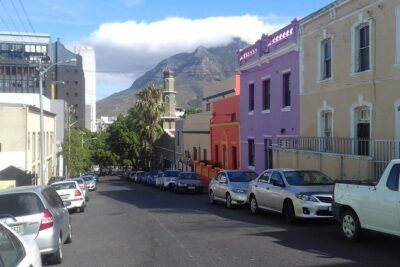


Cape Town Township Tour Including Langa Township and Bo-Kaap
Read our review →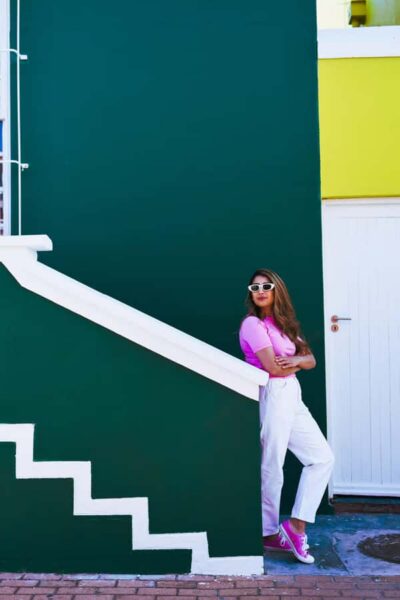

Full-Day Kirstenbosch, Bo-Kaap, and Penguins Tour
Read our review →Browse the lists this tour appears in