
Reviewed · SOWETO & TOWNSHIP TOURS
Soweto: Guided Bicycle Tour with Lunch
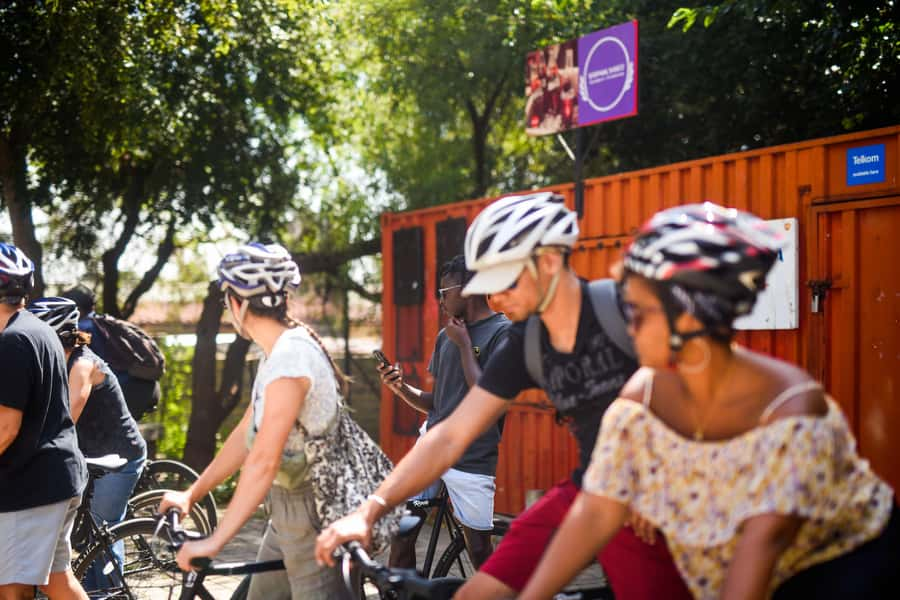
Soweto is best understood at street level, and this four-hour bicycle tour gives you plenty of it. You ride through Orlando West and nearby communities, stopping at places tied to the struggle against apartheid rather than simply viewing them from a vehicle. The route covers about 11 kilometers, with time to hear the stories behind Hector Pieterson Museum, Mandela House, Tutu House, Orlando Stadium, and local neighborhoods.
I like two things in particular: the bicycle carries you beyond the usual Vilakazi Street photo stop, and the guides, including Thabo, Teboho, and Themba, bring local knowledge, humor, and personal perspective. I also like the kota lunch, a filling South African township sandwich eaten at a local restaurant. The main caution is the hills. The ride is manageable for many reasonably fit people, but you should be comfortable cycling uphill, sometimes on a bicycle without gears.
Key points at a glance
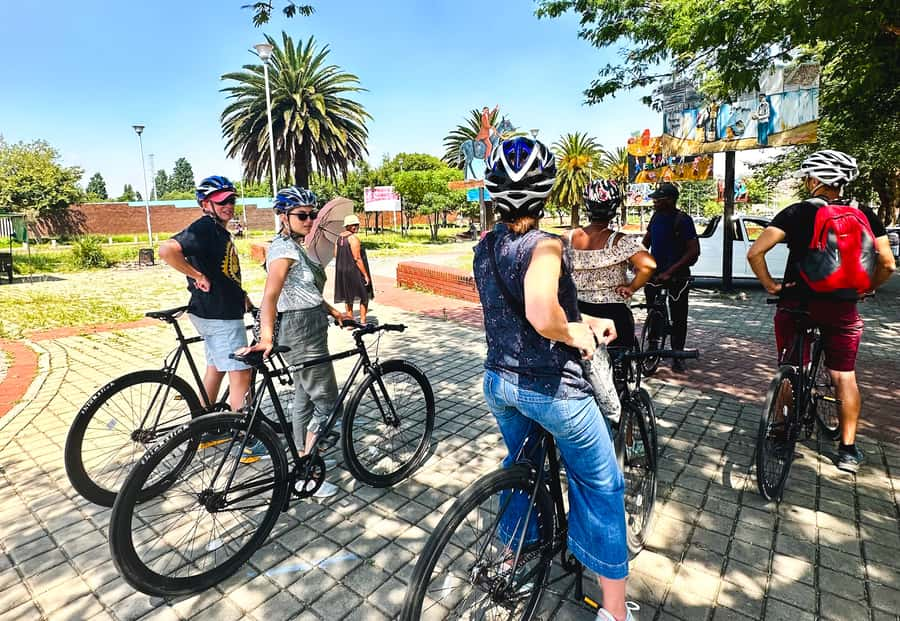
- About 11 kilometers by bicycle: You cover several parts of Soweto in a half-day rather than staying around one street.
- A strong historical route: Hector Pieterson Museum and Mandela House give the tour real weight.
- Local guides make the difference: Thabo, Teboho, and Themba have been praised for clear explanations, warmth, humor, and good group care.
- The ride includes everyday Soweto: You pass homes, community spaces, Orlando Stadium, Mzimhlophe, and areas outside the main tourist circuit.
- Kota is part of the experience: Lunch is a local sandwich, not just a quick snack added at the end.
- Plan for sun and hills: Bring sunscreen, rain gear, and cash, and expect a little exercise.
Why a bicycle is a smart way to see Soweto
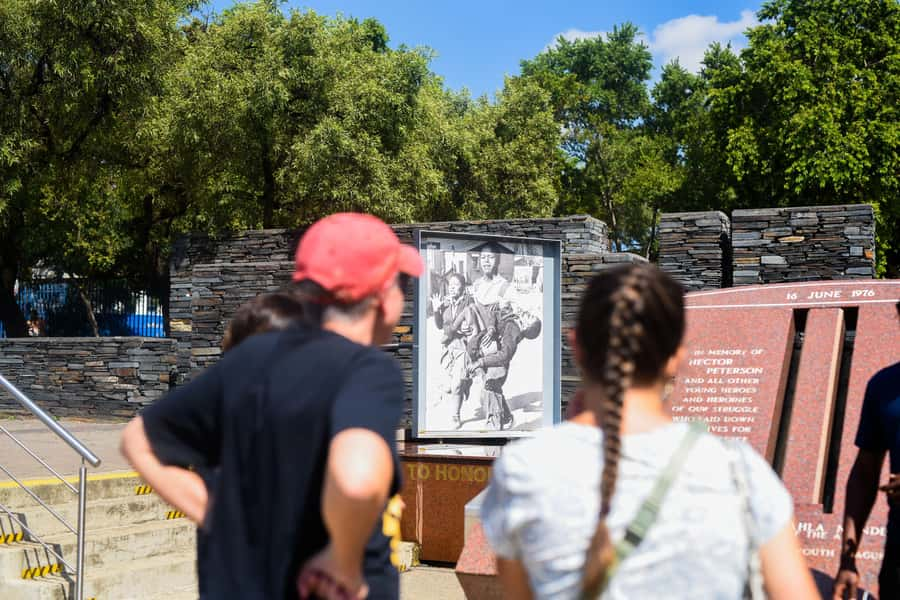
Soweto is a large urban area, and a short walking tour can only show you a small slice. On a bicycle, you move between Orlando West, Orlando East, Mzimhlophe, community facilities, and the better-known historic sites. That gives you a broader sense of how the area fits together.
The pace is also useful. You are not sealed behind a car window, and you are not trying to walk several miles in the heat. You stop often for explanations, photographs, and short visits, then ride on. The bicycle adds a little effort, but it also makes the outing more active and memorable.
This is not a downhill leisure ride. The route has several uphill sections, and altitude can make the effort feel greater than expected, especially if you have just arrived in Johannesburg. Some people will find it fairly easy, while others will want to take the climbs slowly. The bicycles have generally been described as being in good condition, though not every bike necessarily has gears.
More Township Tours in Johannesburg
- Johannesburg: Hop-On Hop-Off Bus with Optional Soweto Tour
★ 4.6 · 985 reviews - Soweto /Johannesburg and Apartheid Museum Guided Full Day Tour
★ 5.0 · 932 reviews - Johannesburg Hop-On Hop-Off City Tour with Soweto Option
★ 4.5 · 768 reviews
Starting at Vilakazi Espresso
The meeting point is Vilakazi Espresso, on or near Vilakazi Street in Orlando West. This is a useful starting place because you are already close to two of Soweto’s most famous addresses, but the tour does not simply stay in the tourist center.
Your guide should help you get comfortable with the bicycle before setting off. Previous guides have been praised for giving clear instructions and adjusting the pace to suit different abilities. If you are in a mixed-age group, that matters. One group included riders in their twenties alongside parents in their sixties and seventies, and everyone managed the route, though you should still be honest about your fitness.
Bring water if you prefer to have your own supply. One past participant specifically wished that bottled water had been provided, and the tour information does not list water as a separate inclusion. Sunscreen is important, and rain gear makes sense in Johannesburg’s changeable conditions. Cash is also worth carrying for small expenses and the customary optional gratuity of about R20 to R50, or more, after an informal settlement visit.
Hector Pieterson Museum and the Soweto uprising
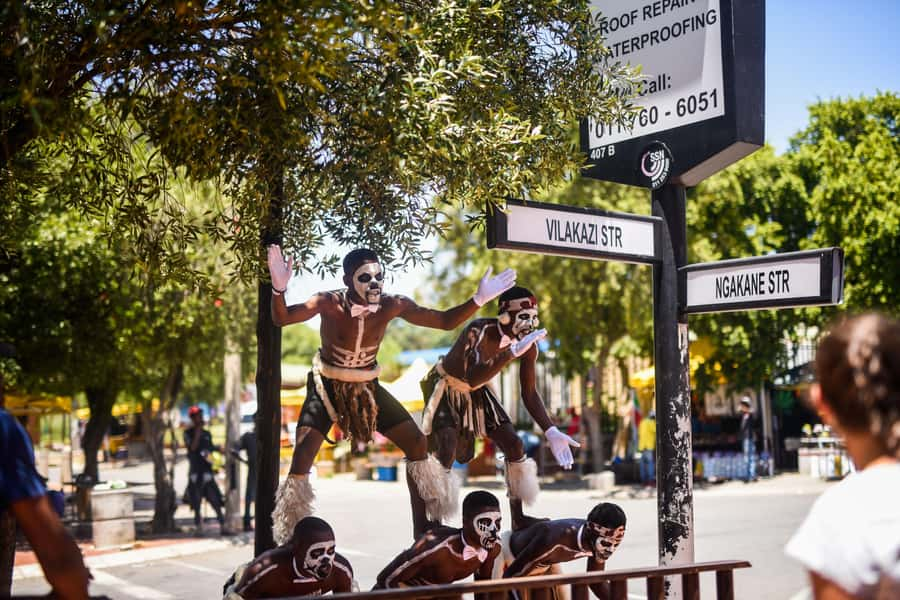
The first major stop is the Hector Pieterson Memorial and Museum. Allow about 20 minutes here for a guided visit, photographs, and walking around the site.
This is one of the most important stops on the route. The 1976 Soweto uprising began when students protested against the forced use of Afrikaans in schools. The death of Hector Pieterson, a 13-year-old student, became a defining image of the uprising and of the wider fight against apartheid.
Your guide’s explanation is especially useful here. The museum gives you the historical setting, while the guide can connect that event to the streets and communities around you. This is not a stop to rush through for a single photograph. It is the point where the tour’s political story becomes more immediate.
The visit is brief, so anyone wanting a long museum session may need additional time on another day. For a four-hour bicycle tour, though, the stop provides a clear and serious foundation.
Mzimhlophe and the less polished side of the route
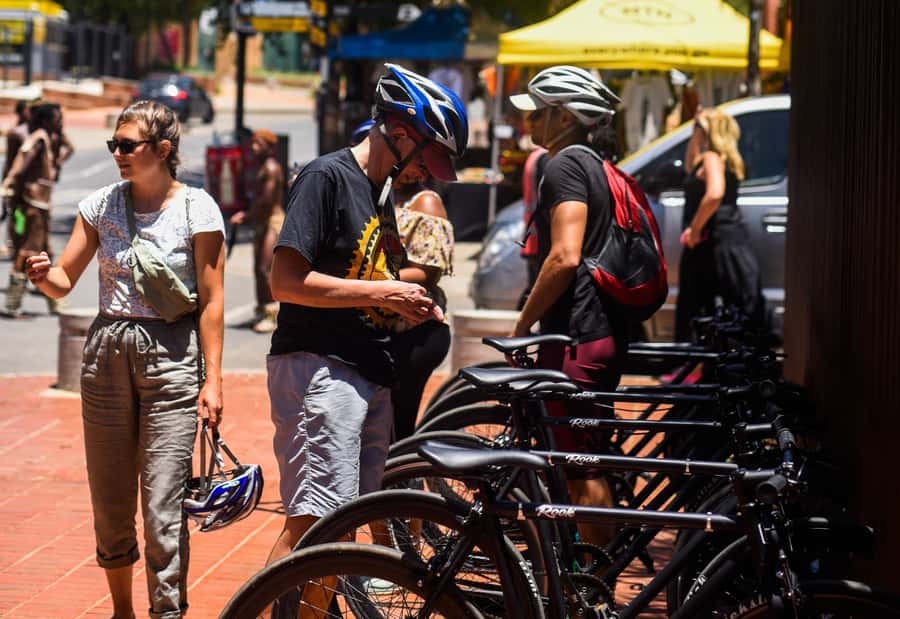
The ride continues through Mzimhlophe, with a stop around Mzimhlophe Internet Cafe and a visit to the Mzimhlophe Women’s Hostel. The scheduled time is short, about 15 minutes, but this part helps you see more than the famous names associated with Soweto.
The route includes ordinary residential streets and community spaces. You may pass places that are not arranged for sightseeing, which is part of the point. Your guide explains how the neighborhoods were created and how people live there today, rather than presenting Soweto as only a memorial to apartheid.
An informal settlement visit is typically included with a local guide. You should approach this respectfully. It is not a performance or a backdrop for careless photographs. If you take part, you may offer a gratuity at the end, with R20 to R50 suggested as a guide. The payment is optional, but carrying cash allows you to make that choice yourself.
Other township visits from Johannesburg:
- Half-Day Tour of Soweto Tour
★ 4.5 · 712 reviews - Soweto: Walking Tour with a Local Guide and Lunch
★ 4.9 · 648 reviews - Jo’berg in 1 Day: Soweto, Apartheid Museum & City Tour
★ 4.8 · 524 reviews - Johannesburg: Full-Day Tour with Soweto and Apartheid Museum
★ 4.8 · 478 reviews
Orlando East, the stadium, and community life
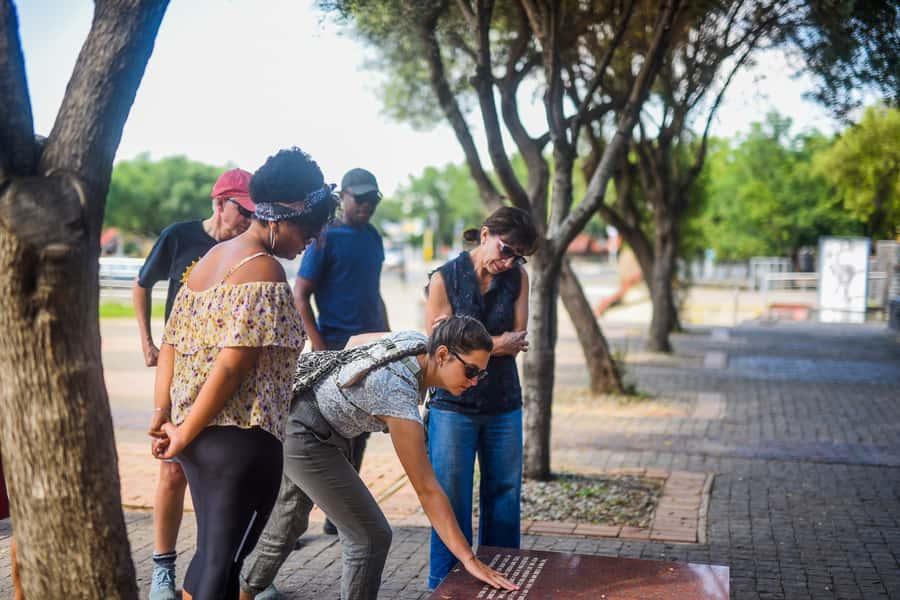
The bicycle route then reaches Orlando East, Orlando Stadium, and Orlando Community Centre. These stops are short, ranging from about five to ten minutes, so expect photo stops and explanations rather than extended tours inside each place.
Orlando Stadium gives the route a major public landmark. Orlando Community Centre adds another view of how local facilities serve residents. Taken together, these stops make the ride feel less like a list of memorials and more like a tour of a functioning urban area.
You also get some of the best value from the guide here. A good local guide can explain the contrast between older sections, newer development, public facilities, and different income levels. Themba was praised for showing how different communities live, while Thabo has been described as able to answer questions about both the past and present. Those personal explanations are hard to get from a map or a self-guided ride.
The route can feel uneven in effort. You may spend a few minutes listening, then climb again. That rhythm is fine if you treat the outing as sightseeing with exercise, not as a casual spin around a park.
Vilakazi Street, Mandela House, and Tutu House
Vilakazi Street is the best-known part of the tour. It is famous for being associated with two Nobel Peace Prize winners: Nelson Mandela and Archbishop Desmond Tutu.
You pass Tutu House, where Desmond Tutu and his family lived. The stop lasts only about five minutes, so it is mainly a guided look and photo opportunity. Your guide discusses Tutu’s role in opposing apartheid and his contribution to South Africa’s transition.
Mandela House receives a longer stop, about 15 minutes. Nelson Mandela lived there from 1946 to 1962, and the address offers a personal counterpoint to the wider political story. The house is not treated as an isolated celebrity attraction. It sits on a street where ordinary homes, local businesses, history, and tourism all meet.
The itinerary also includes a traditional dance show at Mandela House. The exact performance details can vary, so I would think of it as a short cultural addition rather than the main reason to book. The main strength here is the combination of the house, the street, and the guide’s explanation of what the address means in South African history.
Kota lunch on Vilakazi Street
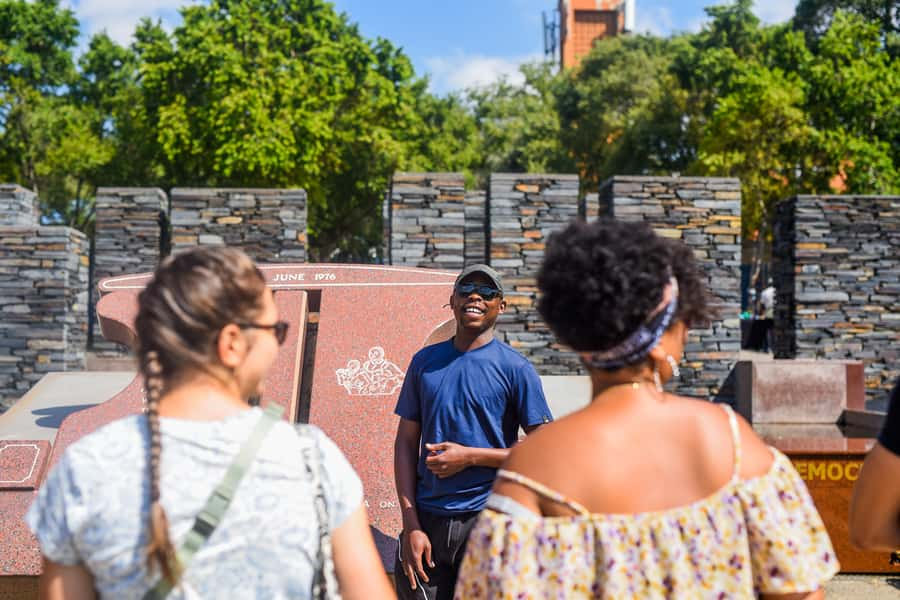
Lunch is served around Vilakazi Street and includes a kota, a South African township sandwich. It is commonly filled with substantial ingredients, though the precise contents are not specified here. Expect something hearty rather than delicate.
I like that lunch is part of the local setting. You get a chance to stop riding, talk with the guide, and try a food associated with township life. Several people singled out the kota as a highlight, and the meal has been described as delicious and a good fit for the experience.
Do not expect a long restaurant meal with a broad menu. The scheduled lunch and tasting time is about 25 minutes. That keeps the tour moving, but it may feel quick if you want a leisurely break. Food and drinks are included, while hotel pickup and drop-off are not.
The guides and the tone of the experience
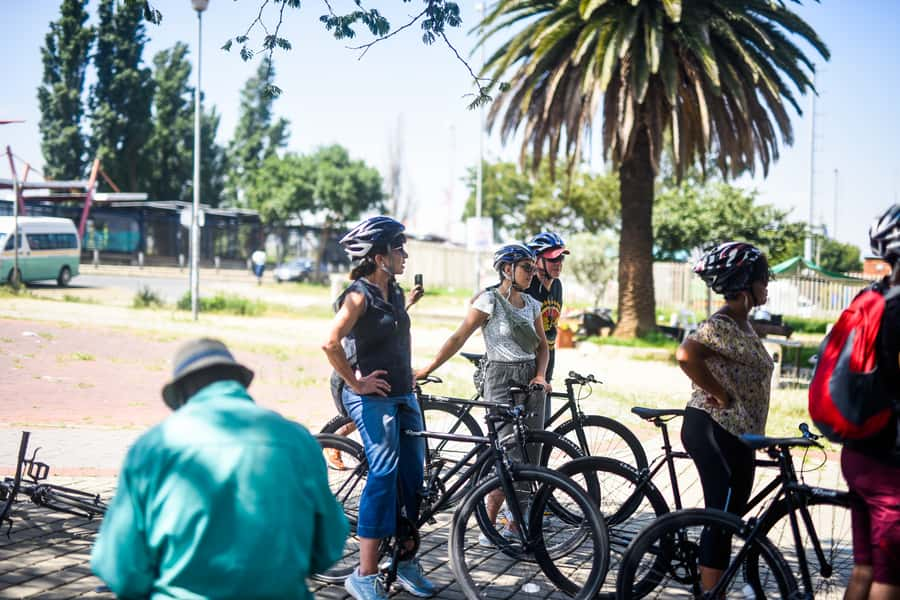
The strongest part of this tour is the guide. Names appearing across the operation include Thabo, Teboho, and Themba, so you should not assume which person will lead your departure. Each has been praised for clear explanations, friendliness, and care with safety.
Thabo in particular has been described as a young local guide with strong knowledge of Soweto, politics, and history. His law studies and interest in South Africa’s future have added a modern point of view to the tour. Teboho has also been praised for making the ride feel easygoing and personal, while Themba has been noted for handling questions, helping riders get used to the bicycles, and even fixing a flat tire quickly.
The tone is usually conversational rather than formal. You can ask questions, and the guides appear comfortable discussing both apartheid history and present-day life. That balance matters. Soweto is not only a place of past struggle, and this tour works best when you listen to both parts of the story.
The experience also aims to avoid turning poverty into a spectacle. The route includes less affluent areas, but the better approach is to pay attention to the guide’s context and respect people’s privacy. Ask before photographing people, especially during any informal settlement visit.
Is $52 good value?
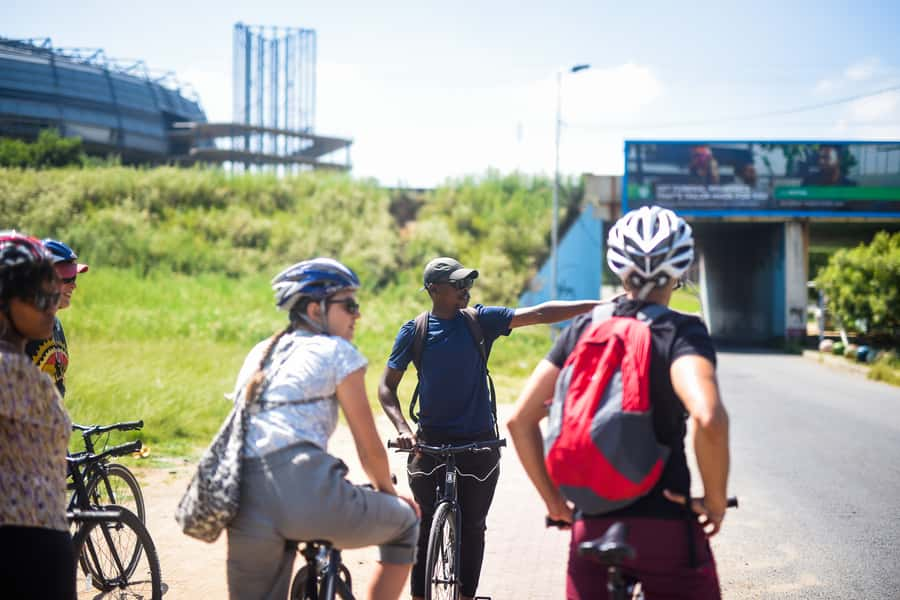
At $52 per person, the tour is good value if you want more than a single museum visit. The price includes a bicycle, an English-speaking local guide, food, and drinks. You also receive about four hours of transport between major sites, historical interpretation, neighborhood views, and lunch.
A private vehicle tour may cover more distance with less physical effort, but it will not give you the same open-air feel. A walking tour may cost less, but it will likely cover a smaller part of Soweto. Here, the bicycle is the useful middle ground: you see a lot, stay active, and avoid spending the whole outing inside a vehicle.
The value depends on your comfort with the ride. If hills, heat, or cycling without gears would make you miserable, the price will not feel like a bargain. If you want a well-paced introduction to Soweto and are happy to work a little for it, the combination of access, food, transport, and guiding is fair.
Free cancellation up to 24 hours before the start and the option to reserve now and pay later add flexibility. Hotel pickup is not included, so you need to arrange your own way to Vilakazi Espresso.
Who should book this bicycle tour?
I would choose this tour if you want a first look at Soweto that combines political history with present-day community life. It suits couples, families with older children, active adults, and solo visitors who enjoy asking questions and meeting a local guide.
You should be able to ride a bicycle and handle several uphill sections. The tour is not suitable for wheelchair users, pregnant women, or people who cannot ride. If you are unsure about your fitness, remember that the route is around 11 kilometers and includes climbs. Comfortable clothes, sunscreen, and rain protection will make the day easier.
This is also a good pick for anyone who finds standard bus sightseeing too passive. You work your way through Soweto, stop at important places, and notice the changes between neighborhoods. The exercise is part of the story.
Should you book it?
Book it if you want to see more than Mandela House and Hector Pieterson Museum, and if you are willing to pedal for the privilege. The route covers history, politics, food, community spaces, and everyday streets in one well-packed half-day.
Skip it if you need a fully relaxed outing, dislike hills, or want several hours inside museums. For most reasonably fit visitors, though, this is a thoughtful and fairly priced way to meet Soweto through its streets rather than just its headlines.
FAQ
Where does the Soweto bicycle tour start?
The meeting point is Vilakazi Espresso.
How long does the tour last?
The tour lasts four hours.
What language is the tour conducted in?
The live tour guide speaks English.
What is included in the price?
The price includes the bicycle, local guide, food, and drinks.
Is hotel pickup included?
No. Hotel pickup and drop-off are not included, so you need to make your own way to Vilakazi Espresso.
Which major sites are visited?
The route includes Hector Pieterson Museum, Mzimhlophe, Orlando East, Orlando Stadium, Orlando Community Centre, Vilakazi Street, Tutu House, and Mandela House.
Is lunch included?
Yes. Lunch includes a kota, a South African township sandwich, along with food and drinks.
Do I need to be fit to take part?
You need to be able to ride a bicycle and should be comfortable with about 11 kilometers of cycling and several uphill sections. The tour is not suitable for people who cannot ride a bike.
What should I bring?
Bring sunscreen, rain gear, and cash. During the informal settlement visit, you may also wish to offer a discretionary gratuity of about R20 to R50 or more.
Just added in Johannesburg
- Soweto Tuk-Tuk Food & Beer Tour★ 5.0 · 9 reviews
- Soweto: Sip & Paint Walking Tour & Take Home a Canvas★ 4.8 · 7 reviews
- Soweto Tour; Mandela House; Vilakazi Street; Market Culture★ 5.0 · 6 reviews
- Soweto & Johannesburg and Apartheid Museum★ 4.7 · 41 reviews
- Soweto Township Tour★ 4.4 · 4 reviews
- Private Soweto,Mandela House,Apartheid Museum,Constitution★ 4.6 · 15 reviews
- Soweto Food & Beer Bike Tour★ 4.9 · 40 reviews
- Soweto and apartheid museum tour(Half-day)★ 5.0 · 4 reviews
Soweto & Township Tours, compared.

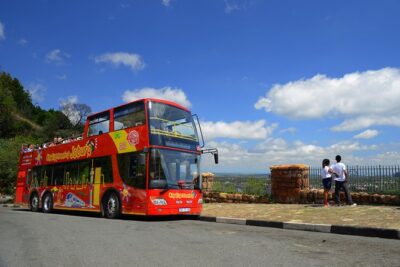
Johannesburg Hop-On Hop-Off City Tour with Soweto Option
Read our review →
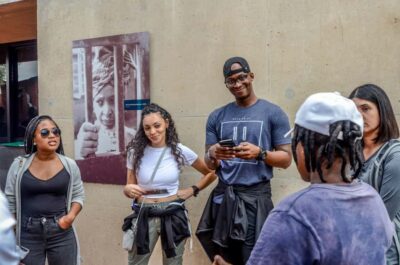

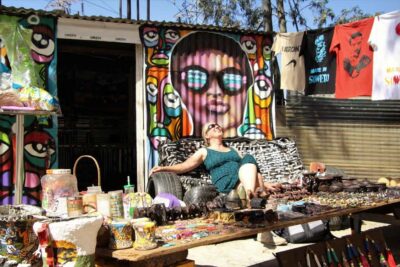
Jo’berg in 1 Day: Soweto, Apartheid Museum & City Tour
Read our review →
Full-Day Tour with Soweto and Apartheid Museum
Read our review →Browse the lists this tour appears in