
Reviewed · CULTURAL VILLAGE TOURS
Lesedi Cultural Village with lunch or dinner cultural food
Lesedi Cultural Village puts five South African cultures into one half-day visit: Zulu, Xhosa, Pedi, Sotho, and Ndebele. You move among traditional homesteads, hear about daily life and ceremonies, then finish with singing, drumming, dancing, and a meal. It is lively, visual, and easy to fit into a Johannesburg or Pretoria stay.
I like the clear introduction to several cultures in one place, and I like the way music carries the visit from the welcome through the final performance. Guides such as Samuel can add useful context and translation, while French and Portuguese support helps non-English speakers follow along. The main drawback is that some of the recreated scenes may feel staged rather than like ordinary village life, so visitors seeking a working community or a quieter historical visit may find it too polished.
Key points at a glance
- Five cultural traditions in one visit: Learn about Zulu, Xhosa, Pedi, Sotho, and Ndebele customs without traveling between separate regions.
- A strong musical welcome: Drumming, singing, and dancing begin early and return during the closing performance.
- Traditional homes made visible: Walk through reconstructed dwellings and hear how their materials and design connect to each culture.
- A meal is included: Lunch or dinner features South African food, while drinks and personal purchases cost extra.
- Simple transport from two cities: Hotel pickup and return are available around Johannesburg and Pretoria.
- A polished cultural show: Expect an engaging introduction, but remember that the setting is a visitor attraction rather than an untouched village.
Five South African cultures in one afternoon
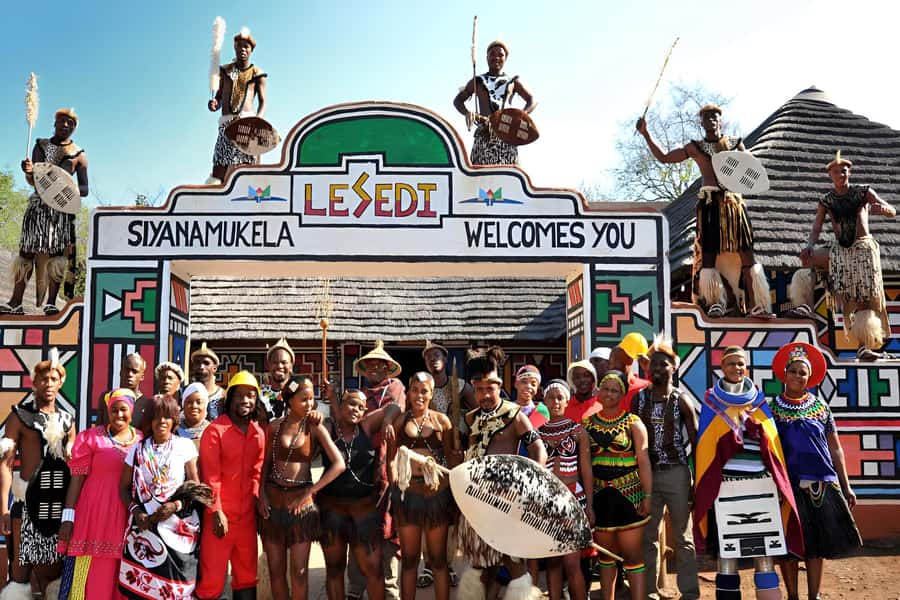
The appeal here is variety. Instead of spending a full day reaching different communities, you can meet representatives of five cultural traditions at one site in North West province. The route introduces Zulu, Xhosa, Pedi, Sotho, and Ndebele customs through buildings, explanations, craft demonstrations, stories, music, and dance.
That makes Lesedi useful early in a South Africa trip. You get a basic map of the country’s cultural variety before visiting other places, and you have plenty of chances to ask questions. The format also suits families and mixed-age groups because it does not depend on long walks, difficult history lectures, or specialist knowledge.
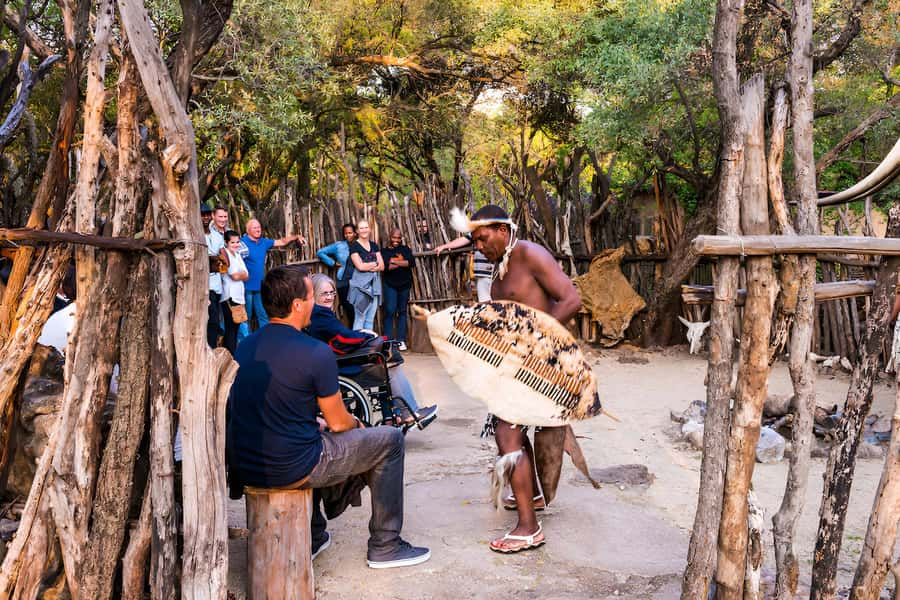
The setting uses reconstructed traditional homesteads. That distinction matters. You are seeing carefully prepared examples of architecture and daily life, not entering an ordinary rural settlement where people happen to live. Some scenes are performed for the public, which gives the visit energy and structure, but it can also make parts of the tour feel artificial.
I would treat Lesedi as an introduction and cultural performance, not as the final word on any of these communities. Used that way, it can be both enjoyable and useful.
More Cultural Village Tours in Johannesburg
- Lesedi Cultural Village and Cradle of Humankind Tour
★ 5.0 · 48 reviews - Lesedi Cultural Village Tour
★ 5.0 · 46 reviews - Lesedi Cultural Village
★ 5.0 · 45 reviews
The 45-minute ride from Johannesburg or Pretoria
The tour begins with pickup in central Johannesburg or Pretoria, with return to the same general areas. The drive to Lesedi takes about 45 minutes by bus or coach, then the return trip takes another 45 minutes. That leaves roughly three and a half hours at the village for the guided visit and meal.
This arrangement is practical if you are staying in either city and do not want to arrange a separate car. It also takes the guesswork out of reaching the attraction. Confirm your pickup point and starting time when booking, since the exact schedule depends on availability.
The ride is not a sightseeing tour in itself. Its value is convenience. A five-hour round trip with transport, admission, and food included can be easier to manage than piecing together taxis, tickets, and a restaurant stop.
The tour is listed at $143 per person. That is not a bargain-priced local outing, but the price covers transportation from Johannesburg or Pretoria, entrance fees, the guided program, and lunch or dinner. For someone without a car, those bundled elements make the cost easier to judge. You are paying for an organized cultural day, not just entry to a performance.
A welcome built around song and drums
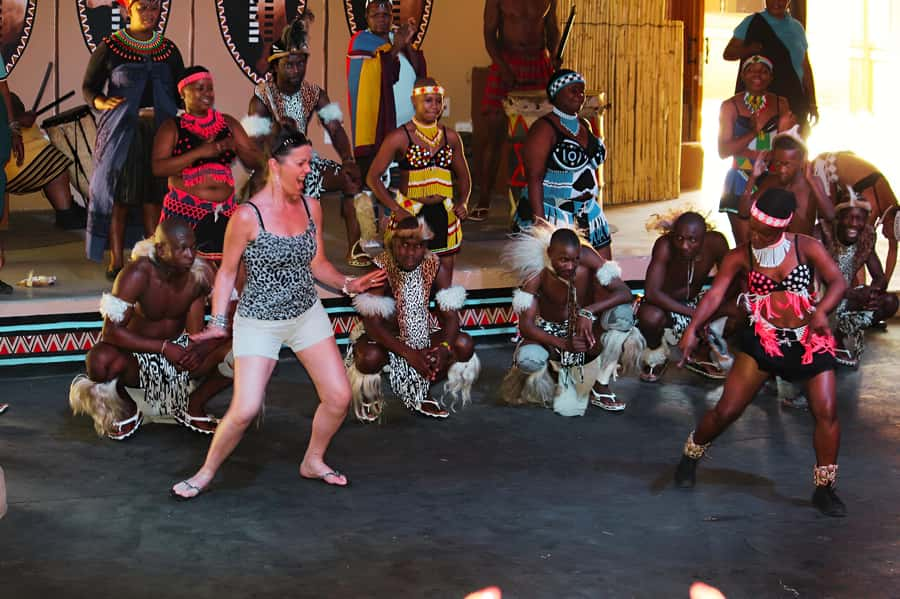
Arrival begins with traditional music, singing, and drumming. It is an immediate change of pace from the city and gives the visit a ceremonial feel. The welcome is also one of the clearest strengths of the program, because it gets you watching and listening before the formal explanations begin.
You may be invited to join in with simple rhythms or movement. The activity description specifically allows for interaction, including basic dance steps and some craft work under local guidance. Do not expect a full workshop in every skill, but you should have chances to take part rather than only observe from the edge.
This opening also sets the tone for the rest of the visit. Lesedi teaches through performance as much as through spoken explanation. If you learn best by seeing a house, hearing a song, or watching a dance, the format works well. If you prefer long, detailed historical discussion, you may want to ask questions as you go.
Language support can make a real difference. The tour is offered in English, Portuguese, and French. One French-speaking guide has been available to translate explanations, and Samuel has been praised for adding information and introducing people to extra parts of the program. Guide quality can shape the day, so listen for chances to ask about details rather than simply following the group.
Walking through the five homesteads
The central guided portion lasts about two and a half hours. Guides from the different cultural groups explain customs, traditions, and lifestyles as you move through the reconstructed homesteads.
The dwellings are more than backdrops for photographs. Guides explain building materials, layout, and the purpose of structural features. This is where the tour gives useful context to what you are seeing. A round or decorated structure is not just an attractive object; it can reflect practical needs, social organization, or local design traditions.
The five groups are presented separately, which helps you compare them:
- Zulu: Expect discussion of customs, ceremonies, and ways of life associated with one of South Africa’s best-known cultural groups.
- Xhosa: The presentation adds another regional tradition, with its own stories, practices, and forms of expression.
- Pedi: Guides explain elements of Pedi life and heritage through the setting and demonstrations.
- Sotho or Basotho: The program presents Sotho traditions as a distinct part of the country’s cultural mix.
- Ndebele: Decorative design, clothing, and household style may be especially noticeable in this section, though the exact demonstration can vary.
The program also covers ceremonies and rituals, including weddings, initiation rites, and ancestral worship. These subjects deserve attention because they show that the tour is not only about food, clothing, or architecture. At the same time, the explanations are presented for a general audience, so you should see the visit as an accessible first look rather than an academic study.
Other cultural villages within reach of Johannesburg:
- Johannesburg: Lesedi Cultural Village Experience
★ 4.6 · 43 reviews - Johannesburg: Cradle of Human Kind & Lesedi Cultural Village
★ 4.6 · 31 reviews - Johannesburg: Lion Park Safari and Cultural Village Tour
★ 4.8 · 12 reviews - Cradle Of Humankind, Lesedi Cultural Village & Lion’s Park
★ 4.7 · 10 reviews
Crafts, cooking, stories, and staged scenes
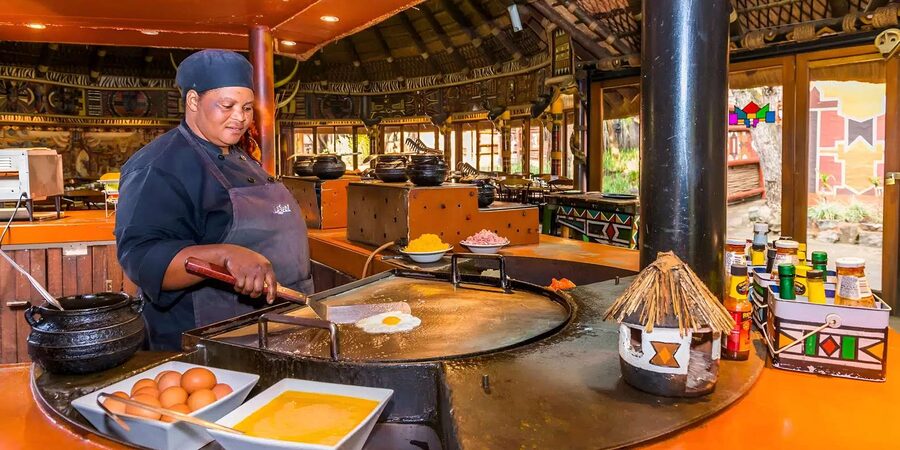
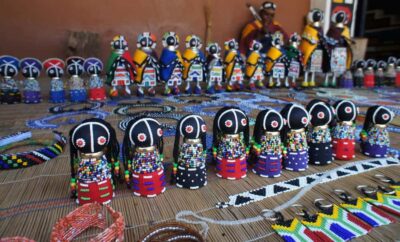
During the walk, you might see demonstrations connected with pottery-making, weaving, beer-brewing, and beadwork. These activities help explain the work behind everyday objects and traditions. They also give the tour some variety after the architecture and spoken commentary.
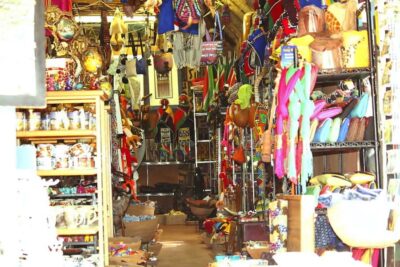
A marketplace offers crafts, clothing, and souvenirs. Purchases are not included in the price, so bring that into your budget if you like buying handmade items. The market can be a pleasant final stop, but you should feel no pressure to purchase anything.
Storytelling adds another layer. Guides share folklore, legends, and historical anecdotes to explain why certain customs matter. Ask for clarification if a story moves quickly or if translation interrupts the flow. A short pause for interpretation can help you understand more than simply watching the next demonstration.
Here is where the program’s staged nature becomes most noticeable. Scenes are performed by staff, and the homes are replicas. That can make the information clear and the visit easy to follow, but it may also leave you feeling that the culture has been packaged for an outside audience. One visitor found the visual displays attractive but learned less than expected because the presentation felt made for Western tourists.
That criticism is fair. Lesedi presents culture through a controlled show. Its advantage is access and clarity; its limitation is that real life is more complex than a sequence of demonstrations. Keep that in mind, and you can enjoy the production without mistaking it for an unfiltered community visit.
Why the dancing is the main event
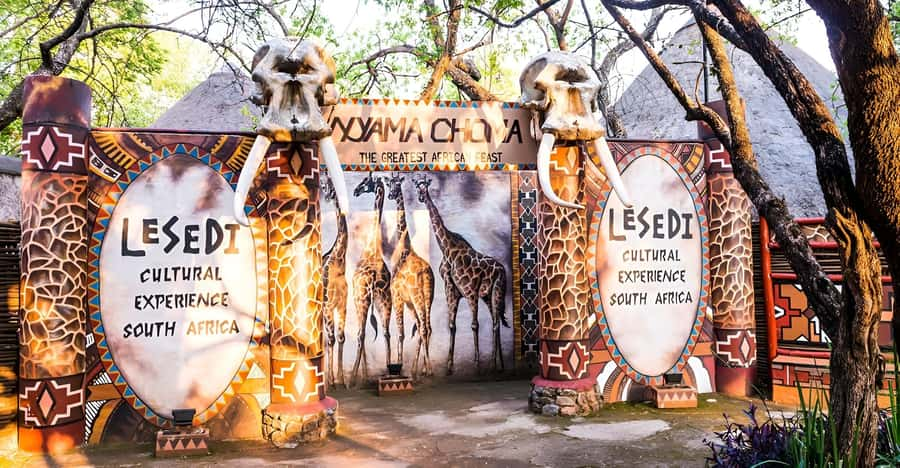
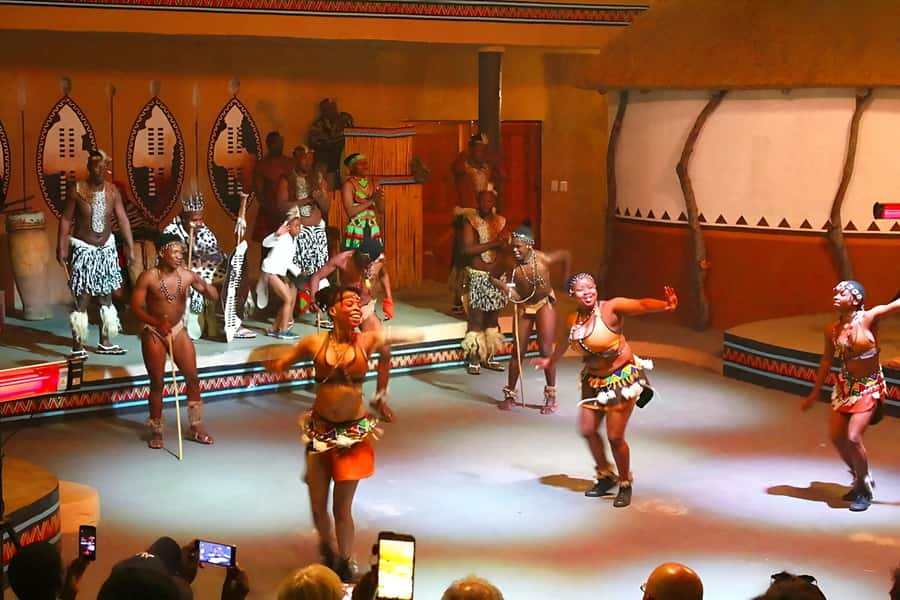
The final performance brings the groups together through music, singing, and dance. This is the part most likely to stay with you. The dancers are described as energetic and tireless, and the program uses rhythm and movement to connect the sections of the visit.
The dancing is not a small afterthought. It is one of the main reasons to choose this tour. The performance gives you a shared ending after several separate cultural introductions, and it allows you to see how music can carry identity, celebration, and ceremony.
You may be encouraged to join in. That participation is usually simple and good-natured. You do not need dance training, but comfortable shoes and a willingness to look slightly silly will help. The performers do the hard work. Your job is to keep the beat and enjoy yourself.
If you are short on time, do not assume the dance portion is optional filler. It is the emotional center of the program. The spoken tour gives you facts and context; the performance gives you a sense of sound, movement, and celebration.
Pap, chakalaka, and the included meal
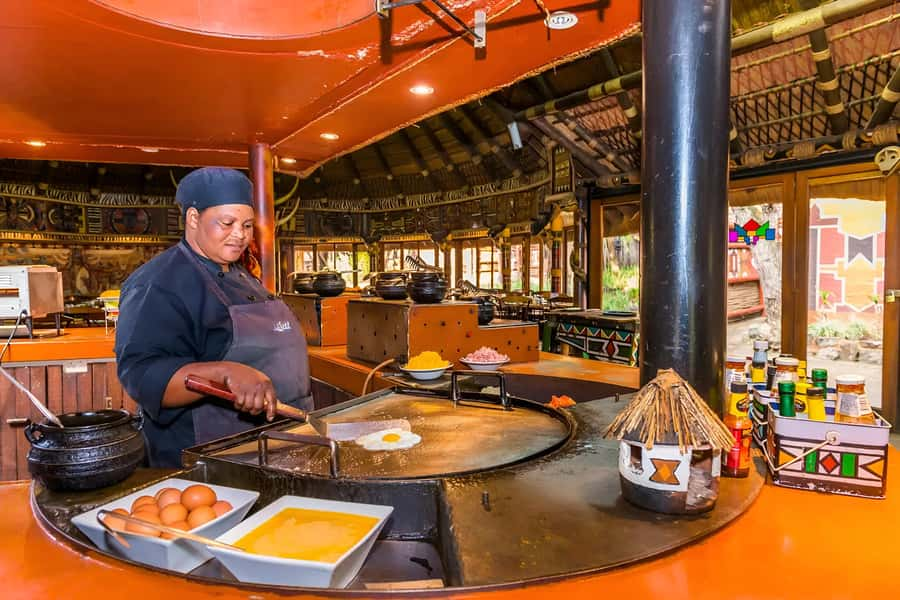
The tour ends with lunch or dinner, depending on the departure time. Traditional South African dishes may include pap, a maize porridge, chakalaka, a spicy vegetable relish, and different meats prepared in local styles.
Food adds value because it turns the cultural lesson into something practical and familiar. You are not only hearing about daily life; you are also tasting part of the cuisine. It is a good moment to ask what you are eating and how the dishes fit into everyday meals or celebrations.
The meal lasts about one hour. Drinks are not included, so plan to pay separately for them. Personal purchases are also extra, including anything from the marketplace.
The meal has received positive attention, but expectations should remain sensible. This is included catering within a cultural attraction, not necessarily a specialist restaurant visit. If food is a major reason for booking, check the available menu and dietary details before you commit, since the supplied tour information does not specify vegetarian, allergy, or halal arrangements.
How the tour works for different visitors
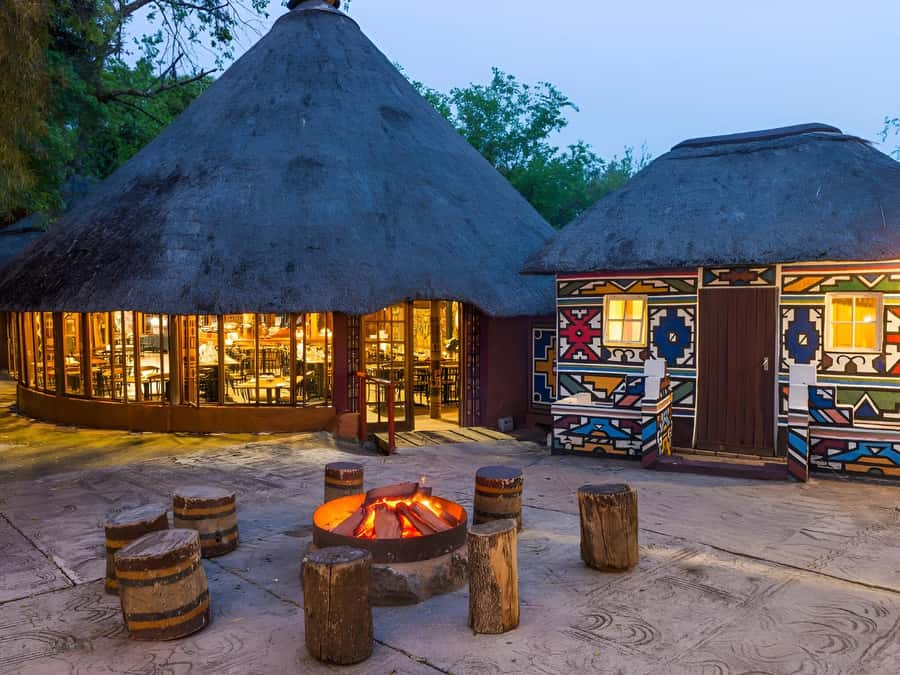
This outing suits you best if you want a structured introduction to South African culture and prefer having transport and food arranged. It is also a practical choice for families, first-time visitors, and anyone who wants a half-day activity from Johannesburg or Pretoria.
It works well for multilingual groups because English, French, and Portuguese options are available. Translation pauses can slow the rhythm slightly, but they are worthwhile if they help everyone understand the guide.
The tour is wheelchair accessible, which makes it easier for visitors who need an accessible attraction. The provided information does not describe every surface, transfer, or accessible restroom, so it is still sensible to confirm any specific mobility needs in advance.
I would be less quick to recommend it to someone searching for an unplanned encounter with rural life. The attraction is organized, rehearsed, and designed for visitors. It offers access to several traditions, but it does not replace time spent with a local community, museum research, or a visit shaped by one specific cultural group.
The five-hour duration is another strength. It is long enough to include the welcome, guided visit, performance, meal, and transport, but short enough to leave most of the day available for other plans. Since the program is fairly full, keep the rest of your schedule flexible around the pickup and return.
Booking value, flexibility, and practical details
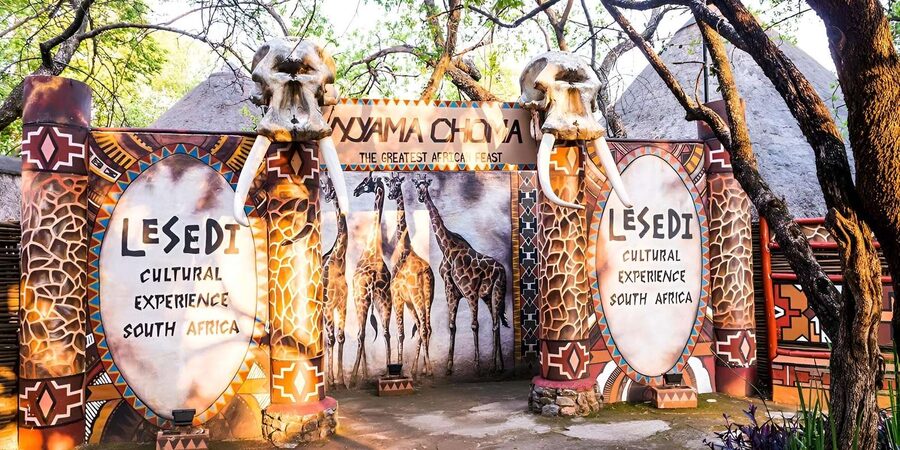
At $143, value depends heavily on your starting point. From Johannesburg or Pretoria, the package includes hotel pickup and drop-off around those cities, a 45-minute transfer each way, admission, the guided program, and lunch or dinner. If you would otherwise need a private car and restaurant meal, the price becomes more reasonable.
The attraction also offers skip-the-ticket-line access, which reduces friction on arrival. Free cancellation is available up to 24 hours before the activity for a full refund, and you can reserve now and pay later. Those terms are useful if your South Africa schedule is still changing, though you should check the available start times before building the day around it.
The experience provider is African Pumba Tours. Guide language options are English, Portuguese, and French. Since individual guides can shape how much context you receive, request your preferred language and ask whether a guide such as Samuel is available if that matters to you. Do not assume a particular guide is guaranteed.
Should you book Lesedi Cultural Village?
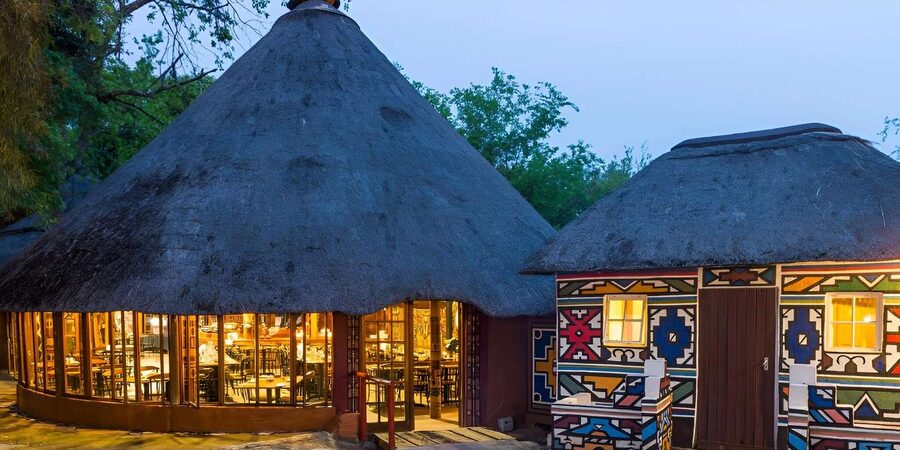
Book it if you want an easy, well-organized half-day that combines five cultural introductions, live music, dancing, and a meal. It is especially useful from Johannesburg or Pretoria, where included hotel pickup removes much of the transport hassle.
Go in with the right expectations. You are visiting a cultural presentation with replicas and performances, not an untouched village. If you accept that format, the drumming, dance, guides, and food make it an enjoyable way to begin learning about South Africa’s cultural variety. If authenticity in the sense of ordinary daily life is your top priority, choose a smaller community-based visit instead.
FAQ
How long does the Lesedi Cultural Village tour take?
The full activity lasts five hours, including transport from Johannesburg or Pretoria. The drive takes about 45 minutes each way, with around two and a half hours for the guided visit and one hour for lunch or dinner.
Where can I be picked up?
Pickup is available from locations around Johannesburg and Pretoria, including central areas and hotels. Return drop-off is available in Johannesburg or Pretoria.
Which cultural groups are included?
The tour presents five groups: Zulu, Xhosa, Pedi, Sotho, and Ndebele.
Is food included in the price?
Yes. Lunch or dinner is included. Drinks and personal purchases are not included.
What food might be served?
The meal may include South African dishes such as pap, chakalaka, and different meats prepared in traditional styles.
Which languages are available?
The tour is offered with live guides speaking English, Portuguese, or French.
Is the tour wheelchair accessible?
Yes, the activity is listed as wheelchair accessible. Contact the provider before booking if you need details about a specific mobility requirement.
Can I cancel the booking?
Yes. You can cancel up to 24 hours in advance for a full refund. Reserve-now, pay-later booking is also available.
More food to try in Johannesburg
- Soweto Food and Beer Tasting Walking Tour with a Local
★ 5.0 · 8 reviews - Cape Town: Full-Day Winelands Tour with Wine Tastings & Food
★ 4.9 · 1,288 reviews - Hartbeespoort: 2-Hour Dam Cruise with South African Food
★ 4.4 · 621 reviews - The Cape Town Essentials Food Tour
★ 5.0 · 385 reviews
More eating and drinking in Johannesburg
- Johannesburg: Local Food Tasting Guided Walking Tour
★ 4.7 · 192 reviews - Soweto Food & Beer Bike Tour
★ 4.9 · 40 reviews - Johannesburg: Wine Tasting
★ 4.3 · 39 reviews - Soweto Tuk-Tuk Food & Beer Tour
★ 5.0 · 9 reviews
Just added in Johannesburg
- Soweto Tuk-Tuk Food & Beer Tour★ 5.0 · 9 reviews
- Soweto: Sip & Paint Walking Tour & Take Home a Canvas★ 4.8 · 7 reviews
- Soweto Tour; Mandela House; Vilakazi Street; Market Culture★ 5.0 · 6 reviews
- Soweto & Johannesburg and Apartheid Museum★ 4.7 · 41 reviews
- Soweto Township Tour★ 4.4 · 4 reviews
- Private Soweto,Mandela House,Apartheid Museum,Constitution★ 4.6 · 15 reviews
- Soweto Food & Beer Bike Tour★ 4.9 · 40 reviews
- Soweto and apartheid museum tour(Half-day)★ 5.0 · 4 reviews
Cultural Village Tours, compared.

Lesedi Cultural Village and Cradle of Humankind Tour
Read our review →

Durban City & PheZulu Cultural Village Day Tour from Durban
Read our review →
Browse the lists this tour appears in