Reviewed · APARTHEID & MANDELA HISTORY TOURS
Apartheid Museum & Soweto Tour with Hotel Pickup
Soweto is not a quick photo stop. It is a living community shaped by forced removals, migrant labor, student protest, music, politics, and daily family life. This five-hour tour links that present-day community with the Apartheid Museum, giving you history first and local streets afterward.
I like two things here. First, guides such as Thabang, Neo, Thembo, and Tsalanang bring personal connections to Soweto, with several guides raised there themselves. Second, the route shows more than famous landmarks: you pass different types of housing, former hostels turned into family homes, and areas described as upper, middle, and lower townships. The main consideration is that this is a fairly full half-day, with some walking and several stops viewed from outside rather than entered.
Key details that shape the experience
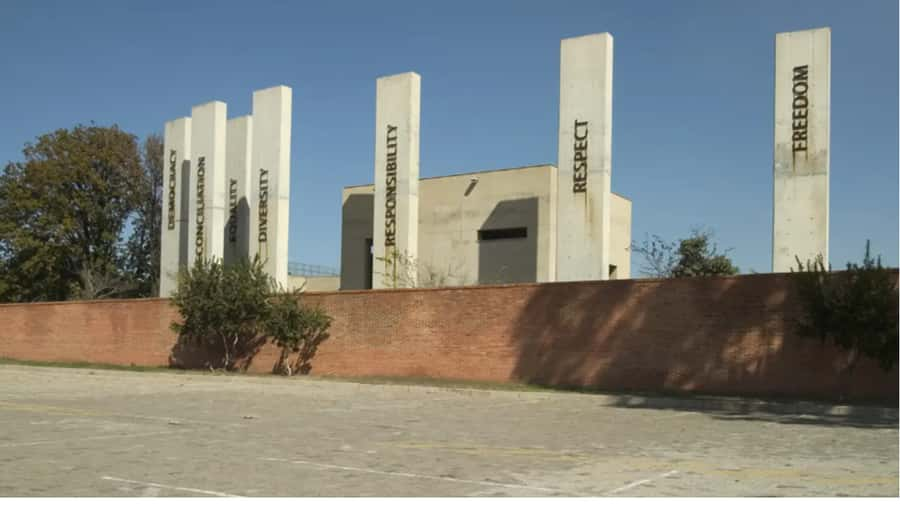
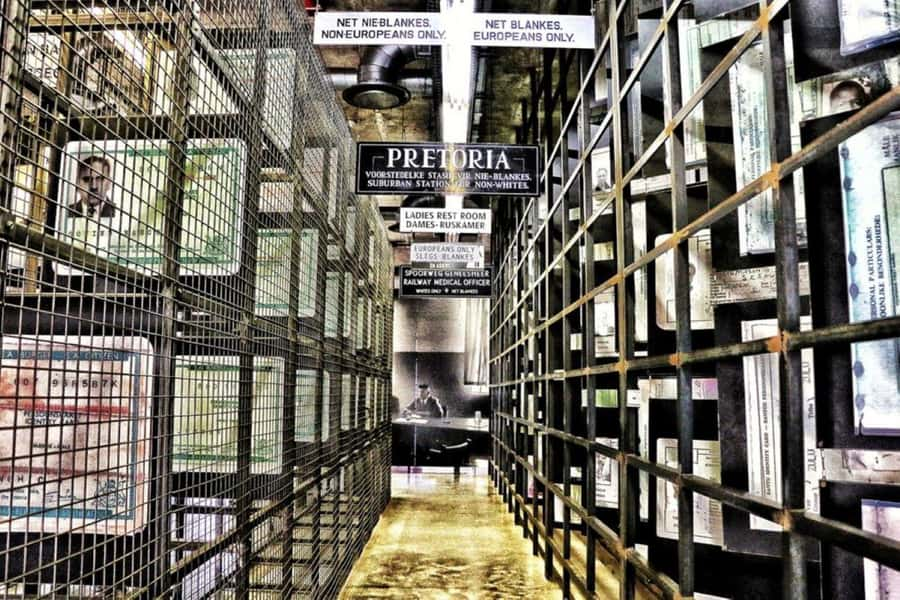
- The Apartheid Museum sets the historical frame with exhibits on segregation from 1948 to 1994.
- Local guides make Soweto personal, explaining places through family and community experience.
- Vilakazi Street links two Nobel Peace Prize figures, Nelson Mandela and Archbishop Desmond Tutu.
- FNB Stadium recalls the 2010 World Cup Final, while the Soweto Towers provide a modern landmark.
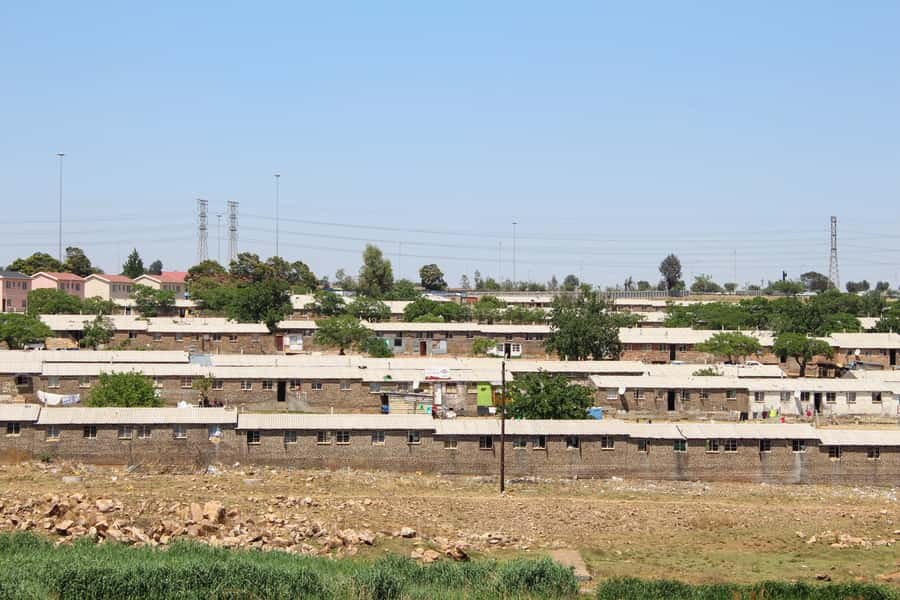
- The tour shows different kinds of housing, including hostels changed from migrant labor accommodation into family units.
- Mandela House and the Hector Pieterson Museum are not included, though you see Mandela House from outside and visit the memorial area.
Why this Soweto tour works as a half-day introduction

At $91 per person, this is not the cheapest way to see Soweto, but the price covers hotel or residence pickup and drop-off, a live English-speaking guide, bottled water, and admission to the Apartheid Museum. That matters in Johannesburg, where combining transport, museum entry, and a local guide on your own can take more planning than expected.
The tour lasts about five hours, so it gives you a focused introduction rather than trying to cover every corner of Soweto. I think that balance suits a first visit. You get the major historical sights, time for explanation, and a look at ordinary housing and community life without giving up an entire day.
The strongest part is the human context. Thabang, who grew up in Soweto, is specifically praised for sharing details that are not easy to find in a guidebook. Other named guides include Neo, Thembo, and Tsalanang. You cannot choose in advance from the information provided, but the repeated emphasis on guides who know Soweto personally is important when comparing this tour with a standard sightseeing loop.
More Apartheid History Tours in Johannesburg
- Soweto /Johannesburg and Apartheid Museum Guided Full Day Tour
★ 5.0 · 932 reviews - Jo’berg in 1 Day: Soweto, Apartheid Museum & City Tour
★ 4.8 · 524 reviews - Johannesburg: Full-Day Tour with Soweto and Apartheid Museum
★ 4.8 · 478 reviews
Start with apartheid at the museum
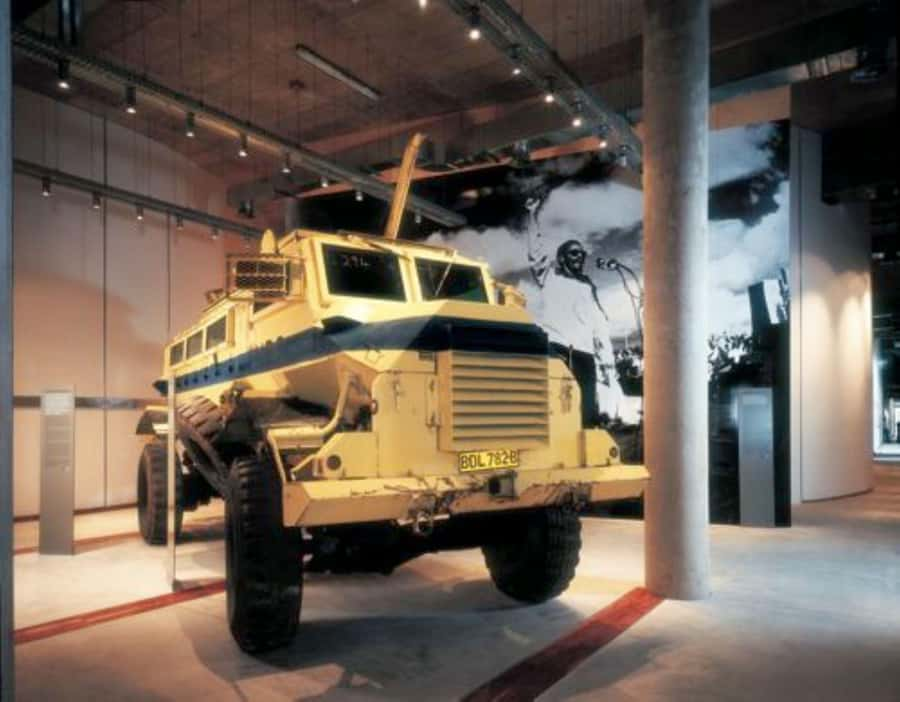
The Apartheid Museum is the tour’s most serious stop. It explains the rise and fall of apartheid, the system of racial separation enforced in South Africa from 1948 until 1994, and the effect of those policies on daily life.
Allow yourself time to absorb the material. The museum gives you the political and social background needed to understand the streets you will see later. Without that context, Soweto can be reduced to a set of famous names and buildings. With it, the housing patterns, hostels, protests, and public memorials carry much more meaning.
Admission is included, which improves the value of the tour. You should still expect the museum to be emotionally demanding. This is not a light warm-up before the sightseeing portion, and some people may prefer to visit it when they have enough energy and attention for difficult subject matter.
Flash photography is not allowed. Bring a camera if you want it for the outdoor portions, but follow the museum’s rules inside.
FNB Stadium and Soweto’s public symbols
A stop at FNB Stadium connects Soweto with a more recent chapter in South Africa’s public life. The stadium hosted the 2010 Soccer World Cup Final, giving it importance well beyond sport.
The tour includes a view of the stadium rather than a stadium event or interior visit. Think of it as a landmark stop and a chance to hear how international sport placed Johannesburg and South Africa before a global audience.
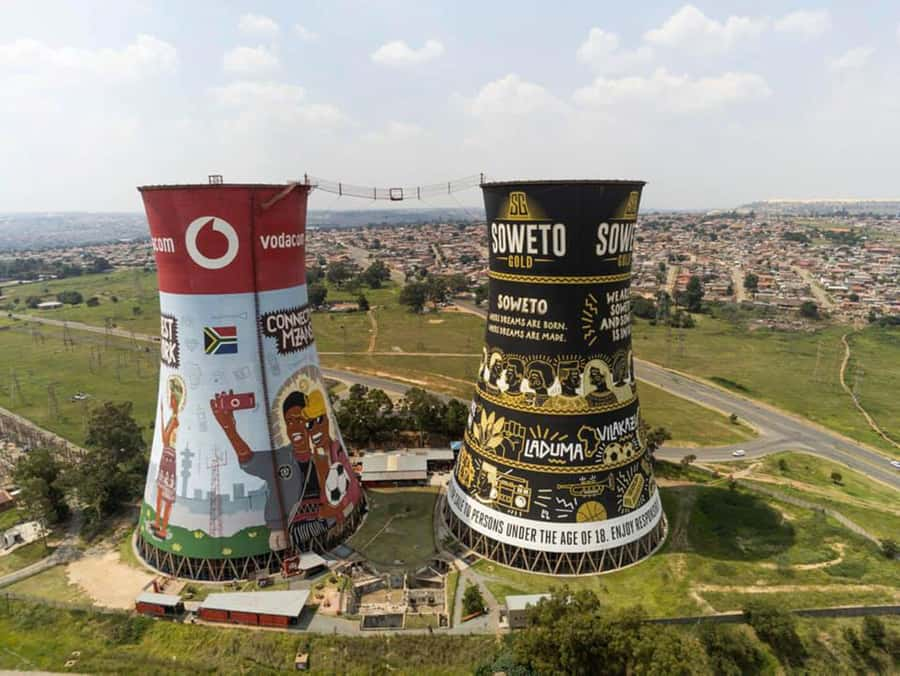
You also see the Soweto Towers, now one of the area’s best-known landmarks. The towers offer a sharp contrast with the museum and memorials. They are modern, highly visible, and tied to the changing public image of Soweto.
These stops help break up the heavier historical material. You move from apartheid-era policy to present-day identity, sport, and local landmarks. The tour does not pretend that Soweto can be understood through one story alone.
Diepkloof, hostels, and the housing story
The Soweto route begins in Diepkloof, where the guide discusses different types of housing. This is one of the most useful parts for anyone who wants more than a list of famous addresses.
You drive past hostels that were originally built for migrant labor accommodation. They have since been changed into informal family units. That detail tells you a great deal about how a place can outlive the purpose for which it was built, and how residents adapt buildings to meet family needs.
The tour also takes you through areas described as upper, middle, and lower townships. The point is not to label communities from a vehicle window, but to show that Soweto is not one uniform neighborhood. Housing, income, history, and local character vary from one section to the next.
The guide’s explanation is especially important here. From the road, you will see buildings and streets. A local guide can explain what those differences mean and connect them to the larger story of Soweto. Tsalanang, Thabang, and other guides have been praised for sharing personal experience and explaining how the communities differ.
This section involves driving and some walking, so wear shoes that can handle both. The tour is not suitable for wheelchair users or people with back problems, and it is not designed for babies under one year old.
More Township Tours in Johannesburg
- Johannesburg: Hop-On Hop-Off Bus with Optional Soweto Tour
★ 4.6 · 985 reviews - Johannesburg Hop-On Hop-Off City Tour with Soweto Option
★ 4.5 · 768 reviews - Half-Day Tour of Soweto Tour
★ 4.5 · 712 reviews - Soweto: Walking Tour with a Local Guide and Lunch
★ 4.9 · 648 reviews
A drive past Chris Hani Baragwanath Hospital
The route passes Chris Hani Baragwanath Hospital, described as one of the largest hospitals in the world. It is a drive-by viewing rather than a hospital visit.
That may sound like a small detail, but it helps show the scale of Soweto and the services that support its large population. It also gives the guide another useful point for discussing the area as a functioning community rather than only a historic site.
Do not expect a long stop here. The value comes from the explanation and the wider route, not from taking a close look at the hospital grounds.
Walking Vilakazi Street
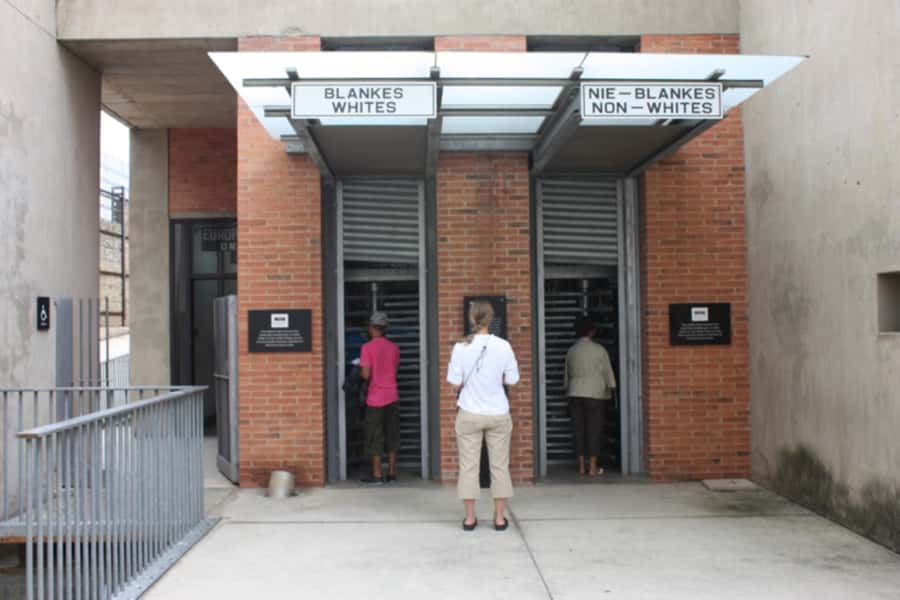
Vilakazi Street is the most famous walking stop. It was home to two Nobel Peace Prize winners, Nelson Mandela and Archbishop Desmond Tutu. Few streets can claim that connection, and it gives the walk a clear place in South Africa’s political story.
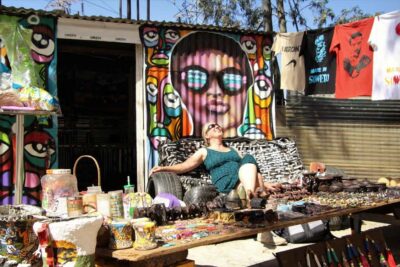
You have an opportunity to shop for souvenirs and see Mandela House from the outside. Entry to the Mandela House Museum is not included, so anyone wanting the full interior museum visit would need to arrange and pay for that separately.
The street can be busy with people and activity, but the supplied information does not promise a particular shopping selection or a set amount of free time. Keep your expectations practical: this is a guided stop within a five-hour itinerary, not an unhurried afternoon of browsing.
I like that the tour includes both the famous address and the surrounding community. Mandela House alone can become a quick photograph. The walk gives you a wider sense of why Vilakazi Street matters and lets you hear the guide’s local perspective.
Hector Pieterson and the 1976 student uprising
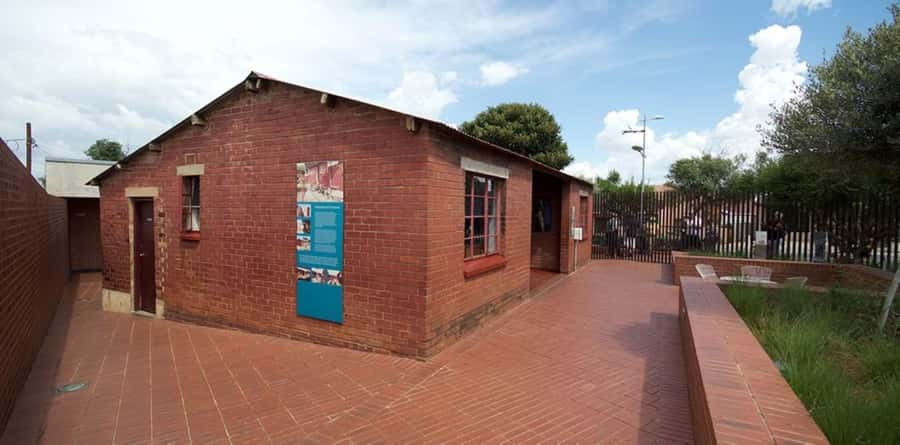
The final major historical stop is the Hector Pieterson Memorial. Here, the guide gives an overview of the 1976 Soweto Student Uprising, a defining event in the struggle against apartheid.
The memorial is included as a stop, but admission to the Hector Pieterson Museum is not included. That distinction matters when you plan your expectations. You receive an explanation at the memorial area, while a museum visit would be an additional cost if available as part of your own plans.
This stop pairs naturally with the Apartheid Museum. The museum establishes the national system, while Hector Pieterson brings the story to a particular community and moment. The result is more grounded than a tour that only lists political leaders and major dates.
Because this is a serious memorial, give it your attention. The tour moves at a steady pace, and you may not have unlimited time to linger.
What the local guide adds

The guides are the main reason to choose this experience over a basic vehicle tour. Thabang is repeatedly singled out for his warm manner, personal stories, and clear explanations. Neo is praised for making the history engaging, while Tsalanang is described as sharing his own experience of growing up in Soweto and explaining different areas with care.
The guide names listed in the information include Thabang, Neo, Thembo, and Tsalanang. Your assigned guide may vary, but the format is clear: you have a live English-speaking guide rather than an audio recording or a simple hop-on, hop-off route.
That difference affects the whole day. You can ask questions, request clarification, and connect the museum displays with what you see outside. The strongest feedback centers on education, personal reflection, and the chance to hear about Soweto from someone who knows the community directly.
A local guide cannot answer every possible question, and one guide’s style may differ from another’s. Still, the human element is a strong part of the value, especially for first-time visitors who want a careful introduction rather than independent wandering without context.
Comfort, timing, and what to bring
Pickup and drop-off at your residence are included. That makes the tour convenient if you are staying in an area covered by the operator’s pickup service, though you should check the available pickup details when booking.
The five-hour length is useful for a morning or afternoon plan. It is long enough to include the museum and several Soweto stops, but short enough to leave room for another Johannesburg activity. Starting times vary, so check availability before you build the rest of your day.
Bring comfortable shoes, a hat, sunscreen, and water. Bottled water is included, but carrying extra water is sensible because the itinerary includes walking and outdoor stops. The supplied information does not include a meal break, and meals and drinks beyond the provided bottled water are not covered.
You may take a camera, but flash photography is not allowed. Souvenirs are also your own expense.
The tour is not suitable for wheelchair users, people with back problems, or babies under one year old. Those restrictions are worth taking seriously because the experience combines vehicle travel, getting in and out, walking, and outdoor viewing.
Who should book it
I would choose this tour if you have limited time in Johannesburg and want the Apartheid Museum and Soweto in one organized half-day. It is particularly well suited to first-time visitors, history-focused travelers, and anyone who values a guide with a personal connection to the area.
It also works well if you want to see more than postcard landmarks. The hostel conversions, housing differences, hospital, and local explanations provide a fuller picture than a route built only around Mandela House and Vilakazi Street.
You may want something else if you prefer a slow museum visit, extensive time inside Mandela House, or a private itinerary built around your own interests. The tour includes several outdoor views and drive-bys, so it is not a deep museum program or a full-day exploration of every part of Soweto.
Should you book this Soweto and Apartheid Museum tour?
Yes, if you want a clear, focused introduction with transport included and a guide who can connect history to present-day Soweto. At $91, the price is reasonable when you count the five-hour service, museum admission, bottled water, and residence pickup and drop-off, though it is not a budget outing.
The best reason to book is the local voice. Guides such as Thabang, Neo, and Tsalanang add personal detail to places that can otherwise feel distant or simplified. Just arrive ready for serious history, walking, outdoor sun, and a schedule that views Mandela House and the Hector Pieterson Museum from the outside unless you pay separately for entry.
FAQ
How long does the Soweto and Apartheid Museum tour last?
The tour lasts five hours, including the Apartheid Museum visit, the Soweto drive and walking stops, and pickup and drop-off at your residence.
Is hotel pickup included?
Pickup and drop-off at your residence are included. Check the available pickup details and starting times when you book.
Is admission to the Apartheid Museum included?
Yes. Entry to the Apartheid Museum is included in the price.
Is entry to Mandela House included?
No. The tour includes a view of Mandela House from outside, but admission to the Mandela House Museum is not included.
Is admission to the Hector Pieterson Museum included?
No. The tour visits the Hector Pieterson Memorial and provides an overview of the 1976 Soweto Student Uprising, but museum admission is not included.
What language is the tour conducted in?
The tour has a live English-speaking guide.
What should I bring?
Bring comfortable shoes, a hat, sunscreen, water, and a camera if you want photographs. Flash photography is not allowed.
More museums and galleries in Johannesburg
- Full-Day Soweto, Apartheid Museum and Lunch Tour
★ 5.0 · 410 reviews - Half Guided Day Tour of Soweto And Apartheid Museum
★ 5.0 · 356 reviews - Ultimate Johannesburg Soweto Experience with Apartheid Museum
★ 5.0 · 313 reviews - Soweto: Hop-On Hop-Off Bus, City Tour and Apartheid Museum
★ 4.5 · 250 reviews
Just added in Johannesburg
- Soweto Tuk-Tuk Food & Beer Tour★ 5.0 · 9 reviews
- Soweto: Sip & Paint Walking Tour & Take Home a Canvas★ 4.8 · 7 reviews
- Soweto Tour; Mandela House; Vilakazi Street; Market Culture★ 5.0 · 6 reviews
- Soweto & Johannesburg and Apartheid Museum★ 4.7 · 41 reviews
- Soweto Township Tour★ 4.4 · 4 reviews
- Private Soweto,Mandela House,Apartheid Museum,Constitution★ 4.6 · 15 reviews
- Soweto Food & Beer Bike Tour★ 4.9 · 40 reviews
- Johannesburg: Soweto History Tour with Hotel Pickup★ 4.8 · 14 reviews
Apartheid & Mandela History Tours, compared.
Jo’berg in 1 Day: Soweto, Apartheid Museum & City Tour
Read our review →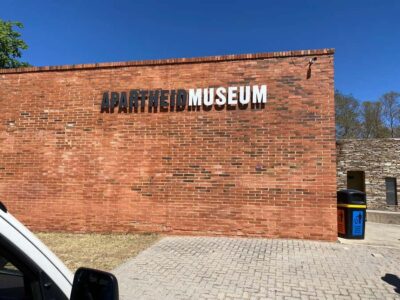
Full-Day Tour with Soweto and Apartheid Museum
Read our review →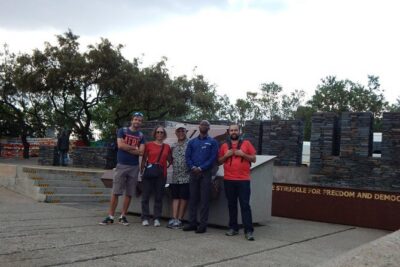
Half Guided Day Tour of Soweto And Apartheid Museum
Read our review →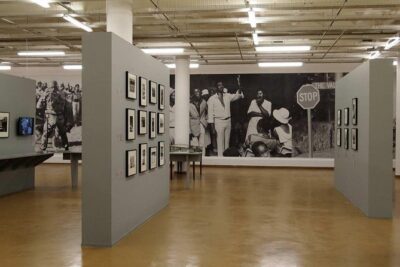
Ultimate Johannesburg Soweto Experience with Apartheid Museum
Read our review →
Hop-On Hop-Off Bus, City Tour and Apartheid Museum
Read our review →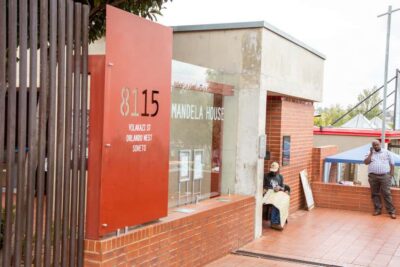
Johannesburg and Soweto Apartheid Full Day Tour w/Lunch
Read our review →