
Reviewed · BO-KAAP TOURS
Cape Town: Cape Malay Cooking Class in Bo-Kaap
Bo-Kaap’s best food lesson may happen not in a restaurant, but in a family home. This two-hour class puts you beside a local host as you make a three-course Cape Malay meal, from folding samosas to stirring curry. I like the hands-on format and the chance to hear about Bo-Kaap and Malay traditions while the food cooks.
I also like that you eat what you prepare, with lunch and soft drinks included in the $52 price. The main point to consider is that this is a shared kitchen class, not a private workstation for each person. Some food is made together, and dessert may be prepared before you arrive.
Key points to know
- Cook inside a Bo-Kaap family home: The setting gives the class a personal feel that a commercial kitchen cannot match.
- Expect a three-course Cape Malay meal: Past menus have included samosas, chilli bites, flatbread, roti, and chicken or beef curry.
- The host teaches more than recipes: You will hear about Bo-Kaap, Malay culture, family traditions, spices, and local ingredients.
- Participation is encouraged: You may fold samosas, prepare starters, work on bread, and help with the main meal.
- Allow for steep stairs: The dining area may require walking down steep stairs, which matters if you have a back or mobility problem.
- Good value for food and culture: The fee includes the class, lunch, and soft drinks, but not transport.
Cooking Cape Malay food inside a Bo-Kaap home
This experience begins with a change of pace. Bo-Kaap is famous for its brightly painted houses and strong Cape Malay identity, but this class takes you past the photo stop and into the setting where food traditions are still practiced.
You meet a local host in a family home and work through a three-course meal from scratch. The hosts named in the feedback include Shafeeqah, Fuad, Jacinda, and Jasmina, though the person leading your class can vary. English and Afrikaans are the stated languages.
I like the home setting because it keeps the focus on people and food. You are not simply watching a chef perform behind a counter. You are handling ingredients, asking questions, and eating at the same table afterward.
The class also gives you a useful way to understand Cape Malay cooking. Spices are not treated as decoration. You learn how they are combined, how they shape the flavor of the meal, and how familiar dishes fit into family and community life.
Other neighbourhood walks in Cape Town:
- Cape Town: Malay Cooking Class and Lunch in Bo-Kaap
★ 4.8 · 515 reviews - Cape Town Walking Tour: Bo-Kaap & City Highlights
★ 4.8 · 161 reviews - Bo-Kaap: Walk with a local
★ 5.0 · 131 reviews
The first half hour: spices, stories, and kitchen work
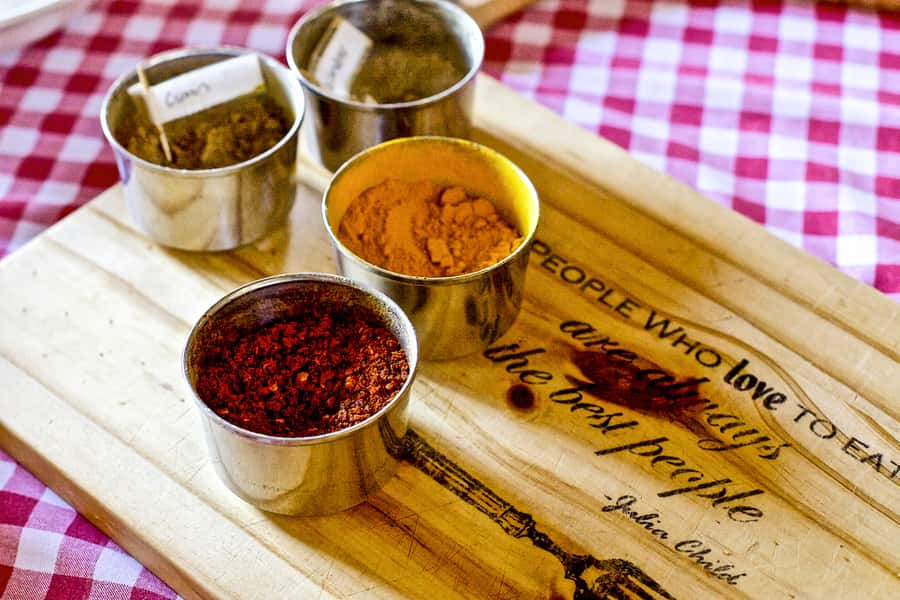
The class is built around participation. Your host introduces the ingredients and tools, then guides the group through the preparation. You may hear where certain ingredients can be bought and how the cooking methods are used at home.
Specific recipes can vary, but the dishes described include samosas, chilli bites, roti or flatbread, and a curry. The meal has a starter, main course, and dessert, giving you a broad introduction rather than a single recipe lesson.
One small but useful lesson is the correct way to fold a samoosa. The technique helps keep the filling inside during cooking. This is the sort of practical tip you can take home and use, unlike a cooking demonstration where you only watch someone else do the work.
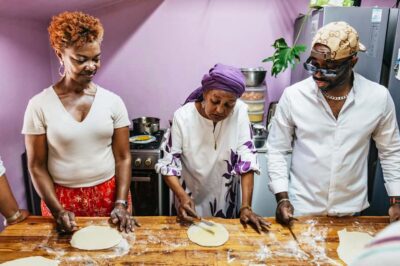
The class is suited to mixed ability levels. You do not need to arrive as a confident cook. The host leads the process, and the tasks are divided among the group. Some people chop, some shape, and others help with the cooking. The shared approach makes it social, but it also means you may not personally prepare every part of the meal.
Samosas, chilli bites, and the shared cooking rhythm
Starters are often where the class becomes most active. You may help shape samosas or prepare chilli bites, with the host showing you how to handle the filling and pastry.
This is a good place to ask questions about texture and spice. Cape Malay food is often associated with fragrant seasoning and warmth, but the class is not presented as a test of how much heat you can handle. The host can explain the ingredients and guide the group through the process.
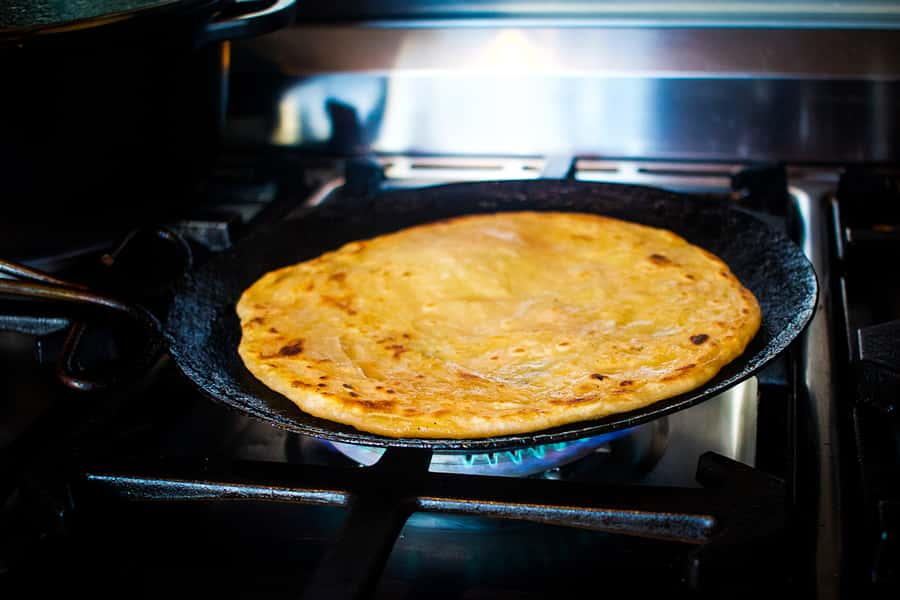
Past participants have also made roti or flatbread. Bread brings another skill into the lesson because you are working with dough rather than simply combining ingredients. You may find this especially useful if you want to repeat the meal at home.
Do not expect everyone to have an individual cooking station. One attendee specifically noted that the structure is different from a standard class where each person gets separate equipment and ingredients. Here, the group assists with the starters and main course together.
That setup has both strengths and limits. It creates conversation and lets you learn from the way the host organizes a real home kitchen. On the other hand, if you want to make every dish entirely by yourself, this may feel less intensive than a formal culinary workshop.
Curry, bread, and the meal you helped make
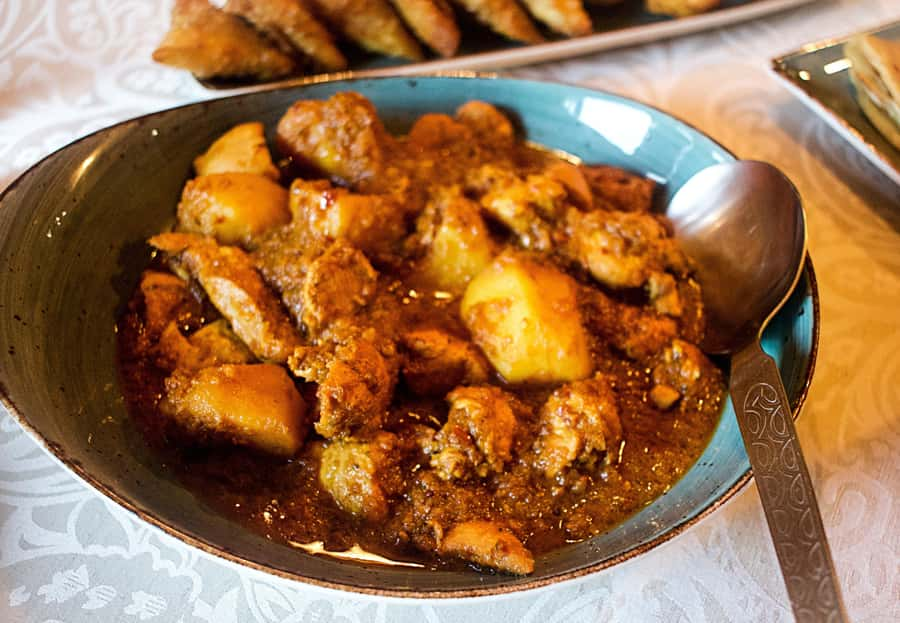
The main course has included chicken curry and beef curry on different occasions. Since the exact menu is not fixed in the supplied details, you should check the current menu when booking if a particular meat or dish matters to you.
The curry is the part of the experience that ties the lesson together. By the time it reaches the table, you have seen how the spices, ingredients, and cooking steps work as a whole. You are not just sampling Cape Malay food from a restaurant menu. You understand more about how the dish came together.
Fresh ingredients and authentic spices are part of the class description. The hosts also explain where to find ingredients, which is useful if you want to recreate the meal after your Cape Town visit.
The food is served after the cooking is complete, with soft drinks included. Expect a communal meal rather than a quick tasting. You sit with the host and the other people in your group, talk about the food, and share the results of the work.
For many people, this is the best part of the two hours. Cooking gives everyone a task, while the meal gives you time to talk. It also makes the $52 price easier to judge: you are paying for instruction, lunch, drinks, and access to a local home, not simply for a restaurant plate.
Other eating and drinking in Cape Town:
- The Cape Town Essentials Food Tour
★ 5.0 · 385 reviews - Cape Town: V&A Waterfront Gin Voyage Cruise
★ 4.6 · 238 reviews - Authentic African Cuisine Cooking Experience
★ 5.0 · 236 reviews - Cape Town: Bo-Kapp Walking Tour and Malay Cooking Class
★ 4.7 · 105 reviews
The Bo-Kaap stories are as important as the recipes
The class includes a first-hand introduction to Bo-Kaap and Cape Malay culture. Your host may talk about family, local traditions, food, and the community while you work.
This context matters because Cape Malay cooking is tied to the identity of the neighborhood. The class does not treat the food as an isolated set of recipes. It connects the dishes with the people who prepare them and the homes where they are served.
The tone appears to be informal and personal. The hosts are described as welcoming, patient, and easy to talk to. One host even helped visitors with a spice-shop stop and transport afterward, though you should not assume that extra assistance is included in your booking.
I would choose this class if you want a cultural experience with a food focus. It suits people who enjoy conversation and shared activities. It may be less suitable if you prefer a quiet meal, a formal chef-led demonstration, or a tightly timed series of sightseeing stops.
A friendly class for families and mixed groups
The class works well for families, couples, solo participants, and groups of friends. Teenagers who were initially reluctant have enjoyed taking part, especially once the cooking became active.
It is also a good option for meeting people during a Cape Town stay. The shared tasks naturally create conversation, and the meal gives the group a reason to linger.
Dietary needs should be raised before you arrive. One family received help with dietary restrictions, but the supplied information does not specify which diets can be accommodated or whether substitutions are always possible. Ask directly when booking rather than relying on the standard menu.
The hosts have experience guiding multinational groups, so you should expect different cooking backgrounds around the table. Beginners can follow along, while more confident cooks can ask about technique and ingredients.
Alcohol and drugs are not allowed. That fits the family-home setting and keeps the focus on cooking, food, and conversation.
Timing, transport, and the staircase detail
The class lasts two hours. That is long enough for meaningful preparation and a proper meal, but short enough to fit into a day of exploring Cape Town.
Transport is not included. You need to make your own way to Bo-Kaap, so allow time to find the meeting point and arrive ready to start. The experience is in the heart of the neighborhood, but the supplied details do not state a pickup service or a specific meeting address.
There is one physical detail worth taking seriously. The dining area may involve walking down steep stairs. Someone with a serious back injury found this difficult, and that information should guide your decision if stairs are a concern.
The cooking itself takes place in a home kitchen, so the setup may not resemble an accessible purpose-built classroom. If you have mobility needs, contact the provider before booking and ask about the stairs and seating arrangement.
Free cancellation is available up to 24 hours before the activity for a full refund. You can also reserve now and pay later, which helps if your Cape Town schedule is still changing.
Is $52 a fair price?
At $52 per person, this is not the cheapest way to eat lunch in Cape Town. That comparison misses the point, though. The price covers a two-hour cooking lesson, a three-course meal, soft drinks, local hosting, and the chance to spend time in a Bo-Kaap home.
I see it as good value if you would otherwise pay for both a cultural tour and a meal. The class combines those two activities in one sitting.
The value is weaker for someone who mainly wants a large restaurant lunch or a professional cooking course with individual equipment. The class is communal, and the exact menu can change. You are paying for the setting and personal contact as much as for the food.
The 4.8 out of 5 rating from 120 reviews supports the idea that the experience delivers consistently for most people. The strongest praise centers on the food, kind hosts, participation, and cultural background. Those are the parts to focus on when deciding if it fits your trip.
Who should book Cape Malay Cook Up?
I would recommend this class to you if you:
- Enjoy learning through food rather than only sightseeing
- Want to meet a local host in a home setting
- Are happy to share tasks with a small cooking group
- Like trying dishes such as samosas, chilli bites, flatbread, and curry
- Want background on Bo-Kaap and Cape Malay culture
- Are traveling with teenagers or family members who enjoy hands-on activities
I would hesitate if you need a fully private lesson, your own workstation, or a confirmed menu with no substitutions. I would also check the staircase situation before booking if you have a back injury or difficulty with stairs.
Should you book this Bo-Kaap cooking class?
Book it if you want a friendly, food-centered look at Bo-Kaap that goes beyond taking photographs of the painted houses. The strongest reason to go is the combination of cooking, conversation, and a meal prepared with local guidance.
The class is especially worthwhile for visitors who value personal contact over a polished tourist production. You will not simply be served Cape Malay food. You will help make it, hear how it fits into family life, and sit down with the people who taught you.
Skip it if you want a formal culinary school format or a guaranteed individual cooking station. For everyone else, $52 is a sensible price for two hours of activity, lunch, soft drinks, and a memorable connection to one of Cape Town’s most distinctive neighborhoods.
FAQ
Where does the Cape Malay cooking class take place?
The class takes place in the historic Bo-Kaap neighborhood of Cape Town, inside a local family home.
How long does the cooking class last?
The experience lasts two hours. Starting times depend on availability.
What food will I cook?
You will prepare a three-course Cape Malay meal. Dishes mentioned include samosas, chilli bites, roti or flatbread, and chicken or beef curry. The exact menu can vary.
Is lunch included?
Yes. Lunch and soft drinks are included after the cooking is finished.
Is transportation included?
No. You must arrange your own transportation to and from Bo-Kaap.
What languages does the host speak?
The host or greeter speaks English and Afrikaans.
Do I get my own cooking station?
No specific individual workstation is promised. The class works as a shared cooking activity, with participants helping prepare the starters and main course together.
Are steep stairs involved?
Steep stairs may lead to the dining area. Ask the provider about access before booking if stairs or mobility are a concern.
Can I cancel for a full refund?
Yes. You can cancel up to 24 hours in advance for a full refund. Reserve now and pay later is also available.
More classes and workshops in Cape Town
- Private Surf Lesson
★ 5.0 · 53 reviews - Private Surf Lesson in Cape Town – Transport & Photos Included
★ 5.0 · 50 reviews - Muizenberg Cape Town: Private Surf Lesson
★ 5.0 · 37 reviews - Koeksister and Samoosa Class by the Malay Cook Up
★ 4.8 · 9 reviews
More cooking classes in Cape Town
- Cape Town: Authentic African Cuisine Cooking Experience
★ 4.9 · 31 reviews - Private Cape Malay Cooking Class in Cape Town with a Local Family
★ 5.0 · 24 reviews - South African Cooking in Cape Town with Local Chef Richard
★ 4.5 · 10 reviews - Private Authentic Cape Malay Cooking Class in Manenberg with Locals
★ 5.0 · 5 reviews
Just added in Cape Town
- Wine Tasting in Cape’s Top Three Winelands Private Tour★ 4.5 · 17 reviews
- Private Tour to Aquila Game Reserve in Cape Town – see the Big5★ 5.0 · 5 reviews
- Private Tour:Cape of Good Hop>Seal island>Chapman’speak &Penguins★ 5.0 · 7 reviews
- Full Day Big 5 Aquila Safari Private Transfers Including Park Fee From Cape Town★ 4.5 · 54 reviews
- Robben Island and Table Mountain Cableway with Bo-Kaap Day Tour★ 5.0 · 8 reviews
- Private Full Day Cape Town City Scenic and Table Mountain Tour.★ 5.0 · 3 reviews
- Private Half DayTour:Cape Winelands, Stellenbosch from Cape Town★ 5.0 · 18 reviews
- Tastes of Stellenbosch Wine Full Day Tour with Private Transfer★ 5.0 · 7 reviews
Bo-Kaap Tours, compared.
Cape Town Walking Tour: Bo-Kaap & City Highlights
Read our review →



Cape Town Township Tour Including Langa Township and Bo-Kaap
Read our review →

Full-Day Kirstenbosch, Bo-Kaap, and Penguins Tour
Read our review →Browse the lists this tour appears in