
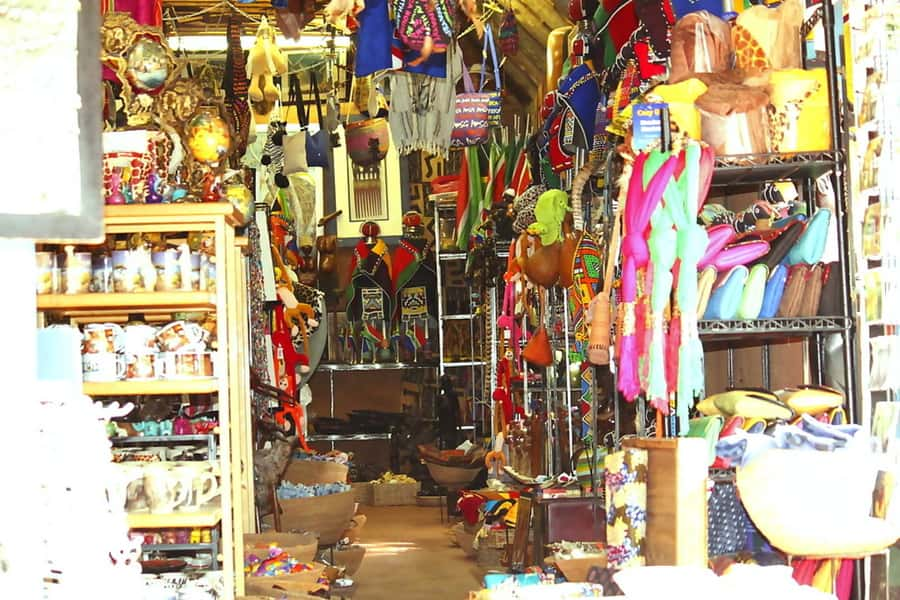
Reviewed · CULTURAL VILLAGE TOURS
Johannesburg: Cradle of Human Kind & Lesedi Cultural Village
The striking idea here is that one day connects two very different parts of South Africa: the fossil record of human origins and living cultural traditions at Lesedi Cultural Village. You’ll travel from Johannesburg to Wonder Cave and Maropeng, then watch traditional dances and see how several South African communities are presented in a village setting.
I like the efficient pairing of these sites, since transport, guiding, and entrance fees are handled together. I also like the personal service: guides Marvin and Selo have been singled out for being kind, funny, clear, and attentive. The main drawback is the pace. With about eight hours on the road and at the attractions, lunch and quiet time can feel squeezed.
Key points to know before booking
- Wonder Cave and Maropeng together: The Cradle visit covers both an underground cave experience and a museum-style look at human origins.
- A useful cultural contrast: Lesedi shifts the focus from fossils to South Africa’s Zulu, Xhosa, Ndebele, Pedi, and Basotho traditions as presented through village settings and performance.
- Private-group format: You travel with your own group rather than joining a large general party, with hotel pickup from Johannesburg, Sandton, Midrand, or East Rand.
- Strong guide element: Marvin and Selo have received special praise for their patience, humor, explanations, and ability to rescue a disrupted day.
- A full day with little slack: The schedule includes roughly three hours of guided stops, several road transfers, and lunch, so comfortable shoes and a prompt start matter.
- Good value for a combined outing: At $218 per person, the price makes the most sense if you want both major attractions without arranging separate transport and admission.
From Johannesburg to the Cradle of Humankind
The day begins with pickup at your accommodation in Johannesburg, Sandton, Midrand, or East Rand. You should wait in the hotel lobby five minutes before the scheduled time. That small detail matters because a late start can put pressure on an already full schedule.
The first drive takes about an hour in a van. You’ll leave the city and head toward the Cradle of Humankind, the Gauteng area associated with some of the most important early human fossil discoveries. The tour presents the region as a place where human ancestors lived more than three million years ago.
I see the drive as useful transition time. Johannesburg is a major modern city, while the Cradle asks you to think in terms of immense stretches of time. Your guide can answer questions as you go, and the private-group setup gives you a better chance to ask about the places you’re seeing than you might have on a large coach tour.
The exact order of the Cradle attractions can vary. The experience includes Wonder Cave and the Maropeng Visitor Center, with the cave visit described as a guided tour of about an hour and a half. You should expect some walking and the need for comfortable footwear.
More Cultural Village Tours in Johannesburg
- Lesedi Cultural Village and Cradle of Humankind Tour
★ 5.0 · 48 reviews - Lesedi Cultural Village Tour
★ 5.0 · 46 reviews - Lesedi Cultural Village
★ 5.0 · 45 reviews
Wonder Cave and the underground story
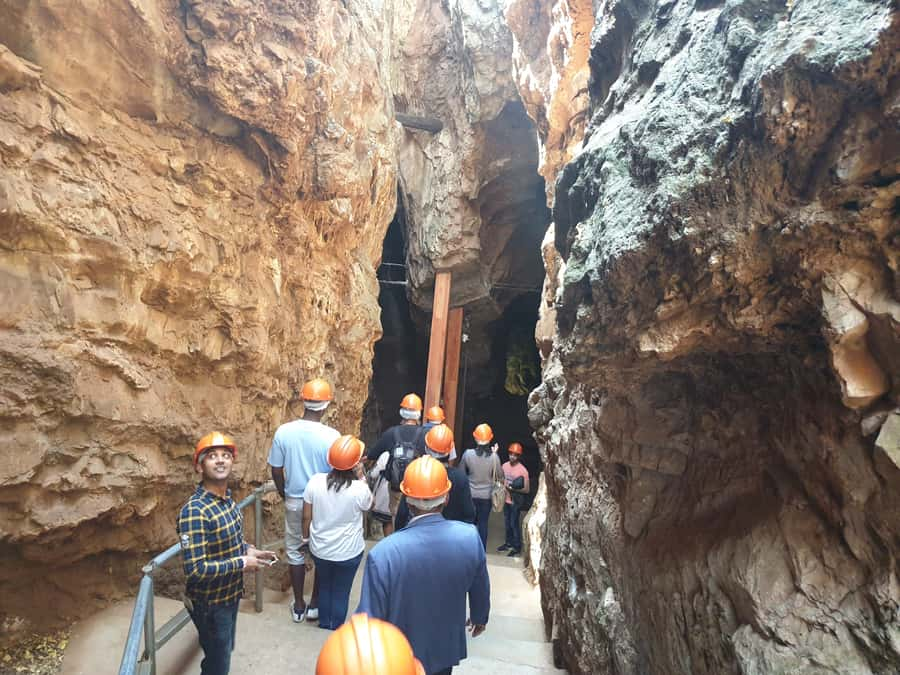
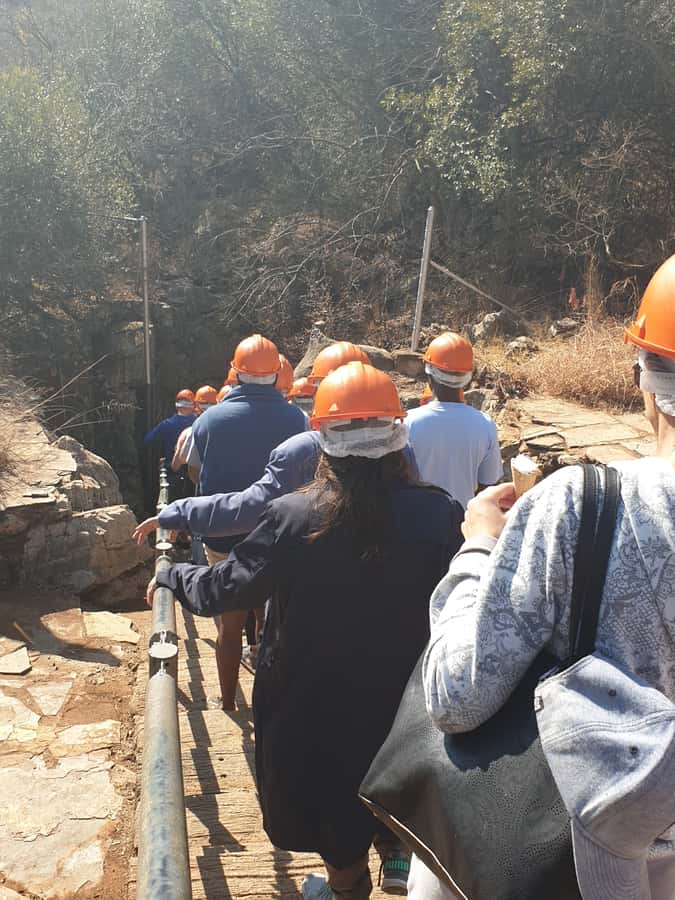
Wonder Cave gives the Cradle visit a physical sense of place. Instead of only looking at dates and fossil labels, you enter a natural cave linked to the region’s ancient story. The tour information does not promise a particular cave route or a set number of steps, so you should be ready for an active stop rather than a quick museum visit.
The site guide leads the cave portion, while your own tour guide helps connect the visit to the rest of the day. One useful detail from the experience is that the cave tour can be shared with other groups, including schoolchildren. If that happens, the site guide may explain some material separately to adults so you do not lose the main points.
That arrangement can make the stop feel less private than expected, even though your overall booking is for a private group. Still, it also means you receive an explanation from someone working directly at the attraction, followed by context from your driver or guide.
The Cradle is not simply a place to look at old bones. The value comes from seeing how caves, fossil evidence, and museum displays fit together. You’ll get more from it if you listen for the difference between what scientists have found in the area and the much broader claim that this region is the birthplace of humanity.
Maropeng and the human-origins displays
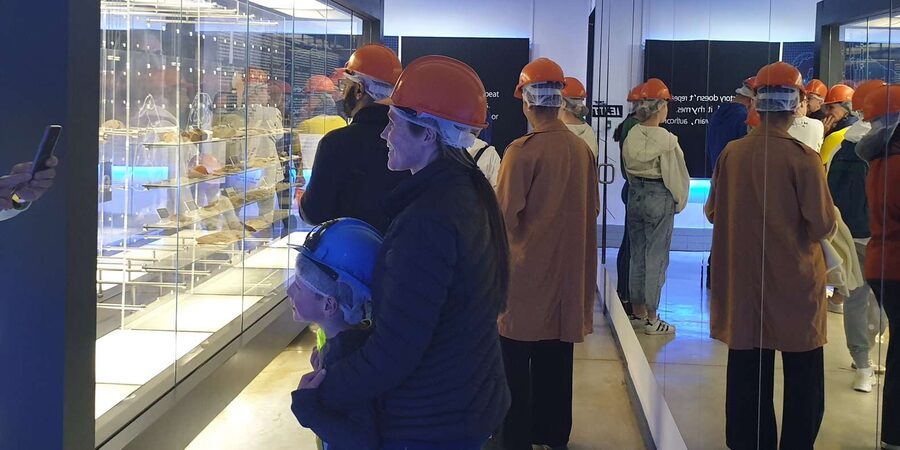
Maropeng Visitor Center provides the museum side of the Cradle experience. You can expect fossils, remains, and a timeline that helps place early human development in order. The center is described as relatively small, so do not picture an all-day national museum.
That smaller scale can be an advantage on a tightly scheduled tour. You can see the main displays without needing several hours, and the timeline gives you a clear framework for understanding the Cradle. If you have already visited major anthropology museums, the displays may feel limited. If this is your first visit to human-origins material, the presentation should give you a useful starting point.
I like having both the cave and Maropeng in the same outing. The cave gives you a sense of the physical setting, while Maropeng supplies the dates, fossils, and explanation. Taken together, they make a stronger visit than either stop would on its own.
Plan for about an hour and a half at the Cradle portion, though the precise division between Wonder Cave and Maropeng may depend on the day. A late pickup can cause trouble here. On one occasion, a two-hour delay meant the Cradle site had closed by arrival, and the driver worked to replace that part of the day. That is a reminder to confirm your pickup time and be ready early.
The drive to Lesedi Cultural Village
After the Cradle, you’ll ride for about 50 minutes toward Lesedi Cultural Village. This transfer gives you a short break, but the day still moves quickly. By this point, you will have already spent time in the van, walked through the cave attraction, and taken in a museum presentation.
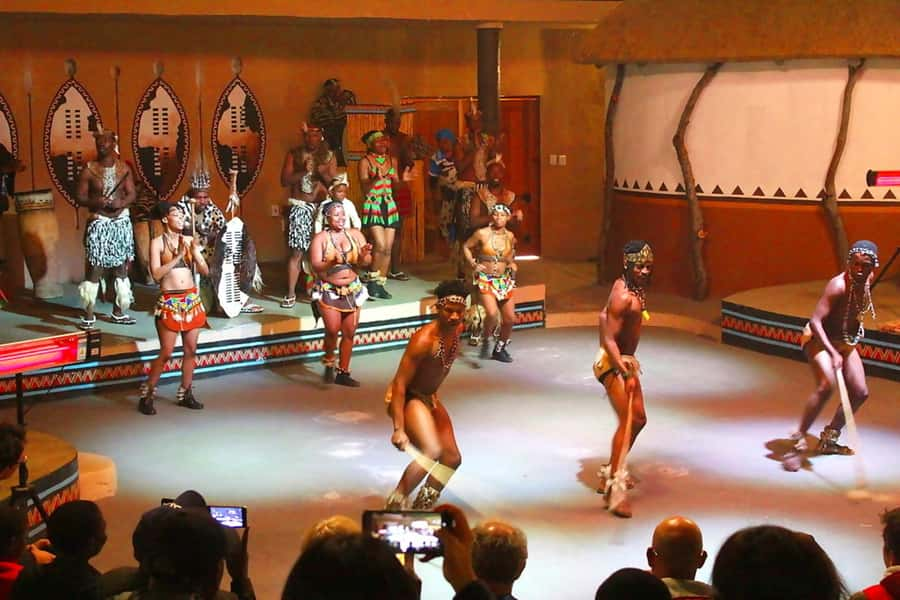
Lesedi changes the subject completely. The Cradle asks where human beings came from. Lesedi focuses on South Africa’s cultural groups, traditional living spaces, food, music, and dance. That contrast is the central strength of the itinerary. You go from prehistoric evidence to cultural traditions that continue to influence life in modern South Africa.
The village presents several cultural settings, including Zulu, Xhosa, Ndebele, Pedi, and Basotho traditions. The information provided does not promise a private meeting with community members or a hands-on craft session, so I would approach Lesedi as a staged educational village and performance rather than an unstructured visit to a rural community.
That distinction does not make it worthless. A carefully presented cultural site can give you useful background before you explore more of South Africa on your own. It also offers a clear way to compare architecture, customs, clothing, and dance styles within one visit.
Other cultural villages within reach of Johannesburg:
- Johannesburg: Lesedi Cultural Village Experience
★ 4.6 · 43 reviews - Johannesburg: Lion Park Safari and Cultural Village Tour
★ 4.8 · 12 reviews - Cradle Of Humankind, Lesedi Cultural Village & Lion’s Park
★ 4.7 · 10 reviews - Lesedi Cultural Village with lunch or dinner cultural food
★ 4.6 · 9 reviews
Touring the traditional settings at Lesedi
The guided portion at Lesedi lasts about two hours. You’ll move through traditional tribal settings and hear about the different cultures represented there. Your guide can help connect the displays to present-day South African life, which is important because the visit is not only about the past.
The strongest part for many people is the variety. In a single afternoon, you can see several cultural traditions rather than focusing on one group. That makes Lesedi a practical choice if your Johannesburg schedule is short and you want an introduction to the country’s cultural range.
The tradeoff is that a short visit cannot offer a full understanding of each group. You’ll receive a broad overview, not a detailed study. I would treat the stop as a first layer of context. Ask questions, listen closely to the explanations, and remember that a village display simplifies complex cultures.
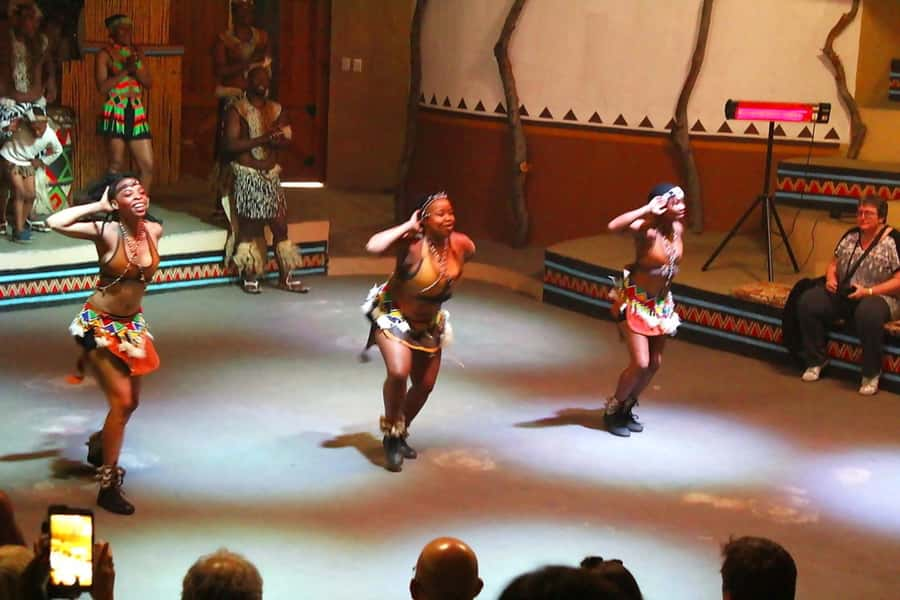
The final dance performance gives the stop its energy. The performers are described as enthusiastic, and the dances are presented as an important part of the experience rather than a minor add-on. The show is a lively finish after the quieter fossil and museum stops.
Lunch and the local food option
Lunch takes about 30 minutes at a local restaurant. The meal is not included in the tour price, and alcoholic drinks are also excluded. One part of the experience describes a tasty buffet with several local foods, but you should still confirm the exact meal arrangement and budget separately.
Thirty minutes is a short lunch window. One person found there was hardly enough time to stop properly, especially with three major activities in one day. I would not book this outing expecting a long, relaxed meal. Think of lunch as a practical break between sightseeing stops.
If you want to make the most of it, keep your order simple and stay aware of the schedule. Bottled water is included, which is helpful during a warm day of walking and driving, but you may want to bring extra water if you prefer to drink often.
Guides Marvin, Selo, and the value of personal service
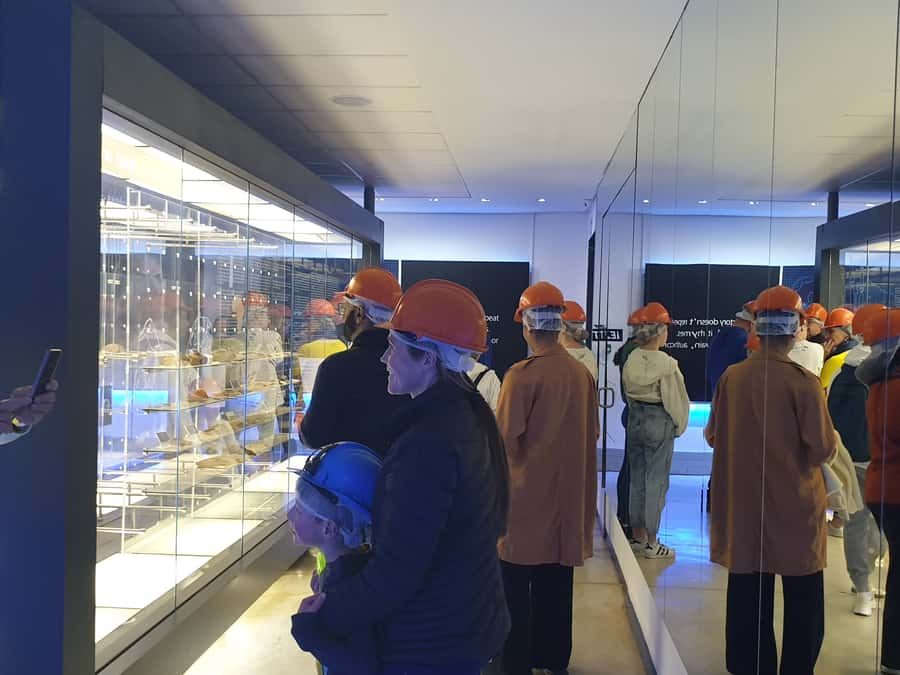
The guide can shape this experience more than any single exhibit. Marvin has been praised for being friendly, funny, informed, and able to make each moment feel easier. Selo has also been praised for clear explanations, kindness, and sensitivity when introducing cultural differences.
Those details matter because the schedule covers two subjects that need explanation. Fossils and timelines can become dry without context. Cultural displays can feel superficial if nobody explains what you are seeing. A good guide bridges that gap and adjusts the pace when something goes wrong.
The experience is available in English or French, with an English audio guide included. If you book expecting French support, confirm the guide arrangement when you reserve, since the supplied details identify French as an available language but do not specify whether every departure has a French-speaking guide.
The booking is for a private group, but some attraction portions may still be shared with other people. That is especially possible at the Cradle, where a site guide may lead the cave visit. Your transport and overall day remain arranged for your group.
Is $218 a fair price?
At $218 per person, this is not a budget outing. The value comes from combining transport, entrance fees, guiding, hotel pickup, and two major attractions in one day. If you would otherwise need to hire a car or arrange separate rides to the Cradle and Lesedi, the convenience can justify the cost.
Food is not included, so add lunch and any drinks beyond the provided bottled water. You should also remember that eight hours includes road time. The tour is not eight full hours of sightseeing.
I think the price works best for first-time visitors who want a structured day outside Johannesburg and do not want to manage regional transport. It is less appealing if you prefer slow museum visits, long meals, or independent exploration. You are paying for coverage and coordination more than for a relaxed pace.
Who will enjoy this day, and who should skip it?
I would choose this outing if you want a broad introduction to Gauteng. It suits you if you are interested in human origins, want to see a cave and fossil displays, and also want a cultural performance in the same day.
It is especially useful for a short Johannesburg stay. Rather than spending separate days arranging both destinations, you can cover them in one organized trip and return to your accommodation afterward.
The pace may not suit anyone with back problems, mobility impairments, or a pregnancy, since the activity is specifically listed as unsuitable for those conditions. The cave and village involve walking, and the day includes several van rides. Comfortable shoes and sunglasses are sensible choices.
Families and mixed-interest groups may appreciate the variety, although the fossil material and cave visit may be more engaging for some people than others. The private-group format lets your guide respond to questions, which can help when people in your group have different interests.
Practical timing and what to bring
The complete outing lasts about eight hours. The rough pattern is:
- About one hour from pickup to the Cradle
- About 1.5 hours at the Cradle attractions
- About 50 minutes to Lesedi
- About two hours at Lesedi
- About 30 minutes for lunch
- About one hour back to the drop-off area
The remaining time allows for pickup, movement between sites, and normal delays. Do not plan an evening reservation too close to the expected return time.
Wear comfortable shoes. Bring sunglasses, and take the morning pickup seriously. Bottled water is included, while food and alcohol are not. Free cancellation is available up to 24 hours before departure, and you can reserve now and pay later if you want to keep your plans flexible.
Should you book this Johannesburg day trip?
Book it if you want an efficient introduction to two very different sides of Gauteng. The Cradle of Humankind gives you fossils, a cave, and a timeline of human origins. Lesedi adds traditional settings, food, music, and energetic dance. The guide can make the difference, and Marvin and Selo have shown the kind of personal care that helps on a packed day.
Skip it if you want a slow cultural visit, a long lunch, or a full day devoted to one site. The schedule is tight, and the price is substantial once you add lunch. For the right person, though, this is a useful one-day solution: broad in subject, easy in transport, and strongest when your guide takes time to explain what you are seeing.
FAQ
How long does the tour last?
The experience lasts about eight hours, including hotel pickup, travel between sites, sightseeing, lunch, and the return drive.
Where can pickup and drop-off take place?
Pickup and drop-off are available in Midrand, East Rand, Sandton, and Johannesburg.
What attractions are included at the Cradle of Humankind?
The Cradle portion includes Wonder Cave and the Maropeng Visitor Center, where you can see fossils and learn about human origins.
How long is the guided visit at the Cradle?
The guided Cradle visit is listed as lasting about 1.5 hours.
How long is the visit to Lesedi Cultural Village?
The guided Lesedi visit lasts about two hours.
Is lunch included in the price?
No. Food is not included. Alcoholic drinks are also excluded, although bottled water is provided.
What languages are available?
The tour is available in English and French, and an English audio guide is included.
Is this a private tour?
Yes. The booking is for a private group, although some attraction activities may include site guides and other groups.
What should I bring?
Bring comfortable shoes and sunglasses. Bottled water is included.
Can I cancel for a refund?
You can cancel up to 24 hours in advance for a full refund. The activity also offers a reserve-now, pay-later option.
Just added in Johannesburg
- Soweto Tuk-Tuk Food & Beer Tour★ 5.0 · 9 reviews
- Soweto: Sip & Paint Walking Tour & Take Home a Canvas★ 4.8 · 7 reviews
- Soweto Tour; Mandela House; Vilakazi Street; Market Culture★ 5.0 · 6 reviews
- Soweto & Johannesburg and Apartheid Museum★ 4.7 · 41 reviews
- Soweto Township Tour★ 4.4 · 4 reviews
- Private Soweto,Mandela House,Apartheid Museum,Constitution★ 4.6 · 15 reviews
- Soweto Food & Beer Bike Tour★ 4.9 · 40 reviews
- Soweto and apartheid museum tour(Half-day)★ 5.0 · 4 reviews
Cultural Village Tours, compared.

Lesedi Cultural Village and Cradle of Humankind Tour
Read our review →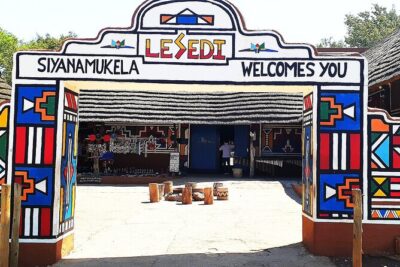

Durban City & PheZulu Cultural Village Day Tour from Durban
Read our review →
Browse the lists this tour appears in