
Reviewed · CULTURAL VILLAGE TOURS
Lesedi Cultural Village
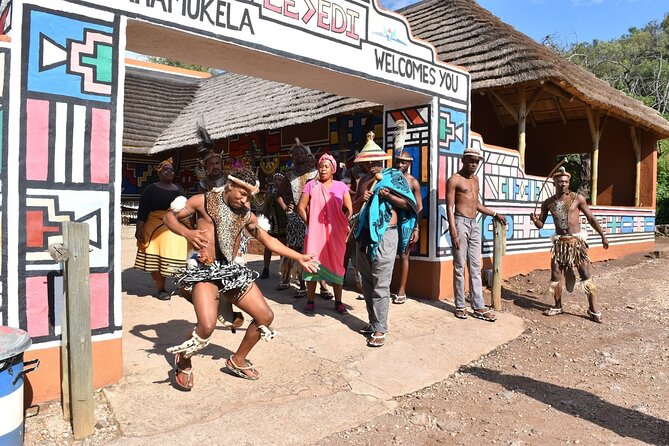
Lesedi Cultural Village gives you a quick, colorful introduction to five South African cultural traditions in one carefully arranged visit. You move through traditional homesteads connected with the Zulu, Xhosa, Pedi, Basotho, and Ndebele peoples, then finish with dancing and a buffet at the Nyama Choma restaurant. The cultural variety is the main reason to come.
I like the small group of no more than 13 people, which makes it easier to hear the guide and ask questions. I also like that lunch is included, along with hotel pickup and drop-off from Melrose, Sandton, Kempton Park, or Rosebank. The main consideration is timing: the actual village program lasts about two hours, while transfers bring the full outing to roughly five hours, and you may need to confirm your pickup time the day before.
Key points to know before you book
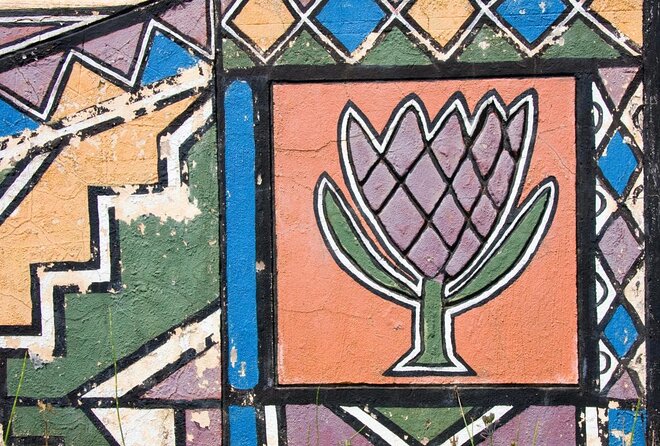
- Five cultural traditions in one visit: Learn about Zulu, Xhosa, Pedi, Basotho, and Ndebele homes, customs, and performances.
- A useful introduction to South Africa: The format works well if you have limited time or want cultural context before exploring further.
- Small groups make a difference: The group limit is 13 people, with an English-speaking live guide.
- Lunch is part of the experience: A boma buffet at Nyama Choma is included, though drinks cost extra.
- Pickups cover four Johannesburg-area locations: Choose from Melrose, Sandton, Kempton Park, or Rosebank.
- Allow five hours door to door: The village activities take about two hours, with the rest of the time covering transport and the scheduled program.
Five South African cultures in one afternoon
The appeal of Lesedi Cultural Village is simple: you can compare several South African cultural traditions without arranging separate visits across the country. The tour brings together Zulu, Xhosa, Pedi, Basotho, and Ndebele homesteads, giving you a broad first look at differences in homes, customs, clothing, music, and social traditions.
That broad approach is useful, but it also sets a clear limit. This is an introduction, not a long research visit devoted to one community. If you want a strong first orientation, the format works well. If you already know the cultures in detail, you may find the visit more general.
I like this kind of organized cultural stop early in a South Africa trip. It gives you names and context that can make later encounters more meaningful. You start to notice that South Africa is not one single cultural story, and the village makes that point quickly.
The setting is designed as a collection of traditional homesteads. You walk between areas with a guide rather than simply wandering through a museum. That matters because the value comes from explanation: the homes and activities make more sense when someone connects them to customs and daily life.
More Cultural Village Tours in Johannesburg
- Lesedi Cultural Village and Cradle of Humankind Tour
★ 5.0 · 48 reviews - Lesedi Cultural Village Tour
★ 5.0 · 46 reviews - Lesedi Cultural Village
★ 5.0 · 45 reviews
Pickup from Melrose, Sandton, Kempton Park, or Rosebank
Your day begins with pickup from a residence or hotel in one of four listed areas: Melrose, Sandton, Kempton Park, or Rosebank. You are asked to wait in the hotel lobby 10 minutes before the scheduled pickup time, so plan to be ready rather than rushing down at the last moment.
The ride is in an air-conditioned van. That is a practical benefit in South Africa, especially when you are setting aside half a day and want the transport handled for you. You do not need to arrange a separate taxi to the village or work out the return journey.
The transfer can also add useful context. Guide Byron, who has led this outing, is described as sharing extra information about languages and customs during the drive. That kind of conversation can help you understand the visit before you arrive, rather than hearing every fact only once you are inside the village.
One small planning issue deserves attention. You may need to call and confirm the pickup time the day before. I would treat that as part of your preparation, particularly if you have a tightly timed flight, dinner reservation, or other tour afterward. The transport is included, but communication about the exact pickup time may require a little initiative from you.
Start with the amphitheater introduction
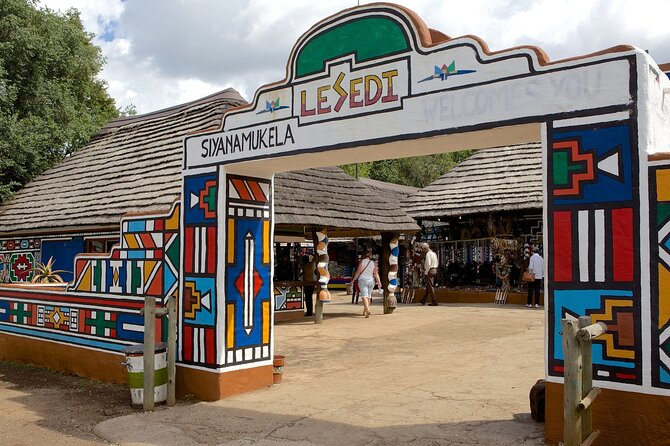
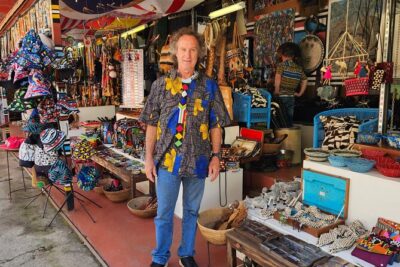
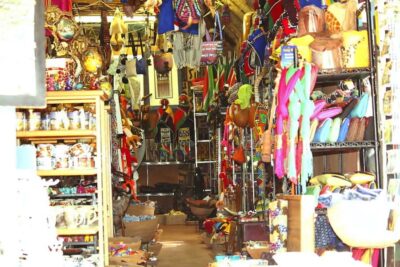
After arriving, you can browse for souvenirs at Lesedi Cultural Village before the main program begins. This is a modest but useful pause. You can look around without trying to squeeze shopping into the end of the day, when you may be thinking about the return transfer.
The formal visit starts with an introduction video in the amphitheater. This gives you an overview before you walk through the different homesteads. I prefer this order because it gives you a basic frame of reference first, then lets you recognize the cultural details as you move around.
The video also helps keep the visit organized. Lesedi covers five cultural groups, so without an introduction, the sequence could feel like a fast set of disconnected displays. The opening presentation gives the guided walk a clearer shape.
Walk through Zulu, Xhosa, Pedi, Basotho, and Ndebele homesteads
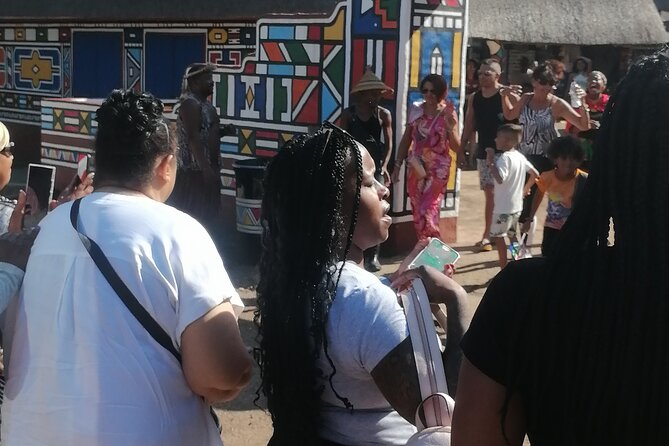
The main guided tour takes you through homesteads associated with the Zulu, Xhosa, Pedi, Basotho, and Ndebele peoples. The walking portion is where most of your questions can be answered, so keep them coming. The guide can explain details that are easy to miss when you only look at the buildings.
You should expect a cultural presentation rather than an ordinary village stroll. The focus is on traditions, homes, customs, and the differences among the groups represented. The tour gives you a useful comparison: you see several cultural identities close together, rather than learning about one group in isolation.
Drumming and other hands-on activities may be part of the visit. These moments give the program some energy and help break up the walking and listening. They are also a reminder that music and performance are not just decorative additions to the day. They are part of how cultural knowledge is shared.
The experience is arranged for a general audience, so some explanations may feel introductory. That is not a flaw for most people. Families, first-time visitors, and anyone with only a few days in the Johannesburg area will likely get the most from this structure.
I would keep your expectations realistic about the word authentic. Lesedi is a purpose-built cultural attraction with scheduled presentations, not an unscripted visit to a private rural household. Its value is in giving you access to several traditions in a respectful, organized setting, with a guide to explain what you are seeing.
Other cultural villages within reach of Johannesburg:
- Johannesburg: Lesedi Cultural Village Experience
★ 4.6 · 43 reviews - Johannesburg: Cradle of Human Kind & Lesedi Cultural Village
★ 4.6 · 31 reviews - Johannesburg: Lion Park Safari and Cultural Village Tour
★ 4.8 · 12 reviews - Cradle Of Humankind, Lesedi Cultural Village & Lion’s Park
★ 4.7 · 10 reviews
Cultural dancing brings the visit together
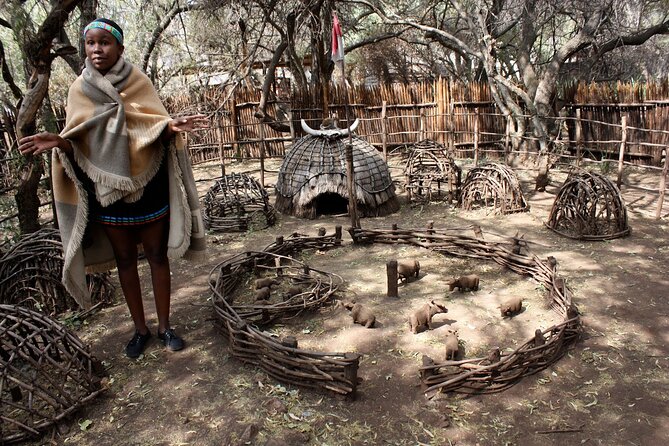
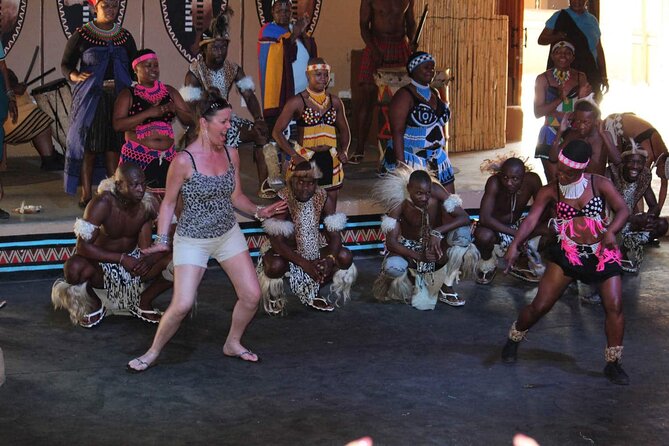
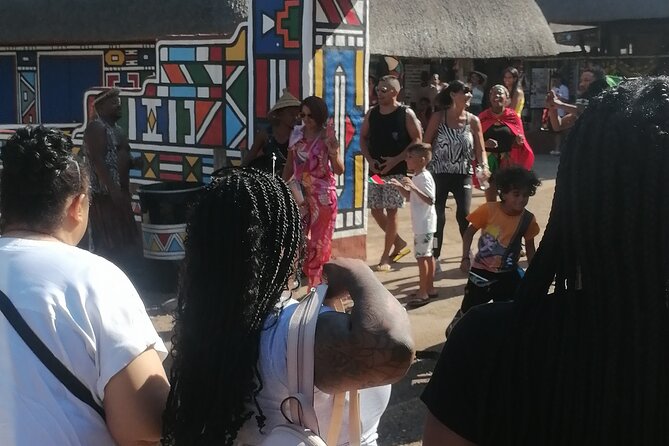
The dance and singing performance comes near the end of the cultural program. It gives the visit a strong finish after the quieter work of walking, listening, and comparing the homesteads.
You may find this the most memorable part of the day because it brings together sound, movement, and group participation. The performance also gives you a chance to see cultural expression rather than only hearing about it. If you enjoy live music and dance, leave room in your schedule to take this section at an easy pace.
The presentation is still part of a planned attraction, so it is best understood as a performance for visitors. That does not make it without value. A good performance can communicate mood, rhythm, and community identity in a way that a written explanation cannot.
Boma buffet lunch at Nyama Choma
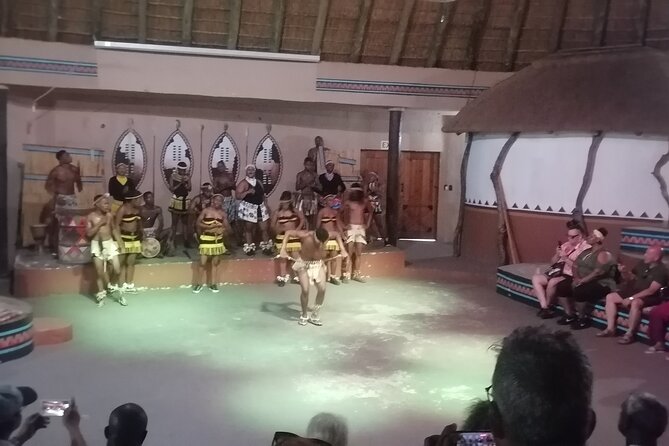
Lunch is included at the Nyama Choma restaurant, where you have a boma buffet. The meal is more than a practical break. It gives the half-day visit a social center and lets you try a range of food rather than ordering one plate and moving on.
The buffet includes a range of options, which is helpful for a mixed group with different tastes. Food was one of the strongest parts of the experience for several people, and I can see why it matters: a substantial included meal makes the $121 price easier to justify than a tour that charges separately for lunch.
Drinks are not included, so budget for those separately. That is a small cost detail, but it is worth knowing before you sit down. The meal is included in the package, while beverages are at your own expense.
I would not book this tour only for the food, since the cultural program is the main reason to go. Still, the buffet adds real value and keeps you from having to find lunch on your own during a five-hour outing.
A small group with room for questions
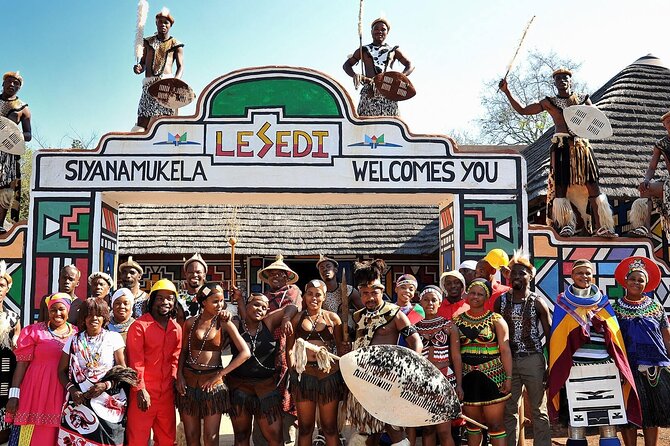
The group is limited to 13 participants, and the live tour is conducted in English. This is a useful size for a guided cultural visit. You are not trying to hear a quiet explanation from the back of a large bus group, and you should have a better chance to ask about customs or the differences between the communities represented.
The quality of the guide matters here. Byron has been praised for being positive, kind, helpful, and willing to share extra information during the transfers. Other guides have also been described as calm, friendly, attentive, and ready to answer questions.
That personal contact can shape the day. A guide who simply moves a group from stop to stop will make the village feel flat. A guide who explains languages, customs, and the meaning of what you see can turn a short visit into a useful introduction.
Since the group is small, I would take advantage of the format. Ask questions as they come to you rather than waiting until the final performance. You will get more from the visit if you treat the guide as a source of context, not just a person managing the schedule.
Is $121 a fair price?
At $121 per person, this is not the cheapest way to spend half a day near Johannesburg. The price includes hotel pickup and drop-off, entry, the guided village visit, the cultural program, and lunch. When you add up those pieces, the cost is easier to understand.
You are paying for convenience as well as admission. The van removes the need to arrange transport, the small group keeps the tour personal, and the included buffet means you are not paying for the main meal on top of the advertised rate.
The value is strongest if you are staying in one of the four pickup areas and want a ready-made cultural outing. It is also strong for a first visit to South Africa, when you may want an overview without spending several days arranging separate cultural stops.
The value is weaker if you already have private transport, prefer independent visits, or want a very detailed study of one cultural group. In that case, the fixed schedule and general introduction may feel less flexible than a custom experience.
Morning and afternoon timing

The published schedule lists a morning tour from 11:30 to 13:30 and an afternoon tour from 16:30 to 18:30. Those times appear to describe the village program itself, while the full activity is listed as five hours because pickup, driving, and drop-off are included.
Check the available starting time when you book. The exact timing matters if you are connecting this outing with another activity. I would leave extra space around it rather than assuming you can finish at the listed village end time and immediately begin something else.
The experience ends with drop-off at the same general locations used for pickup: Melrose, Sandton, Kempton Park, or Rosebank. That makes it easy to return to your accommodation, though the final arrival time will depend on the transfer schedule.
Who will enjoy Lesedi Cultural Village most?
I would recommend this experience to you if you want a clear first look at South African cultures, enjoy guided visits, and prefer having transport and lunch handled in one booking. It suits families, first-time visitors, and anyone staying in the listed Johannesburg areas.
It is also a good choice if you are interested in history and culture but do not want a full-day excursion. The village visit is compact, and the dance performance and buffet keep the program varied.
You may want something else if you dislike scheduled attractions, prefer slow independent exploration, or want to spend a full day with one community. Lesedi presents several traditions in one place, so its strength is comparison and convenience rather than total depth.
The tour is conducted in English. If that works for you, the small group and live guide make the explanations easier to follow. If you are traveling with someone who needs another language, no other tour language is listed, so check before booking.
Booking details worth knowing
You can cancel up to 24 hours before the activity for a full refund, and the reserve-now, pay-later option lets you hold a place without paying immediately. Those terms are helpful if your Johannesburg schedule is still changing.
Pickup is included, but wait in the hotel lobby 10 minutes before the scheduled time. I would also confirm the pickup time the day before, since that step has been necessary for some bookings.
The activity provider is Tsalanang Travel Tours. The group limit is 13 people, the language is English, and the advertised duration is five hours.
Should you book Lesedi Cultural Village?
Book it if you want a convenient, well-paced introduction to five South African cultural traditions, especially with a small group, included lunch, and transport from Melrose, Sandton, Kempton Park, or Rosebank. The strongest parts are the range of cultures, the chance to ask questions, the dance performance, and the boma buffet.
Skip it if you want an unscripted village visit or a detailed study of one group. At $121, the experience earns its price through convenience and variety, not through lengthy time at each homestead. Confirm your pickup time, allow the full five hours, and you should know exactly what kind of day you are buying.
FAQ
Where is Lesedi Cultural Village located?
Lesedi Cultural Village is in North West, South Africa.
How long does the full activity last?
The full activity lasts five hours, including pickup, transport, the village program, lunch, and drop-off.
How long is the village visit itself?
The listed village portion lasts about two hours and includes lunch, a guided tour, walking, and food tasting.
What cultures are represented at Lesedi Cultural Village?
The visit includes traditional homesteads connected with the Zulu, Xhosa, Pedi, Basotho, and Ndebele peoples.
Is lunch included?
Yes. A boma buffet lunch at the Nyama Choma restaurant is included. Drinks cost extra.
Where does hotel pickup take place?
Pickup is available from Melrose, Sandton, Kempton Park, and Rosebank.
Where does the tour end?
Drop-off is available in Melrose, Sandton, Kempton Park, and Rosebank.
What language is the tour conducted in?
The live tour guide speaks English.
How many people are in the group?
The group is limited to 13 participants.
Can I cancel the activity?
Yes. You can cancel up to 24 hours in advance for a full refund. You can also reserve now and pay later.
Just added in Johannesburg
- Soweto Tuk-Tuk Food & Beer Tour★ 5.0 · 9 reviews
- Soweto: Sip & Paint Walking Tour & Take Home a Canvas★ 4.8 · 7 reviews
- Soweto Tour; Mandela House; Vilakazi Street; Market Culture★ 5.0 · 6 reviews
- Soweto & Johannesburg and Apartheid Museum★ 4.7 · 41 reviews
- Soweto Township Tour★ 4.4 · 4 reviews
- Private Soweto,Mandela House,Apartheid Museum,Constitution★ 4.6 · 15 reviews
- Soweto Food & Beer Bike Tour★ 4.9 · 40 reviews
- Soweto and apartheid museum tour(Half-day)★ 5.0 · 4 reviews
Cultural Village Tours, compared.

Lesedi Cultural Village and Cradle of Humankind Tour
Read our review →

Durban City & PheZulu Cultural Village Day Tour from Durban
Read our review →
Browse the lists this tour appears in