
Reviewed · WALKING TOURS
Guided Wildlife Tour and Forest Walk with Lunch Platter
The most unusual part of this Tenikwa outing is the pairing of a wild cat tour with a slow walk through old Tsitsikamma forest. One moment you are learning how rescued cats fit into South Africa’s natural systems; the next, you are following mossy streams beneath giant hardwood trees.
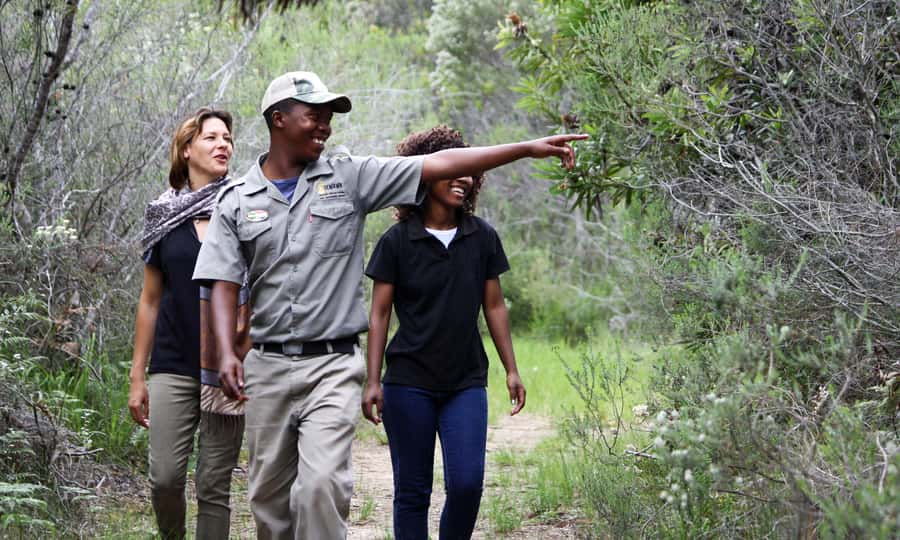
I like the close attention from the private guides, including Boniwe, Sandile, and Mziswe, who are praised for their patience and clear explanations. I also like the easy pace and included lunch, which give you time to notice medicinal plants, fungi, orchids, and forest birds instead of rushing from one stop to the next.
The main caution is value. At $63 per person, the cat tour is the stronger half for some visitors, while the forest paths and picnic lunch may feel less polished than expected. Go for the full mix of wildlife, plants, and conversation, not for a luxury meal or a strenuous hike.
What Makes This Tenikwa Visit Special
- Two very different settings: Compare indigenous forest with wildlife habitats in a single four-hour visit.
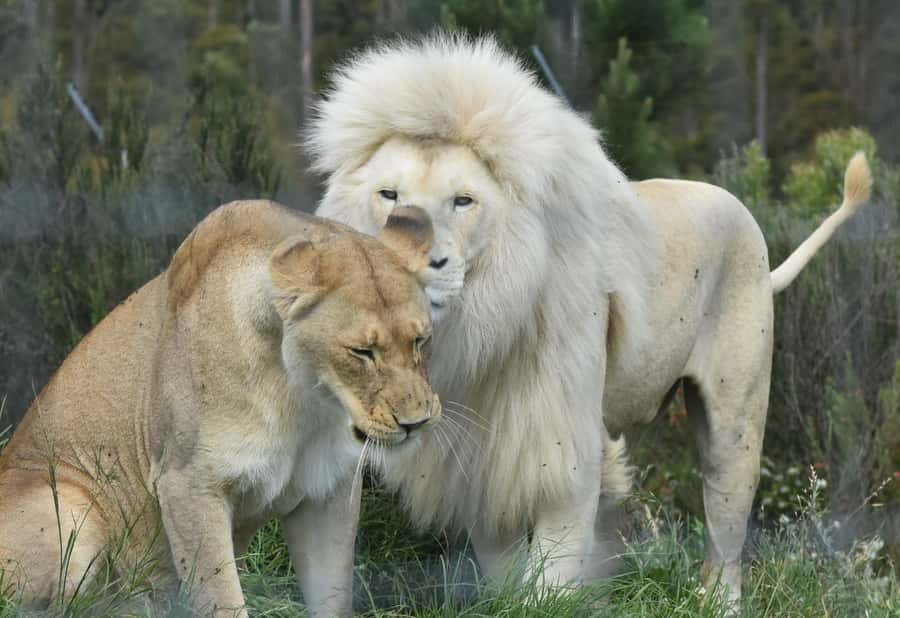
- A chance to see a white lion: The cat tour includes opportunities to photograph this striking animal.
- A quiet forest walk: Follow old paths past hardwood trees, fungi, orchids, streams, and tree ferns.
- Guides who explain the why: Expect discussion of logging, medicinal plants, biodiversity, and the role of wild cats.
- Lunch is part of the plan: A freshly prepared platter comes with wine, beer, or fruit juice.
- Good timing flexibility: Early departures usually visit the cats first, while later departures begin in the forest.
Starting at Tenikwa Near Plettenberg Bay
Tenikwa Wildlife Rehabilitation and Awareness Centre is about 20 minutes from Plettenberg Bay by car. You will need to arrange your own transport, since hotel pickup and drop-off are not included. George and Plettenberg Bay are the nearest airports, but car hire must be organized before you arrive.
Allow extra time for the drive and aim to reach Reception 15 minutes before your start time. Parking is available at the centre. From Plettenberg Bay, take the N2 toward Port Elizabeth for roughly 20 kilometres, then watch for the large tourism sign for Monkeyland, Birds of Eden, Elephant Sanctuary, and Tenikwa.
Turn at the Kurland Village exit opposite the sign and follow Forest Hall Road. Keep left at the fork. If you reach Animal Alley, you have gone the wrong way and need to turn around. Tenikwa is about 900 metres farther along the road, with signs to guide you.
This is a useful place to arrive prepared. Wear closed-toe walking shoes, comfortable clothes, a sun hat, and sunscreen. Insect repellent is sensible for the forest, although this is a malaria-free area. You can take a camera, but selfie sticks are not allowed, and valuables and backpacks should be locked in your vehicle.
Other animals to go and see near Plettenberg Bay:
- Plettenberg Bay: Private Guided Wildlife Photography Tour
★ 4.9 · 49 reviews - Plettenberg Bay: EcoKidz Family Wildlife Tour
★ 4.8 · 19 reviews - Cape Town: Marine Wildlife Tour from the V&A Waterfront
★ 4.6 · 1,118 reviews
A Short Safety Briefing Before the Walk
The day starts with a five-minute safety briefing. It is brief, but important. You will be reminded not to touch or feed the wildlife, and not to touch plants along the forest paths.
That rule protects both you and the animals. At the wildlife centre, even a calm-looking cat remains a wild animal. In the forest, leaving plants alone helps protect the very setting you came to see.
Your guide will explain the order of the day. If you choose an early start, the wildlife tour usually comes first, followed by the forest walk. A later time generally reverses the order, beginning with the forest and ending with the cats.
That choice can affect the feel of the outing. The early option places the most direct wildlife viewing at the start, while the later option lets you begin gently among the trees and finish with the animals.
Following Old Paths Through Tsitsikamma Forest
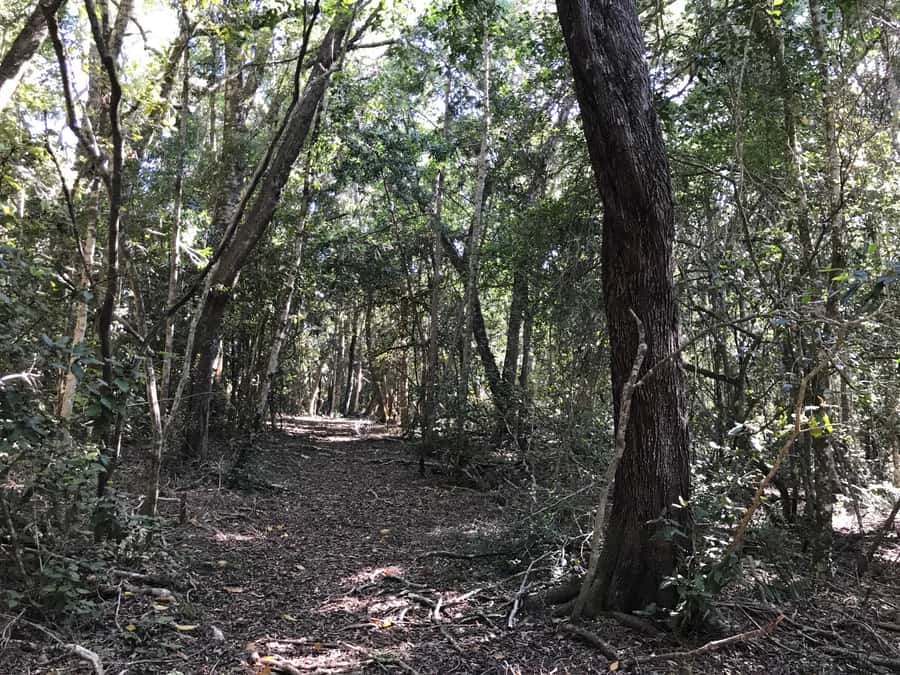
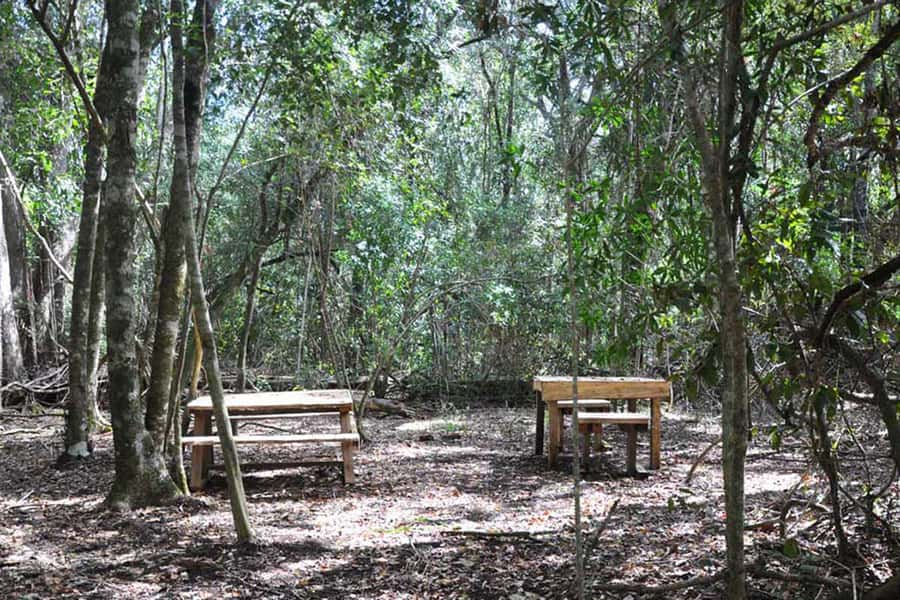
The forest walk lasts about two hours, though the full schedule includes a short break and lunch. This is a leisurely outing on mostly flat ground, not a demanding hike. You will follow old paths through a protected indigenous forest reserve, with your guide pointing out the marks left by earlier logging activity.
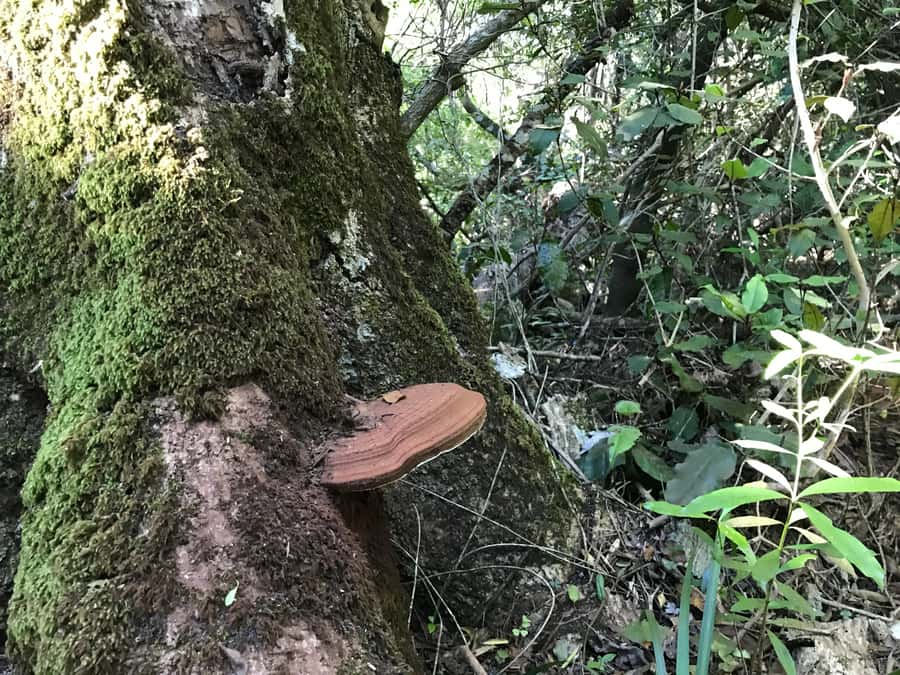
The forest matters here because it is not just a pretty backdrop. Your guide helps you read it. Giant hardwood trees show the scale and age of the woodland, while fungi and orchids add small details that are easy to miss when you walk alone.
You may also learn about the uses of local plants, including medicinal uses. That sort of information gives the walk more purpose than simply taking photographs. You begin to notice why one plant matters, how the trees shape the forest floor, and how the pieces fit together.
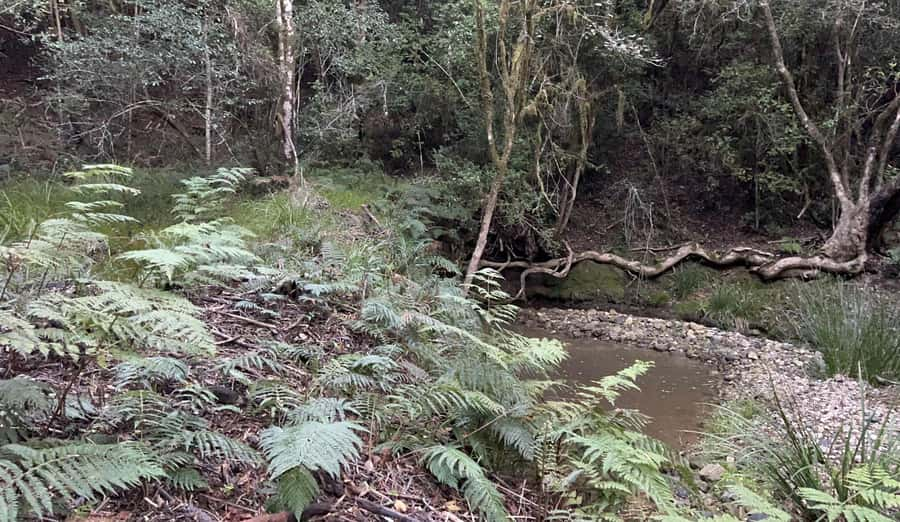
The route winds toward mossy, pebbled streams. A forest glade with giant tree ferns is another notable stop, where filtered light reaches the ground through the fronds. The setting is calm and shaded, with plenty of pauses for questions and photographs.
Birdlife is possible but not guaranteed. Keep your camera ready for a Knysna loerie, also known as the Knysna turaco, or the shy Narina trogon. These mature evergreen forests provide habitat for both, but spotting either bird depends on luck, patience, and quiet walking.
The main limitation is that the path may need some care in places. One visitor felt the forest section deserved attention, so you should not expect a perfectly groomed botanical garden trail. It is also unsuitable for wheelchairs and prams, despite the gentle gradient.
Meeting Guides Who Make the Forest Legible
The guide shapes this experience more than any single sight. Names associated with the tour include Boniwe, Sandile, and Mziswe. Boniwe is praised for her patience and for explaining why the protected area matters to plants and animals. Sandile is noted for his broad understanding of both flora and fauna, while Mziswe is especially well regarded for his rapport with the cats.
You may have a different guide, but the format gives you direct access to one person rather than leaving you to move through the centre without context. That is valuable in the forest, where a casual glance can miss the orchids, fungi, tree species, and signs of past logging.
The guides also add a human side to the walk. The atmosphere is described as friendly and good-humoured, with plenty of room for questions. If you enjoy asking why a forest is protected, how a plant is used, or what a particular animal contributes to biodiversity, this format suits you well.
Other trips that feed you at midday in Plettenberg Bay:
- From Cape Town: Big Five Game Reserve with Lunch
★ 4.6 · 2,409 reviews - Wine Tour to Stellenbosch & Franschhoek with Tastings & Lunch
★ 5.0 · 828 reviews - Soweto: Walking Tour with a Local Guide and Lunch
★ 4.9 · 648 reviews - Cape Town: Malay Cooking Class and Lunch in Bo-Kaap
★ 4.8 · 515 reviews
Lunch With Time to Slow Down
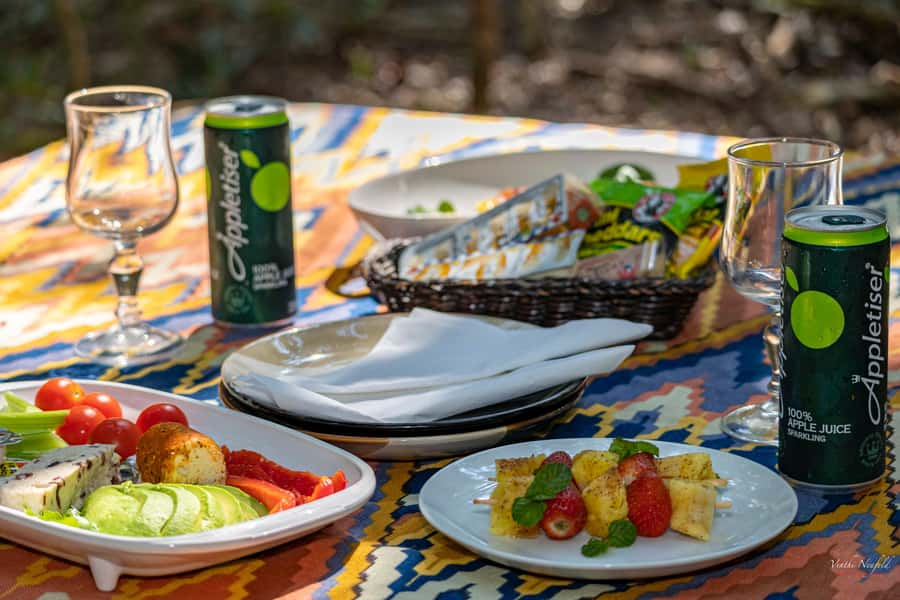
After the walking section comes a break of about 15 minutes, followed by roughly an hour for lunch. The meal is a freshly prepared lunch platter, served with wine, beer, or fruit juice.
This is practical rather than elaborate dining. The platter gives you a chance to sit down, talk with your guide, and let the morning settle before the wildlife tour. For couples and friends, that pause helps the four-hour schedule feel relaxed instead of packed.
Still, keep expectations sensible. The lunch received mixed impressions, with one visitor finding the picnic disappointing while another described it as good. If food quality is central to your booking decision, the meal should be treated as a useful included extra, not the main reason to choose the activity.
Other refreshments are not included unless they are part of the stated lunch service. If you need more to drink, plan accordingly.
Meeting South Africa’s Wild Cats
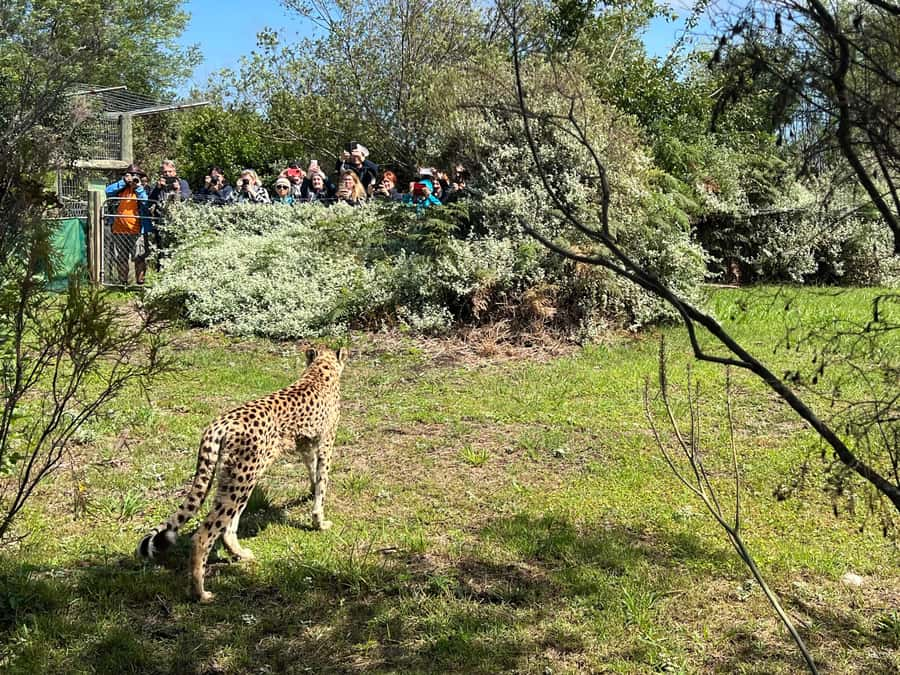
The wildlife section lasts about an hour and takes place along raised walkways through the animals’ habitats. This gives you a clear viewing position while keeping a proper barrier between you and the cats.
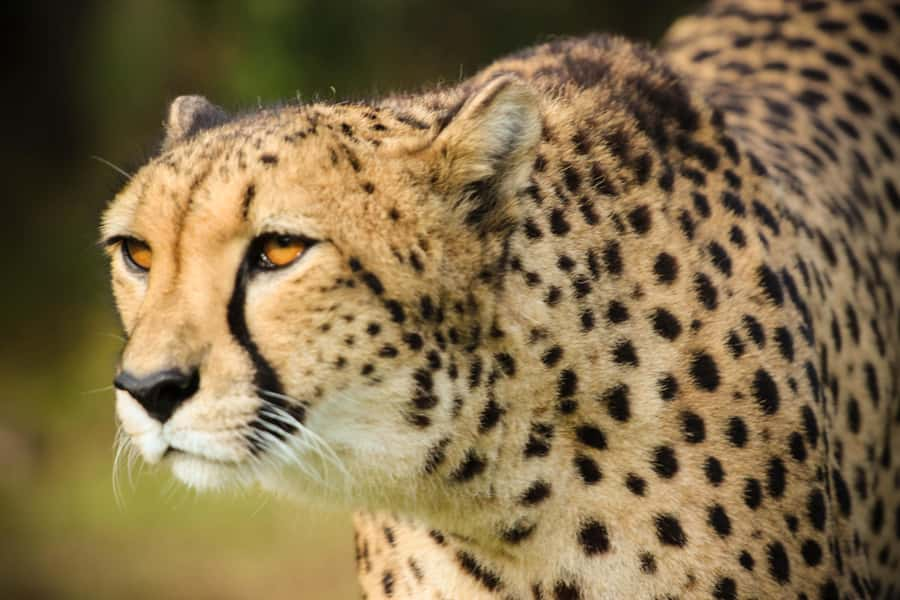
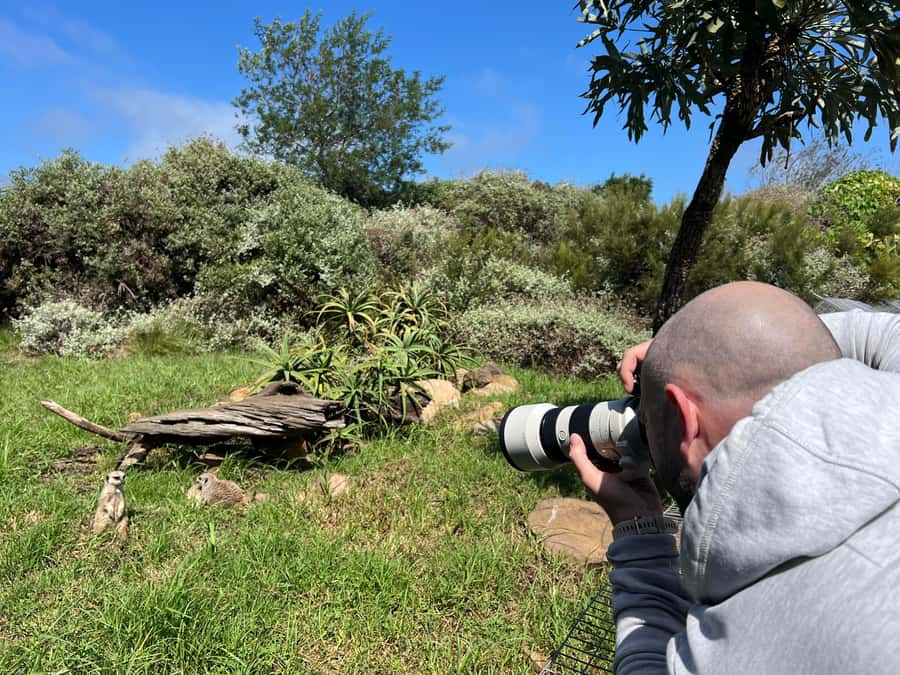
The tour focuses on South Africa’s indigenous wild cats and the role they play in biodiversity. Your guide explains the different species and how the centre supports awareness and rehabilitation. You will also have time to photograph the animals, including the magnificent white lion.
A white lion is not a separate wild cat species. Here, the important point for you is the visual experience: this is a striking animal and one of the tour’s main photographic draws. You should still approach the sighting as wildlife viewing, not a guaranteed photo session. Animals move, rest, and hide on their own schedules.
The raised walkways make the cat section accessible to most visitors who can walk comfortably, but the overall program is not suitable for wheelchair users. Keep your movements calm, follow the guide’s instructions, and do not attempt to touch or feed any animal.
This is also where guide quality matters most. Mziswe, in particular, is praised for his understanding of the animals and his calm relationship with them. A good guide helps you see more than a cat behind a barrier. You learn about behaviour, habitat, and why these animals matter beyond their visual appeal.
How the Four Hours Usually Flow
The precise order changes with your start time, but the day generally follows this pattern:
- Five-minute safety briefing at Reception
- About two hours of forest walking and scenic stops
- A 15-minute break
- About one hour for the lunch platter and included drink
- About one hour of cat viewing and explanations
- A short stop at the centre shop before returning to Reception
The schedule adds up to roughly four hours, so do not book another tight activity immediately afterward. The forest pace is unhurried, and questions can extend a stop. You will get more from the visit if you allow the full time rather than treating it as a quick add-on.
The shop visit is brief, around 10 minutes. It is not a major part of the day, but it gives you a final chance to browse before leaving.
What the $63 Price Gets You
At $63 per person, the price includes entry to Tenikwa, a private English-speaking guide, the forest walk, the wildlife tour, and the lunch platter with wine, beer, or fruit juice. Rain gear is supplied if the weather turns wet.
The strongest value comes from combining two guided experiences. A basic wildlife visit might show you the cats, but this outing adds the forest, plant knowledge, bird possibilities, and a meal. If you are already planning to visit several animal attractions around Plettenberg Bay, compare the total cost and the kind of experience you want. This is more educational and personal than simply checking animals off a list.
The weaker value appears if you care mainly about the cats. You may find the wildlife section to be the clear highlight, while the forest trail feels ordinary or in need of upkeep. In that case, the full package may seem expensive compared with a shorter animal-focused visit.
I would see the price as fair for a half-day with a private guide, provided you care about both sides of the program. It is less convincing for someone seeking a polished picnic, a demanding walk, or guaranteed close-up animal photographs.
Weather, Clothing, and Practical Limits
The program can continue in poor weather, and rain jackets are provided when conditions require them. Still, wet weather may change the forest experience. Streams, moss, and tree ferns can look atmospheric in rain, but paths may feel less comfortable.
Closed-toe shoes are required. Choose footwear you can use on uneven natural paths, even though the route is mostly flat. Open-toed shoes are not allowed.
Children under four cannot join the activity. Wheelchair users and visitors bringing prams should choose another outing because the forest route is not suitable for them. The tour is a good fit for couples, friends, and families with older children who enjoy nature and can walk at an easy pace.
You should also be comfortable with a wildlife setting where touching animals is forbidden. That may sound obvious, but it is worth noting because the cats can appear close on the walkways.
Who Will Enjoy This Most
I would recommend this experience to you if you want a mix of wildlife and plant life, rather than a single-purpose animal visit. It works especially well for people who like to ask questions, take photographs, and learn how conservation connects animals with their surroundings.
It is also a good choice for couples and small private groups. The guide can adjust explanations to your interests, and the lunch break gives the day a social, easy rhythm.
Birdwatchers may enjoy the chance of a loerie or Narina trogon, but neither is guaranteed. If you are determined to see a particular bird, do not book this as a dedicated birding trip.
You may want to skip it if you dislike uneven natural paths, need wheelchair access, or expect a high-end meal. You should also think twice if the cat viewing is your only priority, since nearly half the day is given to the forest and lunch.
Should You Book the Tenikwa Forest and Wildlife Tour?
Book it if you want a thoughtful half-day near Plettenberg Bay that links South Africa’s indigenous forest with its wild cats. The best parts are the private guiding, the chance to see the white lion, and the small forest details that are easy to miss without someone explaining them.
Go in with realistic expectations about the picnic and trail condition. This is an educational nature outing with a relaxed lunch, not a luxury food experience or a hard hike.
For most visitors who enjoy both flora and fauna, the combination makes sense. If your priority is cats alone, choose a shorter wildlife visit instead. If you want to slow down, learn, and leave with a better sense of why this protected place matters, Tenikwa is a solid half-day choice.
FAQ
How long does the Tenikwa tour last?
The complete program lasts about four hours, including the safety briefing, forest walk, break, lunch, wildlife tour, and short shopping stop.
What is included in the price?
The price includes entry to Tenikwa Wildlife Rehabilitation and Awareness Centre, a private English-speaking guide, the guided forest walk, the guided wildlife tour, a lunch platter with wine, beer, or fruit juice, and rain gear when needed.
Is hotel pickup included?
No. You must arrange your own transport to Tenikwa. The centre is about 20 minutes from Plettenberg Bay by car, and parking is available at Reception.
What animals might I see?
The wildlife tour focuses on South Africa’s indigenous wild cats and includes the chance to see and photograph a white lion. In the forest, you might spot a Knysna loerie or the shy Narina trogon, but bird sightings are not guaranteed.
Is the forest walk difficult?
The walk is leisurely and mostly flat, but it follows natural paths and is not suitable for wheelchair users or prams. Comfortable closed-toe shoes are required.
What happens if it rains?
The tour can proceed in wet weather, and rain jackets are provided when conditions require them. You should still dress comfortably and wear shoes suitable for natural forest paths.
More walking tours in Plettenberg Bay
- Plettenberg Bay: Bungee Jumping with Zipline and Sky Walk
★ 5.0 · 506 reviews - Plettenberg Bay: Qolweni Township Cultural Walking Tour
★ 5.0 · 58 reviews - Cape Town: Nathi Langa Township Walking Tour
★ 4.9 · 493 reviews - Cape Town: Art, Culture & History Walking Tour
★ 4.9 · 392 reviews
Just added in Plettenberg Bay
- THE CRAGS PLETTENBERG BAY: QUAD BIKE FUN RIDE★ 4.6 · 11 reviews
- Stormsrivier: Green Route Tubing and Paddle-Boarding Tour★ 4.3 · 40 reviews
- Plettenberg Bay: Cats in Conservation Full Day Tour★ 4.9 · 11 reviews
- Plettenberg Bay: Private Guided Wildlife Photography Tour★ 4.9 · 49 reviews
- Plettenberg Bay: Seal Viewing Boat Trip★ 4.8 · 16 reviews
- Plettenberg Bay: Swim with the Seals★ 4.7 · 31 reviews
- Plettenberg Bay: Seal Swimming Experience★ 5.0 · 25 reviews
- Plettenberg Bay: 2-Hour Surf Lesson★ 4.9 · 8 reviews
Walking Tours, compared.



Browse the lists this tour appears in