
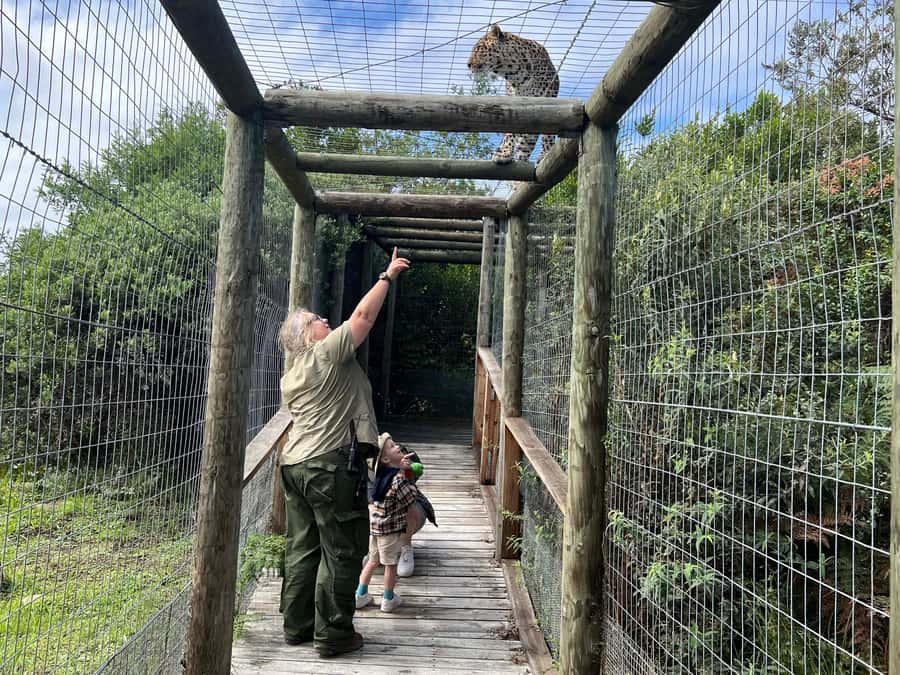
Reviewed · TOURS IN PLETTENBERG BAY
Plettenberg Bay: EcoKidz Family Wildlife Tour
The most appealing part of Tenikwa’s EcoKidz Family Wildlife Tour is its clear focus on children. Instead of simply walking past animal enclosures, your guide explains how lions, leopards, cheetahs, servals, caracals, and African wildcats fit into the wider ecosystem. Kids have a booklet to complete, so they have something useful to do between animal sightings.
I like the hands-on learning and the mix of species, from the Meerkat Meander and owls to penguins being prepared for release. I also like the friendly, child-focused guiding. Sandile earned special praise for his warm way with a seven-year-old. The main consideration is that the quality can depend on the guide, and one family found its tour less chatty and shorter than expected.
Key points at a glance
- A wildlife tour built for ages 5 to 12: The EcoKidz booklet, quizzes, and certificate give younger children a reason to stay involved.
- More than big cats: You may see meerkats, owls, penguins, cheetahs, leopards, lions, servals, caracals, and African wildcats.
- Conservation is part of the visit: The guide discusses environmental problems and practical ways people can help protect the natural world.
- A good rainy-day option: This is an all-weather program, and rain jackets are supplied when conditions require them.
- Allow time at Tenikwa: The guided walk lasts about 90 minutes, while the wider visit can include camp activities, shopping, and time for food.
- Come prepared to walk: Wear comfortable shoes, bring sun protection, and leave backpacks and valuables locked in your vehicle.
Why this Tenikwa tour works for children
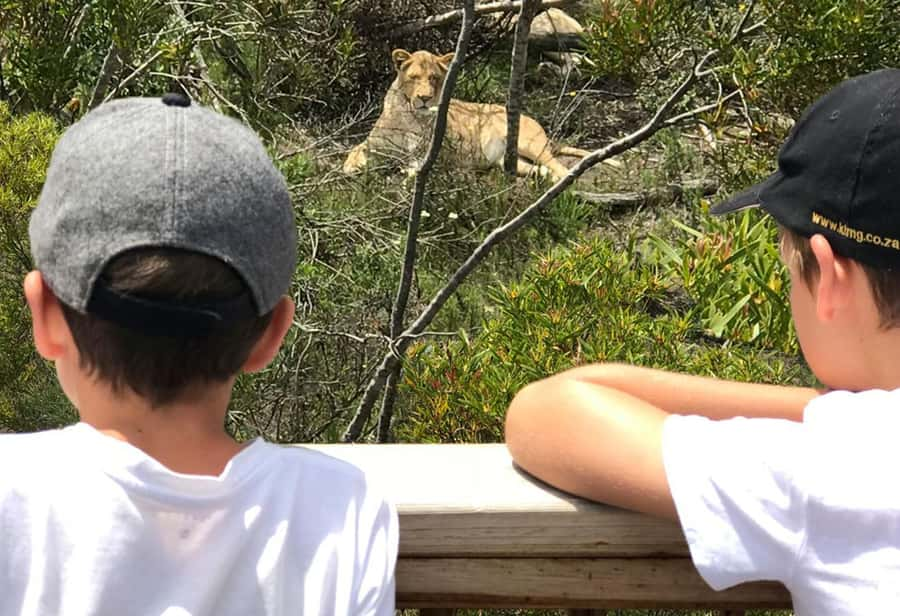
Many wildlife visits are designed for adults, with children expected to keep quiet and look through railings. Tenikwa takes a different approach. The EcoKidz format gives children a role in the visit. They listen for answers, complete quiz questions, and receive a certificate at the end.
That simple structure matters. A five-year-old may not remember every detail about predator behavior, but a booklet can turn a quiet moment into a small mission. Older children can pay closer attention to the differences between a serval, caracal, and African wildcat.
The tour is best suited to children from five through twelve. It is not a standard playground-style attraction. Children still need to listen, walk with the group, and follow safety rules around wildlife. No one may touch or feed the animals, and selfie sticks are not allowed.
Other animals to go and see near Plettenberg Bay:
- Plettenberg Bay: Private Guided Wildlife Photography Tour
★ 4.9 · 49 reviews - Guided Wildlife Tour and Forest Walk with Lunch Platter
★ 4.6 · 40 reviews - Cape Town: Marine Wildlife Tour from the V&A Waterfront
★ 4.6 · 1,118 reviews
Starting at the Meerkat Meander and owl area
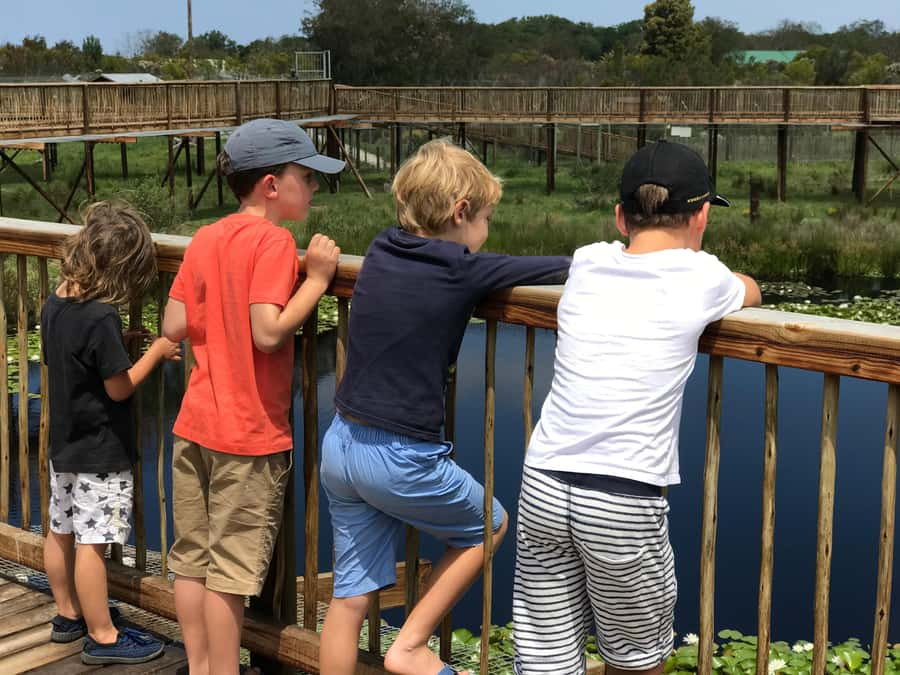
Your visit begins at Tenikwa Wildlife Rehabilitation and Awareness Centre, a short drive from the N2 near Plettenberg Bay. Look for the sign marked Tenikwa, Monkeyland, and Elephant Sanctuary. At Animal Alley, take the left fork for Tenikwa, pass Kurland Village, then keep right at the next fork. Check in at reception, where parking is available.
Arrive about 15 minutes early. That gives you time to park, use the facilities, and get settled before the safety briefing. Lock backpacks and valuables in your car. Cameras are permitted, but you will need to keep them under control around the animals.
The group begins with a short safety talk of about five minutes. This is not empty formality. Children need clear rules before they approach the animal areas, especially the no-touching and no-feeding policy.
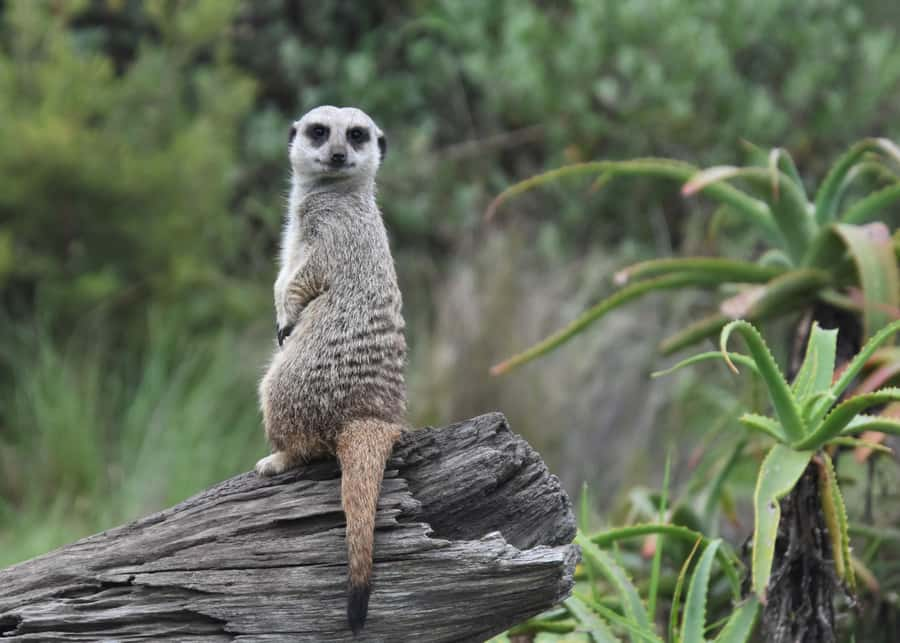
The Meerkat Meander and owl area make a good opening. Meerkats are small, alert, and easy for children to watch, while owls offer a chance to talk about nocturnal animals and their place in the food chain. These stops also help younger children settle into the pace before the tour reaches the larger cats.
Meeting cheetahs, leopards, lions, and smaller wild cats
The heart of the visit is the guided walk through the wildlife areas. Your guide introduces the different species and explains their traits, habits, and role in the ecosystem. The focus is not simply on seeing a large predator. It is on understanding why South Africa has several different wild cats and how each one survives.
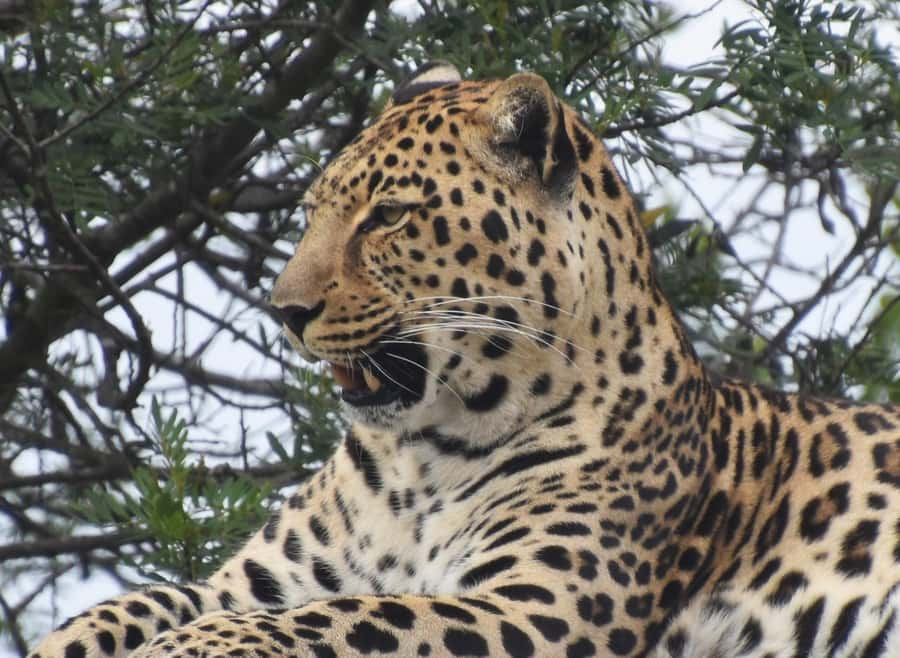
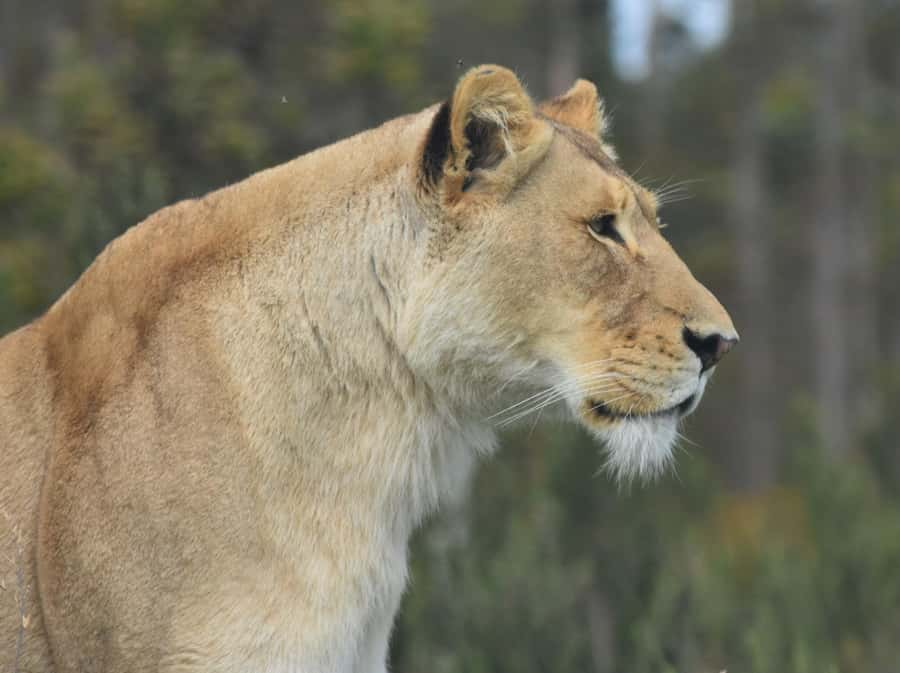
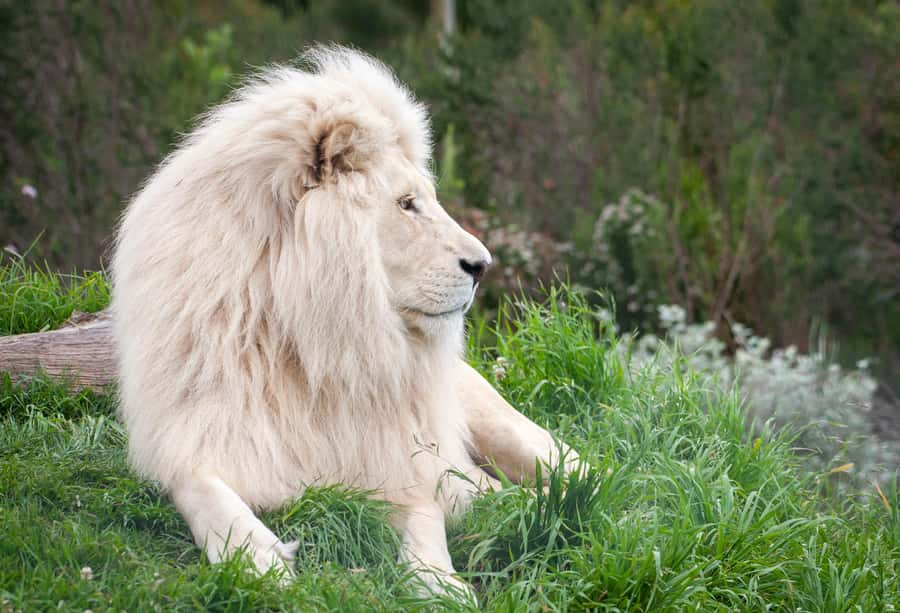
You can expect to visit cheetahs, leopards, a white lion, servals, caracals, African wildcats, and other cats held at the centre. The variety is valuable because it lets you compare animals that are often lumped together as big cats.
Cheetahs provide a natural opening for discussion about speed and hunting. Leopards allow the guide to explain a different style of predator, while servals and caracals show that the smaller cats are just as interesting. African wildcats are particularly important to include because they are less familiar to many children than lions and cheetahs.
A magnificent white lion is likely to be a memorable sight, especially for younger children. Still, the conservation message is more important than the unusual color. The guide’s job is to connect the excitement of seeing the animals with a better understanding of wildlife care and environmental pressure.
The exact amount of time at each enclosure can vary. One published account described a tour lasting about an hour rather than the stated 90 minutes, and found the guide less talkative than expected. I would treat the 90-minute length as an approximate target, not a stopwatch promise. If your child wants detailed explanations, ask questions as you go.
Penguins preparing for release
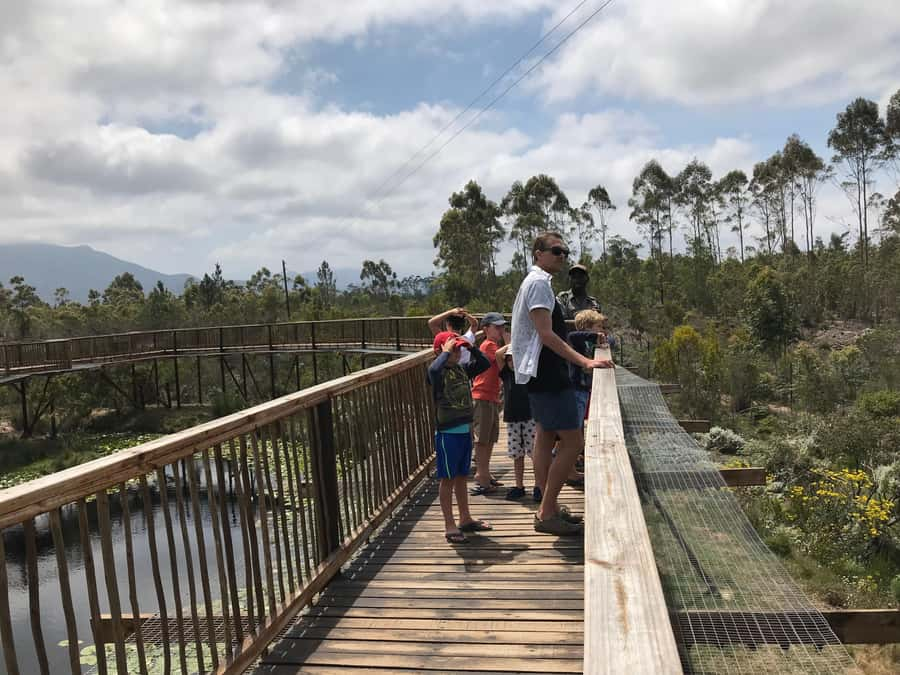
The penguin stop adds welcome variety to a tour centered on wild cats. You can see happy penguins being prepared for release, giving children a direct example of rehabilitation work and the steps involved in returning animals to the wild.
This part helps explain why a wildlife centre is not the same as a conventional zoo. The visit is connected to care, rehabilitation, and awareness. Children can see that conservation is not only about distant national parks. It also involves looking after individual animals and preparing them for a safer future when release is possible.
The penguins also break up the cat viewing. Young children can lose focus if every stop involves similar enclosures, so moving from predators to birds keeps the visit fresh. It gives the guide another way to explain habitats and the effect of human choices on animals.
Same base, a different kind of day out:
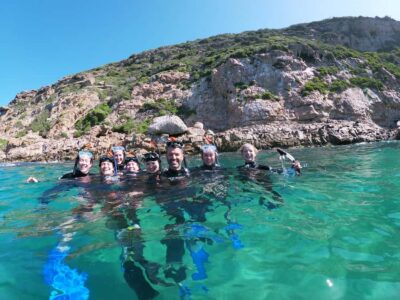
- Plettenberg Bay: Swim with Seals
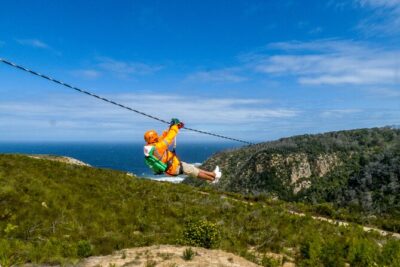
★ 4.7 · 887 reviews - Knysna Ziplines Tour
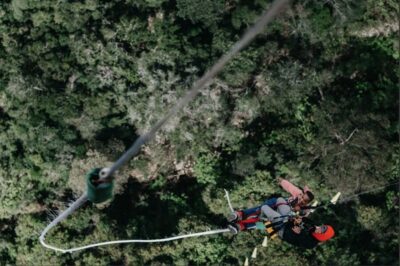
★ 5.0 · 688 reviews - Plettenberg Bay: Bungee Jumping with Zipline and Sky Walk
★ 5.0 · 506 reviews - Storms River: Tsitsikamma National Park Zipline Canopy Tour
★ 4.7 · 481 reviews
The EcoKidz booklet turns watching into learning
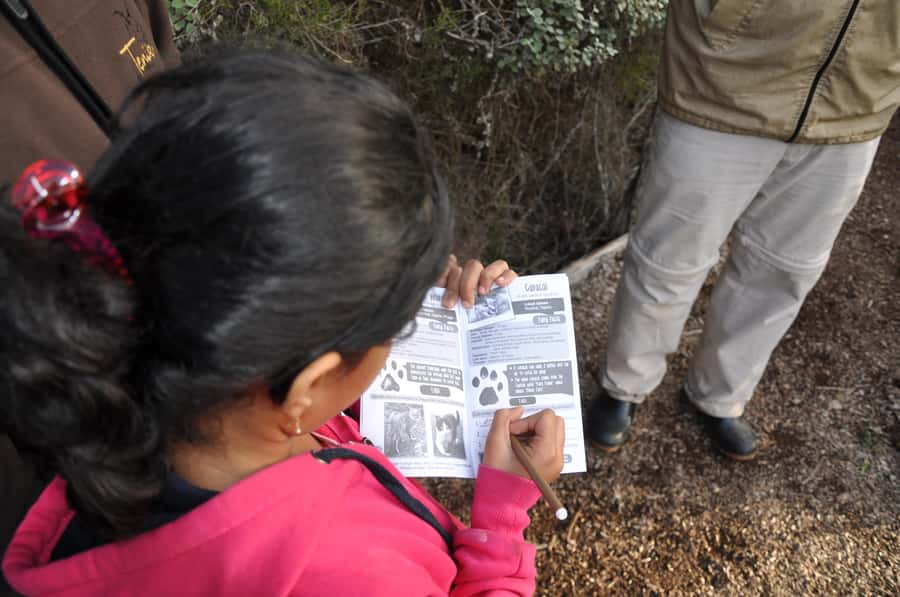
Each participating child receives an EcoKidz booklet quiz. Guides help children work through the questions during the tour, rather than handing them a worksheet and leaving them on their own.
This is one of the strongest reasons to choose the family version. Children have a reason to look closely and remember what they are told. Parents can help, but the guide is there to explain the answers and keep the activity moving.
At the end, each child receives an EcoKidz certificate and educational material. The certificate is a small touch, but it gives the visit a clear finish. A child can take it home and show friends what they learned, which helps the conservation message continue after the family leaves.
The booklet is also useful for parents comparing this with a general wildlife tour. If your children enjoy quizzes, collecting certificates, or having a task to complete, this format should suit them well. If they strongly prefer a fast-moving animal encounter with little explanation, the educational pace may feel slower.
Camp activities, shopping, and food at Tenikwa
The schedule also allows for camp activities, shopping, and time for coffee, brunch, or lunch. The guided wildlife portion is described as approximately 90 minutes, while the full visit can stretch longer when these additional activities are included.
Food and drinks are not included in the $28 price, so plan your budget accordingly. The time set aside for coffee, brunch, or lunch is useful for families, but you should confirm what is open and available when you book. Do not assume that a meal forms part of the tour price.
The shopping stop is brief, around ten minutes in the stated schedule. It may suit you if you want a small souvenir or educational item, but it is not a major part of the visit. Families with children may appreciate having a little time to browse after the walking tour.
The camp activities can be especially helpful if siblings have different attention spans. The younger child can stay involved while older children ask more questions about conservation. Since the overall timing can vary, keep your plans after Tenikwa reasonably flexible.
What the $28 price gives you
At $28 per person, the tour offers solid value for a family looking for more than a quick animal viewing stop. The price includes an allocated guide, the guided wildlife tour, one EcoKidz booklet per participating child, one certificate per child, and rain gear when needed.
That is a useful package for families. You are paying for a structured lesson, not just entry to animal enclosures. The guide’s explanations are central to the value, particularly when children are old enough to ask questions about habitats, predators, and environmental problems.
The value is strongest when the children take part in the quiz and conservation discussion. If you only want photographs of large cats, a shorter general visit may be enough. If you want your children to come away with a clearer idea of how animals fit into an ecosystem, the family tour earns its price more easily.
The guide also makes a difference. Sandile received specific praise for being enthusiastic, sensitive, and attentive to a seven-year-old. That is exactly the kind of guiding this tour needs. At the same time, one family found its guide quiet and had to draw out the explanations. I would ask questions rather than waiting silently, especially if your child is curious about a particular animal.
Practical planning for weather, walking, and access
This is an all-weather program. Rain jackets are supplied if the weather turns wet, but you should still wear comfortable walking shoes. A sun hat and sunscreen are sensible in warm conditions.
The centre is wheelchair accessible, which makes it a practical option for more families. The activity does involve walking between wildlife areas, so it is still wise to consider your group’s mobility needs and allow a little extra time at reception.
You may bring a camera. Selfie sticks are prohibited, and touching or feeding wildlife is not allowed. These rules protect both visitors and animals, and they are especially important when children are excited by a close view.
There is no hotel pickup or drop-off. You need to drive to Tenikwa and check in at reception. Use the road signs carefully, since the approach includes several forks. The directions are straightforward once you are looking for the Tenikwa signs, but arriving early will make the start less rushed.
English is the listed tour language. If your child is comfortable following an English-speaking guide, the booklet and certificate should add useful structure to the visit.
Who should book the EcoKidz Family Wildlife Tour?
I would choose this tour for families with children between five and twelve who enjoy animals and benefit from short tasks. It is also a good pick if you want to introduce conservation without turning the day into a formal classroom lesson.
It suits children who ask questions, enjoy quizzes, or like bringing home a certificate. The mix of wild cats, penguins, meerkats, and owls keeps the subject matter varied.
You may want to think twice if your child is very young, dislikes walking, or expects to touch animals. The tour is educational and carefully managed, not a hands-on petting activity. Older children who want a long, technical talk about wildlife science may also find the family format fairly basic.
The tour has a strong purpose, but your enjoyment will depend partly on the guide. A lively guide can make the booklet and animal stops work beautifully. If the presentation is quiet, you may need to ask questions and help your child stay engaged.
Should you book it?
Book the EcoKidz Family Wildlife Tour if you want your children to see South African wild cats while learning why conservation matters. The booklet, certificate, child-focused explanations, and wide mix of animals give the visit more purpose than a simple enclosure walk.
The best reasons to go are the range of species, the chance to see penguins preparing for release, and the way the tour gives children an active part in the learning. Just allow for some flexibility in timing, bring sun protection and walking shoes, and remember that food costs extra.
For a family based around Plettenberg Bay, $28 per person is a fair price for a guided, educational wildlife visit. I would book it for curious children ages 5 to 12, especially those who are happy to look, listen, and ask questions rather than reach out to the animals.
FAQ
Where does the EcoKidz Family Wildlife Tour start?
The tour starts at Tenikwa Wildlife Rehabilitation and Awareness Centre near Plettenberg Bay, Western Cape, South Africa. Check in at Tenikwa reception.
How do I find Tenikwa by car?
On the N2, look for the signpost marked Tenikwa, Monkeyland, and Elephant Sanctuary. At Animal Alley, take the left fork marked Tenikwa, drive past Kurland Village, then keep right at the next fork. Tenikwa is signposted.
How long does the tour last?
The tour lasts approximately 90 minutes. The wider visit may take longer if you include camp activities, shopping, or time for coffee, brunch, or lunch.
What ages suit this tour?
The EcoKidz Family Tour is ideally suited to children between five and twelve years old.
What animals can children see?
The tour can include meerkats, owls, cheetahs, leopards, a white lion, servals, caracals, African wildcats, other wild cats, and penguins being prepared for release.
Is food included in the price?
No. Food and drinks are not included. Time may be available for coffee, brunch, or lunch, but you should budget separately for anything you buy.
Is the tour suitable in rainy weather?
Yes. It is an all-weather program, and rain jackets are provided in inclement weather.
Is the centre wheelchair accessible?
Yes. The activity is listed as wheelchair accessible.
Can children touch or feed the animals?
No. Touching and feeding wildlife are not allowed. Selfie sticks are also prohibited.
What is included for each child?
Each participating child receives an EcoKidz booklet quiz and an EcoKidz certificate. The tour also includes an allocated guide, guided wildlife viewing, and rain gear when needed.
Just added in Plettenberg Bay
- THE CRAGS PLETTENBERG BAY: QUAD BIKE FUN RIDE★ 4.6 · 11 reviews
- Stormsrivier: Green Route Tubing and Paddle-Boarding Tour★ 4.3 · 40 reviews
- Plettenberg Bay: Cats in Conservation Full Day Tour★ 4.9 · 11 reviews
- Plettenberg Bay: Private Guided Wildlife Photography Tour★ 4.9 · 49 reviews
- Plettenberg Bay: Seal Viewing Boat Trip★ 4.8 · 16 reviews
- Plettenberg Bay: Swim with the Seals★ 4.7 · 31 reviews
- Plettenberg Bay: 2-Hour Surf Lesson★ 4.9 · 8 reviews
- Plettenberg Bay: Seal Swimming Experience★ 5.0 · 25 reviews
Tours in Plettenberg Bay, compared.
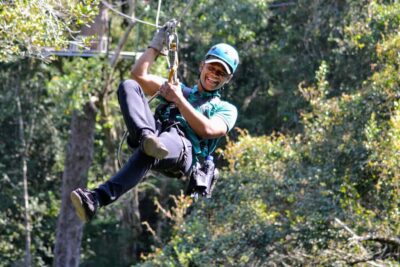
Storms River: Tsitsikamma National Park Zipline Canopy Tour
Read our review →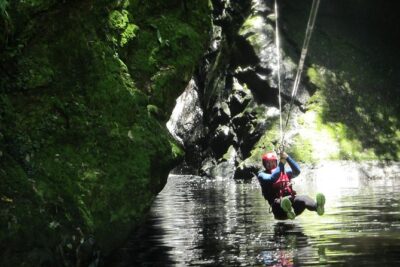
Standard Canyoning Trip in The Crags, South Africa
Read our review →
Plettenberg Bay Game Reserve: 2-Hour Game Drive
Read our review →Browse the lists this tour appears in