
Reviewed · WALKING TOURS
Durban: Local Markets and Culture Guided Walking Tour
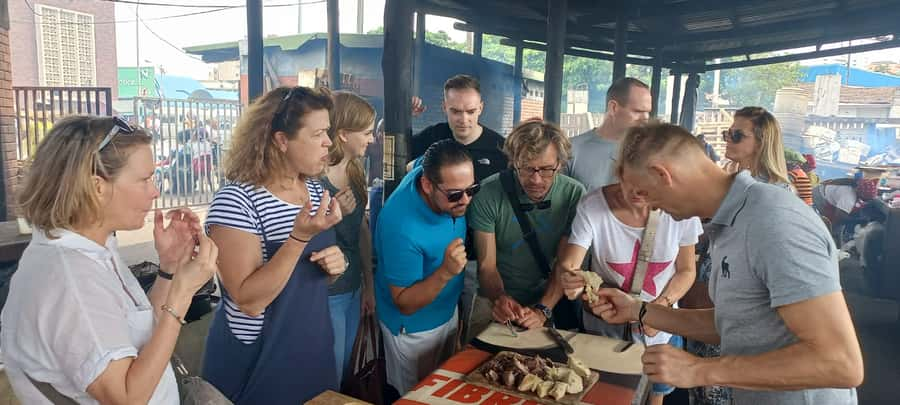
Durban’s most revealing sights are not behind museum glass. They are in the market lanes, the minibus taxis, and the stalls where daily life unfolds. This tour takes you through several markets around Warwick, including the traditional medicine market, then sends you across town by local combi before lunch at North Beach.
I like the way Johnny connects market stalls to Durban’s history, politics, food, and cultures instead of treating the markets as a quick shopping stop. I also like the local minibus rides, which turn an ordinary transfer into part of the day’s story. The main consideration is comfort: you will walk about 8,000 steps, use public transport, and spend time in crowded, noisy market areas.
Key points
- Warwick’s market district: Visit early-morning, bridge, Indian, African, and Victoria Street markets in one guided morning.
- Traditional medicine stalls: See the Muti market and learn how local healers present herbs, powders, oils, and animal products.
- Johnny’s local access: His long ties to the markets help you move through areas that can feel difficult to understand alone.
- Combi taxi ride: Use Durban’s ordinary minibus transport instead of staying inside a private vehicle.
- Bunny chow by the sea: End with Durban’s famous bread-loaf meal filled with meat at North Beach.
- Bring cash and stamina: Personal purchases and drinks are extra, and the outing can last four to five hours or longer.
Why this tour gets beyond Durban’s postcard view
Durban is often reduced to beaches, warm weather, and Indian-influenced food. Those are real parts of the city, but they do not explain how Durban works day to day. This walking tour gives you a look at the people, transport, trade, and traditions that sit behind the tourist front.
The focus is the Warwick market area, a major cluster of local markets. You are not simply led to one souvenir shop, handed a few facts, and sent back to your hotel. The route moves through several different trading areas, each with its own purpose and feel.
That range matters. You may see food sellers, African goods, Indian products, inexpensive clothing, spices, and traditional remedies within the same broad market district. The experience is less polished than a tourist market, but that is exactly its value. You see places built for local shoppers first.
Johnny is the guide named throughout the booking information and guest feedback. He has led this type of Durban tour for more than 14 years, and his local relationships are a major part of the experience. You may notice people greeting him as you walk. That familiarity helps you feel less like an outsider passing through a market and more like someone being introduced properly.
Still, this is not a quiet heritage walk. Market districts can be crowded and chaotic. You need to watch your footing, keep track of your belongings, and stay close enough to hear the guide. If you prefer air-conditioned transport and tidy displays, this will feel demanding.
Other walks around Durban:
- Culture Walking Tour of Durban
★ 5.0 · 110 reviews - Durban: City Sightseeing and Walking Tour
★ 4.6 · 98 reviews - Durban: Top 10 City Sights and Walking Tour
★ 4.1 · 69 reviews
Starting at 169 Ninth Avenue in Morningside
The meeting point is Tekweni Backpackers at 169 Ninth Avenue, just off Florida Road in Morningside. Johnny waits inside the backpackers, and safe parking is available if you arrive by car.
The first part includes an introduction to Durban’s past and present, followed by a viewpoint and photo stop. The exact viewpoint is not named, so do not book this expecting a particular landmark. What you can expect is a chance to get your bearings before heading into the city.
That opening view helps put the market district in context. Durban is not just a strip of beachfront hotels. The city spreads inland, and the tour’s route gives you a sense of how the commercial center and residential areas connect.
Wear shoes you can comfortably walk in for several hours. Sunglasses, a hat, sunscreen, water, and comfortable clothing are sensible. Cash is especially useful for personal purchases, since shopping is one of the enjoyable extras of the day.
The 15-minute combi ride is part of the lesson
The first public transport leg takes about 15 minutes. You ride a local minibus taxi, often called a combi, rather than a private tour vehicle.
For you, this is not just a cheaper way to move around. It is a small but useful lesson in how Durban residents get across the city. Local minibus systems can be hard to understand if you have never used them, so having Johnny explain the process makes the ride far less mysterious.
This part may also be the tour’s biggest comfort test. Minibus taxis are practical local transport, not a sightseeing bus. You will not have the same personal space or predictable schedule as you would in a private car. One person who took the tour on a rainy day found the waiting and transport less enjoyable and would have preferred a taxi.
That is fair advice. If bad weather is likely, bring suitable clothing and allow patience for the public transport sections. The local ride is valuable because it is real, but it is not designed around tourist comfort.
Warwick’s markets: six different angles on local life
The guided walk through the Markets of Warwick is the heart of the outing. The route takes in the early morning market, bridge market, Indian markets, African medicine market, African market, and Victoria Street Market.
That is a lot of ground for one morning, so expect an overview with stops and explanations rather than a slow, detailed visit to every stall. Johnny helps you understand what you are looking at, how the markets serve local people, and where it makes sense to browse.
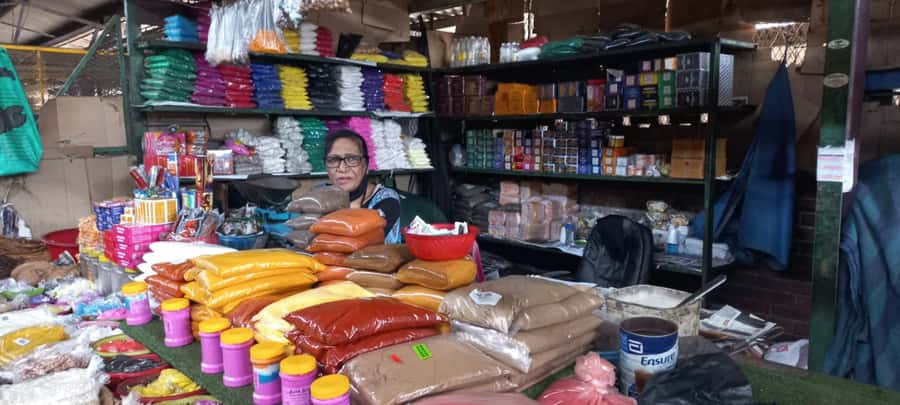
Victoria Street Market is likely to feel the most familiar to visitors. It is known for Indian goods, spices, souvenirs, and food-related shopping. This is a good place to compare prices, look for small gifts, and pick up items you might otherwise buy in a more tourist-focused shop.
The African market gives the day a different focus. You might find locally used goods, crafts, clothing, and items aimed at everyday shoppers rather than hotel gift shops. Prices can be lower than in the city’s more visitor-oriented stores, but bargaining and cash may be part of the process.
The bridge market and early morning market add to the sense that this is a working part of Durban, not a staged attraction. The appeal is seeing how different types of trade sit alongside one another. You will need to accept visual clutter, noise, and a less controlled pace.
Shopping is not compulsory, but it is built into the day. One practical tip is to save some spice and souvenir buying for these markets. You may find better prices than in tourist areas, and Johnny can help you judge what is worth buying. Bring a larger bag if you plan to shop, but avoid carrying more than you can manage on foot and during the minibus rides.
A few more things to do in Durban worth a look
- From Durban: 2-Day Lesotho Guided Trip with Lodging & Meals
★ 4.9 · 5 reviews - Cape Town: Robben Island Ferry Ticket and Guided Prison Tour
★ 4.1 · 1,792 reviews - Soweto /Johannesburg and Apartheid Museum Guided Full Day Tour
★ 5.0 · 932 reviews - Cape Town: Table Mountain Hike with an Expert Guide
★ 4.9 · 666 reviews
The Muti market requires context and respect
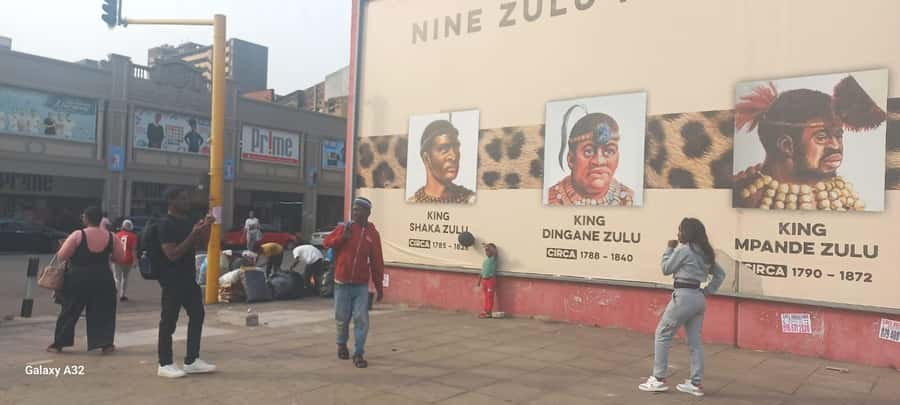
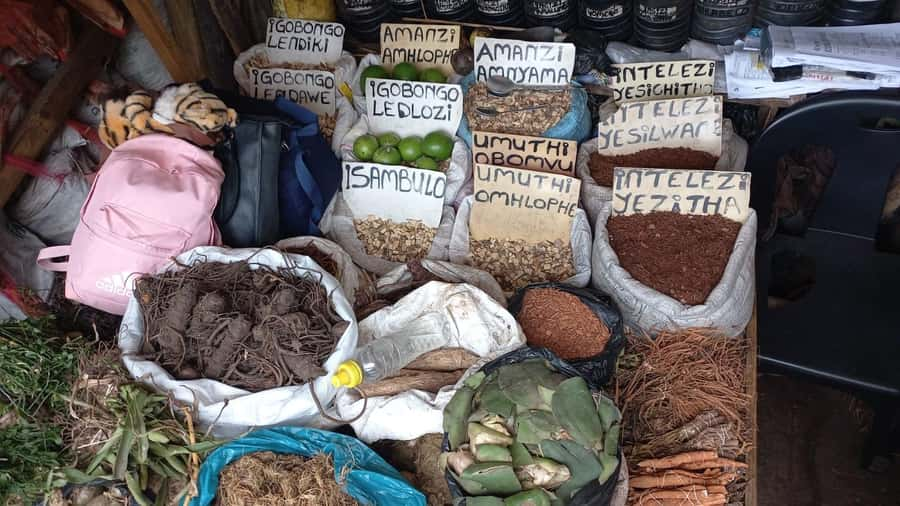
The traditional medicine market is one of the most unusual stops. In this part of the route, you may see powders, oils, herbs, and products made from animals, all presented as having traditional medicinal uses.
This can be confronting. The market is not arranged for easy sightseeing, and some products may be unfamiliar or difficult to look at. The value of having a guide is clear here. Johnny can explain the role of traditional healers and place the stalls within South African cultural life, rather than leaving you to make quick assumptions.
Approach this stop with respect. Do not treat people, remedies, or religious practices as props. Ask before taking photographs, listen to the explanations, and remember that the market serves local beliefs and needs.
This is also where the tour moves beyond shopping. You are seeing how different traditions continue alongside modern city life. The conversation may touch on inequality, access to services, and the ways people make a living. The subject is serious, but the tour remains conversational and open to questions.
Walking through Durban with Johnny
After the markets, the route continues through the city on foot and by public transport. Johnny’s strongest role is not simply pointing out buildings. He explains Durban through personal experience and links the streets to South African history, politics, food, and cultural traditions.
His style suits visitors who like to ask questions. You can ask about the markets, local customs, transport, the city’s different communities, or the food you see along the way. The tour is not a fixed audio recording, and the time can stretch if the group wants more conversation or extra stops.
That flexibility has a benefit and a drawback. You may get more local detail than the advertised schedule suggests, but the finish time may not feel exact. One outing lasted closer to eight hours because of rain, extra food, and additional conversation. The official duration is 330 minutes, or five and a half hours, while the practical guidance describes it as four to five hours. Plan your day with room around the tour.
The route covers about 8,000 steps at a slow pace. That is manageable for many people, but it is not a short city stroll. Comfortable shoes matter more than stylish footwear, and you should carry water.
Bunny chow at North Beach
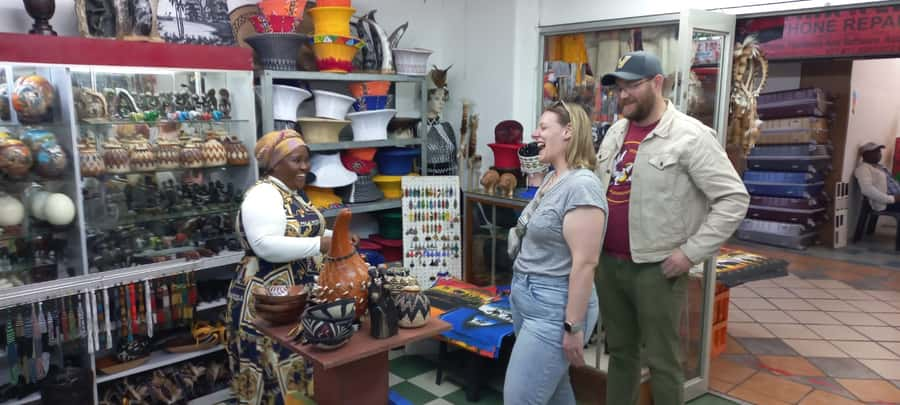
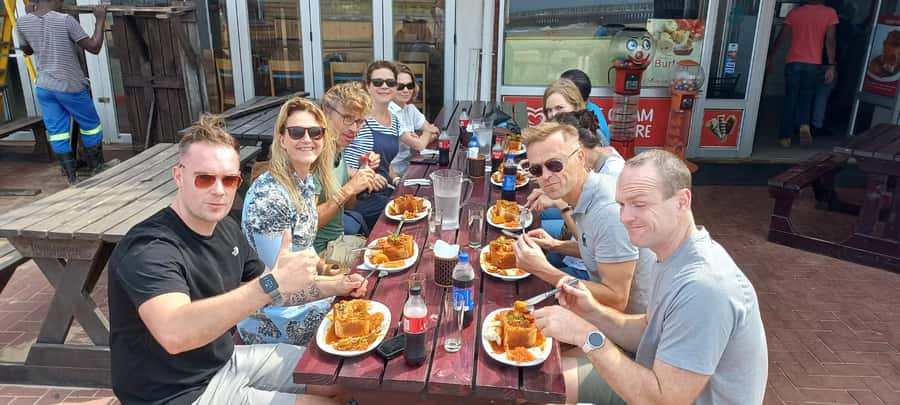
The tour ends at the beachfront, specifically around North Beach and the beach promenade, with lunch included. The meal is bunny chow, a Durban specialty made by hollowing out a loaf of bread and filling it with meat.
Despite its name, bunny chow is not made from rabbit. It is a filling, hands-on meal and one of Durban’s signature foods. The included lunch gives the day a satisfying finish, especially after walking through the markets.
Drinks are not included, so budget for a beverage. Personal purchases are also extra. The meal itself is included in the $68 price, along with the guide, walking tour, and both public transport sections.
The beach ending changes the mood nicely. You finish with open views and a familiar holiday setting after spending most of the day in working market districts. It also gives you a chance to sit down, eat, and talk through what you have seen.
Is $68 a fair price?

At $68 per person, this tour is not the cheapest way to walk around Durban, but the price covers more than a guide and a few viewpoints. It includes the local minibus rides, a long market route, and lunch.
The value comes from access and interpretation. You could visit Victoria Street Market alone, but you would probably miss the connections between the different markets and might not feel comfortable working out the minibus system or entering the traditional medicine market without local guidance.
You are also paying for time. The day runs for about 330 minutes, with the possibility of taking longer if the group wants to continue talking or shopping. For a first visit to Durban, the tour can combine several activities that would otherwise require separate planning.
The price is less attractive if you only want a quick market visit, dislike public transport, or already know the city well. It is also worth remembering that drinks and personal shopping are not covered. Bring cash, but only spend what you are comfortable carrying for the rest of the walk.
Who will enjoy this experience most?
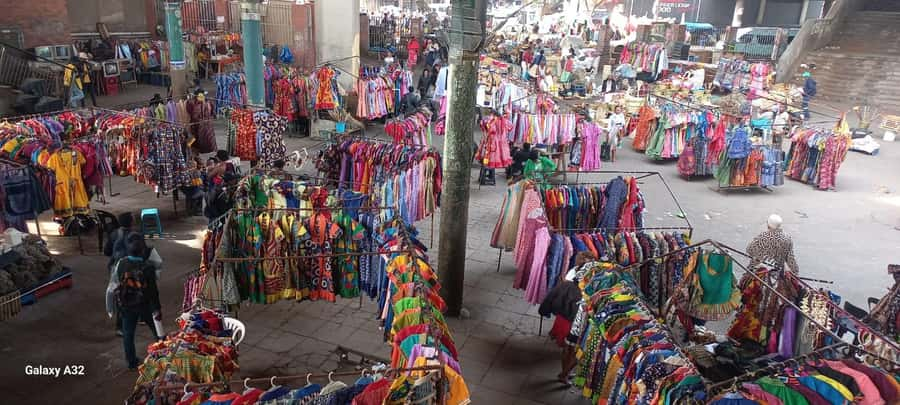
I would choose this tour if you want to understand how Durban works beyond the beachfront. It suits curious visitors who enjoy local food, street markets, public transport, and direct conversation with a guide.
It is especially useful early in a Durban stay. The guide can give you context for later meals, shopping, and independent walks. You may also discover places you would not have entered alone.
The tour is a good match for solo visitors because Johnny stays with the group and provides practical direction through the markets. It also suits couples and small groups who want a full half-day with plenty of questions.
You should think twice if you have limited mobility, need a wheelchair-accessible route, or dislike uneven and crowded market settings. The activity is not suitable for wheelchair users. It is also not suitable for people over 95 according to the supplied safety information.
Booking details worth knowing before you go
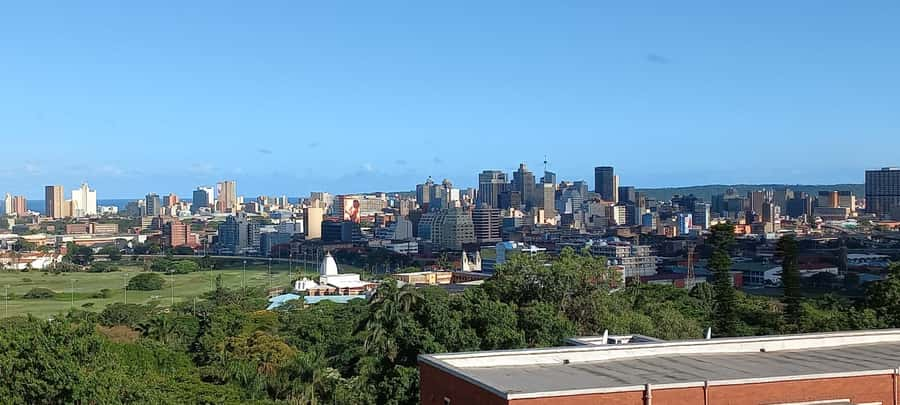
The tour is conducted in English and starts at Tekweni Backpackers. Free cancellation is available up to 24 hours before the start time, and you can reserve now and pay later, which helps if your Durban plans are still shifting.
Wear comfortable shoes and clothes. Pack water, sun protection, and cash. Keep your belongings secure in the market areas, and ask before photographing people or products.
Most important, leave the rest of your day open. The stated duration is 330 minutes, but weather, shopping, questions, and extra food stops can affect the timing. The official ending is at North Beach, not back at the backpackers, so plan your onward transport from the beachfront.
Should you book this Durban market tour?
Book it if you want the city’s everyday side, not just a beach view and a hotel district. Johnny’s local connections, the range of markets, the Muti market stop, the combi rides, and the bunny chow lunch make this a rare combination in one outing.
Skip it if you want a short, polished sightseeing tour with private transport. The markets can be intense, the minibus ride is not luxurious, and the walking adds up.
For curious visitors with a sense of adventure, the $68 price is fair because you receive transport, lunch, and access that would be difficult to arrange alone. Bring cash, wear good shoes, ask questions, and let the day show you a more ordinary and more revealing Durban.
FAQ
Where does the Durban market tour begin?
The tour begins inside Tekweni Backpackers at 169 Ninth Avenue, just off Florida Road in Morningside. Safe parking is available if you arrive by car.
Where does the tour finish?
The tour finishes at North Beach on the beachfront promenade after lunch.
How long does the tour last?
The listed duration is 330 minutes, or about five and a half hours. The practical guidance describes the tour as lasting four to five hours, though the timing can run longer depending on weather, questions, and the group’s interests.
Is lunch included?
Yes. Lunch is included and consists of bunny chow, a traditional Durban meal of bread filled with meat. Beverages are not included.
What kind of transport does the tour use?
The tour uses local minibus taxis, also called combis. One ride from the starting area to the markets takes about 15 minutes, and another public transport ride takes you from the markets toward the beachfront.
How much walking is involved?
The walk covers about 8,000 steps at a slow pace. Comfortable walking shoes are recommended.
Is the tour available in languages other than English?
No additional languages are listed. The live guide conducts the tour in English.
What should I bring?
Bring comfortable shoes, sunglasses, a sun hat, sunscreen, water, comfortable clothes, and cash for personal purchases and drinks.
Just added in Durban
- Tala Game Reserve & Natal Lion Park 1/2 Day Tour from Durban★ 3.0 · 13 reviews
- Shakaland and Zulu Culture Full-Day Trip★ 4.5 · 7 reviews
- From Durban: Safari & PheZulu Village Day Tour★ 4.4 · 24 reviews
- From Durban: Oribi Gorge & Lake Eland Adventure Tour★ 5.0 · 5 reviews
- From Durban: Hluhluwe Imfolozi Game Reserve Day Trip★ 4.5 · 13 reviews
- Durban: Hluhluwe Imfolozi Safari & iSimangaliso Tour★ 5.0 · 22 reviews
- Half Day Tala Game Reserve & Natal Lion Park from Durban★ 3.3 · 16 reviews
- Half Day Durban City Tour and Phezulu Safari Park★ 4.3 · 4 reviews
Walking Tours, compared.





Browse the lists this tour appears in