

Reviewed · ROBBEN ISLAND TOURS
Cape Town: Robben Island Ferry Ticket and Guided Prison Tour
Robben Island is not just a ferry ride and a quick look at Nelson Mandela’s cell. It is a hard, direct lesson in apartheid, told partly by a former political prisoner who knows the prison from the inside. The island’s story becomes personal when your guide describes what daily life was like for political inmates.
I like the first-hand prison tour and the way the visit combines a ferry crossing, an island bus tour, and time inside the prison. I also like that the ticket arrangement saves you from standing in the ticket-selling line. The main drawback is that you still queue to board the ferry, and the island tour can feel rushed when several buses arrive together.
Key points to know before you go

- A former inmate leads the prison visit: This is the emotional heart of the experience, with personal accounts of prison life and apartheid-era punishment.
- Nelson Mandela’s cell is the key stop: You see the small cell where Mandela spent more than 25 years of his 27-year imprisonment.
- The ferry ride takes about 30 to 45 minutes: The boat can be crowded and rough, so bring a coat and prepare if you suffer from seasickness.
- Two guided sections make up the island visit: A bus guide explains the island and its buildings, then a former prisoner leads the prison walk.
- You skip the ticket line, not every queue: You go directly to the departure area, but you still wait with other passengers to board.
- The tour is for international visitors: South African citizens are advised to buy tickets directly from Robben Island.
Why Robben Island matters beyond Mandela’s cell
Nelson Mandela’s prison cell is the famous image, but the visit works best when you treat it as a story about many people, not one man alone. Robben Island held political prisoners who opposed apartheid, and the prison system was designed to silence people who challenged racial rule.
That wider context gives the cell its weight. You see where Mandela spent more than 25 years, but you also hear about the harsh treatment of Black political prisoners and the people who endured similar conditions without becoming household names.
The island has also served other roles over time, and the guided bus ride helps explain its varied past. The tour moves beyond the prison walls to show the wider complex and the setting in which the prison operated. You might hear about figures such as Robert Sobukwe, whose story adds another layer to the visit.
I find that this structure helps. If the tour only showed Mandela’s cell, it could become a quick photo stop. The bus commentary and prison stories instead connect the cell to the political struggle that shaped modern South Africa.
Other trips into the country's recent past:
- Cape Town: Robben Island Ferry Tour with 1-Way Hotel Pickup
★ 4.2 · 1,380 reviews - Cape Town: Robben Island Ferry Ticket and Townships Tour
★ 4.5 · 400 reviews - Cape Town: Robben Island Ferry with Prison Ticket and Tour
★ 4.0 · 324 reviews
Starting at the Nelson Mandela Gateway
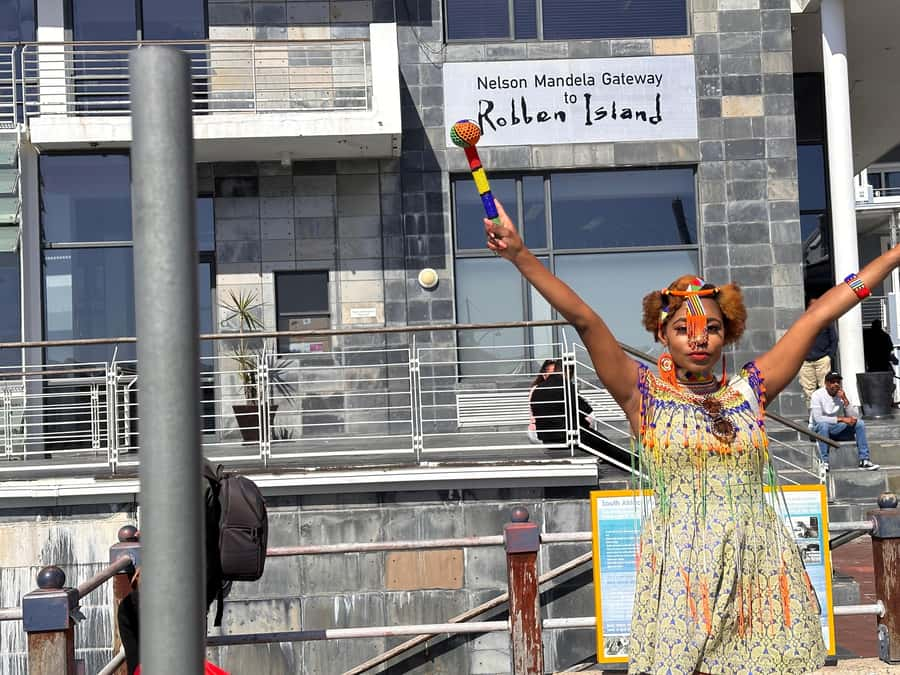
The tour begins at the Nelson Mandela Gateway to Robben Island at Cape Town’s V&A Waterfront. You do not receive hotel pickup, so you need to make your own way to the departure point and allow time to find the boat departures line.
The meeting instructions are simple once you understand them: proceed directly to the boat departure queue. In practice, the building and queue can be less obvious than expected. Some people have had to ask staff or security for directions, so do not arrive at the last minute.
A useful landmark is the swing bridge and the grey or burgundy building near the departure area. Keep your ticket message ready on your phone. Tickets are sent by WhatsApp, iMessage, or email, so enter your country code and mobile number correctly when booking.
This is a shared tour, not a private outing. You join other passengers on the ferry, then join a bus group and a prison group on the island. The operator arranges skip-the-line access for the ticket purchase, but this does not mean you walk straight onto the boat.
Bring a passport or ID card. A copy is accepted according to the tour information. International visitors should use this booking, while South African citizens are encouraged to purchase directly from Robben Island.
The ferry crossing to Robben Island

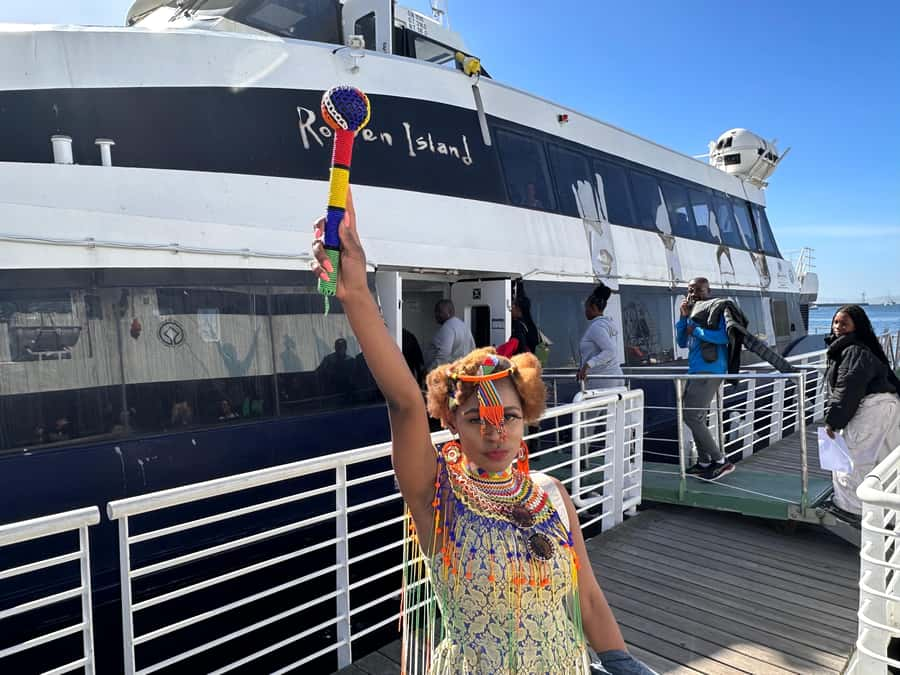
The crossing is part of the experience, not just transport. From Cape Town, the boat carries you out across the water toward the island, with the city gradually becoming a backdrop. The journey usually takes about 30 minutes, although some visitors have experienced closer to 45 minutes.
The ferry is enclosed and can become crowded. You may find outdoor seating, but it can be cold and windy, even when Cape Town feels mild. Pack a light coat, especially if you want to sit outside.
The sea can also be rough. Keep your eyes on the horizon if you are prone to motion sickness, and consider taking your usual precautions before leaving the waterfront. The crossing is manageable for most people, but it is not a calm lake cruise.
There can be small bonuses along the way. Sightings have included seals and, on one crossing, a whale. Wildlife is never promised, but the open-water ride gives you a chance to look beyond the main attraction.
You still need to queue for boarding after reaching the departure area. This is the main distinction between skip-the-line ticket access and priority boarding. The time saved is useful, but you should not expect an entirely queue-free morning.
The island bus tour and its fast pace
After docking at the Robben Island Museum, you board a bus for the first guided section. The bus travels around the island and stops at important buildings and sites before bringing you to the prison complex.
This portion helps you understand Robben Island as a working place, not just a prison museum. The guide explains the buildings, the island’s past, and the conditions connected with political imprisonment. The best bus guides tell the story clearly, with a little humor where appropriate, without making light of the subject.
Several guides have been singled out for their delivery. Yasien Mohammed has been praised for a lively and clear bus presentation, while guides such as Troyer and Talent have also made a strong impression. Names and assignments can change, so you should not book expecting one particular person.
The bus tour is often the most efficient part of the visit. You cover a lot of ground in a limited time, but that also means some stops are brief. One stop for coffee and penguin viewing has been described as lasting about 10 minutes, which may feel short if many buses arrive together.
The island can have several buses operating at once. Queues may form, and a delayed bus or staffing issue can reduce the time available at a stop. The operation is fairly complex, with ferries, buses, and walking groups all needing to connect, so a little patience helps.
You should also be prepared for older buses. Some vehicles have small or dirty windows, and the public-address system may not be equally clear from every seat. If you can choose, sitting where you can hear the guide well is sensible. The commentary matters more than the view through the window.
A few more things to do in Cape Town worth a look
- Cape Town: 2 Oceans Helicopter Flight with Boat Tour Ticket
★ 4.9 · 417 reviews - Cape Town: The Cape Wheel Ticket
★ 4.6 · 350 reviews - Cape Town: Table Mountain Cable Car Ticket
★ 4.0 · 236 reviews - Robben Island Ferry Ticket and Guided Prison Tour
★ 3.0 · 160 reviews
Walking through the prison with a former inmate
The prison visit is the reason to make the trip. After the bus section, you join a former political prisoner for a walking tour of the main prison complex.
This guide does not simply repeat dates and names. He can explain the treatment of prisoners, the restrictions placed on Black inmates, and the daily reality of being held for political opposition. That personal link changes the tone of the visit. A corridor or cell becomes part of a lived experience rather than an abstract museum display.
The accounts can be painful. You hear about harsh conditions, the effort to silence dissent, and the suffering endured by people who challenged apartheid. The guide may also answer questions and add small details that a standard museum panel cannot provide.
The quality of sound can vary. In a crowded group, the former prisoner may be harder to hear than the bus guide, and some stories can feel repetitive if the group is large. Move closer when possible, and listen carefully. This is not a polished theatrical performance, and that is part of its value.
Guides who have led this section have included Monde, Terrence, and Sipho. Their personal accounts have been described as thoughtful, heartbreaking, and inspiring. You may also encounter a former warden, such as Christo Brand, although that is not a guaranteed part of the tour.
The prison walk lasts about an hour in the usual sequence described by visitors. It is not a private conversation, and the pace depends on your group. Still, this is where the experience gains its force. The ferry gets you there, and the bus gives you the setting. The former prisoner gives the place a human voice.
Nelson Mandela’s cell and the long walk to freedom

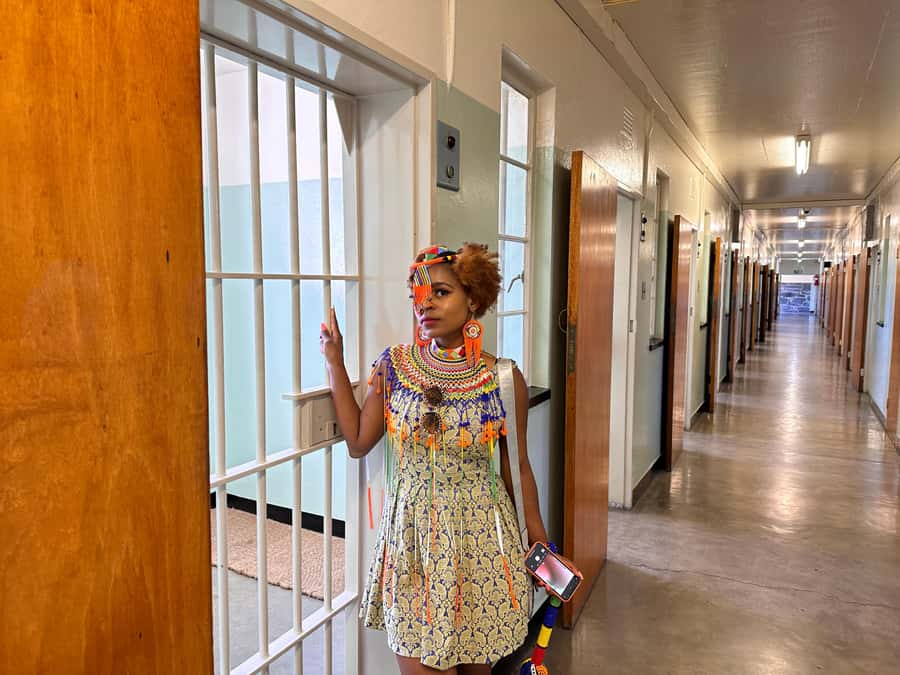
The tour’s best-known stop is Nelson Mandela’s former cell. It is small, plain, and easy to pass without the surrounding explanation. The guide helps you grasp the scale of Mandela’s imprisonment and the years he spent confined within the prison system.
You do not need a dramatic presentation to understand why this moment matters. Seeing the cell gives a physical reference point for a period often reduced to photographs, speeches, and textbook dates.
The phrase long walk to freedom fits here, but the visit should not suggest that Mandela’s journey happened in isolation. The prison held many political prisoners, and the struggle against apartheid involved generations of people. The former inmate guide keeps that wider human story in view.
Give yourself a quiet moment at the cell. Photography may be tempting, but the setting is better approached with attention than speed. The strongest part of the stop is not the room itself. It is the contrast between its size and the length of time Mandela was held there.
Four hours, shared groups, and the real value of the $79 price
The listed price is $79 per person for about four hours. That includes the return ferry, museum access, the island bus tour, and the former prisoner guide. Food, drinks, and transport to the Nelson Mandela Gateway are not included.
I consider the price reasonable for a major Cape Town visit, especially if you value the former inmate-led prison tour. The ferry tickets, transport on the island, and guided sections are bundled together, and pre-booking reduces the risk of arriving without a confirmed place.
The value is less convincing if you expect a private tour, flexible timing, or a luxurious ride. You share the ferry and buses with other passengers, and the island schedule is fixed. The boats and buses are practical rather than comfortable, and some parts can feel crowded.
The ticket also carries the convenience of handling the purchase before you arrive. This matters because Robben Island departures can be popular, and missing the boat would waste a large part of your day. Still, check the ticket message carefully and keep your ID available to avoid delays at the departure point.
Bad weather can cancel the activity, with a full refund offered in that situation. The sea crossing is not entirely under the operator’s control, so leave some flexibility in your Cape Town schedule if Robben Island is a top priority.
Who will get the most from this visit
This is a strong choice for anyone interested in South African history, apartheid, civil rights, or Nelson Mandela’s life. It also suits families with older children and teenagers who can follow a serious discussion about injustice and political change. One family found the visit meaningful for a 9-year-old and teenage daughters, though you should judge the subject matter for your own children.
The experience is especially worthwhile if you prefer history told by people connected to the place. The former prisoner guide is the main reason to choose this tour over simply visiting a museum display.
It is less suitable if you dislike boats, crowded groups, or fixed itineraries. The crossing may be rough, the bus commentary may be hard to hear from the rear, and the island stops can feel hurried when queues build.
You should also plan for walking inside the prison. The activity combines a boat, a bus, and a walking tour, so wear practical shoes and bring a coat for the ferry. The provided information does not specify accessibility arrangements, so contact the operator before booking if you need particular assistance.
Should you book the Robben Island tour?

I would book this if you have four hours in Cape Town and want a serious historical experience rather than a scenic boat trip. The former prisoner guide makes the visit far more personal, while the bus tour gives you enough background to understand the prison within the wider island complex.
Book it with realistic expectations. You will not skip every queue, choose your own pace, or travel in a small private group. The buses can be old, the public address system may not be perfect, and the schedule can tighten when many groups arrive.
Those limits do not erase the central value. You stand in the prison, see Mandela’s cell, and hear about political imprisonment from someone who experienced it. For most international visitors to Cape Town, that makes Robben Island worth the $79 and the half-day commitment.
FAQ
How long does the Robben Island experience take?
The listed duration is four hours. This includes the ferry crossing, the island bus tour, the prison visit, and the return trip to Cape Town.
Where does the tour start and finish?
It starts and finishes at the Nelson Mandela Gateway to Robben Island. Hotel pickup and drop-off are not included.
Do I skip all queues with this ticket?
No. You skip the ticket-selling line by booking ahead, but you still need to queue to board the ferry.
Is the prison tour led by a former inmate?
Yes. A former political prisoner guides the prison section and shares first-hand information about conditions and life inside the prison.
What identification should I bring?
Bring a passport or ID card. A copy is accepted according to the activity information.
Is the tour available in languages other than English?
The live tour guide language is English, and the listed language for the activity is English.
What happens if bad weather cancels the ferry?
The activity provider may cancel the booking because of bad weather and offer a full refund.
Just added in Cape Town
- Wine Tasting in Cape’s Top Three Winelands Private Tour★ 4.5 · 17 reviews
- Private Tour to Aquila Game Reserve in Cape Town – see the Big5★ 5.0 · 5 reviews
- Private Tour:Cape of Good Hop>Seal island>Chapman’speak &Penguins★ 5.0 · 7 reviews
- Full Day Big 5 Aquila Safari Private Transfers Including Park Fee From Cape Town★ 4.5 · 54 reviews
- Robben Island and Table Mountain Cableway with Bo-Kaap Day Tour★ 5.0 · 8 reviews
- Private Full Day Cape Town City Scenic and Table Mountain Tour.★ 5.0 · 3 reviews
- Private Half DayTour:Cape Winelands, Stellenbosch from Cape Town★ 5.0 · 18 reviews
- Private Tour: Cape Winelands to Stellenbosch & Franschhoek★ 5.0 · 3 reviews
Robben Island Tours, compared.

Robben Island Ferry Tour with 1-Way Hotel Pickup
Read our review →
Robben Island Ferry with Prison Ticket and Tour
Read our review →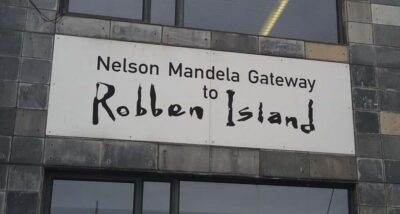

Robben Island Tour including Pick Up & Drop Off from Cape Town
Read our review →
Robben Island Experience: Pre-Booked Ticket & Return Transfers
Read our review →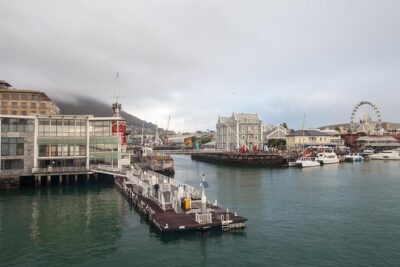
Robben Island Tour – Hotel Pick-Ups & stops at interesting places pre/post tour
Read our review →
ROBBEN ISLAND MUSEUM TOUR, WITH OPTIONAL LAST MINUTE TICKETS
Read our review →Browse the lists this tour appears in