
Reviewed · APARTHEID & MANDELA HISTORY TOURS
Soweto & Apartheid Museum Tour
Soweto’s story comes into sharp focus at the Hector Pieterson Museum, where the 1976 student uprising is told through photographs, film, and personal accounts. From there, the tour links the struggle against apartheid to Mandela’s former home, Vilakazi Street, and the Apartheid Museum, giving you a serious but well-paced half-day in Johannesburg.
I like the small group size, capped at 12, and the fact that admission fees and air-conditioned transport are included. I also like the mix of indoor museums and township sights, so you get context rather than only a drive through Soweto. The main drawback is time: five hours goes quickly, and the schedule leaves little room for lingering, food, or extra stops.
Key points at a glance
- Hector Pieterson Museum puts the 1976 student uprising first: This is one of the tour’s most moving and important stops.
- Mandela House gives the history a personal address: You see where Nelson Mandela lived, rather than only reading about him in a museum.
- Vilakazi Street connects two Nobel Peace Prize laureates: Mandela and Desmond Tutu both had homes on this famous Soweto street.
- A small group keeps the guide within reach: The group limit is 12, making it easier to ask questions and hear the commentary.
- The $144.58 price covers the major admissions: Transport, taxes, Hector Pieterson Museum, Apartheid Museum, and Mandela House are included.
- This is a serious tour, not a casual township outing: The subject matter includes police shootings, unequal education, and the long struggle against apartheid.
Why this Soweto tour works as a first visit
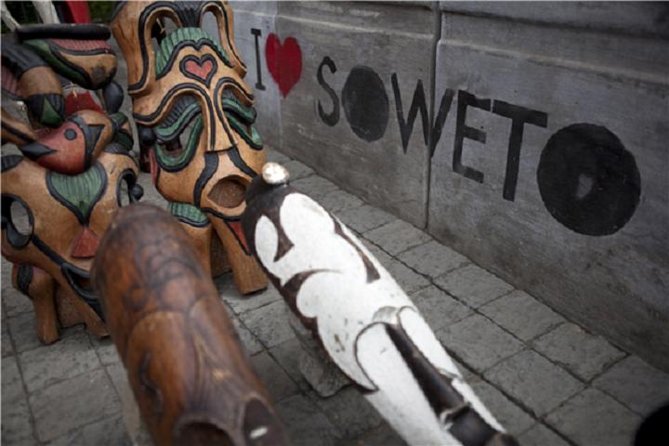
Soweto is not just a suburb to view through a vehicle window. It is a place tied to the 1976 school protests, the anti-apartheid movement, Nelson Mandela, Desmond Tutu, and the daily realities of segregated South Africa.
That is why a guide matters here. You can reach the main sights on your own, but the meaning of those places is easier to grasp when someone explains how they connect. The tour’s route gives you several angles: student resistance at Hector Pieterson, the wider political system at the Apartheid Museum, Mandela’s family life at his former home, and modern Soweto through its streets and landmarks.
The pace is also useful. You have about five hours, with roughly 30 minutes at Hector Pieterson Museum, one hour at the Apartheid Museum, 45 minutes at Mandela House, and a short visit to Vilakazi Street. The rest of the time is used for transport and guided viewing around Soweto.
I would choose this tour if you have only half a day and want a structured introduction. If you want long museum visits, a sit-down meal, or lots of time to explore on foot, this schedule may feel tight.
More Apartheid History Tours in Pretoria
- Johannesburg Full-Day Tour(Soweto/Jo-Burg & Apartheid Museum)
★ 5.0 · 110 reviews - Soweto and Apartheid Museum Guided Tour
★ 5.0 · 38 reviews - Apartheid History of South Africa (Full day Experience with lunch
★ 4.5 · 24 reviews
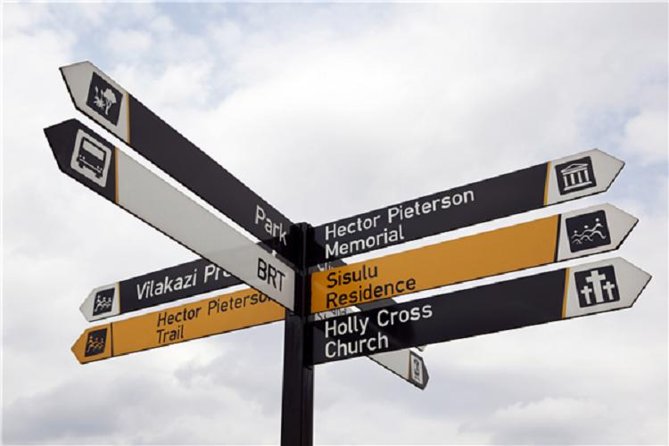
Hector Pieterson Museum and Memorial: starting with the 1976 uprising
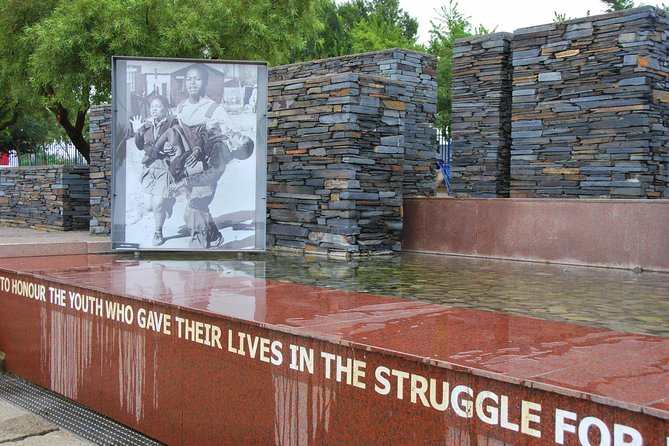
The first major stop is in Orlando West, Soweto. The Hector Pieterson Museum and Memorial honors the schoolchildren who took part in the 1976 protests against the use of Afrikaans in black schools and against the poor quality of education imposed under apartheid.
The museum is named after Hector Pieterson, a 13-year-old student who was shot during the protests. The famous photograph of his body being carried after the shooting became an international symbol of the brutality of apartheid. The museum places that image within the wider student movement, rather than treating it as an isolated event.
You have about 30 minutes here. That is enough for an introduction, but it is not a long museum visit. I would pay close attention to the guide before entering, then use the short visit to focus on the displays that explain the protest and the role of young people.
This stop can be emotionally difficult. The subject is police violence against children, so it is not light sightseeing. Still, it gives the rest of the tour a clear starting point. You understand that Soweto’s importance is not only about famous political figures. It is also about ordinary students who challenged an unfair school system at enormous personal risk.
The Apartheid Museum: the broadest historical view
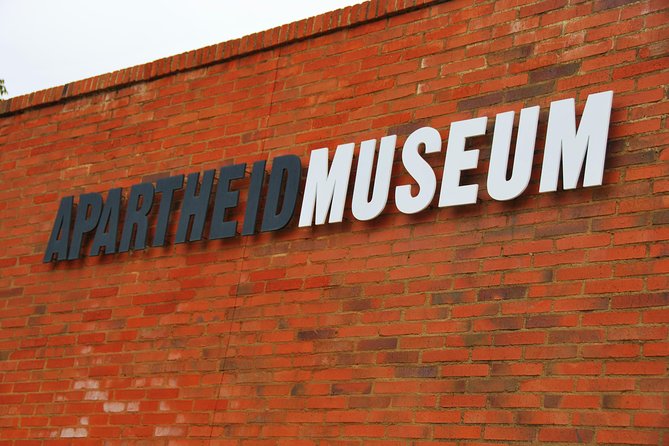
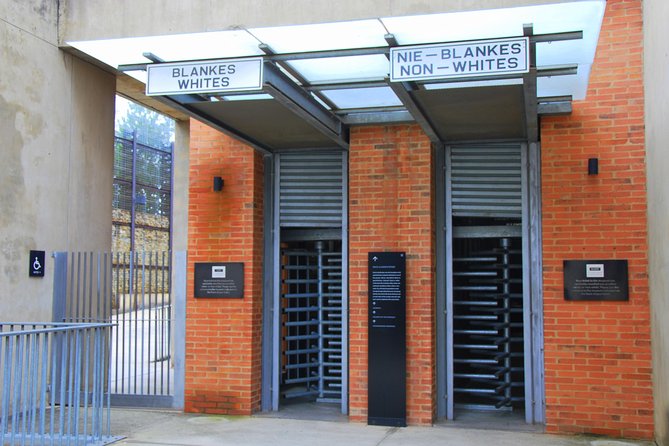
The Apartheid Museum gives you the widest explanation of the system itself. Its exhibitions cover the rise and fall of apartheid through photographs, film footage, text panels, and objects connected to the people and events of that era.
You have one hour here, the longest single museum stop. That is valuable because apartheid was not one law or one moment. It shaped where people could live, how they were classified, which schools they could attend, and what political rights they were denied. The museum helps connect those policies to the protests and personal stories you encounter in Soweto.
The building was designed by a group of architectural firms on a seven-hectare site. The setting and design are part of the visit, but the displays are the main reason to come. Expect a serious presentation rather than a quick collection of famous photographs.
One hour is useful, but I would not expect to see every display in detail. If you already know a lot about South African history, you may wish for more time with the exhibits. If you are new to the subject, the guide’s explanations can help you identify the most important sections without becoming lost in a large museum.
The museum also changes the scale of the story. Hector Pieterson shows one decisive event in Soweto. The Apartheid Museum shows how that event fits into decades of law, resistance, imprisonment, protest, and political change.
Mandela House: a personal look at a national figure
Mandela House sits on Vilakazi Street, where Nelson Mandela lived. The house helps shift the focus from national politics to family life and the physical place connected with Mandela’s years in Soweto.
You have about 45 minutes here. That is a good amount of time for a compact historic home, though the visit is still guided by the tour’s wider schedule. I like this stop because it gives the story a human scale. A museum can explain laws and movements, but a former home helps you picture the person behind the speeches and photographs.
The Mandela name can easily dominate any South Africa tour. This visit works best when you treat it as one part of a larger story, not the whole story. The Hector Pieterson Museum reminds you that the anti-apartheid struggle involved many young people and communities. The Apartheid Museum explains the political system. Mandela House shows one important life within that much larger movement.
More Township Tours in Pretoria
- Johannesburg and Soweto tour
★ 5.0 · 231 reviews - Soweto Half Day Tour
★ 5.0 · 231 reviews - Pretoria Soweto And Johannesburg
★ 3.8 · 13 reviews
Vilakazi Street and Soweto’s famous addresses
Vilakazi Street is one of Soweto’s best-known streets because the homes of two Nobel Peace Prize laureates, Nelson Mandela and Archbishop Emeritus Desmond Tutu, are located here. It is described as the only street in the world to have been home to two Nobel Peace Prize winners.
You have about 10 minutes at this stop, so think of it as a brief orientation rather than free time for a long walk. The street is named after Dr Benedict Wallet Vilakazi, a Zulu writer and educator. That detail matters because the street’s importance is not limited to Mandela and Tutu. It also connects the area to South African writing, education, and local cultural life.
Ten minutes is enough to see why the street matters and to take in the setting, but it is not enough for a slow visit to every address. If you want time for shopping, eating, or a longer walk, you will need to arrange that separately or choose a longer Soweto visit.
Orlando Towers and the view across Soweto
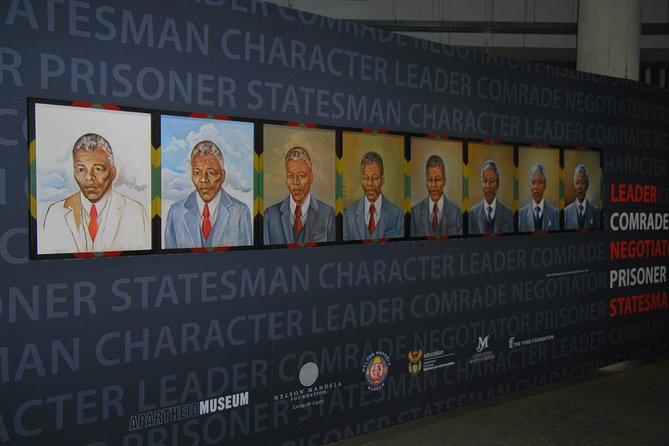
The route also includes the Orlando Power Station and its colorful cooling towers. When the power station operated, it was considered one of the most advanced in the Southern Hemisphere. Today, the towers are among Soweto’s most recognizable sights.
The Orlando Towers are also known for the world’s first bungee jump between two cooling towers. That does not mean bungee jumping is part of this tour. The tour information presents the towers as a sight along the route, so you should expect to view them rather than receive an included adrenaline activity.
This is a useful change of tone after the museums. The towers show how industrial sites can take on a new life as symbols and attractions. They also give the route a visual marker that is easy to remember.
Chris Hani Baragwanath Hospital and the scale of Soweto
Chris Hani Baragwanath Hospital is another notable stop or sight on the route. It occupies 70 hectares, has 3,400 beds, and employs 6,760 staff members. It is described as the third-largest hospital in the world, after West China Hospital of West China Medical Center of Sichuan University and Chang Gung Memorial Hospital at Linkou.
The numbers help you understand the scale of Soweto and the importance of the hospital beyond its medical role. The tour does not give a separate visit length or list an admission experience here, so you should treat it as part of the guided route rather than plan for an extended hospital tour.
What the guide adds to the day
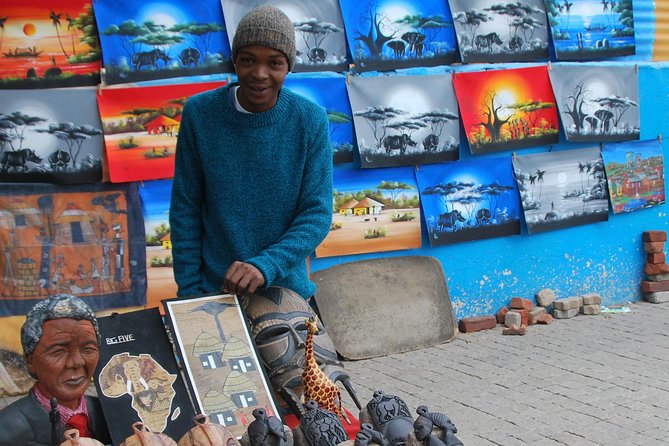
The guide is central to this experience. The tour is built around commentary while you move between museums, homes, streets, and major sights. A guide can explain why a particular location matters, answer questions, and connect separate stops into one story.
Khutso is specifically identified as a guide for this tour. The useful qualities described in the experience are clear explanations, friendliness, and patience with questions. That last point matters because South African history raises difficult issues about race, education, policing, leadership, and memory.
You may also be assigned another guide, so Khutso is not guaranteed. Still, the small group setup gives you a better chance to ask questions than a large coach tour would. With a maximum of 12 people, the atmosphere should feel more personal, though the tour is still shared rather than private.
Transport, timing, and the value of $144.58
The listed price is $144.58 per person. That is not a budget outing, but it includes round-trip transportation from Johannesburg, an air-conditioned vehicle, all fees and taxes, and admission to the Hector Pieterson Museum, Apartheid Museum, and Mandela House.
Those inclusions make the price easier to assess. If you visited the museums independently, you would still need to organize transport between Johannesburg and Soweto, navigate the route, and pay the entrance charges. Here, the cost also buys a guide who ties the locations together.
The tour is listed in Pretoria, but pickup and round-trip transport are offered from Johannesburg. Confirm the pickup details before booking if you are staying outside Johannesburg, since the advertised route is built around Johannesburg transport.
Food and drinks are not included. The five-hour schedule also does not promise a meal stop, so eat beforehand and bring what you need within the provider’s rules. Group discounts may be available, which could improve the value for families or small parties.
Who will get the most from this half-day visit
I would recommend this tour to you if you want a focused first look at Soweto and apartheid-era South Africa. It suits people who prefer a guide, need transport arranged, or have limited time in Johannesburg.
It is also a practical choice if walking for long periods is difficult. The schedule uses vehicle transport and indoor visits, and the small group can make the day easier to manage than a large, crowded tour. Still, museums involve standing and moving through exhibits, so this is not a fully seated activity.
Families should note that the child rate applies only when a child shares with two paying adults. Service animals are allowed, and most people can participate. The subject matter may be too intense for very young children, but the booking information does not set an age restriction.
You should look elsewhere if your priority is food, shopping, nightlife, or a long unstructured visit in Soweto. You also may want more time if the Apartheid Museum is your main reason for going.
Should you book the Soweto and Apartheid Museum Tour?
Book it if you want the main historical sites covered in one well-organized half-day. The strongest parts are the small group, the included admissions, and the combination of Hector Pieterson Museum, Apartheid Museum, Mandela House, and Vilakazi Street.
The main caution is pace. The tour gives you a strong introduction, not a slow, open-ended exploration. At $144.58, it offers fair value when you use the included transport, museum tickets, and guide, especially if you would otherwise struggle to connect these places on your own.
I would choose it for a first visit, particularly if you have one free morning or afternoon in Johannesburg. Pack patience for serious subject matter, eat before you go, and confirm the pickup point. If that fits your plans, this tour gives you a clear and respectful way to begin understanding Soweto.
FAQ
Where does the tour take place?
The experience focuses on Soweto and the Apartheid Museum, with round-trip transportation offered from Johannesburg. The tour information lists Pretoria as the location, so confirm the exact pickup details when booking.
How long does the tour last?
The tour lasts approximately five hours.
How many people are in the group?
The activity has a maximum of 12 travelers.
Is transportation included?
Yes. Round-trip transportation from Johannesburg is included in an air-conditioned vehicle.
Which entrance fees are included?
Admission to the Hector Pieterson Memorial and Museum, the Apartheid Museum, and Mandela House is included. All fees and taxes are also included.
Is food included?
No. Food and drinks are not included.
What places are visited?
The tour includes the Hector Pieterson Museum and Memorial, Apartheid Museum, Mandela House, Vilakazi Street, Orlando Power Station and its towers, and Chris Hani Baragwanath Hospital as listed sights along the route.
Are service animals allowed?
Yes. Service animals are allowed.
What is the cancellation policy?
You can cancel up to 24 hours before the experience start time for a full refund. Cancellations or changes made less than 24 hours before the start time are not accepted for a refund.
More museums and galleries in Pretoria
- Soweto /Johannesburg and Apartheid Museum Guided Full Day Tour
★ 5.0 · 932 reviews - Jo’berg in 1 Day: Soweto, Apartheid Museum & City Tour
★ 4.8 · 524 reviews - Johannesburg: Full-Day Tour with Soweto and Apartheid Museum
★ 4.8 · 478 reviews - Full-Day Soweto, Apartheid Museum and Lunch Tour
★ 5.0 · 410 reviews
Just added in Pretoria
- Pretoria: Pretoria City and Lion Park Tour★ 4.8 · 41 reviews
- Pretoria: Half-Day City Tour with Hotel Pickup★ 4.2 · 6 reviews
- Pretoria Tour-Voortrekker Monument, Town, Union Buildings★ 5.0 · 3 reviews
- Pretoria half day tour★ 3.7 · 3 reviews
- Pretoria: Pretoria City Tour and Cullinan Diamond Mine Tour★ 4.9 · 24 reviews
- Pretoria Soweto And Johannesburg★ 3.8 · 13 reviews
- Half day Pretoria city tour★ 4.5 · 4 reviews
- From South Africa Joburg: Pretoria City Half Day Tour★ 4.3 · 4 reviews
Apartheid & Mandela History Tours, compared.
Jo’berg in 1 Day: Soweto, Apartheid Museum & City Tour
Read our review →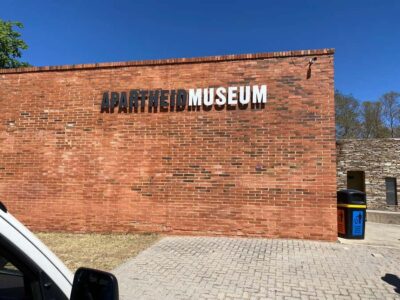
Full-Day Tour with Soweto and Apartheid Museum
Read our review →
Half Guided Day Tour of Soweto And Apartheid Museum
Read our review →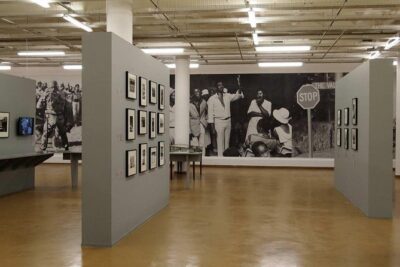
Ultimate Johannesburg Soweto Experience with Apartheid Museum
Read our review →
Hop-On Hop-Off Bus, City Tour and Apartheid Museum
Read our review →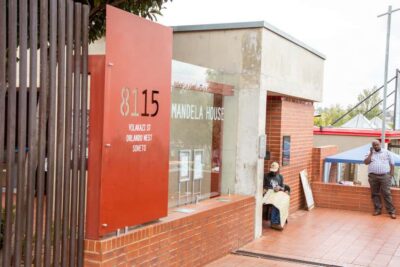
Johannesburg and Soweto Apartheid Full Day Tour w/Lunch
Read our review →

Browse the lists this tour appears in