
Reviewed · WALKING TOURS
Cape Town: Culinary Walking Tour with Food Tastings
Cape Town’s food story is best understood one bite at a time. This four-hour walk links the colorful Bo-Kaap with the City Bowl, bringing together Cape Malay curry, African dishes, Afrikaans sweets, rooibos, and even mopane worms. Guides Brad Croukamp and Lindy are especially good at connecting the food to Cape Town’s people and past.
I like the small group of up to eight, which leaves room for questions and makes it easier for the guide to adjust the tastings. I also like the range: this is not just a curry lunch, but a broad sample of Cape Town cooking, from samosas and braai to milk cake and chocolate. The main consideration is that drinks beyond the included water cost extra, and four hours of walking and eating calls for good shoes and a healthy appetite.
Key points at a glance
- Bo-Kaap comes first: Spend about 45 minutes learning about the neighborhood’s Cape Malay culture and colorful streets.
- The City Bowl is the main course: About three hours are devoted to food stops, local stories, and city walking.
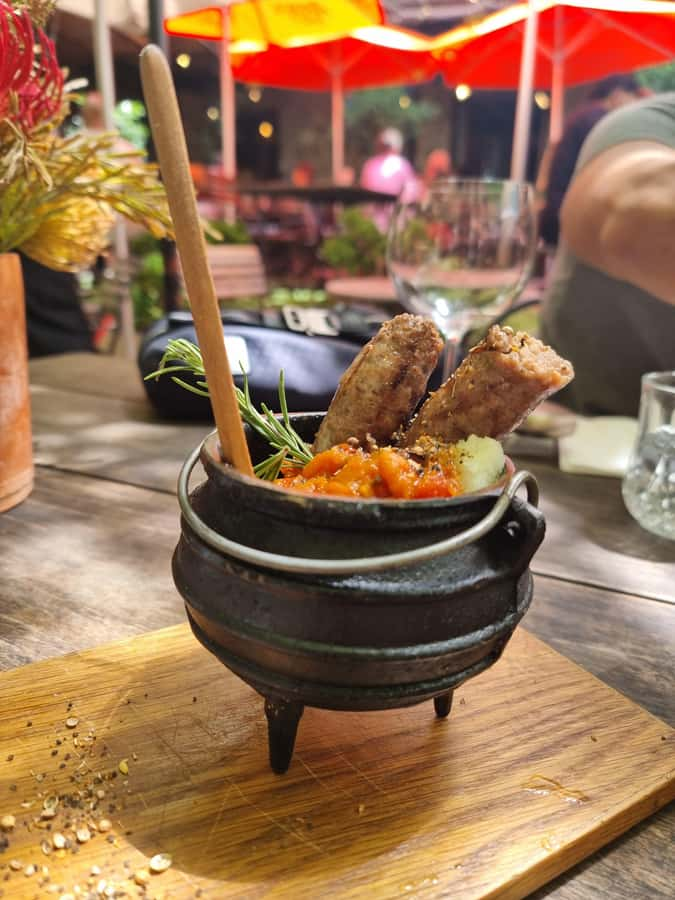
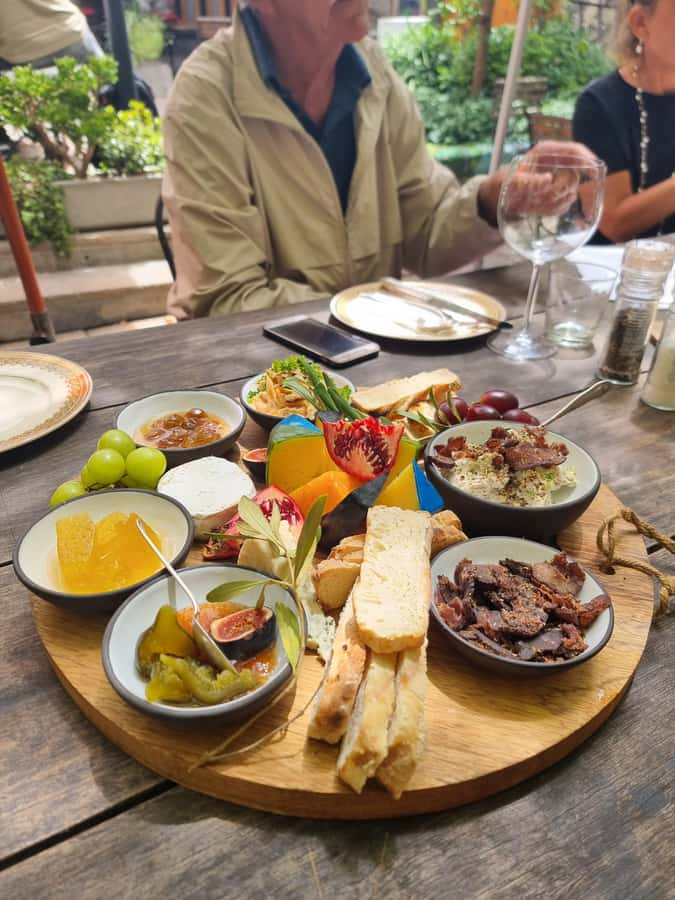
- Expect a wide menu: Tastings can include curry, samosas, braai, spiced potatoes, chocolate, milk cake, rooibos tea, and mopane worms.
- Brad and Lindy are named guides: Both are praised for clear explanations, warmth, flexibility, and strong knowledge of Cape Town’s food traditions.
- The price covers the important part: At $155 per person, all food tastings, water, and the guide are included, but other drinks are not.
- Plan for a relaxed half-day: Comfortable shoes, a hat, sunscreen, and a phone with WhatsApp are practical essentials.
Why Cape Town food makes a good city tour
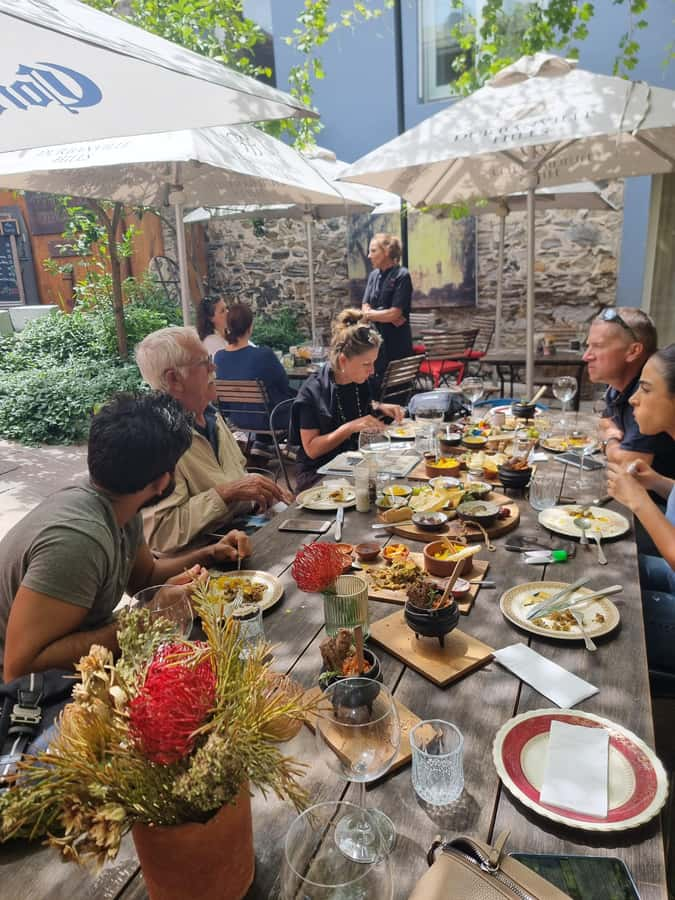
Cape Town’s cuisine reflects movement, trade, migration, and family tradition. A food walk lets you taste those connections instead of hearing a list of dates in a museum. The stops bring together Cape Malay flavors from Bo-Kaap, African dishes, Afrikaans specialties, and ingredients linked to South Africa’s native plants.
I find that this format works well early in a Cape Town stay. You get an introduction to several foods, hear how they fit into local culture, and finish with a better idea of what to order elsewhere. The guide also provides the setting that a restaurant meal cannot: why a dish matters, where its style comes from, and how it fits the city’s mixed cultural identity.
This is not presented as a cooking class. You will not be preparing the dishes yourself. Instead, you walk between local food stops while the guide explains what is in front of you and why it belongs in Cape Town’s culinary story.
Other eating and drinking in Cape Town:
- Cape Town: Full-Day Winelands Tour with Wine Tastings & Food
★ 4.9 · 1,288 reviews - The Cape Town Essentials Food Tour
★ 5.0 · 385 reviews - From Cape Town: Winelands Full Day Tour and Wine Tasting
★ 4.5 · 364 reviews
Starting at Atlas Trading Company and Heritage Square
The meeting point is at the entrance to the Heritage Square parking lot, with Atlas Trading Company listed as the starting location. Since the directions refer both to the shop and the parking entrance, I would confirm the exact meeting spot with the operator before setting out. Adding the tour company on WhatsApp is specifically recommended.
That small bit of preparation matters. A walking tour is much easier when you are not searching for the group at the last minute, especially in a central area with several nearby streets and businesses. Allow time to arrive, find the entrance, and meet your guide without rushing.
The tour returns to Atlas Trading Company at the end. That makes the experience simple to fit into a day of sightseeing, since you do not need to arrange a separate ride back from an unfamiliar part of town.
Bo-Kaap: colorful streets with a food story
The first guided section lasts about 45 minutes in Bo-Kaap. The neighborhood is known for its brightly painted houses, but the important point is the community and culture behind those colors. Here, Cape Malay traditions shape the food, spice blends, and dishes you will begin tasting.
This is where the tour’s cultural purpose becomes clear. The guide does not treat Bo-Kaap as a backdrop for photographs. You learn how local identity and food traditions connect, then taste dishes that give those explanations a practical meaning.
Cape Malay flavors often bring aromatic spices and carefully balanced seasoning rather than simple heat. The food stops can include samosas, curry, and spiced potatoes. Portions are described as varied and plentiful, so do not arrive after a large breakfast expecting only a few sample bites.
Bo-Kaap is also a useful first stop because it gives you a reference point for the rest of the tour. Once you understand how Cape Malay cooking fits into Cape Town, the later African and Afrikaans tastings feel like part of a larger story rather than unrelated snacks.
Three hours through the City Bowl

The main portion lasts about three hours in the City Bowl. This is where the walking, food, and conversation come together. You move among eateries and other stops while the guide explains local customs, ingredients, and the city’s past.
The exact sequence of tastings may vary, and that is a benefit in a small group. Lindy is described as adapting menu choices to suit the group, while Brad is praised for adjusting his presentation to the people he is guiding. You should still tell the guide about dietary needs or strong dislikes before the tasting begins, although the supplied details do not promise specific substitutions.
The food selection is broad. Depending on the day, you might try:
- Samosas and curry with Cape Malay influence
- Braai, a South African style of grilled meat
- Spiced potatoes
- Chocolate
- Milk cake
- Rooibos tea
- Rusks and floral teas made with indigenous plants
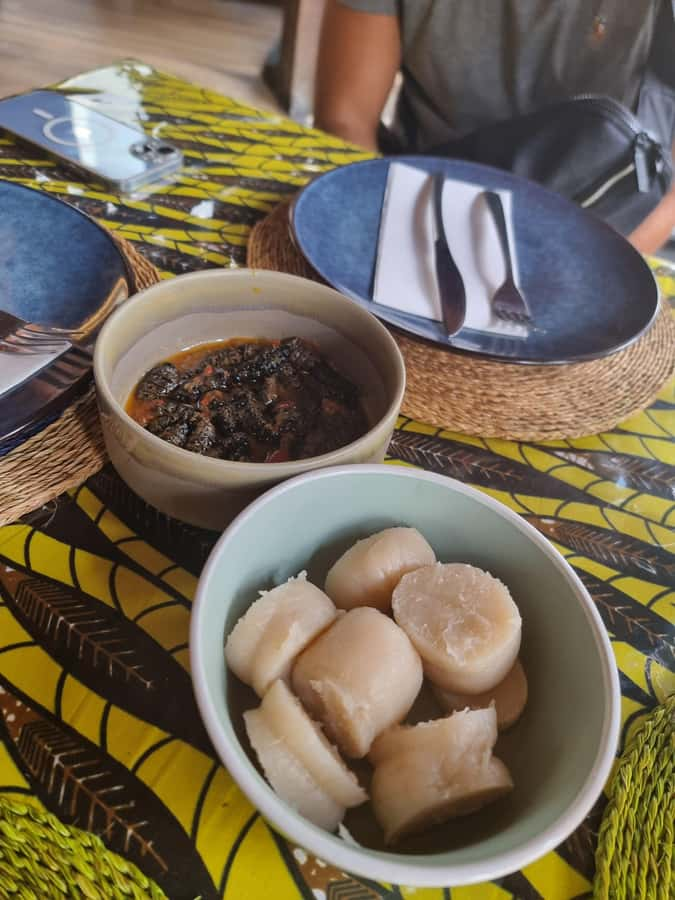
- Mopane worms, a distinctly South African food that some diners may find challenging
The inclusion of mopane worms is worth noting. This is not a tour designed only for cautious eaters who want familiar food presented attractively. You can approach unusual tastings with curiosity, but you are not required to pretend that every flavor is your new favorite. The point is to encounter foods that form part of South Africa’s culinary life.
The tour also includes local eateries that you might not find on your own. That does not mean every stop will suit every palate, but it does give the experience a stronger local character than a route limited to well-known tourist restaurants.
Other food worth going out of your way for in Cape Town:
- The 10 Tastings of Cape Town With Locals: Private Food Walking Tour
★ 4.5 · 169 reviews - African Food and Storytelling Tour Cape Town City Centre
★ 5.0 · 61 reviews - Cape Town: Essential Food and Drink Tour
★ 4.9 · 56 reviews - Taste of Cape Town – food and city tour
★ 5.0 · 46 reviews
Rooibos, rusks, and the taste of local plants
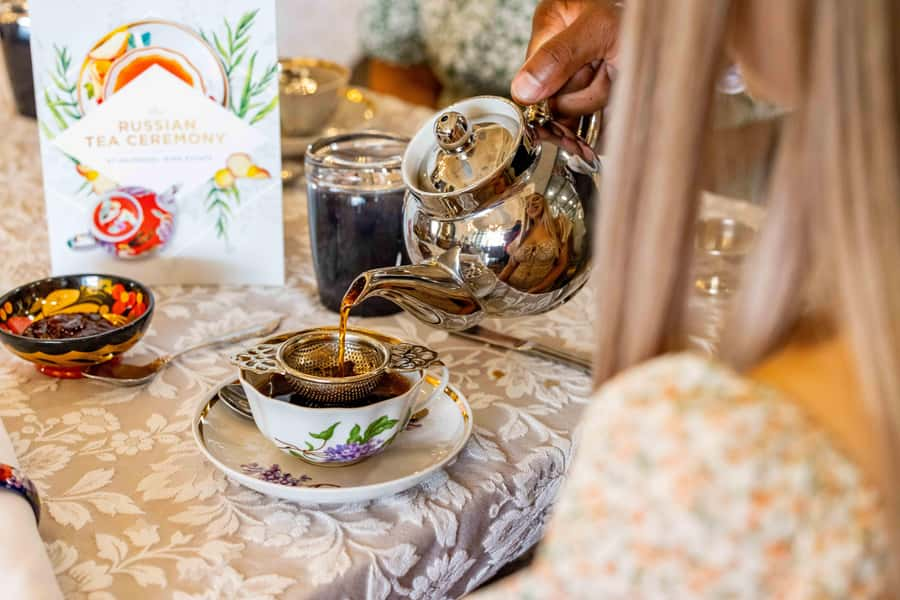
One of the more distinctive parts of the experience is the attention to rooibos and indigenous plants. You may sample floral teas and rusks while hearing about the plants associated with the fynbos region and their traditional uses.
Rooibos is familiar to many people as a caffeine-free tea, but tasting it in a South African food context adds useful background. The rusks provide a simple pairing and show how local ingredients can appear in everyday snacks, not just special restaurant dishes.
A garden walk is also described as part of the route or its ending. It offers a change of pace after several food stops and gives the guide a chance to talk about plants and flavors outside a restaurant setting. If you like food tours that include some botany and local environmental context, this detail adds real value.
Guides Brad and Lindy shape the experience
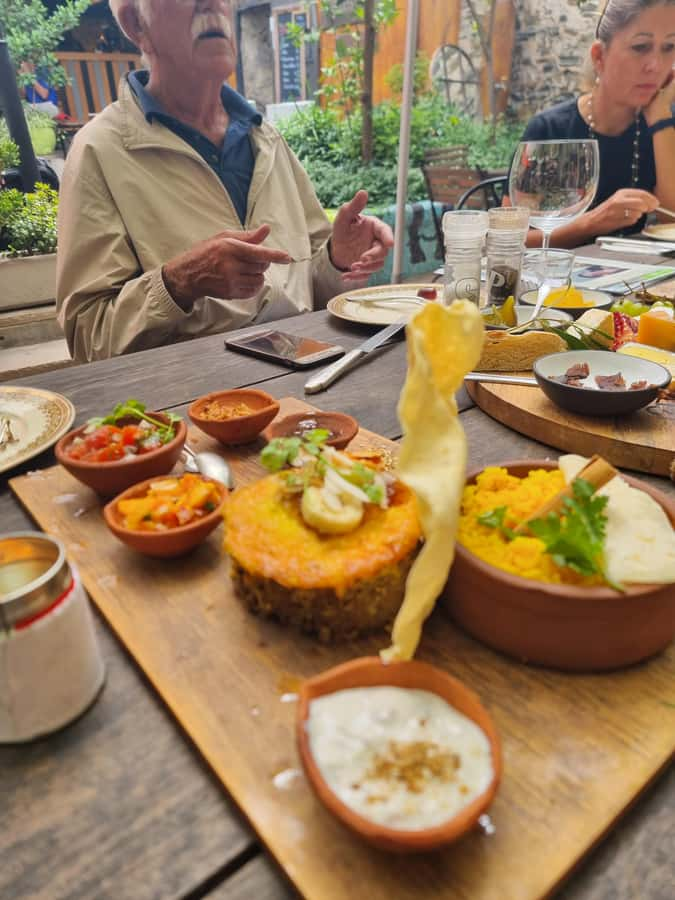
The food matters, but the guide is the person who turns separate tastings into a coherent tour. Brad Croukamp is described as engaging, communicative, and well informed about Cape Town and its food. His style appears to suit people who want plenty of historical context without losing the fun of the meal.
Lindy is repeatedly praised for her warmth, clear explanations, and flexibility. She is described as tailoring the experience to the group, keeping a comfortable walking pace, and finding ways to keep the tour going when rain arrived. She also brings strong knowledge of how Cape Town’s varied cultures have shaped its cuisine.
That flexibility is particularly useful on a food walk. Some groups want more background, some ask more questions about ingredients, and some need a little encouragement before trying an unfamiliar dish. With no more than eight people, the guide has a fair chance to respond to those differences.
The experience is in English. If you want a quiet, self-directed meal with minimal conversation, this is not the right format. If you enjoy asking questions and hearing the story behind what you eat, the guide is one of the strongest reasons to book.
Is $155 a fair price?
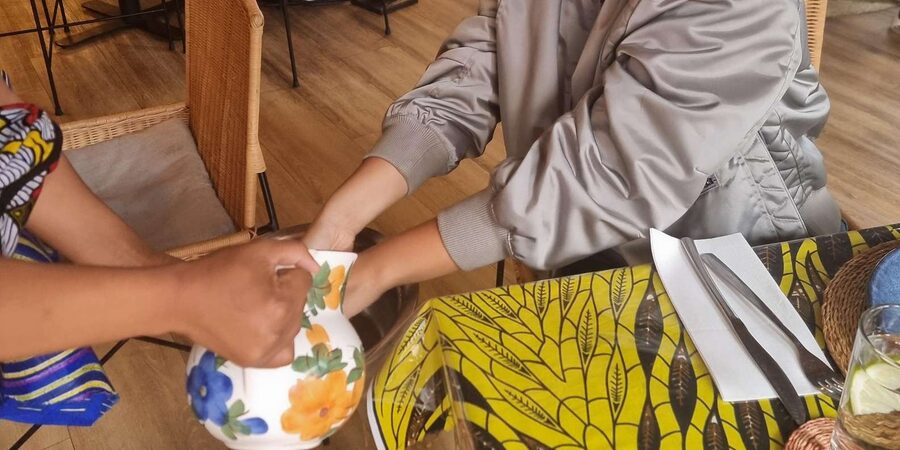
At $155 per person, this is not a cheap snack crawl. The value depends on how much you want from the experience besides food.
The price includes all tastings, water, and a four-hour English-language guided walk. You are paying for several small meals or samples, the planning behind the food stops, and a guide who provides cultural context along the way. You also avoid having to research which local eateries to visit or how to connect separate dishes to Cape Town’s history.
The cost is easier to justify if you consider the quantity and variety. The food is described as plentiful, with multiple savory dishes, sweets, drinks, and unusual specialties. You are not simply buying one plate of food and a short talk.
Still, drinks other than water are not included. If you want wine, soft drinks, coffee, or other beverages, budget extra. The tour also makes less sense for someone who only wants a large sit-down meal, since the appeal lies in sampling many foods while walking through different parts of the city.
For a first visit, I think the price is reasonable for people who value a personal guide and a cultural explanation of the food. It is less compelling if you are traveling on a tight budget or already have a detailed list of Cape Town restaurants to visit.
Walking pace, comfort, and accessibility
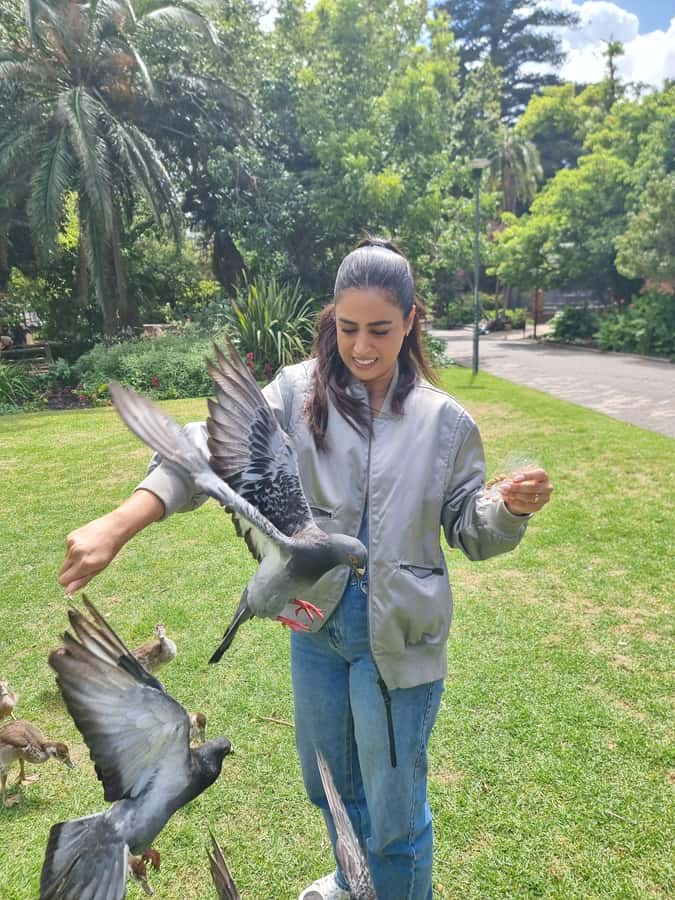
The tour lasts four hours and takes place on city streets. Comfortable shoes are essential, not optional. Add a hat and sunscreen, since the route is outdoors and the weather may change during the day.
The walking pace is described as manageable, and the group size helps keep the outing personal rather than rushed. Even so, you should be ready to spend much of the four hours moving between stops, standing, talking, and eating.
The activity is listed as wheelchair accessible. If you use a wheelchair or have specific mobility needs, contact the operator before booking so the route and current access arrangements can be confirmed. The provided information does not give detailed notes about every pavement, entrance, or restroom.
Rain need not end the experience. Lindy has been able to find dry places and keep the group occupied when weather changed, though no outdoor walking tour can promise ideal conditions. A light weather layer is sensible if the forecast looks unsettled.
Who will get the most from this tour?
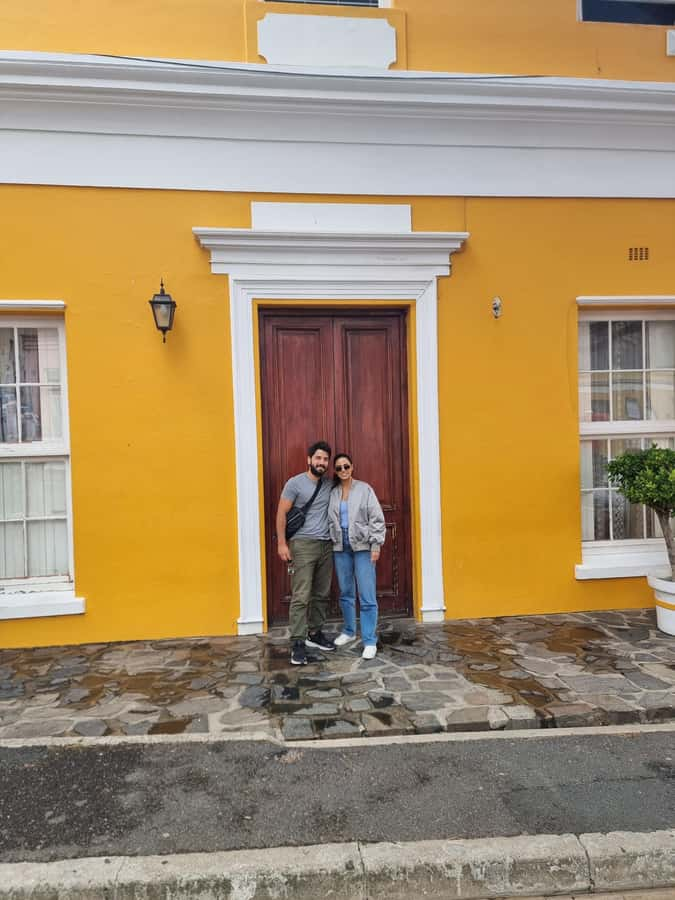
This tour suits you if food is your way into a city’s culture. It is also a strong choice for first-time visitors who want an introduction to Bo-Kaap, the City Bowl, and several strands of South African cooking in one half-day.
Families with older children and teenagers can enjoy the range of foods. The tastings include enough variety to keep the outing interesting, and the unusual options can give younger participants something to talk about afterward.
It also works for couples, solo visitors, and small groups who prefer conversation over a large coach excursion. The eight-person limit is a practical advantage. You can hear the guide, ask questions, and get a more personal explanation of the food.
You may want to skip it if you dislike walking, prefer a single long restaurant meal, or have strict dietary limits that make varied tastings difficult. The tour includes unusual ingredients, and the available information does not promise a fully customized menu for every dietary requirement.
Practical booking advice
Book with an empty stomach, but do not skip water before you arrive. Since food is included and portions are described as generous, a huge breakfast could leave you uncomfortable by the first few stops.
Wear shoes you can walk in for four hours. Bring sunscreen and a hat, and use WhatsApp to stay in touch with the operator. Confirm the meeting point at the Heritage Square parking lot, especially because Atlas Trading Company is also named as the start and finish location.
The cancellation policy allows a full refund when you cancel at least 24 hours in advance. You can also reserve now and pay later, which helps if your Cape Town plans are still taking shape. Starting times vary, so check availability for the date you want.
Should you book the Cape Town Culinary Walking Tour?
I would book this tour if you want food, local stories, and a manageable introduction to Cape Town in one outing. The strongest features are the small group, the generous range of tastings, and guides such as Brad and Lindy who make the history easy to follow.
The best reason to choose it is the mix of familiar and unfamiliar food. You can enjoy curry, braai, chocolate, and milk cake, then decide how adventurous you feel about mopane worms. At $155, it asks more than a casual lunch, but it includes four hours of food, walking, and guidance.
Book it early in your Cape Town stay, arrive hungry, and treat the tastings as a cultural lesson as much as a meal. If you want only a quick bite or a formal cooking lesson, choose something else. If you want to understand the city through what people eat, this is a strong half-day choice.
FAQ
How long does the Cape Town Culinary Walking Tour last?
The tour lasts four hours, including the guided walking and food tastings.
Where does the tour begin?
The meeting point is at the entrance to the Heritage Square parking lot. Atlas Trading Company is listed as the starting location, so confirm the exact meeting spot with the operator.
Where does the tour finish?
The tour returns to Atlas Trading Company.
Which neighborhoods are included?
The route includes Bo-Kaap and the City Bowl. Bo-Kaap has about 45 minutes of guided touring, while the City Bowl portion lasts about three hours.
What food is included?
All food tastings are included. Tastings may include Cape Malay dishes, African and Afrikaans specialties, samosas, curry, braai, spiced potatoes, chocolate, milk cake, rooibos tea, rusks, floral teas, and mopane worms.
Are drinks included?
Water is included. Other drinks are not included.
Who leads the tour?
The tour is conducted in English. Named guides include Brad Croukamp and Lindy.
How many people are in the group?
The tour is limited to eight participants, making it a small-group experience.
What should I bring?
Wear comfortable walking shoes and bring a hat and sunscreen. You are also asked to add the operator on WhatsApp for communication.
More walking tours in Cape Town
- Cape Town: Nathi Langa Township Walking Tour
★ 4.9 · 493 reviews - Cape Town: Art, Culture & History Walking Tour
★ 4.9 · 392 reviews - Cape Town: Street Art Walking Tour in Woodstock
★ 4.8 · 293 reviews - Cape Town: Langa Township Walking Tour
★ 4.8 · 272 reviews
Just added in Cape Town
- Wine Tasting in Cape’s Top Three Winelands Private Tour★ 4.5 · 17 reviews
- Private Tour to Aquila Game Reserve in Cape Town – see the Big5★ 5.0 · 5 reviews
- Robben Island and Table Mountain Cableway with Bo-Kaap Day Tour★ 5.0 · 8 reviews
- Private Tour:Cape of Good Hop>Seal island>Chapman’speak &Penguins★ 5.0 · 7 reviews
- Full Day Big 5 Aquila Safari Private Transfers Including Park Fee From Cape Town★ 4.5 · 54 reviews
- Private Full Day Cape Town City Scenic and Table Mountain Tour.★ 5.0 · 3 reviews
- Private Half DayTour:Cape Winelands, Stellenbosch from Cape Town★ 5.0 · 18 reviews
- Private Tour: Cape Winelands to Stellenbosch & Franschhoek★ 5.0 · 3 reviews
Walking Tours, compared.






Browse the lists this tour appears in