
Reviewed · CRADLE OF HUMANKIND TOURS
Cradle of Humankind and Lesedi Cultural Village
The oldest clues to human life here are measured in billions of years, while some of the stone tools and burnt bones date from roughly 1 to 2 million years ago. That makes this more than a sightseeing stop: it is a short trip into the story of how humans learned, adapted, and lived. The Cradle of Humankind gives you the science, and Lesedi gives you a lively look at Southern African customs.
I like the easy hotel pickup from Johannesburg and the way the tour pairs two very different stops. I also like the cultural range at Lesedi, where you encounter Ndebele, Zulu, Basotho, Xhosa, and Pedi traditions in one visit. The main caution is language reliability: Portuguese is advertised, but two Portuguese-speaking customers reported that their guide, Louis, did not speak it.
Key points to know before you book
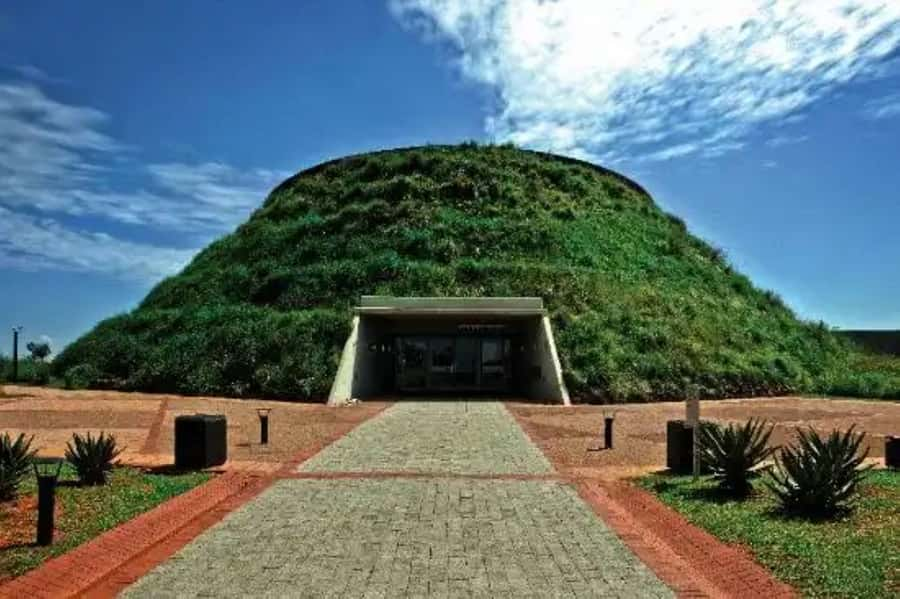
- Two very different attractions in one half-day: Ancient archaeology comes first, followed by traditional homes, food, and dance.
- Human history reaches back millions of years: You may see references to fossils around 2 million years old, early stone tools, and evidence of controlled fire.
- Five Southern African cultures are represented: Ndebele, Zulu, Basotho, Xhosa, and Pedi customs are presented at Lesedi.
- Hotel or guesthouse pickup is included: The drive from Johannesburg takes about 65 minutes each way, plus another 35 minutes between attractions.
- Meals cost extra: Entry tickets, transport, and bottled water are included, but lunch or dinner is not.
- Language needs checking: English, French, Portuguese, German, and Afrikaans are listed, but Portuguese service has not always matched the booking information.
Why this pairing works from Johannesburg
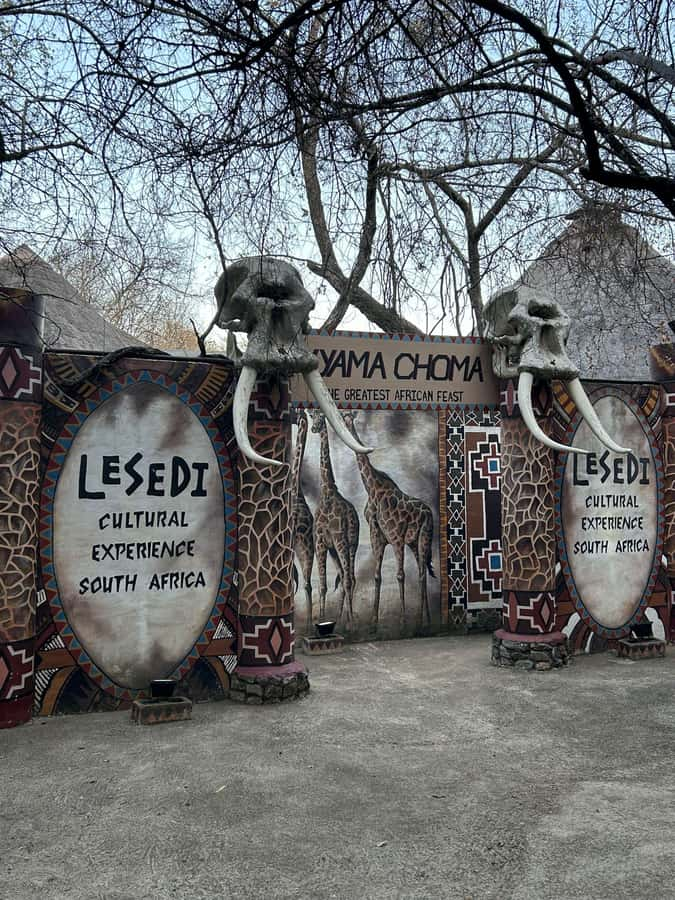
This tour works because it joins a major archaeological site with a cultural attraction in a single outing. The two stops answer different questions. The Cradle of Humankind asks how far back human origins can be traced. Lesedi asks how several Southern African peoples express identity through homes, clothing, food, dance, and ceremony.
You leave Johannesburg for about 65 minutes before reaching the Cradle of Humankind. That transfer is long enough to make hotel pickup useful. You do not need to arrange a separate taxi or work out a complicated connection, and bottled water is provided.
The full experience lasts about 6 to 6.5 hours. The advertised schedule gives roughly one hour at the Cradle and two hours at Lesedi, with about 165 minutes spent on transfers. That means this is a focused introduction, not a slow day with lots of free time. If you want extended museum time or a long meal, this schedule may feel tight.
More Cultural Village Tours in Johannesburg
- Lesedi Cultural Village and Cradle of Humankind Tour
★ 5.0 · 48 reviews - Lesedi Cultural Village Tour
★ 5.0 · 46 reviews - Lesedi Cultural Village
★ 5.0 · 45 reviews
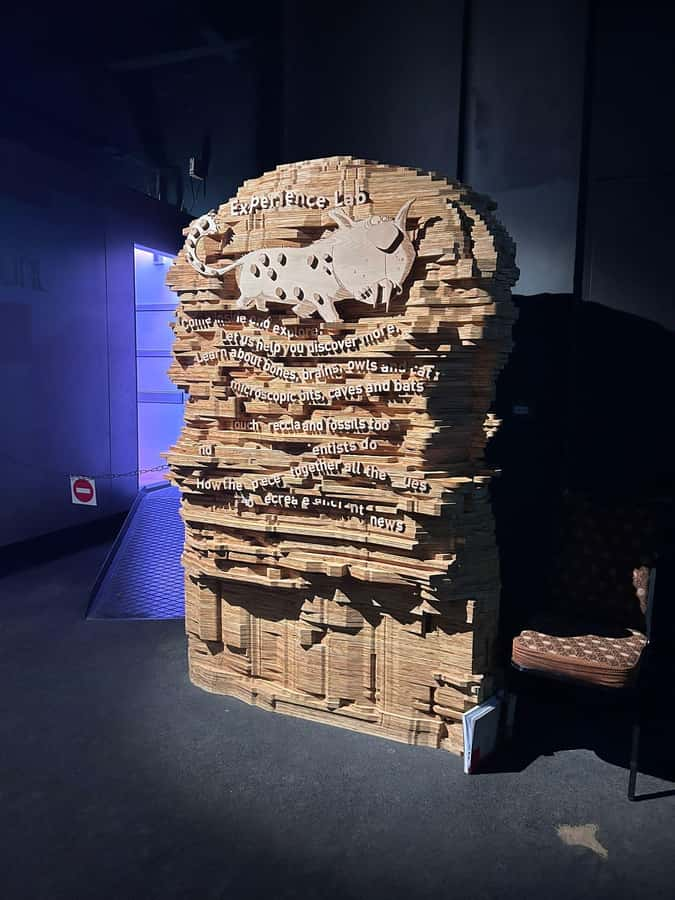
At the Cradle of Humankind, the story begins underground
The Cradle of Humankind is linked to the emergence of life as far back as 3.8 billion years ago. The human origins material focuses on much later evidence, including fossils dating from around 2 million years ago and stone tools that show early technological skill.
The most useful way to approach this stop is to think of it as a timeline. You are not simply looking at old bones. You are considering how scientists use fossils, tools, and traces of fire to work out what early human ancestors could do.
Swartkrans is especially important in the material presented here. Archaeological finds include a collection of about 270 burnt bones, evidence connected with the use of fire more than 1 million years ago. Fire changed daily life in major ways. It offered heat, protection, and a way to prepare food, making its control an early technological breakthrough.
The tour allows for a photo stop, a visit, guided sightseeing, walking, and some self-guided time. That mix can be helpful if you like to pause over displays at your own speed. It can also mean the amount of explanation you receive depends on how the visit is organized that day.
You should wear comfortable shoes. The visit includes walking, and the entire outing has more movement than the short drive times might suggest. The tour information says it is wheelchair accessible, but it also says it is not suitable for people with mobility impairments. That is a genuine point to clarify before booking, especially if you need step-free access or help with longer walks.
The 35-minute transfer changes the mood
After the archaeological stop, the drive to Lesedi Cultural Village takes about 35 minutes. This is a useful reset. The first attraction is about evidence and interpretation. The second is built around performance, food, homes, and cultural presentation.
Your guide remains an important part of the experience during this transition. English, French, Portuguese, German, and Afrikaans are listed as available languages. If you need a language other than English, confirm it directly before paying. Portuguese was specifically a problem for two bookings, including one where the assigned guide, Louis, reportedly spoke no Portuguese despite that language being advertised.
That does not mean every language arrangement will fail. It does mean you should not treat the language list as an automatic guarantee. A short written confirmation can prevent a frustrating day.
Lesedi presents five cultures in one visit
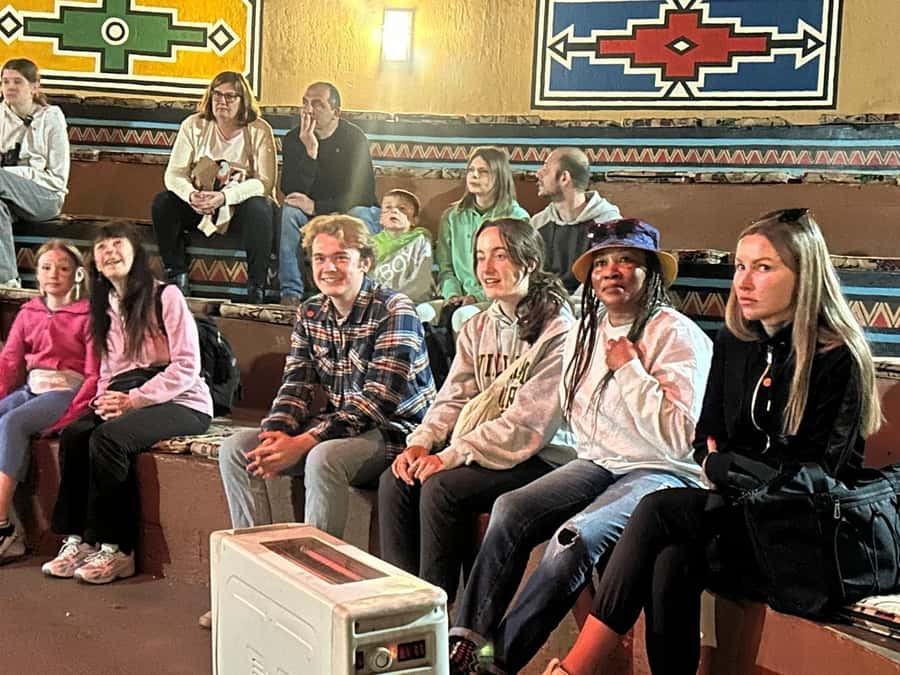
Lesedi Cultural Village focuses on the Ndebele, Zulu, Basotho, Xhosa, and Pedi peoples. The visit is designed as a cultural presentation, with traditional homes, guided interpretation, food, and dance.
The advantage is clear. In a single stop, you get an introduction to several cultural traditions rather than spending a full day at only one village or museum. For a first visit to Gauteng, this gives you useful context before you explore more of South Africa.
The tradeoff is also clear. A presentation covering five cultures in about two hours can only be an introduction. You should expect selected examples and performances rather than a complete account of each group’s past and present life.
The homestay-style element gives the visit a more personal shape than a standard display of objects. You move through homes and see how cultural identity is presented through architecture and daily traditions. Keep an open mind, but remember that a cultural village is a prepared visitor experience. It is intended to teach and entertain, not to reproduce ordinary life in every detail.
Other deep-history sites out of Johannesburg:
- Maropeng Cradle of Humankind Museum &Sterkfontein Cave Experience
★ 4.5 · 155 reviews - Cradle of Humankind, Caves or Maropeng, Rhino and Lion Park
★ 5.0 · 74 reviews - From Johannesburg: Cradle of Humankind Tour
★ 4.4 · 72 reviews - Cradle of Humankind Tour with Lion Safari from Johannesburg
★ 5.0 · 65 reviews
Dance and food make Lesedi the liveliest stop
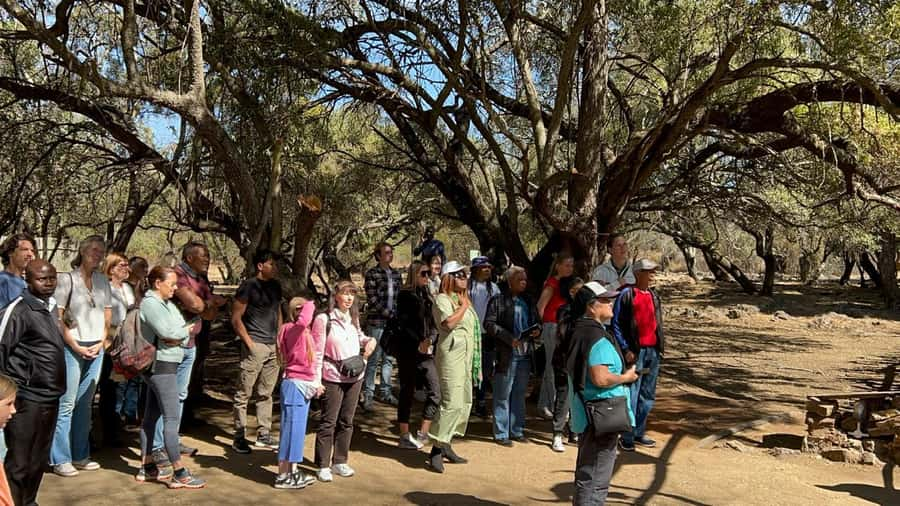
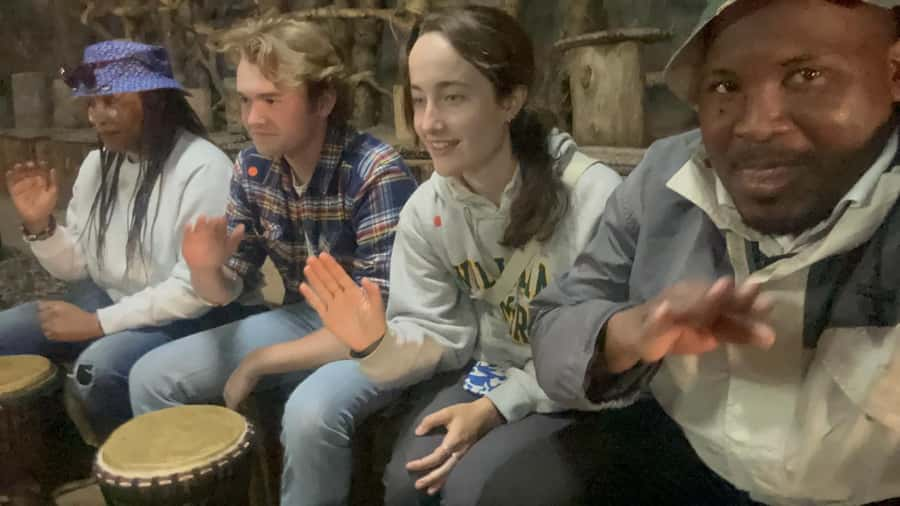
Traditional dance is a central part of the Lesedi visit. You can expect a guided tour, a dance show, and a traditional performance. This is where the experience becomes more social and energetic after the quiet concentration of the archaeological stop.
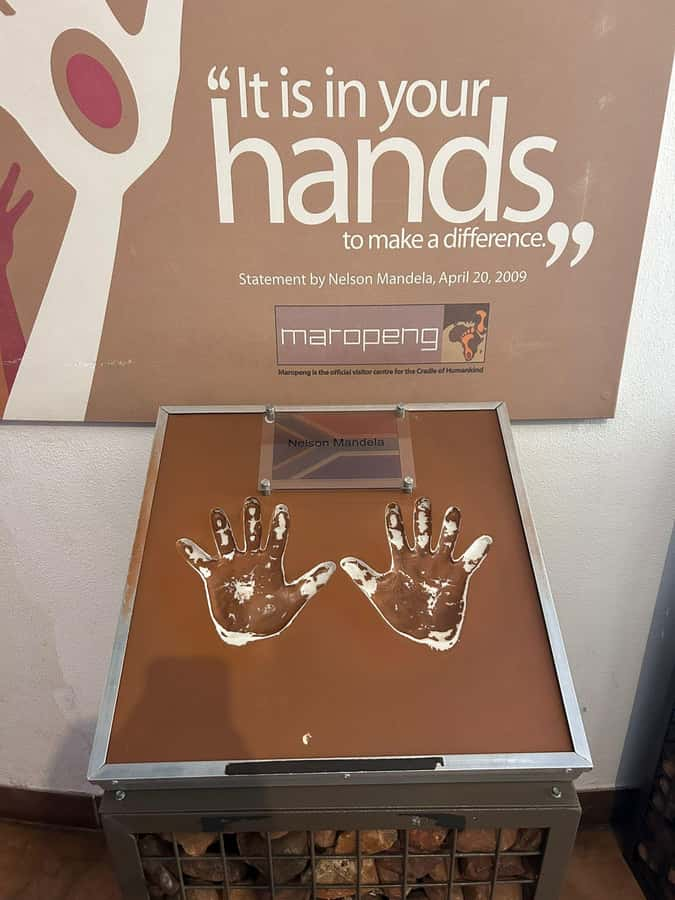
African food is also part of the attraction’s appeal. The information provided refers to ethnic cuisine and the Nyama Choma restaurant. However, lunch and dinner are not included in the tour price. Plan on paying separately if you want to eat there, and do not assume that the meal is covered simply because the schedule may include a meal or dessert stop.
That distinction matters when you compare the $218 price with other day tours. The cost covers transport from and back to your hotel or guesthouse, entry tickets, and bottled water. It does not cover your meal or accommodation. At this price, the included admissions and private door-to-door convenience need to be valuable to you.
The tour information also mentions an overnight stay, but the listed duration is only 6 to 6.5 hours and accommodation is specifically excluded. Treat this as a day trip unless you receive different arrangements in writing.
The timing is convenient but not leisurely
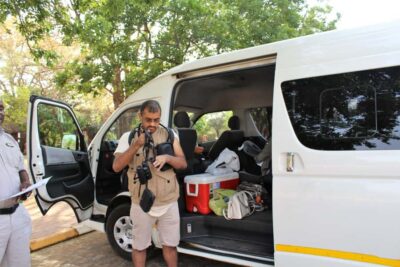
The day begins with pickup at your hotel or guesthouse reception in Johannesburg. The professional driver and guide handle the transport, which is helpful if you want a simple outing without renting a car.
The schedule then follows this general pattern:
- About 65 minutes from Johannesburg to the Cradle of Humankind
- About one hour for the archaeological visit and sightseeing
- About 35 minutes to Lesedi Cultural Village
- About two hours for the village, guided visit, food-related stop, and dance
- About 65 minutes back to Johannesburg
The timing may shift. One booking included an extra stop at a lion park before Lesedi, showing that the driver may adjust the route when time allows. You should see that as a possible bonus, not a guaranteed part of the tour.
The short visits keep the day manageable, especially if you have limited time in Gauteng. They also leave little room for delays, long meals, or lingering at displays. I would choose this tour for a first overview, not for a slow, highly specialized archaeology visit.
How good is the $218 value?
At $218 per person, this is not a budget excursion. Its value rests mainly in convenience and combination. You get hotel or guesthouse transportation, admission to both attractions, a driver and guide, and bottled water. If arranging two separate visits would be difficult, those included services may justify the cost.
The price looks less attractive if you are mainly interested in one stop. A serious archaeology enthusiast may want more than one hour at the Cradle of Humankind. Someone focused on cultural performance may prefer to spend more time at Lesedi rather than divide the day between two sites.
Meals are the biggest extra expense to remember. Since lunch and dinner are excluded, your final cost will be higher than the headline price if you eat at Nyama Choma or elsewhere during the outing.
The strongest case for booking is a short Johannesburg stay. You can see two well-known Gauteng attractions without managing transport yourself. The weakest case is a tight budget or a strong need for a guaranteed guide in a particular language.
Who will enjoy this tour most?
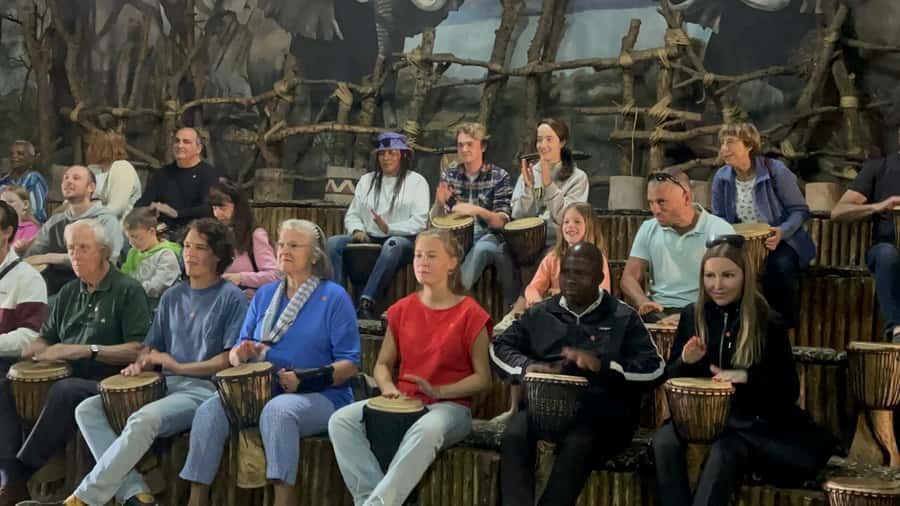
I would recommend it to first-time visitors who want a broad introduction to Gauteng. It suits you if you like history but do not want an entire day devoted to museum displays, and if you enjoy adding music, food, and performance to a cultural visit.
Families may appreciate the change of pace between fossils and dancing, although the walking and schedule should be considered carefully. The tour may also suit couples or small groups who want door-to-door transport and do not want to drive outside Johannesburg.
It is less suitable if you have back problems or mobility limitations, since those are listed as reasons not to take the activity. The accessibility information is mixed, so ask the provider for a precise description of paths, seating, vehicle access, and walking distances before booking.
You should also be cautious if the guide’s language is central to your experience. English appears to be the safest choice based on the supplied information. For French, German, Afrikaans, or Portuguese, confirm the arrangement before departure.
Practical tips for a smoother day
Wear comfortable shoes, even though the tour is not a full-day hike. You will walk at both attractions, and comfortable footwear will make the transitions easier.
Bring money for food. Entry tickets and bottled water are included, but lunch and dinner are not. If you want to eat at Nyama Choma, budget for that separately.
Keep your expectations realistic. The Cradle of Humankind is a compact introduction to a huge subject, and Lesedi presents five cultures within a short visit. You will gain useful orientation, but you will not cover every archaeological debate or cultural tradition.
Ask about the guide language before the pickup time. The Portuguese issue is especially worth noting because it affected more than one booking. If the answer is unclear, book only if you are comfortable taking the tour in English or another confirmed language.
The operator is Ntsibantu Tours and Transfers. The experience has an overall rating of 4.2 from four recorded reviews, with praise for the route, the friendly guiding, and the combination of attractions. The lower scores center on the language mismatch and an unpleasant dispute over an entrance fee. Since entry tickets are included, keep your booking confirmation available and do not pay a second time without checking what you purchased.
Should you book the Cradle of Humankind and Lesedi tour?
Book it if you want a convenient, tightly scheduled introduction to two major Gauteng attractions. The combination is the main strength: ancient fossils and fire evidence in the morning, then homes, food, and traditional dance at Lesedi. The friendly guiding and flexible routing can make the day feel personal, and one outing even included an additional lion park stop when time allowed.
Think twice if you want a slow archaeological visit, a guaranteed Portuguese-speaking guide, or a tour price that includes food. You should also resolve the conflicting mobility information before booking.
For most first-time visitors based in Johannesburg, the tour offers a useful amount of variety in 6 to 6.5 hours. Just confirm the language, carry the booking details, wear good shoes, and budget separately for lunch or dinner.
FAQ
Where does the tour start?
Pickup is available from your hotel or guesthouse reception in Johannesburg.
How long does the experience last?
The tour lasts approximately 6 to 6.5 hours, including the transfers between Johannesburg, the Cradle of Humankind, Lesedi Cultural Village, and Johannesburg.
How long is the drive to the Cradle of Humankind?
The transfer from Johannesburg to the Cradle of Humankind takes about 65 minutes.
How long is the drive from the Cradle of Humankind to Lesedi?
The transfer between the Cradle of Humankind and Lesedi Cultural Village takes about 35 minutes.
Are meals included in the price?
No. Lunch and dinner are not included. Food may be available at Nyama Choma restaurant, but you pay for it separately.
What is included?
Entry tickets, transport to and from your hotel or guesthouse, and bottled water are included.
Which languages are available?
English, French, Portuguese, German, and Afrikaans are listed as guide languages. Confirm your preferred language before booking, especially Portuguese.
Is the tour wheelchair accessible?
The activity is described as wheelchair accessible, but it is also listed as unsuitable for people with mobility impairments. Contact the provider to confirm the exact access arrangements for your needs.
Can I cancel the booking?
You can cancel up to 24 hours in advance for a full refund. The reserve-now-and-pay-later option is also available.
Just added in Johannesburg
- Soweto Tuk-Tuk Food & Beer Tour★ 5.0 · 9 reviews
- Soweto: Sip & Paint Walking Tour & Take Home a Canvas★ 4.8 · 7 reviews
- Soweto Tour; Mandela House; Vilakazi Street; Market Culture★ 5.0 · 6 reviews
- Soweto & Johannesburg and Apartheid Museum★ 4.7 · 41 reviews
- Soweto Township Tour★ 4.4 · 4 reviews
- Private Soweto,Mandela House,Apartheid Museum,Constitution★ 4.6 · 15 reviews
- Soweto Food & Beer Bike Tour★ 4.9 · 40 reviews
- Soweto: Hector Pieterson Memorial, to Orlando Towers Tour★ 4.0 · 31 reviews
Cradle of Humankind Tours, compared.
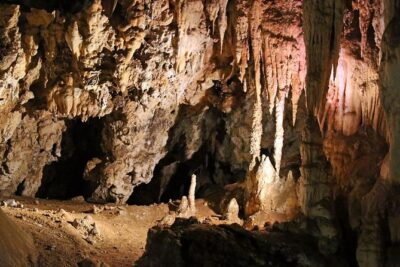
Maropeng Cradle of Humankind Museum &Sterkfontein Cave Experience
Read our review →
Cradle of Humankind, Caves or Maropeng, Rhino and Lion Park
Read our review →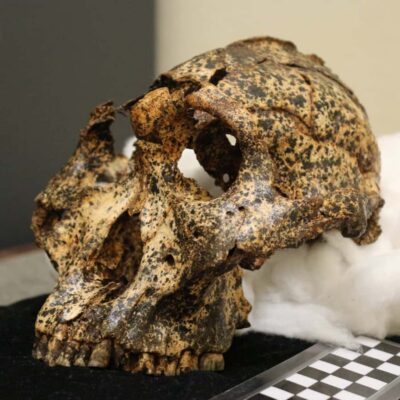
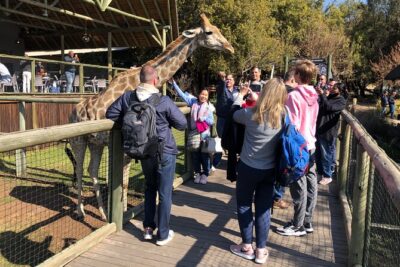
Cradle of Humankind Tour with Lion Safari from Johannesburg
Read our review →
Pretoria/Sandton: Cradle of Humankind & Sterkfontein Caves
Read our review →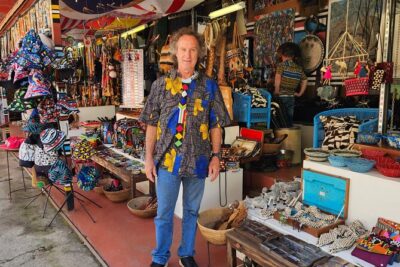
Lesedi Cultural Village and Cradle of Humankind Tour
Read our review →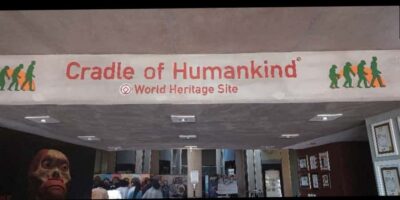
Cradle of Humankind and Sterkfontein Caves Half-Day Tour
Read our review →Browse the lists this tour appears in