
Reviewed · WILDLIFE
Plettenberg Bay: Wild Cat and Wildlife Guided Tour
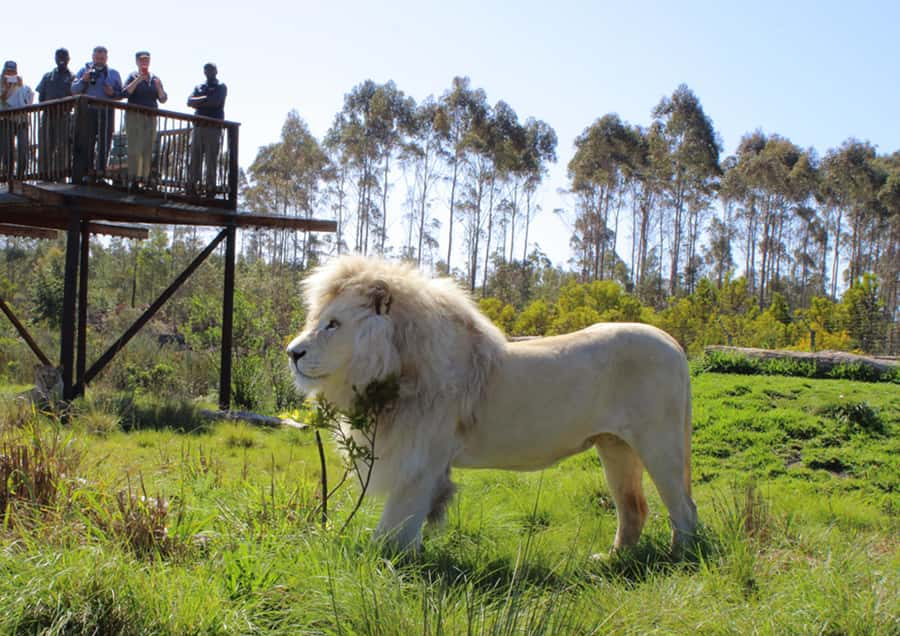
The main draw here is simple: you walk close to South Africa’s wild cats without pretending this is a safari. At Tenikwa, you follow a guide through separate habitats and see lions, leopards, cheetahs, servals and caracals from within a walkway. A white lion and South Africa’s national bird, the Blue Crane, add memorable moments.
I like the small, focused format and the way the tour explains why rescued animals cannot simply be released into the wild. I also like the guides’ personal approach. Wazi, Davidson, Bongiwe and Daniel are among the guides praised for answering questions and taking time with families.
The main consideration is the short one-hour tour. You may see a fine range of animals, but this is a rehabilitation centre, not a drive through open bush. Animals may be resting or out of sight, and you cannot touch or feed them.
Key points to know before you go
- See five types of African wild cat: The route includes lions, leopards, cheetahs, servals and caracals.
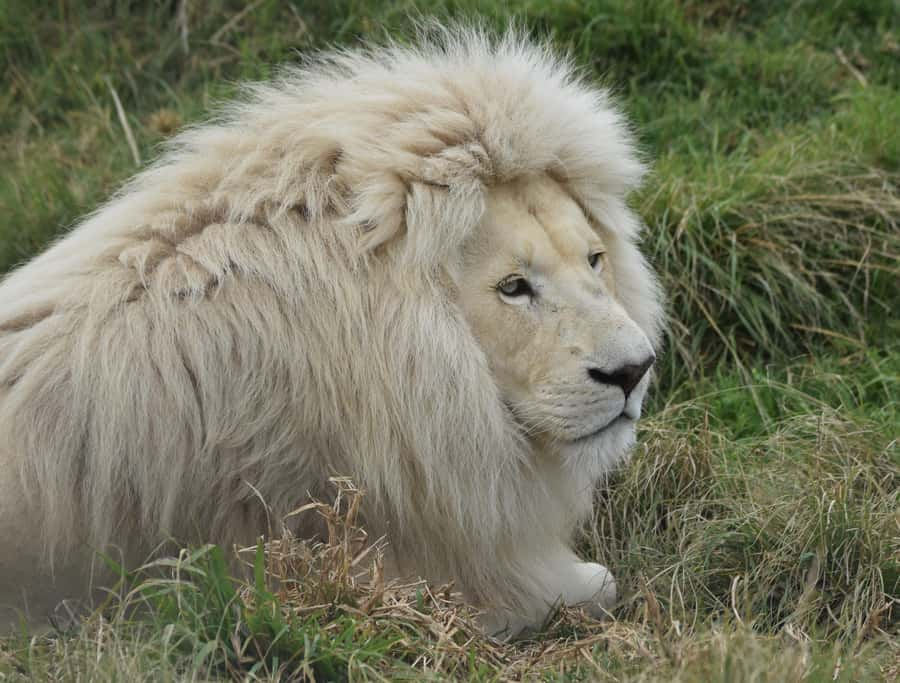
- Look for the white lion: This is one of the most memorable photo opportunities at Tenikwa.
- Hear the conservation story: Your guide explains how rescued animals arrived at the centre and why some cannot return to the wild.
- Plan for a one-hour visit: The guided portion is compact, with optional time afterward for shopping and food.
- Bring comfortable shoes: You walk through the different animal areas rather than viewing them from a vehicle.
- Use the walkway for photographs: You get close views, but touching and feeding are not allowed.
What Tenikwa’s wild cat tour is really about
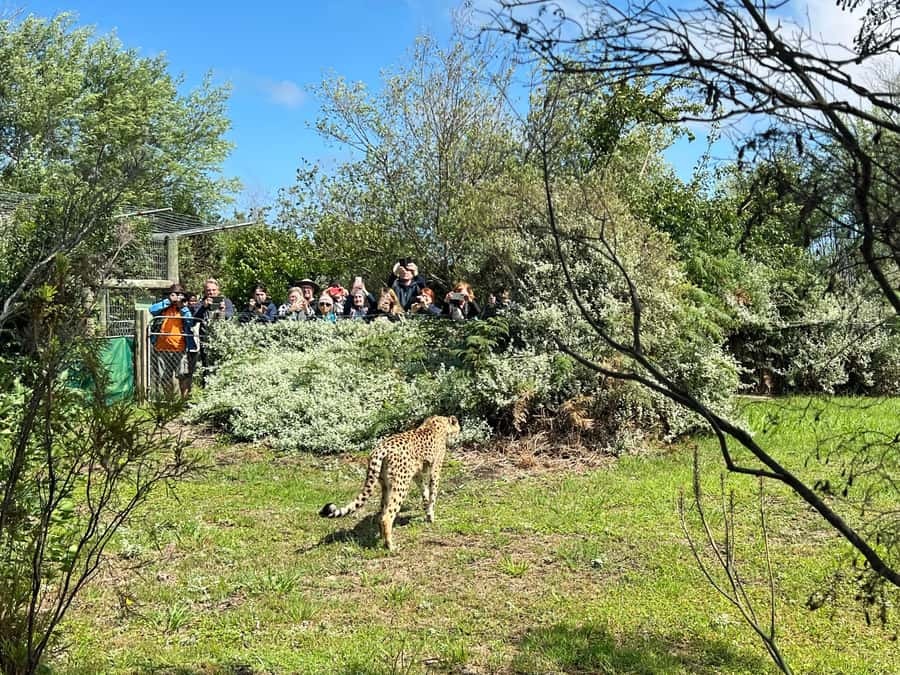
Tenikwa Wildlife Rehabilitation & Awareness Centre sits near Plettenberg Bay in South Africa’s Western Cape. This is a guided conservation visit, not a staged encounter where you pose beside tame predators. The purpose is to see animals in managed habitats while learning about their care.
That distinction matters. You are close to the cats, but there is a clear boundary between you and them. The centre does not allow touching or feeding, and the tour keeps the focus on animal welfare. I find that more satisfying than a wildlife encounter built around handling animals for a quick photograph.
The animals at Tenikwa have been rescued from different situations. Some cannot survive in the wild because they did not learn the skills needed to hunt or live independently. Your guide explains these individual stories as you move between habitats, giving the visit a personal side that a standard zoo label cannot provide.
The tour also includes animals beyond the big cats. You might see meerkats, marabou storks and the Blue Crane, South Africa’s national bird. These smaller stops help show that the centre’s work is broader than lions and cheetahs.
Other animals to go and see near South Africa:
- Cape Town: Marine Wildlife Tour from the V&A Waterfront
★ 4.6 · 1,118 reviews - Big Five Game Reserve Wildlife Safari from Cape Town
★ 4.0 · 576 reviews - From Cape Town: South African Wildlife and Safari 2-Day Tour
★ 4.7 · 411 reviews
A one-hour walk through the animal habitats
The visit begins at reception with a safety briefing of about five minutes. Listen closely here. The rules are brief but important, especially the instruction not to touch or feed the animals. Selfie sticks are also not allowed.
After that, your guide leads you through the various habitats. The exact order and timing can vary, since the animals are not displayed like a timed show. Your guide may pause to point out a cat, explain its background or wait for a better view.
The close-range walkway is the key feature. You are not standing in an enclosure with the animals, but you can view them from a position that feels much more immediate than a distant zoo exhibit. This is particularly useful for photographs, since you are not trying to capture a moving animal from a safari vehicle.
The cats you are scheduled to learn about include lions, leopards, cheetahs, servals and caracals. Each has a different body shape and style, so the guide’s explanation adds real value. The larger cats may attract the first attention, but servals and caracals can be just as interesting once you know what to watch for.
Keep your expectations flexible. You may see all the listed wild cats, but there is no promise that every animal will be active at the exact moment you arrive. One visitor still saw a range of cats during steady rain, which suggests that the tour can work in less-than-perfect weather. Still, poor conditions may affect photographs and how easy it is to spot animals.
The guides make the short visit count
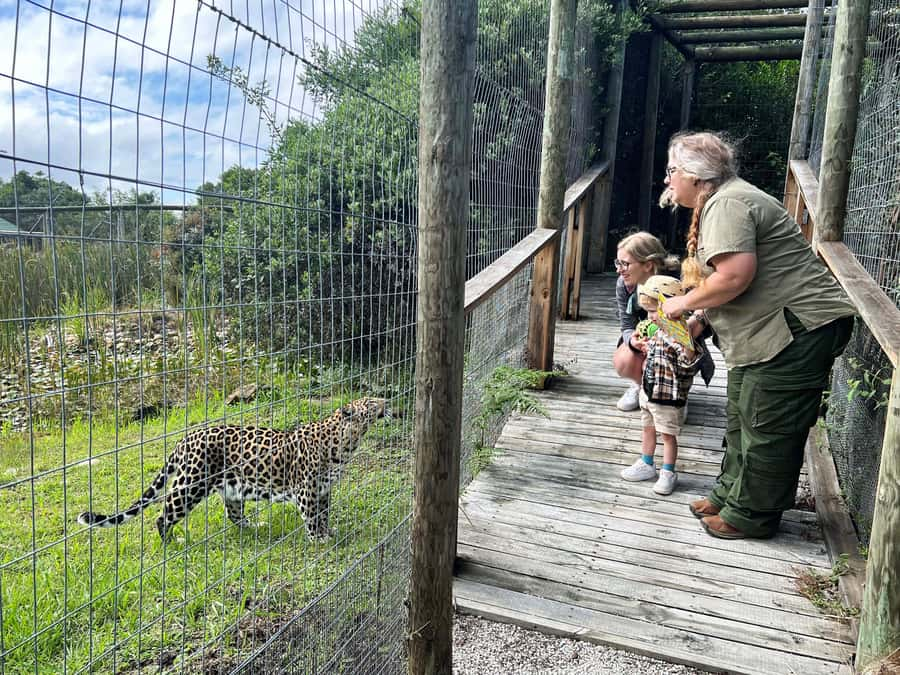
The guide is the heart of this experience. A one-hour walk can feel rushed if it is only a roll call of species. Here, the strongest part of the visit is the explanation of how each animal came into care and what the centre does for it.
Guides named in visitor feedback include Wazi, Davidson, Bongiwe and Daniel. Guests also singled out a guide who had worked at the centre for 12 years. That kind of long service matters because it can bring practical insight into the animals’ habits and the centre’s daily work.
Davidson was praised for being patient and making a real effort to help people see the cats. Bongiwe was remembered for her warm manner, while Daniel was praised for clear explanations and genuine concern for the animals. These details suggest a place where the quality of the visit depends less on a scripted presentation and more on the person leading your group.
Families should make use of this. Children often want fast action, but a good guide can turn the visit into a lesson about responsibility, habitat and why some animals cannot be released. If you have questions, ask them. The guides are there to explain, not just point.
The language offered is English. The tour is wheelchair accessible, which makes it a practical choice for many visitors, though you should still wear comfortable shoes for the walking route.
The white lion and the best photo chances
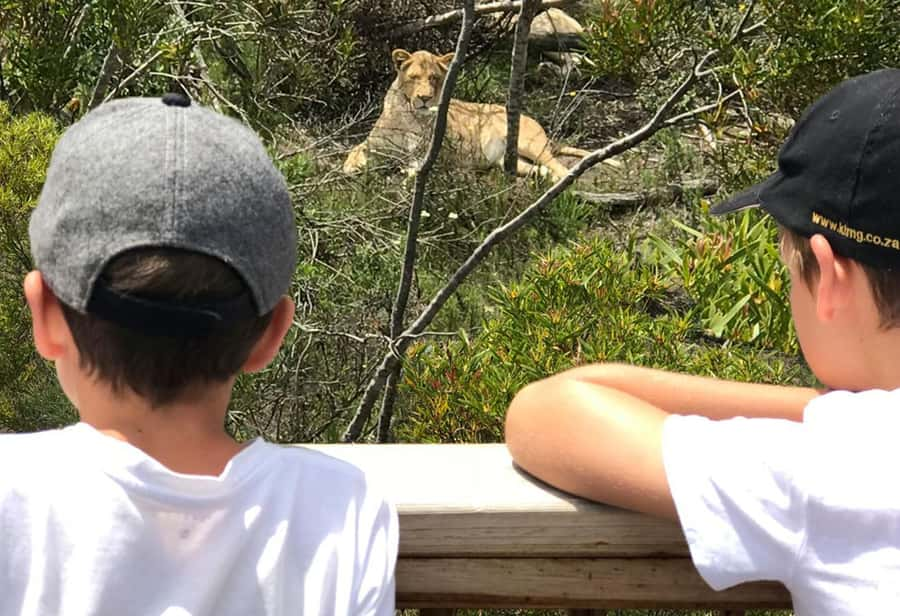
The white lion is one of the visit’s headline sights. Its unusual appearance makes it an obvious subject for photographs, but the more important point is that your guide can place the animal in context. You learn about the difference between seeing an unusual-looking animal and understanding its needs in care.
Photography is encouraged, within the centre’s rules. The walkway gives you a close viewpoint, and the guide may help you notice where an animal is positioned. Avoid treating the visit like a selfie stop. Selfie sticks are prohibited, and touching or feeding the animals is not allowed.
Bring a phone or camera with enough battery and storage, but do not let the camera take over. You will get better pictures if you first listen to the guide and watch the animals. Rain or changing light can affect the results, so the strongest value here is the close view and the story behind it, not a guaranteed perfect photograph.
The Blue Crane and marabou storks offer different photo subjects from the cats. Meerkats can add a lighter moment to the walk, while the bird species connect the visit to South Africa’s wider wildlife protection work.
A few more things to do in South Africa worth a look
- Cape Town: Robben Island Ferry Ticket and Guided Prison Tour
★ 4.1 · 1,792 reviews - Soweto /Johannesburg and Apartheid Museum Guided Full Day Tour
★ 5.0 · 932 reviews - Cape Town: Table Mountain Hike with an Expert Guide
★ 4.9 · 666 reviews - Soweto: Walking Tour with a Local Guide and Lunch
★ 4.9 · 648 reviews
Why the conservation message matters
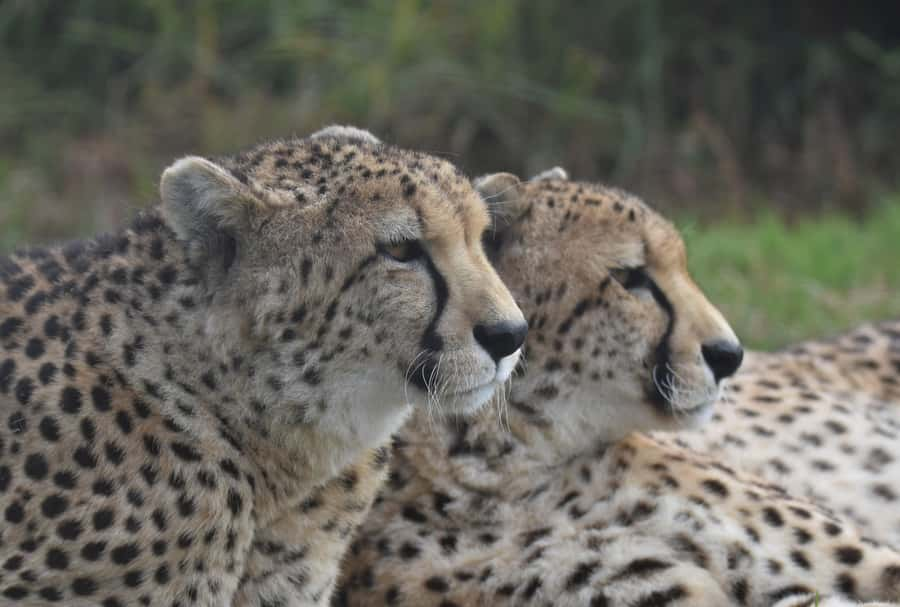
The best reason to choose Tenikwa is the chance to connect an animal sighting with a real conservation problem. Rescued predators often cannot return to the wild because they lack the skills to care for themselves. Seeing them in a protected setting helps explain why rehabilitation is not always the same as release.
That message also keeps the visit honest. You are not being sold the idea that every animal will be returned to nature. Instead, you learn that some animals need permanent care, and that responsible centres must put their welfare first.
The tour supports Tenikwa’s wildlife rehabilitation program. Your admission helps fund a place built around care and awareness, although you should still judge the visit on its educational value rather than treating any animal encounter as automatically ethical.
I appreciate that the centre’s purpose is explained directly. Several guides have been praised for making clear that the animals came from different situations and that the centre exists to care for them. That context can change how you view the cats. They are not props for a photograph, and the close view comes with rules.
Timing, food and the rest of your visit
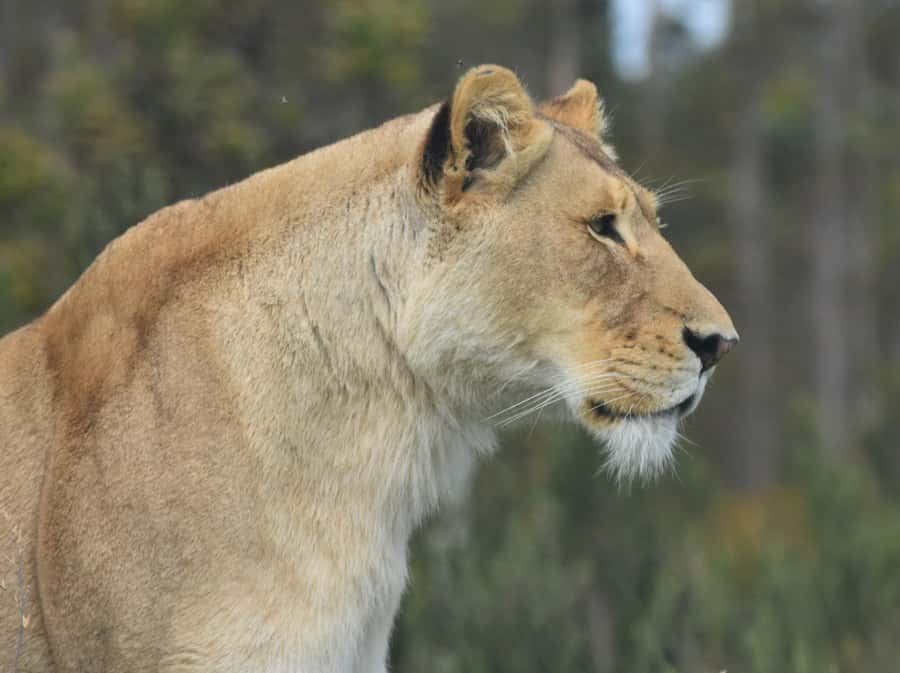
The advertised guided tour lasts one hour. The full stop at Tenikwa can be longer because the schedule also allows about 10 minutes for shopping and around 30 minutes for coffee, brunch, lunch or local snacks.
Treat the one-hour walk as the main activity. The shop is useful if you want a small reminder of the visit, but it is not part of the wildlife viewing itself. Food and drinks are not included in the $27 price, so budget separately if you plan to eat afterward.
The extra time can make Tenikwa fit neatly into a larger day near Plettenberg Bay. You do not need to reserve an entire morning for the guided portion, but you should leave room for check-in, the safety briefing, photographs and the possibility that the guide spends a little longer answering questions. One visitor described a tour lasting 20 minutes beyond the booked time, though you should not count on that every time.
The activity does not include hotel pickup or drop-off. You need to make your own way to the centre and allow time to find the entrance.
Finding Tenikwa from the N2
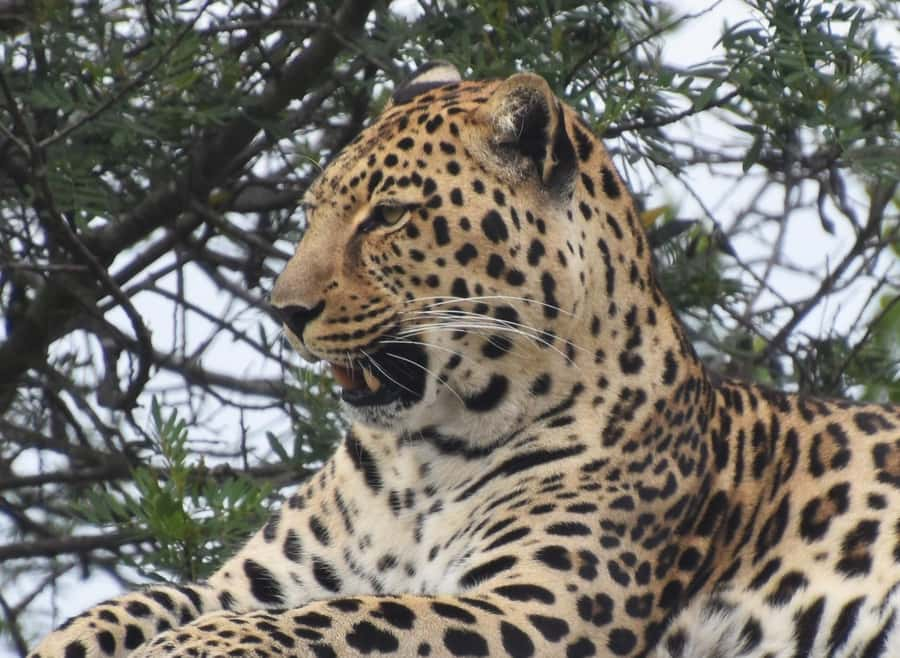
From the N2, take the turnoff marked Tenikwa, Monkeyland and Elephant Sanctuary. At Animal Alley, keep left where Tenikwa is signposted, then drive past Kurland Village.
At the fork, keep right toward the Tenikwa entrance. Check in at reception when you arrive. These directions are worth saving before you set out, since the centre is reached through a group of wildlife attractions and it is easy to focus on the first sign you recognize.
Wear comfortable shoes. The visit is on foot, and the route moves through several habitats. There is no need for specialist hiking equipment, but flimsy footwear will be less pleasant than a secure pair of walking shoes.
Is $27 good value?
At $27 per person, this is a modestly priced wildlife activity, especially if you value a guided explanation rather than only a quick look at animals. The price includes the one-hour tour and guide, but not food, drinks or transportation.
The value depends on what you want. If you are seeking a long safari drive across open country, this is not the right product. If you want close views of several African cat species in one compact visit, plus a clear explanation of rescue and rehabilitation, the price is reasonable.
The guide makes the difference. A rushed walk would offer limited value, but a patient guide who explains each animal, answers questions and helps you spot cats can make the hour feel full. The strongest feedback repeatedly focuses on guide quality, animal care and the centre’s mission.
The rating is 4.7 out of 5 from 206 ratings, a strong result for a short wildlife visit. More important for your decision, the praise centers on specific qualities: clear information, kind staff, careful treatment of the animals and guides who take time with families.
Who should book this experience?
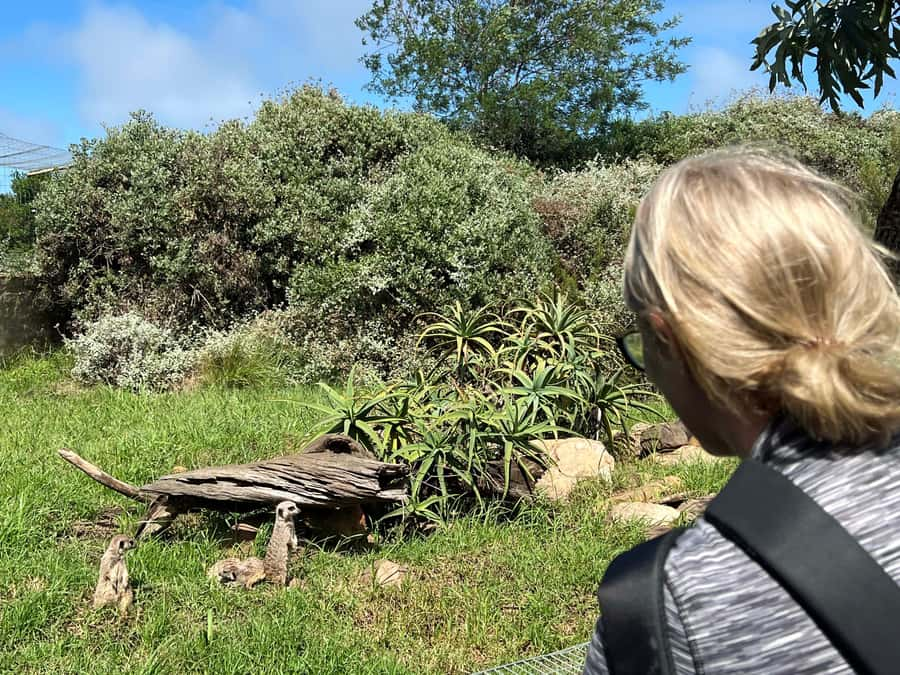
I would choose this tour if you are staying in Plettenberg Bay and want a short, educational wildlife stop. It works well for families, photographers who want close views, and anyone curious about African wild cats without committing to a full-day safari.
It also suits visitors who care about the difference between a sanctuary and an entertainment venue. The no-touch, no-feeding rules and the emphasis on animals that cannot return to the wild give the visit a more serious purpose.
You may want to skip it if you need animals in open natural surroundings or want guaranteed action. This is a rehabilitation centre, and the cats may be quiet, resting or partly hidden. The one-hour limit also leaves little time for a slow, unplanned visit.
Book it if you can accept those limits. For a reasonable price, you get close views of lions, leopards, cheetahs, servals and caracals, along with the white lion, smaller wildlife and a useful lesson in why rescue work matters.
FAQ
Where does the Tenikwa wild cat tour begin?
The tour begins at Tenikwa Wildlife Rehabilitation & Awareness Centre. Check in at reception after following the signs from the N2.
How long is the guided tour?
The guided wildlife tour lasts one hour. The visit also includes a five-minute safety briefing before the main walk.
How much does the tour cost?
The listed price is $27 per person.
Which animals can I see?
The tour focuses on lions, leopards, cheetahs, servals and caracals. You may also see a white lion, meerkats, marabou storks and the Blue Crane.
Can I touch or feed the animals?
No. Visitors are not allowed to touch or feed the animals.
Can I take photographs?
Yes. The tour provides close viewing from a walkway and opportunities to photograph the wildlife. Selfie sticks are not allowed.
Is the tour wheelchair accessible?
Yes, the activity is listed as wheelchair accessible.
Is food included?
No. Food and drinks are not included. Coffee, brunch, lunch and local snacks are available as part of the wider stop, but they are purchased separately.
Is hotel transportation included?
No. Hotel pickup and drop-off are not included. You must arrange your own transportation to Tenikwa.
Just added in South Africa
- Wine Tasting in Cape’s Top Three Winelands Private Tour★ 4.5 · 17 reviews
- Private Tour to Aquila Game Reserve in Cape Town – see the Big5★ 5.0 · 5 reviews
- Private Tour:Cape of Good Hop>Seal island>Chapman’speak &Penguins★ 5.0 · 7 reviews
- Full Day Big 5 Aquila Safari Private Transfers Including Park Fee From Cape Town★ 4.5 · 54 reviews
- Robben Island and Table Mountain Cableway with Bo-Kaap Day Tour★ 5.0 · 8 reviews
- Private Full Day Cape Town City Scenic and Table Mountain Tour.★ 5.0 · 3 reviews
- Private Half DayTour:Cape Winelands, Stellenbosch from Cape Town★ 5.0 · 18 reviews
- Private Tour: Cape Winelands to Stellenbosch & Franschhoek★ 5.0 · 3 reviews
Wildlife, compared.
Big Five Game Reserve Wildlife Safari from Cape Town
Read our review →
Schotia Safaris: Best Wildlife Encounters in Port Elizabeth
Read our review →
2-Day Wildlife Tour with Safaris and Luxury Stay
Read our review →
Browse the lists this tour appears in