
Reviewed · SOUTH AFRICAN FOOD TOURS
Cape Town: Local street food tour
Langa’s best stories may come with a side of bunny chow. This three-hour walking and food tour begins at Guga S’thebe Cultural Center, then takes you through the township with a local English-speaking guide who connects everyday food with Langa’s people, past, and future. The food is not an afterthought. It is the route’s main way into local life.
I like the chance to meet people who live and work in Langa, and I like the broad tasting list, from spicy curry-filled bread to pap and chakalaka. Guides including Thando, Mzukisi, and uThando are praised for making the past easy to understand and for helping visitors feel comfortable on foot. The main consideration is that $87 per person is a serious price for a three-hour experience, so you should book it for the personal stories and local contact as much as for the food.
Key points to know before you book
- Guga S’thebe is both the meeting point and your return point, keeping the tour simple to follow.
- The tour combines 105 minutes of guided walking with 70 minutes of food tasting, plus time for transitions.
- Food may include bunny chow, boerewors rolls, vetkoek, samosas, pap, chakalaka, braai, biltong, and ginger beer juice.
- Local guides such as Mzukisi and Thando provide the strongest part of the experience, linking food with Langa’s culture and past.
- The tour is conducted in English and includes tasting meals and a bottle of water.
- You can cancel up to 24 hours before the start for a full refund, and reserve now while paying later.
Why food is the right way into Langa
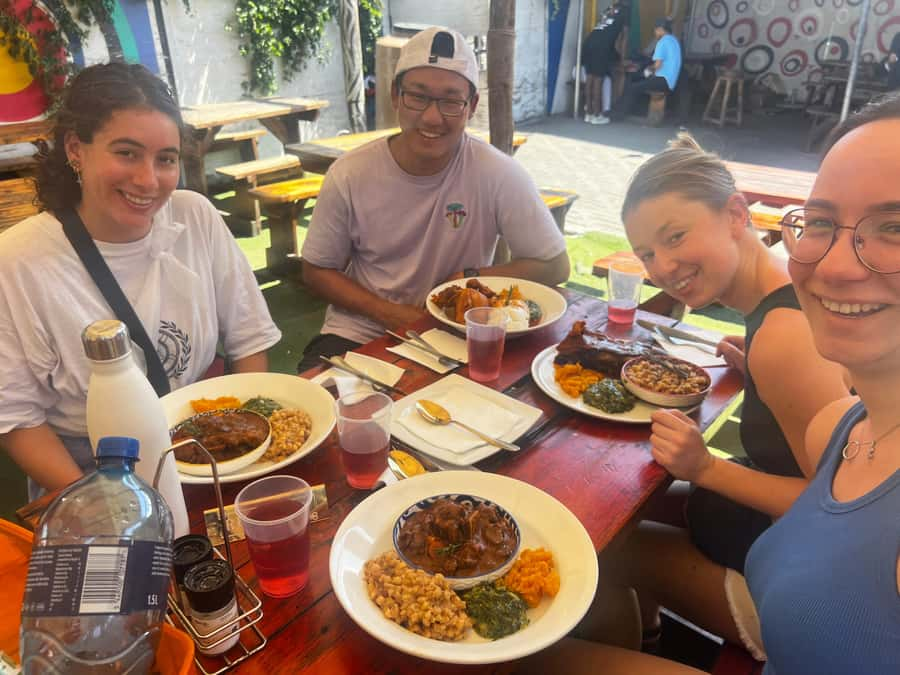
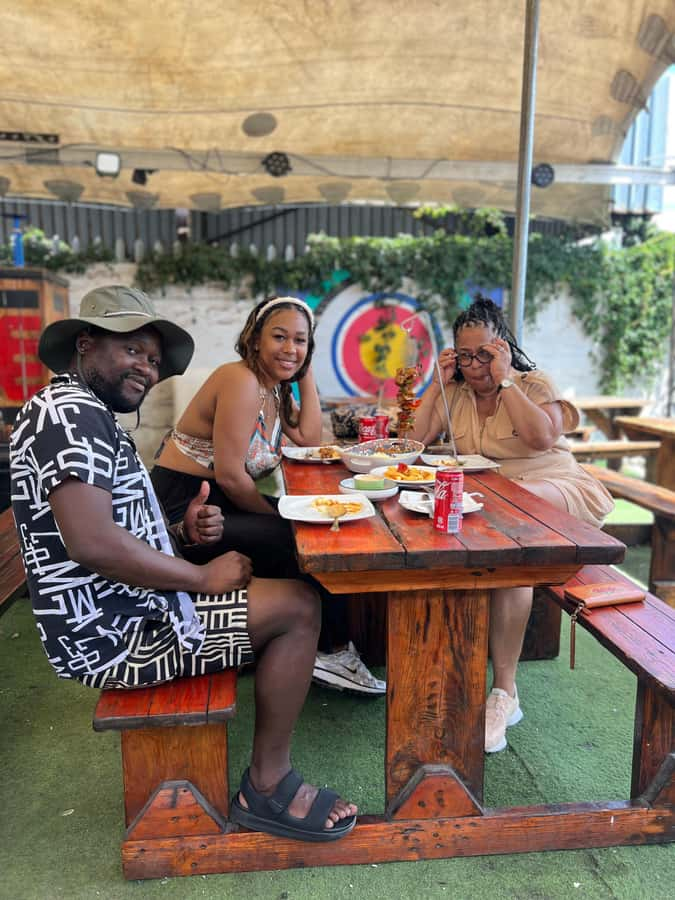
A food tour can easily become a quick parade of snacks. This one is meant to do more. Each stop gives you a reason to ask how people eat, gather, trade, and celebrate in Langa.
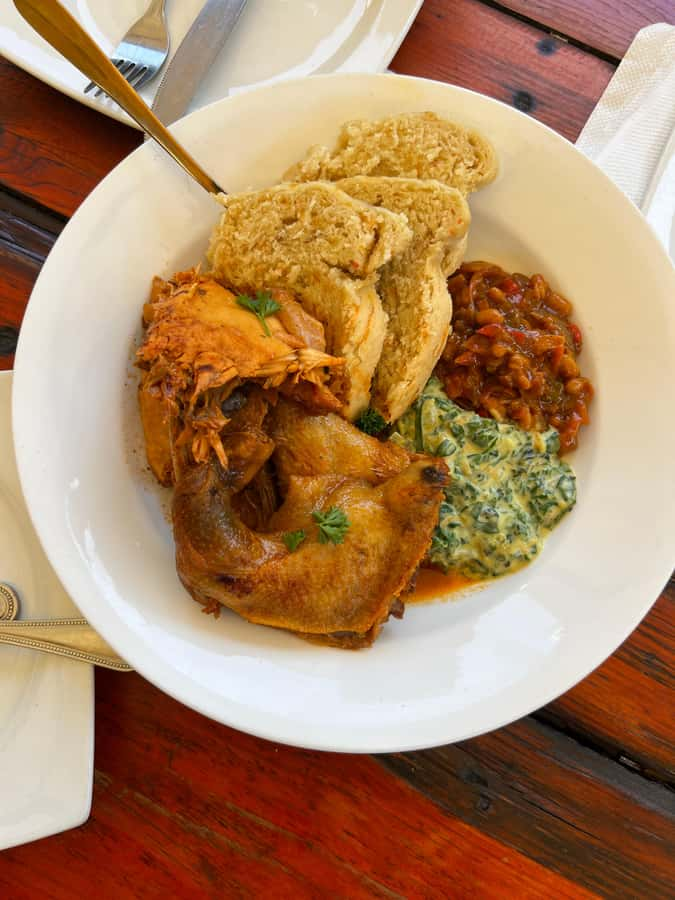
The menu brings together foods with different roots. Bunny chow reflects Indian influence in South African cooking. Samosas carry another familiar thread of spiced pastry and filling. Pap and chakalaka point to staple home cooking, while boerewors and a street braai show how grilling becomes a social event rather than just a way to prepare meat.
That mix matters. You are not being handed one simplified idea of South African food. You are tasting dishes shaped by several communities and by practical township cooking. Some are filling, some spicy, some sweet, and some are designed to be eaten while standing or walking.
I would arrive hungry, but not starved. The exact portion sizes are not stated, and the experience is built around tasting several items rather than sitting down for one large meal. If you have dietary restrictions, ask the provider before booking, since the available information does not specify vegetarian, vegan, halal, or allergy arrangements.
Other eating and drinking in Cape Town:
- Cape Town: Malay Cooking Class and Lunch in Bo-Kaap
★ 4.8 · 515 reviews - The Cape Town Essentials Food Tour
★ 5.0 · 385 reviews - Cape Town: V&A Waterfront Gin Voyage Cruise
★ 4.6 · 238 reviews
Starting at Guga S’thebe Cultural Center
Your day begins at Guga S’thebe Cultural Center, which is also where you return at the end. That fixed start and finish makes the outing easier to manage than a tour that ends at an unrelated food stop.
The first part is a guided walk through Langa, lasting about 105 minutes. Expect the guide to set the scene, explain the township’s past, and point out how local culture is expressed in ordinary places and daily routines. The tour is not simply a lecture. Meeting local people and hearing about Langa from someone connected to the area is central to its purpose.
The best guide match appears to be someone who can turn facts into a conversation. Mzukisi is from Langa and was born and raised there, which gives his explanation a personal link to the place. Thando is described as warm and enthusiastic, with an approach that covers culture, people, food, history, and the future. uThando is also praised for being engaging and for speaking about ambition and aspiration.
You may not know which guide will lead your departure until you book. That is worth noting, because the character of the guide will shape the afternoon. The published language is English, and the positive feedback consistently puts the guide at the heart of the experience.
The 105-minute walk through Langa
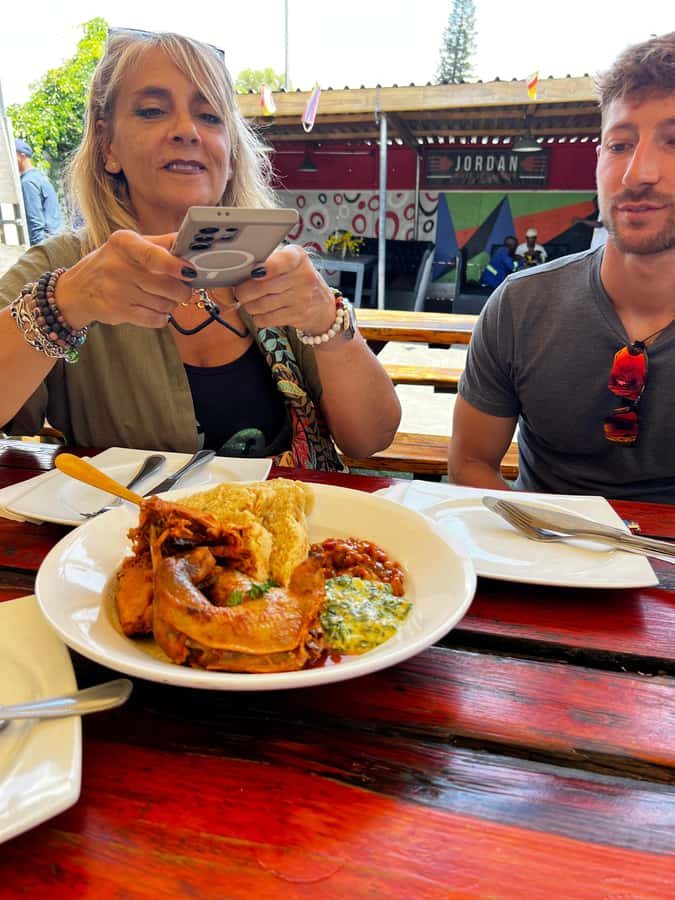
The walking section gives the food its context. Instead of tasting a dish with no explanation, you can connect it to family habits, community life, and the township’s wider story.
You should expect a steady amount of time on foot, though the information does not give a precise distance or terrain. Wear comfortable shoes and keep your schedule flexible around the three-hour duration. The route includes stops for food, conversations, and transitions, so this is not a fast sightseeing circuit.
The subject matter reaches beyond old events. The guide discusses Langa’s past, its culture, its people, and its future. That wider view is one of the tour’s strengths. A township should not be presented only as a place of hardship or as a backdrop for photographs. You get more from the visit when you pay attention to its living community and the goals of the people who call it home.
Several people who took the tour felt safe walking with their guide. That is useful reassurance, especially if you have not visited Langa before. Still, a guide cannot remove every normal city precaution. Keep your belongings secure, stay with the group, and follow the guide’s directions. You are there to listen and engage, not to wander off in search of a picture.
The tour’s tone seems to be conversational rather than formal. You can ask about the food, the area, and the changes shaping Langa. If you want a polished monument-to-monument sightseeing tour, this will feel different. If you want direct contact and an explanation grounded in local life, that difference is the point.
Eight tastes that may shape the afternoon
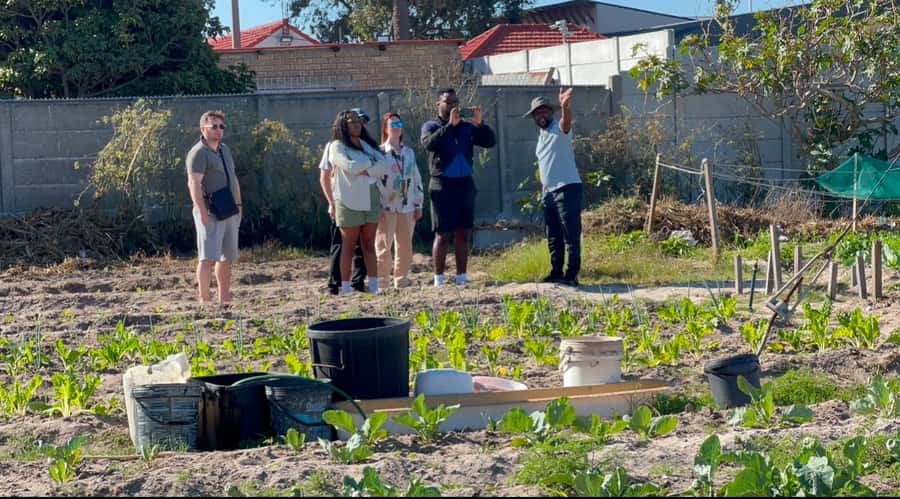
The food portion lasts about 70 minutes, although some tasting may be folded into the walking route. The precise order can vary, but these are the dishes and drinks associated with the experience.
Same base, a different kind of day out:
- Wine Tour: Paarl, Franschhoek & Stellenbosch incl 3 wineries
★ 5.0 · 3,940 reviews - Cape Town: Hop-On Hop-Off Bus Tour with Optional Cruise
★ 4.8 · 3,929 reviews - Cape Town: Cape of Good Hope & Penguins Day Tour with Pickup
★ 4.7 · 3,362 reviews - Zipline Cape Town – From Foot of Table Mountain Reserve
★ 5.0 · 3,179 reviews
Bunny chow
A hollowed loaf filled with curry, bunny chow is one of the tour’s signature bites. The curry may be made with lamb, chicken, or vegetables, so ask what is being served before you choose.
It is wonderfully practical food: bread becomes both container and utensil. The dish also shows how South African cooking has absorbed Indian culinary influence and made it part of local eating culture.
Boerewors rolls
Boerewors is a South African sausage, usually served in a soft roll with chutney or tomato sauce. It is hearty, smoky, and easy to understand as street food even if you have never tried it before.
This is a good choice for anyone who likes grilled meat. If you are sampling several dishes, share or take small portions where possible, since the sausage can be more filling than the lighter snacks.
Vetkoek
Vetkoek is fried dough that may be filled with minced meat or served with jam. It can sit on the savory side of the menu or turn into a sweet finish, depending on how it is prepared.
The appeal is simple: crisp outside, soft inside, and comforting. It is also a useful reminder that local food is not only about bold spices. Texture and warmth do plenty of work.
Samosas
Samosas may contain spiced potatoes, peas, or meat. Their small size makes them well suited to a tasting tour, and their seasoning gives you another point of comparison with the curry in the bunny chow.
Ask what filling is available before taking one. If you enjoy spicy food, this may be one of the more rewarding stops, but the available information does not specify heat levels.
Pap and chakalaka
Pap is a maize porridge, often paired with chakalaka, a spicy vegetable relish. The combination is filling and familiar in many South African homes.
This is perhaps the most useful dish for understanding everyday staples rather than special-occasion snacks. The plain base lets the relish carry the flavor, and the two together make a substantial plate.
Street braai
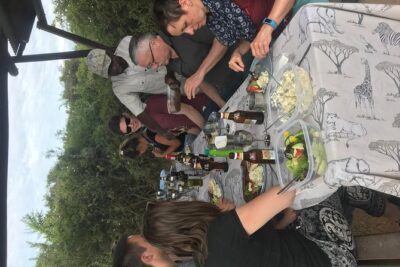
A braai is a social grill, with meats such as chicken, lamb, and beef cooked over open flames. The important part is not only the meat. It is the shared setting, the open cooking, and the way food brings people together.
You should expect this stop to feel more communal than a simple vendor purchase. The timing and exact items are not guaranteed, so think of street braai as a possible part of the tasting rather than a promise of a particular cut.
Ginger beer juice
Freshly pressed ginger beer juice offers a sweet, sharp drink during the walk. It is a welcome change from solid food and gives you a local refreshment to compare with the savory dishes.
The description calls it ginger beer juice, so do not assume it will taste exactly like bottled ginger beer. It is presented as a sweet, invigorating street drink.
Biltong
Biltong is cured, dried meat available in different flavors, including spicy and sweet. It is easy to carry and snack on, making it one of the simplest foods on the route.
If you enjoy jerky, you will probably understand the appeal immediately. The texture and seasoning may be unfamiliar if you are used to softer meats, so try a small piece first.
What the tour does especially well
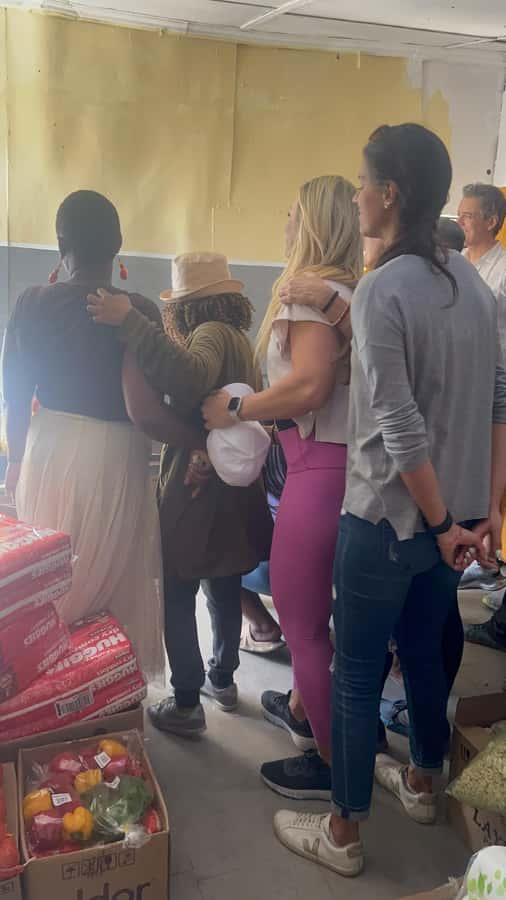
The strongest feature is the guide. Food tours live or die by the person leading them, and this one has several specific strengths. Mzukisi brings a connection to Langa as someone born and raised there. Thando is described as enthusiastic and able to discuss both the area’s past and its future. uThando brings an engaging style and speaks about aspiration, which helps the tour avoid presenting Langa as frozen in time.
The second strength is the combination of tasting and conversation. You are not only collecting dishes. You are learning why certain foods matter and meeting people along the way. That makes the experience more useful than a standard restaurant meal if you want a better sense of local culture.
Safety is another practical positive. The guide gives you a clear route through the township, and the available feedback describes people feeling safe throughout the walk. That does not mean you should switch off your common sense, but it does make the experience more approachable for a first visit.
Where the $87 price makes sense
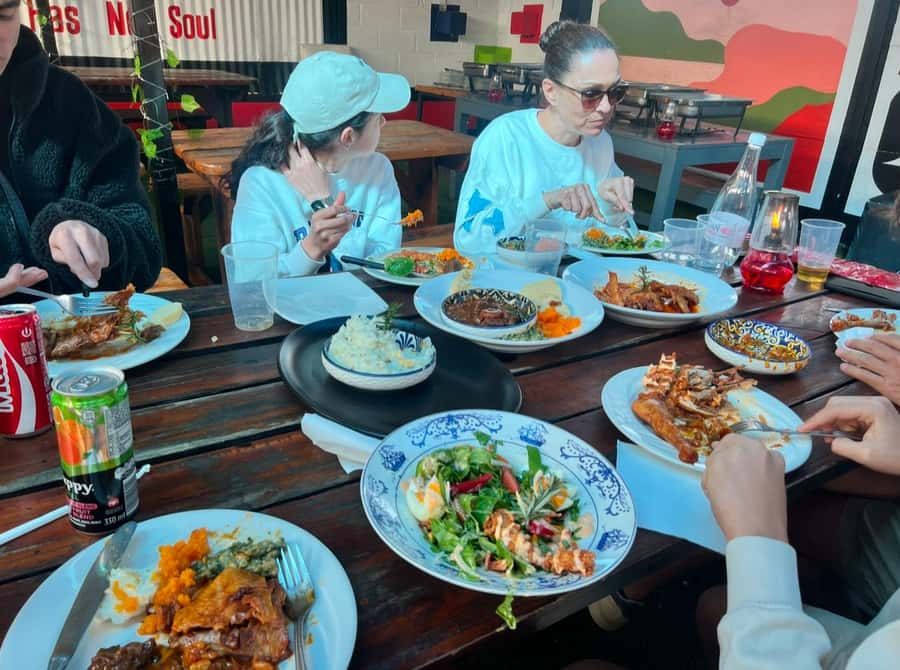
At $87 per person, this is not a bargain snack crawl. The cost includes a qualified guide, food to taste, and a bottle of water, but the real value lies in the three-hour personal introduction to Langa.
I would compare it with what you want from the rest of your Cape Town schedule. If you only want cheap local food, you can likely spend less elsewhere. If you want to understand the setting, meet local people, and have a guide explain the connection between food and culture, the price becomes easier to justify.
The timing also matters. Two people can spend hours trying to arrange separate food stops and still miss the context supplied by a local guide. Here, the walk, explanations, and tastings are organized into one short outing. That convenience is useful when you have limited time in Cape Town.
Still, the value depends on your interest in conversation. You should not book this mainly for a large meal. The tour is about sampling many foods, hearing stories, and seeing how those pieces fit together.
Who should book this experience
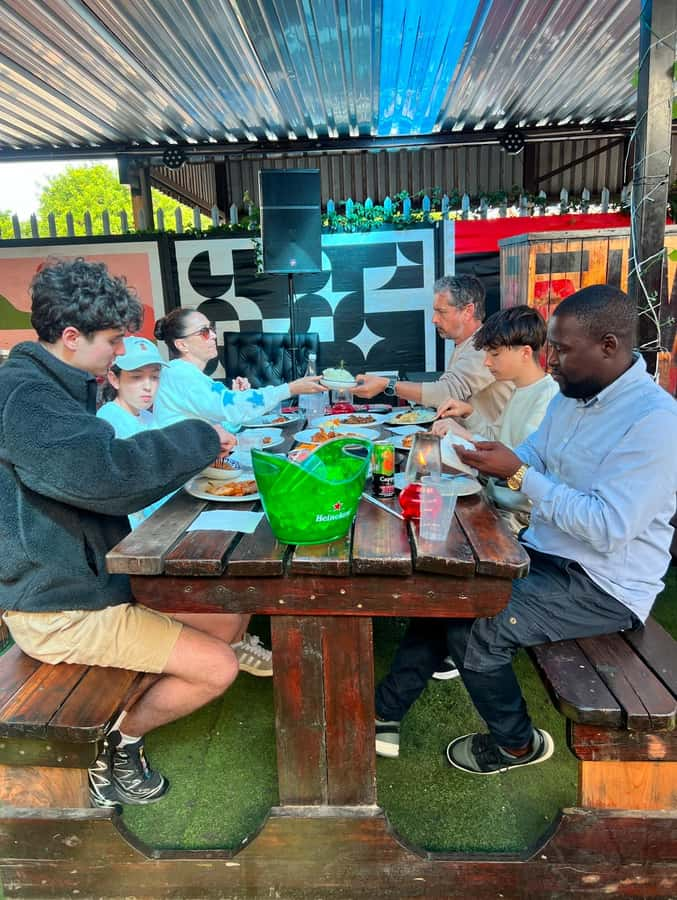
I would recommend the tour to first-time visitors who want a guided introduction to Langa without treating the township as a quick photo stop. It suits people who enjoy asking questions, trying unfamiliar foods, and learning from a local voice.
It also works well for couples and small groups who want an afternoon activity with more substance than sightseeing alone. The food gives the tour an easy rhythm, while the guide supplies the meaning behind each stop.
Families may enjoy the range of flavors, although the provided information does not state a minimum age or offer a child-specific format. If you are traveling with young children, confirm those details before reserving.
You may want to skip it if you need a formal restaurant meal, have strict dietary requirements that have not been cleared in advance, or dislike walking through working neighborhoods. This is an active, social outing with food served along the way, not a controlled tasting menu.
Practical details for a smoother afternoon
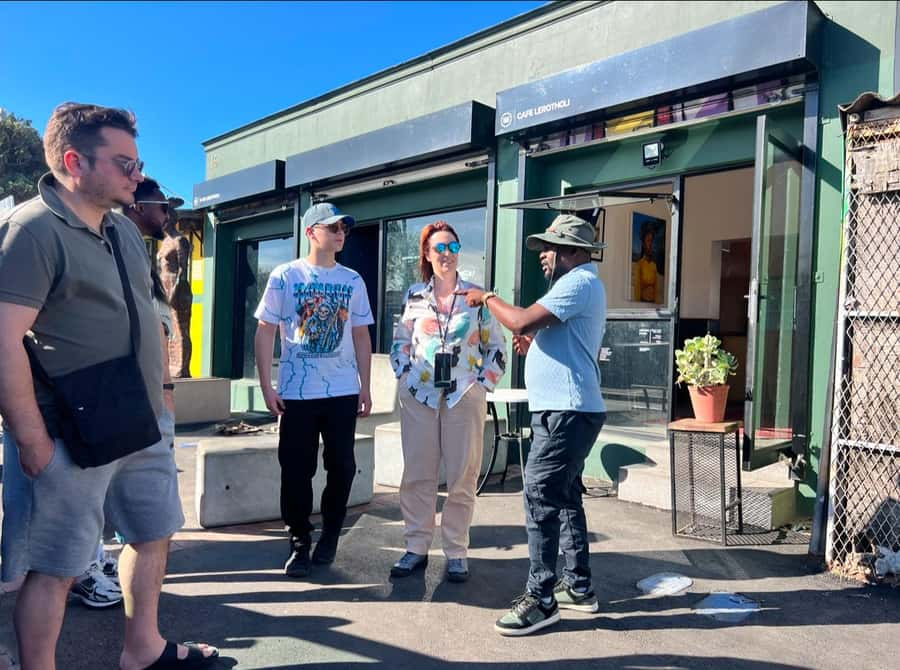
Plan on three hours from start to finish, with roughly 105 minutes devoted to the guided walk and 70 minutes to food tasting. Since the tour returns to Guga S’thebe Cultural Center, it is sensible to avoid booking another activity with a tight connection immediately afterward.
English is the stated tour language. The guide is live rather than recorded, which gives you the chance to ask about ingredients, Langa, and the stories being shared.
Food and a bottle of water are included. Tips are not included, and you should budget to tip the guide if the service is useful to you.
The tour offers free cancellation up to 24 hours before departure, and you can reserve now and pay later. Starting times depend on availability, so check the schedule before building the rest of your day around it.
Should you book the Langa street food tour?
Book it if you want local food with local explanation. The strongest reasons are the guide-led walk, the chance to meet people in Langa, and the wide tasting list that moves from bunny chow and samosas to pap, chakalaka, braai, and biltong.
At $87, it is best viewed as a cultural walking tour with food included, not as a low-cost lunch. If that balance suits you, this is a thoughtful way to spend three hours in Cape Town. If you are focused only on quantity or price, choose a simpler meal and spend your money elsewhere.
FAQ
Where does the Langa street food tour start?
The tour starts at Guga S’thebe Cultural Center in Langa, South Africa.
Where does the tour finish?
The tour returns to Guga S’thebe Cultural Center after the walking and food-tasting portions.
How long does the experience last?
The full experience lasts three hours. The schedule lists 105 minutes for the guided tour and 70 minutes for food tasting, with the remaining time used for transitions.
What food can I taste?
The food may include bunny chow, boerewors rolls, vetkoek, samosas, pap with chakalaka, street braai items, ginger beer juice, and biltong.
Is the tour conducted in English?
Yes. The listed tour language is English, and the experience includes a live guide.
What is included in the price?
The price includes a qualified tour guide, meals to taste, and a bottle of water. A tip for the guide is not included.
More food to try in Cape Town
- Cape Town: Full-Day Winelands Tour with Wine Tastings & Food
★ 4.9 · 1,288 reviews - The 10 Tastings of Cape Town With Locals: Private Food Walking Tour
★ 4.5 · 169 reviews - African Food and Storytelling Tour Cape Town City Centre
★ 5.0 · 61 reviews - Cape Town: Essential Food and Drink Tour
★ 4.9 · 56 reviews
Just added in Cape Town
- Wine Tasting in Cape’s Top Three Winelands Private Tour★ 4.5 · 17 reviews
- Private Tour to Aquila Game Reserve in Cape Town – see the Big5★ 5.0 · 5 reviews
- Private Tour:Cape of Good Hop>Seal island>Chapman’speak &Penguins★ 5.0 · 7 reviews
- Full Day Big 5 Aquila Safari Private Transfers Including Park Fee From Cape Town★ 4.5 · 54 reviews
- Robben Island and Table Mountain Cableway with Bo-Kaap Day Tour★ 5.0 · 8 reviews
- Private Full Day Cape Town City Scenic and Table Mountain Tour.★ 5.0 · 3 reviews
- Private Half DayTour:Cape Winelands, Stellenbosch from Cape Town★ 5.0 · 18 reviews
- Private Cape of Good Hope and Penguins Tour with Luxury Mercedes or BMW Vehicle★ 5.0 · 3 reviews
South African Food Tours, compared.

Full-Day All Inclusive Safari with Traditional Braai Lunch
Read our review →
Addo Elephant Full Day Safari with a Traditional South African Braai (BBQ) Lunch
Read our review →
Browse the lists this tour appears in