
Reviewed · SOUTH AFRICAN FOOD TOURS
Cape Town: Afrikaans Culture And Making Traditional Biltong
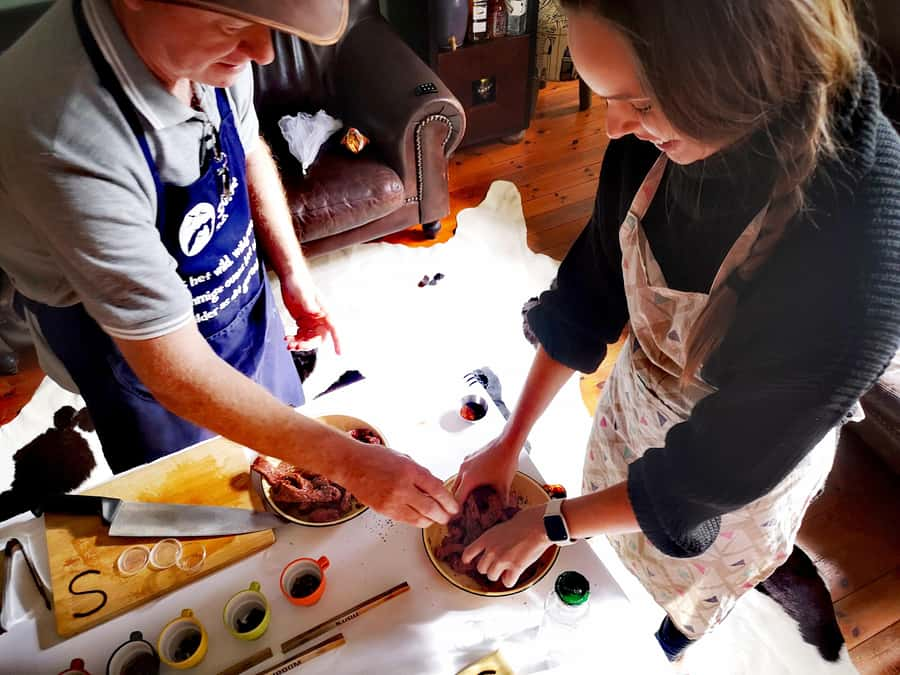
Biltong is more than South Africa’s answer to beef jerky. In this 90-minute session, you’ll learn how Khoisan meat-drying methods, Great Trek cooking, spice blends, and modern tastes shaped the snack. The hands-on part lets you prepare your own biltong sticks rather than simply watch someone else work.
I like the small group of up to eight, which gives the hosts room for questions and conversation. I also like the mix of tasting, history, coffee, music, and practical work. You get a fuller picture of Afrikaans culture than you would from a standard food sample.
The main consideration is the setting. The class takes place in a private home-style voorkamer at 165 High Level Road, not a purpose-built visitor center. It is not suitable for wheelchair users, and cats live on the property, so people with animal allergies should choose another activity.
Key points to know before booking
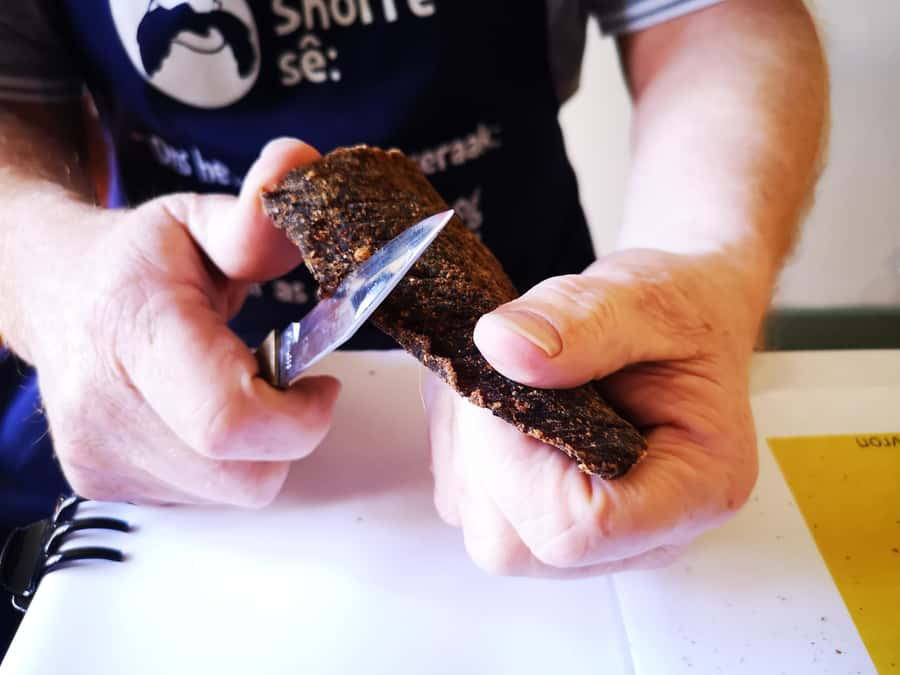
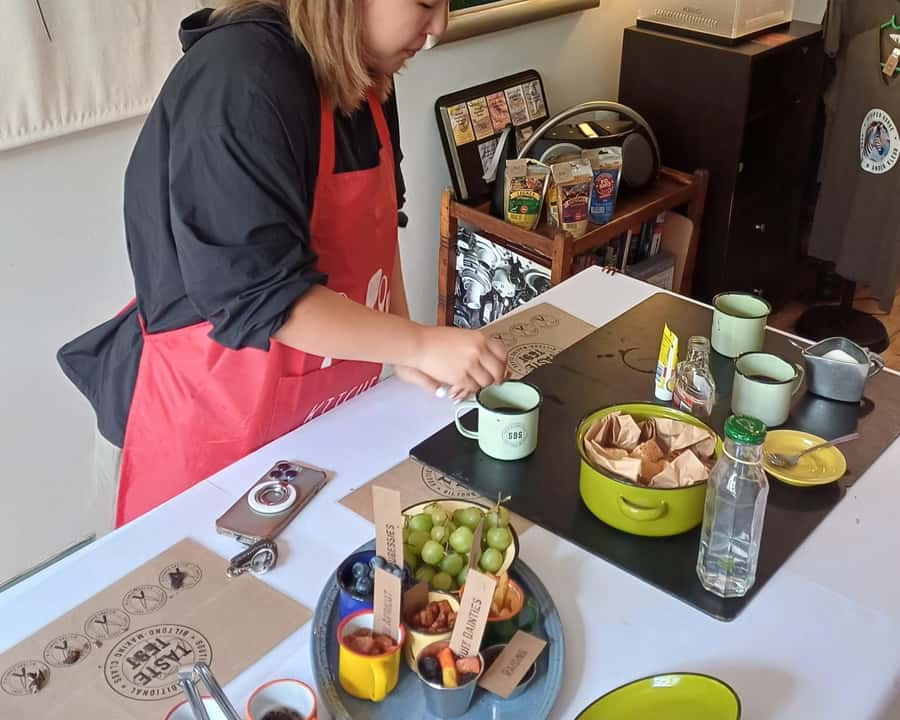
- Prepare your own biltong sticks: You’ll use provided aprons and knives while learning how meat is selected, seasoned, cured, and stored.
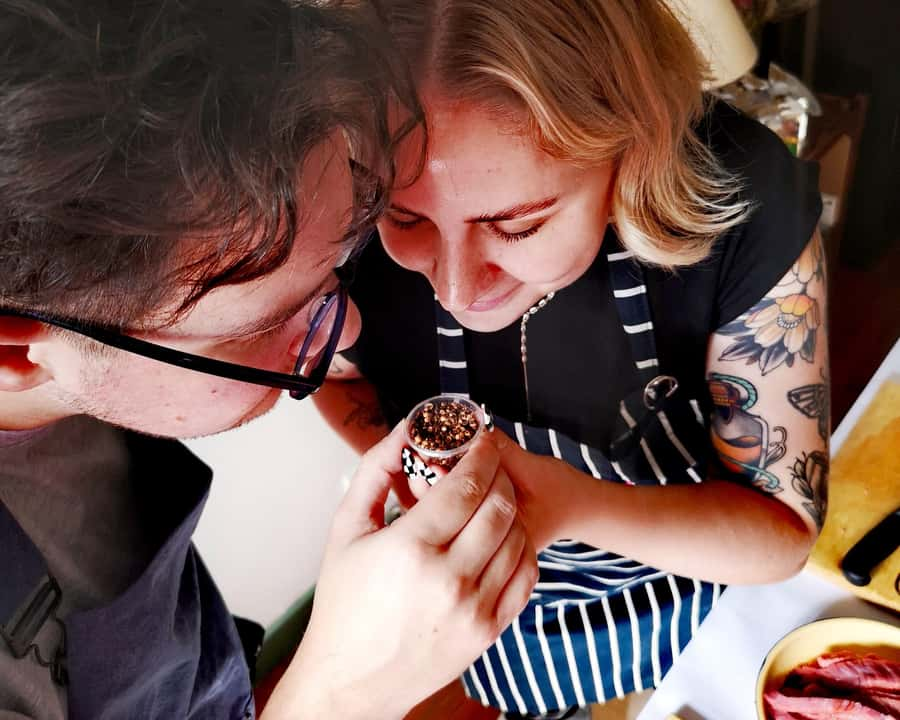
- Taste more than one kind of biltong: The session includes several varieties, including a vegan option by prior arrangement.
- Meet Afrikaans culture through food and sound: Expect Boeremusiek, Afrikaans songs, sayings, tall tales, and discussion of the language’s mixed origins.
- Enjoy a proper local snack break: A refreshing bottled drink, dried fruit, preserves, moerkoffie, and homemade Karringmelkbeskuit are part of the experience.
- Fit it into a tight schedule: The class lasts 90 minutes and works well between other Cape Town plans.
- Leave with something edible: A sample of your prepared biltong sticks is included, while extra snacks and merchandise cost more.
A Cape Town food experience with a story behind it
Many food activities give you a taste and a few facts, then move on. This one gives biltong a longer story.
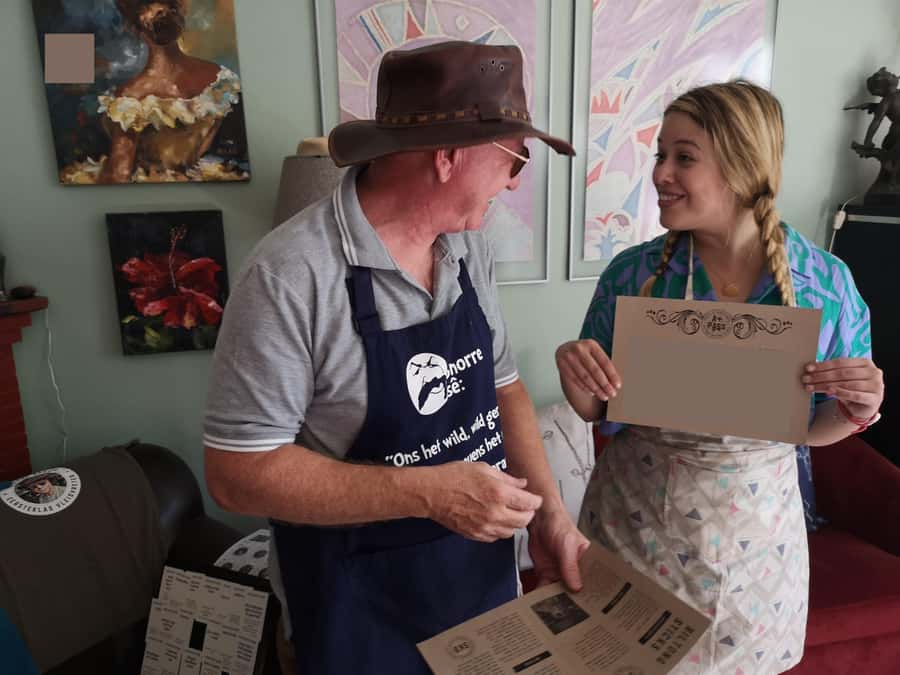
You begin in a voorkamer, the traditional front lounge of a South African home. The setting is meant to feel personal and relaxed, away from the usual tourist circuit. That matters here because the class is built around conversation. You are not just standing at a counter while a guide recites facts. You are settling into a room where food, family-style hospitality, music, and language all meet.
The central subject is biltong, a cured and air-dried meat snack. You’ll hear about the early Khoisan practice of preserving meat by drying it, then about how Great Trek pioneers added seasoning that helped create the style now associated with South Africa.
That history gives the tasting more meaning. You can compare flavors while understanding why preservation mattered in earlier times and how a practical method became a favorite snack. The class also explains how Afrikaans developed through European, Asian, and African language influences. It is a useful reminder that food and language both carry layers of migration and contact.
Other eating and drinking in Cape Town:
- Cape Town: Malay Cooking Class and Lunch in Bo-Kaap
★ 4.8 · 515 reviews - The Cape Town Essentials Food Tour
★ 5.0 · 385 reviews - Cape Town: V&A Waterfront Gin Voyage Cruise
★ 4.6 · 238 reviews
Starting with drinks and South African snacks
The session opens with a refreshing drink served in an iconic bottle, along with local treats. This is a small detail, but it sets the tone. You get a taste of South African everyday culture before the more formal biltong discussion begins.
Dried fruit and preserves are also included. They give you something sweet and soft beside the salty, savory meat. I like this balance because a tasting built only around cured meat could become repetitive, especially if you are not already a biltong fan.
The snacks also make the experience easier for mixed groups. One person may come for the food, another for the cultural background, and another for the hands-on activity. The class gives each person something to follow.
Learning how biltong is made
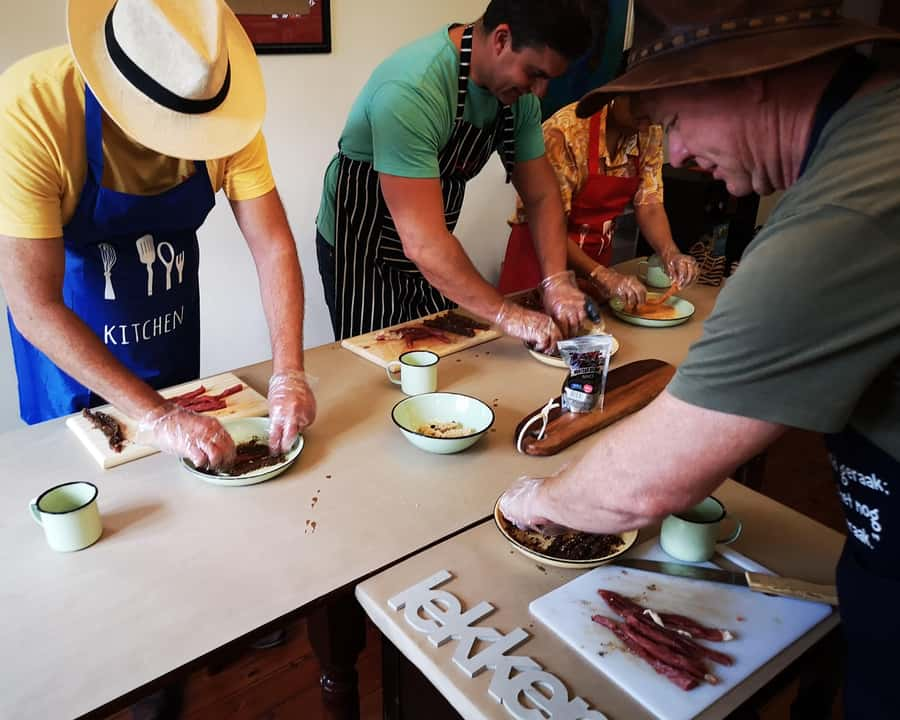
The practical lesson covers the main stages of biltong making. You’ll learn how the cut and grade of meat affect the result, how spices are blended, and how curing and storage work.
The focus is not simply on eating the finished product. You’ll see why the choice of meat matters, how seasoning changes the flavor, and why patience is part of the process. Equipment such as aprons and knives is supplied, along with visual aids to help explain the steps.
This is where the class earns much of its value. At $42 per person, you are paying for more than a snack plate. You receive an explanation of the process, a guided activity, local food, and a cultural conversation in a small group. If you only want to sample biltong, a shop will cost less. If you want to understand what you are eating and make part of it yourself, the price is easier to justify.
The hands-on work is also likely to be the most memorable part for children and adults who enjoy practical activities. You prepare biltong sticks yourself, with the hosts providing the equipment and guidance. The format is participatory without requiring a long block of your day.
Tasting several kinds of biltong
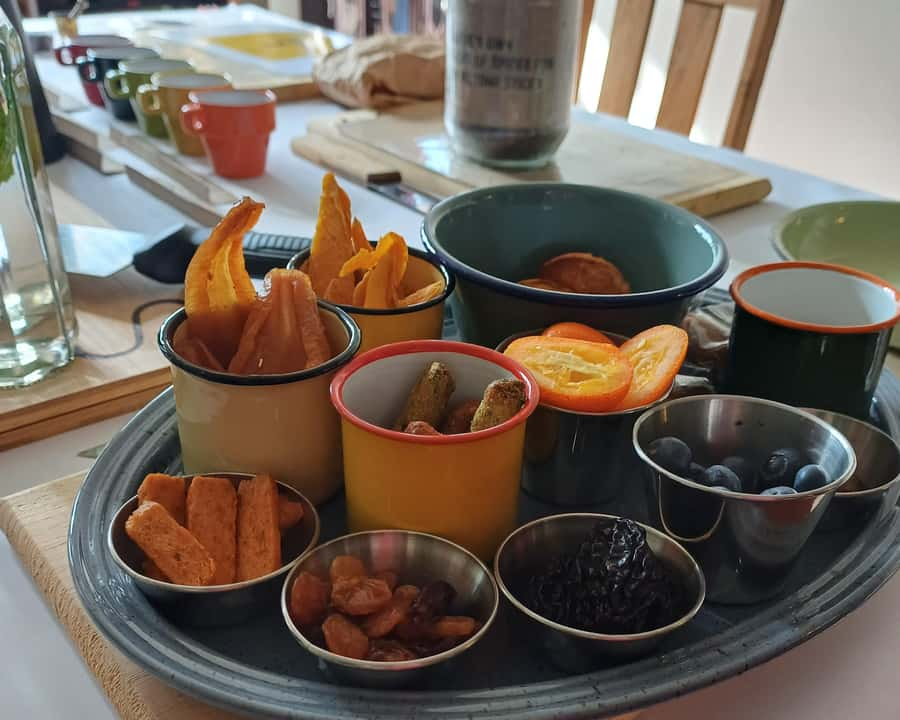
The tasting includes different types of biltong, giving you a chance to compare flavor and texture. The exact selection is not specified, so you should not expect a fixed menu of named cuts or spice levels.
A vegan option can be arranged in advance. This is important for plant-based visitors, since the main subject is traditionally meat. Ask for the accommodation before booking rather than arriving and hoping it can be added on the day.
The tasting is repeatedly praised for its flavor and variety. That emphasis makes sense: biltong is a food where seasoning can change the experience quite sharply. A good tasting should help you notice those differences rather than treating every slice as the same.
If you are unsure about cured meat, the snacks and drinks give you other things to enjoy. Still, this is fundamentally a biltong class. You should book it because you are curious about the food, not because you want to avoid it.
Same base, a different kind of day out:
- Wine Tour: Paarl, Franschhoek & Stellenbosch incl 3 wineries
★ 5.0 · 3,940 reviews - Cape Town: Hop-On Hop-Off Bus Tour with Optional Cruise
★ 4.8 · 3,929 reviews - Cape Town: Cape of Good Hope & Penguins Day Tour with Pickup
★ 4.7 · 3,362 reviews - Zipline Cape Town – From Foot of Table Mountain Reserve
★ 5.0 · 3,179 reviews
Moerkoffie, rusks, and a slower pause
The coffee break brings a different side of South African food culture. You’ll be served strong moerkoffie in a rustic tin mug, paired with homemade Karringmelkbeskuit, or buttermilk rusk.
Rusks are made for dipping, and the firm texture works well with coffee. This part of the experience slows the pace after the meat preparation. It also gives the hosts time to share classic Afrikaans sayings and stories.
The coffee is described as strong, so it may not suit you if you avoid caffeine. The activity data does not specify a decaffeinated option, so ask in advance if that matters. The same applies to dietary needs beyond the vegan accommodation specifically noted.
Afrikaans language, music, and local humor
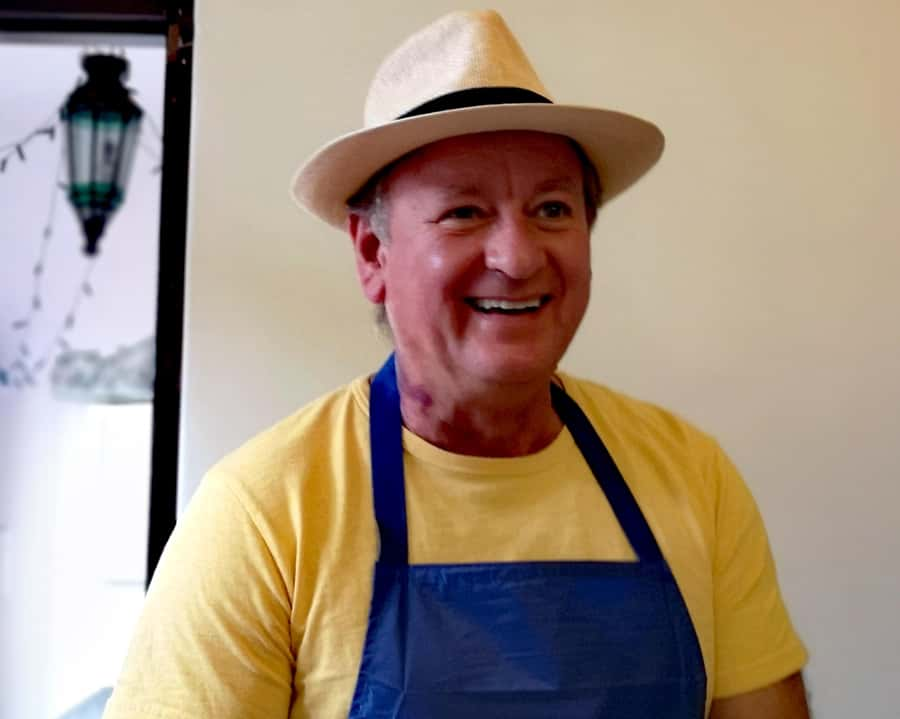
Food is only half the class. You’ll also hear about Afrikaans and its unusual blend of European, Asian, and African influences.
The session includes Boeremusiek, a form of Afrikaans folk music, along with familiar Afrikaans songs. The music helps place the language in a living cultural setting rather than treating it as a grammar lesson. You can expect a relaxed introduction, not a formal language course.
The hosts also share sayings, tall tales, and pieces of South African history. That style suits the small setting. It gives you a feel for how humor and storytelling work in everyday conversation, while keeping the class light.
If you want a highly structured historical lecture, this may feel informal. If you prefer stories, food, and a little humor, the approach should work well. The class is delivered in English, so you do not need Afrikaans language skills to take part.
What makes the small group useful
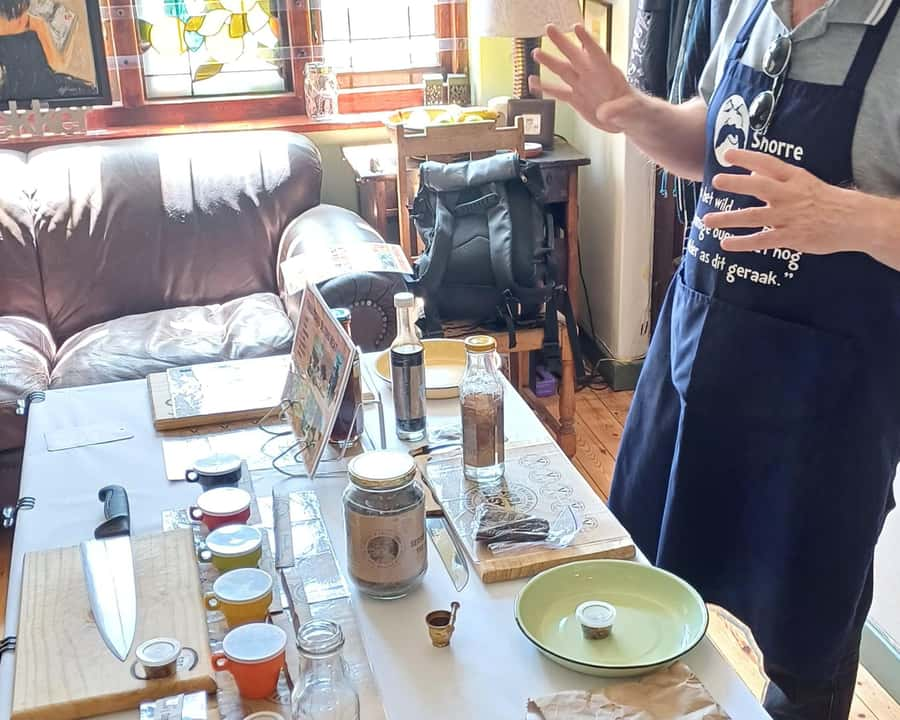
The group limit is eight people. That is a strong feature for this type of activity because the subject invites questions. You can ask about the spices, the meat cuts, the history, or the language without competing with a large crowd.
A small group also makes the hands-on part more manageable. You receive equipment, prepare your sticks, and have space to follow the process. The exact amount of individual attention will depend on the group size, but eight is still far more personal than a large cooking demonstration.
The tradeoff is that small sessions may have limited availability. Check the starting times that fit your schedule. The short 90-minute length helps, especially if you are also planning Cape Town sightseeing, museums, or an evening meal.
Location and practical fit
The meeting point is Unit 5, 165 High Level Road, in Three Anchor Bay, Cape Town. The experience takes place on the property, in the voorkamer lounge.
You should wear comfortable clothes. A camera is useful for recording the food, equipment, and cultural details, though the activity does not promise a formal photo session. Cash is worth bringing if you want to buy extra biltong, souvenirs, or a T-shirt after the class.
Extra biltong, mementoes, and shirts are not included in the $42 price. Your included take-home item is a sample of biltong sticks that you prepare during the session.
There are two important access notes. The experience is not suitable for wheelchair users, and cats live on the property. If you have an animal allergy, skip this activity. If you need wheelchair access, choose a different Cape Town food experience.
Who will enjoy this most
I would recommend the class to you if you like food with a story. It works especially well for people who want a local activity that feels more personal than a standard tasting.
It is also a good choice for:
- Couples seeking a short cultural activity
- Families with older children who enjoy hands-on food preparation
- Food lovers curious about South African flavors
- Visitors interested in Afrikaans language and culture
- Plant-based visitors who arrange the vegan option ahead of time
- Anyone with a busy itinerary who wants a focused 90-minute activity
It may be less suitable if you dislike cured meat, want a large-scale culinary workshop, need wheelchair access, or have animal allergies. The informal home setting is part of the appeal, but it will not suit everyone.
Is $42 a fair price?
At $42 per person, the activity sits above the cost of simply buying biltong from a shop. That comparison is not quite fair, since the price also covers the instruction, tasting, snacks, coffee, equipment, and cultural content.
You get a 90-minute experience with a small group, a hands-on preparation session, and food throughout. The strongest value comes from combining several elements in one short visit. You are learning how a familiar South African snack is made while also hearing about history, language, music, and hospitality.
I would consider it good value if you are genuinely interested in biltong or Afrikaans culture. If you are looking for the cheapest way to try the snack, it is not the right purchase. If you want a personal activity with something edible to take home, the cost is reasonable.
What the strongest praise points to
The best feedback centers on three things: the taste of the biltong, the hosts’ warm hospitality, and the amount of learning packed into the session.
The food needs to carry the experience, and the biltong tasting receives especially strong praise. The activity also appears to work because the hosts keep it social. You are not only following instructions. You are chatting, asking questions, listening to stories, and sharing the room with a small group.
The learning is practical rather than academic. You leave knowing more about meat cuts, grades, spices, curing, and storage. You also gain a basic sense of how Afrikaans developed and how food traditions connect with South African history.
Final verdict: book it if you want food with personality
Book this class if you want a compact Cape Town experience that combines tasting, making, storytelling, and local culture. The biltong sticks, coffee, rusks, music, and small-group format give the 90 minutes a clear sense of place.
I would not book it for a wheelchair user, someone with animal allergies, or a person who wants a formal cooking school with a detailed recipe pack. For everyone else, especially curious eaters and families who enjoy practical activities, this is an appealing way to spend part of an afternoon.
The smartest booking tip is simple: arrange the vegan option ahead of time, check the starting time, and bring cash if you may want extra biltong or merchandise.
FAQ
Where does the biltong class take place?
It takes place at Unit 5, 165 High Level Road, Three Anchor Bay, Cape Town, South Africa.
How long does the activity last?
The session lasts 90 minutes.
How much does the experience cost?
The price is $42 per person.
What language is the class conducted in?
The class is conducted in English.
How many people can join the session?
The group is limited to eight participants.
Do I get to make my own biltong?
Yes. You take part in an interactive session to prepare biltong sticks, with aprons, knives, and other equipment provided.
What food and drinks are included?
The experience includes a refreshing drink, biltong tasting, dried fruit, preserves, moerkoffie, and Karringmelkbeskuit, a buttermilk rusk.
Can vegans take part?
Yes, vegan visitors can be accommodated by prior arrangement.
Are extra biltong and souvenirs included?
No. Extra biltong, mementoes, and T-shirts are not included, but you can buy additional snacks and merchandise.
Is the experience suitable for wheelchair users or people with animal allergies?
No. It is not suitable for wheelchair users, and cats live on the property, so people with animal allergies should not book it.
Just added in Cape Town
- Wine Tasting in Cape’s Top Three Winelands Private Tour★ 4.5 · 17 reviews
- Private Tour to Aquila Game Reserve in Cape Town – see the Big5★ 5.0 · 5 reviews
- Robben Island and Table Mountain Cableway with Bo-Kaap Day Tour★ 5.0 · 8 reviews
- Private Tour:Cape of Good Hop>Seal island>Chapman’speak &Penguins★ 5.0 · 7 reviews
- Full Day Big 5 Aquila Safari Private Transfers Including Park Fee From Cape Town★ 4.5 · 54 reviews
- Private Full Day Cape Town City Scenic and Table Mountain Tour.★ 5.0 · 3 reviews
- Private Half DayTour:Cape Winelands, Stellenbosch from Cape Town★ 5.0 · 18 reviews
- Private Tour: Cape Winelands to Stellenbosch & Franschhoek★ 5.0 · 3 reviews
South African Food Tours, compared.

Full-Day All Inclusive Safari with Traditional Braai Lunch
Read our review →
Addo Elephant Full Day Safari with a Traditional South African Braai (BBQ) Lunch
Read our review →
Browse the lists this tour appears in