
Reviewed · CITY TOURS
African Food and Storytelling Tour Cape Town City Centre
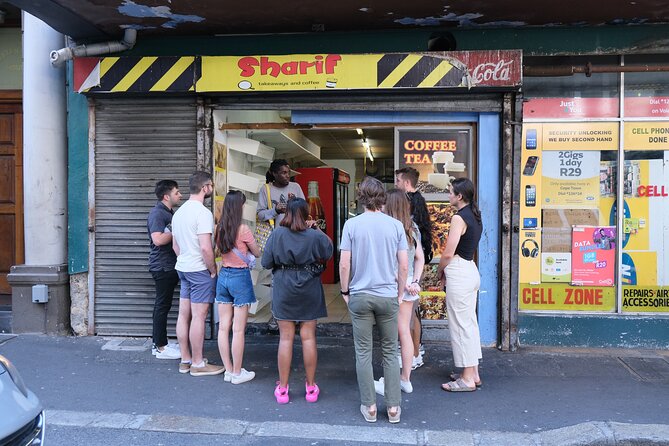
Cape Town’s African Food and Storytelling Tour uses food as a doorway into the city’s people, public spaces, and past. You move from Church Square to Greenmarket Square, eating Somali, Cape Malay, and West African dishes while meeting the small-business owners who keep these food traditions going.
I like the small group limit of 10, which gives the guide room to answer questions and adjust the pace. I also like the mix of two warm shared meals, a snack tasting, and drinks, enough food to replace dinner for some people.
The main consideration is that this is a walking tour with a serious history and social angle. If you want nonstop restaurant tastings or a polished culinary show, this may feel more conversational and urban than expected.
Key points to know before you book
- Eight city-centre stops: Squares, markets, a mission, an old post office, and African-owned food businesses shape the route.
- Three main food experiences: Expect a Somali meal, Cape Malay or Creole snacks, and a West African meal from Mali, with warm and cold drinks.
- Guides bring different strengths: Dennis, Tawanda, Sifiso, and Fez are named in guest feedback, but your guide may vary.
- The food is only part of the story: The tour discusses public space, informal trade, entrepreneurship, and gentrification.
- Plan for a proper lunch or early dinner afterward only if needed: The portions and number of stops can be generous.
- Meet carefully at Church Square: This is the square in Cape Town’s city centre, not Church Square in Woodstock.
Why this Cape Town food tour feels different
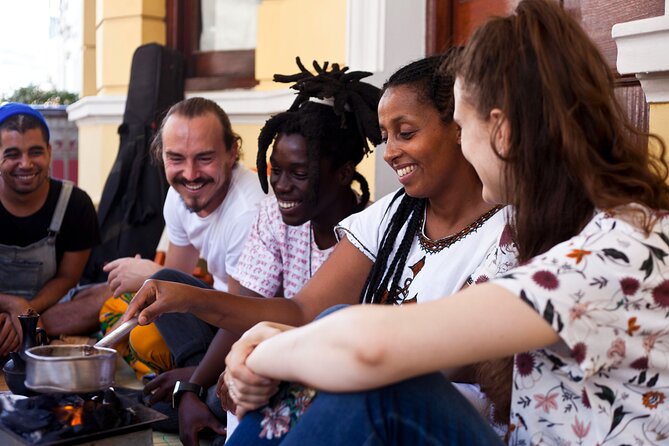
Many food tours keep you seated while a guide explains what is on the plate. This one keeps you moving through the city. You eat in small food businesses, look at public squares, pass market stalls, and hear how migration and changing city life shape what people cook and sell.
That approach makes sense in Cape Town’s inner core, where a short walk can take you from a historic civic space to a modest takeaway, book stall, fabric shop, or informal trading area. The food gives the tour warmth and focus, while the walking connects each dish to a particular place.
The price is $92.02 per person. That is not a budget snack crawl, but it covers several tastings, two shared warm meals, drinks, a guide, and roughly two to three hours of focused time. You are also paying for access to small businesses and food stops you might not feel comfortable finding on your own.
I would compare it with the cost of arranging several meals independently. The tour is good value if you care about the stories behind the food and want a guide to explain the city as you go. It is less compelling if your only goal is to eat as many separate dishes as possible.
Other eating and drinking in Cape Town:
- Cape Town: Full-Day Winelands Tour with Wine Tastings & Food
★ 4.9 · 1,288 reviews - The Cape Town Essentials Food Tour
★ 5.0 · 385 reviews - From Cape Town: Winelands Full Day Tour and Wine Tasting
★ 4.5 · 364 reviews
Starting at Church Square
The tour begins at the statue of Jan Hendrik Hofmeyr on Church Square, across from McDonald’s where Parliament and Spin Street meet. Check this location closely before setting out. The reminder about the Woodstock square is important, since arriving at the wrong Church Square would create a poor start.
This is a useful opening place because the tour immediately asks you to think about public space. Church Square is South Africa’s second-oldest public square, and the guide uses it to introduce the wider theme: who uses the city centre, who earns a living there, and how older spaces change over time.
Allow about 15 minutes here. It is not a food stop, so do not arrive expecting the first snack. Instead, use the introduction to ask questions about the route, the meals, and the city issues the guide plans to cover.
Somali food and the first warm meal
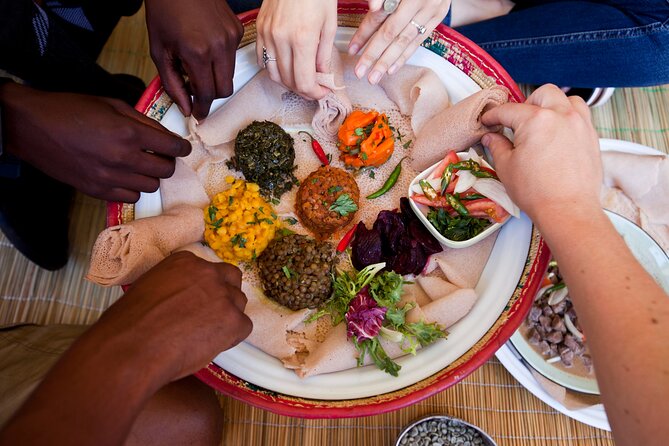
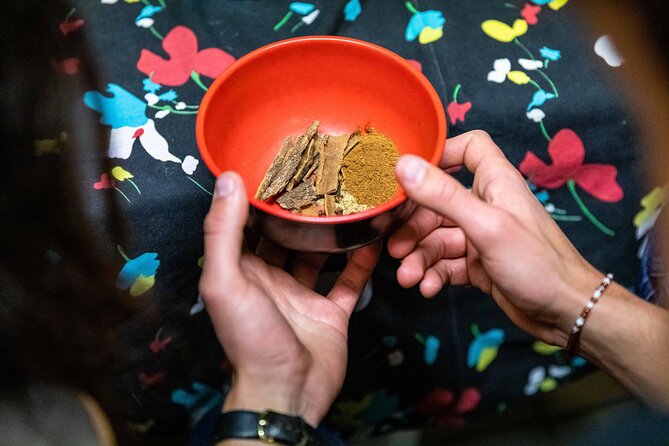
The first shared meal introduces Somali food culture. You taste signature East African dishes with spiced tea, while the guide explains the flavors and traditions behind them.
This is one of the strongest reasons to choose the tour. Somali food is not always easy to identify from a standard Cape Town restaurant search, and a guide can explain what you are eating rather than leaving you to guess from a menu. The shared format also makes the meal social. You are not simply handed a plate and sent on your way.
Plan on roughly 20 minutes, though the timing can change with group size and questions. That flexibility is useful if you want to talk with the guide, but it means the tour does not run like a strict tasting menu.
Come hungry. The tour continues with more food, and the first meal is not meant to be a tiny sample.
The Old Post Office, Cape Malay snacks, and used books
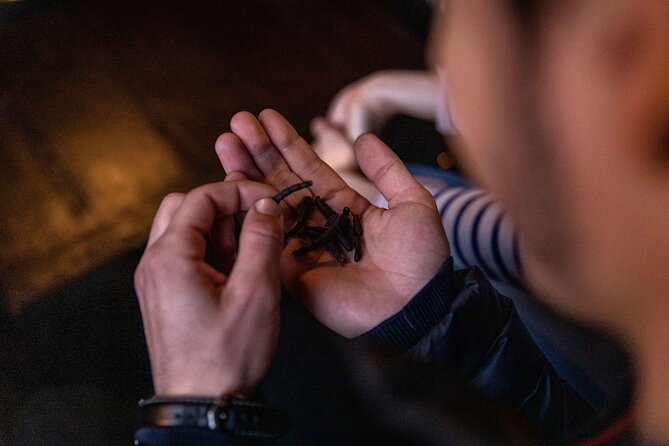
At the Golden Acre Shopping Centre, the route turns to the historic Old Post Office and Cape Malay or Creole snacks. You also meet small vendors and pass through a second-hand book area.
This stop gives the experience a welcome change of pace. Cape Malay food is a major part of Cape Town’s culinary identity, and a small snack can show you a different side of that tradition than a full restaurant meal. The Old Post Office also adds a look at how public buildings and commercial spaces are reused.
The book browsing is a pleasant extra rather than the main event. If you enjoy used books, you may find something worth carrying home. If you are focused only on food, this 20-minute stop may feel less essential, but it helps explain the tour’s interest in small businesses and city life.
The snack is part of the three main food experiences, so keep room for the second warm meal later.
Other food worth going out of your way for in Cape Town:
- The 10 Tastings of Cape Town With Locals: Private Food Walking Tour
★ 4.5 · 169 reviews - Cape Town: Essential Food and Drink Tour
★ 4.9 · 56 reviews - Taste of Cape Town – food and city tour
★ 5.0 · 46 reviews - Cape Town: Culinary Walking Tour with Food Tastings
★ 5.0 · 32 reviews
Grand Parade and Mandela’s balcony
Grand Parade is described as South Africa’s oldest public square. Here the tour pauses near City Hall and the balcony where Nelson Mandela gave his first public address after his release from prison.
The stop connects a nationally important political moment with everyday city life. The guide also talks about informal food vendors who trade around the square, bringing the discussion back from major events to ordinary work and daily survival.
This is a good example of the tour’s balance. You get a clear historical point, but the focus does not remain only on famous people or monuments. You also hear about the vendors who use public space as a workplace.
Expect about 15 minutes. Since much of the route is outdoors, weather matters. The tour requires good weather, and poor conditions can lead to a new date or a full refund.
Adderley Street and the flower market
The walk along Adderley Street includes one of Southern Africa’s oldest open-air flower markets. You meet vendors and see a part of Cape Town’s trading life that can be easy to miss if you stay on the main sightseeing circuit.
This is a short 15-minute stop, so think of it as a look and a conversation rather than a long market visit. You may enjoy it most if you like everyday commerce, local routines, and places where residents shop and work.
It also gives your appetite a break before the next food section. The tour is not one long sequence of plates. Its rhythm is food, walking, public space, food, and conversation.
Greenmarket Square and Cape Town’s West African community
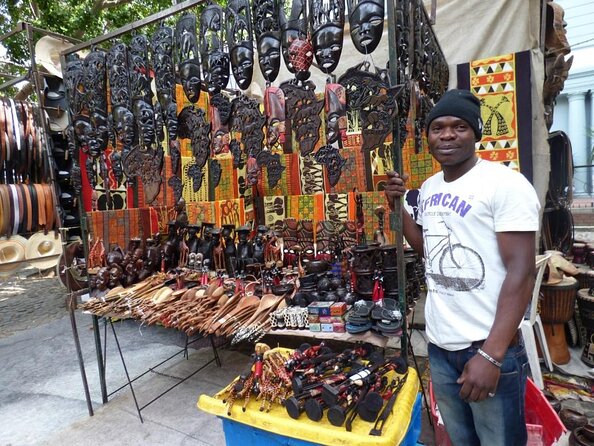
Greenmarket Square is the finishing point and one of the route’s key places. It is Cape Town’s third-oldest public square and a centre for informal African traders and entrepreneurs.
Here you can browse souvenirs if you wish. The route may also pass a Senegalese tailor known for African textiles, which adds a visual and commercial side to the food story. Fabrics, books, spices, and food all appear as examples of how African-owned businesses shape the city centre.
You should not feel required to buy anything. The value is in seeing the businesses and hearing how the guide places them within Cape Town’s wider West African community.
The tour later returns to this area for its end, so Greenmarket Square is more than a quick landmark. It gives the route a natural finish in a place where food, trade, and migration meet.
The West African meal from Mali
The second warm meal introduces West African cuisine from Mali. The group eats together and discusses how food can bring people from different communities into the same room.
This is the heart of the tour for many people who want a meal they would not easily find on their own. The guide helps you connect ingredients and preparation with culture, rather than treating the food as an exotic display.
Allow about 30 minutes here, making it the longest listed food stop. That extra time matters because the shared meal is intended to be a real pause, not a sample taken while standing.
The meals are arranged with local restaurants and small food businesses. That gives the tour a direct connection to working entrepreneurs, though it also means the setting may be simple. Do not expect a formal dining room or a carefully staged restaurant presentation.
Methodist Mission, tea, coffee, and a final treat
The Methodist Mission provides a quieter final stop. People from different parts of the community gather there, and the guide discusses its connection with activism and social justice.
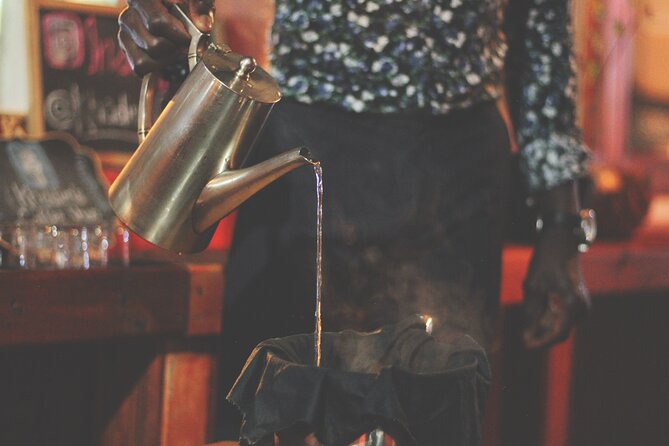
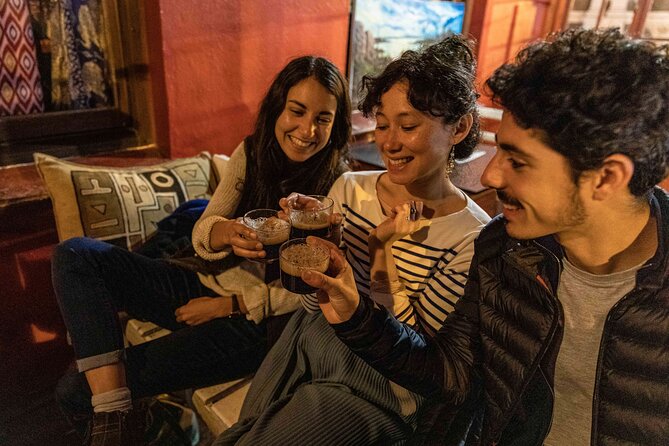
You pause for tea or coffee and a treat while reflecting on the places and stories from the route. This final break is useful after several food tastings and a good amount of walking. It gives the tour a moment to gather its themes instead of ending immediately after the last meal.
The tour finishes on foot at Greenmarket Square. From there, you can walk on or arrange your own transport. An Uber is recommended because parking in the city centre is limited.
How much food do you actually get?
The tour includes three main food experiences:
- A warm Somali meal with spiced tea
- Cape Malay or Creole snacks with warm and cold beverages
- A warm West African meal from Mali
There is also a treat with tea or coffee at the Methodist Mission. Portions can be generous enough that you may want to cancel a later dinner reservation, especially if you normally eat a light lunch.
I would schedule this tour early in your Cape Town stay. That way, you can return to the food businesses you liked, revisit Greenmarket Square, or use the guide’s suggestions for later meals.
Food allergies and dietary restrictions are not detailed in the information provided, so ask about them before booking. Do not assume every stop can change a dish at short notice.
The guide makes a real difference
The guide is central to the experience. Names connected with the tour include Dennis, Tawanda, Sifiso, and Fez, though the person leading your departure may be different.
Dennis is praised for combining food traditions with Cape Town’s history and for asking questions that draw the group into the discussion. Tawanda is described as bringing strong knowledge of architecture and South African history. Sifiso is praised for keeping the stories and information clear, while Fez is associated with a friendly, local introduction to places most people would not find alone.
The important point is that the guide does more than point out restaurants. You can expect discussion of architecture, public spaces, migration, entrepreneurship, and gentrification. The tone appears friendly and conversational, but you should be ready to take part rather than simply follow a script.
Because the group is capped at 10, you have a better chance to ask about a dish, a building, or a business along the way.
Walking, timing, and who will enjoy it
The activity lasts about two to three hours. You will walk between stops in Cape Town’s city centre, with standing and short pauses throughout. A moderate level of physical fitness is recommended.
The route suits you if you enjoy:
- Small food businesses rather than formal restaurants
- Stories about migration and local enterprise
- Public squares, markets, and older buildings
- Trying food from Somali, Cape Malay, and West African traditions
- Asking questions and talking with a guide
It may not suit you if you want a seated meal, a fixed restaurant menu, or a fast list of famous sights. The experience includes social and political context, including the effects of gentrification. That gives the tour substance, but it can feel more serious than a purely cheerful tasting walk.
Near public transport, the meeting point is easy to reach once you confirm the exact Church Square. Since the end point differs from the start, plan your onward transport from Greenmarket Square rather than leaving a car at the beginning.
Cancellation and booking details worth noting
Confirmation is provided when you book, and the activity can be booked with a mobile ticket. It is usually reserved about 41 days ahead, which suggests you should not leave it until the final day of a short Cape Town visit.
You can cancel for a full refund up to 24 hours before the start time. Cancellations or changes within 24 hours are not refunded or accepted. The tour can also be changed or refunded if bad weather affects the route or if the minimum group size is not met.
Should you book the African Food and Storytelling Tour?
Book it if you want food tied to place, history, and local business. The Somali and Malian meals are the main draw, while the Cape Malay snack, flower market, public squares, books, textiles, and Methodist Mission give the walk its wider purpose.
I would especially recommend it early in your stay, when the food suggestions and city-centre orientation can help shape the rest of your visit. At $92.02, it asks more than a simple lunch, but it covers a substantial amount of food and several hours with a guide.
Skip it if you want a polished, restaurant-based tasting with exact menus and little discussion. Choose it if you want to eat well, walk through Cape Town’s inner core, and leave with a clearer sense of how African communities and small businesses shape the city.
FAQ
Where does the African Food and Storytelling Tour begin?
It begins at Church Square in Cape Town’s city centre, at the statue of Jan Hendrik Hofmeyr. The meeting point is across from McDonald’s where Parliament and Spin Street meet. Do not go to Church Square in Woodstock.
Where does the tour end?
The walking tour ends at Greenmarket Square in Cape Town’s city centre. You can walk onward or arrange your own transport. An Uber is recommended because parking in the city centre is limited.
How long does the tour last?
The experience lasts approximately two to three hours.
How many people can join the tour?
The maximum group size is 10 people.
What food is included?
The tour includes two shared warm meals, one Somali and one West African meal from Mali, plus a Cape Malay or Creole snack tasting. Warm and cold beverages are included, along with tea or coffee and a treat at the Methodist Mission.
Is this only a food tour?
No. Food is central, but the tour also covers public spaces, history, small businesses, entrepreneurship, informal trade, and the effects of gentrification on city life.
What level of fitness is needed?
A moderate level of physical fitness is recommended because this is a walking tour through Cape Town’s city centre.
Can I cancel for a refund?
You can receive a full refund if you cancel at least 24 hours before the experience starts. Cancellations or changes within 24 hours are not accepted and are not refunded. If bad weather or insufficient numbers cancel the tour, you are offered another date or a full refund.
Just added in Cape Town
- Wine Tasting in Cape’s Top Three Winelands Private Tour★ 4.5 · 17 reviews
- Private Tour to Aquila Game Reserve in Cape Town – see the Big5★ 5.0 · 5 reviews
- Full Day Big 5 Aquila Safari Private Transfers Including Park Fee From Cape Town★ 4.5 · 54 reviews
- Robben Island and Table Mountain Cableway with Bo-Kaap Day Tour★ 5.0 · 8 reviews
- Private Tour:Cape of Good Hop>Seal island>Chapman’speak &Penguins★ 5.0 · 7 reviews
- Private Full Day Cape Town City Scenic and Table Mountain Tour.★ 5.0 · 3 reviews
- Private Half DayTour:Cape Winelands, Stellenbosch from Cape Town★ 5.0 · 18 reviews
- Private Tour: Cape Winelands to Stellenbosch & Franschhoek★ 5.0 · 3 reviews
City Tours, compared.

Johannesburg Hop-On Hop-Off City Tour with Soweto Option
Read our review →
Jo’berg in 1 Day: Soweto, Apartheid Museum & City Tour
Read our review →
Cape Town City Pass: Save Over 50% on 80+ Top Attractions
Read our review →
Hop-On Hop-Off Bus, City Tour and Apartheid Museum
Read our review →

From Sun City: Pilanesberg National Park 3-Hour Game Drive
Read our review →
Browse the lists this tour appears in