
Reviewed · BO-KAAP TOURS
Bo-kaap and City tour
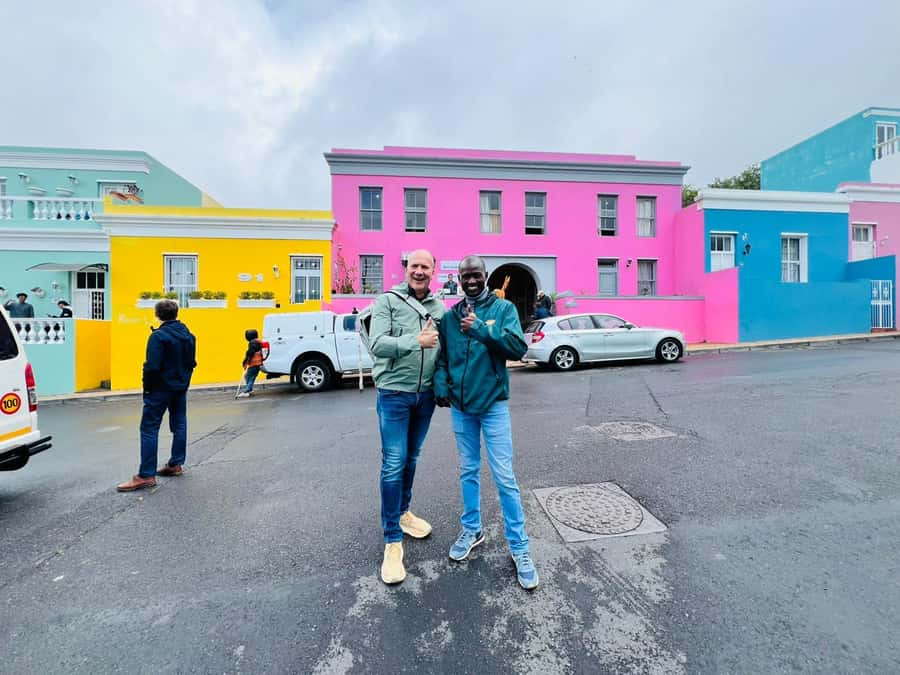
Cape Town’s Bo-Kaap is more than a row of brightly painted homes. It is a place where Cape Malay culture, faith, food, architecture, and the city’s difficult past meet on steep streets under Table Mountain. This walk connects Bo-Kaap with central Cape Town, so you get more than a quick photo stop.
I like two things here: Arnold’s lively storytelling, and the useful mix of city history and neighborhood life. He has shared stories about Indigenous people, local heroes, architecture, street art, and Cape Town’s past and present. The small koeksister tasting is another fine touch. The main consideration is that this is a walking tour in Cape Town’s famously changeable weather, so bring water and clothing for wind or rain.
Key points
- Bo-Kaap’s painted streets: See the neighborhood’s famous colorful homes and learn about its Cape Malay identity.
- Arnold’s personal guiding style: Expect a friendly, energetic walk with time for questions and local stories.
- A two-part city experience: The route gives roughly equal attention to Bo-Kaap and central Cape Town.
- Traditional koeksister tasting: A small taste of Cape Malay cuisine adds flavor to the history.
- Greenmarket Square start: Meet at Cafe Santé beside a market known for souvenirs, paintings, and leather goods.
- Flexible booking: You can cancel up to 24 hours before the tour for a full refund and reserve without paying at once.
Why this Cape Town walk works so well
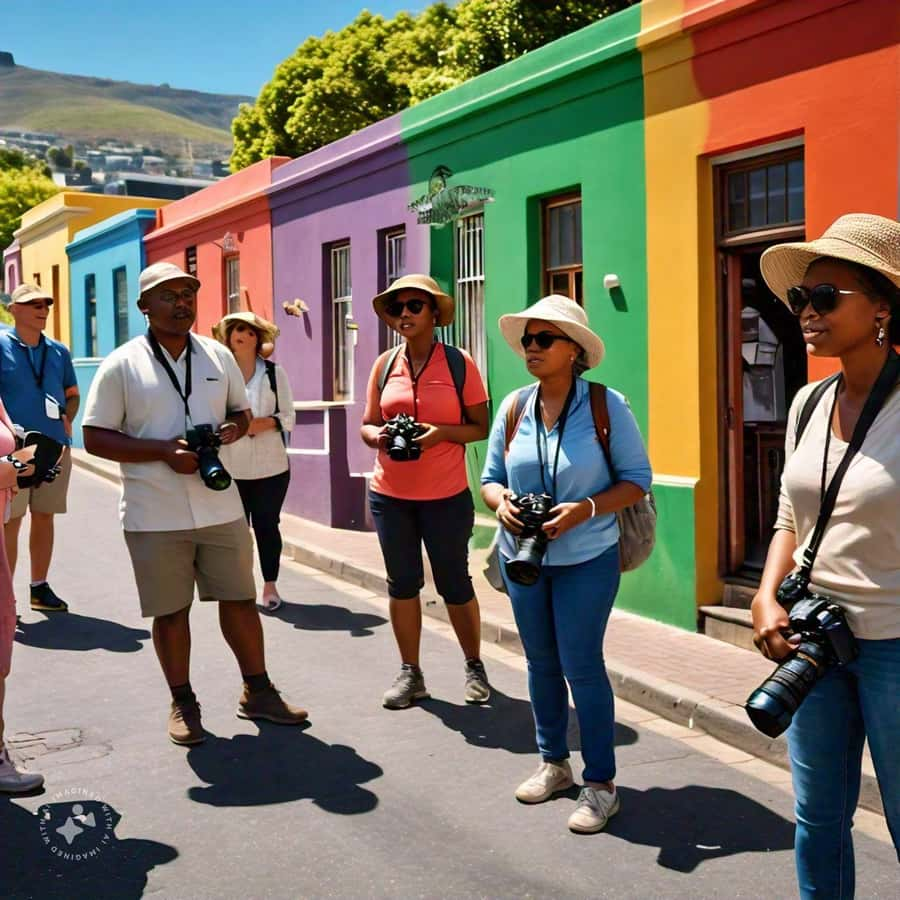
Bo-Kaap is often treated as a colorful backdrop for photographs. That misses the point. The painted facades are tied to a living community and a Cape Malay cultural tradition that helped shape Cape Town. A guide gives those streets meaning, helping you see people and memory rather than just bright walls.
This tour also avoids making Bo-Kaap your entire Cape Town story. The route includes central city sights, public squares, architecture, notable figures, and stories about the people who shaped the city. That balance makes the experience useful early in a stay, when you are still learning how Cape Town fits together.
The tour lasts 150 minutes, or two and a half hours. That is long enough for a proper walk and a good introduction, but short enough to fit around other plans. You return to Cafe Santé, so you do not need to arrange a pickup at a distant location.
The guide is Arnold, an English-speaking local guide who brings a personal, cheerful tone to the walk. His approach is story-led rather than formal. He explains the past, answers questions, takes photographs when asked, and connects older events with Cape Town today.
Other neighbourhood walks in Cape Town:
- Cape Town: Malay Cooking Class and Lunch in Bo-Kaap
★ 4.8 · 515 reviews - Cape Town Walking Tour: Bo-Kaap & City Highlights
★ 4.8 · 161 reviews - Bo-Kaap: Walk with a local
★ 5.0 · 131 reviews
Starting at Greenmarket Square and Cafe Santé
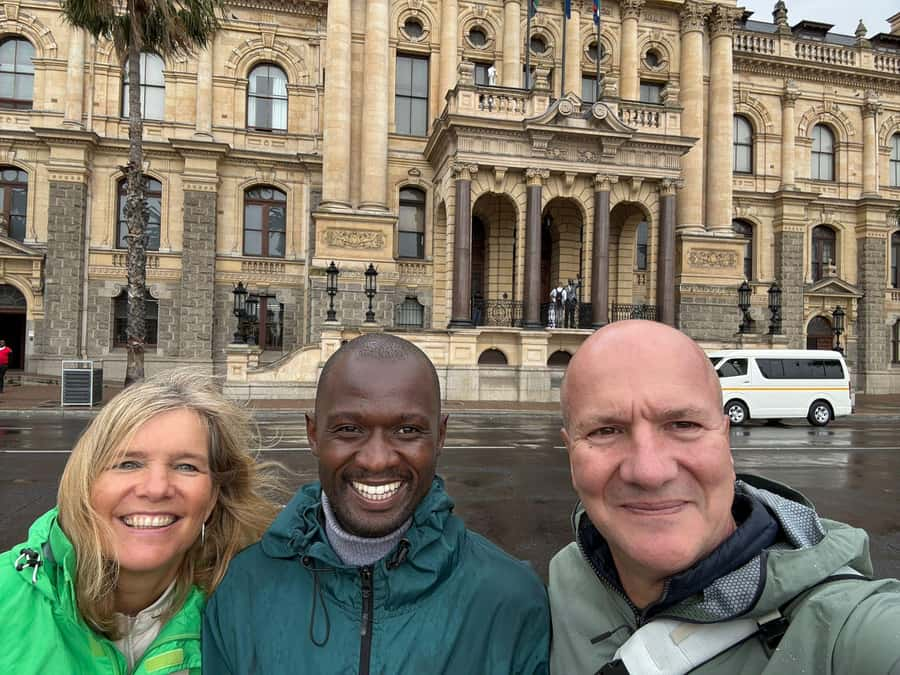
The meeting point is Cafe Santé at Greenmarket Square in central Cape Town. This is a practical starting place because the square is already part of the city experience. You may find stalls selling souvenirs, paintings, and leather goods, so allow a little time before or after the walk if browsing appeals to you.
The tour begins with a short safety briefing. It is listed as taking no time in the schedule, which simply means it is a quick orientation rather than a separate activity. Listen closely at the start, especially if you are unfamiliar with the streets or if the weather is windy.
From here, the walk moves into Cape Town’s central area before continuing to Bo-Kaap. The route is on foot, and the order gives you a useful transition from the broader city to the more focused neighborhood story.
Cafe Santé also makes the meeting point easy to recognize. Still, check your exact starting time before setting out, and arrive with comfortable shoes. The tour is not a vehicle ride, and two and a half hours on city streets can feel much longer in poor footwear.
The city portion: squares, stories, and Cape Town’s past
The central Cape Town section gives you a wider frame for Bo-Kaap. Arnold covers history from Indigenous communities through later periods and into the present day. He also talks about people who helped shape Cape Town and the wider world.
This is where the tour can be especially useful if you are new to the city. Instead of seeing buildings and squares as isolated sights, you get explanations of how they connect to Cape Town’s civic life, architecture, food, and public memory.
The walk also includes stories of heroes and legends. Those stories add a human scale to the city. Dates and names matter, but a good story helps you remember why a person or place matters. Arnold’s style, based on the information available, favors a lively exchange rather than a long lecture.
You should expect the city section to include stops for explanation rather than formal entry into a museum or monument. The walking tour itself is the included activity. If you want extensive indoor sightseeing, tickets to major attractions, or a full architectural survey, this will feel like an introduction rather than a complete city tour.
That is not a weakness if you use it well. I would treat this walk as a way to learn what deserves a closer look later. It helps you decide where to return and gives context to the streets you pass during the rest of your stay.
Bo-Kaap’s painted houses and Cape Malay culture

Bo-Kaap is the emotional center of the experience. The neighborhood is known for its painted homes, but the strongest part of the visit is hearing how place, culture, and family life connect.
Arnold explains the area as a national heritage site and discusses the friendly, diverse community that calls it home. The tour also explores the meeting of Eastern aromas and Western influences, a useful way to understand why Cape Malay food and traditions are such an important part of Cape Town’s identity.
You will have time to look closely at the streets and architecture. The colorful exteriors are naturally photogenic, but try not to rush from one picture to the next. Listen for the details about the people, faith, food, and history behind the buildings. That is what separates a guided walk from a quick visit on your own.
The pace is intended to be fun and accessible to different ages. Families can keep children interested with the bright houses, stories, and short stops, while solo visitors and groups get a chance to ask questions directly. Arnold’s friendly manner is particularly useful here because Bo-Kaap is best understood through conversation, not just sightseeing.
The neighborhood section is scheduled for about one hour. That gives you enough time to see the main streets and hear a solid introduction, but it does not promise a lengthy study of every corner. If you want a very detailed cultural tour or extended time for photography, you may wish for more time.
A few more things to do in Cape Town worth a look
- Cape Town Hop-On Hop-Off City Tour with Optional Cruise
★ 4.5 · 1,793 reviews - Cape Town: 12-Minute City Scenic Helicopter Tour
★ 4.8 · 853 reviews - Cape Town City Pass: Save Over 50% on 80+ Top Attractions
★ 4.5 · 348 reviews - Cape Town City Center Tour with Champagne
★ 5.0 · 221 reviews
The koeksister moment
One of the most appealing details is the taste of a traditional koeksister. This Cape Malay doughnut offers a small but memorable link between the stories and the food of Bo-Kaap.
Food tastes better when you know why it matters. Here, the treat is not presented as a full meal or cooking class. It is a simple tasting during the walk, but it gives you a direct connection to Cape Malay culinary culture.
The exact food experience should not be oversold. A koeksister is a bonus, not the main purpose of the tour, and the included activity is the walking tour. Still, I value details like this because they help turn a general history walk into something more personal and memorable.
If food is a major reason for your Cape Town plans, use this as an introduction and look for a separate meal or food-focused experience afterward. The walk gives you context, not a full tasting menu.
A guide who keeps the walk moving
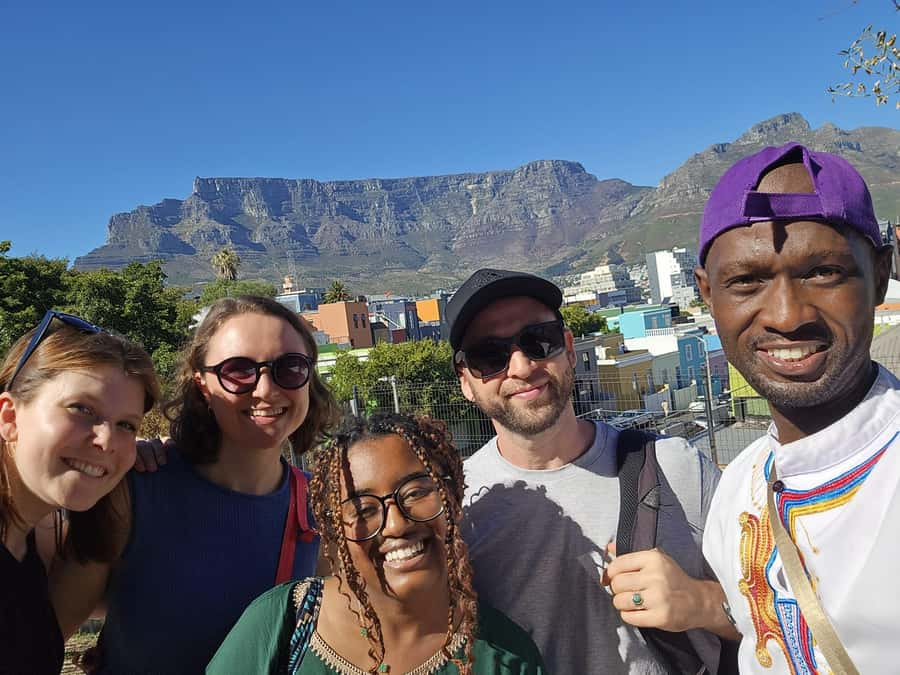
The strongest praise for this experience centers on Arnold. His style is described as energetic, patient, kind, engaging, and passionate about Cape Town. That combination matters on a walking tour because even good facts lose their force if the guide speaks without connecting with the group.
Arnold also appears attentive to individual needs. On one occasion, he waited for a participant who arrived about 30 minutes late after staying in communication. At the end of another walk, he remained with the group while they waited for an Uber so they felt safe. Those details suggest a guide who takes responsibility for the whole experience, not just the planned commentary.
He has also taken photographs for people and followed up on a question by researching the answer afterward. You should not expect every question to receive an instant answer, but you can reasonably expect an open and involved guide.
The tone seems best suited to people who enjoy conversation, humor, and stories. If you prefer a silent walk with only brief facts, Arnold’s lively approach may feel more animated than you want. For most people looking for a human introduction to the city, that energy is a plus.
Weather, walking, and what to bring
Cape Town weather can change quickly, and the city is known for strong wind. The tour information specifically advises you to be ready for all weather conditions. That is practical advice, not a footnote.
Bring a water bottle. Wear comfortable walking shoes. Carry a light layer that can handle wind, and have rain protection available if the forecast looks uncertain. One participant continued enjoying the tour when rain arrived near the end, but rain can still affect comfort and photographs.
The walk is 150 minutes, with no transport included. The route returns to Cafe Santé, so plan your next activity from Greenmarket Square rather than assuming you will finish near another attraction.
The information does not give a maximum group size, step-free route, or accessibility details. If those points matter to you, ask the provider before booking. The tour is described as suitable for families, solo visitors, and groups, but that does not answer every mobility question.
Is $46 good value?
At $46 per person, this is not the cheapest way to see colorful Bo-Kaap streets. You can walk through a neighborhood on your own for free. The price makes more sense if you want an English-speaking guide, historical context, local stories, a planned route through both Bo-Kaap and central Cape Town, and the added koeksister tasting.
The tour also saves you the work of researching what you are looking at. That matters in a city where a short distance can connect several layers of history and culture. Two and a half hours is a useful amount of time for an introduction, especially at the beginning of a Cape Town visit.
I would consider the price fair for a personal walking experience with Arnold, particularly if you value questions and conversation. It is less compelling if you only want photographs of the houses or if you expect entrance tickets, a meal, private transport, or a full-day city tour.
The excellent 4.9 rating from 59 reviews supports the idea that the guide is the main value. The consistent praise focuses on Arnold’s warmth, clear explanations, flexibility, and ability to make the walk enjoyable. Those are the qualities you are paying for here.
Who should book this tour?
I would recommend it to first-time visitors who want a clear introduction to Cape Town without committing to a full day. It also suits families because the colorful streets and stories give children something to look at while adults learn about the city.
Solo visitors may appreciate the friendly contact and the chance to ask questions. Small groups can use the walk to get their bearings and decide which parts of Cape Town deserve more time.
This is also a good choice if you care about culture rather than a checklist of famous sights. Bo-Kaap’s identity, Cape Malay food, architecture, street art, and local stories receive real attention.
You may want something else if you need a vehicle tour, extensive museum access, a food tour, or a highly specialized academic history lecture. The route is a lively introduction, not an all-day study of Cape Town.
Booking details worth knowing
The tour is conducted in English and includes the walking tour. You can cancel up to 24 hours ahead for a full refund, and the reserve-now, pay-later option gives you some flexibility while plans are still shifting.
The starting point is Cafe Santé at Greenmarket Square, Cape Town, 8001. The walk returns there after the city and Bo-Kaap sections.
Check available start times when booking. Since the route is outdoors, I would also check the forecast on the day and plan your clothing around wind, sun, or rain.
Should you book the Bo-Kaap and City Tour?
Book it if you want to understand why Bo-Kaap matters, not simply photograph its painted houses. Arnold’s warm, energetic style is the central reason to choose this walk, and the combination of neighborhood culture with central Cape Town history gives you more value than a short Bo-Kaap photo stop.
Skip it if you want a private vehicle, a long food itinerary, or a tour built around indoor attractions. For a reasonably priced, two-and-a-half-hour introduction with a strong local guide, a koeksister taste, and plenty of useful context, I think this is a smart first-day choice in Cape Town.
FAQ
Where does the Bo-Kaap and City Tour start?
The tour starts at Cafe Santé in Greenmarket Square, Cape Town, 8001.
Where does the tour finish?
The walk returns to Cafe Santé at Greenmarket Square.
How long does the tour last?
The full experience lasts 150 minutes, or two and a half hours.
What language is the tour conducted in?
The live tour guide conducts the experience in English.
Who is the guide?
The guide is Arnold, a local guide who leads the walking tour through Bo-Kaap and central Cape Town.
What places are included?
The route includes central Cape Town and Bo-Kaap. It also covers city squares, architecture, local stories, and the Cape Town garden mentioned in the tour information.
Is food included?
A traditional koeksister tasting may be included during the Bo-Kaap portion. The activity itself is a walking tour, not a full meal or food tour.
What should I bring?
Bring a water bottle and prepare for changing weather, including wind and rain. Comfortable walking shoes are also a sensible choice for the 150-minute outdoor route.
Can I cancel the tour?
You can cancel up to 24 hours in advance for a full refund. A reserve-now, pay-later option is also available.
Just added in Cape Town
- Wine Tasting in Cape’s Top Three Winelands Private Tour★ 4.5 · 17 reviews
- Private Tour to Aquila Game Reserve in Cape Town – see the Big5★ 5.0 · 5 reviews
- Private Tour:Cape of Good Hop>Seal island>Chapman’speak &Penguins★ 5.0 · 7 reviews
- Full Day Big 5 Aquila Safari Private Transfers Including Park Fee From Cape Town★ 4.5 · 54 reviews
- Robben Island and Table Mountain Cableway with Bo-Kaap Day Tour★ 5.0 · 8 reviews
- Private Full Day Cape Town City Scenic and Table Mountain Tour.★ 5.0 · 3 reviews
- Private Half DayTour:Cape Winelands, Stellenbosch from Cape Town★ 5.0 · 18 reviews
- Private Tour: Cape Winelands to Stellenbosch & Franschhoek★ 5.0 · 3 reviews
Bo-Kaap Tours, compared.


Cape Town Walking Tour: Bo-Kaap & City Highlights
Read our review →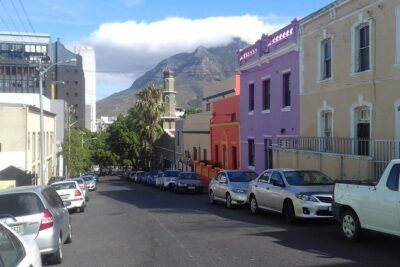



Cape Town Township Tour Including Langa Township and Bo-Kaap
Read our review →

Full-Day Kirstenbosch, Bo-Kaap, and Penguins Tour
Read our review →Browse the lists this tour appears in