
Reviewed · TOURS IN PLETTENBERG BAY
Plettenberg Bay: Private Guided Wildlife Photography Tour
The best part of this private Tenikwa tour is the chance to watch South Africa’s wild cats at close range without being hurried from one enclosure to the next. You may photograph a well-camouflaged leopard, cheetahs, caracals, servals, and a white lion, with a guide explaining what you are seeing and why these animals live at the center.
I like the private format, since you can wait for a better photograph instead of having someone walk through your frame. I also like the conservation focus, especially the chance to discuss animals that cannot be released and take part in a safe life-enrichment exercise. The main consideration is that Tenikwa is a working rehabilitation center, so the exact animals and viewing conditions can change.
Key points to know before you go
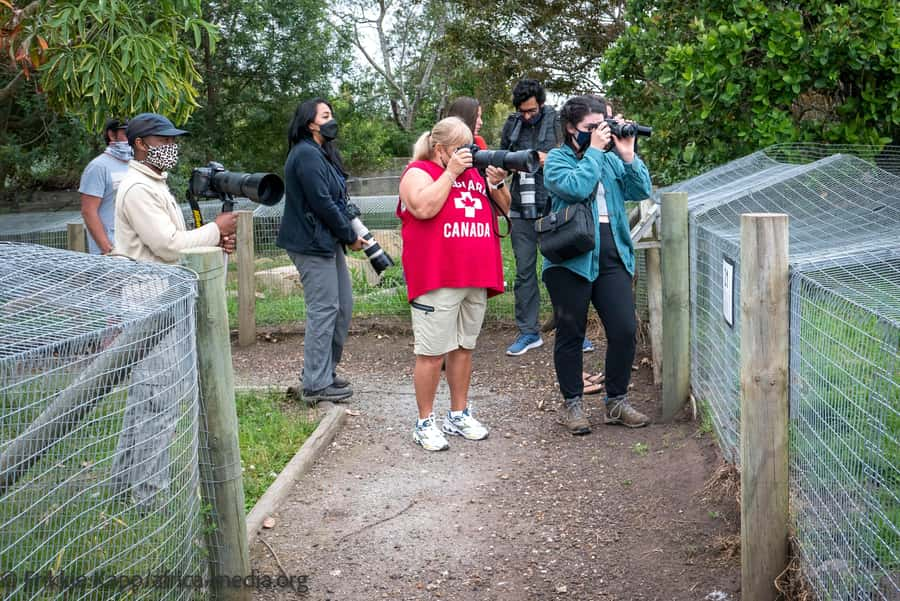
- Private photography time: You can pause for photographs and revisit one favorite section after the main tour.
- Several South African cat species: Expect opportunities to see cheetahs, leopards, caracals, servals, and a white lion.
- A real conservation setting: Some animals are confiscated or non-releasable, and the center’s daily work shapes what you see.
- Guides add the meaning: Davidson has been singled out for allowing generous photo time while explaining the facility and its animals.
- Easy, measured pace: The visit lasts about two hours, with a short break, local snacks, a photo stop, and time for the gift shop.
- Bring proper walking gear: Wear comfortable shoes and sun protection, and leave selfie sticks and valuables behind.
What Tenikwa offers that a safari cannot
Tenikwa Wildlife Rehabilitation & Awareness Center gives you a different kind of wildlife experience from a game drive. You are not scanning open bush for a fleeting animal. Instead, you visit a conservation center where certain animals receive permanent care because they cannot safely return to the wild.
That distinction matters. The animals are easier to observe and photograph than they would be in a reserve, but this is not a substitute for seeing predators living freely. The center’s work is educational and protective, and the animals in care may change over time.
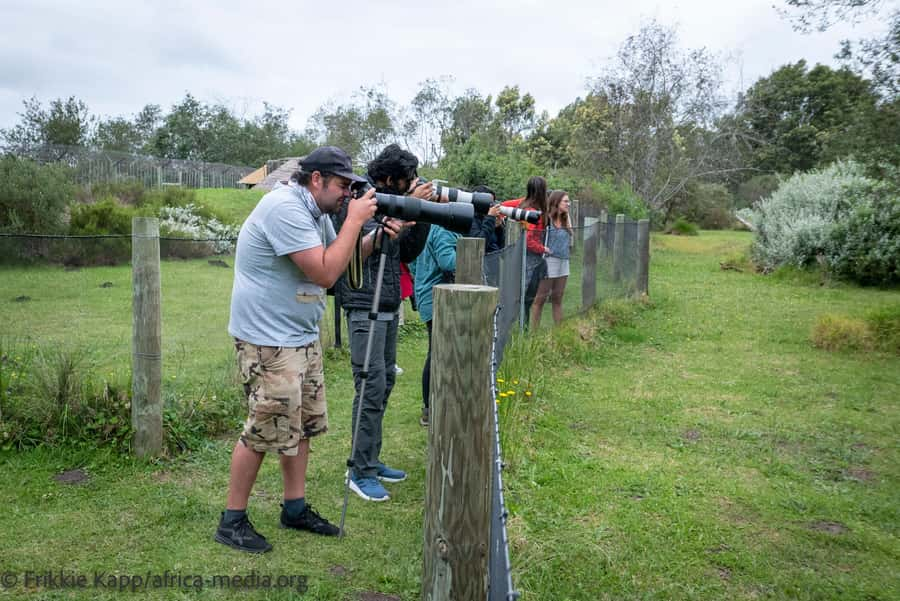
The private group format makes the visit especially useful for photographers. You are not competing with a large crowd for a clear view. If a leopard remains hidden or a cheetah turns away, you can wait and ask questions rather than rush onward.
The activity costs about $41 per person, including admission and a private guide. I consider that fair value if you care about photography, animal welfare, and personal explanation. You are paying for access to a smaller group experience, not transport from your hotel or a full meal.
Other animals to go and see near Plettenberg Bay:
- Guided Wildlife Tour and Forest Walk with Lunch Platter
★ 4.6 · 40 reviews - Plettenberg Bay: EcoKidz Family Wildlife Tour
★ 4.8 · 19 reviews - Cape Town: Marine Wildlife Tour from the V&A Waterfront
★ 4.6 · 1,118 reviews
Arriving at Tenikwa near Plettenberg Bay
You make your own way to Tenikwa. From the N2, follow the turnoff marked Tenikwa, Monkeyland, and Elephant Sanctuary. At Animal Alley, keep left toward Tenikwa, pass Kurland Village, then keep right at the fork and continue to the entrance.
Check in at Tenikwa Reception and arrive 15 minutes before your start time. Parking is available at reception. The center is wheelchair accessible, although you should still confirm that the planned route suits your specific needs when booking.
The visit begins with a short safety briefing of about five minutes. This is not just routine paperwork. You will be reminded not to touch or feed the animals, and you will learn the rules for cameras and movement near the enclosures.
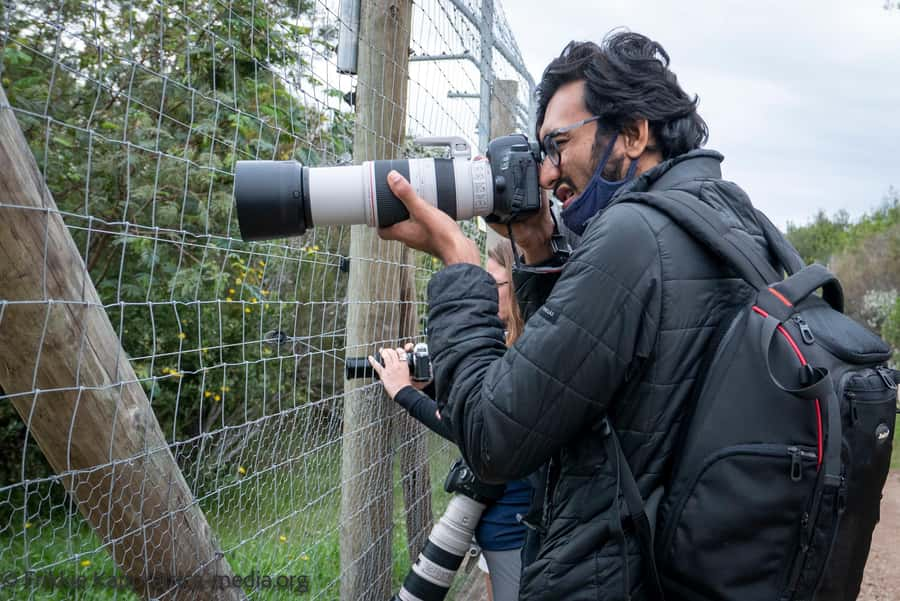
Lock valuables and backpacks in your vehicle. Cameras are welcome, but selfie sticks are not allowed, and you cannot pose with the animals. A sun hat, comfortable clothing, walking shoes, and sun protection lotion are sensible choices.
The introduction puts conservation first
Before entering the animal areas, your guide introduces Tenikwa and its conservation work through an educational video. This gives the rest of the visit some useful context.
You will learn that not every rescued animal can return to the wild. The center cares for animals with different backgrounds and needs, including confiscated meerkats and cats that are non-releasable. That helps explain why some enclosures are designed for safe long-term care rather than preparation for release.
The English-speaking guide leads the entire private visit. One guide, Davidson, has been specifically praised for explaining the facility clearly while allowing plenty of time for photographs. The strongest guides here do more than identify an animal. They connect its behavior and circumstances to the wider problems facing wild cats.
You can ask about conservation throughout the visit. That personal conversation is one of the better reasons to choose this tour instead of simply walking through the center without a guide.
Meerkats begin the animal walk
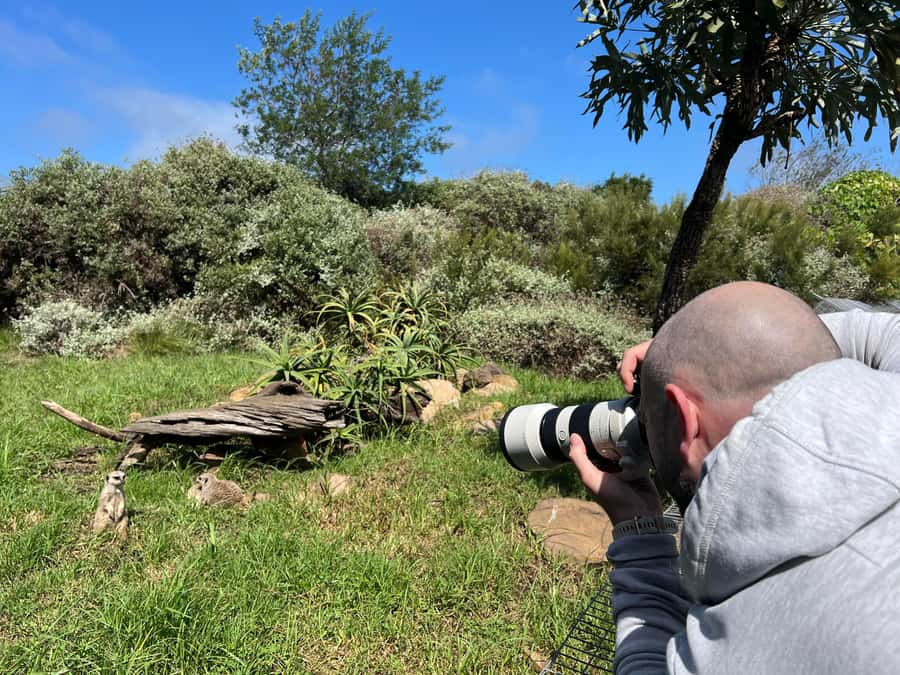
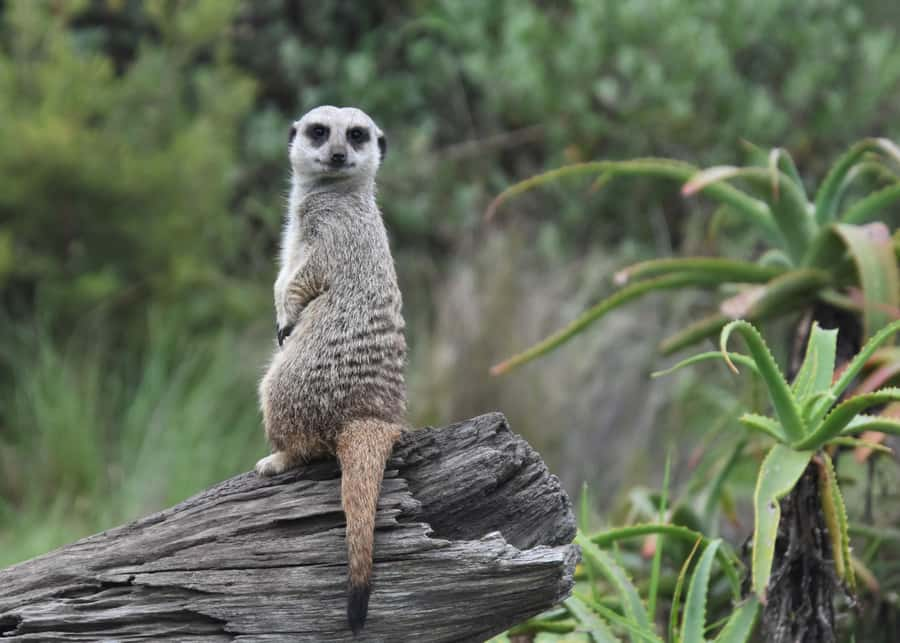
The Meerkat Meander is an early stop. The meerkats here have been confiscated and now have a permanent home at Tenikwa.
This is a good introduction because the animals are lively and easy to watch, but it also carries an important message. Seeing rescued meerkats in a protected setting reminds you that wild animals are not suitable household possessions and that confiscation can lead to lifelong care.
Use this first section to test your camera settings and get used to photographing through or beside enclosure barriers. Your guide can explain the animals and answer questions before you reach the larger cats.
The itinerary includes a short wildlife viewing and photo stop later in the visit as well. If your camera has a limited battery, memory card, or zoom range, prepare before arriving. The private setting gives you time, but it cannot repair poor preparation.
Other shoots and photo walks in Plettenberg Bay:
- Cape Town: Atlantis Dunes Quad Bike Tour and Photo Session
★ 4.5 · 322 reviews - Quad Bike Adventure @ Atlantis Dunes+Photo Session
★ 4.5 · 104 reviews - 1 Hour Cape Town Bo Kaap Photoshoot Experience
★ 5.0 · 61 reviews - Private Surf Lesson in Cape Town – Transport & Photos Included
★ 5.0 · 50 reviews
Searching for a leopard in the walkway
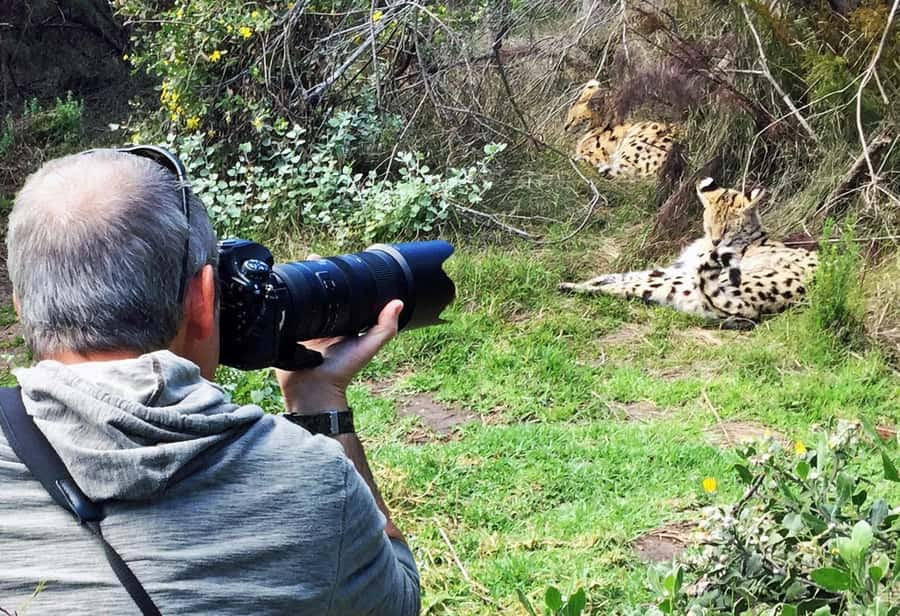
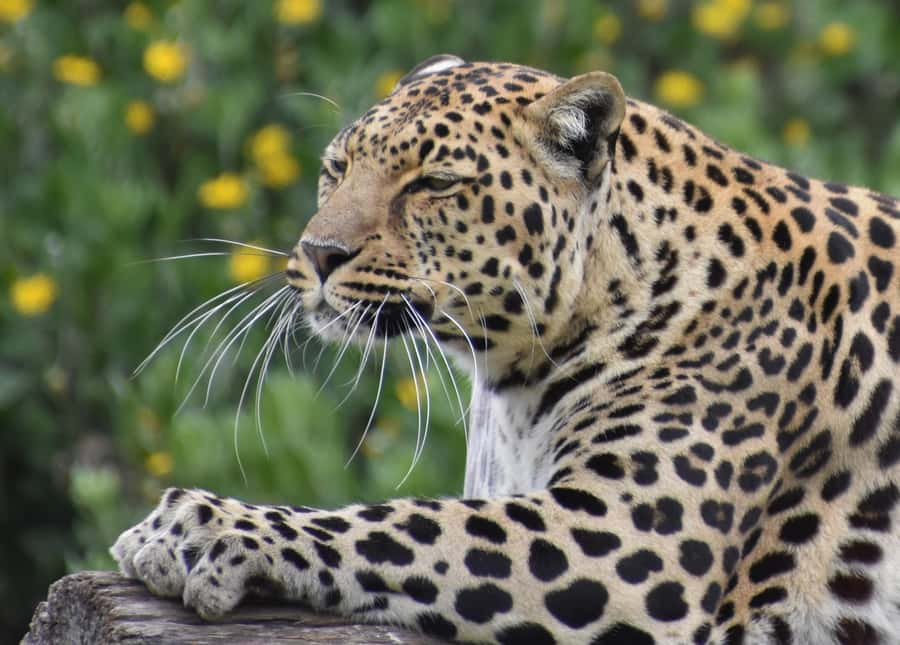
The leopard section asks you to slow down and look carefully. The animal is well camouflaged, so you may need help finding it.
That search is part of the appeal. A leopard can be difficult to spot even in a controlled setting, and the experience gives you a small taste of how carefully you must scan for wildlife in the bush. Once you find the cat, your guide can help you understand its behavior and give you time to take photographs.
For photographers, this is where the private tour has a practical advantage. You can wait for the leopard to shift position rather than accept one rushed image. You also do not have a line of people moving across the frame every few seconds.
Still, a private tour cannot guarantee a perfect portrait. The cat may remain partly hidden, and the lighting or angle may not suit every camera. I would treat the photograph as a bonus and the careful observation as the main reward.
Cheetahs and the pressure on wild populations
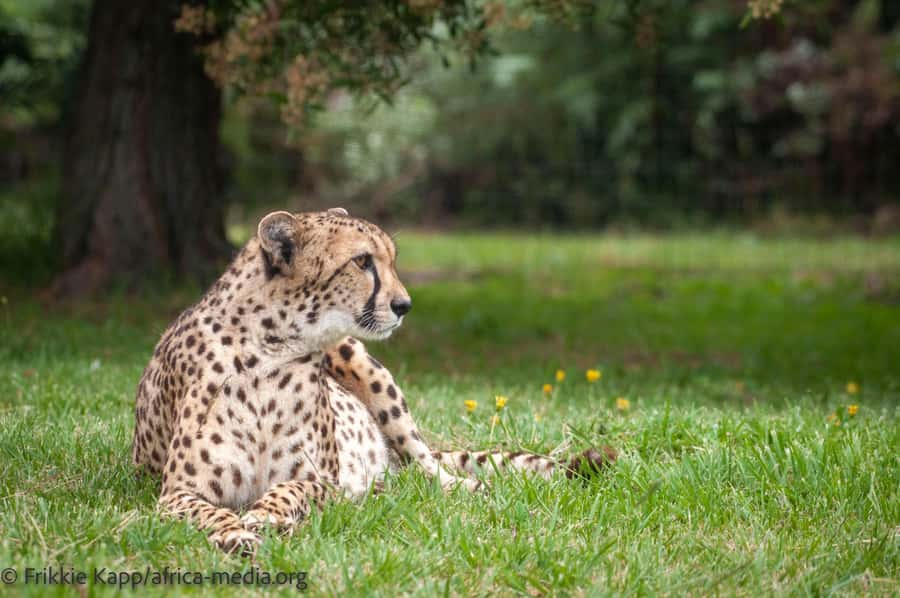
The cheetahs provide some of the clearest conservation discussion on the route. Your guide explains that their numbers are diminishing in the wild, giving the animal encounter a more serious edge.
You will have an opportunity to photograph these cats and learn how their situation differs from that of other species at the center. The guide can explain the role of the facility and the challenges faced by wild cats, while you watch the animals at a pace that leaves room for questions.
Cheetahs are often a favorite subject for photographers because of their distinctive shape and markings. A private group also lets you spend longer composing an image, provided the animals are positioned well.
You may be allowed inside some enclosures when it is safe. This does not mean you can touch the animals. There is no feeding or handling, and the guide controls the distance and conditions. The close proximity can produce strong photographs, but the rules are firm for good reason.
Caracals, servals, and the white lion
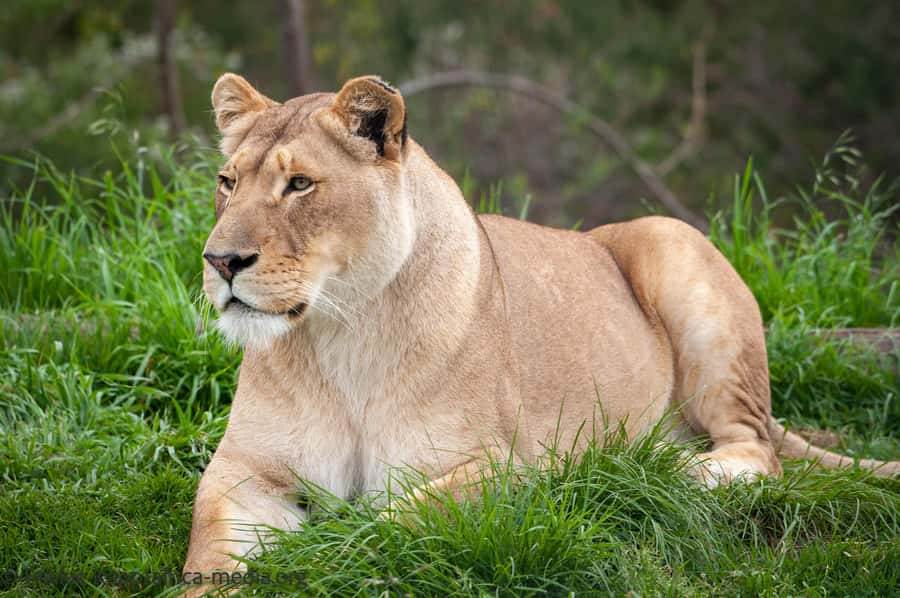
The tour also includes opportunities to see caracals and servals. These smaller wild cats are easy to overlook when people are focused on lions and leopards, so I appreciate that the guide gives them attention.
Your guide can discuss the differences between the species and point out details you might miss on your own. A caracal and a serval are not simply smaller versions of a lion. Their appearance, behavior, and place in the wild cat family make each encounter distinct.
The white lion is the most visually striking stop. You finish the main route with a walk high above the lion enclosure, giving you a different viewpoint from the earlier cat areas. The elevated lion walkway creates a strong setting for photographs and lets you observe the animal without crowding its space.
The center describes this lion as magnificent, but remember that the unusual coat is the visual feature, not a sign that the animal represents normal wild lion coloration. Your guide can help place the animal within the larger conservation story.
A life-enrichment activity with clear boundaries
One special part of the tour is the chance to take part in a life-enrichment exercise with the non-releasable animals. Enrichment gives animals safe mental or physical stimulation within their permanent care setting.
You should expect to follow instructions closely. This is not a petting session, and no touching or feeding is allowed. The purpose is to support natural behaviors and provide interest for animals that cannot live independently in the wild.
This moment adds value because it shows the practical side of running a rehabilitation center. Conservation is not only about rescuing an animal. It also means providing suitable care over the long term when release is impossible.
Break time, snacks, and a second look
The planned visit includes a roughly 15-minute break, followed by about 10 minutes for coffee and local snacks. Food and drinks are not included in the tour price, so confirm what is available at the center and bring any extra needs with you.
There is also time for a final photo stop and wildlife viewing, followed by about 10 minutes for shopping. These pauses keep the tour from feeling like a nonstop march between enclosures.
One of the best inclusions is the option to revisit one part of the program after the main tour. If the leopard was hidden, the light was poor at the lion walkway, or you simply preferred the cheetahs, you can ask to return to one favorite section.
That second look is particularly useful for photographers. It gives you another chance without booking a separate visit. The exact opportunity still depends on the center’s schedule and animal-care needs.
How long the experience really takes
The activity is described as approximately two hours, while the detailed timing adds up to about 150 minutes when the safety briefing, break, coffee, photo stop, and shopping are included. Allow at least two and a half hours so you do not feel rushed afterward.
Most of the time is spent walking and viewing wildlife. The pace is intended to be leisurely, not athletic. Comfortable shoes matter because you will move between animal areas, and a hat and sun protection are useful in the Western Cape sun.
The center provides a private group and an English-speaking guide. Hotel pickup and drop-off are not included, so you need to arrange your own transport to Tenikwa. That is easy enough if you are already staying around Plettenberg Bay, but it adds planning if you do not have a car.
Who will get the most from this tour
I would choose this experience if you:
- Want close, controlled opportunities to photograph several wild cat species
- Prefer a private guide to a large group
- Enjoy asking conservation questions as you go
- Need time to wait for a better animal position
- Are interested in permanent care for non-releasable animals
- Want a shorter wildlife activity near Plettenberg Bay
It suits families and casual photographers as well as serious camera users, provided everyone follows the rules. The leisurely pace also works well if you prefer observation over a fast-moving schedule.
I would be more cautious if your main goal is to see animals living freely in a natural reserve. Tenikwa is a rehabilitation and awareness center, not a traditional safari. You may see more cats in a shorter time, but the setting is managed and the animals are under human care.
Practical value and the main trade-offs
At $41 per person, the tour offers a lot for a two to two-and-a-half-hour activity. Admission, a private guide, a conservation introduction, several cat species, the enrichment exercise, and the option to revisit one area are included.
The strongest value comes from the personal attention. A standard group can limit your photography time, while this private format lets you ask questions and wait for a useful angle. That is especially helpful when one person in your party cares about photographs and another wants more explanation.
The trade-offs are straightforward. You pay your own way to the center, and food and drinks are extra. The animal lineup is not fixed because Tenikwa is a working care facility. You also cannot touch, feed, or pose with the animals, which may disappoint anyone expecting a hands-on wildlife encounter.
The high rating of 4.9 from 49 bookings fits the tour’s strongest features: clear guidance, close observation, and enough time for photography. One important detail comes through in the experience itself: what you see depends on which animals Tenikwa is caring for at that time.
Should you book the Tenikwa photography tour?
Book it if you want a private, educational wildlife visit with strong photo opportunities and a guide who can explain the conservation work behind the enclosures. It is a particularly good choice for photographers who dislike being hurried and for anyone curious about cheetahs, leopards, caracals, servals, and lions.
Skip it if you are looking only for a wild safari or expect to touch animals. Arrive early, wear walking shoes, protect yourself from the sun, lock valuables in your car, and bring a camera without a selfie stick. If you accept the limits of a rehabilitation center, Tenikwa offers a thoughtful and practical way to meet South Africa’s wild cats near Plettenberg Bay.
FAQ
Where does the tour start?
The tour starts at Tenikwa Wildlife Rehabilitation & Awareness Centre near Plettenberg Bay. Check in at Tenikwa Reception.
How do I reach Tenikwa?
Take the turnoff from the N2 marked Tenikwa, Monkeyland, and Elephant Sanctuary. At Animal Alley, keep left toward Tenikwa, pass Kurland Village, keep right at the fork, and continue to the entrance.
How long does the tour last?
The tour is approximately two hours. The detailed schedule includes a safety briefing, guided wildlife viewing, a break, coffee and local snacks, a photo stop, and shopping, totaling about 150 minutes.
Is the tour private?
Yes. The activity is organized as a private group with a private English-speaking guide.
Which language is used on the tour?
The live tour guide speaks English.
Which animals might I see?
The program includes opportunities to see meerkats, leopards, cheetahs, a white lion, caracals, and servals. The animals being cared for at the center can affect what you see.
Can I take photographs?
Yes. Cameras may be taken on the tour, and there are several opportunities for wildlife viewing and photography.
Can I touch or feed the animals?
No. Touching and feeding wildlife are not allowed, and posing with wildlife is also prohibited.
Are selfie sticks allowed?
No. Selfie sticks are not allowed on the tour.
Is transportation included?
No. Hotel pickup and drop-off are not included. Parking is available at Tenikwa Reception.
What should I bring?
Bring comfortable walking shoes, comfortable clothing, a sun hat, and sun protection lotion. You should also lock valuables and backpacks in your vehicle.
Can I revisit an animal area?
Yes. After the main tour, you have the option to revisit one part of the program.
Is the center wheelchair accessible?
Yes, the activity information states that the center is wheelchair accessible.
What happens if I need to cancel?
You can cancel up to 24 hours before the tour for a full refund. You can also reserve now and pay later to keep your plans flexible.
Just added in Plettenberg Bay
- THE CRAGS PLETTENBERG BAY: QUAD BIKE FUN RIDE★ 4.6 · 11 reviews
- Stormsrivier: Green Route Tubing and Paddle-Boarding Tour★ 4.3 · 40 reviews
- Plettenberg Bay: Cats in Conservation Full Day Tour★ 4.9 · 11 reviews
- Plettenberg Bay: Seal Viewing Boat Trip★ 4.8 · 16 reviews
- Plettenberg Bay: Swim with the Seals★ 4.7 · 31 reviews
- Plettenberg Bay: 2-Hour Surf Lesson★ 4.9 · 8 reviews
- Plettenberg Bay: EcoKidz Family Wildlife Tour★ 4.8 · 19 reviews
- Plettenberg Bay: Seal Swimming Experience★ 5.0 · 25 reviews
Tours in Plettenberg Bay, compared.
Storms River: Tsitsikamma National Park Zipline Canopy Tour
Read our review →
Standard Canyoning Trip in The Crags, South Africa
Read our review →
Plettenberg Bay Game Reserve: 2-Hour Game Drive
Read our review →Browse the lists this tour appears in