
Reviewed · TOURS IN CAPE TOWN
Koeksister and Samoosa Class by the Malay Cook Up
The most appealing part of this Bo-Kaap cooking class is its setting: you learn in a local home kitchen, not a polished restaurant school. The two-hour session pairs savoury samoosas with sweet-spicy koesisters, giving you two familiar Cape Malay foods and a useful taste of the area’s food culture.
I like the warm, informal format and the chance to sit with the host after cooking. I also like that the class includes local history, authentic ingredients, equipment, and a tasting for $23. One point to check before booking: the samoosa pastry and fillings may be prepared in advance, so the class may not be fully hands-on from start to finish.
Key points at a glance
- Two Cape Malay favourites: Make savoury samoosas and sweet-spicy koesisters in one session.
- A home kitchen in Bo-Kaap: The location gives the food a local setting and a personal feel.
- A friendly host-led format: The class is informal, interactive, and conducted in English or Afrikaans.
- A full tasting at the end: Sit down with the host and eat the snacks you helped prepare.
- Good value at $23: Ingredients, equipment, instruction, history, and tasting are included.
- Ask about the samoosa preparation: Some pastry and fillings may be ready-made rather than made from scratch.
Why these two snacks belong together
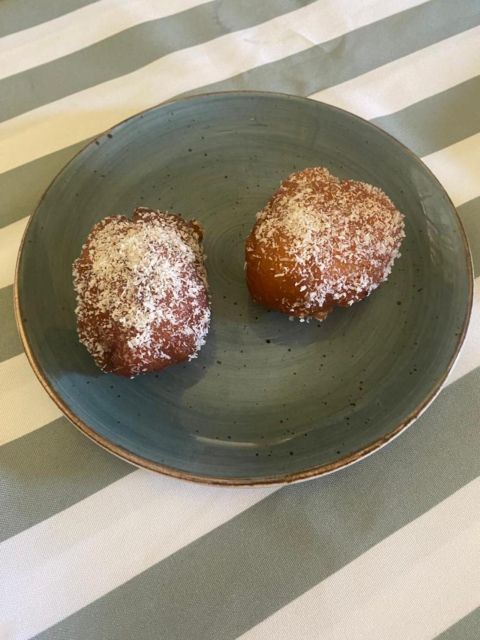
Samoosas and koesisters make a smart pair for a short food class. One is crisp, savoury, and usually filled with a seasoned mixture. The other is a sweet, spiced doughnut, often associated with Cape Malay home cooking.
You get contrast without spending half a day in a kitchen. The savoury side teaches you about folding and preparing a filled pastry. The sweet side brings dough, spice, and a different kind of shaping to the table.
I like this combination because it gives you more than a single recipe. You leave with a sense of how Cape Malay cooking moves between spice, texture, and sweetness. It is a small meal, but it covers a useful range of flavours.
The food also carries cultural weight in Bo-Kaap. Koesisters and samoosas are linked with the area’s earliest inhabitants and remain part of everyday South African food culture across communities and religions. That context matters. You are not simply learning party snacks. You are handling foods that have a place in family kitchens and local life.
Other things to learn to make in Cape Town:
- Cape Town: Malay Cooking Class and Lunch in Bo-Kaap
★ 4.8 · 515 reviews - Cape Town: Cape Malay Cooking Class in Bo-Kaap
★ 4.8 · 120 reviews - Cape Town: Bo-Kapp Walking Tour and Malay Cooking Class
★ 4.7 · 105 reviews
Entering a Bo-Kaap home kitchen
The class takes place in a home kitchen in Bo-Kaap, one of Cape Town’s best-known areas for Cape Malay culture and cooking. The home setting changes the mood from formal demonstration to shared kitchen time.
You should expect an informal environment rather than a professional culinary studio. That is a plus if you want conversation and a personal welcome. It may be less suitable if you prefer strict measurements, individual workstations, or a polished cooking-school routine.
The host guides you through the recipes step by step. The class is available in English and Afrikaans, so you can choose the language that suits you. No guide’s name is provided, but the cooking is led by an accomplished Cape Malay cook with knowledge of the dishes and local food traditions.
A home kitchen can also make the class feel more connected to the food. You see the kind of setting where these recipes belong. The tradeoff is that the pace and format may be more relaxed and less standardized than a commercial class.
The samoosa lesson: ask how much you will make
The samoosa is the first half of the savoury and sweet pairing. You learn how to handle the pastry triangle, work with the filling, and shape the snack before it is cooked and eaten.
The important practical point is that the advertised plan says the samoosas are made from scratch, but the actual hands-on experience may be more limited. The pastry may be store-bought, and the filling may already be prepared. If you are hoping to mix the pastry dough, season the filling, and work with every ingredient, ask about this before booking.
That does not make the class worthless. Folding and shaping a samoosa still show you part of the process, and the final snack gives you a clear sense of the result. But it changes the value for anyone specifically looking for a full pastry lesson.
I would treat the samoosa portion as a guided introduction unless the host confirms that dough and filling preparation are included on your date. The class is better suited to learning the basic form and flavours than to mastering every stage of the recipe.
This is also where expectations matter most. A two-hour class covering two foods has to move at a reasonable pace. Making pastry and filling from the beginning could take extra time, so some preparation may happen before you arrive. That is understandable, but it should be clear to you when you reserve.
The koesister portion offers more hands-on work
The koesister section is likely to feel more active. You work with the dough, shape the sweet-spicy doughnut, and follow the host’s method before sitting down to taste the finished result.
This part earns its place in the class because koesisters are not as familiar to many visitors as samoosas. The dish gives you a direct introduction to Cape Malay sweetness and spice, not just the better-known savoury snack.
The preparation also offers a useful contrast. After folding pastry and dealing with a filling, you move to a dough-based recipe with a sweeter flavour profile. I like that the class does not treat koesisters as an afterthought. The sweet course has its own identity and gives you something different to remember.
The finished koesisters have been described as very good, and the practical lesson is more interactive than the samoosa section. If your main goal is to work directly with ingredients, this may be the stronger half of the class.
Same base, a different kind of day out:
- Wine Tour: Paarl, Franschhoek & Stellenbosch incl 3 wineries
★ 5.0 · 3,940 reviews - Cape Town: Hop-On Hop-Off Bus Tour with Optional Cruise
★ 4.8 · 3,929 reviews - Cape Town: Cape of Good Hope & Penguins Day Tour with Pickup
★ 4.7 · 3,362 reviews - Zipline Cape Town – From Foot of Table Mountain Reserve
★ 5.0 · 3,179 reviews
Cooking, conversation, and the final tasting
Once the preparation is complete, you sit down with the host and eat the snacks you helped make. This final part is more than a quick sample at the counter.
The shared table gives you time to ask questions, talk about the food, and connect the recipes with local life. The experience is described as relaxed and welcoming, which suits a home-based class. It also means you can enjoy the results without rushing straight out after the last step.
I especially like this format for people who want cultural contact as much as cooking instruction. You are given room for conversation rather than being pushed through a tight sequence of demonstrations.
The food itself becomes easier to understand after you have handled it. A samoosa is no longer just a crisp triangle on a plate, and a koesister is more than a sweet doughnut. You have seen part of the work behind each one, even if some ingredients are prepared ahead.
What the $23 price really covers
At $23 per person, this is a modestly priced experience for a two-hour activity in Cape Town. The fee includes the class, ingredients, equipment, local history, and tasting.
The value is strongest if you want several things at once: a short cultural activity, a home-kitchen setting, a chance to cook, and food at the end. You are not paying only for a recipe demonstration. You are also paying for the host’s time and for access to a more personal setting than a standard food stop.
The value is weaker if your only goal is to learn professional pastry technique. The possible use of store-bought samoosa pastry and prepared fillings means you may not receive the full from-scratch instruction implied by the description.
For many people, that distinction will not matter much. You still get two traditional foods, a guided session, and a tasting for a reasonable price. If pastry-making detail is the main reason you are booking, clarify the format first.
Who will enjoy this class most
I would recommend this experience to you if you enjoy food as a way to understand a place. The class is particularly suitable for:
- First-time visitors looking for a local cooking activity
- Couples and friends who want a relaxed shared outing
- Families and small groups
- Anyone curious about Cape Malay flavours
- People who prefer informal home settings to formal cooking schools
- Visitors who want a short activity rather than a full-day food tour
It also works well for mixed groups. One person may be interested in history, another in cooking, and another mainly in trying the finished snacks. The class offers all three, though not with equal depth.
I would be more cautious if you are an experienced cook seeking detailed pastry instruction. You may find the prepared samoosa elements too basic. The koesister work appears to offer more direct participation, but the class is still designed as a friendly introduction rather than an advanced lesson.
The host and the feel of the session
The host is central to the experience. A home kitchen class depends less on equipment and more on how comfortably the cook explains, demonstrates, and brings people into the process.
The strongest feedback points to an informative, interactive, and welcoming session. People have described the setting as comfortable and the activity as enjoyable for family and friends. That is a good sign for anyone who prefers a warm social experience over a formal lecture.
The class is not presented as a silent demonstration. You are expected to take part, ask questions, and engage with the host. The language options, English and Afrikaans, add flexibility.
Still, interaction can vary with the group and with how much preparation has been done before arrival. If you want a very active role in every stage, ask the host what you will personally prepare. That one question can help you decide if the format matches your expectations.
Cultural context without a long lecture
The local history included in the class is useful because the foods have a clear connection to Bo-Kaap and Cape Malay life. You learn why these snacks matter, not just how to assemble them.
I prefer this kind of short history lesson to a long presentation. It connects directly to what is on the table. You can see how food carries memory and identity, then taste the result immediately.
The class also avoids treating Cape Malay cooking as a museum subject. Koesisters and samoosas remain part of South African diets across different cultural and religious communities. That makes the lesson relevant to present-day life, not only to the past.
The home setting helps with this. You are not being shown food in isolation. You are sharing a kitchen and a meal with the person teaching you.
Timing and practical planning
The class lasts two hours, including the tasting. That is long enough to feel like a real activity but short enough to fit into a busy Cape Town schedule.
I would allow the full two hours rather than planning another appointment immediately afterward. The cooking itself may be step-by-step, and the conversation at the end is part of the experience. Rushing away would cut out one of the most personal parts.
All equipment and ingredients are provided, so you do not need to bring cooking supplies. Authentic ingredients are used, which is important if you want to reproduce the flavours later.
The activity does not allow alcohol or drugs. The booking terms allow you to reserve and pay later, and cancellation is available up to 24 hours in advance for a full refund. Those terms are useful if your Cape Town plans are still changing.
What you can take home besides the food
The clearest souvenir is practical knowledge. You can buy ingredients later and try the recipes again, particularly the koesisters, which lend themselves to repeating at home after a hands-on lesson.
One participant enjoyed the class enough to buy the ingredients and make the food again with friends. That is a good measure of usefulness. A cooking class earns its price when you can remember the process and want to try it without the host standing beside you.
The class may not give you every technical detail for homemade samoosa pastry, especially if store-bought pastry is used. But you can still take away the shapes, flavours, ingredient ideas, and general method.
If you plan to cook at home, pay close attention to the seasoning and dough work. Ask questions during the lesson rather than waiting until the end. The relaxed setting should make that easy.
Book it or skip it?
Book this class if you want a friendly, affordable introduction to Cape Malay cooking in a real Bo-Kaap home. The combination of samoosas, koesisters, local history, conversation, and tasting makes it a well-rounded two-hour activity.
I would not book it blindly if your main aim is to learn samoosa pastry from the ground up. The possible use of store-bought pastry and pre-made fillings is the key limitation, and it is worth confirming before you pay.
For most food-curious visitors, the balance is good. You get authentic flavours, a personal setting, and enough hands-on work to make the food meaningful. The class is best understood as a welcoming cultural cooking experience, not an intensive pastry course.
FAQ
Where does the class take place?
The class takes place in a home kitchen in Bo-Kaap, in the Western Cape of South Africa.
How long does the experience last?
The class lasts two hours, including the tasting at the end.
What foods will I learn to make?
You will learn to make samoosas, which are savoury pastry triangles, and koesisters, which are traditional sweet-spicy doughnuts.
Is the food tasting included?
Yes. After the cooking session, you sit down with the host to enjoy the snacks you prepared.
Are ingredients and equipment provided?
Yes. All equipment and ingredients are provided, and authentic ingredients are used.
What languages are available?
The class is offered in English and Afrikaans.
Does the class include local history?
Yes. Local history is shared as part of the experience, with context about the foods and their connection to Bo-Kaap’s earliest inhabitants.
Can I cancel the booking?
You can cancel up to 24 hours in advance for a full refund. You can also reserve and pay later, which keeps your plans flexible.
Just added in Cape Town
- Wine Tasting in Cape’s Top Three Winelands Private Tour★ 4.5 · 17 reviews
- Private Tour to Aquila Game Reserve in Cape Town – see the Big5★ 5.0 · 5 reviews
- Full Day Big 5 Aquila Safari Private Transfers Including Park Fee From Cape Town★ 4.5 · 54 reviews
- Robben Island and Table Mountain Cableway with Bo-Kaap Day Tour★ 5.0 · 8 reviews
- Private Tour:Cape of Good Hop>Seal island>Chapman’speak &Penguins★ 5.0 · 7 reviews
- Private Full Day Cape Town City Scenic and Table Mountain Tour.★ 5.0 · 3 reviews
- Private Half DayTour:Cape Winelands, Stellenbosch from Cape Town★ 5.0 · 18 reviews
- Private Tour: Cape Winelands to Stellenbosch & Franschhoek★ 5.0 · 3 reviews
Tours in Cape Town, compared.
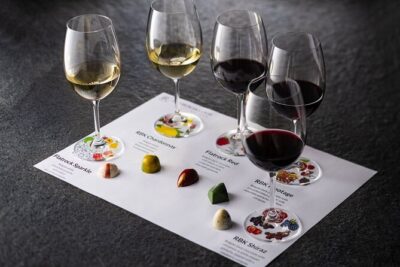
Wine Tour: Paarl, Franschhoek & Stellenbosch incl 3 wineries
Read our review →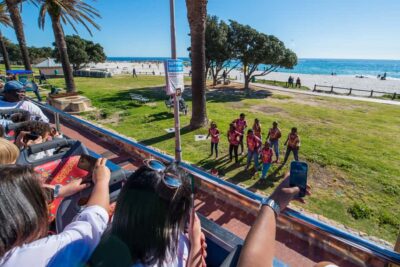
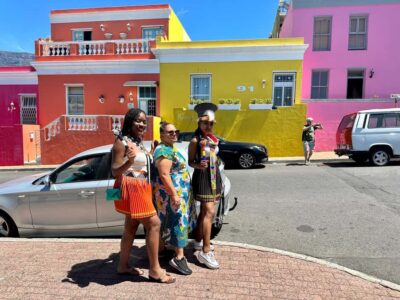
Cape of Good Hope & Penguins Day Tour with Pickup
Read our review →
Zipline Cape Town – From Foot of Table Mountain Reserve
Read our review →
Table Mountain Cable Car, Hop-On Hop-Off Bus Tour
Read our review →
Cape Point and Boulder’s Penguins Full Day Tour
Read our review →

Browse the lists this tour appears in