

Reviewed · SOWETO & TOWNSHIP TOURS
Half-Day Tour Through Cape Town’s Townships
Cape Town’s townships are not a sightseeing backdrop. They are living communities, and this tour gives you a chance to walk through Langa with a guide who knows the streets, the history, and the people. You may visit homes, a school, community spaces, and memorials while hearing personal stories about apartheid and daily life today.
I like the local guides, many of whom grew up in Langa and still live there. I also like the small-group feel, the included pickup, and the chance to see more than you can from a passing vehicle. The main consideration is that some visits, especially the kindergarten, may not operate on weekends, and the pace can depend on the group.
Key points to know before booking
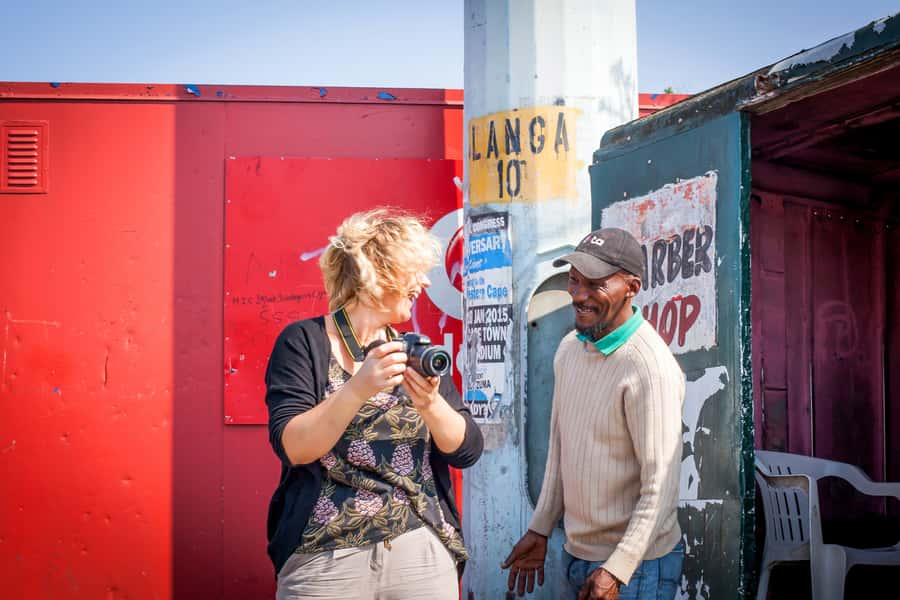
- Langa on foot: The walking portion lets you see homes, hostels, informal housing, gardens, schools, and local businesses at street level.
- Guides with local roots: Guides such as Godfrey, Jerry, Sakhe, Simosakhe, and Camissa explain the townships through personal experience as well as history.
- A wider Cape Town story: The route links District Six, Bonteheuwel, Langa, and Gugulethu to the forced removals and racial planning of apartheid.
- Memorials with meaning: The Gugulethu Seven Memorial and Amy Bichel Memorial connect political history with the continuing struggle against violence.
- Bring small cash: You may want money for donations or locally made arts and crafts. Ask before photographing people.
- Plan for a weekday if possible: A kindergarten or other venues may not be available on weekends.
Why this tour matters in Cape Town
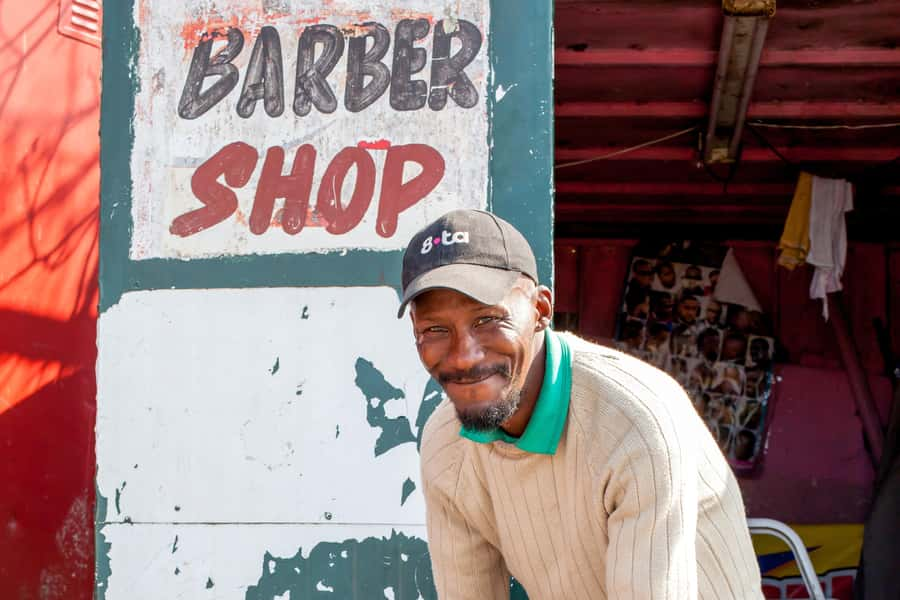
Cape Town can make it easy to see only the postcard version of South Africa: Table Mountain, beaches, wine estates, and handsome waterfront streets. Those places are worth your time, but they do not explain how the city was shaped by apartheid or why communities remain divided by income and geography.
This half-day tour adds that missing context. It is not just a drive past township streets. The important part is getting out of the vehicle in Langa and walking with someone who can explain what you are seeing. You are not expected to understand every housing type, memorial, or neighborhood boundary at a glance. Your guide helps connect the physical setting with the political decisions behind it.
I also appreciate the stated aim of treating you as a visitor rather than a spectator. That does not remove every awkward moment. You are still entering someone else’s neighborhood with a camera and a tour schedule. A respectful guide, a small group, and careful behavior matter. Listen first, ask before taking photographs, and remember that a friendly welcome is not permission to treat private life as entertainment.
More Township Tours in Cape Town
- Cape Town: Guided Township Tour with Hotel Pickup
★ 4.4 · 536 reviews - Cape Town: Nathi Langa Township Walking Tour
★ 4.9 · 493 reviews - Cape Town: Robben Island Ferry Ticket and Townships Tour
★ 4.5 · 400 reviews
District Six explains the starting point
The tour begins with District Six, the former inner-city residential area that became one of apartheid’s best-known examples of forced removal. More than 60,000 people were pushed out during the 1970s, with families separated from a central part of Cape Town and relocated according to racial classification.
This stop gives you a useful foundation before reaching Langa. You begin to see that townships were not accidental settlements on the edge of the city. They were shaped by government policy, racial categories, and the removal of people from established neighborhoods.
The tour information also points to work connected with Nelson Mandela from 2003 onward, when efforts helped bring new life to the District Six community. Your guide can place that period within the longer story of rebuilding and return.
Do not expect a long museum visit here. District Six is used as an opening lesson, with the guide explaining the area before the vehicle continues. That makes it a good use of limited time, though anyone wanting a full museum experience should allow separate time elsewhere in Cape Town.
Langa is the heart of the walking tour
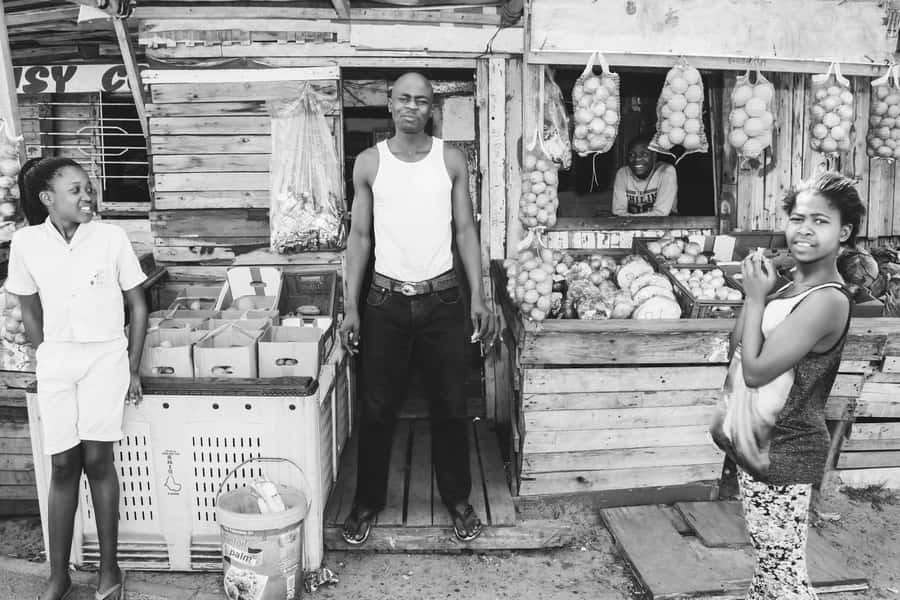
Langa is Cape Town’s oldest township, and it is where the tour becomes personal. After the drive, you walk with a local guide through streets and residential areas, stopping at places that show different sides of life in the community.
You might see older hostels, informal homes, more established housing, gardens, local gathering places, and areas residents describe in very different terms. One part of the route has even been referred to locally as the Beverley Hills of Langa, a reminder that a township is not one uniform place. Housing, income, and living conditions vary.
The guide may introduce you to residents or invite you into homes and community spaces. That is the point at which the visit can feel less like a sightseeing circuit and more like a conversation. You can ask about education, work, housing, family life, and the changes that have taken place since apartheid.
The tone is serious, but it is not designed to show only hardship. You will also see pride, humor, initiative, and ordinary daily routines. That balance matters. A tour that presents only poverty gives you a narrow and unfair picture. A tour that ignores hardship is just as misleading.
Several guides praised by name in the supplied material include Godfrey, Jerry, Sakhe, Simosakhe, Arnold, Songz, Vera, and Mshula. Names and guide assignments can vary, but the useful feature is clear: the walking guide is tied to the township rather than simply repeating a script from a city coach.
The kindergarten visit depends on timing

A kindergarten or creche visit is part of the experience when the school is open and available. The supplied information specifically warns that some venues may not operate on weekends, so a weekday booking gives you the best chance of seeing this part of the program.
This can be a meaningful stop, especially for families. Children may have the chance to meet pupils, and some visitors have brought small gifts. If you want to bring anything, ask the operator first about what the school actually needs. One useful point raised after a visit was that this was not made clear in advance, so do not assume that pencils, books, or toys are expected.
You should also keep your role in mind. A school is not a photo prop. Follow your guide’s instructions, ask before photographing children, and let the staff set the tone. The value of the stop comes from understanding local education and meeting people respectfully, not from collecting pictures.
Other township visits from Cape Town:
- Cape Town: Langa Township Walking Tour
★ 4.8 · 272 reviews - Cape Town: Half-Day Guided Township Tour
★ 4.6 · 237 reviews - Cape Town Township Private Tour
★ 5.0 · 158 reviews - Cape Town: Authentic 3–4 Hour Cultural Township Experience
★ 4.7 · 151 reviews
Bonteheuwel links forced removals to new neighborhoods

The vehicle passes through Bonteheuwel, a township connected with residents removed from District Six and classified as coloured under apartheid’s racial system. This is a short but important connection in the route.
You may not spend much time out of the vehicle here, but the drive helps explain how removal policies reshaped the city. A neighborhood such as Bonteheuwel was not simply a new place chosen by families. It was part of a system that moved people away from central areas and separated communities by race.
This is also where the drive portion earns its keep. Without a guide, the streets could appear to be just another part of Cape Town. With context, the route becomes a lesson in how urban planning can carry political decisions for generations.
Gugulethu and its memorials add a solemn final chapter
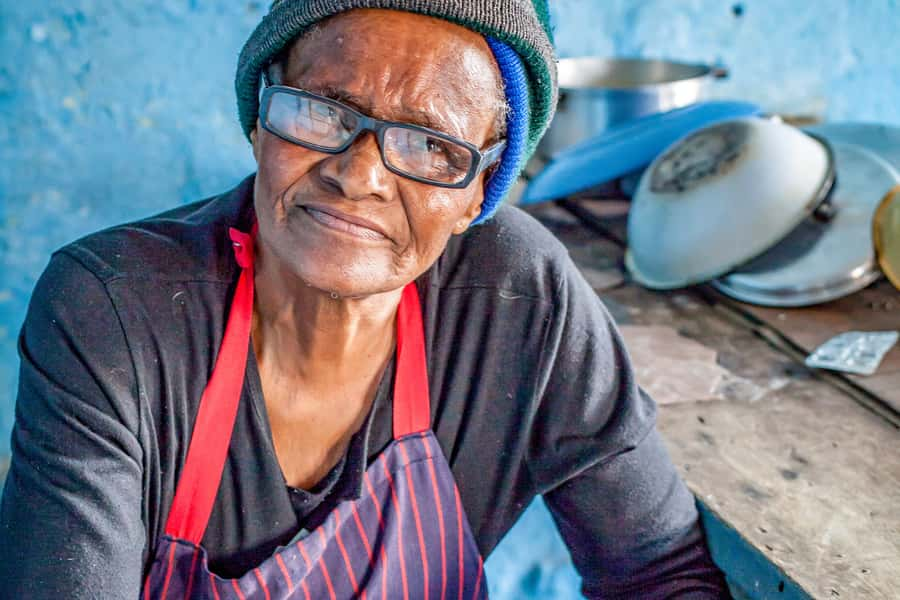
The tour continues to Gugulethu, whose name comes from the Xhosa phrase igugu lethu, meaning our pride. Today, it is home to roughly 300,000 people, according to the tour information.
The final section includes the Gugulethu Seven Memorial and the Amy Bichel Memorial. The Gugulethu Seven Memorial honors seven young people killed while fighting apartheid. Its open form and the way light passes through it create a strong image of absence and remembrance.
The Amy Bichel Memorial honors the country’s struggle against violence. Together, these stops move the tour beyond general township history. They ask you to think about the human cost of political repression and the violence that continued to affect South African communities.
This part can feel heavy, and it should. Your guide may explain the memorials in a direct, personal way, rather than giving only dates and names. Give yourself a little quiet time here. It is not a place to rush through for the sake of the schedule.
What the transport and timing are really worth
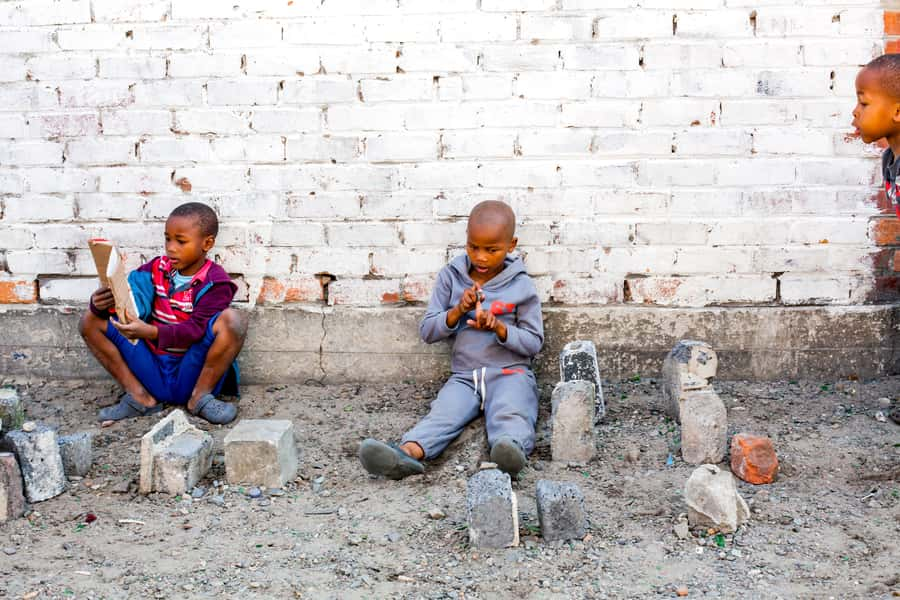
The tour lasts about three to four hours and includes a vehicle, driver-guide, fuel, passenger liability cover, and entrance fees. Pickup and drop-off are available from Cape Town’s city center, the Waterfront, and Atlantic Seaboard areas including Camps Bay.
That transport is more useful than it may first appear. District Six, Bonteheuwel, Langa, and Gugulethu are separate parts of the city, and arranging this route independently would take more planning. You also avoid the uncertainty of trying to find the right meeting points for a walking visit.
Some departures use both a driver-guide and a separate walking guide. That arrangement can work well. The driver can explain the broader route and history, while the local walking guide focuses on Langa itself. Several named guides have been described as friendly, clear, and easy to understand, with personal stories that made the subject easier to grasp.
The tour is available as a private or small-group experience. Ask about group size if that matters to you. Smaller groups generally make it easier to ask questions and avoid crowding residential streets.
The pace is one area to watch. One visitor wanted a slightly faster tour and firmer timekeeping when other members of the group were late. A relaxed pace helps when you are walking and talking, but a group that moves slowly may leave less time for some stops.
Is $58 good value?
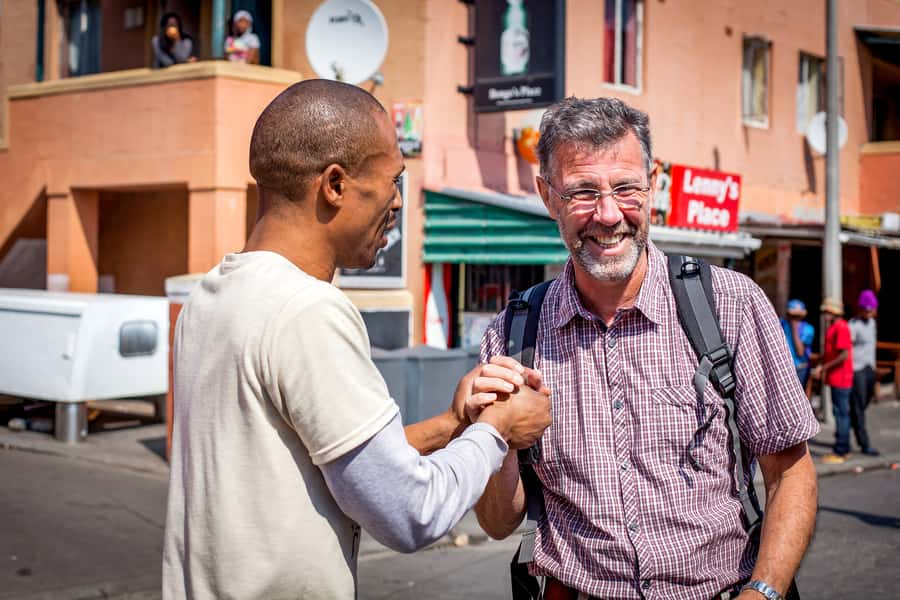
At $58 per person, this is not the cheapest way to spend a morning in Cape Town, but the price covers more than a simple guided walk. You are paying for transport across several areas, a driver-guide, a local walking guide, entrance fees, and the planning needed to connect the stops.
I see the strongest value in the human context. A drive-by view of Langa tells you very little. The walking portion, local introductions, and explanations of the memorials make the cost easier to justify, particularly if you want to understand Cape Town rather than only photograph it.
Lunch is not included, so plan to eat before or after. The short duration also makes this easy to fit around other plans. If you want a full-day social history program or extended time with local businesses, this is not that. It is a focused introduction.
The tour requires at least two people. Solo booking may therefore not be possible unless you join another small group or arrange a private option according to availability.
How to act respectfully in the townships
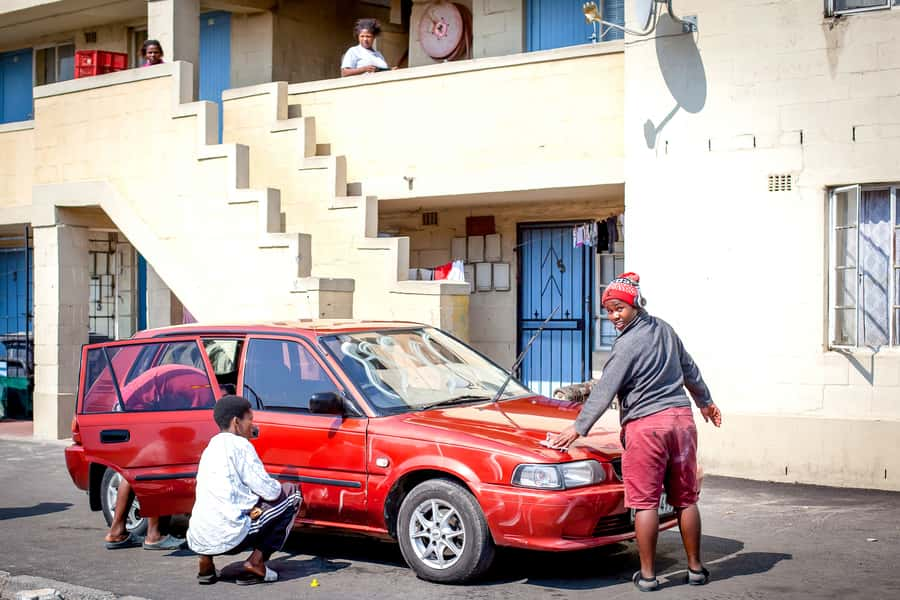
Your behavior will shape the experience for you and the people you meet. Wear comfortable shoes for walking, keep your belongings small, and leave large bags and luggage behind.
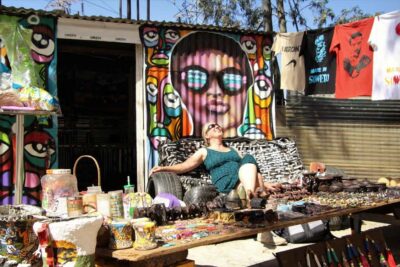
Ask before photographing anyone. The operator advises carrying small change for donations if you take pictures of people, and you may also have the chance to buy arts and crafts from small local businesses. Treat both as choices, not obligations.
Do not hand out sweets or gifts to children unless your guide or the school specifically recommends it. If you want to support the kindergarten, ask what is useful. A donation through an organized channel may be more helpful than an improvised gift.
You may feel uneasy at first. That is normal, especially when you are aware of poverty or when people take an interest in your group. Stay close to the guide, listen to local instructions, and avoid turning private homes or residents into photographs. The tour’s strongest quality is its attempt to create contact with dignity, and your conduct is part of that effort.
Who will get the most from this experience?
I would recommend this tour to anyone who wants a fuller understanding of Cape Town’s past and present. It suits first-time visitors who have already seen the main sights, families with older children, and people interested in apartheid, urban planning, education, and community development.
It can also work well for visitors who feel uncertain about entering a township. The included transport and local guides provide structure, and the route is designed to keep you with people who know the area. Several visitors with initial safety concerns later felt well looked after, but you should still follow normal city precautions.
Families should consider the emotional weight of the subject. Children may enjoy the school visit and the chance to meet local residents, but the stories of forced removal, political killings, and violence need some explanation before the tour.
This is less suitable if you want a polished sightseeing circuit with a fixed script and constant motion. Conversations, school access, group timing, and community activities can affect the exact flow. That flexibility is part of the point, but it may frustrate anyone who wants precise scheduling.
Should you book the township tour?
I would book it if you want to see Cape Town beyond its tourist center and are prepared to listen with respect. The combination of District Six, a walking tour in Langa, Bonteheuwel, Gugulethu, and the memorials gives you a useful four-hour introduction to the city’s difficult history and present-day communities.
Choose a weekday if the school visit matters to you, bring small cash, wear walking shoes, and do not pack large bags. If your priority is a private, slower experience, request a small group or private departure.
The tour will not answer every question about South Africa, and it cannot show every side of township life in one morning. It can, however, replace a distant view from a vehicle with real conversation, local interpretation, and a more honest sense of how Cape Town was made.
FAQ
How long does the Cape Town townships tour last?
The tour lasts approximately 3 to 4 hours.
What areas are included?
The route includes District Six, Langa, Bonteheuwel, and Gugulethu. The walking portion takes place in Langa.
Is pickup included?
Yes. Pickup is available from hotels in Cape Town city center, the Waterfront, and Atlantic Seaboard areas including Camps Bay.
What language is the tour conducted in?
The live tour guide speaks English.
Is the tour wheelchair accessible?
Yes, the activity is listed as wheelchair accessible.
Can I visit the kindergarten on a weekend?
Some venues may not be available on weekends. If the kindergarten visit is important to you, check availability and consider booking during the week.
Is lunch included?
No. Lunch is not included in the tour price.
What should I bring?
Bring comfortable walking shoes and small change for possible donations or local arts and crafts. Large bags and luggage are not allowed.
Just added in Cape Town
- Wine Tasting in Cape’s Top Three Winelands Private Tour★ 4.5 · 17 reviews
- Private Tour to Aquila Game Reserve in Cape Town – see the Big5★ 5.0 · 5 reviews
- Private Tour:Cape of Good Hop>Seal island>Chapman’speak &Penguins★ 5.0 · 7 reviews
- Full Day Big 5 Aquila Safari Private Transfers Including Park Fee From Cape Town★ 4.5 · 54 reviews
- Robben Island and Table Mountain Cableway with Bo-Kaap Day Tour★ 5.0 · 8 reviews
- Private Full Day Cape Town City Scenic and Table Mountain Tour.★ 5.0 · 3 reviews
- Private Half DayTour:Cape Winelands, Stellenbosch from Cape Town★ 5.0 · 18 reviews
- Private Tour: Cape Winelands to Stellenbosch & Franschhoek★ 5.0 · 3 reviews
Soweto & Township Tours, compared.
Johannesburg Hop-On Hop-Off City Tour with Soweto Option
Read our review →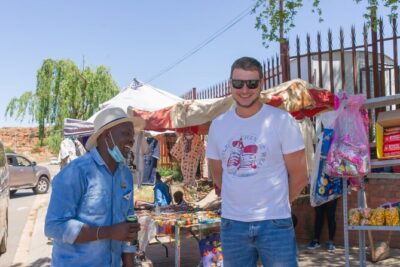
Jo’berg in 1 Day: Soweto, Apartheid Museum & City Tour
Read our review →
Full-Day Tour with Soweto and Apartheid Museum
Read our review →
Browse the lists this tour appears in