
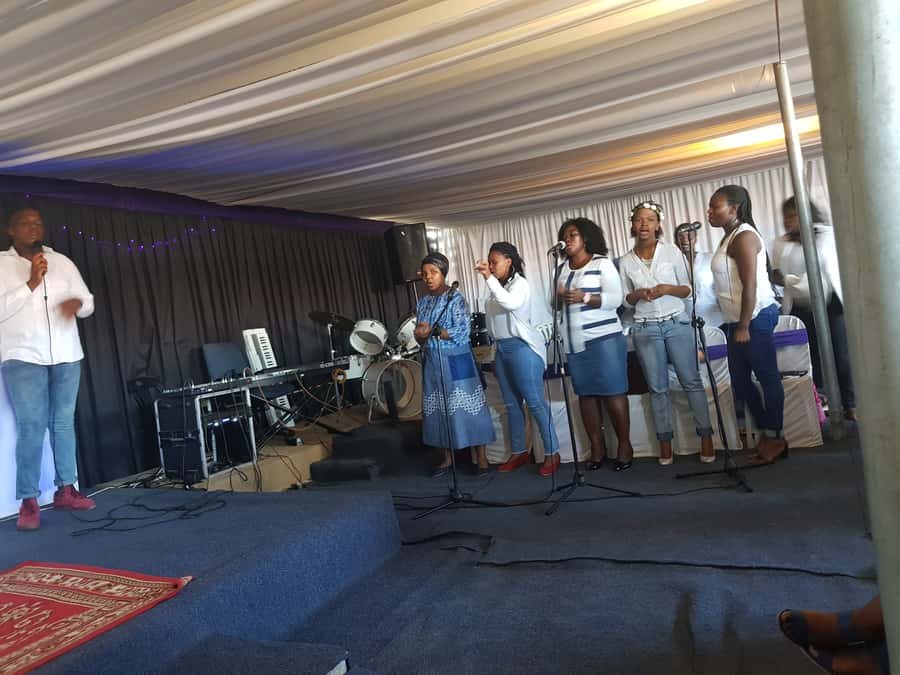
Reviewed · SOWETO & TOWNSHIP TOURS
Cape Town: Authentic 3–4 Hour Cultural Township Experience
Cape Town’s townships are not a backdrop for sightseeing. They are living communities shaped by forced removal, racial law, protest, poverty, faith, and daily determination. This private tour connects District Six with Langa, Bonteheuwel, Gugulethu, and Khayelitsha, giving you a clearer picture of how apartheid still affects the city.
I like the local Langa walking guide, who adds detail that is hard to get from a vehicle, and the chance to meet a traditional healer and see homemade beer being prepared. I also like the balance between painful history and present-day community work, including the Philani Center’s support for mothers and children.
The main drawback is the pace. Three hours is enough for a strong introduction, not a slow, in-depth township visit. Some stops may feel confronting, and the experience asks you to look carefully rather than simply take photographs.
Key points to know before booking
- District Six sets the historical stage: Learn how about 60,000 people were forcibly removed during the 1970s.
- Langa includes a walking visit: See former hostel and shack areas, the Old Pass Office, and the Robert Sobukwe monument.
- The tour enters everyday community spaces: Visit a shebeen, see local beer being made, and meet a traditional healer.
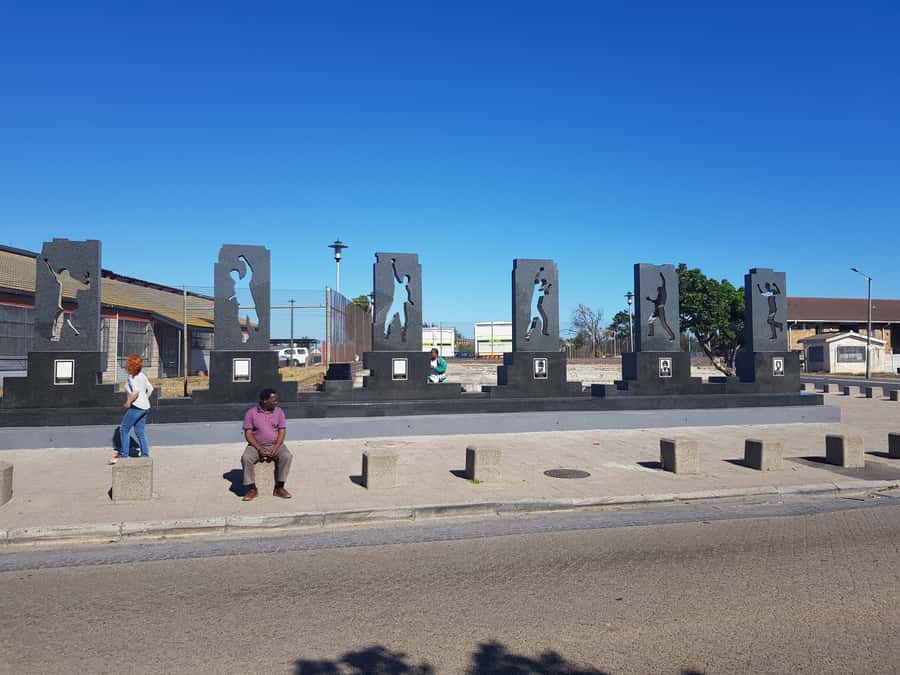
- Several memorials connect history to human lives: The Gugulethu 7 Memorial and Amy Biehl Memorial show the cost of anti-apartheid conflict.
- It is a private group experience: The $261 price covers up to three people, with hotel pickup and drop-off included.
- This is an educational visit, not a polished attraction: Wear comfortable shoes and expect direct discussion of hardship and segregation.
Why this three-hour tour matters in Cape Town
Cape Town can make apartheid history seem distant if you spend your time around the waterfront, beaches, and Table Mountain. This tour corrects that picture. It takes you into areas created or reshaped by apartheid laws, then explains how those policies divided people by race and controlled where they could live, work, and move.
I value the fact that the tour does not focus on one township alone. You move through several communities, each with a different place in the city’s story. District Six shows forced removal. Langa shows the development of an early township. Bonteheuwel reflects segregation imposed on the colored community. Gugulethu connects the past with political violence and memorials. Khayelitsha brings the tour toward present-day social work.
You travel in an air-conditioned minivan, with hotel pickup and drop-off included. That saves time and makes sense for an itinerary spread across several townships. Since this is a private group of up to three people, you can ask questions as the day develops instead of trying to fit them into a large group schedule.
The advertised price is $261 per group, not per person. For three people, that works out to $87 each. For two, it is $130.50 each, and a solo booking pays the full group price. The value is strongest when three people share the cost and want a private, guided introduction rather than a simple drive past township areas.
More Township Tours in Cape Town
- Half-Day Tour Through Cape Town’s Townships
★ 4.8 · 979 reviews - Cape Town: Guided Township Tour with Hotel Pickup
★ 4.4 · 536 reviews - Cape Town: Nathi Langa Township Walking Tour
★ 4.9 · 493 reviews
District Six and the human cost of removal
The tour begins with District Six, one of the clearest places to understand the damage caused by apartheid’s racial planning. During the 1970s, about 60,000 residents were forcibly removed from this area. Families lost homes, neighbors were separated, and communities were pushed away from the city center.
I find this an important opening because it gives meaning to everything that follows. You are not just seeing crowded housing or roadside businesses. You are learning why people were moved, how racial categories shaped the city, and why township communities developed where they did.
The guide explains the policy and its impact while you travel between locations. Guides such as Sam have been praised for answering detailed questions and explaining difficult subjects in clear language. Loyola has also led this experience, and the tour can include a second local guide for the walk in Langa.
District Six can be emotionally heavy. You may leave with more questions than answers, especially about land, poverty, and the long effects of forced removal. That is a useful part of the experience, but you should not book this expecting light sightseeing or easy entertainment.
Langa: the Old Pass Office and a walk through township life
Langa is the oldest township included on this route. Here, the tour shifts from broad city history to places connected with movement, housing, and political resistance.
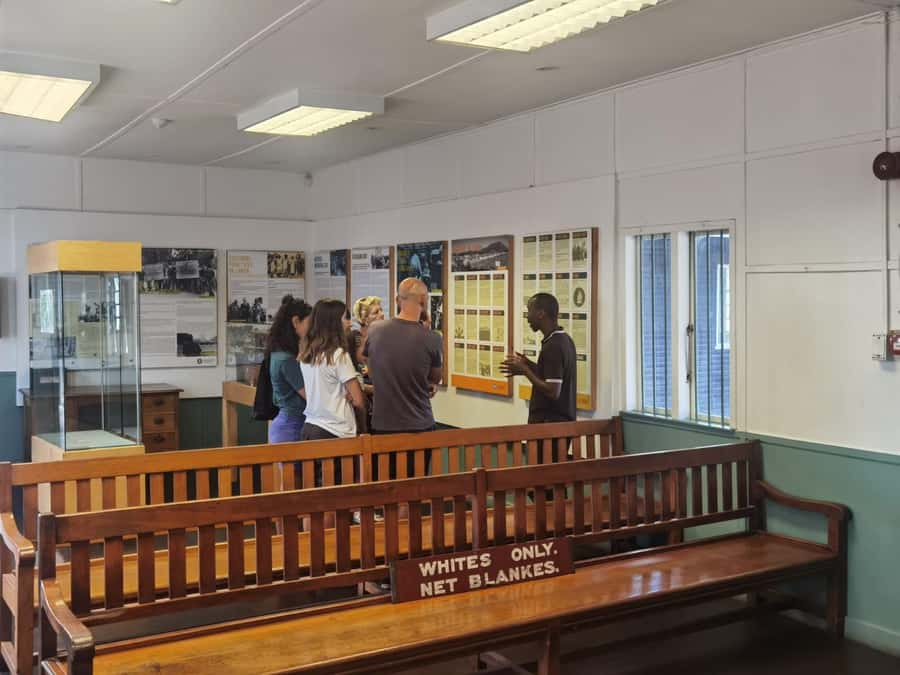
One important stop is the Old Pass Office. Under apartheid, Black South Africans were required to carry a pass, often called the Dumb Card. The document controlled where a person could live and work, and failure to carry it could lead to arrest. Seeing the site while hearing how the system worked makes the policy feel less like an abstract rule and more like an everyday burden.
You also visit the monument to Robert Sobukwe, a major figure in the anti-apartheid struggle. The stop adds a political dimension to the tour and helps explain why township communities were central to resistance.
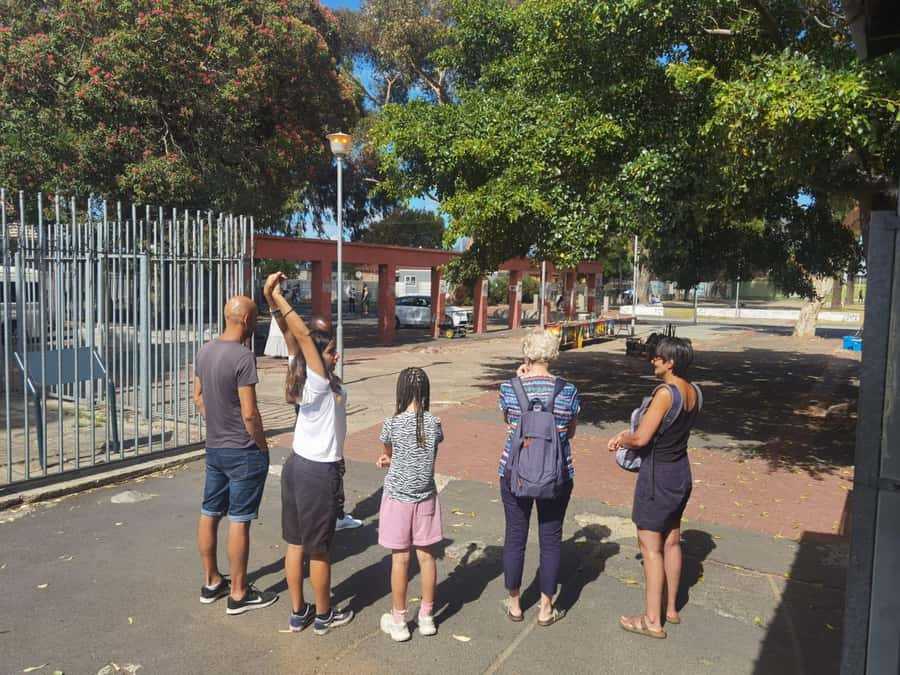
The walking portion is especially useful. You may see different forms of housing, including hostel and shack areas, and learn how township life was organized under severe restrictions. One account of the tour included a small museum in Langa before a short walk through housing areas. The museum setting can help you get your bearings, while the walk shows that this is still a lived-in community rather than a preserved historical site.
I like this part because your local guide can explain what the vehicle cannot. You can ask about housing, daily routines, and the changes that have taken place over time. At the same time, you need to act respectfully. This is not a film set, and people are going about their lives.
A shebeen, homemade beer, and the traditional healer
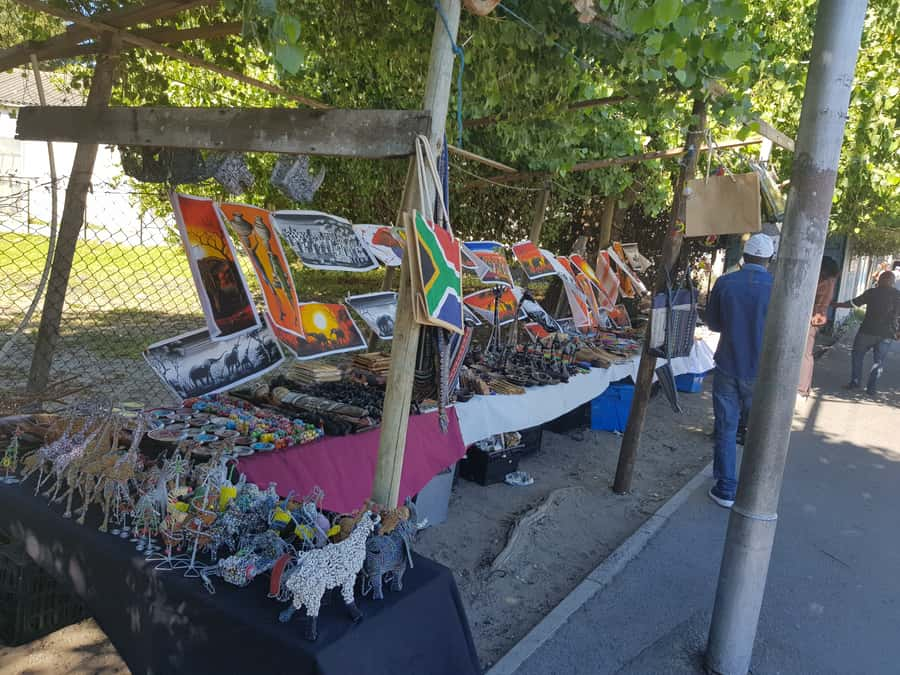
The visit to a shebeen gives you a look at a social space connected with township life. You may try homemade beer and see how local beer is made. Food and drinks are not generally included unless specifically stated, so clarify what is offered as part of the visit before assuming anything is covered.
This stop can be one of the most memorable parts of the route because it brings history into an ordinary social setting. Instead of hearing only about laws and memorials, you see how people gather and how local enterprise works.
The traditional healer visit adds another layer. You can see a healer in action and learn about a practice that remains part of community life. The point is not to treat the encounter as a curiosity. Listen to the explanation, ask polite questions, and remember that this is someone’s work and belief system.
I appreciate the mix of experiences here. The tour is not limited to museums and monuments. It also introduces you to small-scale commerce, local customs, and spaces that help communities function. Still, the short duration means you should expect an introduction rather than a full study of traditional healing or local brewing.
Other township visits from Cape Town:
- Cape Town: Robben Island Ferry Ticket and Townships Tour
★ 4.5 · 400 reviews - Cape Town: Langa Township Walking Tour
★ 4.8 · 272 reviews - Cape Town: Half-Day Guided Township Tour
★ 4.6 · 237 reviews - Cape Town Township Private Tour
★ 5.0 · 158 reviews
Bonteheuwel and the logic of racial separation
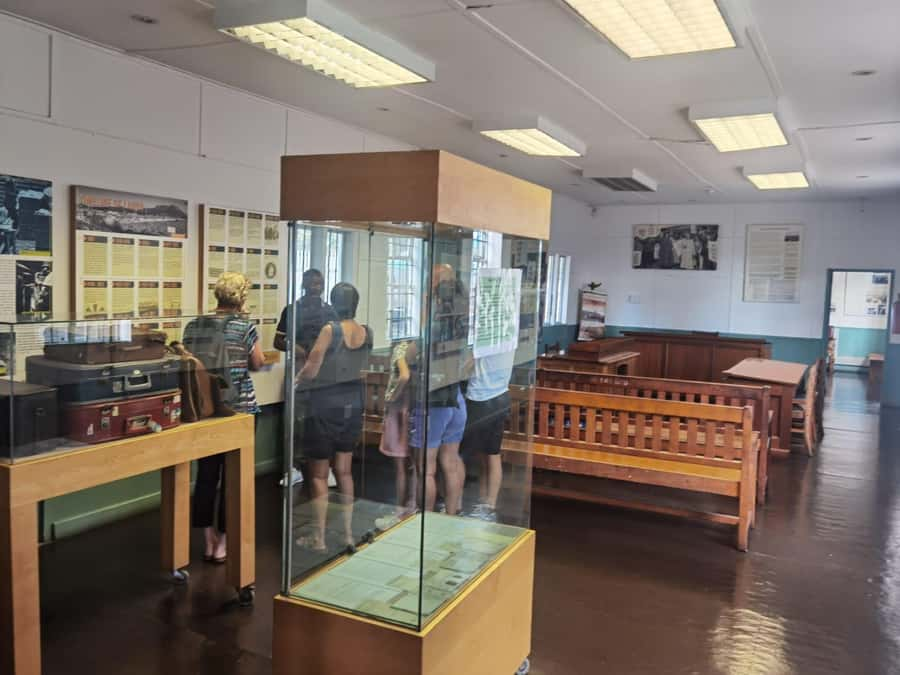
The minivan continues through Bonteheuwel, an area reserved for the colored community during apartheid. This stop helps show that racial separation did not affect only Black South Africans. Apartheid divided people into official categories and assigned communities to specific parts of the city.
Your guide explains how the system separated people and how that division affected homes, schools, jobs, and movement. The drive-through format is practical because it allows you to cover more ground in a short time, but it is less personal than the walking section in Langa.
I would pay close attention here because the visible streets alone will not explain the policy. The value comes from the guide’s commentary. Sam, who is also described as the owner of the tour company, has been praised for giving clear explanations and responding patiently to questions. A good guide makes the route feel connected rather than like a string of unrelated stops.
Two memorials in Gugulethu
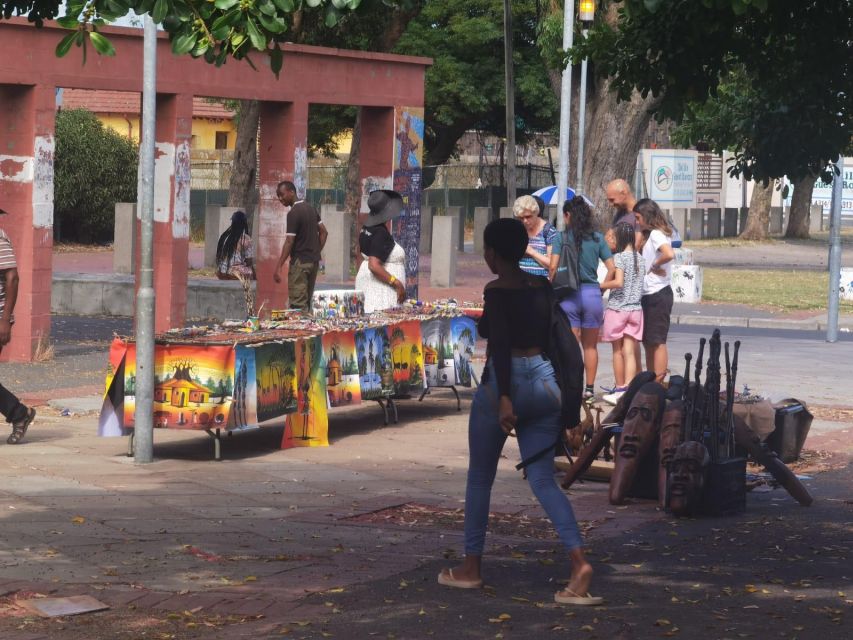
Gugulethu brings the anti-apartheid struggle into sharp focus through two memorials.
The Gugulethu 7 Memorial remembers seven members of an anti-apartheid group who were killed by South African police in 1986. It is a place to consider the danger faced by activists and the violence used by the state during the final decades of apartheid.
The tour also visits the memorial to Amy Biehl, an American student murdered by PAC supporters in 1993. Her death occurred during the unstable period near the end of apartheid, and the memorial adds a difficult reminder that political violence harmed people across different communities.
I value the inclusion of both sites because they resist a simple version of history. The tour does not present one side as made up only of heroes and the other only of villains. It shows a period of resistance, state violence, political conflict, and individual loss. The guide’s explanation is important, particularly if you do not already know South African history.
These memorials may be difficult for children or anyone who prefers a lighter outing. For adults interested in Cape Town’s past, they give the tour moral weight and connect political events with actual people.
Khayelitsha and the work of the Philani Center
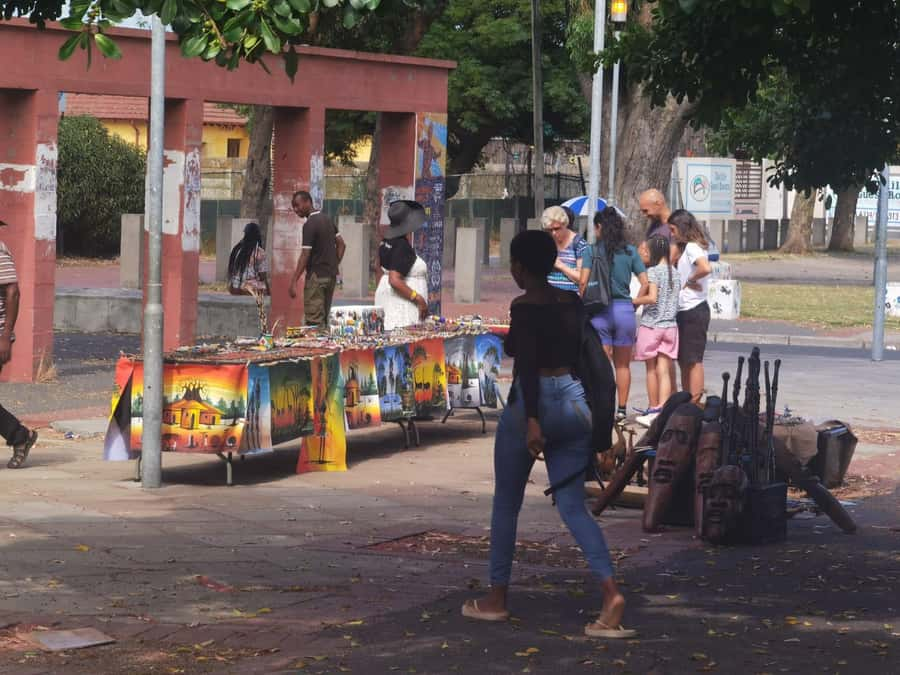
The final township visit is Khayelitsha, where you hear about the Philani Center and its work with local mothers and children. This gives the tour a forward-looking finish.
After several stops focused on removal, control, violence, and poverty, it is useful to hear about practical support. The Philani Center represents community work aimed at improving conditions for families. You should not expect a full social-development seminar in the remaining time, but the visit helps show that townships are not defined only by hardship.
This is also where the question of responsible tourism becomes important. The tour creates a way for you to spend money locally and learn from people connected with the communities. Some visitors have also been told that donations can help improve facilities for children. Ask your guide how contributions are handled rather than handing out money casually.
The best approach is respectful curiosity. Buy something if a local market or community stop offers goods you genuinely want, listen to the explanations, and avoid treating poverty as a photo opportunity.
Guides, transport, and the practical feel of the day
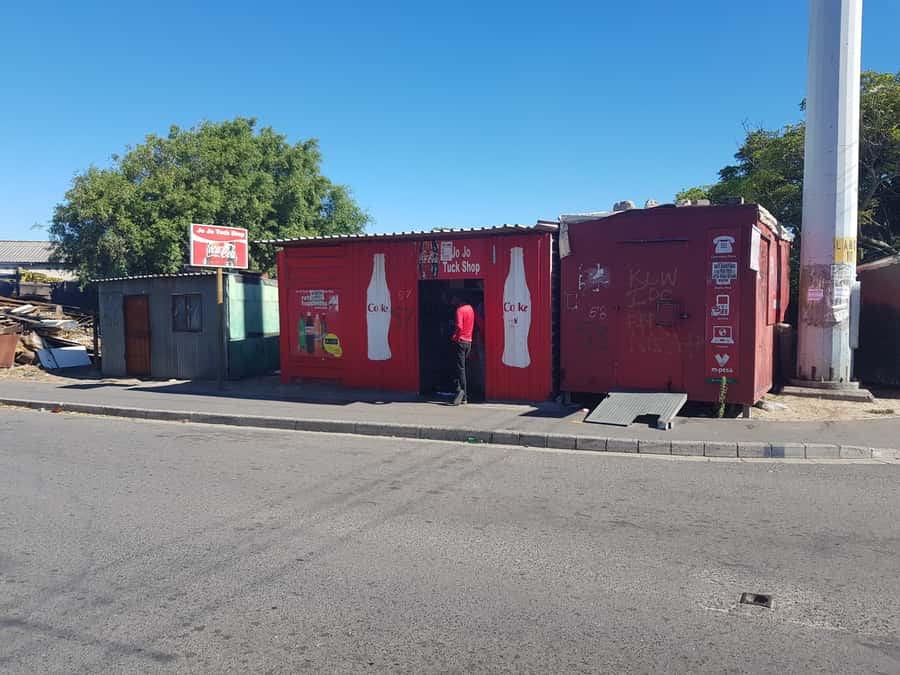
The tour is conducted in English and includes an English-speaking live guide. Names can vary, but Sam and Loyola are associated with the experience. The driving guide may be joined by a local Langa guide for the walking section, which gives you both the wider city context and a more local perspective.
That two-guide structure is a real benefit. A driver who knows the city can connect the townships to Cape Town’s wider history, while a local walking guide can explain what you are seeing on foot. It also gives you more than one voice during a sensitive subject.
Pickup and drop-off at your hotel are included, as is transport in an air-conditioned minivan. The vehicle matters because the itinerary covers several separated areas. You will spend some time driving, but that is not wasted time when the guide is explaining the history of each community.
Wear comfortable shoes. You will walk in Langa, and the tour is better when you can focus on the guide rather than your feet. Pets, smoking, and oversize luggage are not allowed. The experience is wheelchair accessible, though it is sensible to confirm any specific mobility needs when booking.
You can cancel up to 24 hours before the tour for a full refund, and the reserve-now, pay-later option keeps your plans flexible. Tips are optional and not included. Lunch is not included either, so plan around the three-hour schedule rather than expecting a meal.
Who will get the most from this experience?
I would choose this tour if you want a direct introduction to apartheid and present-day township life, especially if this is your first visit to Cape Town. It suits adults, couples, families with older children, and small groups who want to ask questions freely.
It is also a good choice if you want more than a memorial or museum visit. The combination of walking, driving, local social spaces, a traditional healer, and community work gives you several ways to understand the subject.
I would be more cautious if you want a relaxed sightseeing morning with little emotional weight. The tour addresses forced removals, racial control, poverty, police killings, and political violence. It can be eye-opening, but it is not carefree.
The private format is best for people who value conversation. You can pause over subjects that interest you, ask for clarification, and discuss what you are seeing with the guide. In a larger group, the same itinerary might feel more hurried.
Should you book the Cape Town township experience?
Book it if you want to understand Cape Town beyond its postcard attractions and are willing to meet difficult history with respect. The strongest parts are the clear explanations from guides such as Sam or Loyola, the Langa walk, and the range of stops from District Six to Khayelitsha.
The $261 group rate makes reasonable sense for up to three people because hotel transport, a private vehicle, and guiding are included. Solo visitors pay more per person, but they gain a private setting for questions.
Allow three hours, wear comfortable shoes, bring an open mind, and keep your camera secondary to the people and places around you. If that sounds right for your trip, this is a worthwhile way to see how apartheid shaped Cape Town and how township communities continue to live and work today.
FAQ
How long does the township experience last?
The tour lasts three hours.
What areas of Cape Town does the tour visit?
The route includes District Six, Langa, Bonteheuwel, Gugulethu, and Khayelitsha.
Is hotel pickup and drop-off included?
Yes. Hotel pickup and drop-off are included in the experience.
What language is the tour conducted in?
The live tour guide speaks English.
Is this a private tour?
Yes. It is a private group experience for up to three people.
Is food included?
No. Food and drinks are not included unless specifically stated, and lunch is not included.
Can I cancel for a refund?
Yes. You can cancel up to 24 hours in advance for a full refund.
What should I bring?
Bring comfortable shoes. Pets, smoking, and oversize luggage are not allowed.
Just added in Cape Town
- Wine Tasting in Cape’s Top Three Winelands Private Tour★ 4.5 · 17 reviews
- Private Tour to Aquila Game Reserve in Cape Town – see the Big5★ 5.0 · 5 reviews
- Full Day Big 5 Aquila Safari Private Transfers Including Park Fee From Cape Town★ 4.5 · 54 reviews
- Robben Island and Table Mountain Cableway with Bo-Kaap Day Tour★ 5.0 · 8 reviews
- Private Tour:Cape of Good Hop>Seal island>Chapman’speak &Penguins★ 5.0 · 7 reviews
- Private Full Day Cape Town City Scenic and Table Mountain Tour.★ 5.0 · 3 reviews
- Private Half DayTour:Cape Winelands, Stellenbosch from Cape Town★ 5.0 · 18 reviews
- Private Tour: Cape Winelands to Stellenbosch & Franschhoek★ 5.0 · 3 reviews
Soweto & Township Tours, compared.

Johannesburg Hop-On Hop-Off City Tour with Soweto Option
Read our review →
Jo’berg in 1 Day: Soweto, Apartheid Museum & City Tour
Read our review →
Full-Day Tour with Soweto and Apartheid Museum
Read our review →Browse the lists this tour appears in