
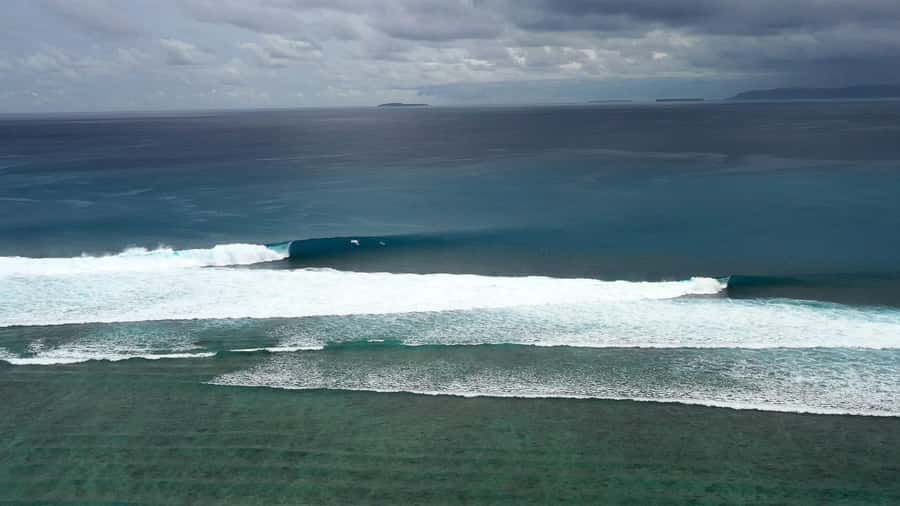
Reviewed · SURFING, KAYAKING & PADDLING
2 Hour Surf Lesson Jeffreys Bay
Jeffreys Bay is famous for serious surf, but you do not need serious skills to get started here. This two-hour lesson takes place at Dolphin Beach, a few kilometres from Supertubes, with an English-speaking instructor, a board, and a wetsuit supplied.
I like the clear 20-minute introduction before you enter the water, and I like the small group limit of eight people. The price is also easy to justify at $23 per person. The main caution is timing: one session began late enough that a pair had to join a class already in progress, so confirm your start time when you arrive.
Key points
- Dolphin Beach setting: Learn near one of South Africa’s best-known surf towns, a short distance from the famous Supertubes break.
- 20 minutes of preparation: Practice finding your stance and paddling before heading into the water.
- Board and wetsuit included: You only need beachwear, sunscreen, and a change of clothes.
- Small groups of up to eight: The format allows for direct help without the feel of a large class.
- Good for first-timers: Instructor Lungani helped a complete beginner who had only skateboarded catch several waves.
- Follow-up savings: Additional lessons can be booked at a discounted price if one session leaves you wanting more.
Learning to surf near Jeffreys Bay’s famous breaks
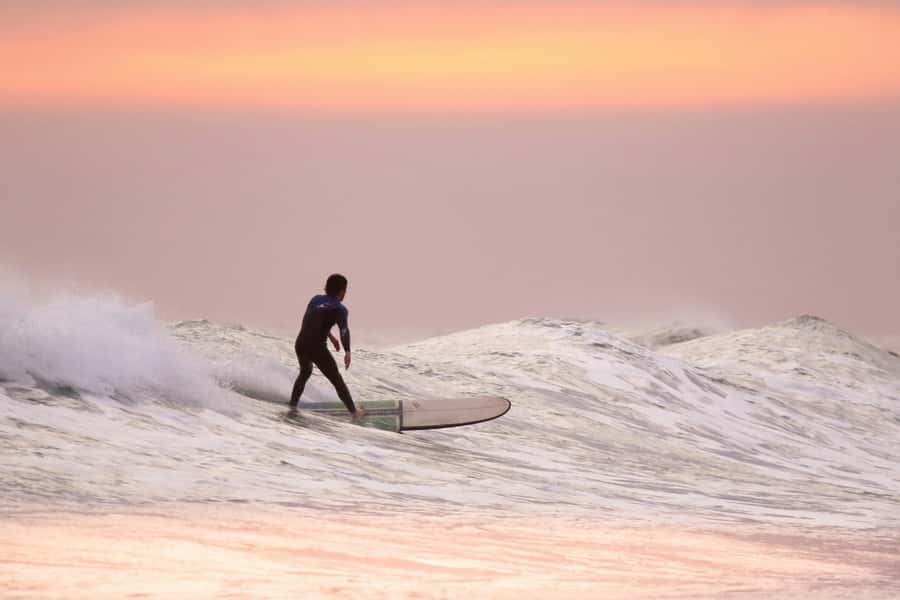
Jeffreys Bay has a reputation that can make beginners feel slightly out of place. Names such as Supertubes carry serious weight among experienced surfers, yet this lesson is aimed at people who are still working out which foot belongs in front.
You meet at Dolphin Beach, a few kilometres from Supertubes. That location matters. You get the atmosphere of a major surf town without being asked to perform at an expert break. The lesson is built around basic movement, balance, paddling, and catching manageable waves.
I like that the session welcomes different starting points. You might already have a rough idea of what to do, or you might have never stood on a board. The instructors are described as qualified and patient, with the lesson adjusted to your confidence and experience.
That flexibility is useful for mixed groups. A complete novice can focus on standing and balance, while someone with a little experience may receive more help with timing or wave choice. The session is not presented as a sightseeing stop with a token surf demonstration. You are expected to get into the water and work.
Other time on the water around South Africa:
- Cape Town: Marine Life Kayak Tour From the V&A Waterfront
★ 4.8 · 640 reviews - Cape Town: Guided Kayaking in Hout Bay
★ 4.8 · 228 reviews - Atlantic Outlook Kayak Tour Cape Town
★ 5.0 · 194 reviews
The first 20 minutes: theory, stance, and paddling
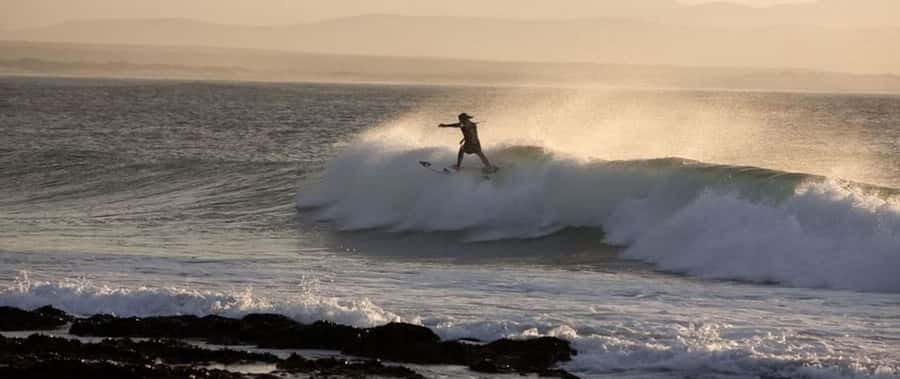
The lesson begins with about 20 minutes of theory and practice before you hit the water. This is a short but important part of the session. Surfing looks simple from shore. Once you are lying on a moving board, the order of your actions matters.
You work on finding your feet, which means learning how to move from lying down to standing in a stable way. You also practice paddling. Those two skills form the basic vocabulary of the lesson, and spending time on them first should make the water portion less confusing.
I would pay close attention here rather than treating the introduction as a formality. A good stance can make the difference between staying upright for a few seconds and sliding off immediately. The preparation also gives the instructor a chance to see how comfortable you are before the real effort begins.
The exact teaching sequence can vary with the group. If you already skateboard, you may recognize some of the balance work. That does not make surfing easy, but it can give you a useful starting point. One participant with skateboarding experience had never surfed before and was catching waves within minutes after receiving clear instructions from instructor Lungani.
Two hours in the water at Dolphin Beach
After the introduction, most of the lesson is spent trying the skills in the water. Your instructor helps you put the board and paddling practice to use, then works with you as you attempt to catch waves.
The appeal is simple: you are not just watching someone explain surfing. You are making repeated attempts. The lesson description sets the expectation of a first wave, then a second, third, and fourth. That repeated practice is valuable because your first success may come from luck, while later attempts help you understand what your body and board are doing.
The session can also become physically demanding quickly. Paddling takes effort, and repeatedly getting back on the board uses more energy than many beginners expect. I would arrive ready to work rather than treating this as a gentle beach activity. Bring water for before or after the session, since food and drinks are not included.
The two-hour duration gives you enough time to get past the first awkward attempts. Still, two hours is an introduction, not a complete course. You may finish knowing how to stand and catch a few small waves, while still needing more lessons to improve control and consistency.
Why the small group size matters
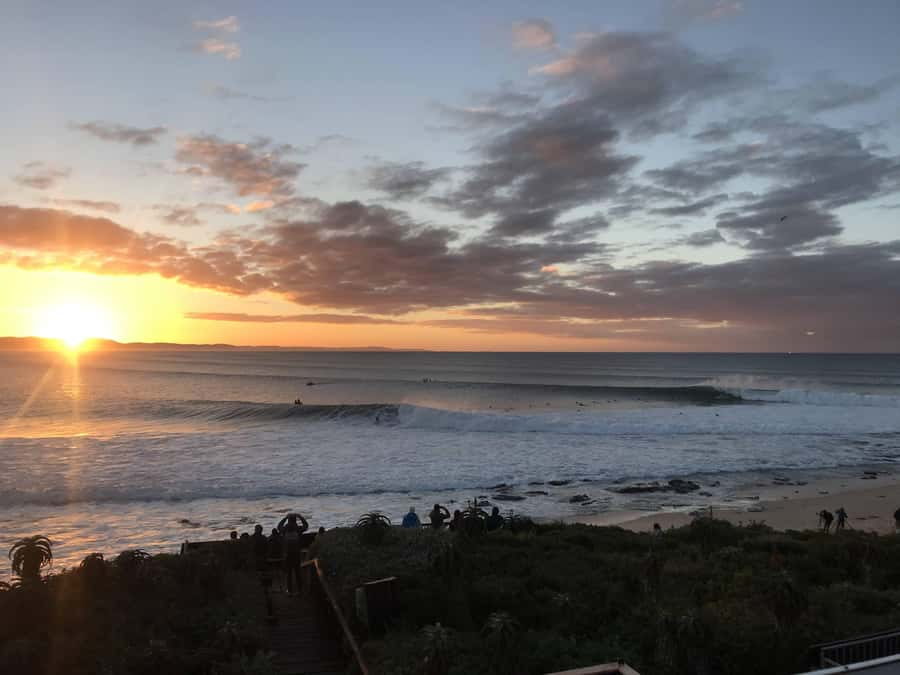
The class is limited to eight participants. That is large enough to create a social lesson, but small enough that the instructor can keep an eye on individual progress.
For a first surf lesson, direct corrections matter. You may need help with foot placement, paddling direction, or the moment to stand. In a large class, you could spend much of the session waiting for attention. A maximum of eight does not guarantee constant one-on-one coaching, but it gives the instructor a reasonable chance to work with each person.
The experience is also described as offering one-on-one lessons, so ask how your booking will be arranged if personal coaching is your priority. The provided details support both individual instruction and a small-group format, but they do not state that every booking is private.
There is one practical timing issue to keep in mind. A pair once found that the surf school was not ready for them, and they had to join a class that had already started after 9 a.m. The instructor handled the situation well and later helped them catch waves suited to more advanced surfers, but the experience shows why confirming the meeting and start time is sensible.
Other things to learn to make in South Africa:
- Cape Town: Malay Cooking Class and Lunch in Bo-Kaap
★ 4.8 · 515 reviews - Cape Town: Cape Malay Cooking Class in Bo-Kaap
★ 4.8 · 120 reviews - Cape Town: Bo-Kapp Walking Tour and Malay Cooking Class
★ 4.7 · 105 reviews - Private Surf Lesson
★ 5.0 · 53 reviews
Instructor Lungani and the teaching style
Instructor Lungani received especially strong praise for clear, concise instruction. That is exactly what you want in surfing. Long explanations are hard to remember once you are paddling toward a wave.
The most useful teaching style here appears to be practical and encouraging. You receive a short explanation, try it, then get another adjustment. That rhythm suits beginners better than a long technical lecture.
The instructor also needs to adapt when plans go wrong. In the late-start situation described above, the group was added to an ongoing class. Rather than letting the session fall apart, the instructor continued working with them and helped them catch additional waves later in the lesson.
You should still keep expectations realistic. A patient instructor can show you the right movements, but the ocean will not make every attempt easy. Your progress depends on comfort in the water, fitness, timing, and how quickly you respond to corrections.
What the $23 price really includes
At $23 per person, this is a low-cost way to try surfing in Jeffreys Bay. The price includes the surfboard and wetsuit, which removes two of the main costs and hassles for a beginner.
That equipment matters. A wetsuit can make a cold-water session more manageable, while a suitable board gives you a better chance of balancing than a narrow advanced board would. You do not need to rent equipment separately or carry a board to the beach.
The price does not include food or drinks. Bring your own refreshments for afterward, along with a change of clothes. The required items are simple:
- Beachwear
- Sunscreen
- A change of clothes
The activity also offers reserve-now-and-pay-later booking, which can help if your Jeffreys Bay plans are not fixed. You can cancel up to 24 hours before the activity for a full refund. An optional pickup from town may be arranged with reception, but it is not presented as an automatic part of the booking.
Who will get the most from this lesson
This lesson suits adults and older children who can swim and want a first taste of surfing without buying equipment or committing to a long course. Children under six are not suitable for the activity, and swimming ability is required.
I would particularly recommend it to:
- First-time surfers who want a structured introduction
- People with a little board-sport experience, such as skateboarding
- Couples or friends who want to learn together
- Visitors who want an active two-hour break from driving or sightseeing
- Beginners who may book discounted follow-up lessons afterward
It is less suitable if you want a quiet beach outing or a highly polished private coaching session with guaranteed waves. The lesson involves effort, repeated attempts, and conditions that you cannot fully control.
It can also be a good choice for mixed abilities. A beginner can work on standing, while someone with more experience may receive advice on catching better waves. One session even included help with more advanced waves after the class issue was sorted out.
English instruction and group expectations
The instruction is in English. You should be comfortable understanding short spoken directions about stance, paddling, and timing.
The small-group setup may include people with different confidence levels. That can be helpful because you see others learning the same basic steps, but it may also mean the instructor divides attention among several people.
If you need close personal supervision, ask about a one-on-one arrangement before booking. The experience specifically highlights one-on-one surf lessons, yet it also sets a maximum group size of eight. Clarifying that point is the best way to match the booking to your expectations.
The overall rating is 4.6 from four reviews, with particularly strong comments about the clarity of the instruction and the instructor’s ability to help beginners catch waves. The sample is small, so I would treat the rating as useful guidance rather than a guarantee of identical conditions for every session.
How to prepare for a more comfortable session
Wear beachwear beneath the wetsuit and bring dry clothes for afterward. Sunscreen is essential, even during a short session, since you will be outdoors and may spend time waiting or practicing near the water.
Come ready to swim and ready to get tired. Surfing uses your arms, legs, and core, and the effort of repeated paddling can catch newcomers by surprise. The physical demand is not a flaw, but it affects how you plan the rest of your day.
Avoid alcohol and drugs. They are not allowed, and swimming plus board handling requires clear judgment.
I would also avoid scheduling the lesson immediately before a fixed appointment. Start times should be checked when you book, and one past session involved joining a class already underway. Give yourself room for a slower start, changing clothes, and the possibility that you will want a break afterward.
Should you book the Jeffreys Bay surf lesson?
Book it if you want an affordable, equipment-included introduction to surfing in one of South Africa’s best-known surf towns. The 20-minute theory section, limited group size, and patient instruction make it suitable for people who need a clear start rather than a loose try-it-yourself session.
The strongest reason to choose it is the chance to get practical help from an instructor such as Lungani, with a real possibility of catching several waves even on your first day. The strongest reason to pause is that timing and group arrangements may not always be perfectly organized.
At $23, the value is good if you can swim, are willing to work, and understand that two hours will give you an introduction rather than mastery. If you enjoy the first lesson, discounted follow-up sessions give you a sensible way to keep improving.
FAQ
Where does the surf lesson take place?
The lesson takes place at Dolphin Beach in Jeffreys Bay, a few kilometres from the famous Supertubes surf spot.
How long does the surf lesson last?
The activity lasts two hours, including approximately 20 minutes of theory and practice before entering the water.
Is a surfboard included?
Yes. A surfboard is included in the activity price.
Is a wetsuit included?
Yes. A wetsuit is included.
What language is the lesson taught in?
The instructor teaches in English.
Do I need to know how to swim?
Yes. Participants must be able to swim.
Are children under six allowed to join?
No. The lesson is not suitable for children under six.
Can I cancel the booking for a refund?
Yes. You can cancel up to 24 hours in advance for a full refund.
Just added in South Africa
- Wine Tasting in Cape’s Top Three Winelands Private Tour★ 4.5 · 17 reviews
- Private Tour to Aquila Game Reserve in Cape Town – see the Big5★ 5.0 · 5 reviews
- Private Tour:Cape of Good Hop>Seal island>Chapman’speak &Penguins★ 5.0 · 7 reviews
- Full Day Big 5 Aquila Safari Private Transfers Including Park Fee From Cape Town★ 4.5 · 54 reviews
- Robben Island and Table Mountain Cableway with Bo-Kaap Day Tour★ 5.0 · 8 reviews
- Private Full Day Cape Town City Scenic and Table Mountain Tour.★ 5.0 · 3 reviews
- Private Half DayTour:Cape Winelands, Stellenbosch from Cape Town★ 5.0 · 18 reviews
- Private Cape of Good Hope and Penguins Tour with Luxury Mercedes or BMW Vehicle★ 5.0 · 3 reviews
Surfing, Kayaking & Paddling, compared.
Cape Town Kayak Adventure in Table Mountain Marine Reserve
Read our review →

Browse the lists this tour appears in