
Reviewed · SOWETO & TOWNSHIP TOURS
Authentic Township Tour Cape Town
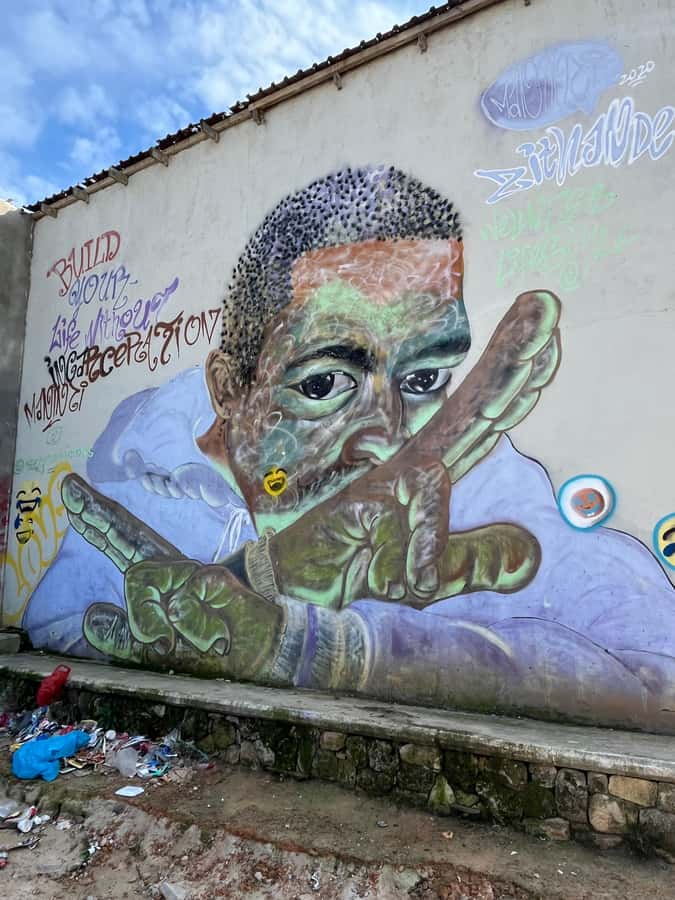
Khayelitsha is not a backdrop for a quick photo stop. This six-hour visit takes you on foot through local streets, into a home, to community projects, and to a township barbecue. Local contact is the point, not sightseeing from a bus window.
I like the chance to meet people who live and work here, and I like that the day includes ordinary pleasures such as coffee, music, beer, and grilled food. The private format also gives you room to ask direct questions. The main consideration is that this is not a polished city tour. Walking conditions may be basic, and the subject matter includes poverty and hardship.
Key points at a glance
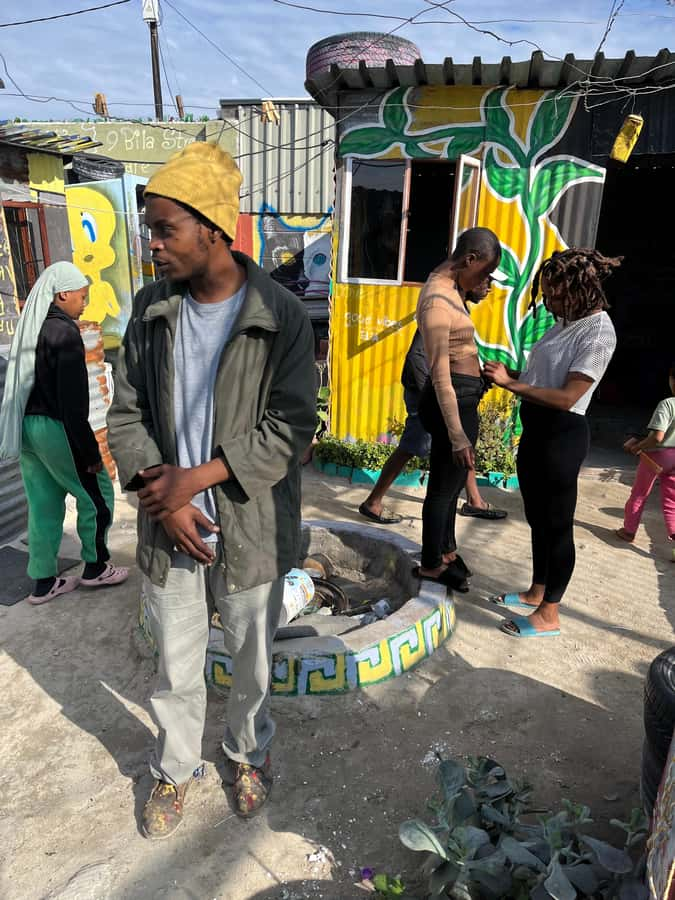
- Khayelitsha on foot: Walk through the community instead of seeing it only from a vehicle.
- Local home visit: Hear about daily life through direct contact with residents.
- Coffee and barbecue: The day moves from a coffee tasting to lunch at a local tshisanyama.
- Arts and community work: Meet artisans, see creative projects, and learn how small businesses support local families.
- Private pickup: Transport from and back to your Cape Town accommodation is included.
- English or German guide: Recent tours were led by guides including Randolf and Randy.
Why this Khayelitsha tour feels different

Many township visits keep you in a vehicle, pointing out streets and buildings through a window. This one asks you to walk, stop, listen, eat, and meet people. That changes the tone. You are not simply looking at Khayelitsha. You are spending time in parts of it that make more sense when explained by a local guide.
The tour also treats the community as more than a story about need. You learn about financial pressure and the struggle to support a family, but you also meet shopkeepers, artists, street vendors, and artisans. Music, food, humor, and enterprise are part of the picture.
That balance matters. Khayelitsha is a major informal community in Cape Town, and a short visit cannot explain every part of life here. But a guide can help you move past easy assumptions. You will hear about what people face and also see the work, creativity, and social ties that keep daily life moving.
The experience is operated by Afrika Lovers Pty Ltd and runs as a private group. That is useful if you want to ask sensitive questions without speaking over a large crowd. It is also a better setup for a first township visit, since the guide can explain local customs and help you approach people respectfully.
More Township Tours in Cape Town
- Half-Day Tour Through Cape Town’s Townships
★ 4.8 · 979 reviews - Cape Town: Guided Township Tour with Hotel Pickup
★ 4.4 · 536 reviews - Cape Town: Nathi Langa Township Walking Tour
★ 4.9 · 493 reviews
Starting with coffee before the walking tour
The day begins with pickup at your accommodation in Cape Town, followed by a coffee experience lasting about an hour. Coffee may seem like a small opening activity, but it gives the morning a calm start before the walking portion begins.
Use this time to ask your guide how the day will work. You can also ask what is appropriate when taking photographs, entering a home, or speaking with residents. Those questions are not just practical. They show respect and help prevent the visit from feeling like a human spectacle.
The coffee stop is also a reminder that township life is not defined only by its problems. People meet, trade, work, eat, and relax here just as they do in every other part of Cape Town. The difference is that many families face sharper limits on space, income, and public services.
The schedule allows roughly one hour for coffee, though exact timing can depend on the day. If you prefer a quick introduction and more time outside, tell your guide early. Since this is a private group, you have more flexibility than you would on a large scheduled bus outing.
Walking through Khayelitsha with context
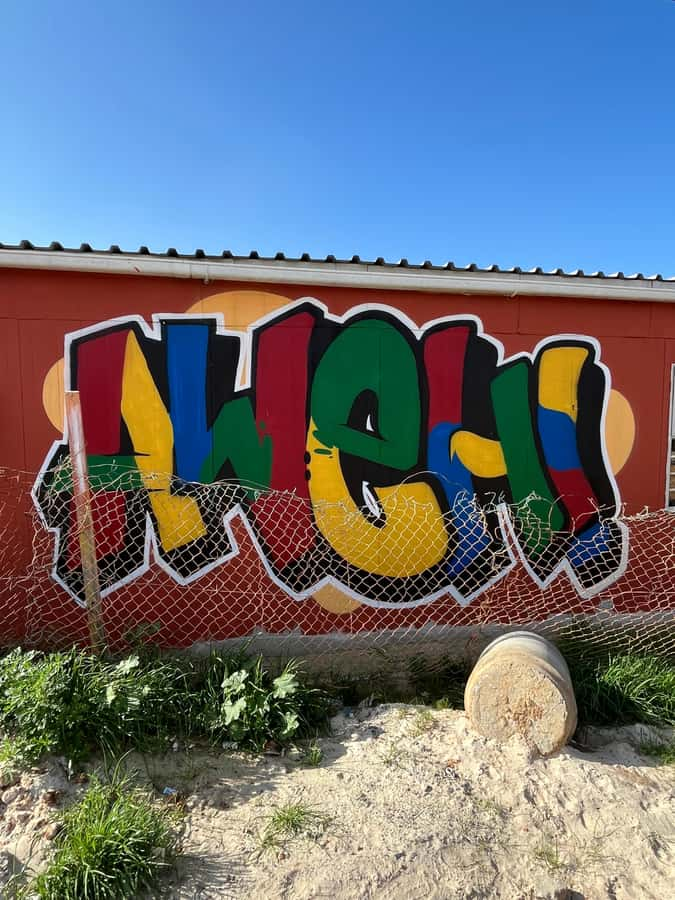
The community walk lasts about an hour and is one of the most important parts of the experience. You will walk through typical township areas and see daily activity at street level. The point is not to collect a list of sights. It is to understand how homes, small shops, markets, food sellers, and meeting places fit together.
A guide can explain what you are seeing in a way that a map cannot. A roadside business might be a family income source. A small shop may serve neighbors who do not have easy access to larger retail areas. A market can be a place to buy food, but also a place where people meet and earn money.
You may also visit a shopping mall and local markets during the wider walk. These contrasts are useful. Khayelitsha is not one uniform place, and the presence of formal retail alongside informal trade says a great deal about how people shop and make a living.
Good walking shoes are sensible. The tour information does not promise smooth, level paths, and the experience is specifically not suitable for people with mobility impairments or wheelchair users. Recent surgery, very young children, and advanced age may also make this outing uncomfortable. The stated restrictions exclude children under five, with separate restrictions also listed for children under four, three, and two, as well as babies under one. For a clear decision, ask the operator about your child’s age before booking.
A local home visit, handled with care
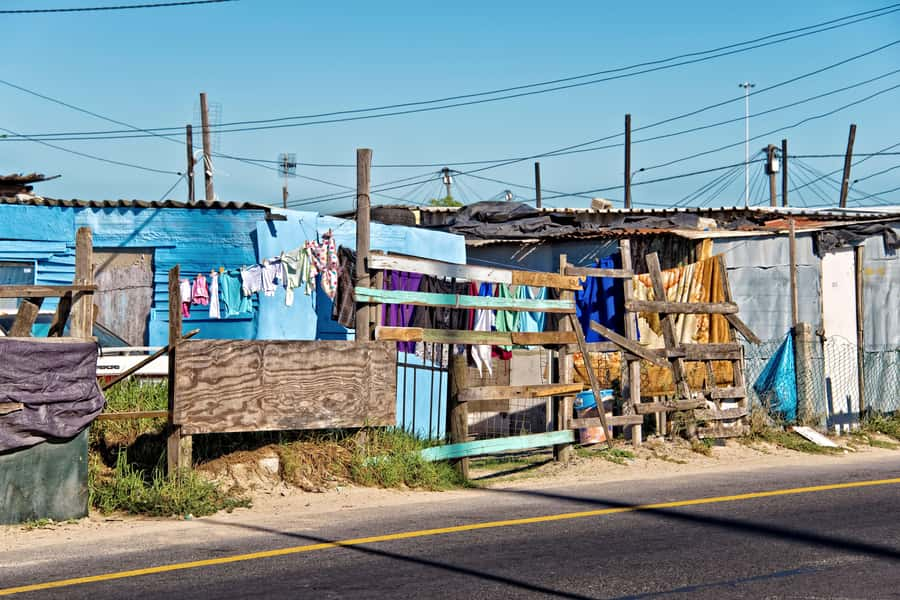
The home visit is the most personal part of the day. You will enter a local home and hear about life from someone connected to the community. One recent tour included firsthand information from a Khayelitsha resident, which gives the visit a different feel from a general lecture by a guide.
This is where the human side of the tour becomes clearest. You may learn how people manage family responsibilities, earn an income, and deal with limited resources. You may also see the pride and order people bring to their homes. Do not arrive expecting a staged display. The value comes from listening to a real person explain life in their own setting.
Your behavior matters here. Ask before photographing people or interiors, listen rather than compare everything with home, and let the guide explain when a question needs more care. A private group helps because the conversation can move at a natural pace.
There is an ethical question behind any township visit: does the experience benefit the people being visited? This tour includes local food, a community walk, local businesses, artists, and a home visit, so your spending and attention are directed toward community-based contacts. The tour also lists donations separately, so bring some South African rand if you would like to contribute. Donations are not included in the price and should never be treated as an obligation.
Other township visits from Cape Town:
- Cape Town: Robben Island Ferry Ticket and Townships Tour
★ 4.5 · 400 reviews - Cape Town: Langa Township Walking Tour
★ 4.8 · 272 reviews - Cape Town: Half-Day Guided Township Tour
★ 4.6 · 237 reviews - Cape Town Township Private Tour
★ 5.0 · 158 reviews
Arts, culture, and the work of local makers

The arts and culture centre visit gives the tour a welcome shift from household concerns to creative work. You will see how artists and community projects help tell the story of Khayelitsha and create opportunities for local people.
The exact centre and activities can vary, so do not expect a fixed museum collection. Think of this as a guided introduction to local creativity. Your guide may connect the work on display with township identity, income, youth activities, or community organizing.
This stop is valuable because it puts skill and ambition beside hardship. It is easy for an outsider to see only informal housing or economic struggle. Art, music, and small enterprises show another side: people making things, building careers, and shaping how their community is understood.
The guided visit is listed as about an hour, followed by another guided segment of roughly 30 minutes. The supplied schedule does not name every stop, so the rhythm may vary. Ask your guide questions and take your time. This is a private tour, not a race between fixed attractions.
Lunch at a Khayelitsha tshisanyama

Lunch is served at a local tshisanyama, a township barbecue. This is one of the day’s strongest practical features because food gives you a direct and easy way to connect with local culture. You will have regional food, drinks, and a barbecue-style meal rather than a standard restaurant lunch designed for international visitors.
The setting may be informal. That is part of the appeal, but it also means you should not expect a quiet dining room or a highly controlled menu. The food experience can include street food and local flavors, and the day may include music. One recent visit included a typical bar, beer, Afrobeat, and a meal that left a lasting impression.
If you do not eat meat, have allergies, or have other dietary needs, ask before booking. The information provided does not confirm vegetarian, vegan, halal, or allergy-friendly alternatives. The same applies to drink preferences. Lunch and drinks are included, but the exact selection is not specified.
The barbecue stop also helps make the visit feel social instead of purely educational. You have spent the morning hearing about work and family life. Now you can sit, eat, and enjoy the everyday side of the community. In South Africa, a shared meal often explains a place better than a long speech.
Guides, language, and the private format

The tour is available in English or German. Recent German-speaking visitors were guided by Randolf and Randy, who explained local life, township history, and current challenges. One guide even added an extra round through Cape Town after the scheduled portion, though you should not assume that this is guaranteed.
The guide is central to the experience. A good guide sets the tone for the home visit, explains when to ask questions, and makes sure local contacts are treated with respect. The strongest part of this tour is not a landmark. It is the quality of the conversation.
A private group is helpful for three reasons. First, you can ask direct questions about sensitive subjects. Second, the guide can adjust the pace of walking and discussion. Third, you are less likely to feel swept through a community in a large pack.
Still, private does not mean fully customizable. The published day has a clear shape: pickup, coffee, walking, guided community visits, arts and culture, food, and return to Cape Town. If you want extra shopping time, more music, or a longer bar stop, ask in advance rather than expecting the schedule to change on the day.
Is the $218 price good value?
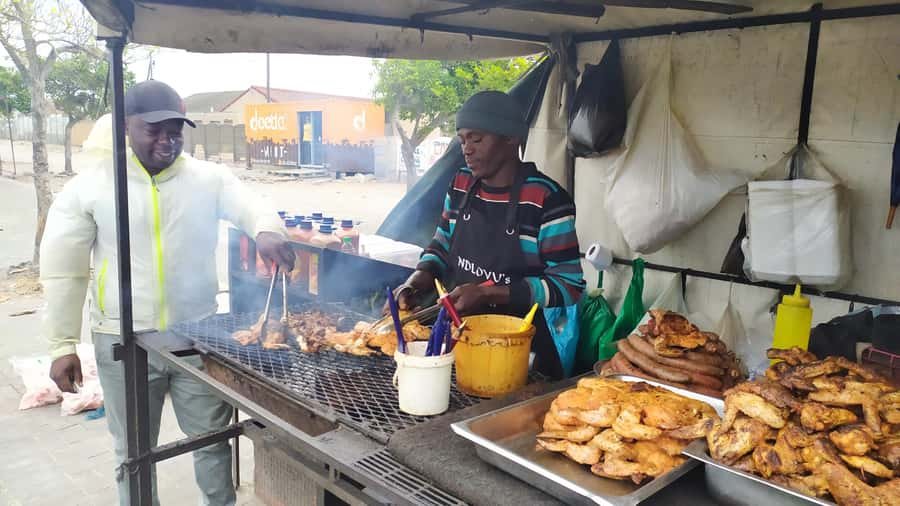
At $218 per person, this is not a cheap half-day outing. But the price includes accommodation pickup and drop-off, a local guide, private transport, coffee, lunch, drinks, the community walk, a home visit, and the arts and culture centre.
That bundle is more useful than comparing it with a simple sightseeing transfer. You are paying for time, local coordination, food, and a guide who can make personal introductions. A lower-priced bus tour may offer a quick view of the area, but it may not include the same walking, home contact, or private conversation.
The value is strongest for people who want an informed, people-focused visit and who would otherwise struggle to arrange respectful local contact. It is weaker if you mainly want photographs, major Cape Town landmarks, or a low-cost way to fill a few hours.
The price also covers the convenience of hotel pickup, which matters because Khayelitsha is outside the usual central sightseeing circuit. You do not need to arrange separate transport or work out the route yourself. Donations and souvenirs cost extra, so keep a little spending money available if you want to support a project or buy something local.
What to know before you book

Allow the full six hours. The published schedule includes one hour for coffee, one hour walking, an hour-long guided visit, another 30-minute guided segment, and about an hour for street food and barbecue. Road conditions and conversations can affect the pace.
Dress for walking and choose practical shoes. The experience is not suitable for wheelchair users or people with mobility impairments. It is also not recommended for people with recent surgeries, babies, or very young children. The upper age restriction excludes people over 95.
Go with an open mind, but not a careless one. You are entering homes and meeting people whose lives are not there for entertainment. Listen, ask permission before taking photographs, and remember that donations are optional support rather than a fee for access.
You can cancel up to 24 hours before the start for a full refund, and you can reserve without paying immediately. Starting times vary, so check availability for your date. Pickup is included from your accommodation in Cape Town.
Who should book this Khayelitsha experience?
Book it if you want to understand Cape Town beyond its beaches, museums, and scenic drives. It suits curious adults, couples, families with older children who can manage the walking, and anyone who values direct conversation over a checklist of sights.
It is especially useful if you want a German-speaking guide, a private group, or a first visit to a township with local support. The day gives you several ways into the community: food, art, business, music, walking, and home life.
Skip it if you need smooth access, a tightly scripted attraction tour, or a light subject with no discussion of inequality and hardship. Also think twice if you are uncomfortable with informal dining, local homes, or the ethical questions that come with visiting a working community.
Should you book it?
I would book this tour if your goal is a more personal understanding of Khayelitsha. The combination of a local guide, community walk, home visit, creative projects, and tshisanyama lunch gives the day real range. It does not reduce the township to poverty, and it does not pretend the hardships are absent.
The strongest reasons to choose it are the private format, local contact, and the chance to meet people through ordinary activities. The main caution is the price and the physical nature of the day. If those fit your plans, this is a thoughtful way to spend six hours in Cape Town, with enough food, conversation, and context to stay with you after the vehicle returns to your accommodation.
FAQ
How long does the Authentic Township Tour Cape Town last?
The experience lasts six hours, including pickup and drop-off at your accommodation in Cape Town.
Is transportation included?
Yes. Transport from and back to your accommodation in Cape Town is included.
Which languages are available?
The live guide is available in English or German.
Is this a private tour?
Yes. The experience is offered for a private group.
What food is included?
The tour includes coffee, drinks, and lunch at a local tshisanyama, with barbecue, street food, food tasting, and regional food listed as part of the experience.
Can I cancel the booking?
You can cancel up to 24 hours in advance for a full refund. You can also reserve now and pay later.
Just added in Cape Town
- Wine Tasting in Cape’s Top Three Winelands Private Tour★ 4.5 · 17 reviews
- Private Tour to Aquila Game Reserve in Cape Town – see the Big5★ 5.0 · 5 reviews
- Private Tour:Cape of Good Hop>Seal island>Chapman’speak &Penguins★ 5.0 · 7 reviews
- Full Day Big 5 Aquila Safari Private Transfers Including Park Fee From Cape Town★ 4.5 · 54 reviews
- Robben Island and Table Mountain Cableway with Bo-Kaap Day Tour★ 5.0 · 8 reviews
- Private Full Day Cape Town City Scenic and Table Mountain Tour.★ 5.0 · 3 reviews
- Private Half DayTour:Cape Winelands, Stellenbosch from Cape Town★ 5.0 · 18 reviews
- Private Tour: Cape Winelands to Stellenbosch & Franschhoek★ 5.0 · 3 reviews
Soweto & Township Tours, compared.

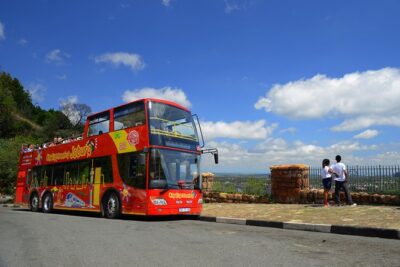
Johannesburg Hop-On Hop-Off City Tour with Soweto Option
Read our review →


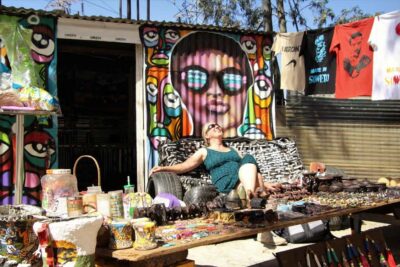
Jo’berg in 1 Day: Soweto, Apartheid Museum & City Tour
Read our review →
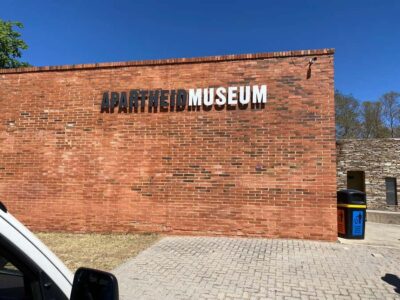
Full-Day Tour with Soweto and Apartheid Museum
Read our review →Browse the lists this tour appears in