
Reviewed · MUSEUMS
Cape Town: Heart of Cape Town Medical Museum Entrance Ticket
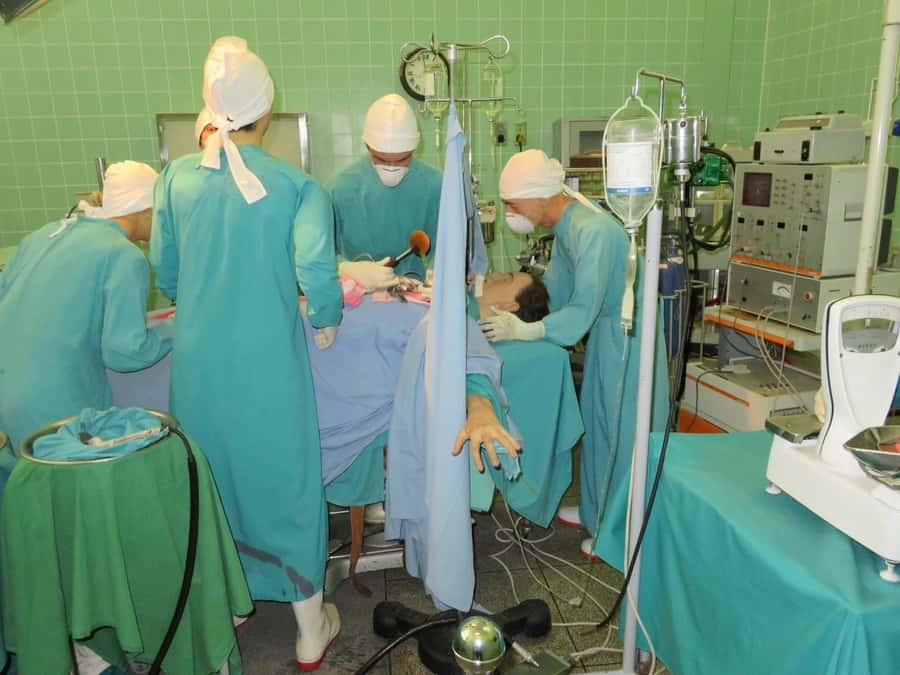
The world’s first successful heart transplant happened here, inside Groote Schuur Hospital in Cape Town, and this museum lets you stand in the original operating rooms where the operation unfolded. The restored theatres, medical displays, and press material give the event a human scale that a textbook cannot.
I like two things in particular: the tour keeps you close to the actual place, and a trained English-speaking guide helps connect the surgical feat with the people behind it. The main caution is that this is a focused medical-history visit, not a broad hospital tour, and the surgical displays may feel intense for young children or sensitive visitors.
Key things to know before you go
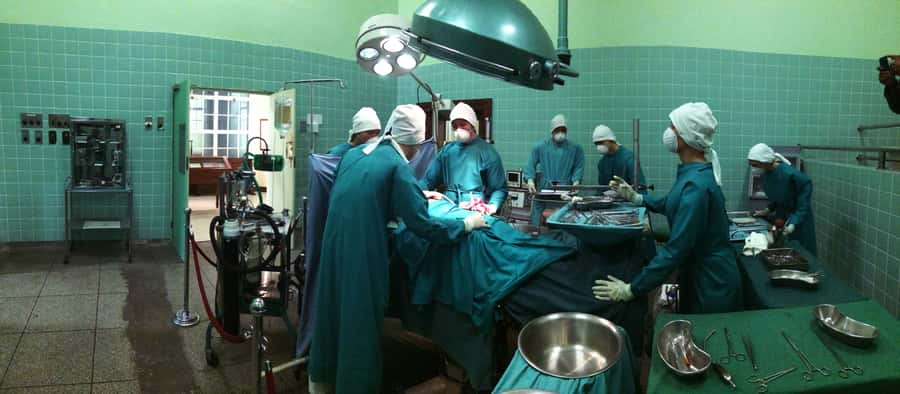
- The original operating rooms remain the main attraction: The Charles Saint Theatre and related surgical areas are presented as they looked during the 1967 operation.
- The visit lasts about 1.5 hours: That gives the guide time to explain the transplant, its setting, and the people involved without turning the experience into a quick photo stop.
- Small groups make a difference: Tours are limited to 10 people, so you should have a better chance of hearing the guide and asking questions.
- The story is both scientific and personal: The museum honors Professor Christiaan Neethling Barnard and everyone who played a role in the operation.
- English is the tour language: The experience includes a live English-speaking guide.
- Plan around the hospital location: You meet at Groote Schuur Hospital in Observatory, and hotel transfers, food, and drinks are not included.
Entering Groote Schuur Hospital in Observatory
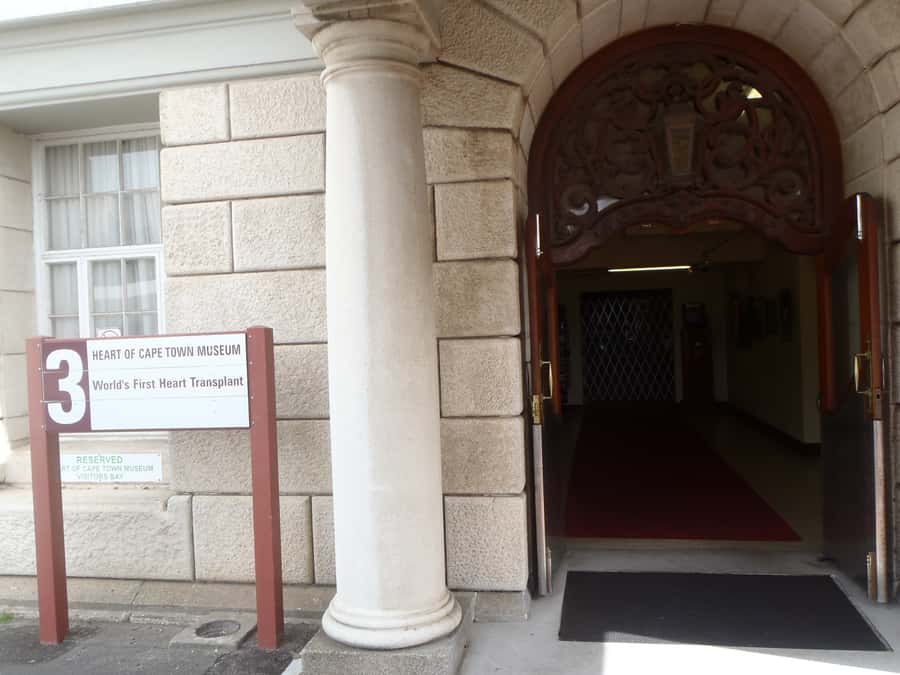
Your visit begins at Groote Schuur Hospital on Main Road in Observatory, Cape Town. This matters because the museum is not an isolated attraction built to recreate a medical setting. The story took place here, and the hospital remains the starting and ending point for the tour.
You need to arrange your own way to the meeting point. Hotel pickup and drop-off are not included, so allow enough time to reach the hospital before your selected start time. The activity is valid for one day, with starting times depending on availability.
The setting gives the visit a useful sense of place from the outset. You are not simply looking at a display about an operation that happened far away. You are arriving at the hospital associated with a major turning point in modern surgery.
Because the meeting point is specific, check the address carefully: Groote Schuur Hospital, Main Road, Observatory, Cape Town, 7925, South Africa. If you are arranging several Cape Town activities on the same day, remember that this tour lasts around 1.5 hours and begins and ends at the hospital.
Other museums and galleries in Cape Town:
- Museum of Contemporary African Art: Fast-Track Zeitz MOCAA
★ 4.4 · 204 reviews - Cape Town: Private Guided Tour of Cape Town Diamond Museum
★ 4.7 · 156 reviews - ROBBEN ISLAND MUSEUM TOUR, WITH OPTIONAL LAST MINUTE TICKETS
★ 3.4 · 85 reviews
The Charles Saint Theatre and the 1967 operation
The central moment of the tour is the first successful heart transplant, carried out on December 3, 1967. Professor Christiaan Neethling Barnard led the surgical team, and the museum presents the operation within the walls of the Charles Saint Theatre.
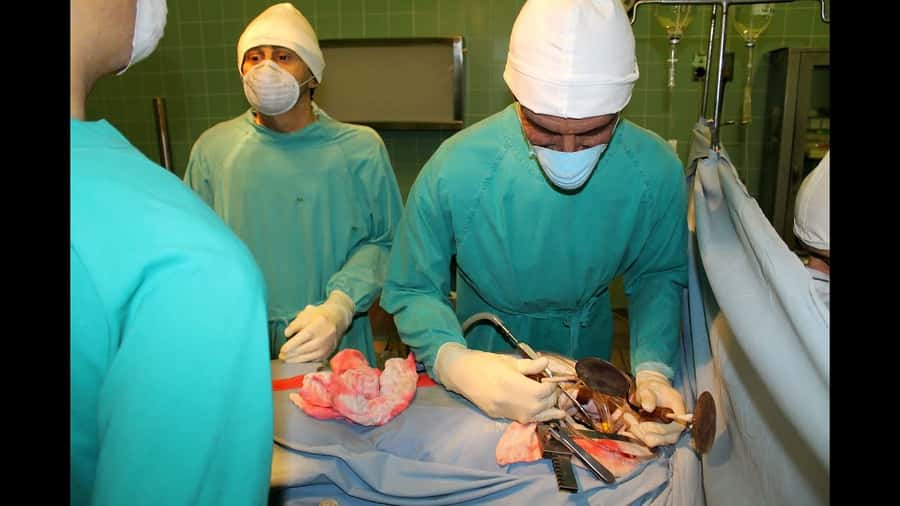
The value here is physical proximity. You can see the original operating rooms laid out to show how the organ removal and transplant procedures took place. The display is designed to recreate the key surgical scenes, with lifelike figures and equipment that place you close to the action.
That presentation will not suit everyone. Some people may find the realistic operating scenes unsettling, particularly if they are uncomfortable with medical displays. For those interested in surgery, medical training, or the history of science, though, the detail gives the story weight.
I appreciate that the museum does not treat the transplant as the work of one famous surgeon alone. The story honors the wider group of people who helped make the operation possible. That broader view keeps the focus on teamwork, preparation, and a difficult medical process rather than turning the visit into a single-person biography.
What the 1.5-hour guided tour adds
A guide is important here because the rooms themselves cannot explain every detail. The operation involved people, decisions, and medical limits that are easier to understand when someone walks you through the sequence.
The tour is conducted in English by a trained and certified guide. No guide name is provided for this experience, and the person leading your visit may vary. You should expect the guide to explain the operation and the surrounding story while you move through the museum spaces.
The 1.5-hour length is well judged for this kind of visit. It is long enough to cover the transplant, the operating rooms, and the supporting material without requiring an entire morning or afternoon. You have time to look closely and take in the setting rather than being pushed through in a few minutes.
Small groups are limited to 10 participants. That is useful in rooms where sight lines and space may matter. It also gives you a more practical chance to hear the guide clearly and ask about the medical or human details that catch your attention.
The strongest part of the guiding is likely to be the emotional context. One of the most praised elements of the experience is the way the explanation brings the event to life. A good guide can show why the operation was so important while still keeping the tone respectful.
Press material, people, and the human story
The museum includes background material and press articles connected with the first transplant and the people involved. These displays help explain how the operation was received at the time and why it pushed medicine into a new era.
The press coverage is useful because it gives you a sense of the event beyond the operating table. A medical breakthrough can sound abstract when reduced to a date and a name. Articles and related material show how much attention the operation received and how many people were linked to it.
The museum also honors all those who played a major role. That is one reason I would not treat this as only a stop for medical professionals. You do not need a technical background to understand the basic story, and the guide helps explain why the operation mattered.
At the same time, this is not presented as a general history of every heart transplant that followed. The focus stays on the first successful operation and the setting in which it happened. If you want a wide survey of modern medicine, this may feel narrow. If you want a close look at one landmark event, the narrow focus works in its favor.
A few more things to do in Cape Town worth a look
- Cape Town: Robben Island Ferry Ticket and Guided Prison Tour
★ 4.1 · 1,792 reviews - Cape Town: 2 Oceans Helicopter Flight with Boat Tour Ticket
★ 4.9 · 417 reviews - Cape Town: Robben Island Ferry Ticket and Townships Tour
★ 4.5 · 400 reviews - Cape Town: The Cape Wheel Ticket
★ 4.6 · 350 reviews
Why the original rooms matter
Recreated museums can explain an event well, but original places add another layer. Here, the operating rooms are tied directly to the operation itself, and the layout is arranged to show the organ removal theatre and transplant theatre.
That physical connection makes the visit more memorable than a standard display case. You can follow the story through the spaces where the surgical stages took place. The museum uses the rooms to create a sense of sequence, helping you understand that this was a coordinated process rather than one dramatic moment.
The restored setting also helps you picture the era. The transplant took place in 1967, at the dawn of a new stage in medical science. The rooms and exhibits point to a time when the boundaries of surgery were being tested in ways that now shape medicine.
You should keep your expectations sensible. The experience is built around the original operating rooms, historical displays, and guided explanation. It is not advertised as an interactive medical workshop or a hands-on demonstration. Its strength is the connection between place and history.
The emotional side of a medical museum
This museum deals with surgery, death, organ donation, and the risks of pioneering medicine. That gives the visit more emotional weight than a typical Cape Town attraction.
The guide-led format helps set the right tone. The explanation can connect the technical operation with the people involved, including the patient, the surgical team, and the wider hospital staff. The result is not simply a display of equipment.
Some visitors have found the guided explanation especially moving. That makes sense: the rooms present a real operation, not a fictional scene, and the event changed what doctors believed was possible.
I would be cautious about bringing children under 10, who are not permitted on the tour. Older children and teenagers may find the museum worthwhile if they already have an interest in science or medicine, but the operating scenes should be considered before booking for a young person.
For adults, this can be a thoughtful change of pace from Cape Town’s outdoor sights. It does not replace the city’s natural attractions, of course, but it offers a look at a major local contribution to world science.
Price and what you receive for $22
The admission price is $22 per person. That includes entrance fees and the guided tour, but not food, drinks, or transport to and from the hospital.
I consider the price reasonable if you value access to an original site and prefer a guided visit. You are paying for more than entry into a room: the fee covers the museum admission and an approximately 1.5-hour explanation in a group capped at 10 people.
The value is less clear if you only want a quick look at the operating rooms. This is not an all-day attraction, and the museum has a focused subject. You should book because the transplant story interests you, not because you are searching for a general Cape Town sightseeing pass stop.
Compared with a self-guided museum visit, the guide is the key difference. Without context, the operating rooms and displays may leave you with a series of images but not a clear understanding of the operation. The guided format gives the rooms a narrative and explains why the event mattered.
The price also includes a full refund if you cancel at least 24 hours in advance. You can reserve now and pay later, which helps if your Cape Town schedule is still taking shape.
Who should book this experience
I would recommend the museum to several kinds of visitors:
- People interested in medical history and surgery
- Visitors who want to see an important Cape Town site tied to a world event
- Students and adults interested in science
- Anyone who prefers a small-group tour with a live guide
- History-minded visitors looking for something beyond the city’s usual sightseeing stops
The experience may be less suitable if you dislike realistic surgical displays or want a relaxed, scenic activity. It also will not work for children under 10, and the English-only format may be a limitation if you need another language.
You should also allow for the fact that the museum is at a working hospital location. The tour begins and ends there, and you will need to handle your own transport. That is not difficult to plan, but it is an important detail when fitting the visit into a day around Cape Town.
Practical details for a smooth visit
Book a starting time that gives you a little breathing room before the tour. The meeting point is clearly specified, but you should not assume that hotel transport is provided.
The tour is available in English and is wheelchair accessible. It is offered as a small-group experience with no more than 10 participants. Those details make the visit easier to manage for people who need step-free access or who prefer not to join a large crowd.
There is no food or drink included, so plan those separately. Since the visit lasts about 1.5 hours, you can place it between other activities, but avoid scheduling another fixed booking too tightly afterward.
The cancellation policy also gives you some flexibility. You can cancel up to 24 hours before the tour for a full refund, and the reserve-now, pay-later option lets you hold a place without paying immediately.
Should you book the Heart of Cape Town Museum?
Book it if you want a focused, place-based story about one of the great moments in medical history. The original operating rooms, the lifelike surgical presentation, and the small-group guide make this much more meaningful than simply reading about the transplant.
Skip it if medical displays make you uncomfortable, if you need a tour in a language other than English, or if your priority is outdoor scenery and broad city sightseeing. For the right visitor, though, $22 buys a compact and memorable look at the operation that helped move heart surgery into a new age.
FAQ
Where does the Heart of Cape Town Museum tour begin?
The tour begins at Groote Schuur Hospital, Main Road, Observatory, Cape Town, 7925, South Africa.
How long does the guided tour last?
The guided tour lasts approximately 1.5 hours.
What does the ticket include?
The ticket includes museum entrance and the guided tour.
Is hotel pickup included?
No. Hotel pickup and drop-off are not included, so you must arrange your own transportation to Groote Schuur Hospital.
What language is the tour conducted in?
The live guided tour is conducted in English.
How large is the tour group?
The experience is offered in a small group limited to 10 participants.
Is the museum wheelchair accessible?
Yes. The activity is listed as wheelchair accessible.
Are children allowed to join?
Children under 10 are not permitted to take part in the experience.
Can I cancel the booking?
Yes. You can cancel up to 24 hours in advance for a full refund. You can also reserve now and pay later.
Just added in Cape Town
- Wine Tasting in Cape’s Top Three Winelands Private Tour★ 4.5 · 17 reviews
- Private Tour to Aquila Game Reserve in Cape Town – see the Big5★ 5.0 · 5 reviews
- Private Tour:Cape of Good Hop>Seal island>Chapman’speak &Penguins★ 5.0 · 7 reviews
- Full Day Big 5 Aquila Safari Private Transfers Including Park Fee From Cape Town★ 4.5 · 54 reviews
- Robben Island and Table Mountain Cableway with Bo-Kaap Day Tour★ 5.0 · 8 reviews
- Private Full Day Cape Town City Scenic and Table Mountain Tour.★ 5.0 · 3 reviews
- Private Half DayTour:Cape Winelands, Stellenbosch from Cape Town★ 5.0 · 18 reviews
- Tastes of Stellenbosch Wine Full Day Tour with Private Transfer★ 5.0 · 7 reviews
Museums, compared.

Jo’berg in 1 Day: Soweto, Apartheid Museum & City Tour
Read our review →
Full-Day Tour with Soweto and Apartheid Museum
Read our review →
Half Guided Day Tour of Soweto And Apartheid Museum
Read our review →
Ultimate Johannesburg Soweto Experience with Apartheid Museum
Read our review →
Hop-On Hop-Off Bus, City Tour and Apartheid Museum
Read our review →
Museum of Contemporary African Art: Fast-Track Zeitz MOCAA
Read our review →
Private Guided Tour of Cape Town Diamond Museum
Read our review →
Maropeng Cradle of Humankind Museum &Sterkfontein Cave Experience
Read our review →Browse the lists this tour appears in