
Reviewed · WALKING TOURS
Cape Town: Art, Culture & History Walking Tour
Cape Town’s story unfolds block by block on this walk, from the painted homes of Bo-Kaap to the forced removals that reshaped District Six. I like the way the route links pretty streets and major sights with harder questions about slavery, colonial rule, apartheid, and South African identity. I also like that local guides such as Mandi, Olwethu, and Diego bring conversation, humor, language tips, and practical advice rather than simply reciting dates. The main drawback is pace: two hours is enough for an excellent first look, but not enough for long museum visits or much unhurried shopping.
Key points at a glance
- Bo-Kaap begins the story: See colorful homes, historic mosques, and the Cape Malay community’s lasting influence.
- A city-center route with range: Walk from Wale Street and Long Street to Greenmarket Square, Company’s Garden, Parliament, and District Six.
- History is handled directly: The Slave Lodge area and District Six bring slavery, forced removals, and cultural loss into the conversation.
- Art is part of the walk: Expect local galleries, crafts, textiles, creative spaces, and a stop connected with Truth Coffee Roasting.
- Guides make the difference: Mandi, Olwethu, Diego, Basil, and other guides have been praised for clear storytelling, warmth, humor, and local tips.
- Good value for a first day: At $37 per person, the tour gives you a useful city orientation without paying for transport between sights.
Why this two-hour walk works so well
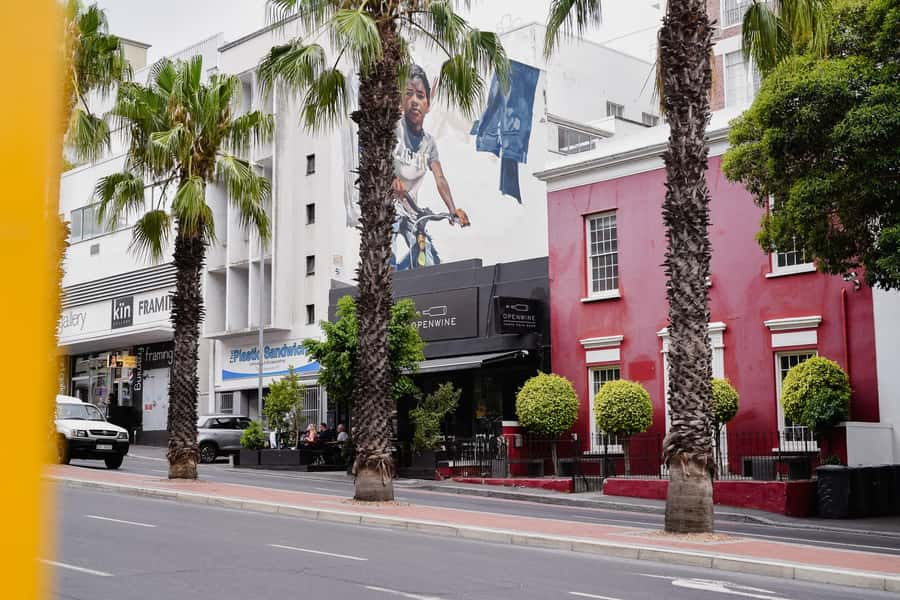
This is not a tour built around one grand monument. Its strength is the connection between places. A colorful house in Bo-Kaap, an old street grid, a former slave site, a market stall, and a district marked by removal all become pieces of one larger story.
I like that approach for a first day in Cape Town. You get a quick sense of how the city’s past still shapes its streets, communities, art, and public spaces. You also finish with a better idea of where you might want to return for a longer visit.
The walk covers a lot in a short period. Stops are generally brief, often between 10 and 20 minutes, so you should expect guided explanations and photo opportunities rather than full museum tours. The route is designed to keep moving through the city center.
Your meeting point is Bo-Kaap Deli at 97 Church Street. There is no hotel pickup, lunch, or transport to the starting point, so plan that part yourself. The tour is offered in English with a live guide, and the activity is marked wheelchair accessible.
Other history to see in Cape Town:
- Cape Town Guided City Cycling Heritage Tour – Private Tour
★ 5.0 · 27 reviews - Robben Island Tour; Pickup, Drop-off; Guided Tour Historic Prison
★ 4.5 · 23 reviews - Robben Island and Long Walk To Freedom Historical Full day Tour.
★ 5.0 · 14 reviews
Starting among Bo-Kaap’s painted homes
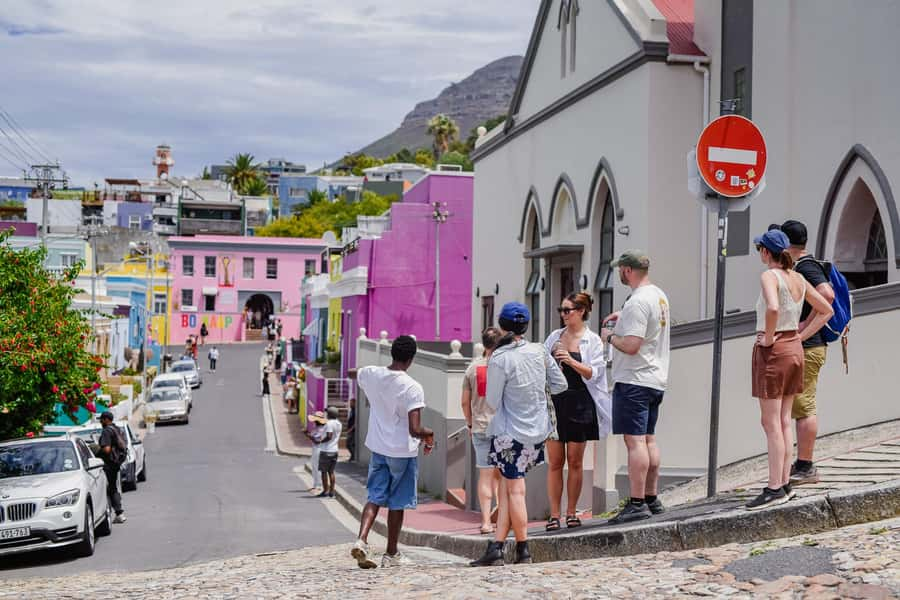
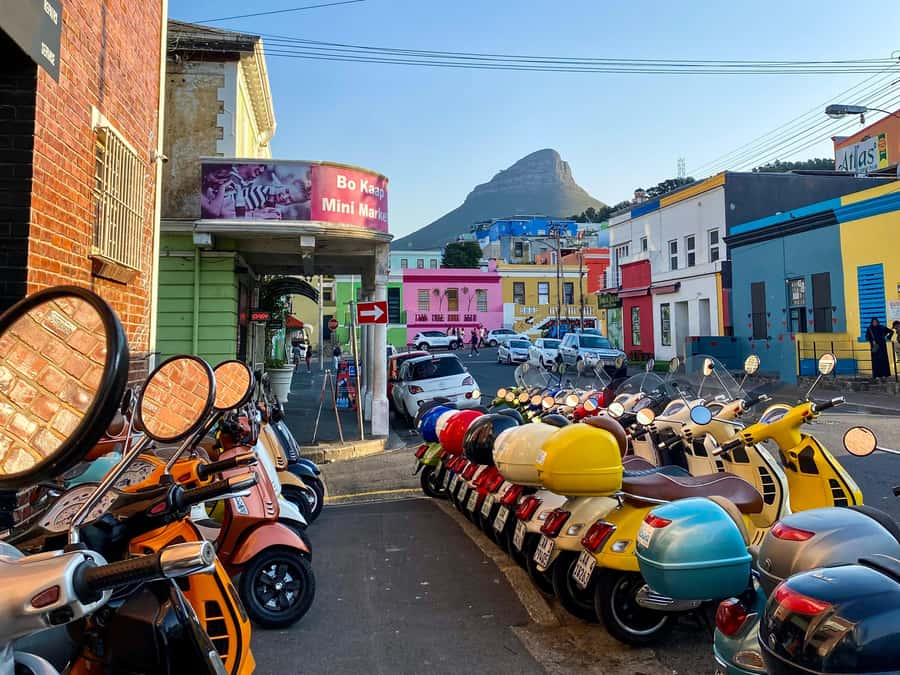
Bo-Kaap is the right place to begin. Its brightly painted houses are instantly photogenic, but the neighborhood matters for much more than color. Your guide explains the Cape Malay roots of the community and how its people have shaped Cape Town’s food, faith, language, and wider culture.
The opening walk lasts about 20 minutes. That gives you time to look at the streets, listen to the local context, and take photographs without using the whole tour at the first stop. I would pay attention to the details your guide points out, especially the relationship between homes, mosques, and community life.
The neighborhood can look simple if you walk through it alone. A local guide helps you read what you are seeing. That is one of the main reasons to book this experience instead of treating Bo-Kaap as a quick photo stop from a taxi.
Auwal Masjid and the meaning of Wale Street
The short stop at Auwal Masjid adds a religious and historical layer to Bo-Kaap. You visit the area with your guide, take photographs, and hear about the mosque’s place in the community.
The route then continues along Wale Street for roughly 15 minutes. This stretch helps connect Bo-Kaap with the central city. Rather than treating the neighborhood as an isolated attraction, the walk shows how it fits into Cape Town’s broader street plan and changing urban life.
Your guide may also point out architectural details that are easy to miss at walking speed. The tour’s strongest guides, including Mandi and Olwethu, have been praised for explaining places clearly and answering questions as they go. That conversational style matters here because the value is not only in looking at buildings. It is in understanding why they matter.
Long Street: old buildings, new city life

Long Street shifts the mood. Victorian-era buildings line a street now associated with bars, bookshops, and vintage shops. The tour spends about 15 minutes here, enough for an overview and some photographs.
This is a useful contrast with Bo-Kaap. You move from a close-knit historic neighborhood into one of the city center’s more active commercial streets. The buildings and businesses show how Cape Town keeps adding new uses to older spaces.
Do not expect a shopping session. The stop is short, and the focus remains on the street’s character and history. If you spot a shop or bookshop you want to revisit, make a note of it for later. The walk gives you leads, not time to explore every storefront.
Other walks around Cape Town:
- Cape Town: Nathi Langa Township Walking Tour
★ 4.9 · 493 reviews - Cape Town: Street Art Walking Tour in Woodstock
★ 4.8 · 293 reviews - Cape Town: Langa Township Walking Tour
★ 4.8 · 272 reviews - Cape Town: Private Walking Tour with a Local
★ 4.6 · 243 reviews
Greenmarket Square and Cape Town’s creative side
Greenmarket Square is one of the more hands-on stops. You have time to look around the arts and crafts market, where traders sell handmade goods, local art, textiles, and souvenirs. The planned stop lasts about 20 minutes.
I like the balance here. The tour is not only about difficult history and formal landmarks. It also shows how creative work and trading remain part of daily city life. You can see the kinds of objects that visitors often associate with South Africa, while your guide adds context about the city’s art scene.
Keep personal spending separate from the tour price. Souvenirs, extra food, and other purchases are not included. If you are tempted by something, ask questions and take your time within the stop, but remember that the group will continue on schedule.
Some people are particularly interested in the art elements of this walk. The route may include time around galleries and creative spaces, and one past experience highlighted a recycling artist’s studio and a striking box-shaped building connected with an artist. The exact amount of gallery time can depend on the day and the group, so treat this as an art-focused city walk rather than a dedicated gallery tour.
Company’s Garden and the city’s formal center
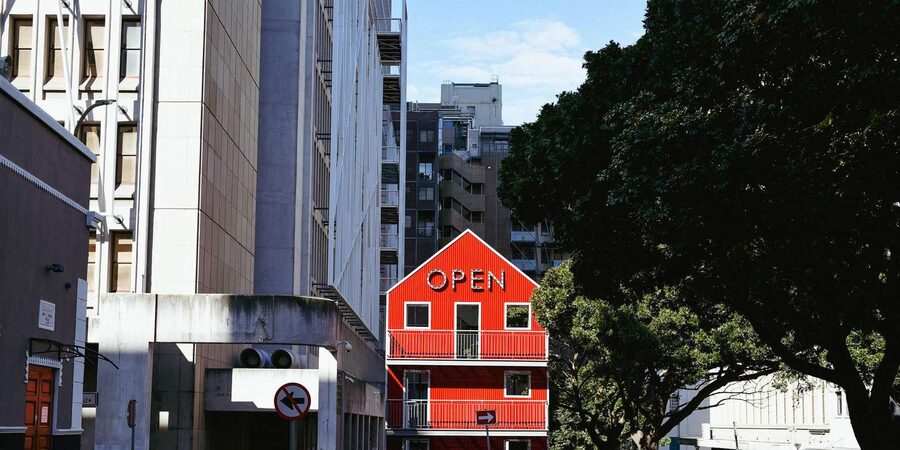
The route continues toward Company’s Garden, with about 15 minutes for a guided visit and walk. This green public space provides a change of pace after the market and commercial streets.
The stop also helps frame Cape Town’s official center. You are moving through places where public authority, colonial administration, religion, trade, and community life have long overlapped. Your guide can connect those themes without forcing you into a classroom-style lecture.
This is where a clear guide makes a real difference. The best approach is to ask questions as the group walks. Several guides have been praised for keeping the information lively and manageable rather than overwhelming you with a string of facts.
Slave Lodge and the difficult parts of Cape Town’s past
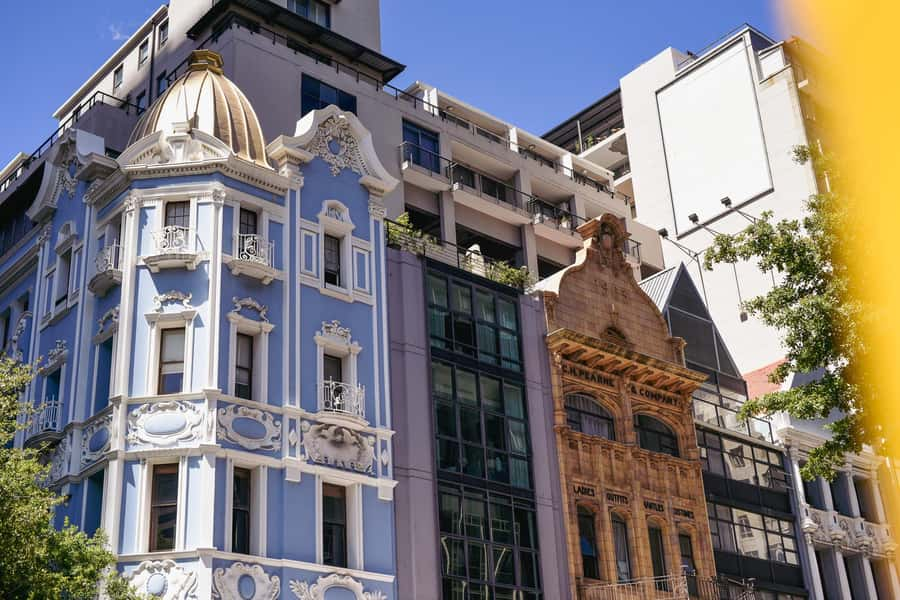
The Iziko Slave Lodge area is a sober stop. You pass the site and receive a guided explanation of its connection to slavery and Cape Town’s colonial past. The planned visit lasts around 10 minutes.
That is enough to introduce the subject, not enough to examine every exhibit. If you want a full museum experience, you would need to return separately. On this tour, the importance lies in placing slavery within the city itself, rather than leaving the subject as an abstract chapter in a book.
I appreciate that the route does not smooth away the uncomfortable parts of Cape Town’s story. The tour presents cultural pride alongside exploitation, exclusion, and loss. That makes the later discussion of identity more meaningful.
City Hall, Parliament, and public memory
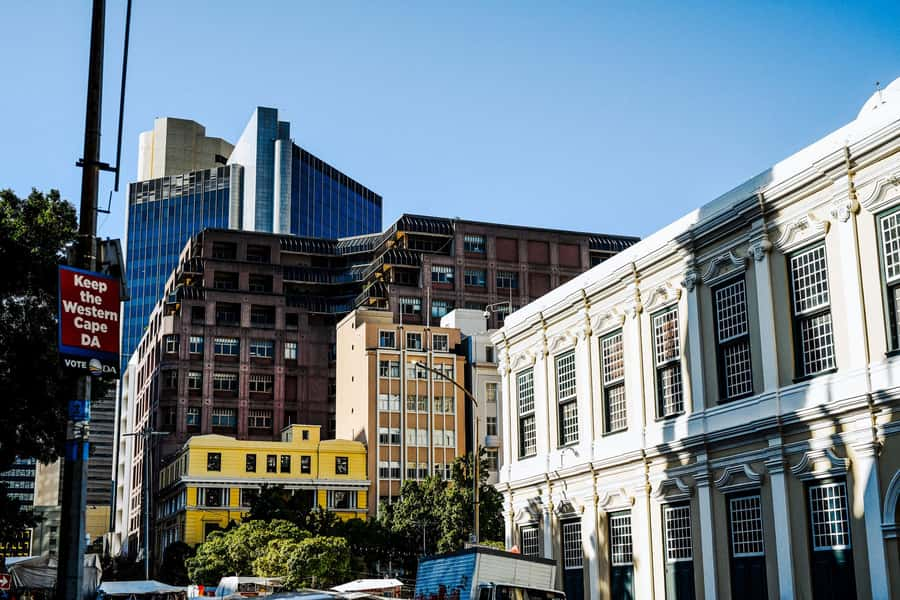
The walk passes Cape Town City Hall and the Parliament of the Republic of South Africa. The Parliament stop takes about 15 minutes and includes photographs, explanations, views along the way, and a look at the public spaces around these buildings.
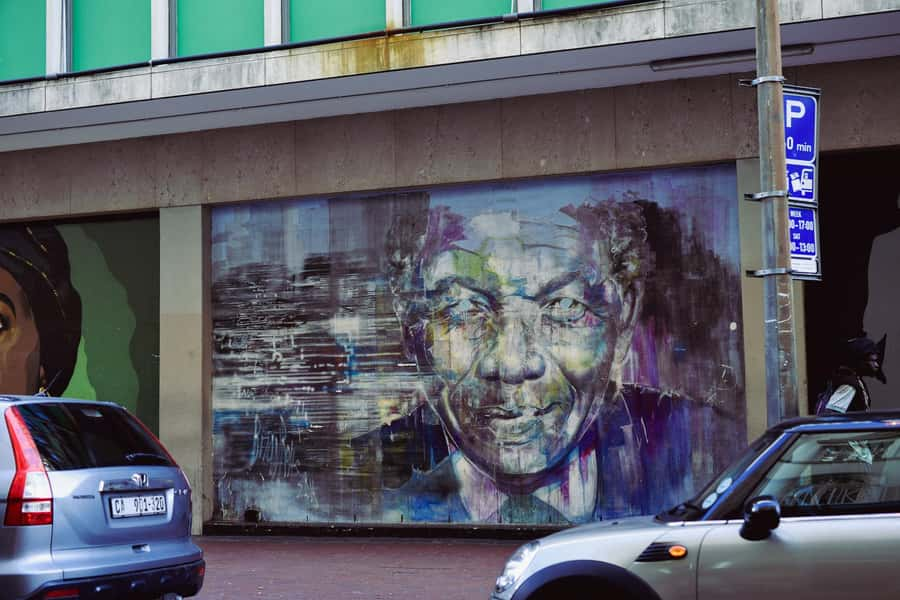
City Hall is tied to major speeches and protests, including moments in South Africa’s modern political story. There may also be an opportunity to see an exhibition connected with Nelson Mandela. The tour does not promise a long indoor visit, so think of this as a guided introduction to public memory and political space.
These stops are useful because they move the discussion from private homes and community streets to national power. You see where official decisions were made and where people gathered to challenge them. The guide’s job is to connect the buildings with the people and events that gave them meaning.
District Six and the cost of forced removal
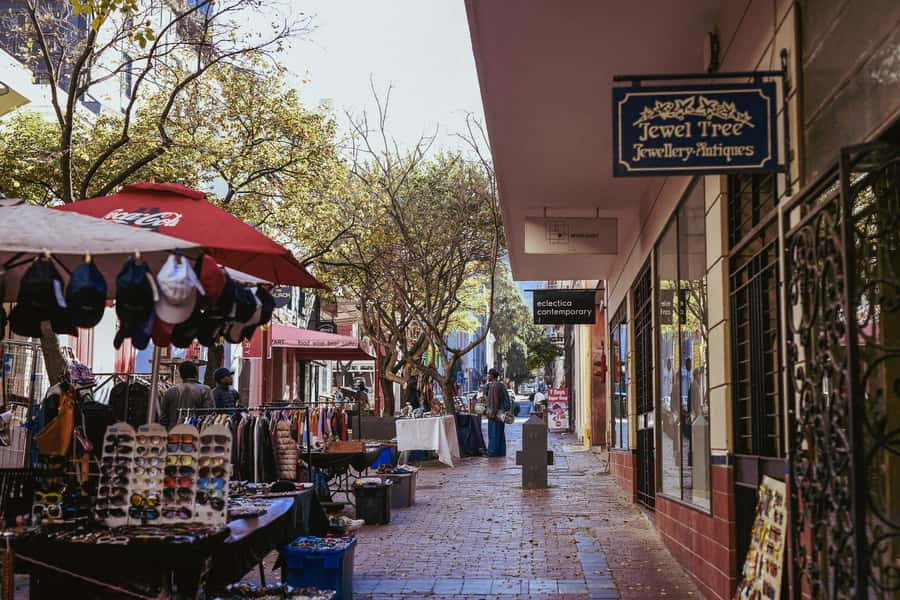
District Six is the emotional center of the route. The guide discusses forced removals and the way cultural resilience continues to shape the area. The planned stop is about 10 minutes, with time for photographs and explanation.
District Six is not just another sightseeing point. Its story helps explain why questions of home, identity, land, and memory remain important in South Africa. A short visit cannot cover every family story or every political detail, but it can give you a framework for understanding what happened and why the area still carries such weight.
If the District Six Museum is open and you have time after the walk, a separate visit could add more detail. The guided stop itself is brief, so I would not book this tour expecting an extended museum session.
Finishing with coffee and a local perspective
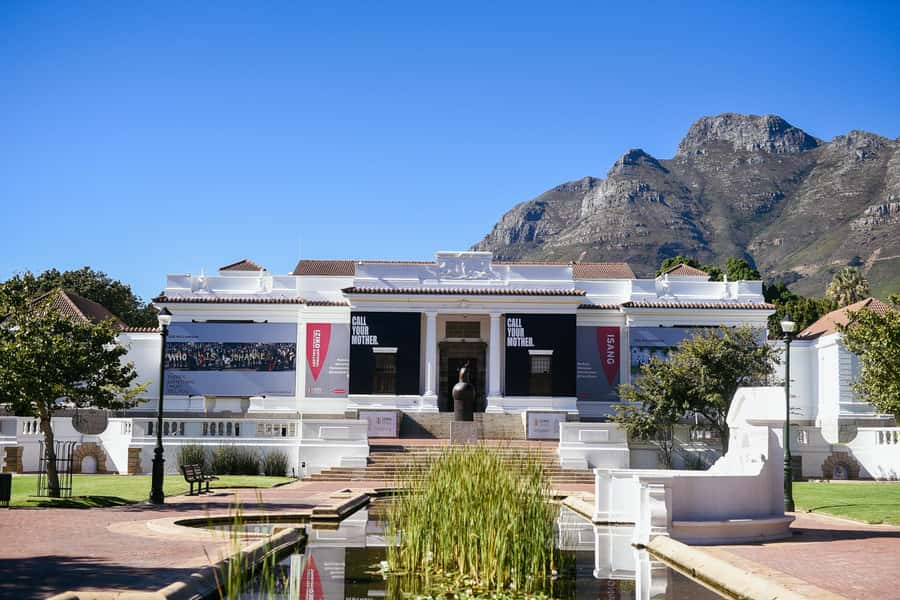
The route ends at Truth Coffee Roasting, with a stop for coffee and sightseeing. This gives the walk a more relaxed finish after the serious subjects in District Six and the city center.
The ending also makes the tour practical. You can ask your guide about places to eat, shop, or visit later in your stay. Diego has been praised for helping with souvenirs and sharing useful city advice, while other guides have offered language tips in Zulu or Xhosa. Those small exchanges can make the city feel easier to approach.
The exact finish matters for planning. The activity includes no lunch, so you may want to arrange a meal afterward. The guide can offer suggestions, but food and personal expenses remain your responsibility.
How much value do you get for $37?
At $37 per person, this is a fair price for a two-hour guided walk if you want context rather than just photographs. You are paying for a local guide, a planned route through several important areas, and the convenience of connecting Bo-Kaap with the city center and District Six on foot.
The value is strongest for first-time visitors. You could walk parts of this route alone, but you would likely miss the links between sites. You might see a colorful house, a mosque, a market, and a grand public building without understanding how they fit into Cape Town’s story.
The price is less attractive if you want long museum visits, a food tour, or private transport. Those are not part of the experience. It is best viewed as a compact orientation, not a full-day cultural program.
The tour also offers free cancellation up to 24 hours before the start and reserve-now, pay-later booking. Those terms help if your Cape Town schedule is still shifting.
Guide style, walking comfort, and practical advice
The guide is the central part of this experience. The named guides connected with the tour include Mandi, Olwethu, Diego, Basil, Sipho, and others. The strongest qualities associated with them are clear explanations, friendly conversation, patience, humor, and a willingness to answer questions.
Wear comfortable shoes. The route is on foot, and even though the listed duration is two hours, you will spend most of that time moving between stops or standing while listening. Bring water, sunscreen, sunglasses, a sun hat, and a camera. Rain gear is sensible because Cape Town weather can change.
Personal medication and hand sanitizer or tissues are also listed as useful items. Alcohol and drugs are not allowed. The activity is not suitable for people over 95, and it is marked wheelchair accessible.
One practical safety point deserves attention. The guided group setting can help you feel more comfortable in the city center, but the tour ends and you continue independently. Keep valuables out of sight and ask your guide for clear advice before walking on to another area. One experience after the tour involved a reported attempted robbery near Bree Street, which is a reminder to take local guidance seriously once you are on your own.
Who should book this Cape Town walking tour?
I would choose this tour if you are visiting Cape Town for the first time and want a strong starting point. It gives you neighborhood context, political history, art, architecture, and practical orientation in one compact outing.
It also suits you if you prefer conversation to a large sightseeing bus. The route stays close to the city and lets you see how different areas connect. Couples, solo visitors, and small groups can all get value from it, especially when the guide is able to answer questions and adjust the conversation.
You may want something else if you dislike walking, want a slow museum day, or mainly want food and shopping. The route covers many subjects quickly, and some stops are only 10 minutes. You will leave with a better map of the city, but you will still need to return to explore the places that catch your interest.
Should you book it?
Book this walk if you want to understand Cape Town beyond its postcard views. Bo-Kaap, District Six, and the city center make a powerful combination, and the guide adds the local context that a self-guided stroll often lacks.
I would schedule it early in your stay. You can use the route to decide where to return, ask about restaurants and shops, and get a clearer sense of how to move around the center. At $37, it is a sensible introduction, provided you accept the brisk pace and short museum stops.
FAQ
Where does the Cape Town walking tour start?
The tour starts at Bo-Kaap Deli, at 97 Church Street, Bo-Kaap, Cape Town, 8001.
How long does the tour last?
The listed duration is two hours. Individual stops generally last between 10 and 20 minutes.
What language is the tour offered in?
The live tour guide conducts the experience in English.
Is hotel pickup included?
No. Hotel pickup and drop-off are not included, and you are responsible for getting to the meeting point.
Is the tour wheelchair accessible?
Yes. The activity is listed as wheelchair accessible.
What does the price include?
The $37 price includes a professional tour guide, a guided walk through Cape Town, and visits to Bo-Kaap and other key landmarks. Lunch, transport to the meeting point, personal expenses, and extra food are not included.
Can I cancel or pay later?
You can cancel up to 24 hours in advance for a full refund. Reserve-now, pay-later booking is also available.
Just added in Cape Town
- Wine Tasting in Cape’s Top Three Winelands Private Tour★ 4.5 · 17 reviews
- Private Tour to Aquila Game Reserve in Cape Town – see the Big5★ 5.0 · 5 reviews
- Full Day Big 5 Aquila Safari Private Transfers Including Park Fee From Cape Town★ 4.5 · 54 reviews
- Robben Island and Table Mountain Cableway with Bo-Kaap Day Tour★ 5.0 · 8 reviews
- Private Tour:Cape of Good Hop>Seal island>Chapman’speak &Penguins★ 5.0 · 7 reviews
- Private Full Day Cape Town City Scenic and Table Mountain Tour.★ 5.0 · 3 reviews
- Private Half DayTour:Cape Winelands, Stellenbosch from Cape Town★ 5.0 · 18 reviews
- Private Tour: Cape Winelands to Stellenbosch & Franschhoek★ 5.0 · 3 reviews
Walking Tours, compared.






Browse the lists this tour appears in