
Reviewed · WILDLIFE PARKS & SANCTUARIES
Plettenberg Bay: Cats in Conservation Full Day Tour
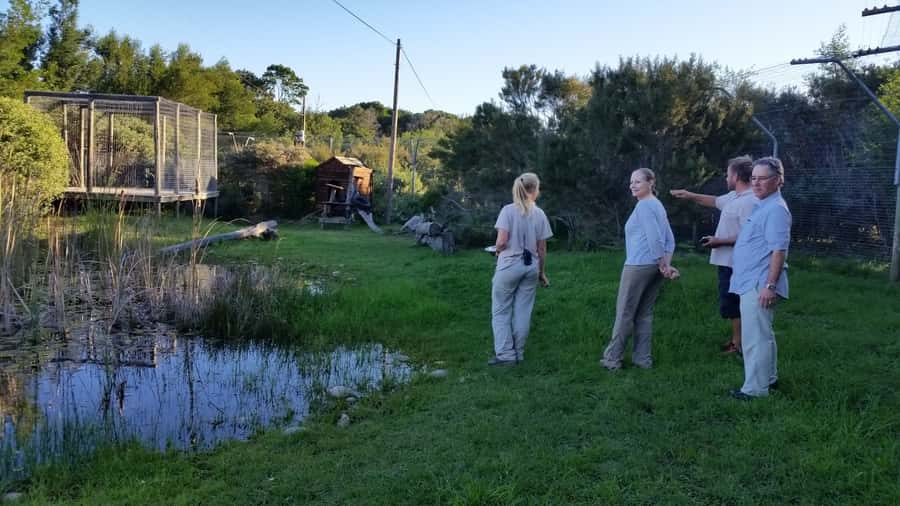
At Tenikwa, you do more than look at wild cats from a viewing path. You follow the animal-keeping team through a full working day, from enclosure checks and food preparation to enrichment activities and securing the animals for the night. The behind-the-scenes access gives you a clear sense of the care and discipline involved in rehabilitation.
I like the generous pace, which leaves room to ask questions and watch animal behavior instead of rushing from one enclosure to the next. I also like the chance to see the wildlife hospital and take part in practical tasks. The main drawback is the long day, with plenty of walking and outdoor time, and children under nine cannot join.
Key points
- A full working day at Tenikwa: Follow animal keepers through checks, food preparation, enrichment, feeding, and evening routines.
- Indigenous South African cats: See several wild cat species and learn about the pressures each one faces.
- Areas not open to the general public: Visit rehabilitation facilities and observe how animals are admitted and cared for.
- A slower, private-group format: The schedule allows time for questions, photography, and conversations with staff.
- Forest walk included when possible: Add a guided walk through Tsitsikamma forest if weather and time permit.
- Meals and wet-weather gear included: Breakfast, lunch with one drink, bottled water, and rain jackets are provided.
A working day with Tenikwa’s animal keepers
This Plettenberg Bay experience is best understood as a practical conservation day, not a short wildlife viewing stop. You spend the day at Tenikwa Wildlife Rehabilitation and Awareness Centre, helping staff with suitable tasks and watching the routines that keep the animals healthy and settled.
That difference matters. A standard animal encounter can give you a quick look and a few facts. Here, you see the less glamorous work too: enclosure checks, food preparation, animal security, and enrichment. Those jobs explain what care means after an animal can no longer return to the wild.
The tour is conducted in English and is set up for a private group. That gives you a better chance to ask about individual animals, their personalities, and the conservation problems affecting their species. A guide named Msizi has been noted for knowing the animals well, including their names and individual traits, but your guide may vary.
More Wildlife Parks and Sanctuaries in Plettenberg Bay
- Plettenberg Bay: Swim with Seals
★ 4.7 · 887 reviews - Monkeyland Guided Tour in Plettenberg Bay
★ 4.5 · 134 reviews - Swim with Seals
★ 4.5 · 121 reviews
Starting early with checks and breakfast
Arrive at reception 15 minutes before the start time. Tenikwa is signposted from the N2. At Animal Alley, keep left, then take the right fork and follow the signs. Parking is available at reception, and you should leave valuables and backpacks locked in your vehicle.
The day begins with a short safety briefing, followed by early morning animal and enclosure checks. You assist the keepers as they move around the centre and inspect the facilities. The exact tasks can depend on the day’s needs, but the purpose is clear: staff check the animals, their spaces, and anything that needs attention before the day gets busy.
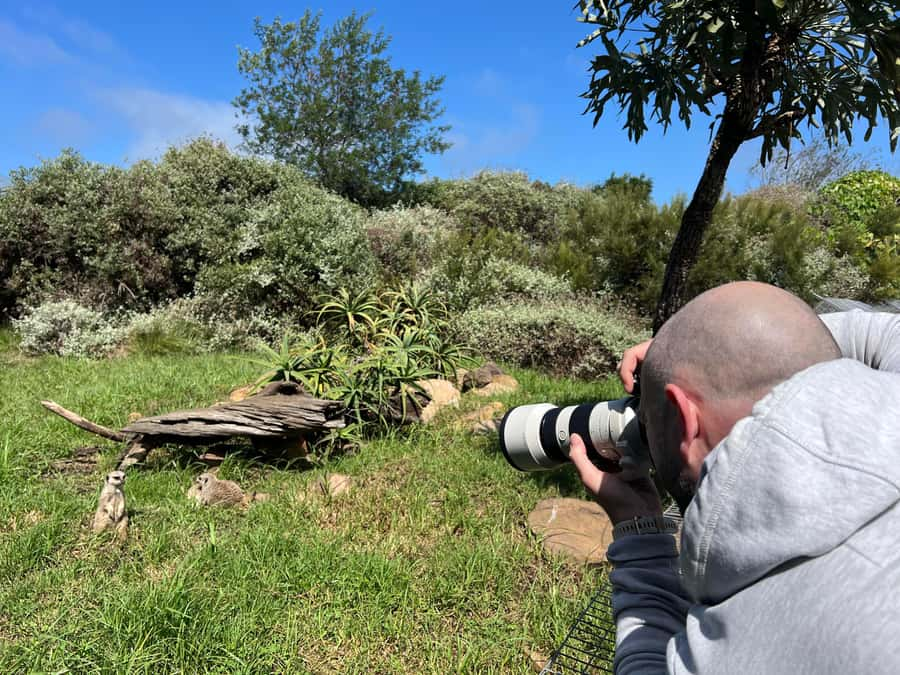
This is a useful opening because you see Tenikwa as a working centre rather than a simple attraction. You also learn the basic rules right away. Do not touch or feed the wildlife, and leave selfie sticks behind. Cameras are allowed, so bring one if you enjoy wildlife photography.
An optional breakfast follows at the Boma restaurant, with coffee or tea included. The food is a practical touch on a full-day outing. You are likely to appreciate it because the schedule includes walking and several hours outside. Snacks are not included, so bring something small if you tend to eat between meals.
Seeing South Africa’s indigenous wild cats
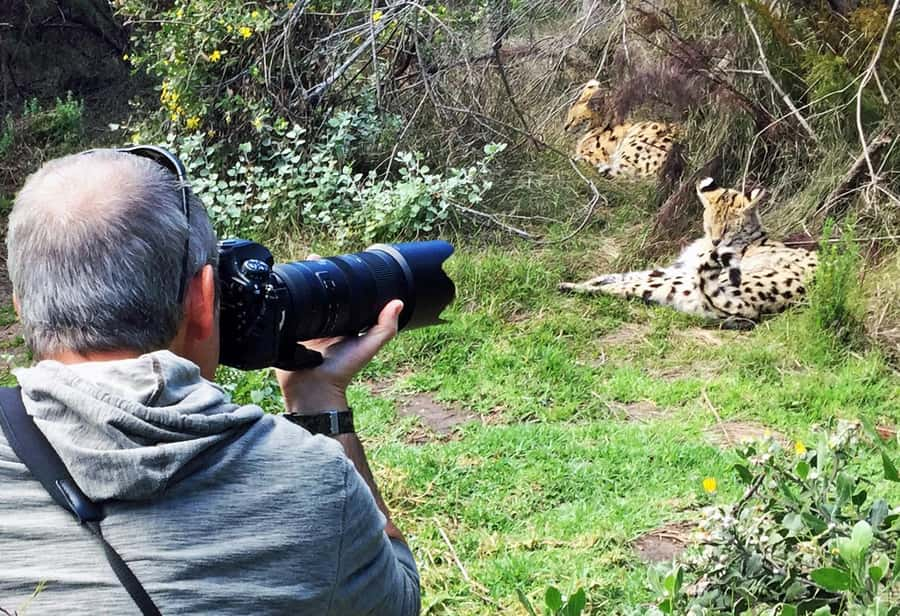
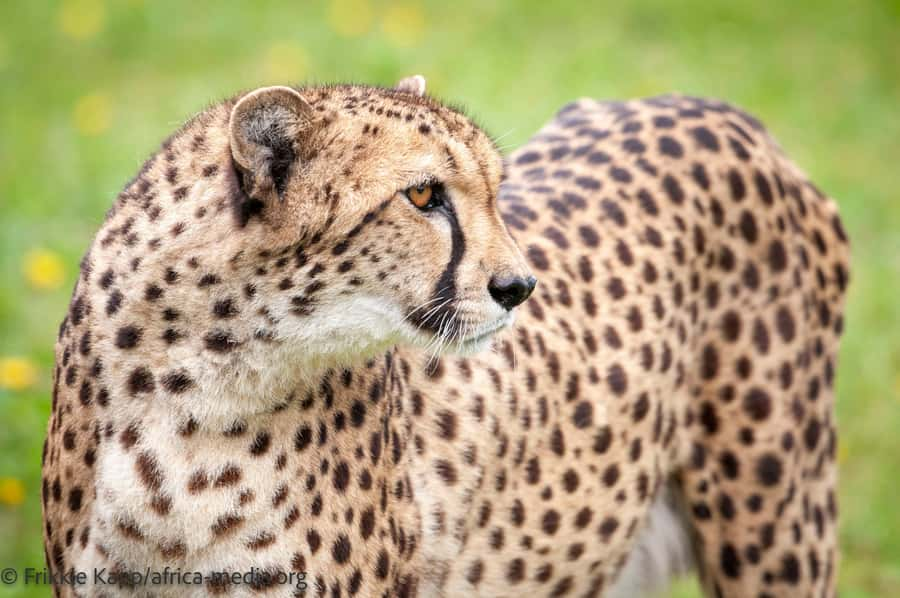
The main guided wildlife tour takes about two hours. You visit the different wild cats of South Africa with a guide who explains their behavior, needs, and conservation concerns. This is the part most people picture when they book, but it works better because you have already seen the centre’s daily routine.
You should have good opportunities for photographs, though wildlife never follows a timetable. Animals may be active, resting, hidden, or simply uninterested in posing. The best approach is to watch patiently and listen to the guide rather than expect constant action.
You may also learn about animals beyond the cats. The centre includes meerkats, owls, and other birds, and the day’s wider focus helps place the cats in a larger conservation picture. The value is not only in identifying species. You learn why some animals need permanent care and why others may be candidates for rehabilitation.
The enclosures have been described as clean, well maintained, natural in character, and spacious enough for the animals’ needs. That is important for anyone who feels uneasy about captive wildlife. Tenikwa’s role is tied to rehabilitation and awareness, so the quality of the facilities and the animals’ calm behavior are central to the experience.
Still, you should keep expectations realistic. This is not a safari in open country, and it does not promise that every animal will be visible at close range. You are visiting a care facility, where the animals’ welfare comes before your photograph.
A walk through the Tsitsikamma forest
The schedule includes a guided walk through indigenous Tsitsikamma forest if time and weather permit. A forest walk adds a welcome change of pace after the animal viewing, with scenic views along the way and a chance to focus on the natural setting around Tenikwa.
The walking portion can take up to two hours in the planned schedule. Wear comfortable shoes and clothes that can handle sun, light rain, and uneven ground. Sun protection and insect repellent are sensible choices, and a hat will help on brighter days.
This is also where the tour’s full-day format becomes noticeable. You are not simply standing at enclosures. You spend a meaningful amount of time on foot, outdoors, and moving between activities. If you prefer short, tightly packed sightseeing stops, this program may feel too slow or too long.
The forest walk is weather dependent, so it should be treated as an added part of the day rather than a guaranteed feature. Rain does not automatically cancel the program, since rain jackets are provided, but outdoor conditions can affect the route and timing.
Other animals you can get close to near Plettenberg Bay:
- Monkeyland, Birds of Eden, Jukani – Animal Sanctuaries
★ 4.7 · 106 reviews - Plettenberg Bay: Seal Colony Viewing Excursion
★ 4.5 · 100 reviews - Plettenberg Bay: Swim with the Seals
★ 4.7 · 31 reviews - Plettenberg Bay: Seal Swimming Experience
★ 5.0 · 25 reviews
Lunch and time to ask better questions
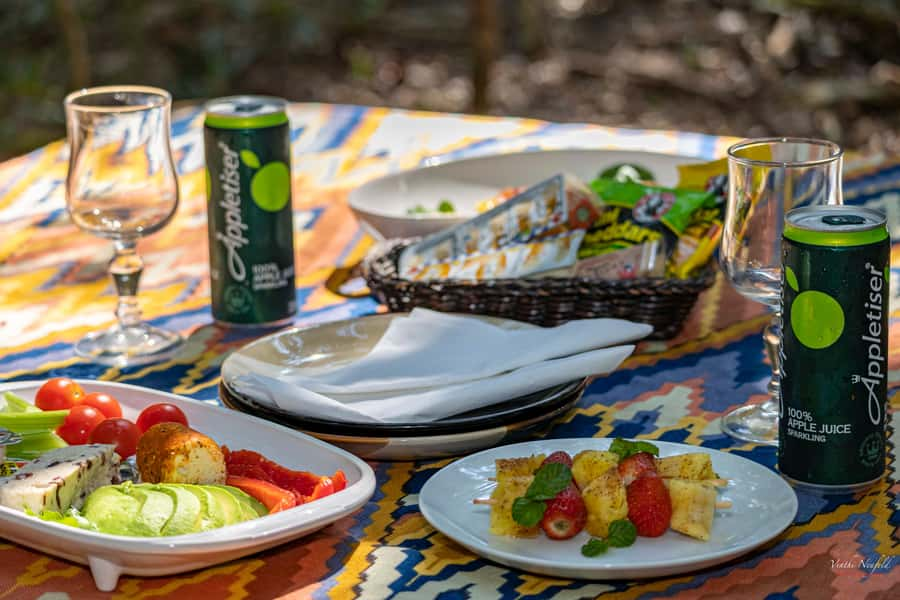
Lunch comes after the morning wildlife activities and walk. One lunch and one drink are included, with a choice of coffee, tea, beer, wine, or a non-alcoholic drink. A picnic-style meal is also listed in the day’s plan.
I like that the meal is built into the program rather than leaving you to find food elsewhere. It keeps the day together and gives you time to talk with the guide and staff. You can ask about how animals arrive at the centre, what makes an animal non-releasable, and how care changes from species to species.
Additional drinks and snacks are not included. If you want more than the supplied drink, budget for it separately. The included bottled water is useful, especially during the walking portions.
Enrichment for animals that cannot return to the wild
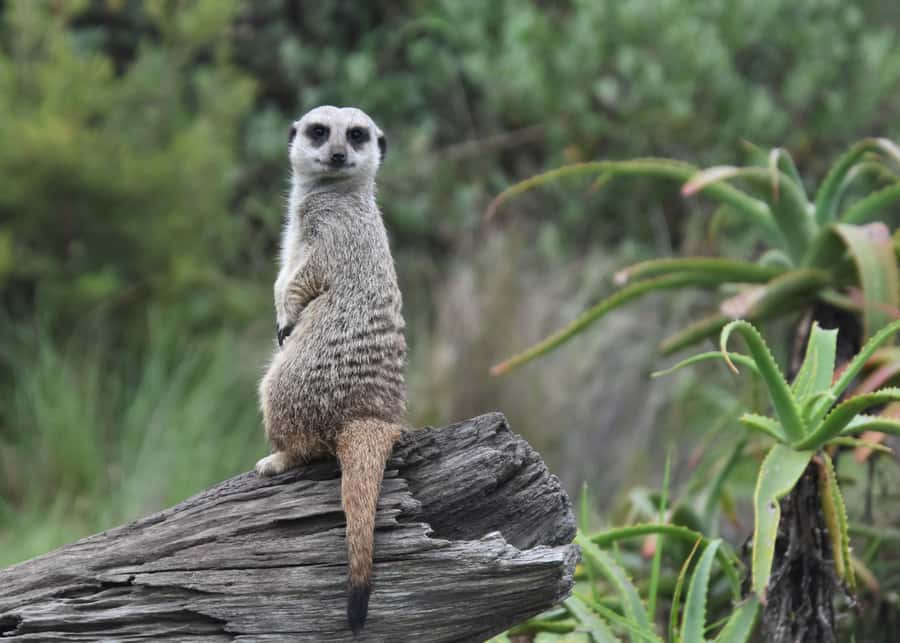
After lunch, you help with an enrichment exercise for the non-releasable animals. Enrichment is designed to support an animal’s quality of life in captivity by giving it suitable stimulation and encouraging natural behaviors.
For you, this is one of the most worthwhile parts of the day. It moves beyond watching an animal in an enclosure and shows how staff think about mental and physical care. You take part under direction, so this is not a free-for-all animal encounter. The rules remain firm: no touching and no feeding wildlife.
It is worth noting the wording here. These are non-releasable animals, meaning the program is not presenting them as pets or promising close contact. The emphasis is on safe care, observation, and appropriate enrichment. That approach makes the experience more useful for anyone interested in responsible wildlife tourism.
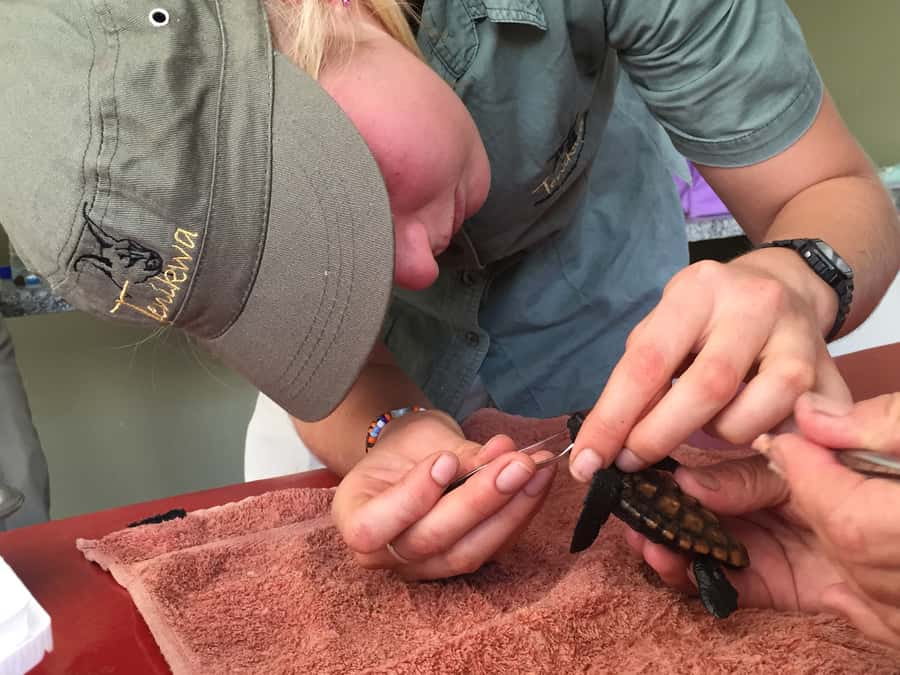
The day may also include observations in rehabilitation areas that are not open to the general public. You can see how the centre handles animals that have been admitted and how staff care for them in a controlled setting. The exact activity can vary according to the animals’ needs and the centre’s work that day.
Preparing food and watching the feedings
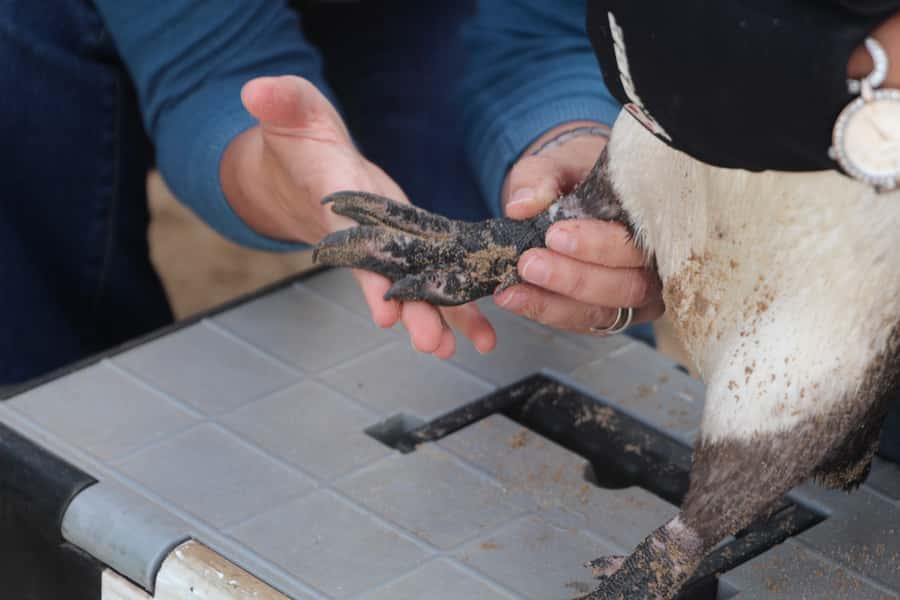
The afternoon continues with food preparation. You help animal-keeping staff prepare meals and accompany them as they take food to the animals. Feeding time can offer some of the clearest views of behavior, but you should not expect every animal to react in the same way.
Some may become active right away. Others may take their time or remain quiet. The guide can explain what you are seeing and why feeding routines are managed carefully. This is another reason the private format helps: you have time to stop, watch, and ask questions.
Photography is welcome, but the animals come first. Do not use a selfie stick, and do not try to attract an animal’s attention for a better picture. A calm approach usually gives you better photographs anyway.
The day ends with staff securing the animals for the night. This closes the loop on the morning checks. You see that animal care is not just a morning presentation, but a repeated routine that continues until the centre is settled for the evening.
What the $104 price covers
At $104 per person, this is not the cheapest way to spend a day around Plettenberg Bay. It is also more than a basic entry ticket because the price covers a guide, breakfast, lunch with one drink, bottled water, private wildlife viewing, access to rehabilitation areas, behind-the-scenes work with keepers, and rain gear when needed.
The value depends on what you want. If you only want to see wild cats, a shorter visit may suit you better. If you want to understand how a rehabilitation centre operates and spend real time with staff, the full-day format makes the price easier to justify.
You also avoid the cost and hassle of arranging separate meals during the day. Hotel pick-up and drop-off are not included, so you need your own transport to Tenikwa. That is an extra planning point for anyone staying in Plettenberg Bay without a car.
The private-group setup is another factor. A small, dedicated group can ask more questions and move at a more natural pace than a large crowd. Since the program includes staff interaction and practical activities, that personal attention has real value.
Who will enjoy this day most
I would choose this tour if you care about animal welfare, want more than a quick photo stop, or enjoy learning how conservation work is done in practice. It suits adults, older children, photographers, and anyone who likes a full day with a clear purpose.
It is not suitable for children under nine. The walking, rules around wildlife, and long schedule may also be a poor fit for anyone who wants a relaxed half-day outing. Wheelchair access is available, but you should still consider that the program includes walking and outdoor areas.
Bring comfortable walking shoes, a sun hat, sunscreen, insect repellent, and comfortable clothing. Rain gear is supplied in bad weather. Keep your bags and valuables locked in your vehicle, and arrive early enough to check in without rushing.
You can cancel up to 24 hours before the start for a full refund, and you can reserve now and pay later. Those options are useful if your Western Cape plans depend on weather or changing road conditions.
Should you book the Cats in Conservation Tour?
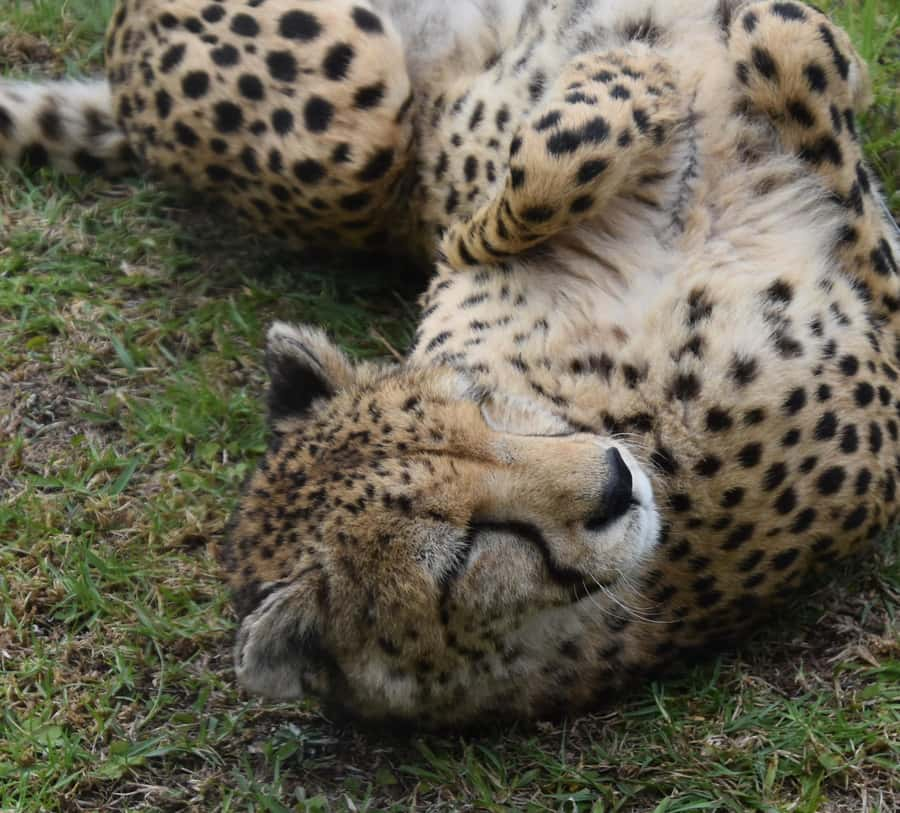
Book it if you want a serious, hands-on day at a wildlife rehabilitation centre rather than a quick animal encounter. The strongest parts are the access to working areas, the chance to help with enrichment and food preparation, the patient guided cat viewing, and the time to speak with staff.
I would skip it if you have only a few hours in Plettenberg Bay, dislike walking, or want an open-country safari. For the right visitor, the $104 cost is fair because it covers a full day of guided care, meals, and activities that show what conservation work looks like after the cameras are put away.
FAQ
Where does the Cats in Conservation Tour begin?
The tour begins at Tenikwa Wildlife Rehabilitation and Awareness Centre. Follow the Tenikwa signs from the N2, keep left at Animal Alley, take the right fork, and check in at reception.
Is hotel transportation included?
No. Hotel pick-up and drop-off are not included. Parking is available at the reception area.
What meals and drinks are included?
Breakfast with coffee or tea, lunch, one lunch drink, and bottled water are included. The lunch drink can be coffee, tea, beer, wine, or a non-alcoholic drink. Snacks and extra drinks cost more.
Can I take photographs?
Yes. Cameras are allowed on the tour, and the experience provides opportunities to photograph South Africa’s wild cats. Selfie sticks are not allowed.
Can I touch or feed the animals?
No. Touching and feeding wildlife are not allowed. You may assist with approved keeper activities and enrichment exercises under staff direction.
Is the tour suitable for children?
The program is not suitable for children under nine years old. It is also a full-day activity with walking and outdoor sections, so comfortable shoes and sun protection are advised.
Just added in Plettenberg Bay
- THE CRAGS PLETTENBERG BAY: QUAD BIKE FUN RIDE★ 4.6 · 11 reviews
- Stormsrivier: Green Route Tubing and Paddle-Boarding Tour★ 4.3 · 40 reviews
- Plettenberg Bay: Private Guided Wildlife Photography Tour★ 4.9 · 49 reviews
- Plettenberg Bay: Seal Viewing Boat Trip★ 4.8 · 16 reviews
- Plettenberg Bay: Swim with the Seals★ 4.7 · 31 reviews
- Plettenberg Bay: 2-Hour Surf Lesson★ 4.9 · 8 reviews
- Plettenberg Bay: EcoKidz Family Wildlife Tour★ 4.8 · 19 reviews
- Plettenberg Bay: Seal Swimming Experience★ 5.0 · 25 reviews
Wildlife Parks & Sanctuaries, compared.
30 Minute Harbour Boat Cruise with Seal Watching
Read our review →
Half Day Lion Park tour from Johannesburg or Pretoria
Read our review →
Shark Cage Diving – Adventure Meets Conservation!
Read our review →
Seal Island,Cape of Good Hope&Penguins Shared Tour,From Cape Town
Read our review →
Browse the lists this tour appears in