

Reviewed · TOURS IN PLETTENBERG BAY
Kwano Lifestyle Day Tour – Be a local for a day
KwaNokuthula is not a backdrop for sightseeing. It is a living community, and this tour takes you into everyday life through a local taxi ride, neighborhood stops, and conversations with people who know the area. You may visit a creche during the week, listen to Xhosa in the streets on weekends, and learn why natural hair matters at Siya’s dreadlock salon.
I like the community-led approach, which gives the day a human point of view rather than a quick bus-window look. I also like the chance to support small local businesses, from the spaza shop to Mila’s Kitchen. The main consideration is that this is a raw, social experience, not a polished attraction, and some stops, especially the creche, may not operate on weekends.
Key points at a glance

- Weekday creche visit: Hear children sing in their native language and see a local preschool setting.
- Weekend street walk: Explore KwaNokuthula on foot when the creche is unavailable.
- Siya’s dreadlock salon: Hear local stories and learn about the role of natural hair in Xhosa culture.
- Everyday shopping: Visit a spaza shop and see the small purchases that keep daily life moving.
- Local taxi ride: Use ordinary community transport instead of a tourist vehicle.
- Mila’s Kitchen finish: End at the meeting point, with traditional Xhosa lunch available at your own cost.
Start at Mila’s Kitchen in Plettenberg Bay

The day begins at Mila’s Kitchen, which also serves as the tour’s finishing point. I like this arrangement because you have a clear place to meet, and you can arrive early for breakfast or return after the tour for a traditional Xhosa lunch.
Your local English-speaking guide meets you there and leads the visit into KwaNokuthula, a community in Plettenberg Bay. The tour costs $35 per person, which is a modest price for a personal guided experience that includes local transport and several community stops.
The tour requires at least two people. Bring your passport or ID card, comfortable shoes, sun protection, a camera, and some cash. A credit card may be useful, but small cash is especially practical for purchases, drinks, crafts, and donations.
Other trips people book in Plettenberg Bay:
- Plettenberg Bay: Swim with Seals
★ 4.7 · 887 reviews - Knysna Ziplines Tour
★ 5.0 · 688 reviews - Plettenberg Bay: Bungee Jumping with Zipline and Sky Walk
★ 5.0 · 506 reviews
Seeing KwaNokuthula through local eyes
The value of this tour is its ordinary rhythm. You are not simply shown a famous building or given a short lecture about Xhosa culture. Instead, you move through places people use in daily life.
That difference matters. A local guide can explain the meaning behind a salon, shop, tavern, or community gathering place in a way that an outside observer cannot. You also get a sense of how people speak, shop, travel, work, and welcome visitors.
The experience is described as a look at the unvarnished side of life. That means you should arrive with respect and an open mind. Some parts may feel joyful and personal, while others may remind you that the community has limited resources. The day is not designed to hide those contrasts.
You may also hear the idea of Ubuntu, often explained as humanity toward others. Here, it is expressed through welcome, conversation, and shared time. The tour invites you to take part without pretending that you are an anonymous sightseer.
Riding a local taxi into the community
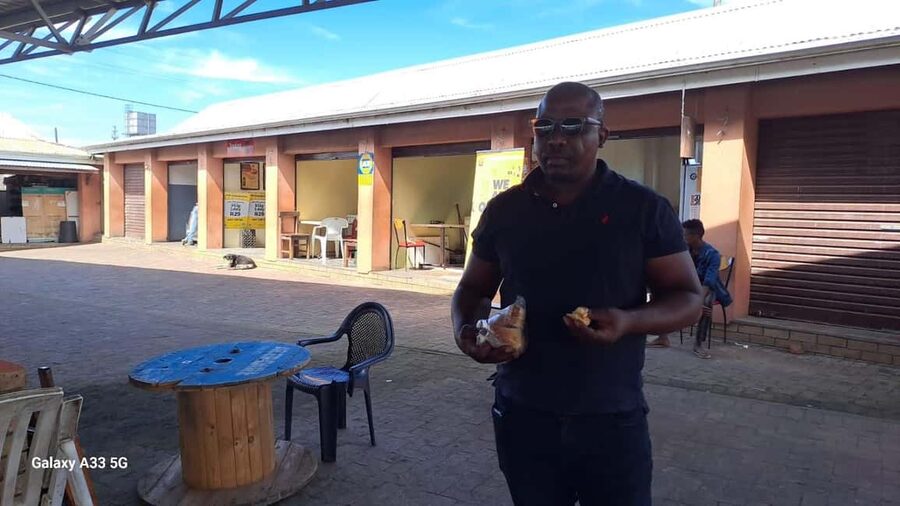
A local taxi is part of the weekday program. This is useful in two ways. First, it gets you into the community using the same kind of transport local people use. Second, it adds a practical detail that a private sightseeing vehicle would miss.
The taxi ride is not presented as a scenic transfer. It is part of the experience itself. You get a closer look at ordinary movement through the area and a better feel for how the tour connects with daily routines.
You should expect comfort and convenience to be simpler than on a standard sightseeing tour. The point is local transport, not luxury. If you prefer air-conditioned vehicles, fixed schedules, and a polished tourist format, this may not be your ideal outing.
Weekday creche visit and weekend street life

On weekdays, the tour includes a visit to a local creche. The children may sing in their native language, and their welcome is described as one of the day’s most moving moments. You will see a preschool environment shaped by the resources available to the community.
This stop can give you a direct sense of local family and community life. It also carries a responsibility for you as a visitor. Bring your camera if you wish, but remember that people are not scenery. The tour information advises bringing small change for donations if you take photographs of people, which is an important practical and ethical detail.
The creche may not be available on weekends. Instead, weekend tours take you through the streets of KwaNokuthula. You will hear Xhosa spoken around you, and you may notice its distinctive click sounds. The language has 15 distinct clicks, a detail that makes listening closely part of the walk.
I would choose the weekday option if the creche visit interests you. Pick the weekend option if you prefer a street-based outing with more focus on walking, language, and the everyday feel of the neighborhood. Neither schedule is presented as better. They simply offer different windows into the community.
Same base, a different kind of day out:
- Storms River: Tsitsikamma National Park Zipline Canopy Tour
★ 4.7 · 481 reviews - Standard Canyoning Trip in The Crags, South Africa
★ 5.0 · 381 reviews - Plettenberg Bay: Whale Watching Boat Cruise
★ 4.4 · 362 reviews - Plettenberg Bay: Canyoning Trip
★ 4.9 · 353 reviews
Siya’s dreadlock salon and the meaning of hair
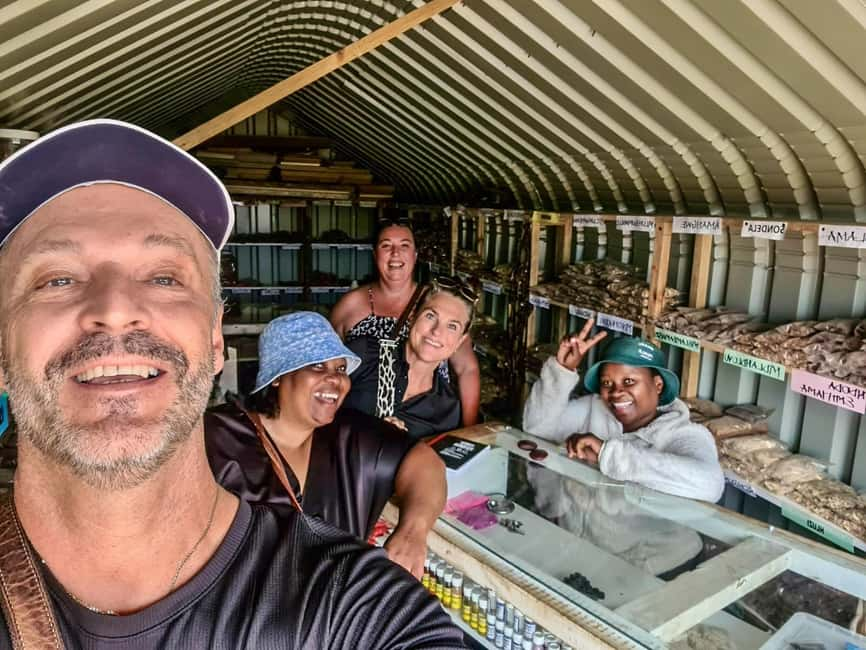
The stop at Siya’s dreadlock salon gives the tour a personal anchor. Siya shares stories and explains the importance of natural hair in Xhosa culture. You may even feel tempted to try a new hairstyle.
A salon is a useful place to learn because it is both practical and expressive. Hair can reflect identity, tradition, taste, and social connection. Instead of discussing culture only in broad terms, this stop links it to something people wear and care for every day.
The visit is also a chance to talk rather than simply look. The atmosphere may be informal, and the value comes from listening to Siya’s own stories. If you are curious about local customs, ask respectful questions and allow time for conversation.
The salon stop does not promise a haircut or hairstyle as part of the price. Treat any service or purchase as an optional extra unless your guide tells you otherwise.
A spaza shop and the small details of daily life

The local spaza shop is a small neighborhood store where people buy everyday essentials. The tour calls attention to loose cigarettes, known locally as draws, and boxes of Lion matches.
These items may seem minor, but that is exactly why the stop is useful. A community is often best understood through its ordinary shopping habits, not only through major cultural performances. The shop shows how local commerce works on a small scale and how entrepreneurs serve nearby households.
You can make purchases at your own expense. The tour also encourages you to support small businesses by buying local arts and crafts when available. Carry small change, since it is more useful than relying only on a card.
This is not a large market with rows of souvenirs. Keep expectations realistic. You are visiting a working shop, not a shopping attraction.
A drink at the local tavern
The tavern is the tour’s social stop. You can buy a local beer, sit for a drink, and meet people from the area. It offers another view of community life, this time through a place where people gather and relax.
No drinks are included in the $35 price, so plan to pay for anything you order. The same applies to food and shop purchases. The tour is affordable partly because you pay for extras directly as you go.
The tavern may not suit everyone. If you do not drink alcohol, you will want to confirm what other options are available. The description promises a drink stop, not a full tasting session, bar crawl, or organized entertainment.
I see the tavern as valuable for travelers who want a social experience rather than a formal cultural presentation. You are there to meet people and share a moment, not to collect facts and move on quickly.
Finishing with Ubuntu at Mila’s Kitchen
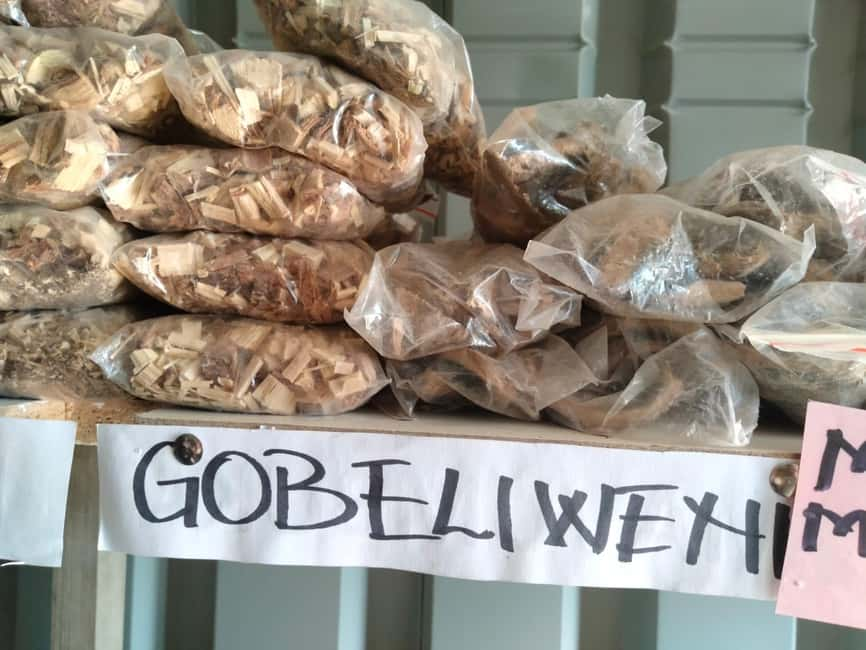
The tour ends back at Mila’s Kitchen, where the welcome continues. You are invited to stay for lunch, but lunch is not included in the tour price.
This optional meal may be one of the best ways to extend the day. It gives you more time to speak with the community and enjoy traditional Xhosa food in the same place where you started. Since the cost is separate, bring enough money if you would like to eat.
Ending where you began also makes the practical side easy. You do not need to arrange a second pickup point or work out how to return to your accommodation from another part of Plettenberg Bay.
What $35 really buys you

At $35 per person, the tour offers more than a basic orientation walk. You receive a personal guide, a local taxi ride, a creche or street experience, the salon visit, the spaza shop stop, and the tavern visit.
The best value comes from access and context. You are paying for a local person to help you enter a community respectfully, explain what you are seeing, and connect ordinary places with wider Xhosa customs and traditions.
Food, drinks, and shopping are extra, so your final cost depends on what you choose. A beer, lunch at Mila’s, donations, or crafts will add to the price. I would carry cash in small denominations and decide in advance how much you want to spend.
The tour is especially good value if you care about meeting people and supporting small businesses. It is less compelling if you want a tightly timed sightseeing route with major attractions and all expenses covered.
Who should book this day out
I would recommend the tour to you if you want a direct look at local life and are comfortable with a flexible schedule. It suits curious visitors who enjoy conversation, modest transport, neighborhood walks, and places that are part of daily life rather than built for tourism.
It also suits anyone who wants to support community businesses. Your spending at Mila’s Kitchen, the spaza shop, the tavern, or local craft stalls goes beyond the tour fee and can help small operators.
Families may appreciate the weekday creche visit, though the activity is not described as a children’s tour. Anyone taking photographs should follow the donation guidance and show care toward the people being photographed.
I would think twice if you need wheelchair access, since the tour is not suitable for wheelchair users. High-heeled shoes are not allowed, so wear comfortable footwear. Bare feet and explosive substances are also not permitted.
Practical advice before you go
Choose your day based on the kind of experience you want. Weekdays offer the creche visit, while weekends replace it with a walk through the streets. Some venues may not be available on weekends, so the exact feel of the day changes with the calendar.
Wear comfortable shoes, a sun hat, and sunscreen. Bring your passport or ID card, camera, cash, and a payment card. The tour ends at Mila’s Kitchen, so you can arrange lunch there after the activity if you want more time with the community.
Book only when at least two people are going, since that is the minimum required. You can reserve and pay later, which helps if your Plettenberg Bay plans are still shifting. Cancellation is allowed up to 24 hours before departure for a full refund.
The tour is offered in English. No guide names are provided, so you should expect a local English-speaking guide rather than a named specialist.
Should you book the Kwano Lifestyle Day Tour?
Book it if you want a human, community-based experience and are willing to meet the day on its own terms. The strongest parts are the welcome, the chance to use local transport, the personal stories at Siya’s salon, and the simple stops that reveal how daily life works.
The most praised quality is the feeling of being welcomed into the community. One visitor described it as the best tour of a South Africa trip, while another valued seeing a different culture and the joyful welcome at the creche. Those reactions point to the tour’s real strength: personal connection.
Skip it if you want a formal museum-style visit, guaranteed access to every stop, or a package that includes meals and drinks. For everyone else, $35 buys a thoughtful introduction to KwaNokuthula, with the chance to leave money and attention in local hands.
FAQ
Where does the Kwano Lifestyle Day Tour start?
The tour starts at Mila’s Kitchen in Plettenberg Bay. The guide meets you there, and the activity ends back at the same location.
What is included in the tour price?
The price includes a personal guided tour with a local guide, transport in a local taxi, a stop at Siya’s dreadlock salon, a creche visit during the week or a street walk on weekends, a spaza shop visit, and a tavern stop.
Is lunch included?
No. Lunch is not included, but Mila’s Kitchen welcomes you to stay for lunch after the tour. Food and drinks must be paid for separately.
Does the tour visit a creche every day?
No. The creche visit takes place during the week. On weekends, the tour focuses on walking through the streets of KwaNokuthula instead.
Are drinks included at the tavern?
No. The tour stops at the tavern, but drinks are not included in the price.
Can I buy items during the tour?
Yes. Shop purchases are at your own expense. You may also find local arts and crafts to buy in support of small businesses.
What should I bring?
Bring your passport or ID card, comfortable shoes, a sun hat, a camera, sunscreen, a credit card, and cash. Small change is useful for donations and purchases.
Is the tour suitable for wheelchair users?
No. The tour is not suitable for wheelchair users.
What is the cancellation policy?
You can cancel up to 24 hours in advance for a full refund. You can also reserve and pay later, which keeps your plans flexible.
Just added in Plettenberg Bay
- THE CRAGS PLETTENBERG BAY: QUAD BIKE FUN RIDE★ 4.6 · 11 reviews
- Stormsrivier: Green Route Tubing and Paddle-Boarding Tour★ 4.3 · 40 reviews
- Plettenberg Bay: Cats in Conservation Full Day Tour★ 4.9 · 11 reviews
- Plettenberg Bay: Private Guided Wildlife Photography Tour★ 4.9 · 49 reviews
- Plettenberg Bay: Seal Viewing Boat Trip★ 4.8 · 16 reviews
- Plettenberg Bay: Swim with the Seals★ 4.7 · 31 reviews
- Plettenberg Bay: 2-Hour Surf Lesson★ 4.9 · 8 reviews
- Plettenberg Bay: EcoKidz Family Wildlife Tour★ 4.8 · 19 reviews
Tours in Plettenberg Bay, compared.
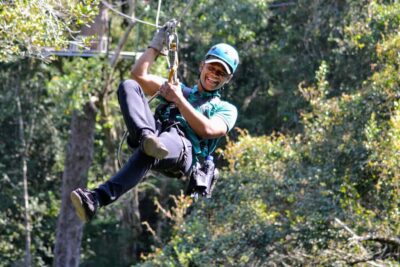
Storms River: Tsitsikamma National Park Zipline Canopy Tour
Read our review →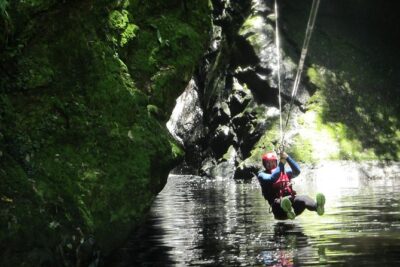
Standard Canyoning Trip in The Crags, South Africa
Read our review →

Plettenberg Bay Game Reserve: 2-Hour Game Drive
Read our review →Browse the lists this tour appears in