
Reviewed · HIKING & TREKKING
Jonkershoek Nature Reserve: Guided Panorama Trail Hike
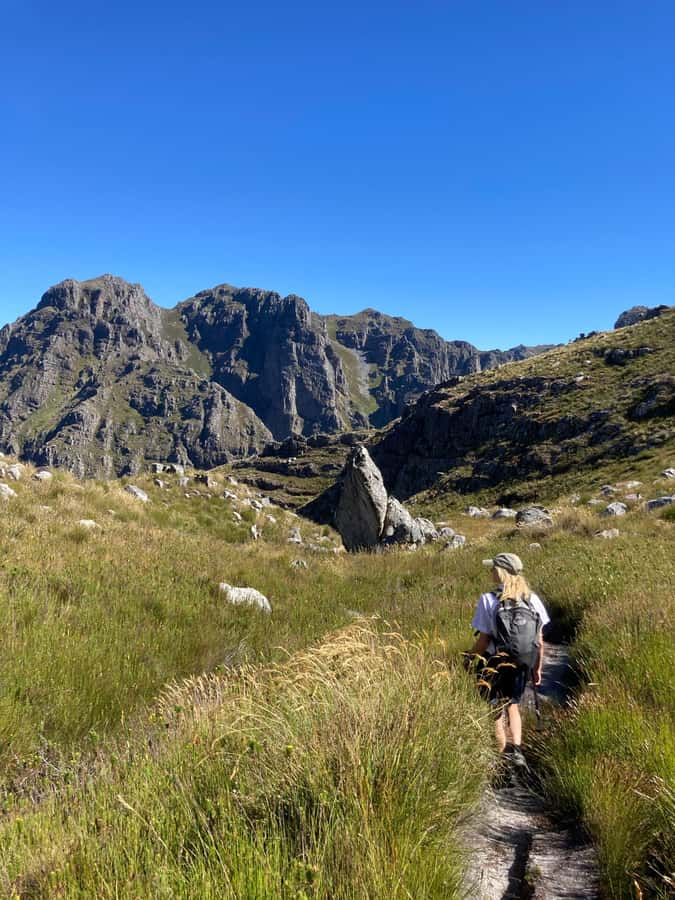
The big draw here is the 1,000-meter climb. The Panorama Trail is not a gentle stroll around Stellenbosch. It is a rugged mountain route with a steep gully, high ridges, craggy cliffs, and views that keep getting better as your legs work harder. I especially like the changing scenery, from fynbos and forest to open, almost alpine country, and the small group capped at six people. The catch is simple: this is a strenuous hike, not a casual sightseeing trip.
I also like the practical setup. Your guide meets you at the reserve gate, handles the route and safety briefing, and helps set a sensible pace. The chance to swim in clear, drinkable-quality water is a fine bonus on a warm day. Still, you need to carry at least 2.5 liters of water, wear proper hiking shoes, and allow five to seven hours, depending on your pace and the weather.
Key points to know before you book
- A serious 14-kilometer mountain loop: The route climbs more than 1,000 meters over steep, rocky ground before returning through Jonkershoek Valley.
- Views reward the hard work: High ridges look across the Jonkershoek Valley, surrounding peaks, deep gorges, and the Berg River Saddle.
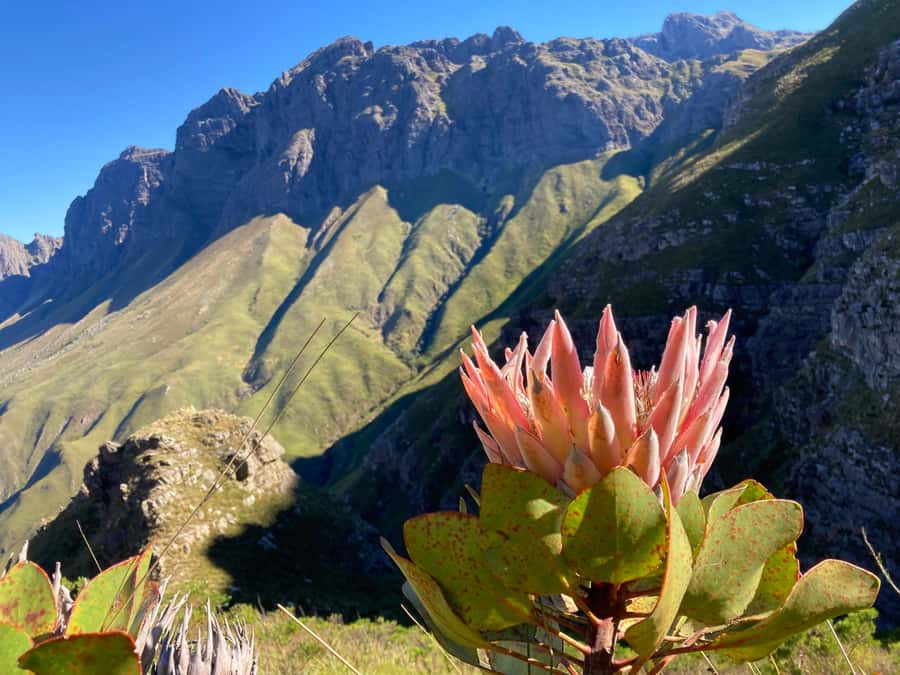
- Scenery keeps changing: Expect protea-covered slopes, grassy ridges, forest, rocky gullies, waterfalls, and clear mountain streams.
- Small groups make a difference: The outing is limited to six participants, with English or German guidance.
- Pack for a full mountain day: Bring at least 2.5 liters of water, food, sunscreen, a hat, a jacket, and sturdy hiking shoes.
- Best for fit hikers: Children under 12, people with mobility impairments, people afraid of heights, and hikers with a low fitness level should choose another outing.
Why the Panorama Trail is worth the effort
Jonkershoek Nature Reserve gives you a proper Cape mountain day close to Stellenbosch. The Panorama Trail earns its name through a steady succession of viewpoints, but the views are not handed to you at the car park. You work for them.
The route covers about 14 kilometers and gains more than 1,000 meters in a relatively short distance. That combination makes the outing demanding even for an active hiker. The reward is a high route through the reserve, where you can look down into valleys and across fynbos-covered slopes rather than simply walking through the lower forest.
I like hikes that show a place changing as you climb. This one starts in the broad Jonkershoek setting, moves through a rugged gully, reaches open ridges, and then turns toward the Berg River Saddle and Assegaibos Kloof. The scenery gives you a clear sense of altitude and distance.
The route has also earned a reputation as one of South Africa’s top day hikes. That does not mean it is suitable for everyone. The rating reflects the views and mountain character, not an easy level of access. Think of it as a full physical outing with a guide, not a short walk with a few scenic stops.
Other walks with some climb in them around Stellenbosch:
- E-Bike & Hike Jonkershoek
★ 5.0 · 12 reviews - Stellenbosch: Guided Vineyard Hike and Wine Tasting
★ 5.0 · 9 reviews - Stellenbosch: Half-Day Guided Nature Hike and Wine Tasting
★ 5.0 · 3 reviews
Meeting at the Jonkershoek gate
You meet your guide at the entrance gate of Jonkershoek Nature Reserve. From there, you drive about five kilometers along a gravel road to the trailhead. You may use your own vehicle or travel in the guide’s vehicle, depending on the arrangement.
This short transfer matters because the hike does not begin right at the reserve entrance. Build a little flexibility into your morning, and be ready for a gravel road before the walking starts. The guide gives a route and safety briefing before you set off, which is especially useful here because the trail can be completed clockwise or counter-clockwise.
The group size is limited to six people. That is a useful feature on a steep route. A guide can keep an eye on the group, adjust the pace, and make sensible decisions when the ground becomes rough or the weather changes. Dominic is the guide named in the available tour feedback, and he leads in English and German. The activity information also allows for another English or German speaking mountain guide.
The first climb: rocky ground and a hard-earned view
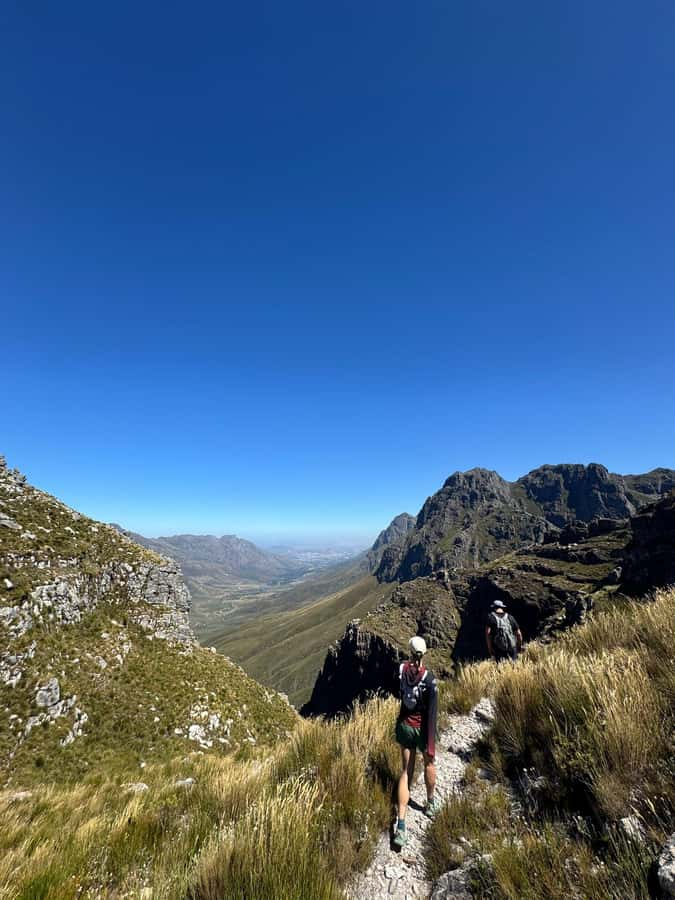
The opening section builds steadily before turning into a steep ascent through a rocky gully. This is the part that tests your fitness. You gain more than 1,000 meters of height, so your breathing and legs will notice the difference long before you reach the high ground.
Do not treat the regular rest stops as wasted time. They give you a chance to recover, drink, and look back toward the valley. On a guided hike, a controlled pace is safer than trying to stay ahead of the group. The guide can help you find a rhythm that leaves enough energy for the descent.
The surface is rugged, and proper hiking shoes are necessary. The information for this route specifically warns about steep rocky slopes, so smooth-soled trainers are a poor choice. You may also deal with exposed sections and heights, which is why the walk is not suitable for people who are afraid of heights.
This climb is the main drawback for anyone hoping for a relaxed day outdoors. The time estimate varies from five to seven hours, and the route may take longer if you need frequent breaks. That is not a flaw in the experience, but it is a fact you should plan around.
Fynbos, forest, and changing mountain country
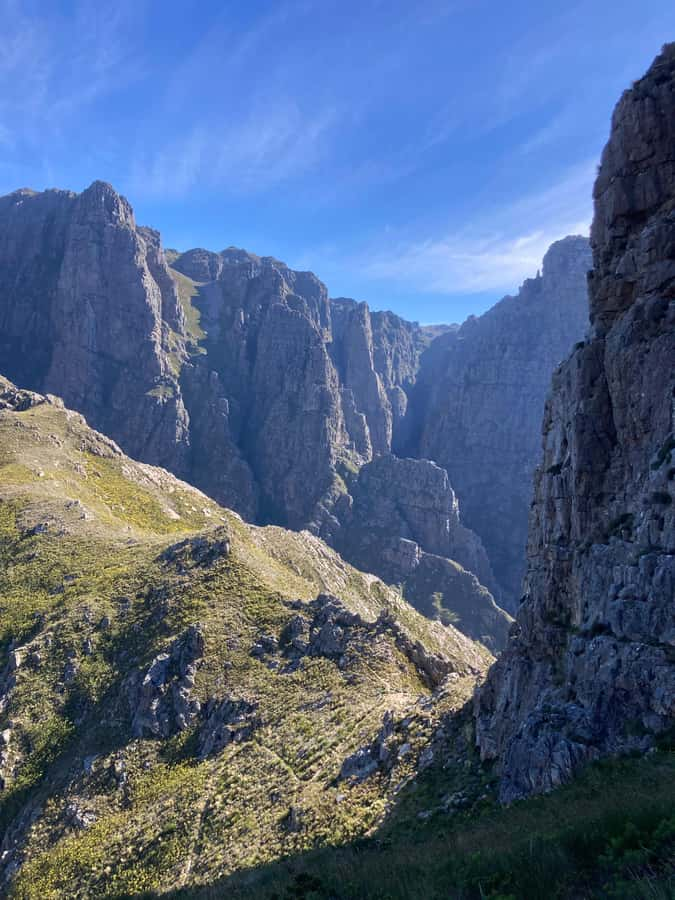
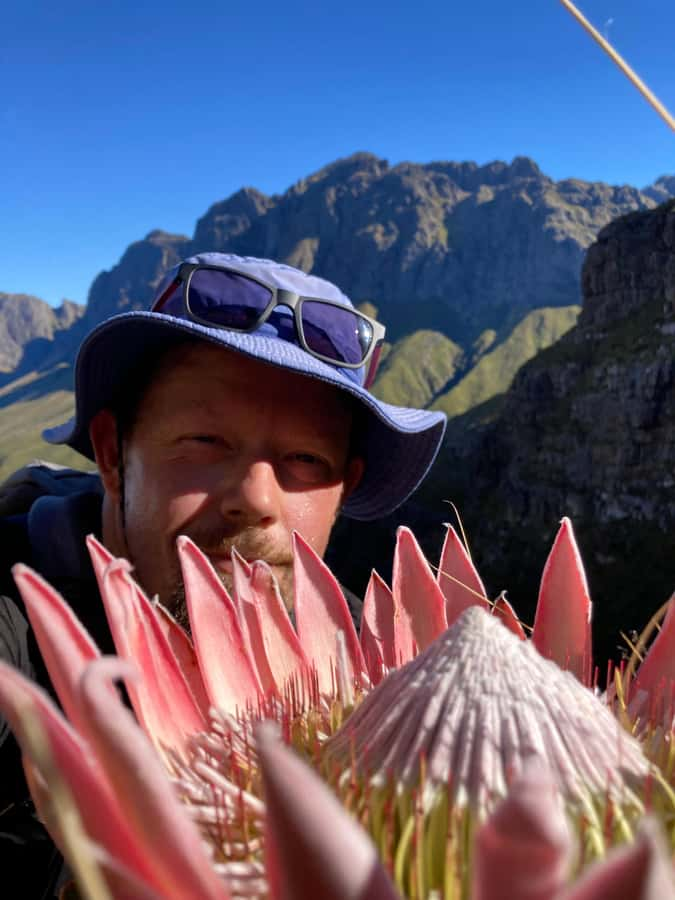
One of the best features of the Panorama Trail is the variety underfoot and around you. The route passes through fynbos, forest, grassy ridges, and higher mountain habitats. Proteas cover parts of the slopes, adding another layer of Cape plant life to a hike already full of changing views.
You should bring a camera if you enjoy plant photography. One detailed account of the route points out how easy it is to keep taking pictures as the vegetation shifts from fynbos to woodland and then to more open, alpine-like country. Bring a spare battery or make sure your phone is charged. The scenery creates many more photo stops than you may expect.
Water is another part of the route. The outing includes mountain streams and magnificent waterfalls, and you may have the chance to swim in clear water described as being of drinking-water quality. That makes swimwear a sensible item to pack, particularly in warm weather.
Do not assume the swim is guaranteed at every departure. Water conditions and weather can affect what is practical, and the core experience remains a strenuous mountain hike. Still, it is an unusually appealing bonus after a hard climb.
Other parks within reach of Stellenbosch:
- From Johannesburg: Pilanesberg Nature Reserve Game Safari
★ 4.8 · 1,327 reviews - Addo Elephant National Park All Inclusive Full-Day Safari
★ 4.8 · 872 reviews - Kruger National Park Full Day Private safari
★ 5.0 · 799 reviews - Full Day Ultimate Pilanesberg National Park Safari from Johannesburg or Pretoria
★ 4.5 · 718 reviews
Reaching the high ridge and its wide views
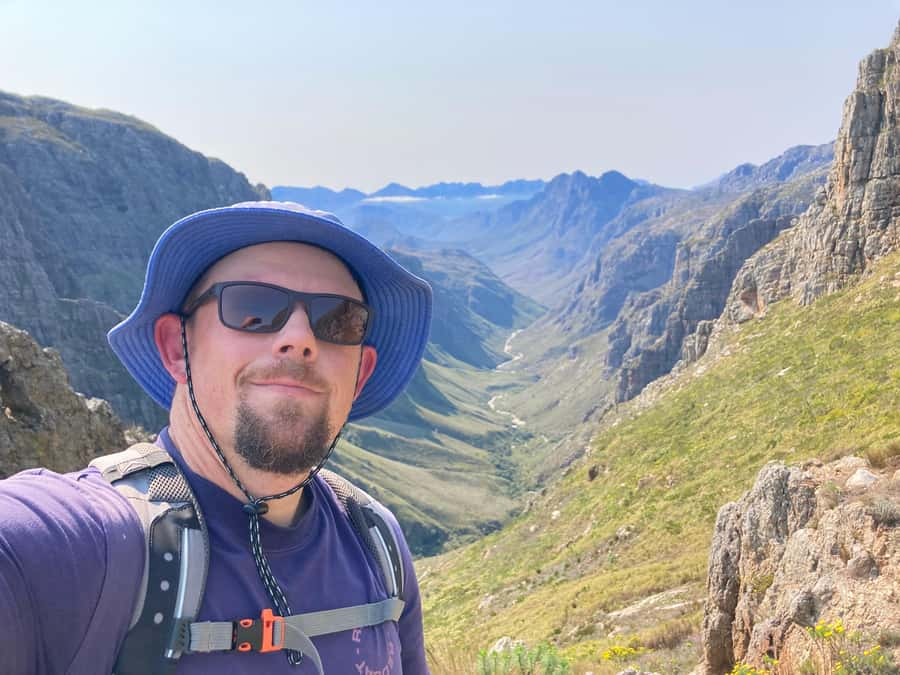
Once you gain the ridge, the character of the hike changes. The path opens into broad mountain views, with the Jonkershoek Valley below and surrounding peaks stretching across the horizon. You also see deep gorges and slopes covered in fynbos.
This is where the long climb begins to make sense. From the valley, the mountains can feel like a wall. From the ridge, you get a better sense of the reserve’s scale and the folds of the country around it. The high route gives you the kind of viewpoint that short walks rarely provide.
The guide’s role remains useful here. A local guide can help with navigation when the route direction changes and can choose sensible rest points. The trail may be walked clockwise or counter-clockwise, so the exact order of views and exertion can vary. Weather also affects how much you see. The activity does not promise clear skies, but it does provide a route designed around strong mountain scenery.
Take time at the viewpoints. You do not need to rush every stop. The price includes a guide and the reserve entrance fee, so the value is strongest for someone who wants help with pacing, route finding, and safety rather than simply access to a marked trail.
The Berg River Saddle and Assegaibos Kloof
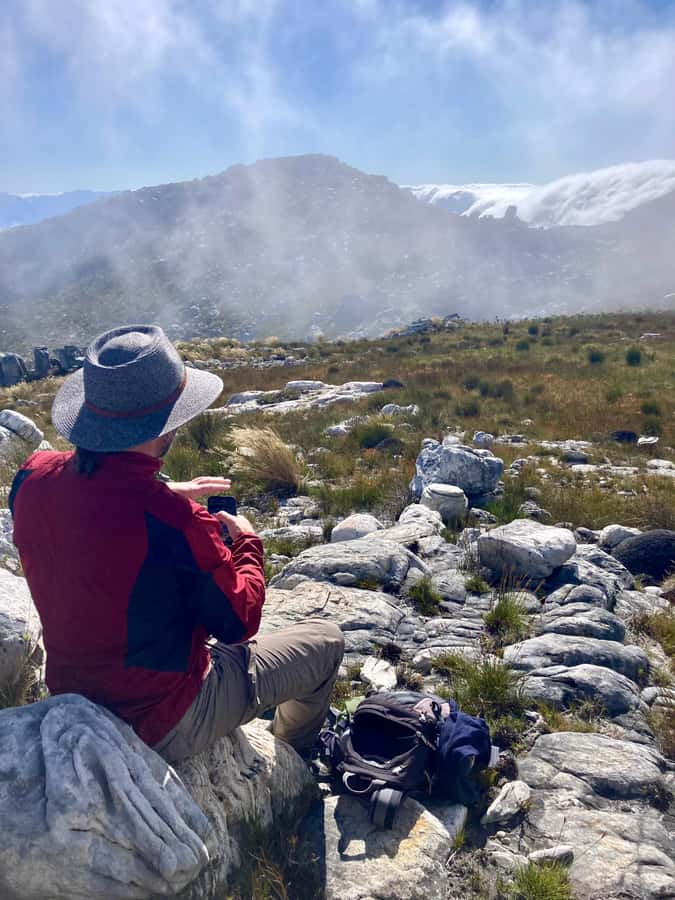
The descent leads toward the Berg River Saddle, one of the route’s most memorable sections. From here, you look into the Assegaibos Kloof Valley, through which the Berg River flows. It is a quieter, more enclosed view than the broad ridge panoramas, and it gives the second half of the hike its own character.
I like this part because it changes the direction of your attention. The ridge offers distance and height. The saddle draws your eyes into a valley and along the river corridor. For photographers, it provides a different set of shapes, shadows, and layers than the earlier views.
The word descent can sound reassuring after the hard climb, but you still need to stay alert. Rocky downhill sections can be tiring, especially when your legs have already spent much of the day climbing. Good footwear matters just as much on the way down, and walking poles may help some hikers, though they are not listed as included equipment.
From the saddle, the route curves back toward the valley and completes the circular loop. You return to Jonkershoek Nature Reserve after a full mountain day rather than retracing the entire climb.
What $112 includes and what it does not
The cost is $112 per person. That is not a bargain-priced walk, but it covers more than a basic trail outing. The price includes an expert mountain guide, reserve entrance, and a small group capped at six participants. You are also paying for route management on a demanding trail, help with pacing, and a guided approach to safety.
The value depends on what you need. If you are already familiar with Jonkershoek, confident with navigation, and happy hiking alone, you may prefer to use the reserve independently. If you want a guide on a steep route, especially in a small group, the price is easier to justify.
Transport to the reserve is not included. You must get to the Jonkershoek gate yourself, although the guide may drive the five kilometers of gravel road to the trailhead. Drinks and snacks are also your responsibility. Bring food for the day and at least 2.5 liters of water.
That water requirement is not a casual suggestion. A steep climb over several hours can leave you short quickly, especially under the Cape sun. Add sunscreen, a sun hat, a jacket, and comfortable clothing. Conditions can feel different between the valley, exposed ridge, and shaded sections.
Fitness, safety, and the right expectations
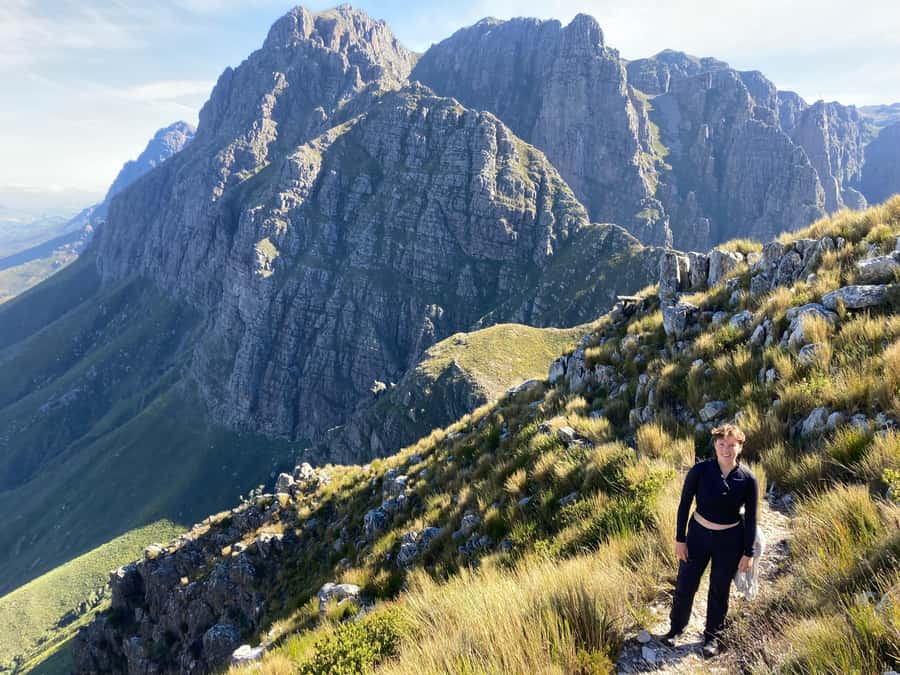
You need a good to strong fitness level for this route. The main challenge is not only the distance. It is the combination of steep rocky ground, more than 1,000 meters of ascent, possible exposure, and a five to seven hour day.
The hike is not suitable for children under 12, people with mobility impairments, people with a low level of fitness, or people afraid of heights. Those limits are sensible. The trail has demanding sections where balance, stamina, and confidence on rough ground matter.
A guide does not remove the physical challenge. It helps manage it. Your pace can be adjusted, rest stops are built into the day, and a route briefing gives you a clearer idea of what lies ahead. You should still be honest about your ability before booking.
Weather can affect the duration and the feel of the route. The outing is listed at six hours, while the practical range is five to seven hours. Keep your day open rather than scheduling a tight appointment afterward.
Free cancellation is available up to 24 hours before the activity, and you can reserve now and pay later. Those terms are useful when mountain weather or an uncertain itinerary is part of your planning, but they do not replace checking the conditions before you set out.
Who will get the most from this hike?
This is a strong choice if you want a real mountain outing near Stellenbosch and enjoy earning your views. You should be comfortable with long climbs, rough paths, and a full day outside. It suits active visitors who want more than a short nature walk.
It is also a good fit if you value company from a local guide. The English or German language option and small group make the experience more personal than a large coach excursion. Dominic has received especially warm praise as a guide, including for his ability to make the route enjoyable and for his repeat connection with participants.
Photographers and plant lovers should find plenty to hold their attention. Fynbos, proteas, streams, waterfalls, ridges, and the changing mountain habitats offer more variety than a route focused only on a single summit.
You should skip it if your main aim is an easy day, if you dislike heights, or if you are not prepared to carry water and food. The swimming option is appealing, but it should not be the reason you book. The climb is the central event.
Should you book the Panorama Trail?
Book this hike if you want a demanding, guided mountain day with big views and varied Cape vegetation. The small group, included reserve fee, route guidance, and chance to see the Berg River Saddle make the $112 price reasonable for hikers who would rather focus on the trail than manage every detail themselves.
Do not book it as a casual Stellenbosch add-on. You need proper shoes, food, a jacket, sunscreen, and at least 2.5 liters of water. If you are fit enough for 1,000 meters of ascent and enjoy a hard climb followed by a rewarding descent, the Panorama Trail gives you one of the area’s most memorable outdoor days.
FAQ
Where does the hike begin?
You meet at the gate of Jonkershoek Nature Reserve. From there, you drive about five kilometers on a gravel road to the start of the walking route.
How long does the hike take?
The activity is listed as six hours. In practice, you should expect five to seven hours, depending on fitness, walking pace, and weather conditions.
How far is the route?
The Panorama Trail is a 14-kilometer circular route.
How much elevation does the hike gain?
The trail gains more than 1,000 meters of elevation over steep, rocky ground.
What languages does the guide speak?
Guiding is available in English or German.
Is transport included?
Transport to Jonkershoek Nature Reserve is not included. The guide may drive you the five kilometers from the reserve gate to the trailhead, or you may use your own vehicle.
What should I bring?
Bring at least 2.5 liters of water, food, hiking shoes, a sun hat, sunscreen, a jacket, and comfortable clothing. Swimwear is also recommended because swimming may be possible in clear mountain water.
Who should not join this hike?
The hike is not suitable for children under 12, people with mobility impairments, people afraid of heights, or people with a low level of fitness.
Just added in Stellenbosch
- Stellenbosch Winelands downhill gravity Scooter★ 3.1 · 4 reviews
- E-Bike Stellenbosch Winelands – Full Day Private Tour★ 5.0 · 6 reviews
- Stellenbosch: Stellenbosch E-Bike & Wine Tour (Shared Tour)★ 5.0 · 9 reviews
- Stellenbosch wine tour, all inclusive of lunch and tastings.★ 5.0 · 32 reviews
- Stellenbosch: Hop-On Hop-Off Northern Route Wine Tour★ 4.6 · 49 reviews
- Stellenbosch: Khayamandi Township Walking Tour★ 4.3 · 5 reviews
- Stellenbosch North Guided Wine Safari (Tastings Included)★ 4.9 · 16 reviews
- Stellenbosch: Horse Riding Wildlife Safari★ 4.9 · 14 reviews
Hiking & Trekking, compared.
Hike Table Mountain or Lions Head in Cape Town Like a Local
Read our review →
Hike Table Mountain with a Guide – Choose Route
Read our review →
Lion’s Head HIKE Table Mountain in Cape Town-South Africa
Read our review →
Browse the lists this tour appears in