
Reviewed · CITY TOURS
Gqeberha: City Highlights Car and Walking Tour
Gqeberha reveals itself best when you connect its streets, coast, and colonial-era landmarks in one outing. This car-and-walking tour takes you from your hotel toward Nelson Mandela University, along the coastal area, through the city center, and up to the Donkin Reserve and Campanile.
I like the mix of driving and walking, since you cover more ground without spending three hours on foot. I also like the local touch: guides such as Caleb, Marvin, and Randy are praised for friendly conversation, strong local knowledge, and taking photos. The main drawback is that the schedule can feel tight, and some attractions may be closed if you book late.
Key points to know
- The route links city and coast: Travel by car from your hotel to Nelson Mandela University, the coastal area, the city center, and Donkin Reserve.
- The Donkin Reserve gives the tour its historical center: Learn why Port Elizabeth received its original name and how the city became Gqeberha in 2021.
- Walking is moderate but not effortless: The city is hilly, so comfortable shoes matter.
- Your guide can shape the experience: Caleb, Marvin, and Randy have all led tours, with Caleb receiving repeated praise for his warmth and local stories.
- The $56 price includes useful basics: Hotel pickup and drop-off, private round-trip car transport, bottled water, guiding, and the walking portion are included.
- Some sights cost extra: The lighthouse entrance is listed at R75, and the stadium tour has a separate fee.
Seeing Gqeberha through its old and new names
Gqeberha is the official name today, but you will still hear Port Elizabeth used often. The city was founded in 1820 as Port Elizabeth, named by Sir Rufane Donkin after his wife, Elizabeth. The British settlement was created in Algoa Bay to strengthen the border between the Cape Colony and Xhosa communities.
That history gives the tour more weight than a simple drive past monuments. You are not just ticking off buildings. You are hearing how a British colonial settlement grew into a modern Eastern Cape city, and how its name changed to Gqeberha, taken from the Xhosa and Southern Khoe name for the Baakens River.
The official name change was gazetted on February 23, 2021. Your guide can help place that change in its local setting, especially if you are unfamiliar with South Africa’s continuing discussion about place names, identity, and public memory.
The city is also known by two contrasting nicknames: the Friendly City and the Windy City. Both are useful to keep in mind. The first reflects the warm welcome many visitors receive. The second is practical advice to pack a light layer, especially when you are near the coast.
Other walks around Gqeberha:
- Addo Elephant Park and Giraffe Walk Full Day Safari
★ 4.6 · 46 reviews - GQ: City Walking Tour & African Cuisine Cooking Class
★ 4.6 · 11 reviews - Addo Elephant Park and Giraffe Walk Private Full Day Safari
★ 5.0 · 11 reviews
Starting with hotel pickup and a wider city view
The experience begins with pickup in Port Elizabeth, now Gqeberha. Round-trip transport by car is included, so you do not need to arrange a taxi between separate sights. That matters in a city where the route combines university grounds, coastal views, central streets, and hilltop monuments.
The first part takes you toward Nelson Mandela University. The university is one of the stated walking and sightseeing areas, and the route then continues through the coastal zone toward the city center. This gives you a useful sense of how Gqeberha is laid out before the walking portion begins.
I like this approach because a first-time visitor can get oriented quickly. You see more than one central block, but you are not locked inside a vehicle for the entire tour. The car covers distance, while the walking stops let you slow down and look around.
The vehicle also provides a break from the sun and hills. One direct account describes the city walk as very hilly, and that is worth taking seriously if you prefer easy, level strolls. The walking is not presented as strenuous, but it is more than a short step from a parking area to a monument.
The coastal road and beach portion
The coastal section adds a different side of Gqeberha. Instead of focusing only on civic buildings and colonial-era markers, you get scenic views toward the water and time near the beach. The beach is one of the main attractions listed for the tour, although the exact amount of time spent there can depend on the guide and the day’s pace.
This part is especially useful if you have only a short stay in town. You can combine an introduction to the city with a look at its shoreline rather than setting aside a separate half-day for sightseeing. Bring sunscreen, a hat, and water even though bottled water is provided.
The coast can also be windy, hence the city’s nickname. A sunny morning does not always mean still conditions by the water. Wear clothes that handle a change in weather, and check the forecast before you leave your hotel.
Do not expect a dedicated beach day. The beach is part of a broad city highlights route, not the sole focus. If you want long time on the sand or a relaxed swim, this is probably not the right format. If you want a quick coastal look combined with history and city views, it makes better sense.
Walking through the city center
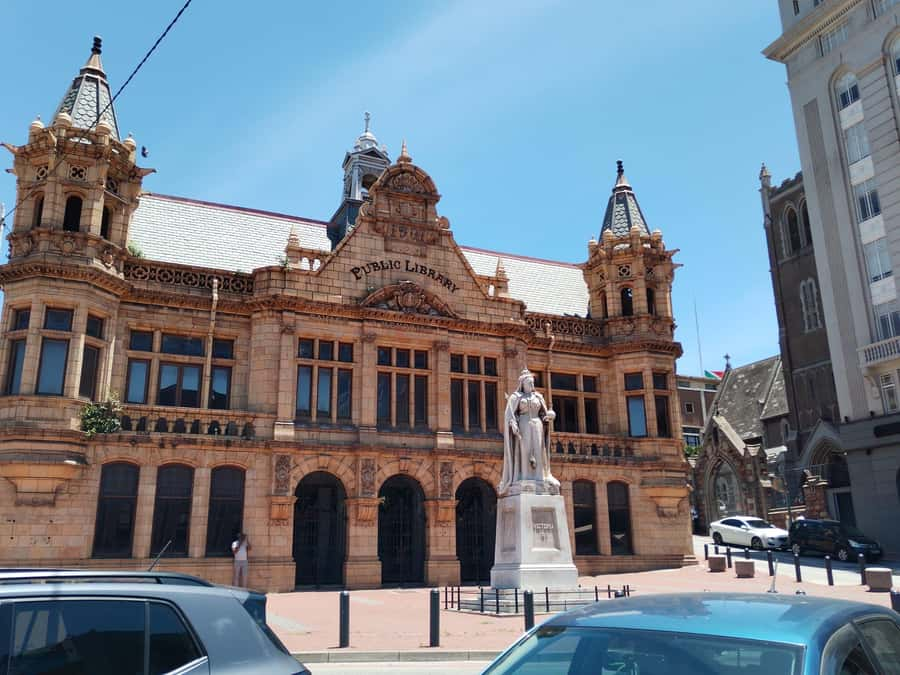
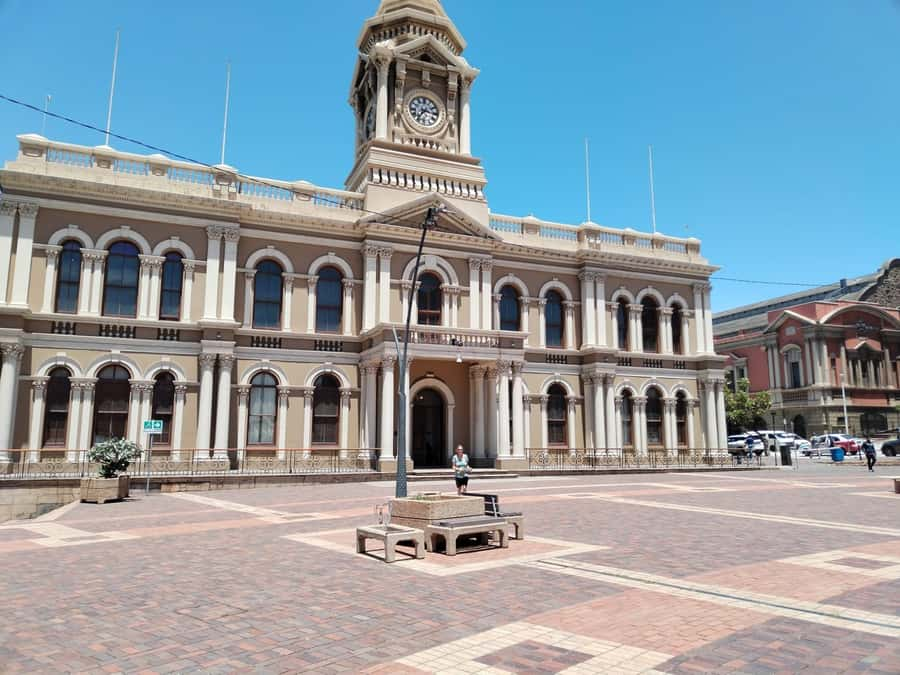
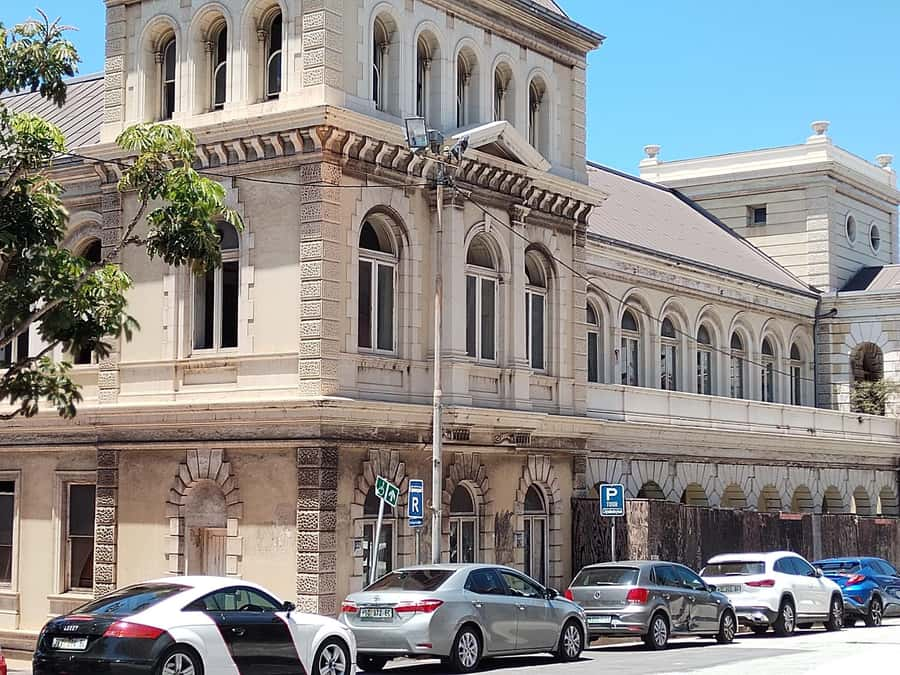
The walking portion takes you through the city center, where the guide can explain the streets, landmarks, and local history in context. This is where the tour becomes more personal than a self-guided drive. You can ask why a monument matters, how the city developed, and what the name Gqeberha means locally.
The pace is described as leisurely, but the terrain is not completely flat. Comfortable walking shoes are essential. You should also keep your belongings secure in crowded areas, since pickpocketing can occur. That is ordinary city advice, but it is useful when your attention is on buildings, photographs, and conversation.
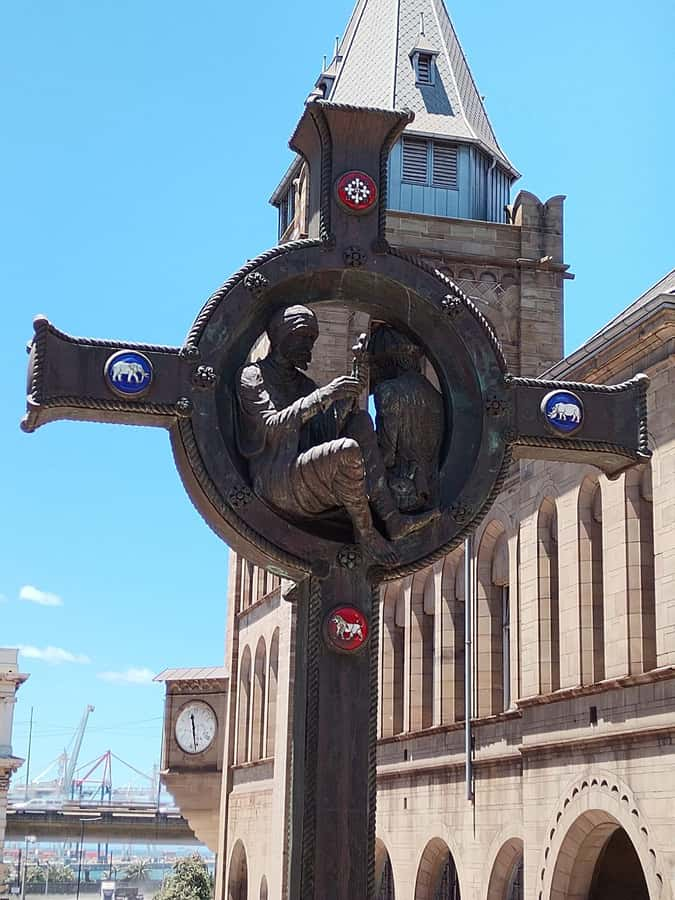
A guide can also make the center easier to read. Without local context, historic sites can look like isolated objects. With explanation, the Donkin Memorial, Campanile, and surrounding streets become part of a story about settlement, migration, power, and modern city life.
The tour is conducted in English. That makes it a straightforward choice for English-speaking visitors who want a live guide rather than an audio recording or printed route. The guides are also an important part of the experience. Caleb is repeatedly singled out for his enthusiasm and local insight, while Marvin and Randy are described as friendly and welcoming. Guide assignment is not guaranteed, so treat these names as examples rather than a promise.
A few more things to do in Gqeberha worth a look
- Port Elizabeth: 4×4 Wildlife Safari & City Sightseeing Tour
★ 4.8 · 41 reviews - Port Elizabeth: City and Coastal Tour
★ 4.6 · 20 reviews - PORT ELIZABETH CITY TOUR
★ 5.0 · 3 reviews - Cape Town Hop-On Hop-Off City Tour with Optional Cruise
★ 4.5 · 1,793 reviews
Donkin Reserve and the Donkin Memorial
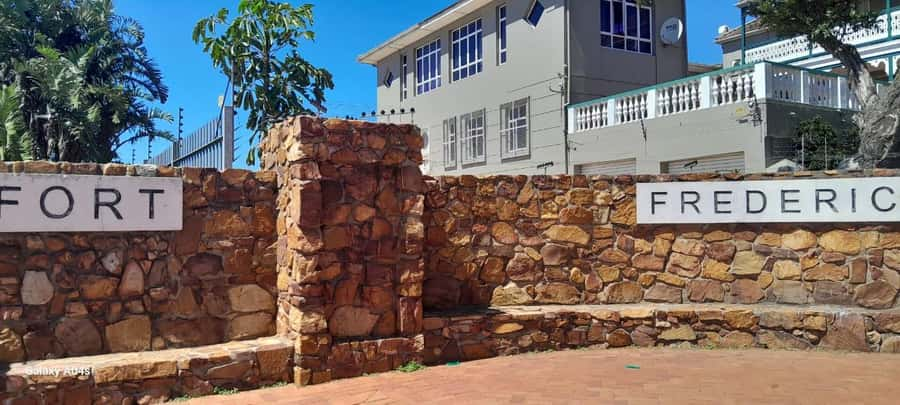
The Donkin Reserve is the historical heart of the route. It is tied directly to the city’s original name and to Sir Rufane Donkin, the Cape governor who gave Port Elizabeth its name in memory of his late wife.
This is the point where the city’s old and new identities come together. You can learn about Port Elizabeth while standing in a place connected to Gqeberha’s present-day name. For anyone interested in South African history, that connection is more meaningful than a quick photograph beside a sign.
The reserve also offers a change in elevation and, according to the supplied route, scenic city views. Expect some walking and possibly slopes. If you have limited mobility, the activity is listed as wheelchair accessible, but it is still sensible to confirm the precise route and surfaces before booking, particularly because the tour includes a moderate amount of walking and a hilly city area.
The Donkin Reserve is also where the tour can feel most reflective. The city’s early colonial story is important, but it should not be treated as the entire story of Gqeberha. Ask questions about the city’s Xhosa and Southern Khoe connections, the Baakens River, and the modern name change. That will give you a fuller understanding than memorizing dates alone.
Campanile, lighthouse, and optional paid sights
The Campanile is one of the main attractions on the route. It gives the tour a clear landmark and helps anchor the city’s built history. The lighthouse is another possible stop, but its entrance fee is not included. The stated cost is R75.
That extra charge is modest, but you should carry it in your planning. If the lighthouse is important to you, ask the guide whether the visit fits the day’s timing and whether it is open when you arrive. One booking made late in the day had attractions closed, so opening hours can affect what you actually see.
The stadium tour also has a separate entrance fee. The stadium is included among the city attractions and may be viewed as part of the route, but a full stadium experience costs extra. If you are a sports fan, confirm the fee and timing before assuming it is part of the $56 package.
This is a good example of why the tour price needs a little interpretation. The headline cost covers transport, water, guiding, and walking, but not every attraction entrance. You receive a broad introduction rather than an all-inclusive ticket to every site.
What the $56 price buys you
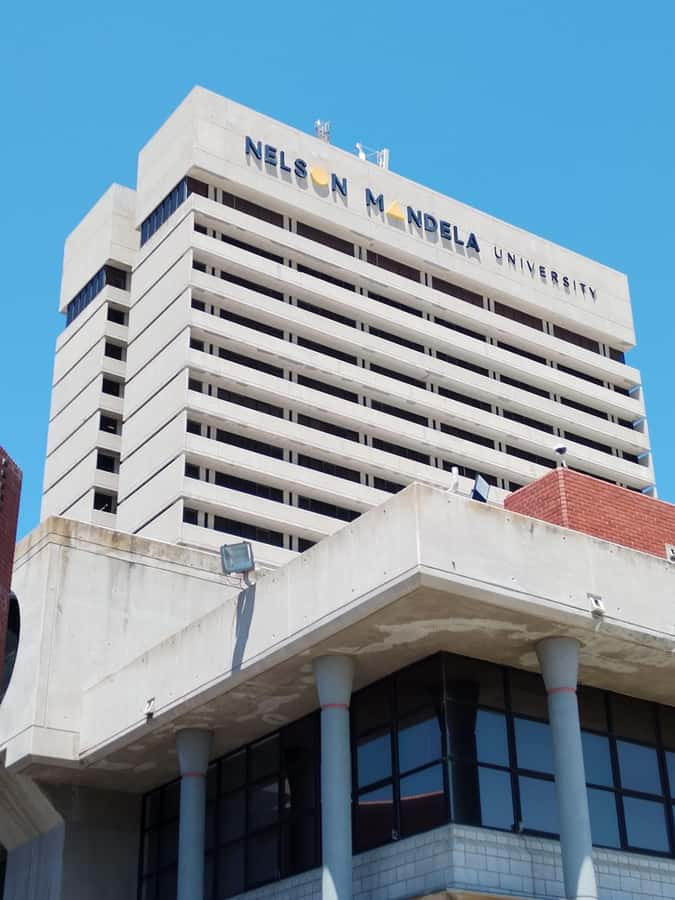
At $56 per person, the main value is convenience and local orientation. You get hotel pickup and drop-off, round-trip transport by car, a professional guide, bottled water, and the walking tour. You are paying to connect several parts of Gqeberha in a short period without arranging each transfer yourself.
That price looks stronger if you are staying outside the immediate center or do not have a car. It also suits visitors who want a personal introduction before exploring on their own. A guide can explain the city’s history while you are still deciding which areas deserve more of your time.
The value is less obvious if you plan to visit only one central landmark and are happy using local transport. In that case, a self-guided outing may cost less. The tour earns its price by combining several areas and providing a guide who can answer questions.
The duration is advertised as three hours, while the detailed route gives approximately three and a half hours. Allow at least half a day in your schedule so you are not rushing to a later reservation. The difference may simply reflect traffic, walking time, or the way the operator describes the route, but it is worth confirming the start and finish time.
The human side of the tour
The strongest part of this experience is likely to be the guide. Caleb receives repeated praise for going beyond the basic route, taking photographs, sharing local culture, and offering extra experiences when time allows. One account describes a guide adding a penguin sanctuary visit and a tasting of six local beers, but you should not treat those as standard inclusions. Confirm any extras before booking.
Randy is described as making both a local resident and a visiting partner feel safe and welcome. That is a useful clue about the tone of the experience. The tour is not only about dates and monuments. It can also be a relaxed conversation about the city and its people.
Marvin is noted for being friendly and well informed, and another guide is praised for punctuality and flexibility. These details matter because a short city tour depends heavily on the person behind the wheel and on foot. A cold or rushed guide would make the same route feel flat. A warm guide can turn a modest list of stops into a memorable introduction.
The operator is Aza Addo Transfers and Tourism. Guide assignment may vary, so book this for the route and format rather than for a guaranteed individual guide.
Practical advice before you go
Wear shoes that can handle hills and several walking stops. Sandals may be fine if they are secure, but thin dress shoes are a poor match for the route.
Bring a hat, sunscreen, and a camera. The mix of coastal views, city streets, monuments, and the Donkin Reserve gives you plenty to photograph. Bottled water is included, but carrying extra water is sensible on a hot day.
Check the weather forecast before setting out. Gqeberha can be sunny and windy, and the coastal section may feel cooler than the city center. A light layer is useful even when the forecast looks warm.
Keep your belongings secure in crowded areas. You will be looking up at buildings and landmarks, which makes it easy to lose track of a phone or small bag.
The activity is listed as wheelchair accessible, and hotel pickup is included. Still, because the route contains moderate walking and a hilly city area, ask about the exact path if you use a wheelchair or have difficulty with slopes.
Free cancellation is available up to 24 hours before the activity for a full refund. You can also reserve now and pay later, which helps if your South Africa schedule is still shifting.
Who should book this Gqeberha introduction?
I would choose this tour if you are visiting Gqeberha for the first time, have limited time, or want local background before exploring independently. It is also a good fit if you do not have a rental car and want to combine the university area, coast, beach, city center, and Donkin Reserve in one outing.
It suits curious visitors who enjoy conversation and history more than a rigid list of photo stops. The personal style, including help with photographs, can be a real benefit for solo visitors and couples.
I would hesitate if you want a slow beach day, a long museum visit, or a fully inclusive package with all entrance fees covered. The schedule is fairly compact, the city walk can be hilly, and late bookings may find some attractions closed.
For most short-stay visitors, the combination of transport, local explanation, and a broad route makes the $56 reasonable. Confirm the actual duration, optional entrance fees, and any hoped-for extras before booking. If you want a practical first look at Gqeberha with a friendly local voice, this is a sensible choice.
FAQ
What is included in the Gqeberha city tour?
The tour includes a professional English-speaking guide, a walking tour, bottled water, hotel pickup and drop-off, and round-trip transportation by car.
How long does the activity last?
The activity is advertised as three hours. The detailed route gives approximately three and a half hours, so allow extra time in your schedule.
Where does the tour begin and end?
Pickup and drop-off are provided in Port Elizabeth, now officially called Gqeberha.
Which places are visited?
The route includes Nelson Mandela University, the coastal area, the city center, Donkin Reserve, the Campanile, and the beach. The stadium is also listed among the main attractions.
Is the lighthouse entrance included?
No. The lighthouse entrance fee is listed separately at R75.
Is the stadium tour included in the price?
No. The stadium tour has a separate entrance fee.
Is the tour suitable for wheelchair users?
The activity is listed as wheelchair accessible. Because the tour includes moderate walking and a hilly city area, confirm the exact route when booking.
What should I bring?
Bring comfortable walking shoes, a hat, a camera, sunscreen, and water. Check the forecast and dress for the weather, especially near the coast.
Just added in Gqeberha
- Schotia Private Game Reserve Safari★ 4.7 · 35 reviews
- Port Elizabeth:2-Day Schotia Safaris & Addo Wildlife Reserve★ 4.0 · 4 reviews
- Port Elizabeth:Kragga Kamma Private game reserve safari★ 4.8 · 3 reviews
- Port Elizabeth: Sundays River Cruise and Kragga Kamma★ 4.8 · 7 reviews
- Port Elizabeth : Full-Day Addo Elephant Park Wildlife Tour★ 4.8 · 4 reviews
- Port Elizabeth tuk-tuk tour, experience the natural beauty.★ 4.8 · 33 reviews
- Port Elizabeth: City and Coastal Tour★ 4.6 · 20 reviews
- Port Elizabeth: 4×4 Wildlife Safari & City Sightseeing Tour★ 4.8 · 41 reviews
City Tours, compared.
Johannesburg Hop-On Hop-Off City Tour with Soweto Option
Read our review →
Jo’berg in 1 Day: Soweto, Apartheid Museum & City Tour
Read our review →
Cape Town City Pass: Save Over 50% on 80+ Top Attractions
Read our review →
Hop-On Hop-Off Bus, City Tour and Apartheid Museum
Read our review →

From Sun City: Pilanesberg National Park 3-Hour Game Drive
Read our review →
Browse the lists this tour appears in