
Reviewed · SANI PASS & LESOTHO TOURS
From Underberg: Sani Pass Birding Tour with Birding Guide
The best reason to book this day is simple: Sani Pass gives you unusually easy access to rare mountain birds that are difficult to find elsewhere. You will travel from Himeville into Lesotho by 4×4, moving through montane grasslands, wetlands and alpine scrub as the birds and scenery change with altitude.
I like the personal guiding and the clear target list. Mlondi has been praised for finding every requested bird, while Aldo has led days that combined birding with plenty of useful information about the pass. I also like that lunch, drinks, transport and pickup are included. The tradeoff is the long eight-hour day, and mountain birds are wild animals, so even a strong target list cannot guarantee every sighting.
Key points at a glance
- Three major target birds: The pass is one of the easiest places to search for Drakensberg Rockjumper, Drakensberg Siskin and Mountain Pipit.
- A full altitude change: The route moves through montane grasslands, wetlands and alpine scrub, giving you several habitats in one day.
- Guides who focus on birds: Mlondi and Aldo are named guides associated with this experience, with strong praise for their bird-finding skills and local knowledge.
- A rare crane area: The wider region is home to Grey Crowned, Wattled and Blue Cranes.
- A proper day out: You get accommodation pickup in Himeville, 4×4 transport, a picnic lunch and refreshments.
- A border crossing: Bring your passport, and check visa needs before you go into Lesotho.
Why Sani Pass matters to birders
Sani Pass is more than a scenic mountain road with a famous pub at the top. For birders, it is a practical route into a high-altitude zone where several birds with small ranges can be found.
The main prizes are Drakensberg Rockjumper, Drakensberg Siskin and Mountain Pipit. The pass is described as the only easy global access point for these three species, which gives this trip a clear purpose. You are not simply taking a mountain drive and hoping a bird appears. You are using a well-known route into the right habitat for a focused search.
That matters most if you keep a life list, enjoy regional endemics or want birds that are hard to find on a general South African holiday. A casual birdwatcher can still enjoy the day, but the greatest value goes to someone who understands why these species are special.
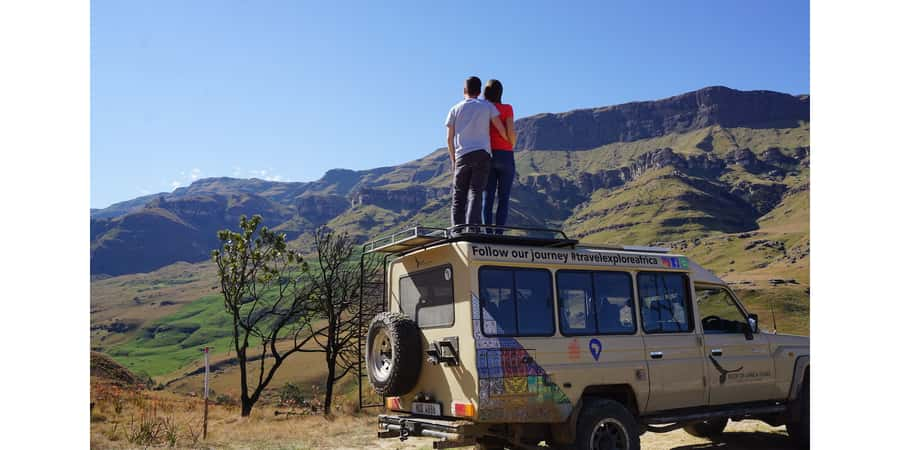
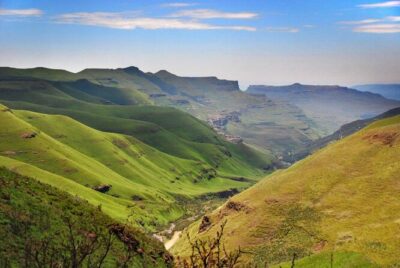
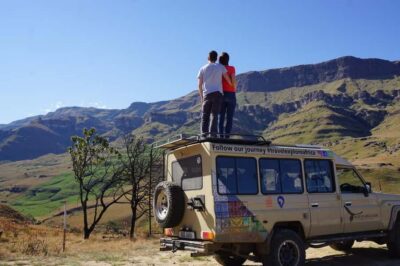
The scenery adds plenty for non-birders. As the vehicle climbs, the surroundings change from lower mountain country to open high-altitude grasslands and alpine scrub. You also get the unusual experience of completing the pass into Lesotho rather than stopping at a lower viewpoint.
Other animals you can get close to near Underberg:
- Plettenberg Bay: Swim with Seals
★ 4.7 · 887 reviews - Cape Town: 30 Minute Harbour Boat Cruise with Seal Watching
★ 4.7 · 376 reviews - Cape Town: Cape of Good Hope, Seals and Penguins Day Tour
★ 4.8 · 327 reviews
Leaving Himeville in a 4×4
Pickup is provided from your accommodation in Himeville, which removes the need to find a meeting point before a long day in the mountains. The tour lasts about eight hours, so plan on giving it most of your daylight hours.
The 4×4 is important here. Sani Pass is a mountain route, and a suitable vehicle makes the trip more comfortable and practical than attempting the same outing in a standard car. You will spend time looking out from the vehicle, but this is also a birding trip, so expect stops and slower sections while your guide checks likely habitat.
A small group of up to 15 people keeps the trip more personal than a large sightseeing bus. That is still enough people to make the vehicle feel social, and you should not expect the same quiet conditions as a private outing. If birding is your main goal, ask about the group size and guide assignment when booking.
The named guides include Mlondi and Aldo. Mlondi has been singled out for his persistence, bird-finding ability and useful information about Sani Pass. Aldo has been praised for combining bird expertise with a calm drive and broad knowledge of the area. Guide assignment may vary, but these names give you a useful idea of the experience.
Searching the montane grasslands
The first major habitat to watch is montane grassland. These open slopes can feel empty at first, but that is part of the skill of this kind of birding. Your guide will help you scan the right areas, listen for calls and separate distant movement from birds that are worth following.
This is where seasonal species such as Barratt’s Warbler, Fan-tailed Grassbird and Bush Blackcap may be found. Sightings depend on conditions and time of year, so treat these as possibilities rather than promises.
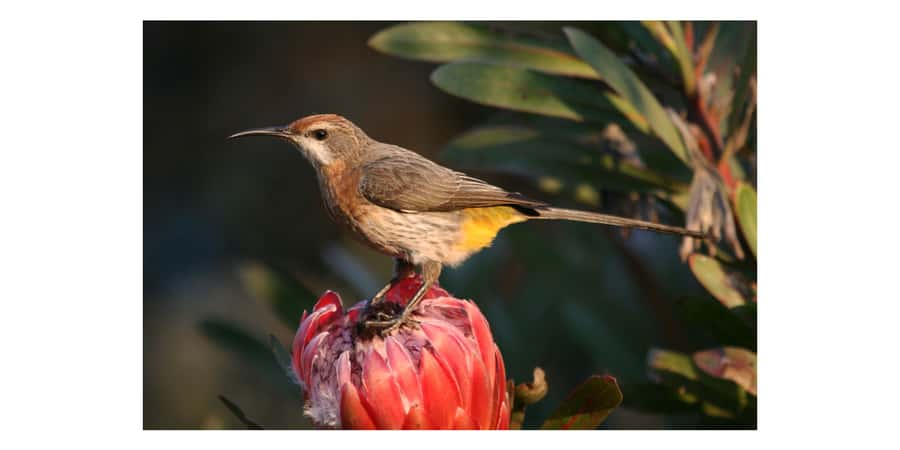
The grasslands also give you a chance at Gurney’s Sugarbird and Buff-streaked Chat. Both are narrowly distributed birds, and seeing them adds a strong regional element to the day. You are not ticking off familiar garden species here. The appeal is finding birds tied closely to the Drakensberg and nearby mountain country.
A guide is particularly useful in this habitat because distance can be deceptive. A bird may sit far across a slope, and a trained eye can save you from spending ten minutes staring at the wrong patch of grass. Good optics still matter, but local skill often decides whether a quick stop becomes a sighting.
Wetlands, slopes and the search for three target birds
Wetland areas along the route add another habitat and another reason to keep your binoculars ready. The tour information does not promise a fixed wetland stop or a specific bird list for each section, so the exact timing will depend on the day, conditions and what your guide finds.
The three core targets remain the Drakensberg Rockjumper, Drakensberg Siskin and Mountain Pipit. These birds are the reason serious birders make room for Sani Pass in a KwaZulu-Natal itinerary.
The Drakensberg Rockjumper is the headline species for many people. The name tells you something about its preferred setting, and the high mountain terrain is central to the search. The Drakensberg Siskin gives the outing another regional specialty, while Mountain Pipit adds a high-altitude pipit to the list.
You should bring binoculars, and a camera if bird photography matters to you. The included refreshments and picnic lunch mean you do not need to build the whole day around finding food, leaving more time for stops and watching birds.
Other mountain passes and highland days from Underberg:
- Sani Pass and Lesotho Day Tour from Underberg
★ 4.5 · 104 reviews - From Underberg: 4×4 Sani Pass Tour and Basotho Village Visit
★ 4.9 · 94 reviews - Sani Pass day trip
★ 4.5 · 63 reviews - From Durban: Sani Pass, Lesotho and Basotho Village Day Trip
★ 4.9 · 43 reviews
Entering the alpine zone
Higher up, the character of the trip changes again. The route reaches alpine scrub and open high country, where you might find Grey Tit, Sickle-winged Chat, Layard’s Warbler and Fairy Flycatcher.
These western species help explain why the pass is such a productive birding route. In one day, you can move between bird communities that would otherwise require separate journeys. The habitat may look sparse, but sparse does not mean lifeless. In high country, small movements and brief calls matter.
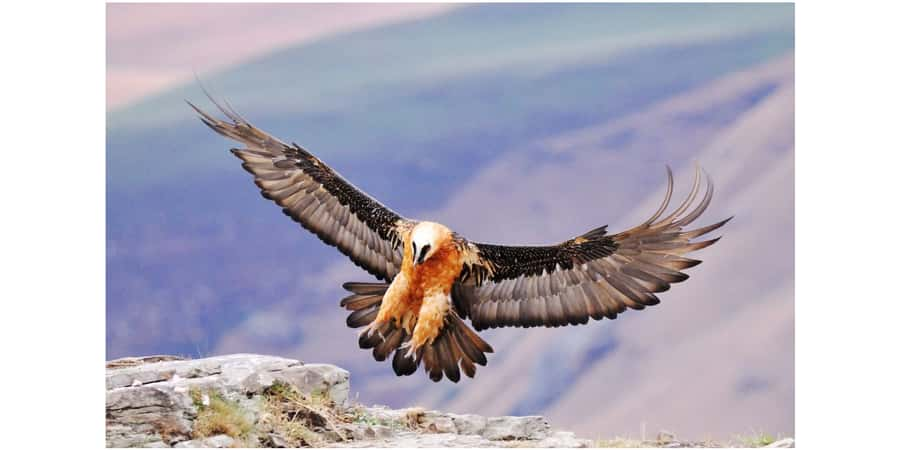
The alpine section is also one of the better places to search for the endangered Bearded Vulture. This is a possibility, not a guarantee, and you may need patience and a sharp eye. Even without a sighting, looking for such a rare bird gives the high-altitude section a real sense of purpose.
You should bring warm clothing. Mountain conditions can be cold, and the temperature may not match what you expect from a South African day at lower altitude. Layering is the sensible choice because you may move between sitting in the vehicle, stopping outside and eating lunch.
The crane country around Sani Pass
The wider area is home to all three southern African crane species: Grey Crowned Crane, Wattled Crane and Blue Crane. This is an important bonus for birders who care about larger, striking species as much as small mountain specialists.
The experience does not promise a dedicated crane hide or a guaranteed sighting. Still, knowing that all three occur in the area adds context to the drive. Your guide can help explain what you are seeing and where to focus your attention.
The same wider region is also associated with the seldom-recorded Short-tailed Pipit and Black-rumped Buttonquail. These are not birds to count on during a single day, but their presence shows how unusual the birding potential is around the pass.
This is one reason I would not judge the trip only by its headline targets. A good day may include common birds, difficult birds, distant birds and one unforgettable sighting. The value comes from having someone who can help you understand the difference.
Completing the pass into Lesotho
The route continues all the way into Lesotho, which gives the day more substance than a short scenic drive to a viewpoint. You get the pass, the high country and the border experience in one outing.
Bring your passport, and take any visa requirements seriously. Children need a passport or ID card, and you should carry cash as well. The tour information specifically advises bringing a visa if required, so check your own entry rules before the day.
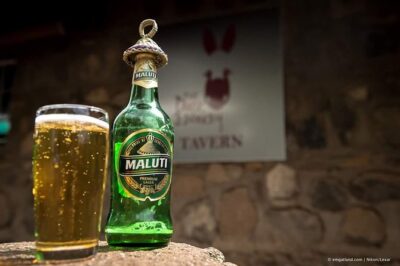
A memorable stop is the pub described as the highest in Africa. A drink there adds a relaxed human pause to a day built around birds and mountain terrain. It is not the main reason to book, but it gives the tour a pleasant finishing touch, especially if one person in your group is less focused on bird lists.
The border setting also makes the outing feel distinct from a normal KwaZulu-Natal excursion. You are not only visiting a birding site. You are crossing into another country by one of southern Africa’s better-known mountain routes.
What the $77 price includes
At $77 per person, the price is fair if you want a full day of guided birding without arranging the transport yourself. The cost includes a personal birding guide, 4×4 transport, picnic lunch, refreshments and pickup from accommodation in Himeville.
Those inclusions matter. A self-drive outing would require a suitable vehicle, route planning, food, drinks and a strong understanding of the birds and habitats. Here, you are paying for access, local guiding and the ability to concentrate on watching rather than driving.
The value is strongest for two types of people. First, serious birders get a guide focused on scarce regional species. Second, couples or small groups can use the day as a scenic Lesotho excursion with a far better chance of seeing interesting birds than they would have alone.
The price is less compelling if you want a quick sightseeing tour or dislike long vehicle days. Eight hours is a substantial commitment, and the group can include up to 15 people. If you want a private photographic session with complete control over each stop, this may not be the right format.
Timing, weather and what to pack
Starting times vary, so check availability when you book. Since this is an eight-hour outing, an early start may be useful for a full day, but the exact time is not provided.
Pack warm clothes even if Himeville feels mild. The higher parts of the pass can be much colder, and you may spend time outside the vehicle scanning slopes and scrub.
Your practical kit should include:
- Binoculars
- Camera
- Passport
- Warm clothing
- Cash
- Visa, if required
- Passport or ID card for children
English is the guiding language. You should also be ready for a day where patience matters. Birds can be quick, distant or hidden, and mountain weather may affect what you see.
The tour offers free cancellation up to 24 hours before departure for a full refund. You can also reserve now and pay later, which is useful if your route through KwaZulu-Natal is still taking shape.
Who will enjoy this day most?
I would choose this tour if you care about rare mountain birds, want to cross Sani Pass into Lesotho and prefer having a guide handle the route. It is particularly suitable for birders who want Drakensberg Rockjumper, Drakensberg Siskin or Mountain Pipit on their list.
It also works for a mixed group. A non-birder can enjoy the mountain views, 4×4 journey, border crossing, picnic and pub stop while the birder in the group gets a serious search for regional species.
I would think twice if you have limited time in the area or want a short, low-effort outing. This is a complete day, not a quick add-on. You should also accept that rare birds cannot be guaranteed, even with an excellent guide.
The strongest praise connected with the experience centers on bird-finding skill, enthusiasm and local information. Mlondi is known for going the extra mile to find target birds, and Aldo has been described as both an effective guide and a good driver. That combination is what turns a difficult birding area into a manageable day.
Should you book the Sani Pass birding tour?
Book it if your idea of a good day includes a 4×4 mountain route, Lesotho, changing habitats and a serious attempt at rare Drakensberg birds. The included lunch, refreshments and pickup make the $77 price easier to justify, especially if you would otherwise need to arrange a vehicle and guide.
If you are a committed birder, this is one of the most focused ways to use a day around Himeville. If you are a general sightseer, book it only if you are happy to spend much of the day looking carefully for birds rather than racing from viewpoint to viewpoint.
Bring warm clothes, binoculars and your passport. Then let the guide set the pace. The best part of Sani Pass is not just reaching Lesotho. It is seeing how much bird life is packed into the route along the way.
FAQ
How long is the Sani Pass birding tour?
The tour lasts approximately eight hours.
Where does pickup take place?
Pickup is included from your accommodation in Himeville.
What language is the tour conducted in?
The live tour guide speaks English.
What birds can I look for?
Main target birds include Drakensberg Rockjumper, Drakensberg Siskin and Mountain Pipit. You might also find Gurney’s Sugarbird, Buff-streaked Chat, Barratt’s Warbler, Fan-tailed Grassbird, Bush Blackcap, Bearded Vulture and other listed species.
Is lunch included?
Yes. The experience includes a picnic lunch and refreshments.
What should I bring?
Bring your passport, warm clothing, camera, binoculars and cash. Children need a passport or ID card, and you should bring a visa if one is required for your entry into Lesotho.
Just added in Underberg
- Sani Pass & Lesotho Tour from Durban 1 Day★ 4.6 · 9 reviews
- Lesotho: Sani Pass Scenic Day Trip w/ Village Visit & Lunch★ 5.0 · 3 reviews
- 4×4 into Lesotho From Underberg – Horse Ride / Village Life★ 4.8 · 18 reviews
- Private Sani Pass Classic Tour: High value for money★ 4.9 · 32 reviews
- From Underberg: Sani Pass Day Tour and Basotho Village Visit★ 5.0 · 5 reviews
- From Underberg: Sani Pass Private Day Tour★ 5.0 · 3 reviews
- From Underberg: Extended Lesotho Day Tour – 9.5hrs★ 5.0 · 8 reviews
- Durban: Drakensberg, Mandela Capture Site and Howick Falls★ 3.5 · 3 reviews
Sani Pass & Lesotho Tours, compared.

Sani Pass & Lesotho 4×4 Experience Day Tour from Durban
Read our review →
Sani Pass Tour into Lesotho from Underberg and Himeville
Read our review →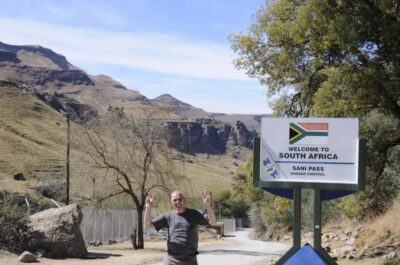

Sani Pass, Lesotho and Basotho Village Day Trip
Read our review →Browse the lists this tour appears in