
Reviewed · TOURS IN DURBAN
From Durban: Isandlwana Rorkes Drift Battlefields Day Trip
Isandlwana is one of those places where the ground tells a hard story. On 22 January 1879, a Zulu force of about 20,000 warriors overwhelmed around 1,800 British, colonial, and African troops, along with civilians, in the first major clash of the Anglo-Zulu War. This full-day trip from Durban then takes you to Rorke’s Drift, where a much smaller British force defended the mission station through the night.
I like the clear historical focus and the way the day links the two battles rather than treating them as separate sights. I also like that transport, a professional guide, and most entry fees are included, which matters when the sites lie far north of Durban.
The trade-off is simple: this is a very long day, with 14 hours on the schedule and many hours in the vehicle. Lunch and drinks are not included, and the information says the Isandlwana fee may be charged separately, so check the final cost before booking.
Key points at a glance
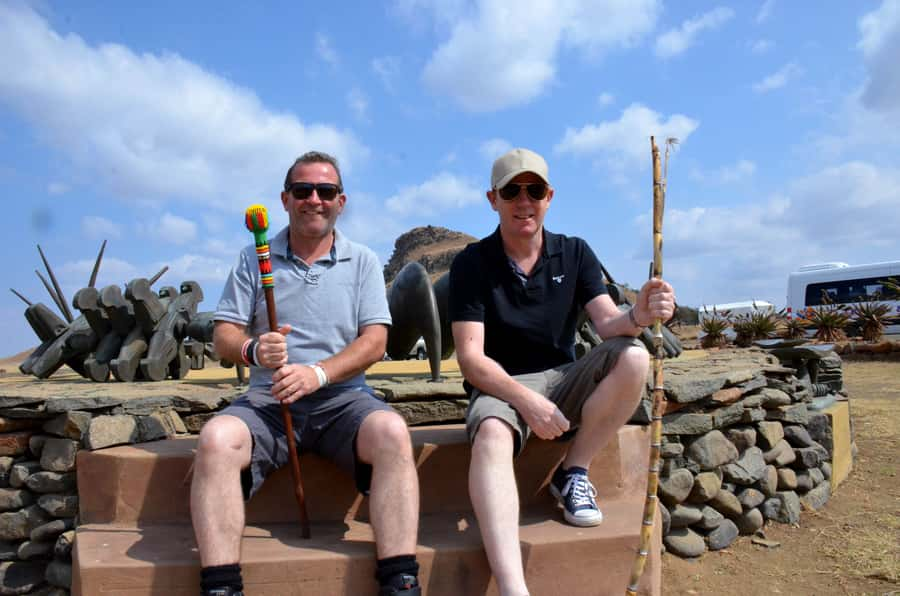
- Two connected battle sites: Visit Isandlwana, where the British suffered a major defeat, then Rorke’s Drift, the site of a famous defence the following night.
- A long but worthwhile road trip: The drive takes you through the countryside north of Durban, but this is not a quick sightseeing outing.
- Several guides have earned strong praise: Thani, Thami, Bafana, and Aaron are named in the feedback, with particular approval for their explanations, courtesy, and driving.
- Memorials add a quieter final chapter: Fugitives Drift and the Queen’s Colours memorial round out the day before the return to Durban.
- Bring your own meal supplies: Lunch and drinks are excluded, so pack food, water, sunscreen, and comfortable shoes.
- Check the Isandlwana admission detail: The main inclusions list entry fees, but the practical information says the Isandlwana fee is not included.
Why Isandlwana changes the story
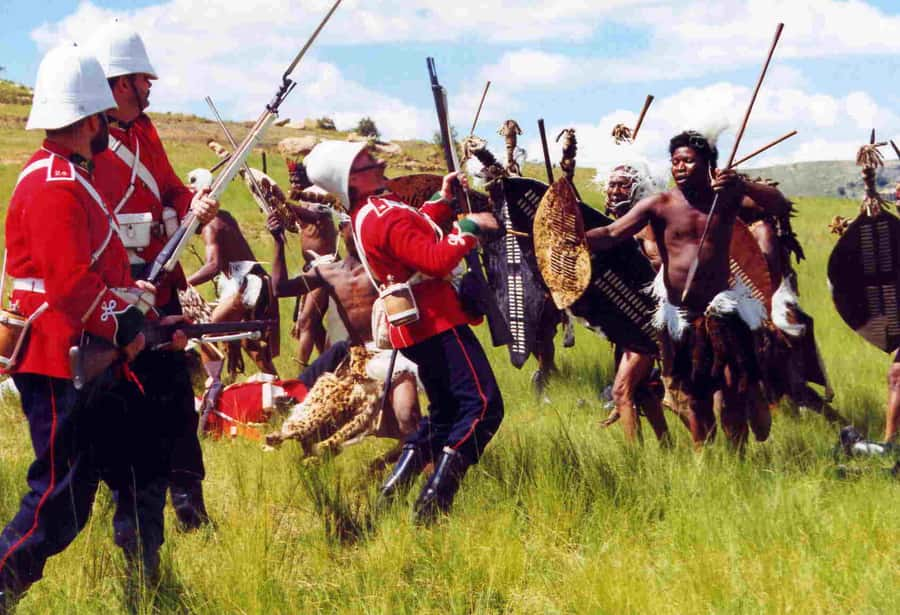
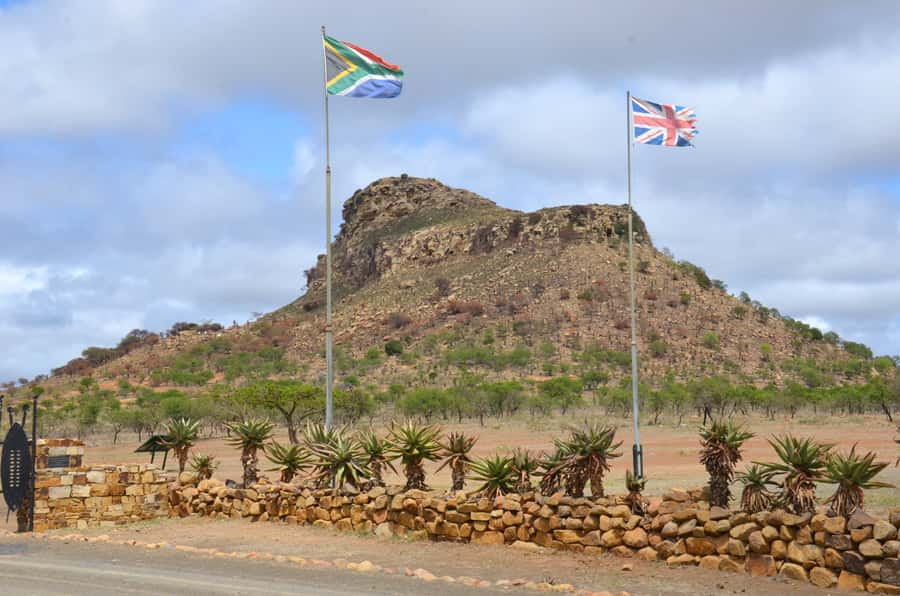
The first major stop is the Isandlwana battlefield and museum. The battle took place on 22 January 1879, only eleven days after the British began their invasion of Zululand. A Zulu force of roughly 20,000 attacked part of the British main column, which included about 1,800 British, colonial, and African troops and perhaps 400 civilians.
The numbers alone make the result striking, but the real lesson is not simply that one side had more men. The British had superior firearms, yet their force was badly deployed and poorly led. The Zulu army relied mainly on iron assegais and cowhide shields, with only limited access to muskets and older rifles. Even so, the Zulu force overwhelmed the British position.
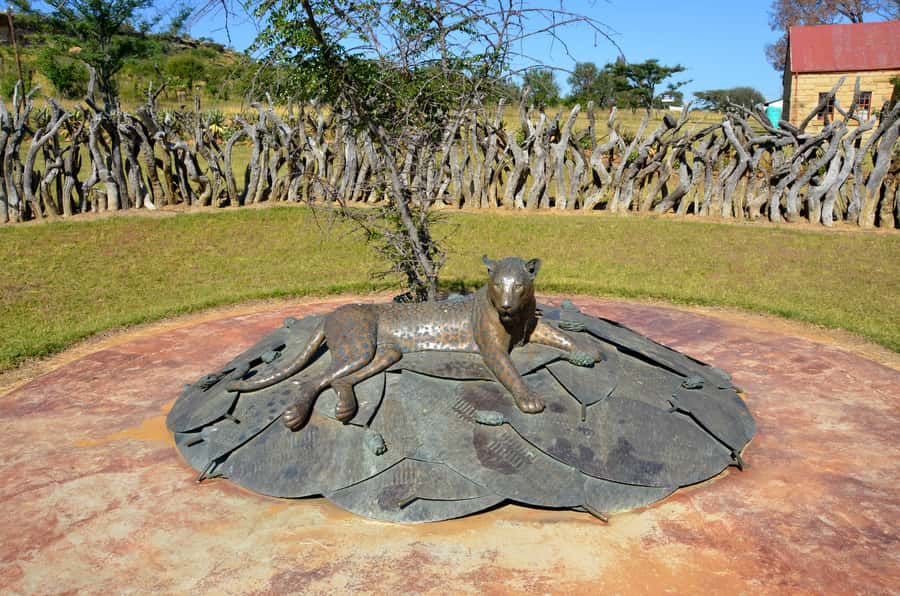
At Isandlwana, you get the chance to connect those facts with the actual setting. The visit includes the battlefield and museum, giving you both the open ground and a place where the campaign is explained through gathered information and memorial displays. A good guide matters here. Without context, a battlefield can look like an ordinary stretch of countryside. With a clear explanation, the position, movement, and scale of the fighting become easier to picture.
I would give Isandlwana plenty of attention. It is the most important stop for understanding how the war began and why British confidence was badly shaken. You should expect a reflective visit rather than a busy attraction. The emphasis is on military history, memory, and the people who died there.
The wording around admission needs care. The tour information says all entry fees are included, but it also says the fee for Isandlwana is not included in the ticket. Those statements conflict. Ask the operator to confirm whether Isandlwana admission is covered or payable on the day.
Other day trips from Durban:
- From Durban: Hluhluwe Imfolozi Game Reserve Day Trip
★ 4.5 · 13 reviews - Shakaland and Zulu Culture Full-Day Trip
★ 4.5 · 7 reviews - Mandela Capture Site Howick Falls & PheZulu Village Day Trip
★ 3.7 · 7 reviews
Rorke’s Drift and the night after defeat
The itinerary then moves to Rorke’s Drift, also known as the Defence of Rorke’s Drift. This battle followed the British defeat at Isandlwana on the same day and continued into 23 January 1879.
That sequence is what gives the visit its force. At Isandlwana, you study a large British defeat. At Rorke’s Drift, you examine a small mission station that held out against a Zulu attack. Seeing both places in one day lets you compare the military situations instead of learning each event in isolation.
The focus at Rorke’s Drift is the defence itself. The station became a crucial point after news of the Isandlwana defeat spread, and the fighting continued into the next day. The contrast is sharp: one site shows the danger of poor deployment and overconfidence, while the other concerns a determined defence under pressure.
Your guide will shape how useful this stop feels. Several guides named in the feedback, including Thani, Thami, Bafana, and Aaron, were praised for clear explanations, polite service, and practical help. Guides are not guaranteed by name, so treat those names as useful reference points rather than a promise of assignment.
I would not expect a quiet museum-only visit here. The value comes from standing at another battle site and following the events in sequence. If you already know the story from books or films, the physical setting can still add something. If the Anglo-Zulu War is new to you, listen closely and take notes, since two major battles in one day can blur together.
Fugitives Drift and the Queen’s Colours memorial
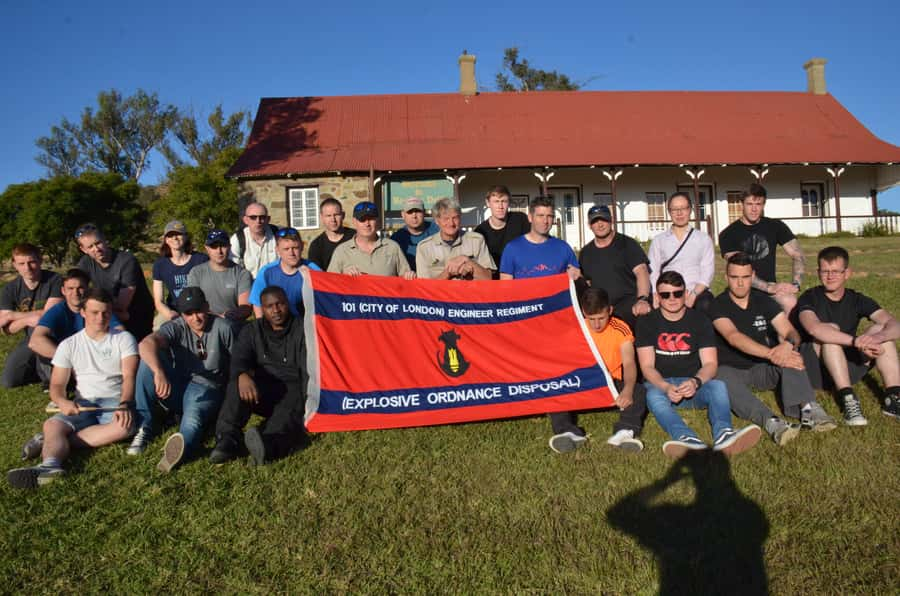
The final stop is Fugitives Drift and the Queen’s Colours memorial. This part of the day adds a memorial layer to the military story before you begin the long trip back to Durban.
The name Fugitives Drift is tied to the aftermath of Isandlwana, when survivors attempted to escape the battlefield. The provided tour information does not give a full guided program or walking route at this stop, so you should think of it as a short but meaningful closing visit rather than a separate full attraction.
The Queen’s Colours memorial provides another reminder that these sites are not just about tactics and famous commanders. Memorials bring the human cost into view. After the first two battlefields, this final stop can help you pause before returning to the modern city.
I like the order of the day. Isandlwana presents the main defeat, Rorke’s Drift shows the defence that followed, and Fugitives Drift and the Queen’s Colours memorial close the story with remembrance. It is a sensible progression for a history-focused excursion.
What the 14-hour day feels like
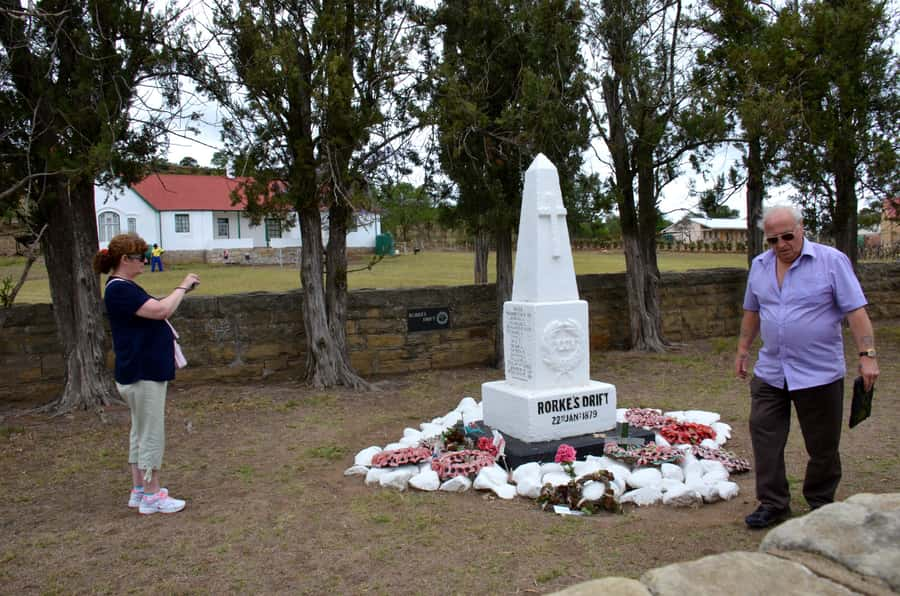
Fourteen hours is a serious commitment. Pickup is available from hotels and accommodations within 5 kilometres of the local supplier’s office at the Gooderson Tropicana Hotel on Durban’s South Beach. Pickup is also available from the harbour passenger terminal, and special arrangements can be requested.
The long drive is both the drawback and part of the appeal. The battlefields are far from Durban, so you are not squeezing a major historical region into a short transfer. The road time gives you a chance to see countryside outside the city, and one particularly positive account described the countryside as beautiful.
Still, do not book this expecting a relaxed half-day outing. You will spend a large portion of the schedule seated in transport, followed by outdoor visits and museum time. Wear comfortable clothes and shoes. Sunscreen is sensible, especially because the tour includes open battlefield settings. Bring water and food, since neither drinks nor lunch are included.
The best way to handle the day is to treat the drive as part of the expedition, not wasted time. Bring something to read if you like, but do not rely on that alone. The guide’s explanations may be the most useful preparation you get between stops.
Same base, a different kind of day out:
- Durban: 30-Minute Harbor Boat Cruise
★ 4.7 · 665 reviews - Durban: 1-Hour Boat Cruise from Wilson’s Wharf
★ 4.7 · 496 reviews - Durban Point Waterfront: Luxury Canal Boat Cruise
★ 4.4 · 298 reviews - Durban: Pontoon Boat Harbor Cruise
★ 4.4 · 182 reviews
The guide can make or break the battlefield visits
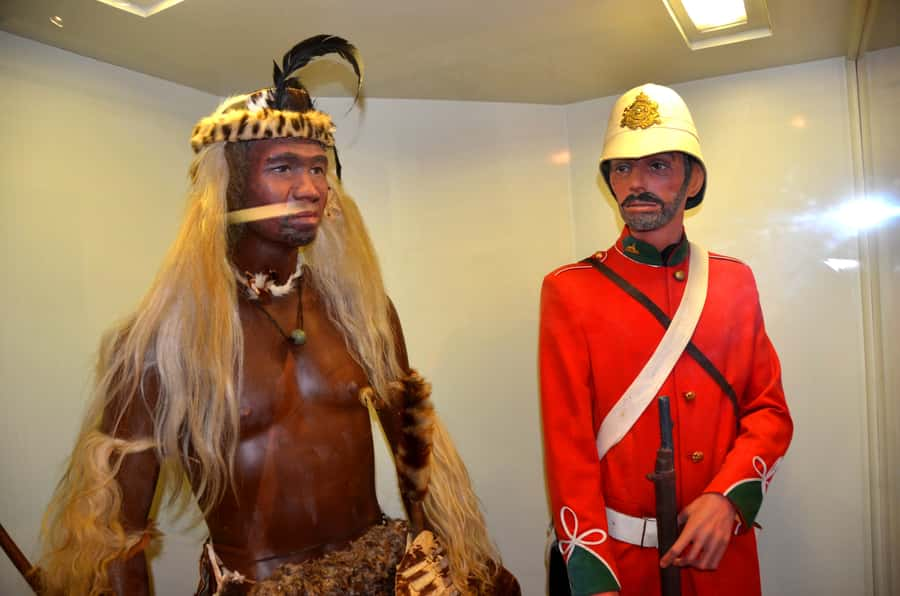
A battlefield tour depends heavily on the person explaining it. The vehicle gets you there, but the guide turns names and dates into a story you can follow.
The guides named in the feedback include Thani, Thami, Bafana, and Aaron. Thani is described as an excellent source of information and a welcoming host. Bafana received praise for making the battlefield a moving experience and for handling a long day well. Aaron was singled out for his driving, courtesy, and willingness to help while also guiding.
That is important because the tour covers a lot of ground. You want someone who can explain the Anglo-Zulu War in plain terms, answer questions, and keep the day moving without rushing the sites. The available languages are English, Greek, Portuguese, and French. German and Polish can be requested, though you should arrange that before the tour.
A specialised guide or qualified historian is available for an extra fee. I would consider that option if you have a strong interest in military history, are studying the Anglo-Zulu War, or want more than a general overview. For most people, a professional tour guide should provide the basic story and orientation.
Is $198 good value from Durban?
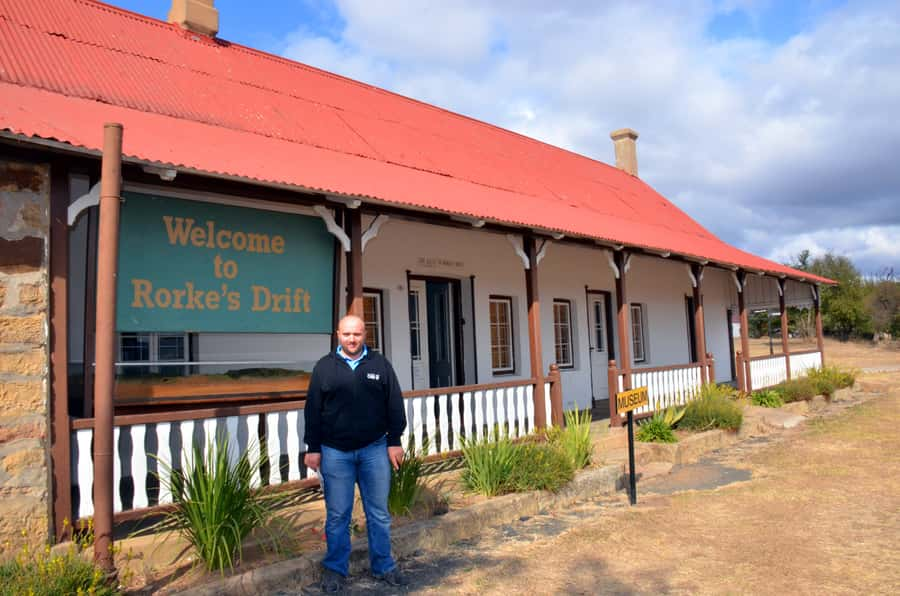
At $198 per person, the price is not cheap. The value depends on what you would otherwise need to arrange yourself.
You are paying for a 14-hour outing, transport from Durban, a professional guide, and the convenience of reaching several remote sites in one day. The tour also includes access to museums and memorial areas, subject to the conflicting Isandlwana admission note. A private vehicle, fuel, route planning, and separate entrance arrangements could add up quickly if you tried to reproduce the day independently.
The price makes the most sense for you if you have limited time in KwaZulu-Natal and want a structured visit to both major battlefields. It is less attractive if you dislike long drives, want a slow visit at one site, or already have a car and plenty of time.
The missing lunch is not a serious flaw, but it requires planning. Pack something before pickup or ask the operator how and when a meal stop is handled. Do not assume food and drinks are waiting at the battlefields.
Also confirm the Isandlwana charge before paying. The main details say all entry fees are included, while the additional information says the Isandlwana fee is not included. That is exactly the sort of small cost that should be clear before you commit.
Who should book this battlefield tour?
This trip suits you if the Anglo-Zulu War is a main reason for visiting KwaZulu-Natal. It is also a good match if you enjoy museums, memorials, military history, and places where the setting helps explain the event.
You should be comfortable with a full day on the road. The excursion has a 14-hour duration, and the drive from Durban is substantial. A person who wants a light sightseeing day may find the schedule tiring.
I would also recommend it to visitors who do not want to drive unfamiliar routes or build a battlefield itinerary alone. The sites are spread out, and a guide gives you a usable framework for understanding them.
The tour is wheelchair accessible, but you must tell the local partner before the start if you use a wheelchair. Since the day includes battlefield and memorial visits, ask in advance about the practical arrangements for each stop.
Booking details worth checking
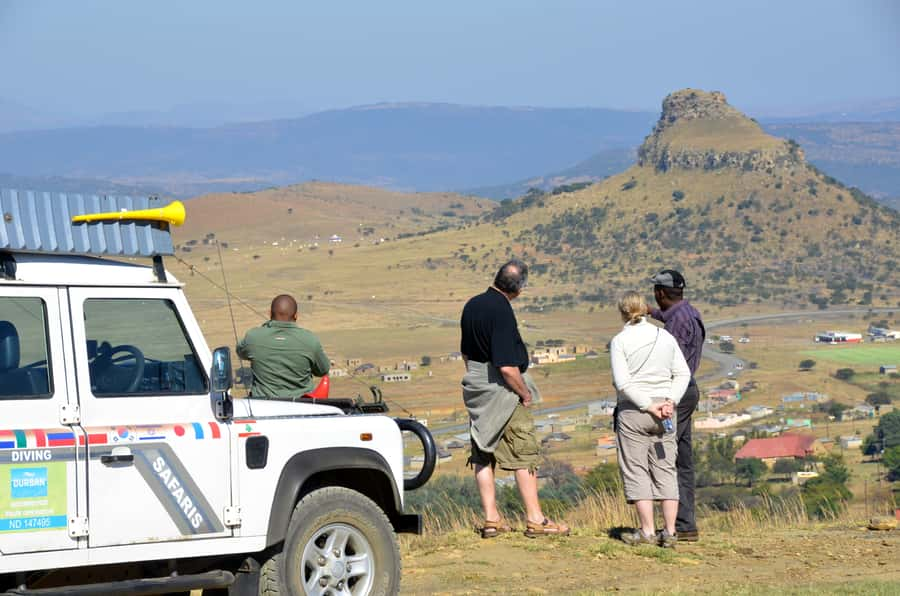
Free cancellation is available up to 24 hours before departure for a full refund. You can also reserve now and pay later, which helps if your Durban plans are still changing.
Pickup normally covers accommodation within 5 kilometres of the Gooderson Tropicana Hotel, 85 O R Tambo Parade, South Beach, Durban. Harbour passenger terminal pickup is also available. If you are staying farther away, contact the supplier before booking rather than assuming a hotel pickup is included.
The listed provider is 1st Zulu Safaris C.C. Guide languages are English, Greek, Portuguese, and French, with German and Polish available by request. A qualified historian can be arranged for an additional fee.
Should you book it?
Book this tour if you want the main Isandlwana and Rorke’s Drift story in one carefully arranged day, and if you accept that the drive will be long. The strongest reasons to go are the linked itinerary, the serious historical focus, and the guides’ repeated praise for clear explanations, courtesy, and safe driving.
Skip it if you want a short outing, dislike spending hours in a vehicle, or prefer to study one battlefield at a slower pace. Before booking, confirm the Isandlwana admission charge, ask about your pickup point, and plan your own lunch and drinks.
For a history-minded visit from Durban, this is a demanding but worthwhile use of a day. You will return tired, but with a much clearer sense of how Isandlwana, Rorke’s Drift, and the surrounding memorials fit into the Anglo-Zulu War.
FAQ
How long is the Isandlwana and Rorke’s Drift tour from Durban?
The tour lasts 14 hours, including transport from Durban and visits to the battlefields, museums, and memorials.
What sites are included in the itinerary?
The itinerary includes the Isandlwana battlefield and museum, Rorke’s Drift, Fugitives Drift, and the Queen’s Colours memorial.
Is lunch included?
No. Lunch and drinks are not included, so bring your own food and water.
Is transport from Durban included?
Yes. Transport with a professional tour guide is included. Pickup is available from hotels and accommodations within 5 kilometres of the local supplier’s office at the Gooderson Tropicana Hotel, as well as from the harbour passenger terminal.
Which languages are available?
The listed guide languages are English, Greek, Portuguese, and French. German and Polish can be requested.
Can I request a qualified historian?
Yes. A qualified historian or specialised guide can be requested for an additional fee.
Is the tour wheelchair accessible?
Yes, the activity is listed as wheelchair accessible. If you use a wheelchair, inform the local partner before the tour starts.
Is the Isandlwana entrance fee included?
The information is inconsistent. One section says all entry fees are included, while another says the Isandlwana fee is not included. Confirm this charge with the provider before booking.
Just added in Durban
- Tala Game Reserve & Natal Lion Park 1/2 Day Tour from Durban★ 3.0 · 13 reviews
- Shakaland and Zulu Culture Full-Day Trip★ 4.5 · 7 reviews
- From Durban: Safari & PheZulu Village Day Tour★ 4.4 · 24 reviews
- From Durban: Oribi Gorge & Lake Eland Adventure Tour★ 5.0 · 5 reviews
- From Durban: Hluhluwe Imfolozi Game Reserve Day Trip★ 4.5 · 13 reviews
- Durban: Hluhluwe Imfolozi Safari & iSimangaliso Tour★ 5.0 · 22 reviews
- Half Day Tala Game Reserve & Natal Lion Park from Durban★ 3.3 · 16 reviews
- Half Day Durban City Tour and Phezulu Safari Park★ 4.3 · 4 reviews
Tours in Durban, compared.

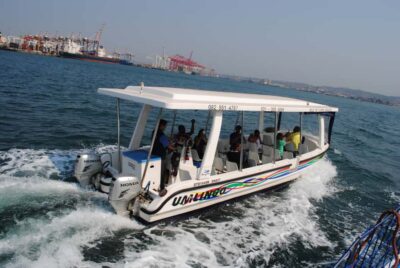
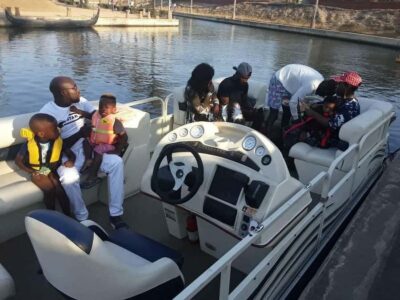
Durban Point Waterfront: Luxury Canal Boat Cruise
Read our review →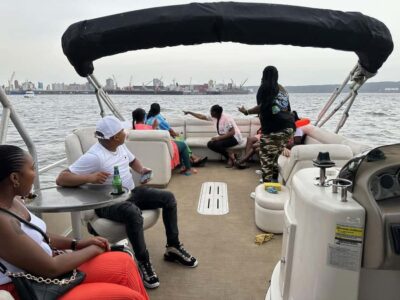
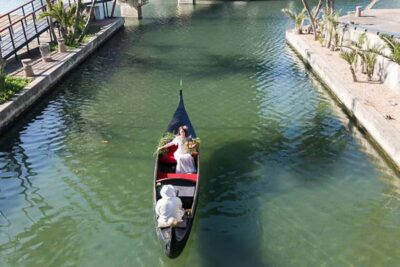


Luxury Canal Boat Cruise – Fun Things Durban Ushaka
Read our review →
Browse the lists this tour appears in