Reviewed · TOURS IN CAPE TOWN
Cape Town: The Diamond Works Institute Sparkling Tour
The most unusual part of this Cape Town tour is that it turns a jewelry showroom into a working lesson in diamonds, gold, and Tanzanite. You’ll see how rough stones are cut, watch artisans work, and use augmented reality to wear the famous Taylor Burton diamond neckpiece without needing a celebrity budget.
I like the free admission and the mix of real craft with hands-on technology. The Kimberley VR scene lets you picture diamond mining in 1872, while the Tanzanite polishing studio gives the visit a local African focus. The main consideration is that this is also a jewelry business, so you should be comfortable browsing precious pieces after the educational portion.
Key points to know before you go
- A free tour with a sparkling welcome: Start with sparkling wine or juice, with no admission charge.
- See the full jewelry journey: Follow a diamond from rough stone through cutting, polishing, design, and goldsmith work.
- Visit a public Tanzanite polishing studio: Watch this rare blue-violet stone being prepared in the Southern Hemisphere studio.
- Try the Taylor Burton experience: Step onto a red carpet and use augmented reality to wear the famous neckpiece.
- Travel back to Kimberley in 1872: Use VR to see the old diamond digs and try a simulated mining activity.
- Easy central meeting point: Find The Diamond Works next door to the Rockefeller Hotel, marked by artwork on the outside wall.
Starting beside the Rockefeller Hotel
The Diamond Works Institute is next door to the Rockefeller Hotel in Cape Town. Look for artwork on the outside wall. That detail matters because the meeting point is described by a landmark rather than a street number, and it should help you find the entrance without wandering around with a map open.
The tour finishes where it begins. You do not need to arrange a separate ride at the end, and the visit fits neatly into a day of sightseeing in the city. Parking is not included, so if you are driving, check that cost and availability before you arrive.
You begin with sparkling wine or juice, a small touch that gives the visit a polished opening. It is not a meal, and food is not included, so think of it as a welcome drink rather than refreshment for a long outing.
The tour is offered in English, Afrikaans, Turkish, French, and German. The supplied information does not name individual guides, so do not book expecting a particular host. What is clear is that the explanations focus on the stones, the making of jewelry, and South Africa’s part in the diamond trade.
Other trips people book in Cape Town:
- Wine Tour: Paarl, Franschhoek & Stellenbosch incl 3 wineries
★ 5.0 · 3,940 reviews - Cape Town: Hop-On Hop-Off Bus Tour with Optional Cruise
★ 4.8 · 3,929 reviews - Cape Town: Cape of Good Hope & Penguins Day Tour with Pickup
★ 4.7 · 3,362 reviews
South African diamonds, from discovery to display
The first major section looks at diamonds in South Africa and explains how the industry shaped the country’s economy. This gives the glittering display cases some needed context. A diamond is not simply a pretty object on a necklace. Before it reaches a showcase, it passes through mining, sorting, cutting, polishing, design, and skilled metalwork.
I find this part useful because it gives you a way to read the rest of the tour. When you later see a finished piece, you can connect it to the rough stone and the labor behind it. The presentation also links the diamond trade to South African history, rather than treating the stones as isolated luxury products.
Expect an educational introduction rather than a visit to an operating mine. You will learn about the journey from mine to showcase, but the tour takes place at the institute, not at a mining site. That distinction is important if you are looking for outdoor geology, mine tunnels, or a full-day industrial heritage excursion.
Watching a rough diamond become a finished stone

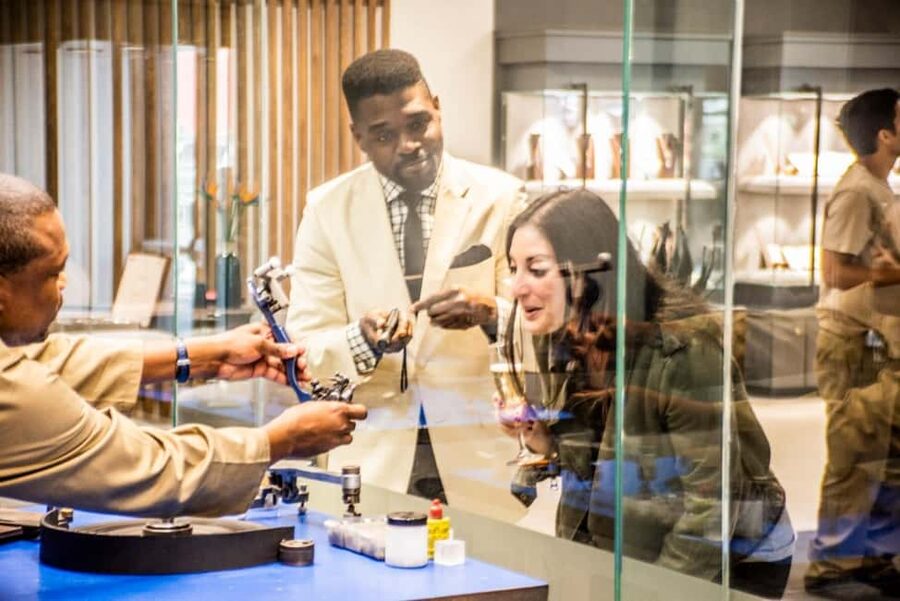
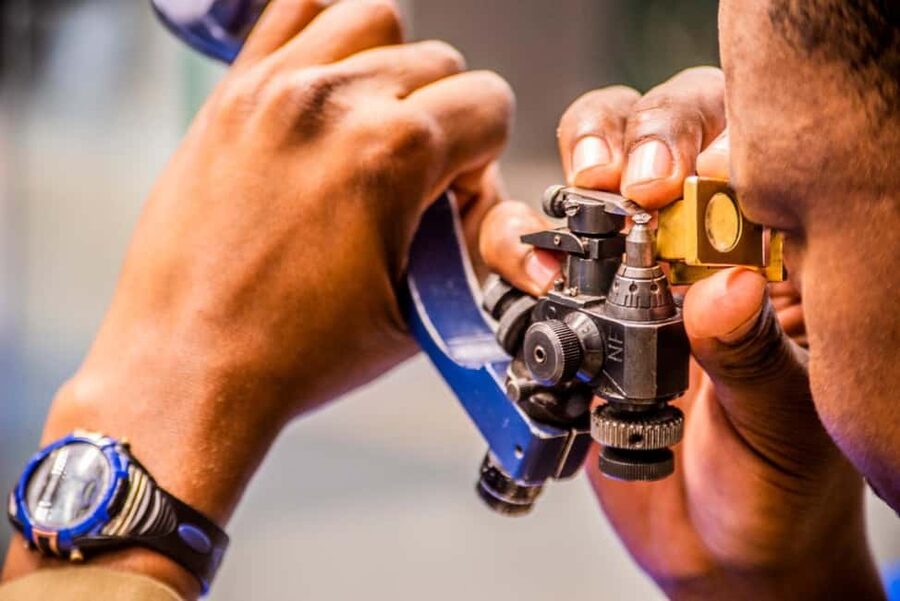
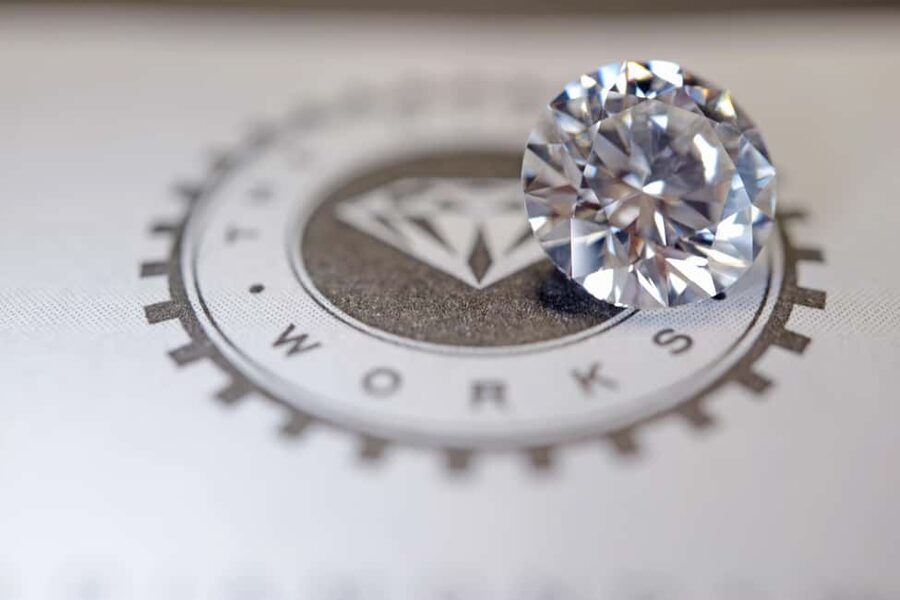
The cutting and polishing section is the practical heart of the experience. You can watch a rough diamond being shaped and see how careful cuts reveal the brilliance hidden inside the original stone.
This is where the tour helps explain why two stones of similar size can look very different. Cutting is not just about removing material. It is about deciding how the stone will reflect light, how its surfaces meet, and how much of the original rough can be preserved.
The craft also gives you a better sense of time and precision. A finished diamond can look simple in a display case, but the process behind it depends on trained hands and exact decisions. If you are interested in jewelry, design, or manufacturing, this section should hold your attention more than a quick photo stop.
The trade-off is that the experience is observational. You are not promised an extended workshop or a chance to cut a real diamond yourself. The main value comes from seeing the process and listening to the explanation.
Tanzanite in the polishing boutique
The Tanzanite section brings a distinctly African note to the visit. Tanzanite is described here as 1,000 times rarer than diamonds, and the institute presents it as the Essence of Africa. The stone is known for its blue to violet color, which gives the display a very different look from the clear sparkle of a diamond.
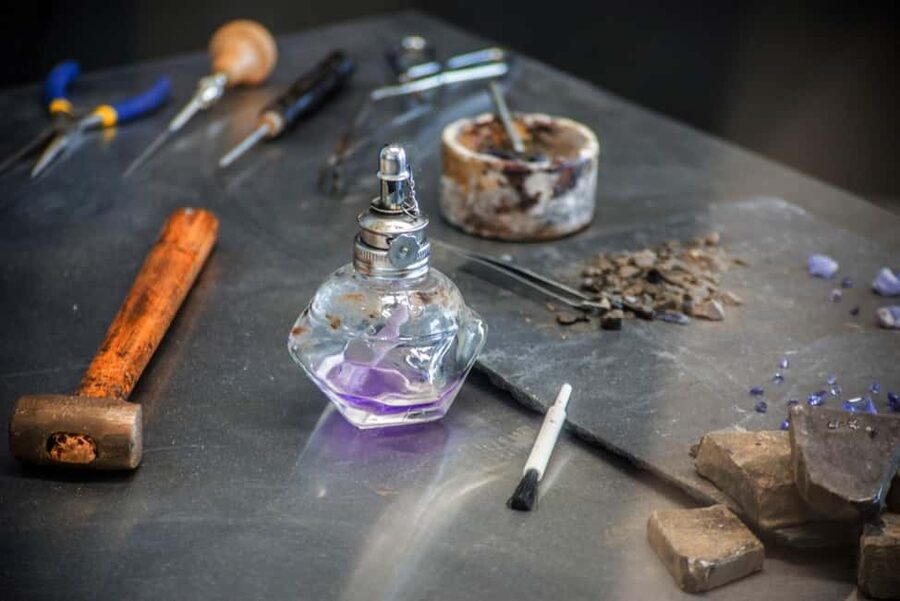
You’ll visit a polishing boutique described as the only operating Tanzanite polishing studio of its kind in the Southern Hemisphere that is open to the public. That makes this more than a display of finished jewelry. You can see the stone being prepared and gain a clearer idea of how polishing affects its color and shine.
This is likely the most distinctive stop for people who have already seen diamond exhibitions elsewhere. Diamonds are the headline attraction, but Tanzanite gives the tour a stronger connection to the region and to the work of transforming a natural stone into something ready for jewelry.
The studio also helps you compare different types of value. Diamonds are widely recognized around the world, while Tanzanite has a more specific geographic identity and a much rarer profile. You do not need to be a serious collector to appreciate the difference. The point is to look closely and understand what you are seeing.
Same base, a different kind of day out:
- Zipline Cape Town – From Foot of Table Mountain Reserve
★ 5.0 · 3,179 reviews - Cape Town: Table Mountain Cable Car, Hop-On Hop-Off Bus Tour
★ 4.6 · 3,157 reviews - Cape Point and Boulder’s Penguins Full Day Tour
★ 5.0 · 3,118 reviews - From Cape Town: Cape Point & Boulders Beach Full-Day Tour
★ 4.8 · 3,032 reviews
Goldsmith work by a third-generation family
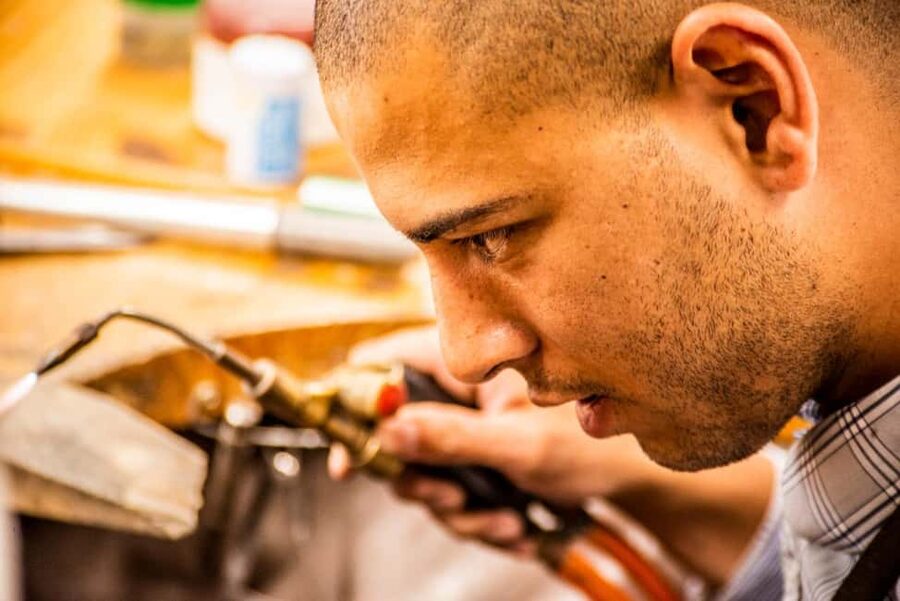
The goldsmith section shifts attention from stones to metal. You’ll learn how in-house, third-generation goldsmiths create jewelry from African precious metals.
That family connection gives the craft a human scale. Rather than seeing only a finished necklace or ring, you can consider the techniques required to form, join, and finish the metal around a stone. It also shows how the jewelry business combines several trades: stone cutting, design, metalwork, and final presentation.
The information provided does not specify exactly how long the goldsmith demonstration lasts or which tools you will see. Keep your expectations practical. This is an introduction to the manufacturing process, not an apprenticeship session.
For me, the value lies in noticing how much work sits behind a small piece of jewelry. The diamond may attract your eye first, but the setting has to hold it securely and present it well. The goldsmith segment fills in that part of the story.
Design your own piece with 3D technology
The 3D jewelry design service is the most forward-looking section of the tour. Using CAD technology, you can create a bespoke jewelry design and print a wax replica. The institute says master goldsmiths can then turn the design into an original piece in precious metal within 24 hours.
This is a good feature for anyone considering a custom ring, pendant, or other piece. A digital design gives you a chance to see the shape before the final metalwork is completed. The wax replica also helps turn an idea on a screen into something you can examine in three dimensions.
There is an important practical point here: the tour itself is free, but a custom jewelry piece would not be part of the free admission. The information supplied does not give prices for design or manufacturing, so ask for a full quote before agreeing to anything. Clarify the metal, stones, final price, and delivery arrangements.
You can still enjoy this section as a look at modern jewelry production without ordering anything. It shows how the old skills of cutting and goldsmith work now connect with computer design.
The Taylor Burton red carpet moment
The Taylor Burton feature adds a playful luxury touch. You step onto a red carpet and use augmented reality to wear the world-famous Taylor Burton diamond neckpiece.
This is not the same as handling the original diamond neckpiece. It is a digital experience, but that is part of the fun. The technology lets you see yourself in the piece without the security concerns and insurance costs that would come with displaying an original celebrity-owned jewel.
It also gives the tour a lighter moment after the technical explanations. You can take a picture and leave with a souvenir of the visit, even if you do not buy jewelry.
The name refers to the famous diamond associated with Elizabeth Taylor and Richard Burton, but the supplied details do not provide a full story of the original piece. Expect a photo opportunity and augmented reality, not a museum exhibition devoted to Hollywood history.
Kimberley in 1872 through VR
The final major feature takes you back to Kimberley in 1872, when diamond digging helped change South Africa’s economy. Through VR, you can see the historic hole digs and meet the period through an interactive encounter.
You also get to mine your own diamond in the simulation. That hands-on element is useful because it gives you a basic feel for how these special stones were unearthed in the early days of the industry.
This is a smart way to handle history in a compact city tour. You do not need transport to Kimberley, and you are not asked to imagine the old mining scene from a text panel alone. VR gives the story movement and puts you closer to the physical work of digging.
At the same time, it remains a simulation. You should not treat it as a substitute for visiting Kimberley’s actual historic sites. Its strength is that it adds a quick sense of place and lets you participate rather than only listen.
What the visit does especially well
The clearest strength is the range of topics packed into one stop. You move from South African diamond history to cutting, polishing, Tanzanite, goldsmith work, digital design, augmented reality, and VR. Each section looks at a different part of the jewelry process.
The staff also receive strong marks for their welcome and explanations. The overall rating is 4.9 from eight published ratings, with particular praise for the warm reception, clear information, and attentive approach. One person who had been pickpocketed shortly before arrival said the staff offered help arranging an Uber. That is a small detail, but it suggests a useful level of care when something goes wrong.
Another person praised the explanation of diamond cutting, which is likely the key learning point for many visitors. The experience has also been described as fruitful and homely, two words that fit a small institute better than a formal museum.
Where to keep your expectations in check
The tour has no admission charge, which makes the value unusually strong. Even a short visit gives you access to demonstrations and technology that would usually be part of a paid attraction.
Still, free entry often means the experience has a commercial setting. The Diamond Works Institute is a jewelry business, and you may see pieces available for purchase. That does not cancel the educational value, but you should decide before arriving how you want to handle shopping. You can enjoy the explanations without feeling obliged to buy.
The tour also does not include food or parking. Since the welcome drink is sparkling wine or juice, eat beforehand if you need more than a small refreshment. The duration is not provided, so avoid scheduling it too tightly against a timed museum entry, airport transfer, or restaurant reservation.
Bad weather may affect attendance or plans, as one booking could not be used because of poor conditions. Since the tour is indoors but the travel to the meeting point is not, allow some flexibility on a wet Cape Town day.
Who should book the Sparkling Tour?
I would recommend it to first-time visitors who want a short introduction to South Africa’s jewelry industry, families who enjoy interactive technology, and anyone curious about how a rough stone becomes a finished piece. The VR mining activity and augmented reality neckpiece should keep the visit from feeling like a standard showroom talk.
It also suits shoppers who are considering custom jewelry. You can see the design and production chain before discussing a piece, and the 24-hour custom production promise may appeal to someone with a short stay in Cape Town. Ask about all costs before committing.
You may want to skip it if your main goal is a working mine, a major museum collection, or a long historical tour. This visit is based at an institute and combines education with jewelry retail. Its best feature is the variety of experiences in one place, not a single, extended archaeological or industrial site visit.
With no admission charge and a clear central meeting point, it is easy to fit into a Cape Town day. Just leave enough time to find the entrance, arrange parking if needed, and look around without rushing.
Should you book this free Cape Town tour?
Yes, if you want an easy, low-cost introduction to diamonds, Tanzanite, and gold. The combination of a real polishing studio, goldsmith presentation, CAD design, Taylor Burton augmented reality, and Kimberley VR gives you more variety than the price suggests.
Book it with realistic expectations. You are visiting a jewelry institute, not an old mine, and the free tour may lead naturally toward displays and custom work. If that setting suits you, the clear explanations, friendly welcome, and interactive features make this a worthwhile addition to a Cape Town itinerary.
FAQ
Where does the Sparkling Tour begin?
It begins at The Diamond Works Institute next door to the Rockefeller Hotel in Cape Town. Look for artwork on the outside wall.
Where does the tour end?
The activity ends back at the meeting point at The Diamond Works Institute.
How much does the tour cost?
The listed price is $0.00 per person, so the Sparkling Tour has no admission charge.
Is a drink included?
Yes. The tour includes sparkling wine or juice.
Is food included?
No. Food is not included in the tour.
Which languages are available?
The tour is offered in Afrikaans, Turkish, French, German, and English.
What can I see at the institute?
You can learn about South African diamond history, watch diamond cutting and polishing, visit the Tanzanite polishing studio, see goldsmith manufacturing, try 3D jewelry design, use augmented reality with the Taylor Burton diamond neckpiece, and experience Kimberley in 1872 through VR.
Just added in Cape Town
- Wine Tasting in Cape’s Top Three Winelands Private Tour★ 4.5 · 17 reviews
- Private Tour to Aquila Game Reserve in Cape Town – see the Big5★ 5.0 · 5 reviews
- Private Tour:Cape of Good Hop>Seal island>Chapman’speak &Penguins★ 5.0 · 7 reviews
- Full Day Big 5 Aquila Safari Private Transfers Including Park Fee From Cape Town★ 4.5 · 54 reviews
- Robben Island and Table Mountain Cableway with Bo-Kaap Day Tour★ 5.0 · 8 reviews
- Private Full Day Cape Town City Scenic and Table Mountain Tour.★ 5.0 · 3 reviews
- Private Half DayTour:Cape Winelands, Stellenbosch from Cape Town★ 5.0 · 18 reviews
- Private Tour: Cape Winelands to Stellenbosch & Franschhoek★ 5.0 · 3 reviews
Tours in Cape Town, compared.

Wine Tour: Paarl, Franschhoek & Stellenbosch incl 3 wineries
Read our review →
Cape of Good Hope & Penguins Day Tour with Pickup
Read our review →
Zipline Cape Town – From Foot of Table Mountain Reserve
Read our review →
Table Mountain Cable Car, Hop-On Hop-Off Bus Tour
Read our review →
Cape Point and Boulder’s Penguins Full Day Tour
Read our review →