
Reviewed · TOURS IN CAPE TOWN
Cape Town: Shark Science SCUBA Diving Experience
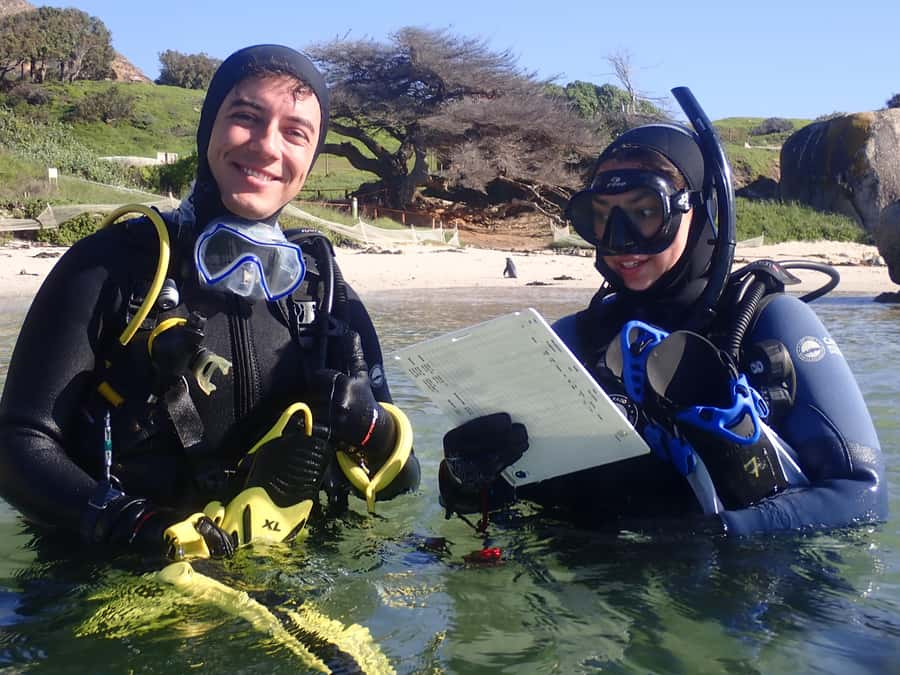
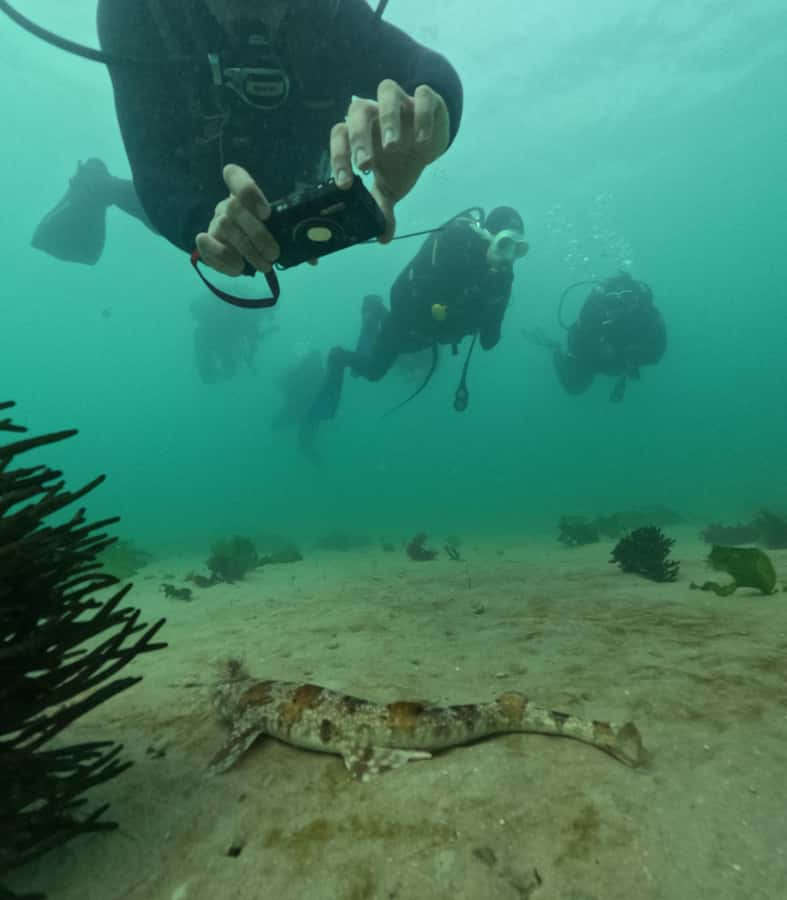
The most unusual part of this Simon’s Town scuba outing is that you are not simply looking for sharks. You may help record fish numbers, photograph shark markings for Fin Spotter, and add useful information to Cape RADD’s conservation work in False Bay. The stars are small species such as puffadder and pyjama sharks, not the great white drama many people picture.
I like the close look at South Africa’s kelp forest ecosystem, and I like the small-group format, capped at 10 people. Guide Mark has been singled out for careful instruction, clear answers, and a proper buddy check of the equipment. The main caution is that the program is short, and one booking ended with missing promised photos, no certificate, and a rushed finish. Confirm what you will receive before you set out.
Key points to know before you book
- Shark science, not a staged animal encounter: You search the kelp for local sharks, rays, fish, and octopus while collecting real observations.
- Simon’s Town kelp forests: Most of the underwater time takes place around predetermined sites in False Bay, among sea bamboo kelp.
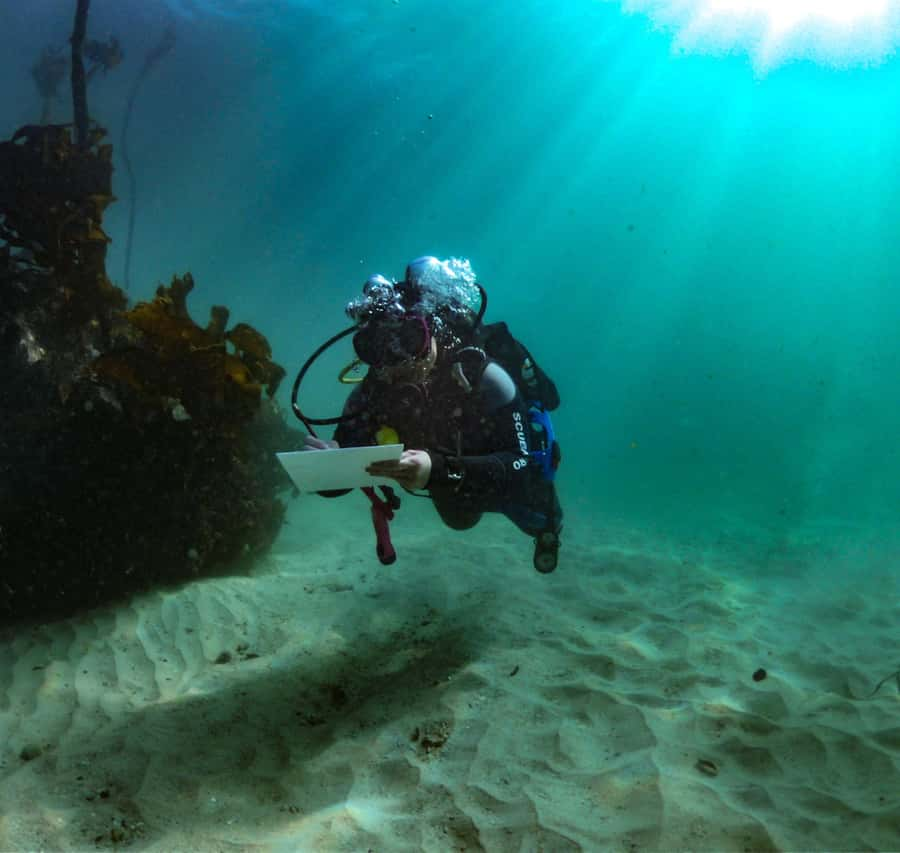
- Two possible research tasks: You may photograph shark patterns for Fin Spotter or record fish abundance on underwater slates.
- Small group, English instruction: The group limit is 10, and guides such as Mark provide equipment checks and practical support.
- A compact half-day outing: Meet around 9:30 a.m., finish about 12:30 or 1 p.m., and still have the afternoon free.
- Certification is essential: You must be a qualified open-water scuba diver, and all diving gear is included.
Why this is more than a shark search
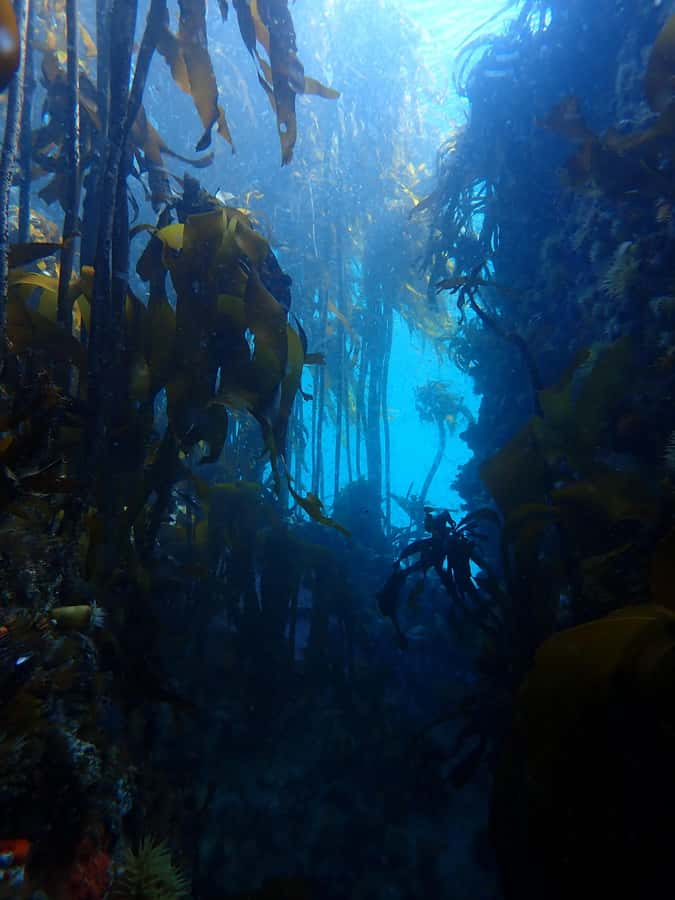
The appeal here is the chance to see marine life in its own working environment. The kelp forest is not just scenery around the animals. It is the living setting that supports fish, rays, octopus, and sharks, and the briefing helps you understand why False Bay matters.
Cape RADD presents the area as part of the Great African Sea Forest. That phrase points to a broad underwater habitat shaped by kelp, rather than a bare seabed with a few passing animals. You will hear about this ecosystem before entering the water, then spend the session looking for signs of life within it.
The science element gives your outing a purpose. If you photograph recognizable shark markings, those images can go to Fin Spotter, where they help estimate population size and movement patterns. If your group records fish abundance on underwater slates, those numbers can also support conservation work.
You should keep your expectations sensible. Wildlife is unpredictable, and the program promises an opportunity to search rather than a guaranteed shark sighting. The experience is strongest if you enjoy observation and learning, not only ticking a particular animal off a list.
Other dives around Cape Town:
- Shark Cage Diving and Viewing with transport from Cape Town
★ 4.5 · 576 reviews - Cape Town: Gansbaai Eco-Friendly Shark Cage Diving Cruise
★ 4.6 · 326 reviews - CapeTown: Shark Cage Diving Experience with Scuba
★ 4.5 · 146 reviews
Meeting at the False Bay Yacht Club
The meeting point is in the parking lot of the False Bay Yacht Club, under the Seven Seas Club building, at 117 St George’s Street in Simon’s Town. You arrange your own transport, so allow enough time to find the correct building and parking area.
Cape RADD asks for a valid email address or phone number because meeting details and any changes are sent through the contact information you provide. This matters for a water-based activity, where conditions or meeting instructions can affect the morning.
You meet at about 9:30 a.m. The timing is useful for anyone building a full day around the Cape Peninsula, since the session should finish around 12:30 or 1 p.m. Lunch is not included, so plan to eat afterward rather than expecting a meal at the center.
Bring swimwear, a towel, hat, sunscreen, water, and a snack. The gear is supplied, but those personal items make the start and finish much easier. A towel is especially useful after the shore entry and the heated outdoor shower.
The 20-minute briefing sets the purpose
The first formal part lasts about 20 minutes. You receive a safety briefing, then learn about False Bay and the Great African Sea Forest before discussing the day’s research goal.
This is an important part of the outing, not filler before the water. You need to understand how the shark photographs or fish counts will be made if your observations are to be useful. The discussion also gives you a better reason to look closely at the kelp, rather than rushing past it in search of a large animal.
Tea or coffee is available during the briefing. That small touch helps while you get organized, especially if the morning air is cool. English is the listed language of instruction.
The quality of this introduction may depend on the guide assigned to your group. Mark has earned praise for answering questions and checking the equipment carefully with his buddy. That kind of preparation is exactly what I want before entering the water, particularly when the activity combines recreational scuba with data collection.
Entering the kelp from Simon’s Town
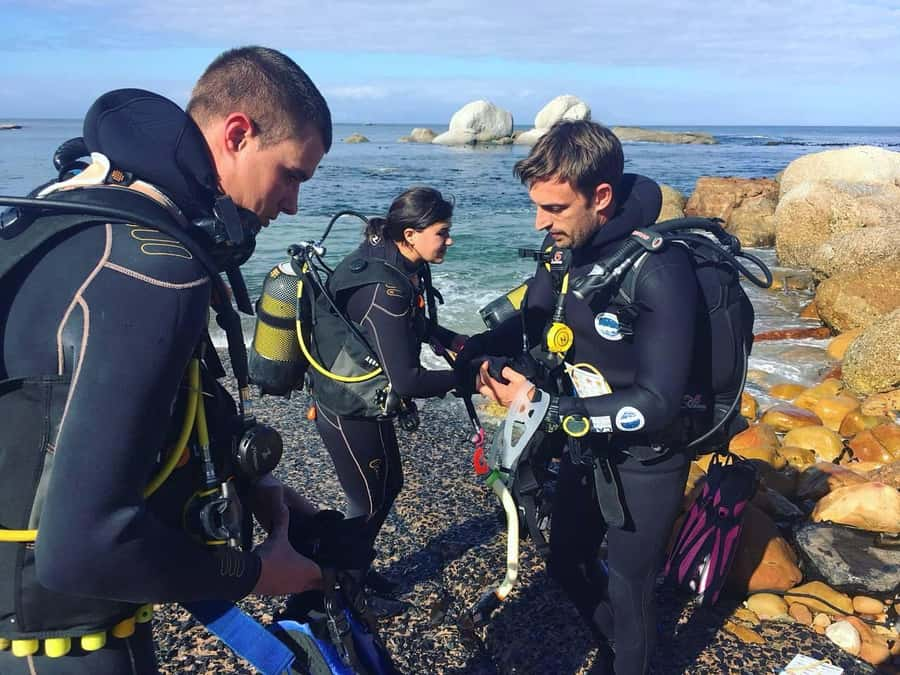
The session uses a shore entry at predetermined sites around Simon’s Town. This is not a boat trip, so you should expect to move from the meeting area toward the water and enter from the shore with your equipment.
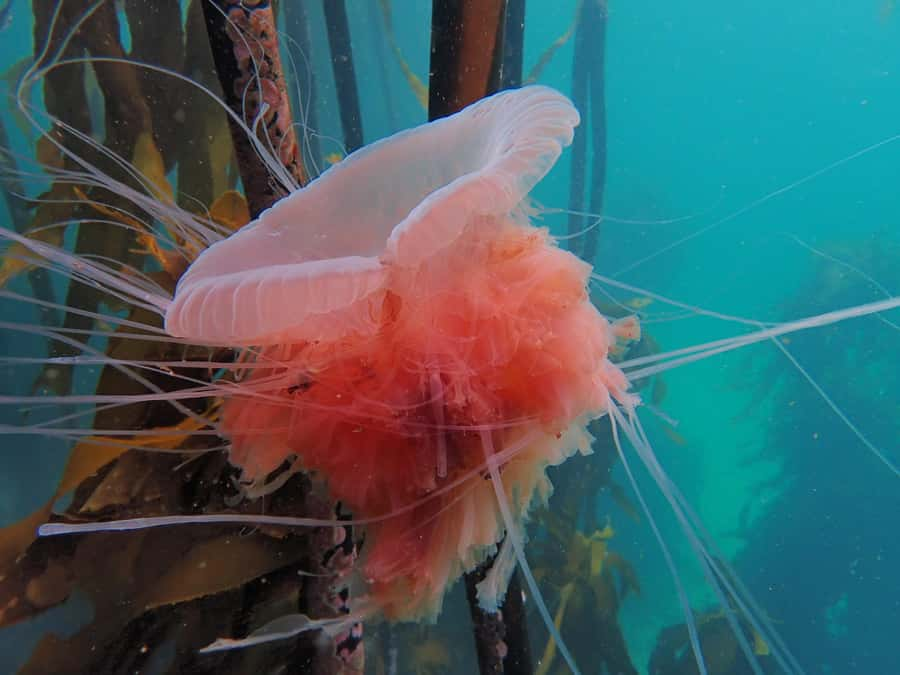
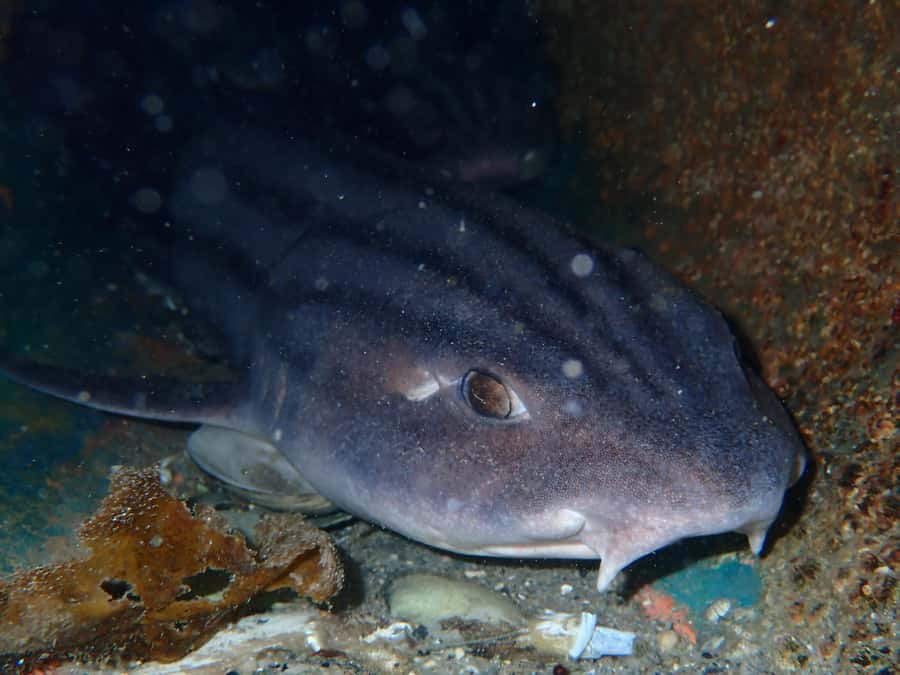
The underwater setting is the main attraction. Sea bamboo kelp moves with the water, creating a forest-like environment where smaller animals can be easy to miss. You might find puffadder sharks, pyjama sharks, stingrays, sea breams, octopus, and other fish species. The program also notes the possibility of penguins and sea otters at the site.
I like that the animal list includes less famous species. Puffadder and pyjama sharks are not the kind of animals most people know before visiting South Africa, and their presence gives the search a local character. You are learning about the creatures that actually live in False Bay, rather than being promised a generic shark show.
The supplied schedule describes this water portion as snorkeling for about an hour, while the main activity description describes a guided scuba session. Since the experience requires open-water scuba certification and includes scuba gear, you should confirm the exact water format with Cape RADD before booking. The consistent point is that the main time in the water is spent around the kelp forests near Simon’s Town.
Same base, a different kind of day out:
- Wine Tour: Paarl, Franschhoek & Stellenbosch incl 3 wineries
★ 5.0 · 3,940 reviews - Cape Town: Hop-On Hop-Off Bus Tour with Optional Cruise
★ 4.8 · 3,929 reviews - Cape Town: Cape of Good Hope & Penguins Day Tour with Pickup
★ 4.7 · 3,362 reviews - Zipline Cape Town – From Foot of Table Mountain Reserve
★ 5.0 · 3,179 reviews
Two ways to help with marine research
Your group may focus on shark identification or fish abundance. The exact task can depend on the site, conditions, and animals you encounter.
For shark work, you photograph the animals’ patterns and submit the images to Fin Spotter. Pattern matching can help researchers identify individual sharks and estimate how many use the area. It can also help show movement patterns over time.
Good photographs matter, but the program does not turn you into a professional photographer. You are working underwater, with limited time and moving animals, so the goal is to capture useful markings when the opportunity appears. You should follow the guide’s instructions and avoid chasing an animal for a picture.
The second option uses underwater data slates to record fish abundance. This gives you a practical role in documenting the kelp forest community. It is a simple task, but repeated observations can help build a clearer picture of the habitat.
The rules are strict and sensible: do not touch marine life or plants. That protects the animals, the kelp, and you. It also keeps the experience focused on watching rather than handling.
What the wildlife search may feel like
The program is built around searching, not guaranteed encounters. You may spend part of the session scanning the kelp and seabed before an animal appears. That slower pace is part of the value, but it may disappoint anyone expecting constant action.
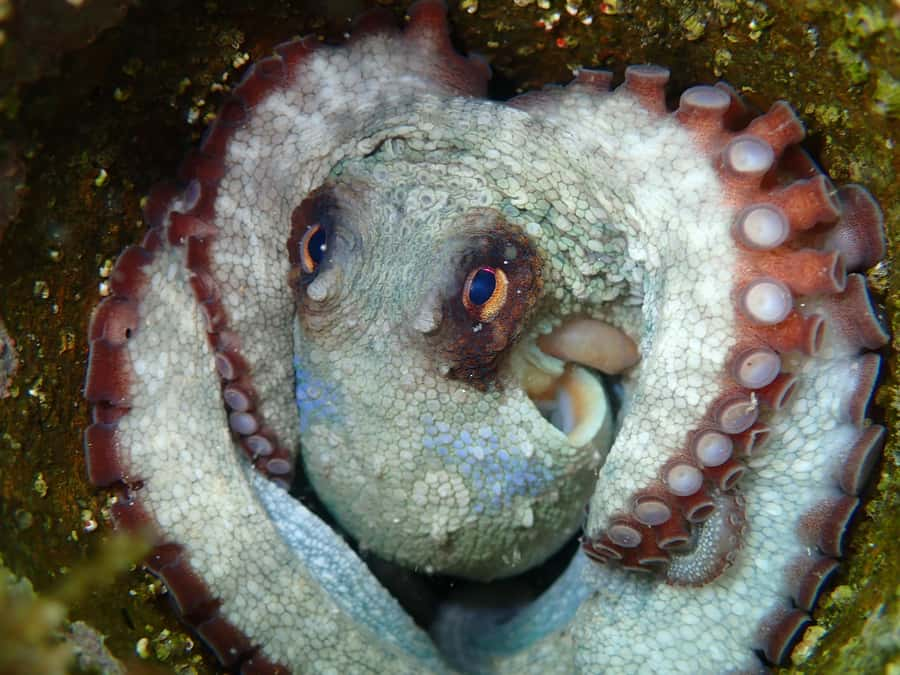
Sharks are the headline, yet rays, fish, and octopus may provide much of the interest. An octopus hiding among the kelp can demand more attention than a quick glimpse of a larger animal. The sea breams and other fish help show how much life occupies the forest between the bigger sightings.
Penguins and sea otters are listed as possible sightings at the site, but they should be treated as a bonus. They are not guaranteed, and the main activity remains the underwater search and conservation work.
You should also be comfortable with a shore entry and with managing scuba equipment in a kelp environment. The program is not suitable for non-swimmers, people without certification, children under 10, wheelchair users, or people with back or heart problems. Those restrictions are not minor details. The physical demands of getting into the water and moving with gear matter here.
Returning for a warm drink and data entry
After the water session, you can rinse off under a heated outdoor shower at Cape RADD headquarters. You then share stories, have a warm drink, and enter the information gathered during the outing into the database.
This finish gives the activity a useful sense of completion. You are not simply leaving the beach with a few photographs on your phone. The observations are logged, and you see how the morning’s work fits into the wider conservation effort.
Still, allow a little patience at the end. The advertised total time is about three to three and a half hours, and the schedule aims to finish around lunchtime. One participant felt rushed out and had trouble getting promised photographs afterward. I would ask before leaving how images will be delivered and whether any completion certificate is included, since one person expected a certificate that was not provided.
That communication issue does not cancel the value of the outing, but it is worth handling directly. Get clear answers from the guide on the day, especially if the photographs are important to you.
Is $178 a fair price?
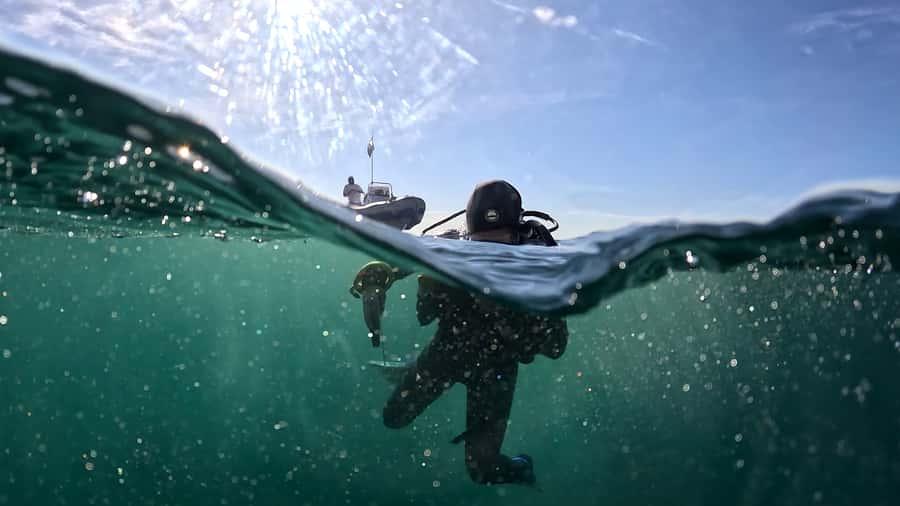
At $178 per person, this is not a budget beach activity. The price includes the guided scuba session, marine biologist instruction, the ecosystem briefing, all diving equipment, and the chance to contribute data to Cape RADD’s work.
The value depends on what you want from the morning. If you need only equipment rental and a standard underwater tour, the price may feel high. If you want an organized encounter with local marine scientists, a research task, and context about the kelp forest, the cost is easier to justify.
The group limit of 10 also matters. A smaller group gives the guide more room to explain the research task and watch how participants handle the equipment. One booking had a private session, which allowed one-on-one attention, though you should not assume that level of personal service on every date.
Transport and lunch are extra. You must reach Simon’s Town yourself, and you should plan a meal after the session. The reserve-now, pay-later option and free cancellation up to 24 hours before the start give you some flexibility, but the key cost question remains the same: are you paying for a simple water activity, or for a guided citizen-science outing with equipment and specialist instruction?
Who will enjoy this Cape Town outing?
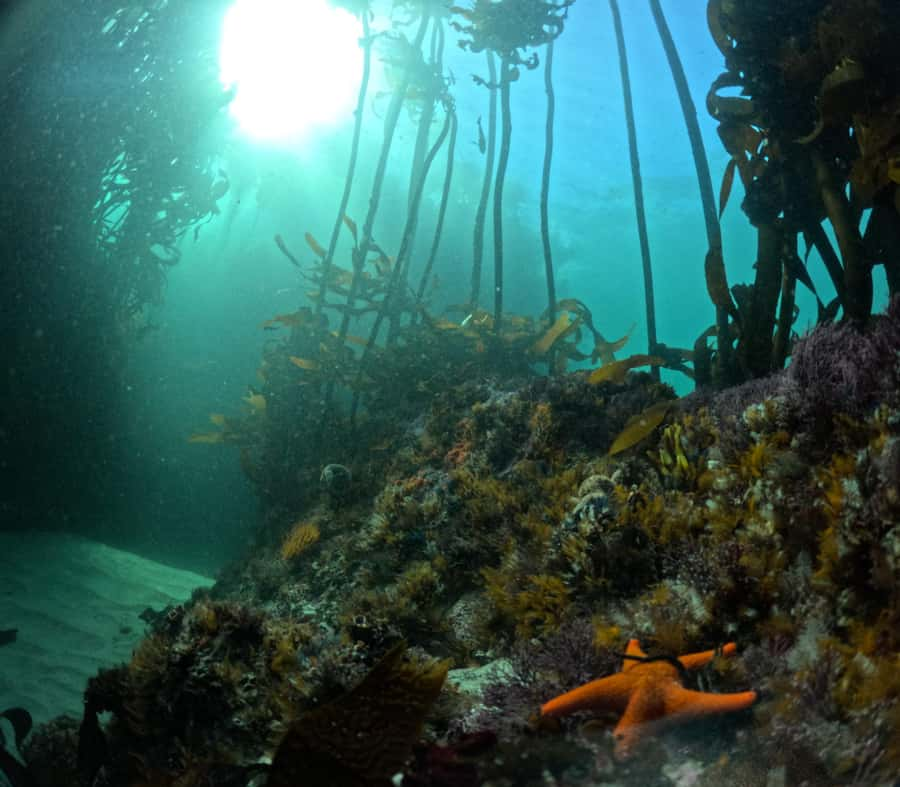
I would choose this for a certified scuba diver who already appreciates marine life and wants more purpose than a standard recreational session. It suits people who are happy to watch carefully, follow instructions, and accept that wildlife does not perform on command.
It is also a good fit for anyone curious about South Africa’s kelp forests. You receive an introduction before entering the water, then see the habitat directly. That combination makes the outing more meaningful than simply looking for a familiar species.
It is less suitable for a first-time swimmer, a person hoping for a guaranteed shark encounter, or anyone needing a fully accessible activity. You must be a certified open-water scuba diver, and the program excludes children under 10, non-swimmers, wheelchair users, and people with back or heart problems.
If you are traveling with non-divers, note that this is not presented as a general sightseeing trip. The central activity is underwater, and the included equipment is scuba equipment. Anyone joining should be comfortable with that format.
Practical verdict: book it for the science
I would book this if you want a compact Cape Town activity that combines wildlife, local ecology, and hands-on conservation. The best parts are the Simon’s Town kelp forest, the chance to search for unusual sharks, and the ability to submit photographs or fish counts as useful data.
I would hesitate if your main goal is a guaranteed shark sighting, polished photo delivery, or a formal certificate. Before paying, confirm the exact water activity, ask how photographs will be sent, and clarify whether a certificate is part of your booking.
For a certified diver who values careful guidance and a small group, the $178 price can make sense. For everyone else, this is a specialized marine-science outing, not a casual Cape Town swim.
FAQ
Where does the scuba experience meet?
Meet in the parking lot of the False Bay Yacht Club, under the Seven Seas Club building, at 117 St George’s Street in Simon’s Town.
How long does the experience last?
The full activity lasts about three to three and a half hours. You meet at about 9:30 a.m. and should finish around 12:30 or 1 p.m.
Do I need scuba certification?
Yes. You must be a qualified open-water scuba diver. The activity is not suitable for non-swimmers or people without certification.
Is scuba equipment included?
Yes. All diving gear is included in the price.
What animals might I see?
You may search for puffadder sharks, pyjama sharks, stingrays, sea breams, octopus, and other fish. Penguins and sea otters may also be seen at the site, but sightings are not guaranteed.
What should I bring?
Bring a hat, swimwear, towel, snacks, sunscreen, and water. Lunch and transport to the meeting point are not included.
Just added in Cape Town
- Wine Tasting in Cape’s Top Three Winelands Private Tour★ 4.5 · 17 reviews
- Private Tour to Aquila Game Reserve in Cape Town – see the Big5★ 5.0 · 5 reviews
- Private Tour:Cape of Good Hop>Seal island>Chapman’speak &Penguins★ 5.0 · 7 reviews
- Full Day Big 5 Aquila Safari Private Transfers Including Park Fee From Cape Town★ 4.5 · 54 reviews
- Robben Island and Table Mountain Cableway with Bo-Kaap Day Tour★ 5.0 · 8 reviews
- Private Full Day Cape Town City Scenic and Table Mountain Tour.★ 5.0 · 3 reviews
- Private Half DayTour:Cape Winelands, Stellenbosch from Cape Town★ 5.0 · 18 reviews
- Private Tour: Cape Winelands to Stellenbosch & Franschhoek★ 5.0 · 3 reviews
Tours in Cape Town, compared.

Wine Tour: Paarl, Franschhoek & Stellenbosch incl 3 wineries
Read our review →
Cape of Good Hope & Penguins Day Tour with Pickup
Read our review →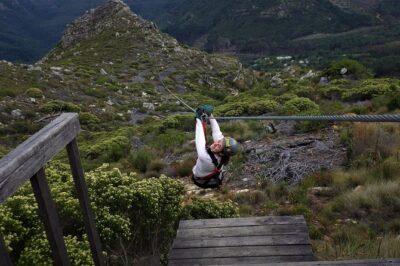
Zipline Cape Town – From Foot of Table Mountain Reserve
Read our review →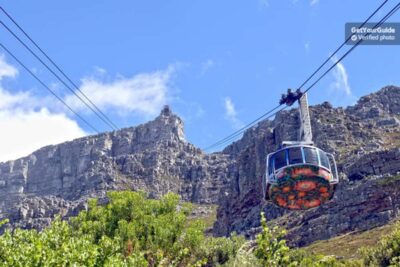
Table Mountain Cable Car, Hop-On Hop-Off Bus Tour
Read our review →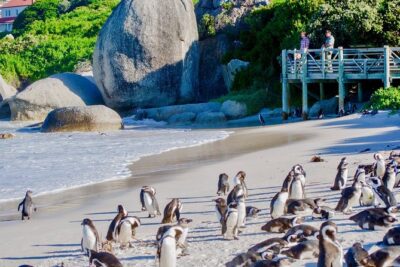
Cape Point and Boulder’s Penguins Full Day Tour
Read our review →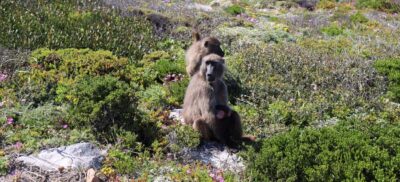
Browse the lists this tour appears in