
Reviewed · WHALE WATCHING
Durban: Durban: Whale and Dolphin Watching Boat Tour
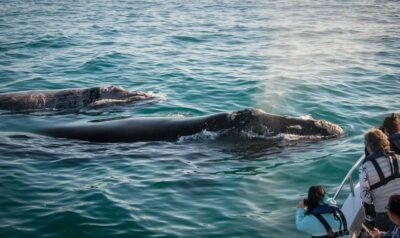
Humpback whales pass Durban from May through November, and this two-hour trip puts you on the open Indian Ocean during their long journey toward warmer waters. You may see a mother with her calf, a whale breaching, or several animals moving together. Dolphins are possible all year.
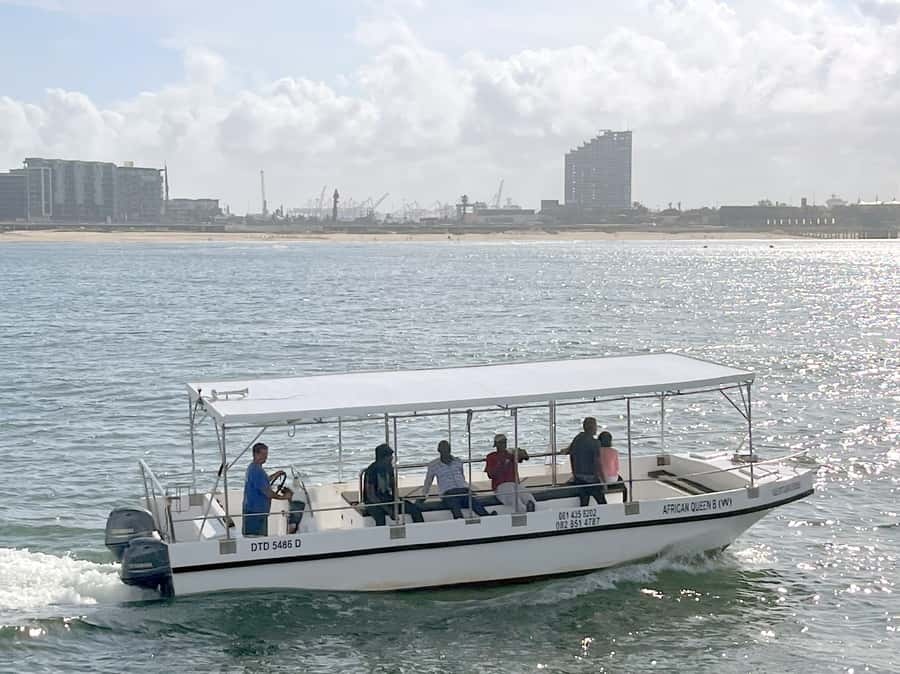
I like the small 11-passenger boat, which gives you a much better chance of seeing the water from the front than a large sightseeing vessel. I also like the guides’ close attention to animal behavior. Bennie, in particular, is praised for finding good viewing positions while keeping a respectful distance. The main drawback is simple: wildlife is wild, and calm weather gives you a much better chance than wind and heavy swell.
Key points to know before you book
- Humpback season runs from May to November: Winter and spring offer the best chance of seeing whales, while summer trips focus more on dolphins and other sea life.
- The boat carries only 11 passengers: Two boats may operate at overlapping times, depending on demand, weather, and maintenance.
- Bennie is a memorable guide: He is described as enthusiastic, experienced, and willing to share photos or videos after the trip.
- Calm seas matter: A windless day with small swells makes it easier to spot whales and can let you hear them breathe.
- You may see more than whales: Dolphins, turtles, birds, fish, sharks, manta rays, and even orcas are possible, though none is guaranteed.
- The $102 price buys a focused ocean trip: Food and drinks are not included, and the experience is best for people comfortable on an open boat.
Setting out from Wilson’s Wharf
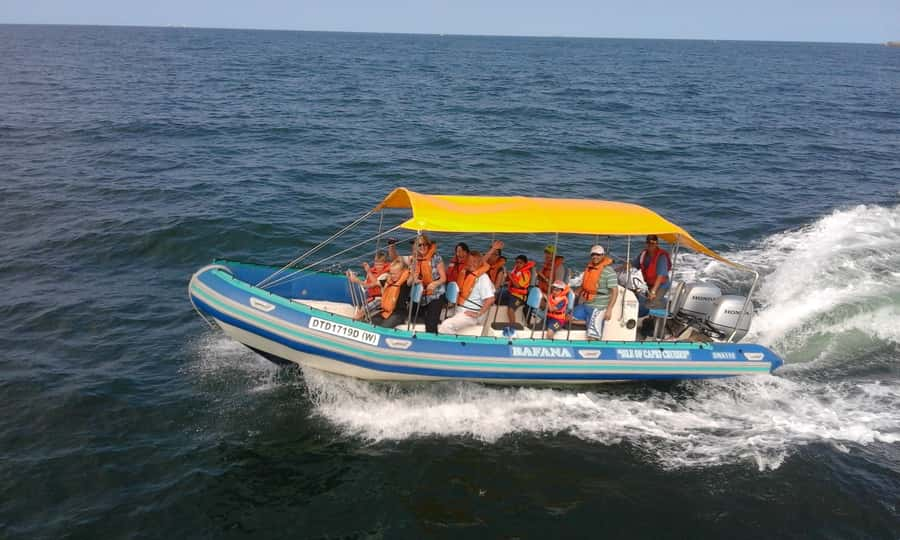
Your trip begins at the Isle of Capri Cruises office at Wilson’s Wharf Marina, next to the Casadena Spur end of the complex. You need to present your ticket at the office or kiosk 30 minutes before departure, so do not cut your arrival close. The marina is your last easy point for getting organized, checking your sunscreen, and filling your water bottle.
The boat is registered with the South African Safety Authority as a suitable whale and dolphin watching vessel. The operator has held one of Durban’s limited whale-watching permits since 2012. That matters because this is not simply a casual harbor cruise that happens to point toward the ocean. The boat and crew are set up for open-water wildlife watching.
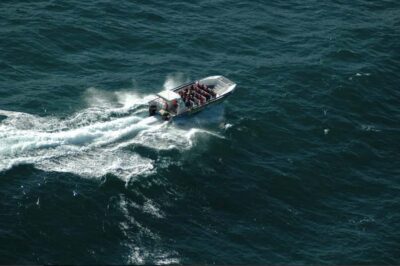
The standard boat carries 11 passengers, with front-facing seats and the skipper and crew behind you. That layout helps you keep your eyes on the sea ahead instead of turning around every time the boat changes direction. It also gives you a more personal setting than a large sightseeing boat.
There is one wrinkle. The company uses a pool of available vessels rather than promising one dedicated boat for every departure. Weather, passenger numbers, and maintenance can change which boat you board. You should expect the same type of cruise rather than a specific named vessel.
Other boats out to see whales from Durban:
- Hermanus: Boat Based Whale Watching Experience
★ 4.4 · 1,180 reviews - Hermanus: Whale and Dolphin Watching Boat Trip
★ 4.6 · 807 reviews - Whale, Dolphin & Penguin Island Cruise
★ 5.0 · 687 reviews
Two hours on the Indian Ocean
Once clear of the marina, the boat heads into the Indian Ocean toward the Mozambican Current. The route can change with the weather, and the captain may need to adjust the plan to find better conditions or respond to animal activity.
The first part of the trip is about settling into the motion of the sea. On a calm day, the ride can feel smooth and open, with plenty of time to scan the water. On a windy day, the same stretch can feel much more physical. This is an active boat outing, not a quiet, sheltered cruise.
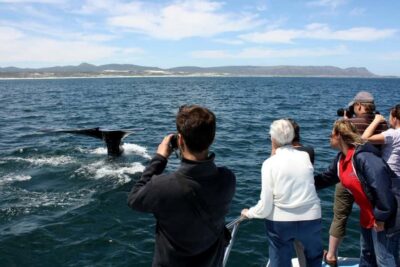
Your guide explains whale behavior, body size, migration, and family life as you search. Humpback whales can reach about 15 meters, or 49 feet, and weigh around 30 tons. Seeing those numbers on paper is one thing. Watching a whale’s back rise beside a small boat gives them real meaning.
The crew’s job is not only to find an animal. It is also to position the boat without crowding it. Bennie receives particular praise for trying to give people a good view while respecting the whales’ behavior. That balance is important. The best encounter is not necessarily the closest one.
What humpback season can bring
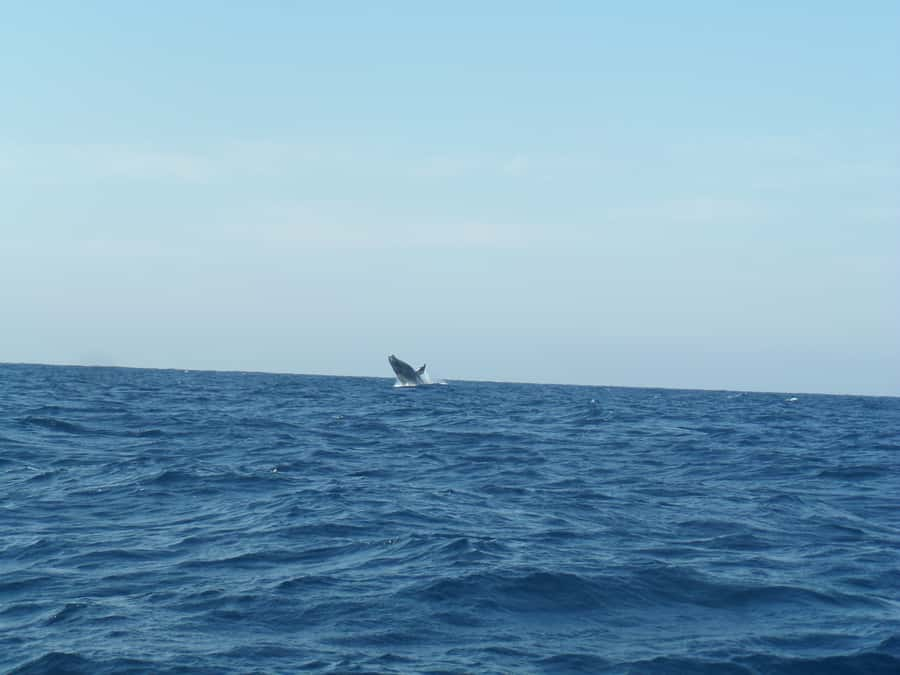
From June to November, humpbacks move from the Southern Ocean toward warmer tropical waters for mating and giving birth. Durban can see whales from May to November, so the season covers much of the local winter and spring.
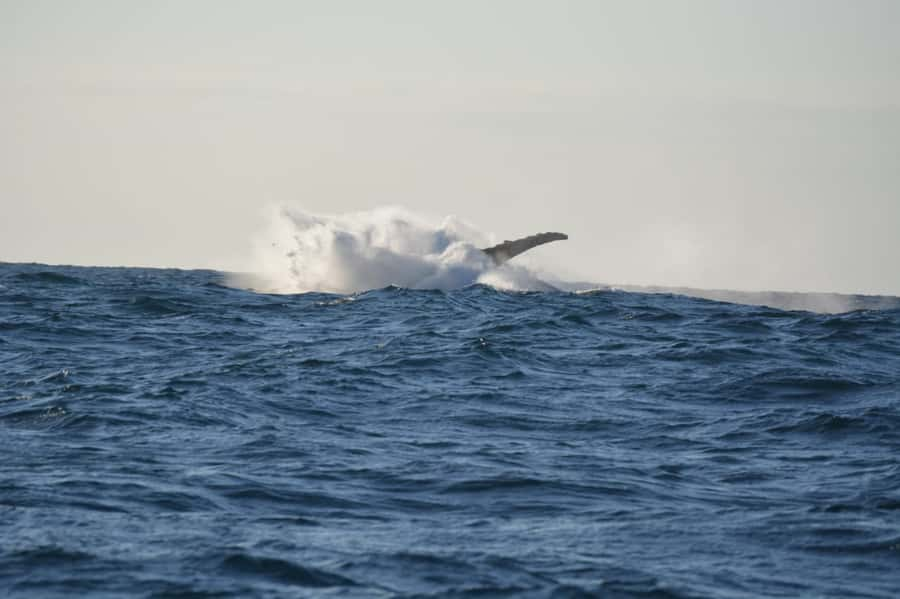
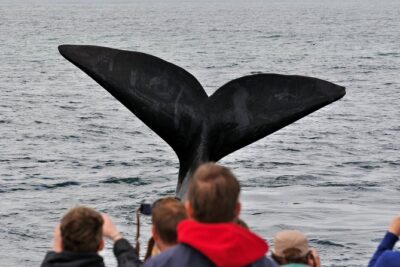
The strongest moments can happen quickly. A whale may surface, breathe, and disappear before you have your camera ready. Another may slap its tail or rise in a partial breach. Full breaches are less predictable, but they do happen. One morning near the end of October, the boat found seven whales, including three that stayed nearby and breached several times.
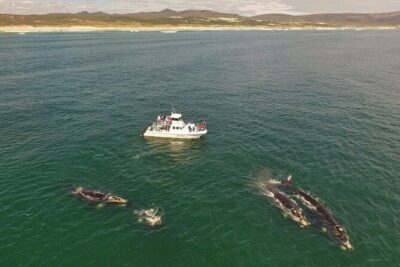
You might see a mother and calf traveling together. You might also see older calves jumping or interacting with adults. These family scenes are among the most meaningful parts of the trip because they show more than size. They give you a glimpse of social behavior during a demanding migration.
A calm morning can add another layer. When the sea is quiet, you may hear a whale breathe as it surfaces. That small sound can be more affecting than the dramatic moments, especially when the animal appears close by and then slips below the water.
Still, you must set your expectations properly. A whale trip is not a guaranteed whale performance. Some departures may produce several close sightings. Others may find animals farther from shore, or none at all. The guide can search, but nobody can schedule a breach.
Dolphins and the wider marine cast
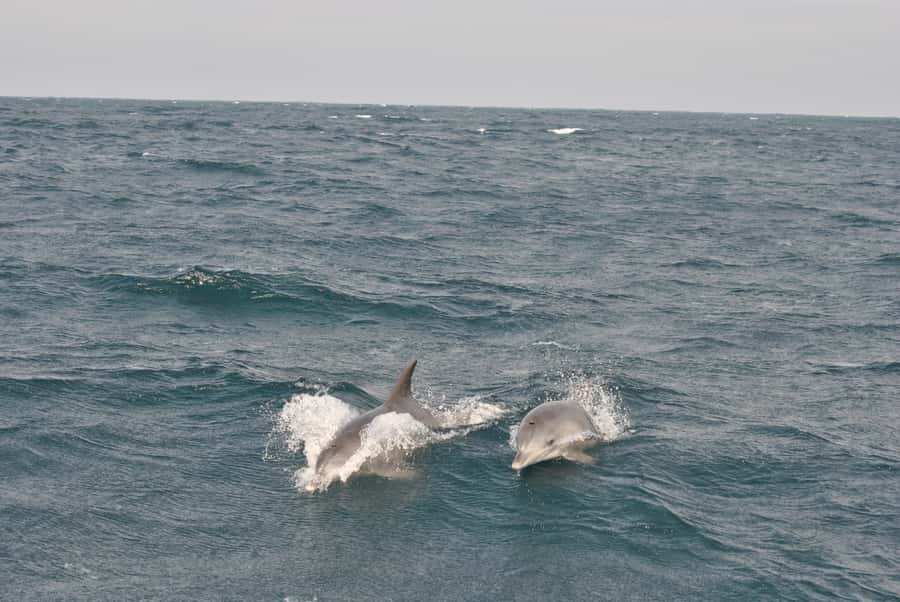
Dolphins are available throughout the year, including the summer months when whales have migrated elsewhere. They may appear in the swells, sometimes traveling beside the boat or moving in groups. The experience is still worthwhile outside whale season, but the focus shifts from large seasonal visitors to the marine life that remains in the area.
You may also spot fish, seabirds, and turtles rising to feed near the surface. Sharks have appeared close to the boat on some outings, and the possible list also includes manta rays and orcas. These sightings are occasional, not promised, so treat them as a bonus rather than a reason to book during a particular month.
The tour does not allow swimming with the animals. That rule protects both you and the wildlife, and it keeps the outing focused on observation. You are there to watch natural behavior, not turn the encounter into an animal-contact activity.
A camera is worth bringing, but keep it ready rather than buried in a bag. A hat, sunscreen, water, comfortable clothes, a scarf, and weather-appropriate layers are also sensible. The open sea can feel cooler and rougher than the marina, even on a pleasant day.
Other wildlife boats from Durban:
- Cape Town: Dolphin & Ocean Wildlife Kayaking Adventure ⚓️
★ 5.0 · 57 reviews - Plettenberg Bay: Dolphin and Marine Boat Tour
★ 4.5 · 45 reviews
The guides make the difference
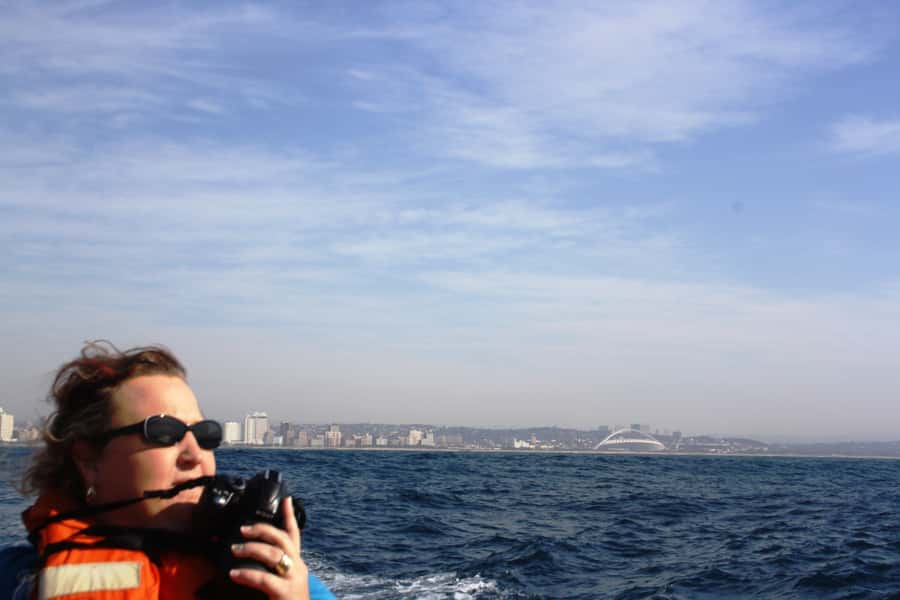
The guide is central to this experience because whale watching involves long periods of looking, waiting, and interpreting small movements. A guide who can explain what you are seeing turns a distant back or blow into a real encounter.
Bennie is especially well regarded for his energy and enthusiasm. He has spent years doing this work and still appears to enjoy the sight of whales and dolphins. That enthusiasm helps during quiet stretches, when the boat is searching and everyone needs a reason to keep scanning the horizon.
He has also shared photos and videos with passengers after the trip. That is a useful extra because the best whale moments can be hard to capture from a moving boat. You should not count on receiving personal footage every time, but it has happened and adds value when available.
The stated guiding languages are English and Afrikaans. The inclusions also mention an English guide and a Zulu guide, so check the language arrangement when booking if that matters to you. The guide provides information about behavior and characteristics rather than simply pointing out animals.
How the $102 price holds up
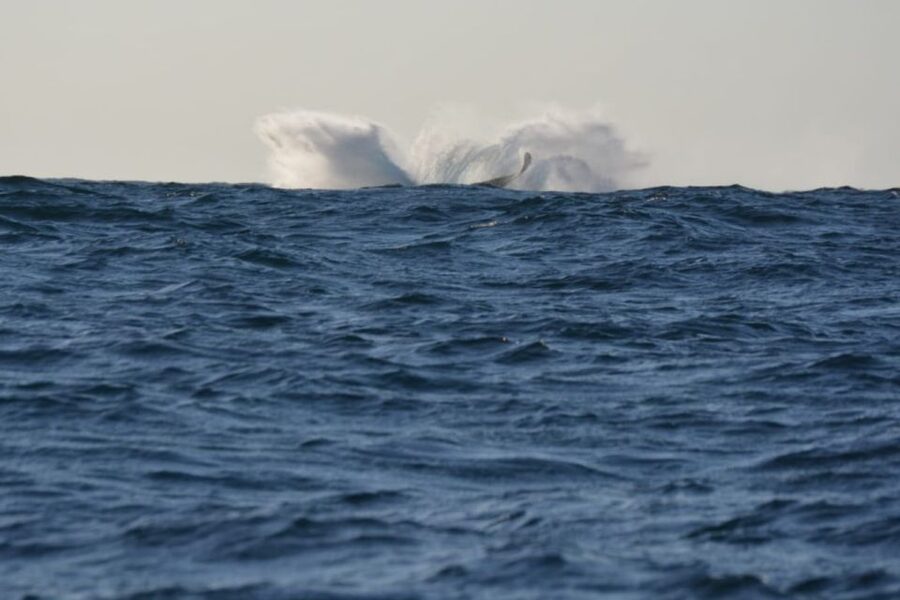
At $102 per person, this is not a bargain harbor ride. You are paying for a two-hour open-ocean trip, a small passenger capacity, a permitted whale-watching operation, and a crew searching for seasonal wildlife.
I think the price makes the most sense during whale season, especially from June through October when your chance of seeing humpbacks is strongest. A successful encounter can provide several hours of memories in a single morning, even though the scheduled cruise itself lasts two hours. The experience feels less worthwhile if you expect a guaranteed close whale sighting or a full package with refreshments.
Food and drinks are not included. Bring your own water, and eat before arriving if you do not handle motion well on an empty stomach. The cruise is short enough to fit into a Durban sightseeing day, but it is long enough for rough water to feel tiring.
The small boat is a major part of the value. With only 11 passenger spaces, you are not looking over a packed crowd every time a whale surfaces. Two boats may leave around overlapping times, though, so the exact group size and vessel can vary.
Weather, comfort, and who should skip it
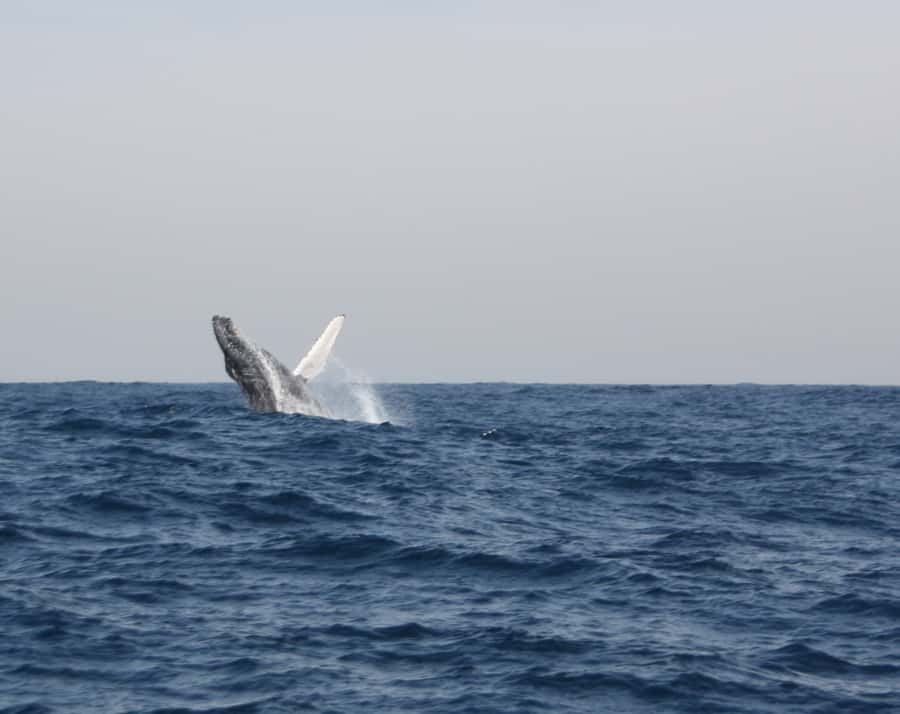
Weather controls the route. Wind, swell, and visibility can affect how far the boat goes and how easy it is to spot animals. A calm, windless day with small swells offers the best viewing conditions, so keep an eye on the forecast and allow some flexibility in your plans.
This is not a wheelchair-friendly activity. It is also not recommended for pregnant people, people with back problems, or people with mobility impairments. Toddlers are not recommended, with parental responsibility applying if you bring a young child.
The boat does not suit anyone seeking a fully sheltered, highly predictable ride. You should be comfortable with open-ocean movement and able to remain alert while scanning the surface. Wear practical clothing rather than your smartest sightseeing outfit.
The tour suits couples, families with older children, photographers, and anyone who wants a direct look at Durban’s marine life. It is especially good for people who value a small boat and a guide who respects the animals. It is less suitable if you need guaranteed wildlife, calm water, or easy step-free access.
Practical timing and booking advice
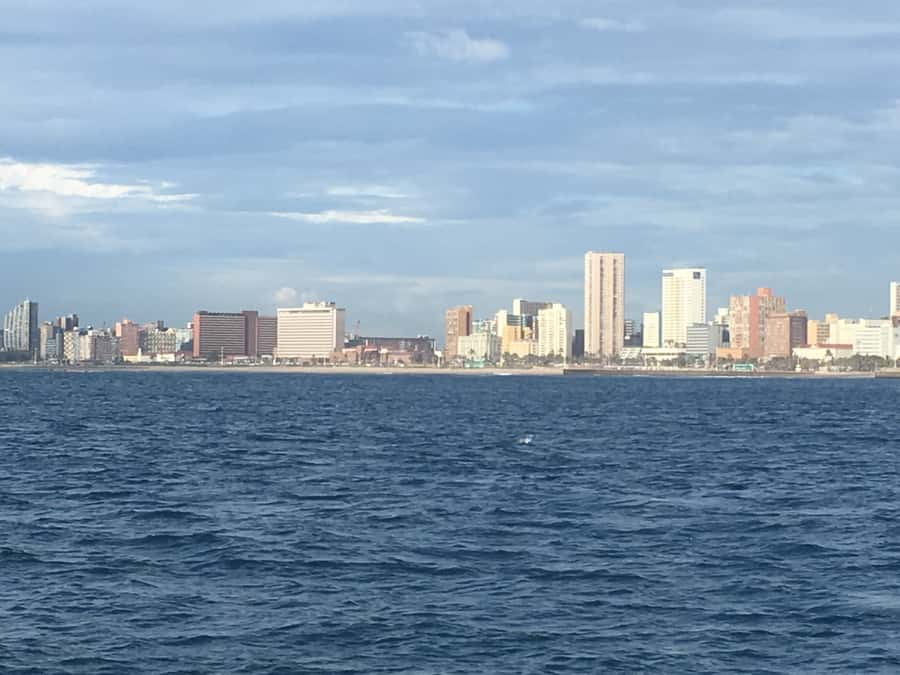
Arrive at Wilson’s Wharf 30 minutes before departure with your ticket ready. Check the starting time when booking because departures vary. Free cancellation is available up to 24 hours in advance, and you can reserve now and pay later, which helps if the weather forecast is uncertain.
The best plan is to keep your day flexible around the cruise. Do not schedule an important event immediately afterward if you are sensitive to rough water or if weather causes a later departure. The cruise route can change, and the ocean does not work to a city timetable.
Winter is the clear choice for whales. From May through November, keep your expectations centered on humpbacks, with dolphins and other wildlife as added possibilities. During summer, book it as a dolphin and marine-life cruise rather than expecting whales, since the humpbacks migrate elsewhere.
Should you book the Durban whale tour?
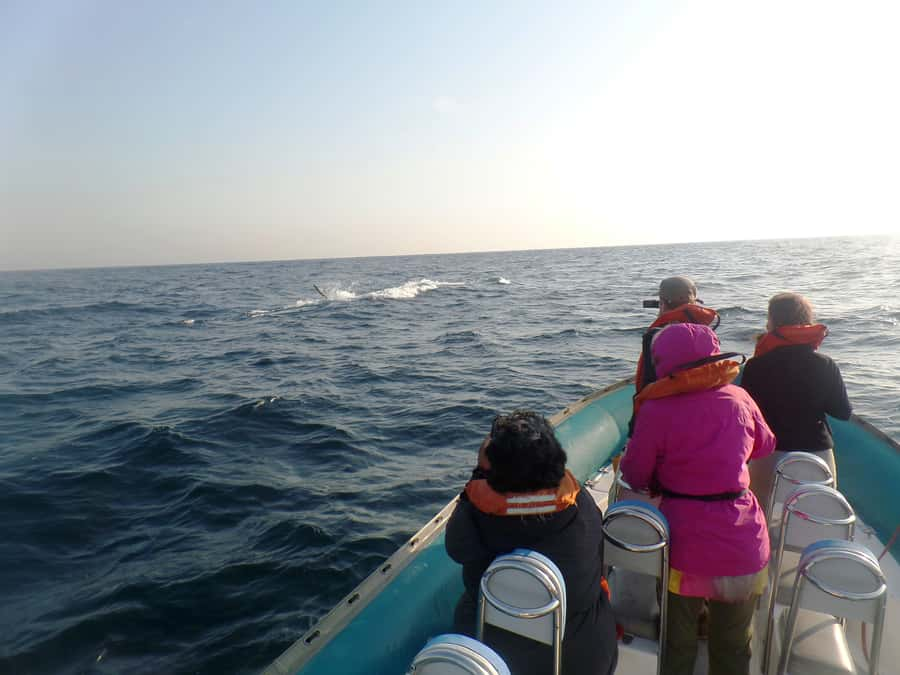
Book this trip if you want a small-boat ocean experience and accept that nature sets the schedule. The strongest reason to go is the chance to see humpbacks in their natural setting, sometimes with calves, breaches, tail slaps, or several whales moving together.
I would choose a calm winter or spring morning, bring a camera and warm layers, and arrive early. If you have back, mobility, or pregnancy concerns, skip it. If your main goal is a guaranteed close-up encounter, this is not the right promise to buy.
For the right passenger, the $102 cost is fair. You get two hours on the Indian Ocean, a focused guide, and a real chance to see one of the world’s largest mammals behaving on its own terms. That uncertainty is part of the deal, but so is the possibility of a whale surfacing beside you and making the whole outing worthwhile.
FAQ
How long is the whale and dolphin boat tour?
The cruise lasts two hours.
Where does the tour depart from?
It departs from the Isle of Capri Cruises office at Wilson’s Wharf Marina, next to the Casadena Spur end of the complex.
How early should I arrive?
You should present your ticket at the office or kiosk 30 minutes before departure.
When is the best time to see humpback whales?
Whales pass Durban from May to November, with the winter and spring months offering the main whale-watching season.
Can I see dolphins outside whale season?
Yes. Dolphins and other sea creatures can be seen during the summer months when humpback whales have migrated elsewhere.
Is the boat wheelchair accessible?
No. The activity is not wheelchair-friendly and is also not suitable for people with mobility impairments.
Is swimming with the animals allowed?
No. Swimming with the whales, dolphins, or other animals is not permitted.
Just added in Durban
- Tala Game Reserve & Natal Lion Park 1/2 Day Tour from Durban★ 3.0 · 13 reviews
- Shakaland and Zulu Culture Full-Day Trip★ 4.5 · 7 reviews
- From Durban: Safari & PheZulu Village Day Tour★ 4.4 · 24 reviews
- From Durban: Oribi Gorge & Lake Eland Adventure Tour★ 5.0 · 5 reviews
- From Durban: Hluhluwe Imfolozi Game Reserve Day Trip★ 4.5 · 13 reviews
- Durban: Hluhluwe Imfolozi Safari & iSimangaliso Tour★ 5.0 · 22 reviews
- Half Day Tala Game Reserve & Natal Lion Park from Durban★ 3.3 · 16 reviews
- Half Day Durban City Tour and Phezulu Safari Park★ 4.3 · 4 reviews
Whale Watching, compared.
Browse the lists this tour appears in